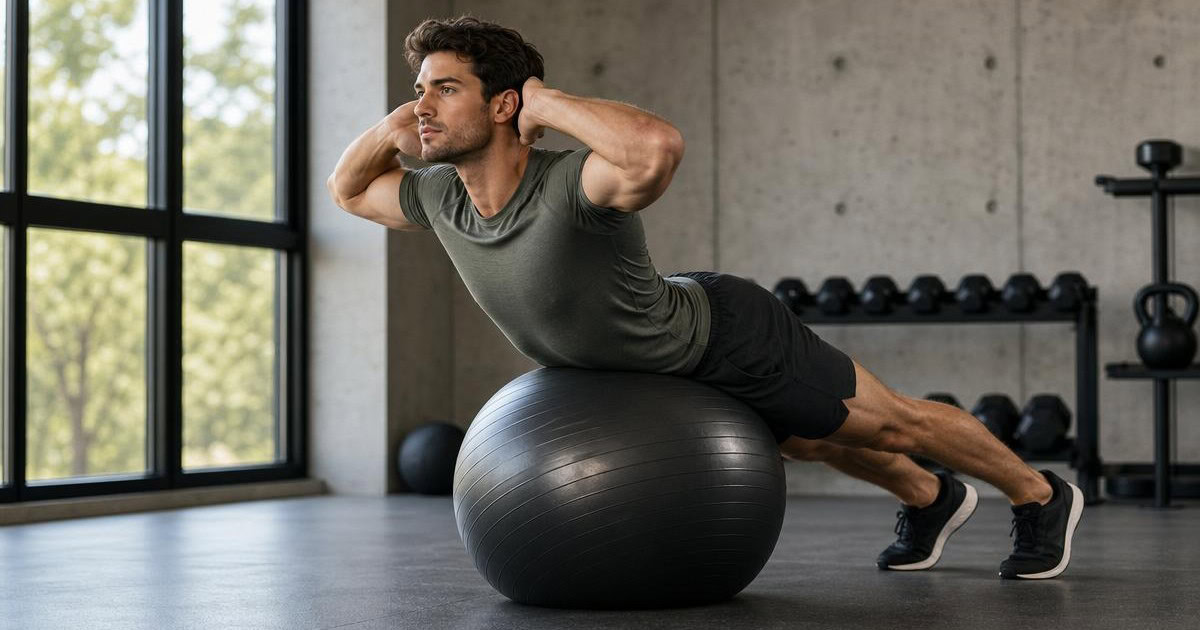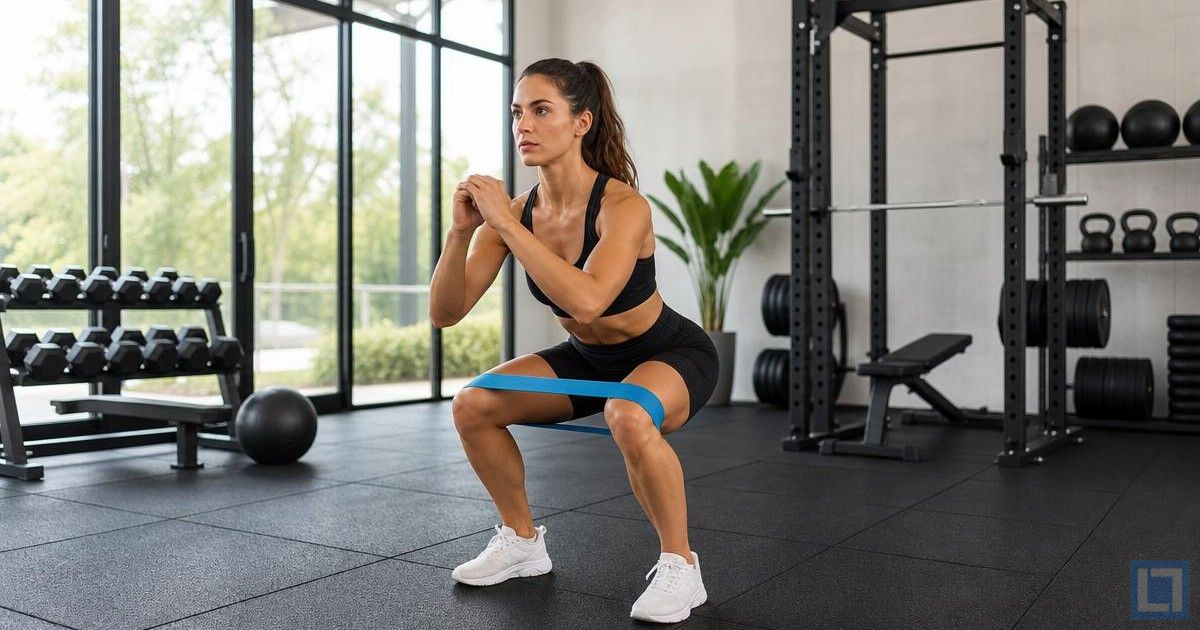
Resistance band leg training produces real toning and shaping for legs without the heavy loading that drives larger muscle development. The accommodating resistance of bands (lighter at the start, heavier at the contracted position) loads the legs through their working range without requiring heavy free weights, which produces the kind of toned-without-bulky leg shape most slim-leg programs target. The training also includes lateral hip work (clams, foot rotations) that pure squat-based programs miss entirely, which produces broader leg shaping than weight-only training.
Below are ten effective resistance band exercises for slim legs that cover foundational lower-body work (band lunge, band squat), glute-focused training (clam, elevated glute bridge), conditioning (jump squat, long jump), posterior chain (45-degree hyperextension), and lower-leg shaping (foot rotations, plantar flexion). Together they form a complete slim-leg training program that fits in any setting with just band equipment. A 25 to 35-minute session pulled from this list produces strong leg toning and shaping over weeks of consistent practice.
Resistance Band Lunge
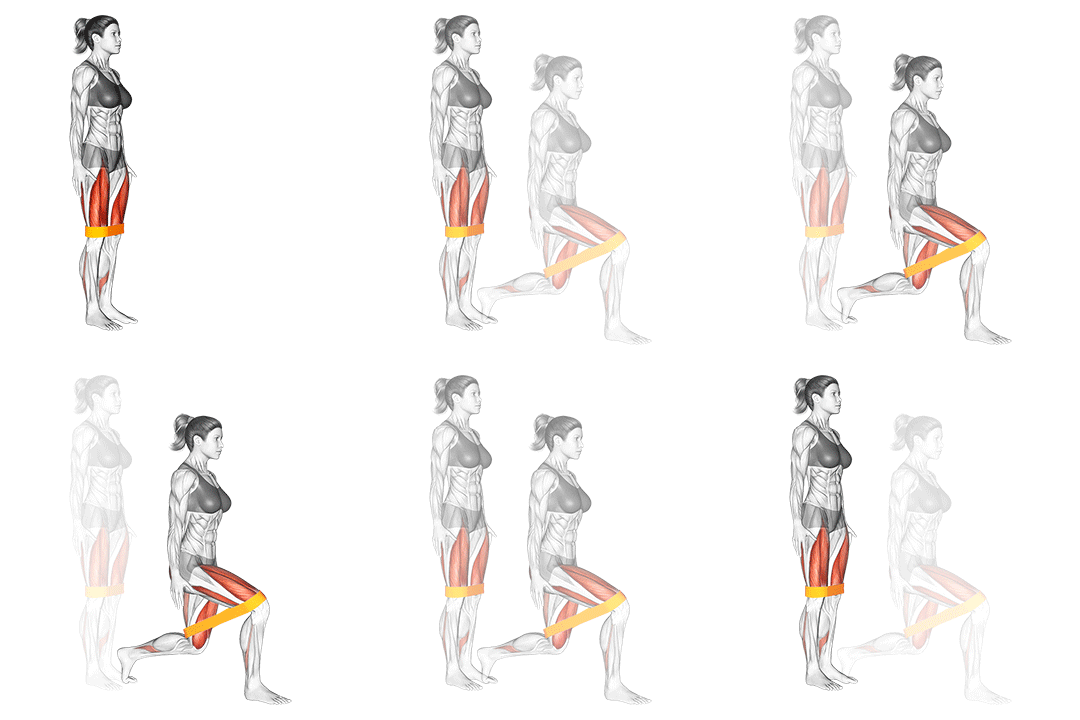
The Resistance Band Lunge performs the standard lunge motion while standing on a band with the ends held at the shoulders or in the hands at the sides. The added band tension increases the loading on the legs throughout the rep.
For toned slim leg development through band training, the band lunge is the foundational exercise. The unilateral leg loading hits the glutes, quads, and adductors directly through their working range. Run it for 3 sets of 10 to 12 reps per leg as primary leg work in slim-leg sessions.
Stand on a resistance band with both feet, holding the ends at the shoulders or in the hands at the sides. Step forward into a long lunge, dropping the back knee toward the floor. Drive through the front foot to push back to standing. Alternate sides or complete all reps on one leg before switching.
Resistance Band Clam

The Resistance Band Clam lies on one side with knees bent and a band looped above the knees, then opens the top knee away from the bottom knee against the band tension. The pattern targets the gluteus medius and lateral hip stabilizers directly.
For slim-leg sessions that need glute activation, the clam is one of the most direct gluteus medius exercises that exists. The pattern produces strong outer-glute development that contributes to the hip-and-thigh shape most slim-leg programs target. Run it for 3 sets of 12 to 15 reps per side.
Lie on one side with both knees bent at 90 degrees, knees stacked. Loop a resistance band above the knees. Open the top knee away from the bottom knee against the band tension while keeping the feet together. Lower under control. Switch sides after each set.
Resistance Band Squat

The Resistance Band Squat stands on a band with both feet and performs a squat motion while holding the band ends at the shoulders. The accommodating resistance pattern produces stronger loading at the top of the rep where the legs naturally have more strength.
For slim-leg development through banded squatting, the band squat produces real lower-body loading that bodyweight squats alone cannot match for advanced lifters. The pattern hits the quads, glutes, and adductors. Run it for 3 sets of 12 to 15 reps as foundational lower-body work.
Stand on a resistance band with both feet at shoulder-width. Hold the band ends at the shoulders with elbows pointing forward. Squat down by sitting the hips back while bending the knees. Drive back to standing. The band tension increases as the body extends.
Resistance Band Jump Squat

The Resistance Band Jump Squat lowers into a squat with band tension and explodes upward into a vertical jump, then lands softly back into the squat. The plyometric loading combined with band resistance produces strong leg conditioning.
For slim-leg conditioning that adds cardiovascular demand, band jump squats produce stronger leg conditioning per rep than standard band squats. The plyometric component drives heart rate up while the band tension keeps the legs loaded throughout. Run it for 3 sets of 10 to 12 reps.
Stand on a resistance band with both feet. Hold the ends at the shoulders. Squat down by sitting the hips back. Drive explosively upward into a vertical jump, fully extending through the legs. Land softly back into the squat position. Repeat immediately.
Resistance Band Foot External Rotation

The Resistance Band Foot External Rotation seats with a band looped around one foot and rotates the foot outward against the band tension. The pattern targets the lateral lower-leg muscles and hip rotators.
For complete slim-leg training that includes lower-leg shaping, the band foot rotation hits muscles that standard leg exercises miss entirely. The pattern produces ankle stability that translates to better calf and lower-leg shape. Run it for 3 sets of 12 to 15 reps per side as accessory lower-leg work.
Sit on the floor with one leg extended. Loop a resistance band around the foot of the extended leg with the other end anchored. Rotate the foot outward against the band tension. Return under control. Switch legs on the next set.
Resistance Band Foot Inversion

The Resistance Band Foot Inversion seats with a band looped around one foot and rotates the foot inward against the band tension. The pattern targets the medial lower-leg muscles and inner ankle stabilizers.
For complete lower-leg slim-leg training, the band foot inversion complements the external rotation exercise by hitting the inner-ankle musculature. The combination produces stronger ankle and lower-leg development than calf raises alone. Run it for 3 sets of 12 to 15 reps per side.
Sit on the floor with one leg extended. Loop a resistance band around the foot of the extended leg with the other end anchored. Rotate the foot inward against the band tension. Return under control. Switch legs on the next set.
Resistance Band Elevated Glute Bridge

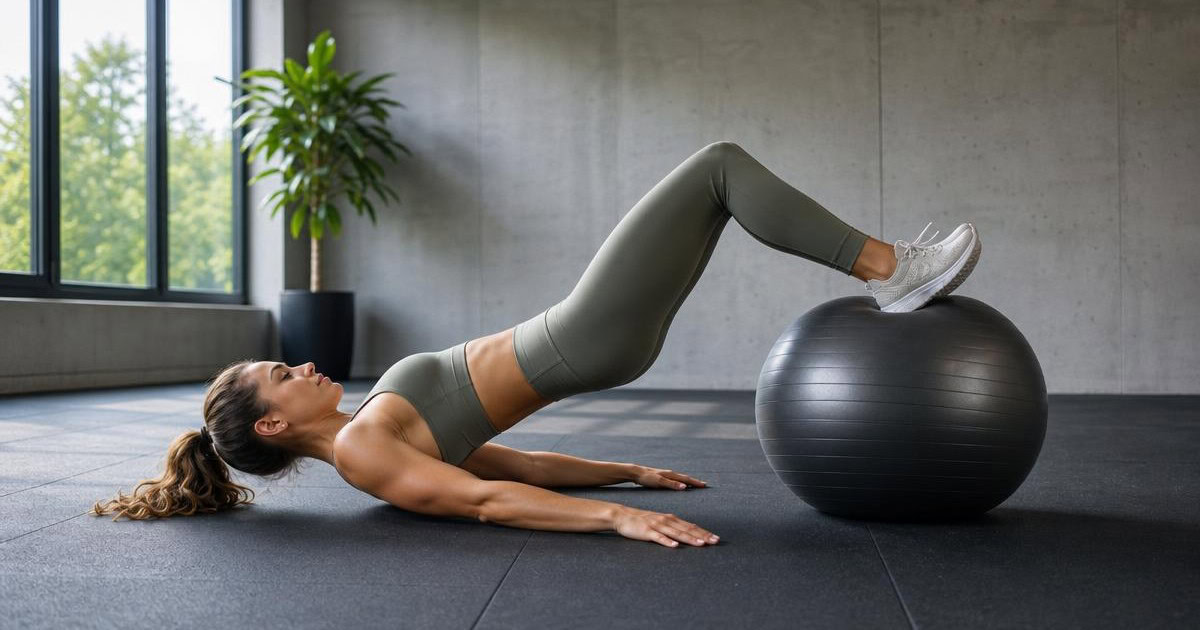
The Resistance Band Elevated Glute Bridge places the feet elevated on a bench with a band looped above the knees, then performs glute bridges while pressing the knees apart against the band tension. The combined hip extension and abduction produces strong glute loading.
For slim-leg development through glute work, the elevated glute bridge is one of the most effective glute exercises that exists. The elevation increases the range of motion while the band adds gluteus medius activation. Run it for 3 sets of 12 to 15 reps as primary glute work.
Lie flat on the back with the feet elevated on a bench, knees bent. Loop a resistance band above the knees. Drive the hips up by squeezing the glutes hard at the top while pressing the knees apart against the band tension. Lower under control.
Resistance Band 45 Degrees Hyperextension

The Resistance Band 45 Degrees Hyperextension performs the hyperextension motion at a 45-degree angle while holding band ends at the chest with the band anchored below. The combined hip extension and band loading hits the glutes, hamstrings, and lower back.
For slim-leg development through posterior chain work, the band hyperextension is one of the most direct glute and hamstring exercises that exists. The pattern translates to broader athletic function and produces strong development of the back of the legs. Run it for 3 sets of 10 to 12 reps.
Anchor a resistance band at floor level. Set up at a 45-degree hyperextension bench facing the anchor. Hold the band ends at the chest. Hinge forward at the hips, then extend back to the start by contracting the glutes and hamstrings against the band tension.
Resistance Band Long Jump

The Resistance Band Long Jump anchors a band behind the body and performs a long jump motion against the band tension, jumping forward as far as possible while the band pulls back. The combination produces strong full-leg power development.
For slim-leg conditioning that builds explosive power, the band long jump produces unique leg development that pure squat or lunge work cannot match. The pattern translates to athletic performance and develops the calves, quads, and glutes simultaneously. Run it for 3 sets of 5 to 8 reps with full recovery between reps.
Anchor a resistance band behind the body at waist level. Stand facing away from the anchor with the band looped around the waist. Squat down and jump forward as far as possible against the band tension. Step back to the start and reset before the next rep.
Resistance Band Foot Plantar Flexion

The Resistance Band Foot Plantar Flexion seats with a band looped around the foot and points the foot forward against the band tension. The pattern targets the calves directly through their primary plantar flexion function.
For slim-leg development that includes calf shaping, the band plantar flexion is one of the most accessible calf exercises that exists. The pattern hits the calves through their full range without requiring standing weight. Run it for 3 sets of 15 to 20 reps per side as accessory calf work.
Sit on the floor with one leg extended. Loop a resistance band around the ball of the foot with the other end held in the hands. Point the foot forward against the band tension by extending through the ankle. Return under control. Switch legs on the next set.
How To Program These Workouts
A productive slim-leg band session pulls seven to nine exercises from the list above. A balanced session includes one bilateral lower-body movement (band squat), one unilateral exercise (band lunge), one glute-focused exercise (clam or glute bridge), one conditioning piece (jump squat), one lower-leg exercise (foot rotation or plantar flexion), and 1 to 2 additional accessories. Run loaded movements for 3 sets of 10 to 15 reps; lower-leg work for 3 sets of 12 to 20 reps; conditioning for 3 sets of 8 to 12 reps.
Train slim-leg band sessions 3 to 4 times per week. The accommodating resistance produces moderate joint stress, which allows higher frequency than barbell-heavy programs. Most lifters do well with 3 to 4 leg-focused band sessions per week alongside 2 to 3 upper-body or full-body sessions. The format also fits naturally as a daily morning or evening practice for lifters focused on leg toning.
For broader band programming, see our best resistance band workouts and best full body resistance band workouts. For glute-specific training, see our best resistance band glute workouts.
Final Thoughts
The best resistance band workouts for slim legs deliver real leg toning and shaping through accommodating resistance training that fits in any setting. The combination of foundational lower-body movements, glute-focused training, conditioning patterns, and lower-leg shaping covers every major leg and hip function. For lifters who want toned-not-bulky legs through accessible equipment, resistance band leg training is one of the most effective options available.
Stay focused on consistency and progressive band tension. The most common slim-leg band training mistake is sticking with the same band tension indefinitely, which produces no progression once the body adapts. The fix: progress to heavier bands every 4 to 6 weeks, or add additional bands (loop two bands together) to increase the loading. Most lifters can progress band tension significantly over 12 to 24 weeks of consistent training. The accommodating resistance produces real progression when the load is regularly increased.
Frequently Asked Questions
Will resistance bands slim my legs?
Resistance band leg training produces toned, shaped legs through moderate-load training that builds muscle without driving the larger size increases that heavy weight training produces. The combination of consistent leg training and appropriate body fat management produces visible slim-leg results over 8 to 12 weeks. Bands alone cannot reduce existing leg size if body fat is high; nutrition handles the body fat side, training handles the muscle shape side.
How often should I do slim leg band workouts?
Three to four times per week works for most lifters. The accommodating resistance produces moderate joint stress, which allows higher frequency than barbell-heavy programs. Most successful programs include 3 to 4 leg-focused band sessions per week alongside 2 to 3 upper-body or full-body sessions. Daily training is feasible with appropriate variety between sessions.
Are resistance bands enough to tone legs?
Yes for most general slim-leg goals. The combination of progressive band training, appropriate volume, and consistent nutrition produces real leg toning for years of consistent practice. Bands work particularly well for slim-leg programs because the accommodating resistance loads the legs without driving the larger muscle development that heavy weights can produce.
Can resistance bands replace squats for legs?
For toning and general fitness yes; for maximum leg strength partially. Bands produce real leg development for years of consistent training, particularly for slim-leg goals. Lifters chasing maximum leg strength eventually benefit from heavy free-weight squatting that allows loads bands cannot match, but consistent band training produces measurable leg development for slim-leg goals at every level.
How long until I see slim leg results?
Most lifters feel meaningful leg toning improvements within 4 to 6 weeks of consistent band training. Visible leg shape changes appear within 8 to 12 weeks combined with appropriate nutrition. Major slim-leg results take 3 to 6 months of dedicated practice. The combination of consistent training and sustainable nutrition produces stronger long-term results than aggressive short-term cutting or extreme training programs.