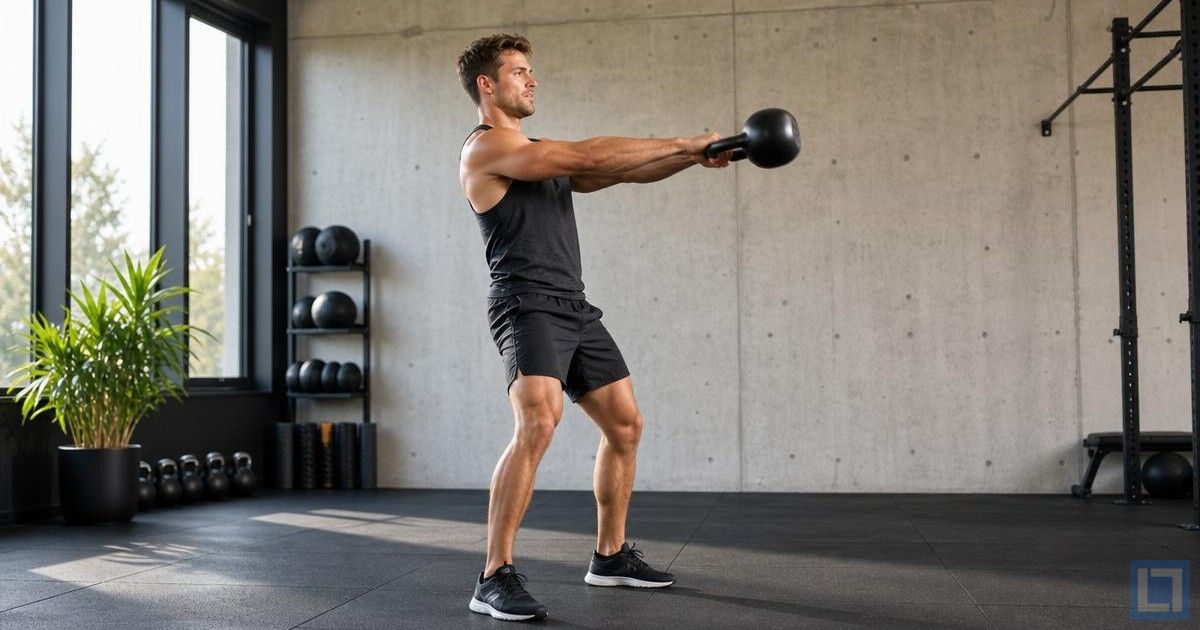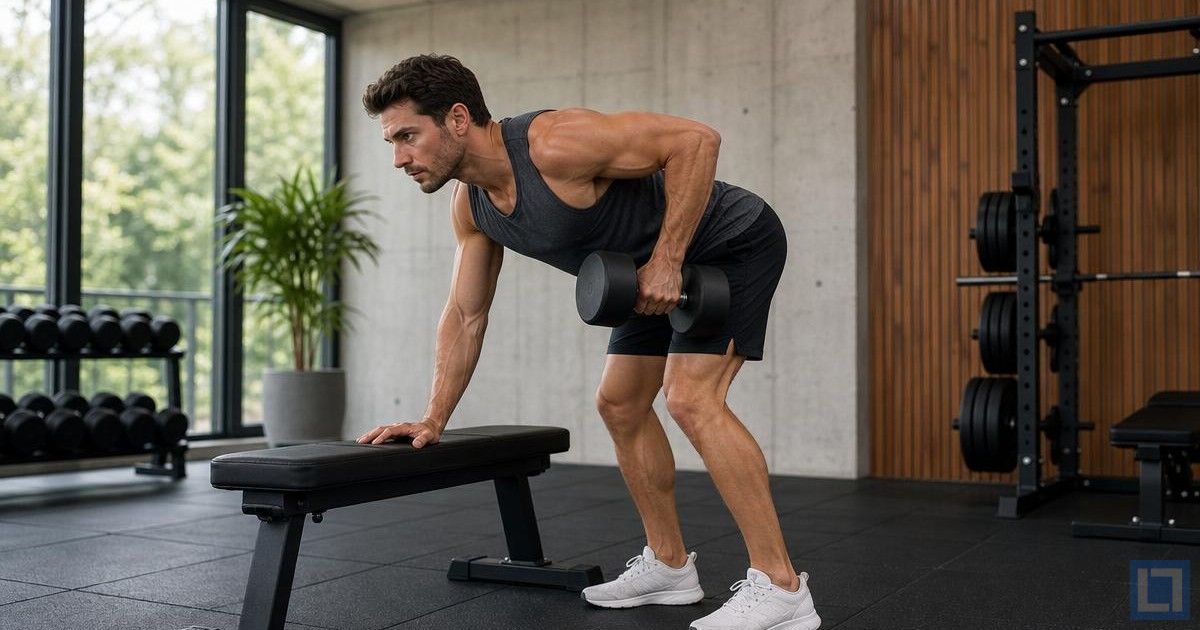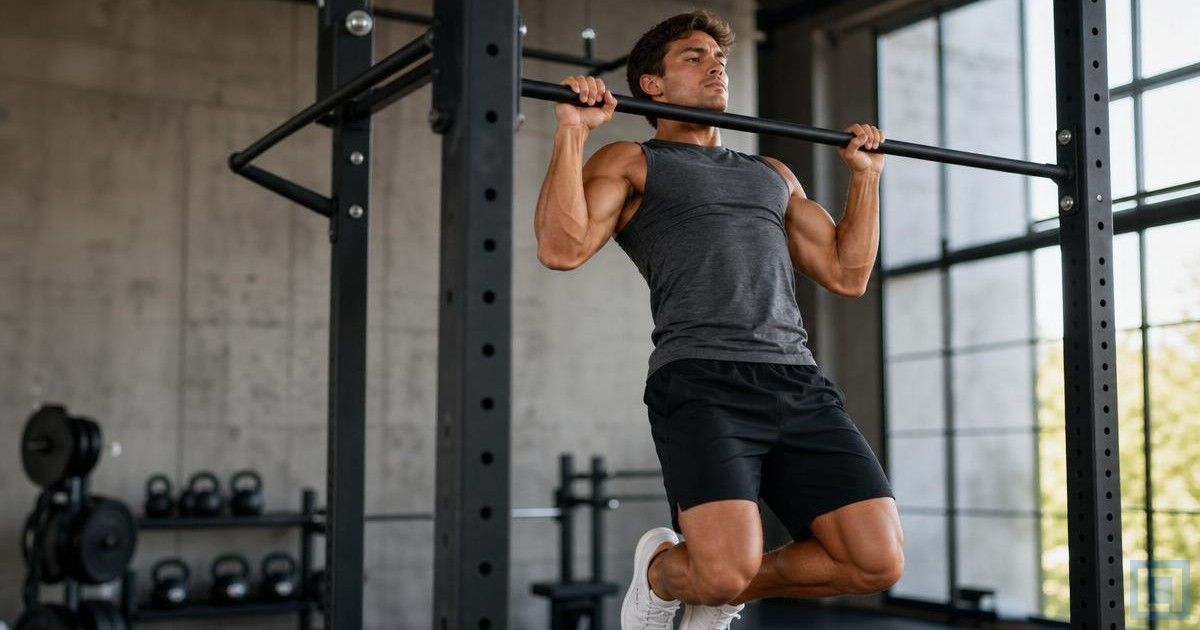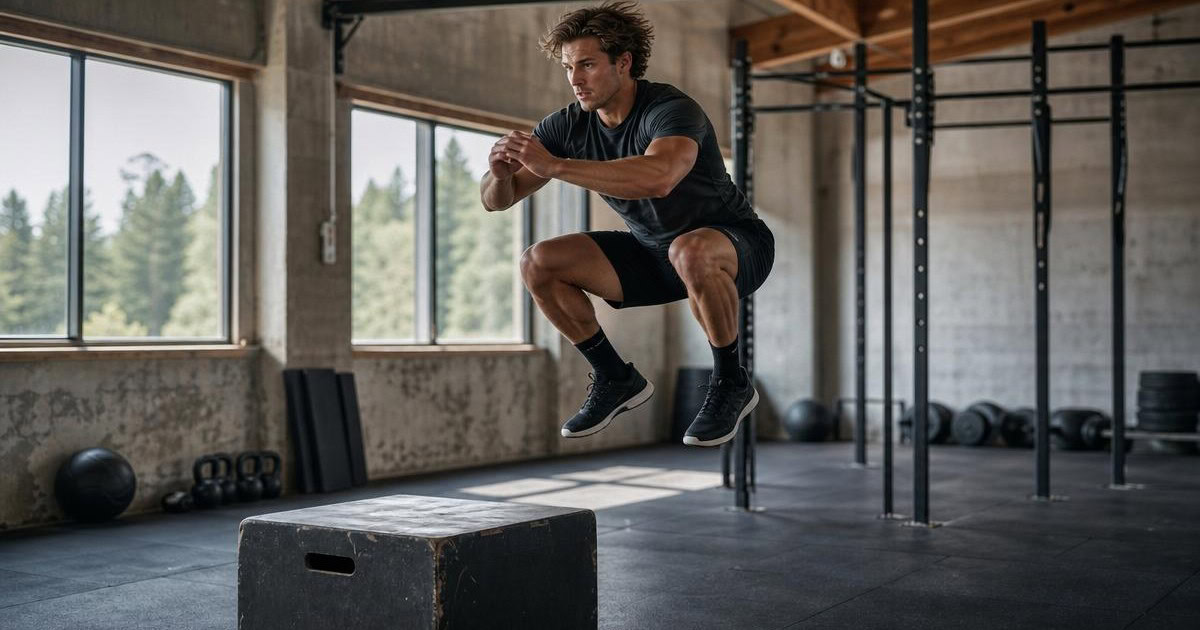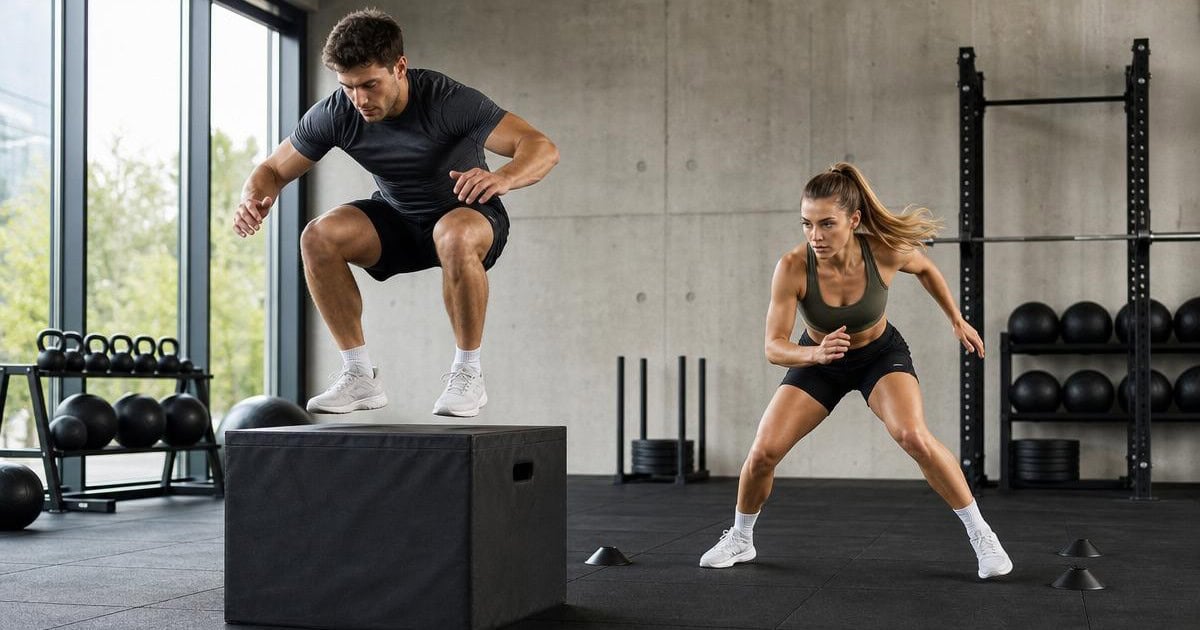
Full-body resistance band training produces real strength and conditioning across every major movement pattern using equipment that fits in a backpack. The accommodating resistance pattern of bands (lighter at the start, heavier at the contracted position) produces unique loading that complements (and in some cases exceeds) the constant-load training of dumbbells and barbells. Bands also produce strong loading on stabilizing muscles because the tension changes throughout the rep, which produces broader functional development per session than isolated weight training.
Below are ten effective full-body resistance band exercises that cover lower-body loading (band squats, lunges), upper-body pressing (push-ups), pulling and rotational work (skier, shuttle, punch), core stability (dead bug), and glute activation (clam, lateral walk). Together they form a complete full-body band training program that fits in any setting from home to travel hotel rooms. A 30 to 45-minute session pulled from this list produces strong full-body stimulus across every major muscle group.
Resistance Band Upper Body Lying Air Bike

The Resistance Band Upper Body Lying Air Bike lies on the back with bands looped around the feet and performs an upper-body cycling motion with the arms while the legs perform a flutter or bicycle motion. The combined upper-and-lower-body movement produces strong full-body conditioning.
For full-body band conditioning, the lying air bike combines core, shoulder, and lower-body work in one continuous movement. The full-body engagement produces stronger cardiovascular and strength stimulus per minute than isolated band exercises. Run it for 3 to 4 sets of 30 to 45 seconds at a steady tempo.
Lie flat on the back with resistance bands looped around the feet and held in the hands. Pull the bands toward the body in alternating arm motions while simultaneously performing a leg-cycling or flutter motion. Keep the lower back pressed to the floor throughout. Continue at a steady tempo for the prescribed time.
Resistance Band Upper Body Dead Bug

The Resistance Band Upper Body Dead Bug performs the dead bug pattern while holding band ends overhead, adding upper-body resistance to the standard core stability exercise. The combination of band tension and dead bug motion produces stronger full-body anti-extension demand.
For combined core and upper-body band training, the dead bug variation adds resistance to a foundational stability exercise. The band tension increases the demand on the lats, shoulders, and core throughout the rep. Run it for 3 sets of 8 to 10 reps per side as core-focused work.
Anchor a resistance band overhead. Lie on the back with the head close to the anchor, holding the band ends with arms extended toward the ceiling. Perform a dead bug pattern: lower the opposite arm and leg toward the floor while keeping the lower back flat. Return to the start. Switch sides.
Resistance Band Skier

The Resistance Band Skier mimics the cross-country skier exercise by pulling the bands down and back simultaneously while performing a slight squat or lunge motion. The exercise hits the back, lats, and triceps along with cardiovascular conditioning.
For full-body cardiovascular work with band resistance, the skier exercise produces stronger upper-body involvement than pure cardio movements while still driving heart rate up. The combination of pulling motion and lower-body squatting produces broad full-body adaptation. Run it for 3 to 4 sets of 30 to 45 seconds at sustainable tempo.
Anchor a resistance band at chest height. Stand facing the anchor holding band ends in each hand. Pull both bands down and back simultaneously while bending the knees into a slight squat. Return to start by extending the arms forward and standing up. Continue at a steady rhythm.
Resistance Band Shuttle

The Resistance Band Shuttle attaches a band around the waist with the other end anchored, then performs lateral or forward-backward shuttling movements against the band tension. The exercise combines lower-body strength with cardiovascular conditioning.
For full-body band cardio that loads the legs heavily, the shuttle exercise produces strong glute and quad activation along with the heart-rate response of standard cardio. The pattern translates to athletic movements that require lateral and longitudinal acceleration. Run it for 3 to 4 sets of 30 to 60-second intervals.
Loop a resistance band around the waist with the other end anchored to a sturdy point. Move forward, backward, or laterally against the band tension. The body should feel resistance throughout the motion. Continue at a steady but challenging tempo for the prescribed time.
Resistance Band Lunge
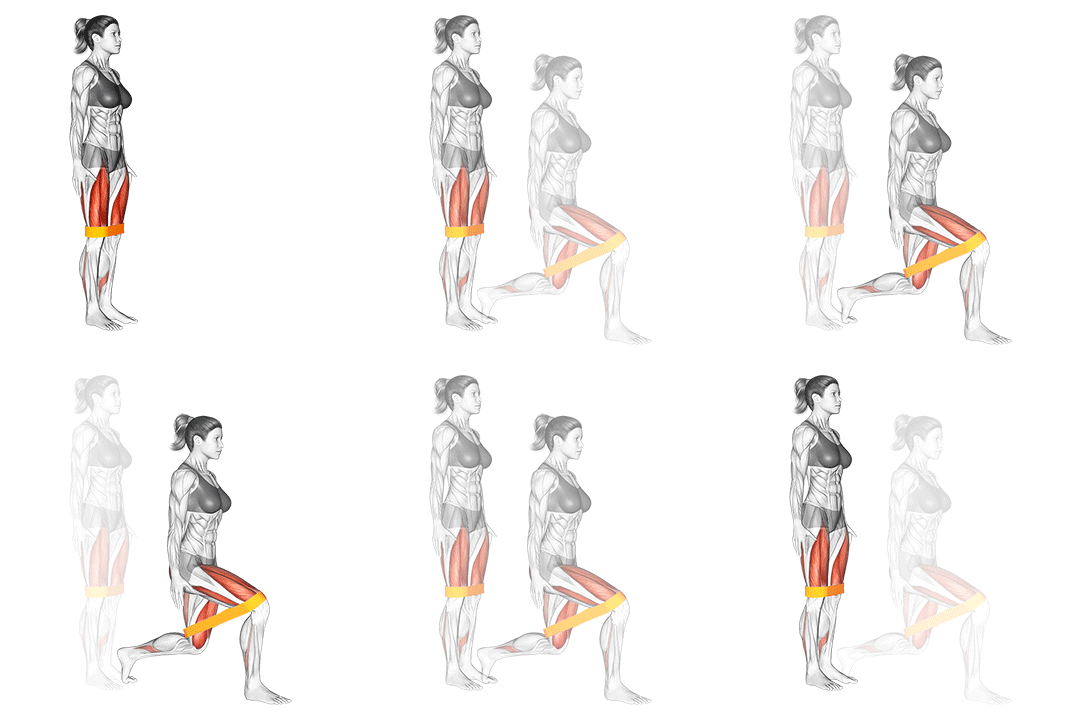
The Resistance Band Lunge performs the standard lunge motion while standing on a band with the ends held at the shoulders or in the hands at the sides. The added band tension increases the loading on the legs throughout the rep.
For loaded lunge training without dumbbells, the band lunge produces real lower-body strength stimulus using only band equipment. The accommodating resistance pattern (lighter at the bottom, heavier at the top) provides loading that bodyweight alone cannot match. Run it for 3 sets of 8 to 12 reps per leg as primary lower-body work.
Stand on a resistance band with both feet, holding the ends at the shoulders or in the hands at the sides. Step forward into a long lunge, dropping the back knee toward the floor. Drive through the front foot to push back to standing. Alternate sides or complete all reps on one leg before switching.
Resistance Band Walk
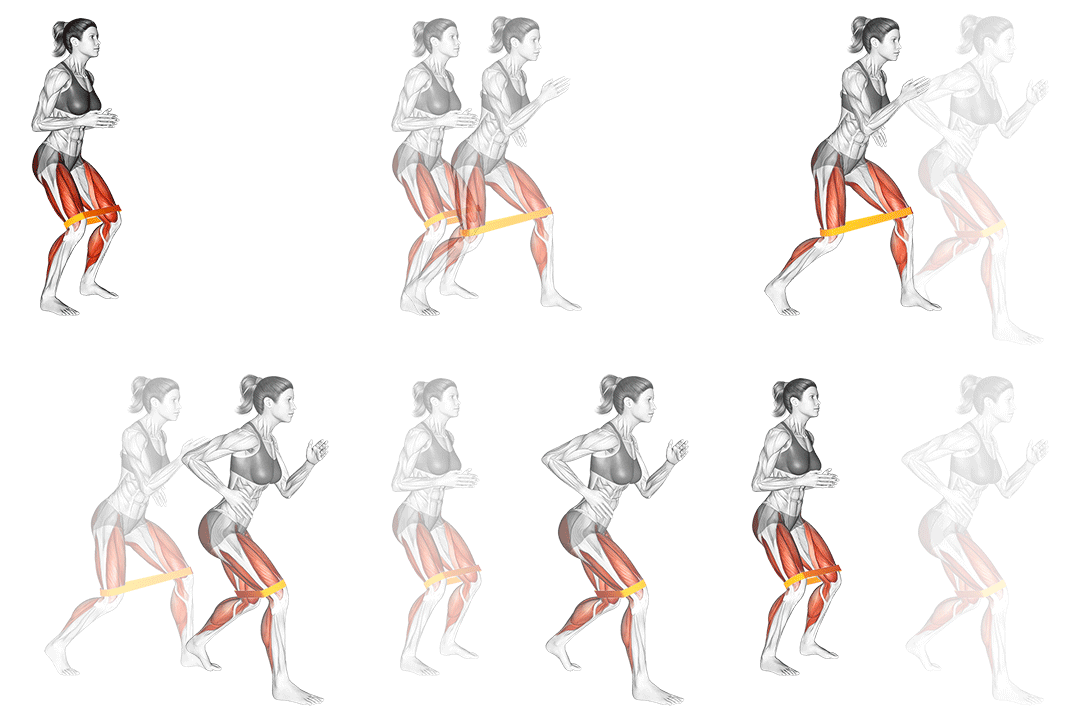
The Resistance Band Walk loops a band around the legs (above or below the knees) and walks laterally or forward against the band tension. The lateral motion targets the glutes (particularly the gluteus medius) heavily.
For full-body band sessions, the band walk fits naturally as a glute-focused conditioning exercise. The pattern hits the gluteus medius (often weak in lifters with desk jobs) and produces lateral hip strength that translates to athletic movements. Run it for 2 to 3 sets of 20 to 30 steps in each direction.
Loop a resistance band around the legs above the knees or just below. Take a slight squat stance. Step laterally against the band tension, keeping tension on the band throughout. Step the trailing foot toward the leading foot to maintain stance width. Continue for the prescribed steps in one direction, then reverse.
Resistance Band Clam

The Resistance Band Clam lies on one side with knees bent and a band looped above the knees, then opens the top knee away from the bottom knee against the band tension. The pattern targets the gluteus medius and lateral hip stabilizers directly.
For glute-focused band work, the clam exercise is one of the most direct gluteus medius exercises that exists. The pattern fits naturally into a full-body band session as accessory glute work or as the foundational glute activation before harder lower-body movements. Run it for 3 sets of 12 to 15 reps per side.
Lie on one side with both knees bent at 90 degrees, knees stacked. Loop a resistance band above the knees. Open the top knee away from the bottom knee against the band tension while keeping the feet together. Lower under control. Switch sides after each set.
Resistance Band Punch

The Resistance Band Punch anchors a band behind the body and performs alternating punching motions forward against the band tension. The combination of upper-body pushing and rotational core work produces strong full-body conditioning.
For full-body band cardio with rotational core demand, the punch exercise produces stronger conditioning than standing pressing alone. The rotational pattern hits the obliques and core stabilizers along with the chest and shoulders. Run it for 3 sets of 30 to 45-second intervals at fast tempo.
Anchor a resistance band behind the body at chest height. Stand facing away from the anchor, holding band ends in each hand at the chest. Punch one arm forward against the band tension while rotating the trunk slightly. Return to the start. Punch the opposite arm. Continue alternating.
Resistance Band Squat

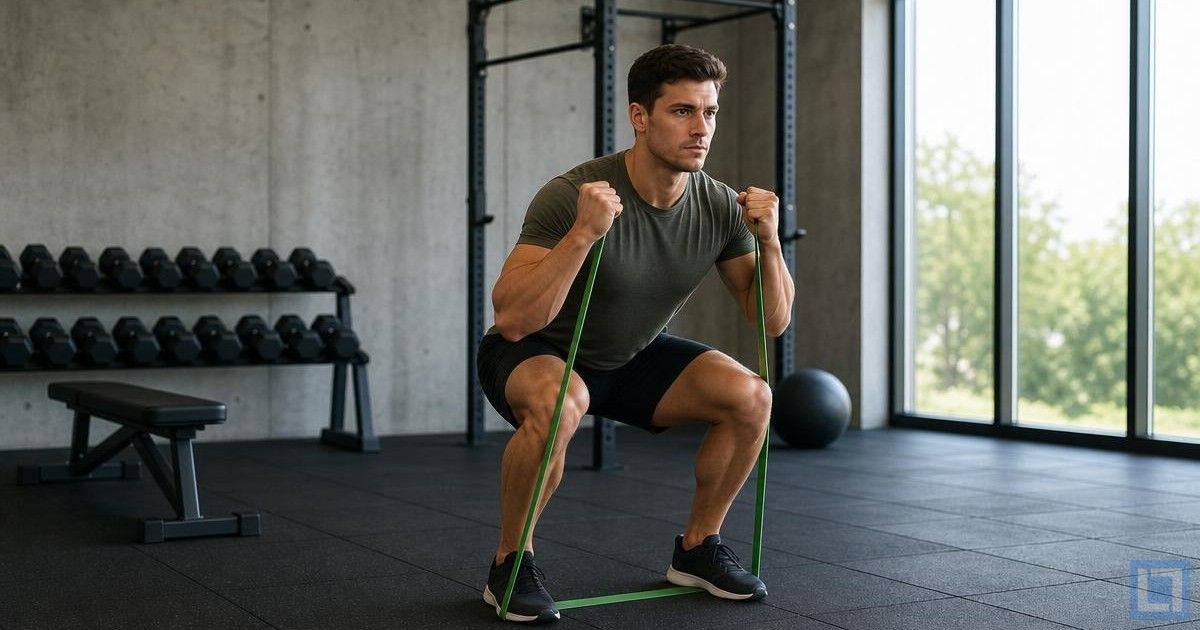
The Resistance Band Squat stands on a band with both feet and performs a squat motion while holding the band ends at the shoulders or in front of the body. The added band tension increases the loading throughout the squat.
For loaded squatting without barbells, the band squat is the most accessible loaded squat variation. The accommodating resistance pattern produces stronger loading at the top of the rep (where bands stretch tightest), which complements the natural squat strength curve. Run it for 3 sets of 10 to 15 reps as primary lower-body work.
Stand on a resistance band with both feet at shoulder-width. Hold the band ends at the shoulders with elbows pointing forward. Squat down by sitting the hips back while bending the knees. Drive back to standing. The band tension increases as the body extends, providing accommodating resistance.
Resistance Band Push-up

The Resistance Band Push-up performs a push-up while a resistance band is wrapped across the upper back and held under the hands. The band tension adds resistance to the pressing motion, increasing the loading on the chest, shoulders, and triceps.
For loaded push-up training without dumbbells, the band push-up adds real resistance to the standard push-up pattern. The accommodating resistance is heaviest at the lockout (where the chest contracts hardest), which produces stronger pressing development than bodyweight push-ups alone. Run it for 3 sets of 8 to 12 reps as primary push work.
Wrap a resistance band across the upper back. Get into a push-up position with the band ends pinned under the hands. Lower the chest to within an inch of the floor by bending the elbows. Press back to lockout against the band tension. Maintain tight body position throughout.
How To Program These Workouts
A productive full-body band session pulls 7 to 9 exercises from the list above. A balanced session includes one heavy lower-body movement (band squat or band lunge), one upper-body push (band push-up), one pulling exercise (band skier), one core piece (band dead bug), one glute exercise (band walk or clam), one cardiovascular interval (band shuttle or punch), and one finisher (lying air bike). Run loaded movements for 3 sets of 10 to 15 reps; cardio intervals for 30 to 45 seconds; isolation work for 3 sets of 12 to 15 reps.
Train full-body band sessions 3 to 4 times per week. The accommodating resistance produces moderate joint stress (less than free weights), which allows higher frequency than barbell-heavy programs. Most lifters do well with 3 to 4 full-body band sessions per week alongside 1 to 2 dedicated cardio days. The format also fits naturally as a travel program for lifters away from regular gym access.
For more band programming, see our best resistance band workouts and best resistance band arm workouts. For specific glute training, see our best resistance band glute workouts.
Final Thoughts
The best full body resistance band workouts deliver complete training across every major movement pattern through equipment that fits in any setting. The combination of loaded lower-body work, upper-body pressing and pulling, core stability, glute activation, and cardiovascular conditioning covers every major fitness function in one piece of portable equipment. For home lifters, travelers, and anyone wanting effective full-body training without weights, resistance band training is one of the most versatile options available.
Stay focused on band tension throughout the rep. The most common full-body band training mistake is letting the band slack at the bottom of movements, which kills the loading and reduces the effective stimulus. The fix: maintain constant band tension throughout the entire range of motion, which often requires shorter ranges of motion than free-weight training but produces stronger continuous loading. Bands and free weights load differently; trying to use bands like dumbbells produces weaker results than using bands as bands.
Frequently Asked Questions
Can resistance bands replace weights?
For general fitness yes; for maximum strength development partially. Bands produce real strength and muscle development for years of consistent training, particularly for beginners and intermediates. Advanced lifters chasing maximum strength eventually benefit from heavy free weights that allow loads bands cannot match, but consistent band training produces measurable development at every level. The accommodating resistance also produces unique adaptations that complement rather than compete with free weights.
What resistance band weights should I use?
Most beginners need a set of bands ranging from light (10 to 30 pound resistance equivalent) to heavy (50 to 100+ pound resistance equivalent). The variety lets lifters use lighter bands for isolation work (lateral raises, curls) and heavier bands for compounds (squats, push-ups). Loop bands and tube bands with handles cover most exercises; door anchors and ankle straps add versatility.
How often should I do full body band workouts?
Three to four times per week works for most lifters. The accommodating resistance produces moderate joint stress, which allows higher frequency than barbell-heavy programs. Most successful programs include 3 to 4 full-body band sessions per week alongside 1 to 2 dedicated cardio days. Daily training is feasible with appropriate variety between sessions.
Are resistance bands good for travel?
Yes, they are one of the most travel-friendly training tools available. A complete band set fits in any backpack and works in any hotel room or travel setting. Most successful travelers carry a band set for trips lasting more than 3 to 4 days; shorter trips often fit fine with bodyweight-only training. Door anchors expand the exercise selection significantly without adding bulk.
How long until I see results from band training?
Most lifters feel meaningful strength improvements within 4 to 6 weeks of consistent band training. Visible muscle development appears within 8 to 12 weeks combined with appropriate nutrition. Major physique changes take 3 to 6 months of dedicated practice. The accommodating resistance produces faster early-stage adaptations than some training modalities because the band loads stabilizers heavily from day one.