Bodyweight leg training produces real lower body strength and muscle development through equipment-free exercises that hit every major leg muscle group. The format works particularly well for the legs because the lower body responds strongly to bodyweight loading combined with progressive overload through harder variations (single-leg work, plyometric loading, increased range of motion). Most lifters can build serious leg development through 3 to 6 months of consistent bodyweight leg training, especially when the program includes both bilateral compounds (air squats, sumo squats) for foundational strength and unilateral exercises (Bulgarian split squats, single leg RDLs, step-ups) for the per-leg strength that bilateral training can hide through compensation. Adding plyometric work (jump squats) further enhances explosive power development.
Below are ten effective bodyweight leg exercises that cover bilateral compounds (air squat, sumo air squat), unilateral strength (walking lunge, Bulgarian split squat, step-up), explosive power (jump squat), unilateral hip-hinge (single leg RDL, single leg deadlift), glute isolation (single leg glute bridge), and calf work (standing calf raise). Together they form a complete bodyweight leg training program. A 30 to 45-minute session pulled from this list produces strong combined leg strength, muscle, and power stimulus across every major leg function and movement pattern.
Air Squat

The Air Squat performs a bodyweight squat with hands extended forward for balance, descending until the hips drop below parallel to the knees. The exercise is the foundational bilateral bodyweight leg exercise.
For bodyweight leg training, the air squat is the foundational bilateral compound. The pattern hits the quads, glutes, and hamstrings through full-range squat motion at high reps. Run it for 4 sets of 15 to 25 reps as primary bilateral leg work in any bodyweight leg session.
Stand with feet shoulder-width and toes pointed slightly out. Extend the arms forward for counterbalance. Squat down by sitting the hips back while bending the knees, descending until the hips drop below parallel to the knees. Drive back to standing through the whole foot. Maintain upright torso throughout.
Walking Lunge

The Walking Lunge performs continuous lunges by stepping forward into the next lunge after each rep. The continuous motion produces strong unilateral leg loading combined with cardiovascular demand throughout the set.
For bodyweight leg training, the walking lunge produces strong dynamic unilateral leg work. The continuous motion hits each leg through full range while elevating heart rate. Run it for 3 sets of 12 to 20 total steps as primary dynamic unilateral leg work.
Stand tall with feet hip-width. Step forward into a long lunge, lowering the back knee toward the floor. Drive up by bringing the back foot forward into the next lunge step. Continue walking forward in continuous lunges throughout the set.
Jump Squat

The Jump Squat performs an explosive squat with enough force to lift the feet off the floor at the top. The plyometric loading produces strong fast-twitch leg fiber recruitment per rep.
For bodyweight leg training that includes explosive work, the jump squat is the foundational lower-body plyometric exercise. The pattern translates to athletic explosive power. Run it for 3 sets of 6 to 10 reps as explosive lower-body work.
Stand with feet shoulder-width and arms at the sides. Squat down by sitting the hips back. Drive up explosively, jumping straight up with arms swinging up for momentum. Land softly with bent knees, immediately descending into the next squat. Continue with controlled tempo throughout the set.
Bulgarian Split Squat With Chair

The Bulgarian Split Squat With Chair performs split squats with the back foot elevated on a chair (or bench) while bodyweight. The elevated back foot puts more loading on the front leg, which produces extreme unilateral quad development.
For bodyweight leg training, the Bulgarian split squat is one of the most demanding unilateral leg exercises that exists. The back-foot-elevated position shifts almost all the loading to the front leg. Run it for 3 sets of 8 to 12 reps per leg as primary unilateral quad work.
Stand 2 to 3 feet in front of a chair with one foot on the chair behind the body. Drop straight down by bending the front knee until the back knee approaches the floor. Drive through the front foot to push back to standing. Switch sides between sets. Maintain upright torso throughout.
Bodyweight Single Leg Rdl

The Bodyweight Single Leg RDL performs single-leg Romanian deadlifts using only bodyweight, hinging at the hips of the standing leg while extending the back leg behind for balance. The pattern produces strong unilateral hamstring and glute loading.
For bodyweight leg training, the single leg RDL is one of the most direct unilateral hamstring exercises that exists at bodyweight. The pattern hits the hamstrings and glutes through pure hip-hinge motion. Run it for 3 sets of 8 to 12 reps per leg as primary unilateral hamstring work.
Stand on one leg with the other leg lifted slightly behind. Hinge at the hips of the standing leg by extending the back leg behind and lowering the upper body forward. Reach the arms forward for balance. Lower until the back leg is parallel to the floor. Drive back up by extending the standing-leg hip. Switch sides between sets.
Bodyweight Single Leg Deadlift

The Bodyweight Single Leg Deadlift performs single-leg deadlift motion to touch the floor with the hands while balancing on one leg. The pattern produces strong unilateral hip-hinge loading combined with significant balance demand.
For bodyweight leg training, the single leg deadlift produces strong combined hip-hinge and balance work per rep. The pattern hits the hamstrings and glutes while challenging the balance system. Run it for 3 sets of 6 to 10 reps per leg as combined balance and hip-hinge work.
Stand on one leg with the other leg lifted slightly behind. Hinge at the hips of the standing leg while extending the back leg behind for balance. Lower the upper body forward until the hands touch the floor in front of the standing foot. Drive back up by extending the standing-leg hip. Switch sides between sets.
Bodyweight Single Leg KAS Glute Bridge

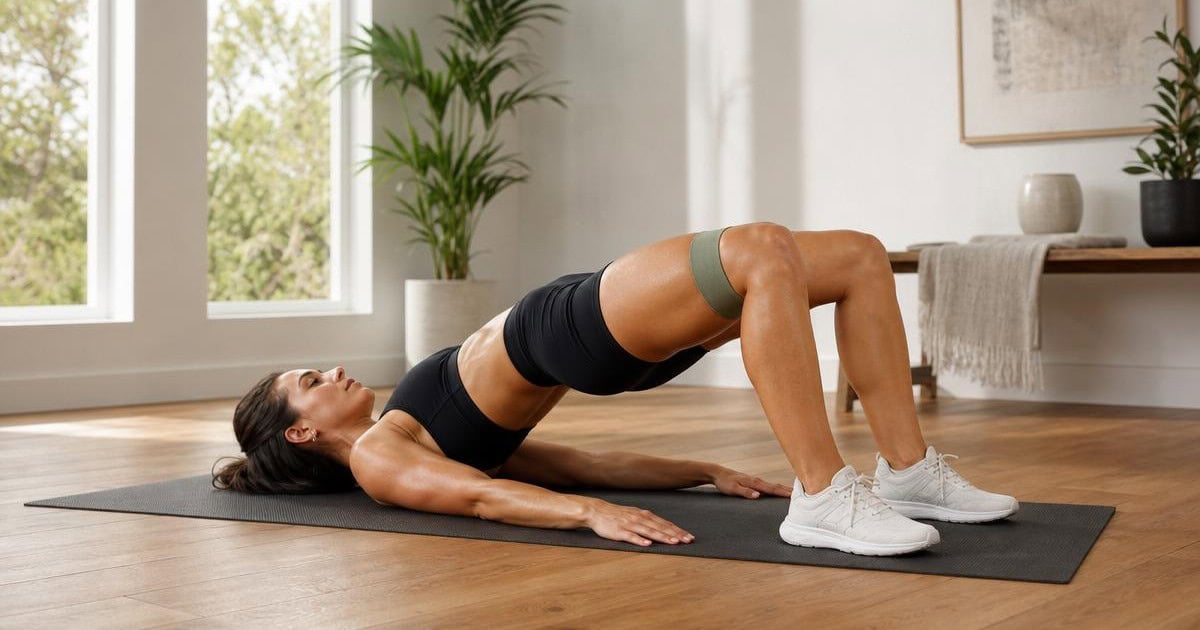
The Bodyweight Single Leg KAS Glute Bridge lies on the back with one leg lifted off the floor and performs hip bridges using only the working leg. The single-leg loading produces strong unilateral glute development.
For bodyweight leg training that includes glute isolation, the single leg glute bridge produces strong unilateral glute loading per rep. The pattern hits each glute independently. Run it for 3 sets of 10 to 12 reps per leg as primary unilateral glute work.
Lie on the back with knees bent and feet planted. Lift one leg off the floor, extending it straight up or holding it bent. Drive the hips up by contracting the glute of the planted leg hard. Squeeze the glute at the top. Lower under control. Switch legs between sets.
Bodyweight Standing Calf Raise

The Bodyweight Standing Calf Raise stands tall and lifts the heels off the floor by pressing through the balls of the feet, contracting the calves at the top. The pattern produces direct calf loading at high reps.
For bodyweight leg training, the standing calf raise is the foundational calf exercise. The pattern hits both the gastrocnemius and soleus through full ankle flexion. Run it for 3 sets of 15 to 25 reps as primary calf work in any bodyweight leg session.
Stand tall with feet hip-width. Lift the heels off the floor by pressing through the balls of the feet, contracting the calves hard at the top. Pause briefly at peak contraction. Lower under control through the full stretch position. Maintain stable upper body throughout the set.
Sumo Air Squat

The Sumo Air Squat performs squats with feet significantly wider than shoulder-width and toes pointed out. The wide stance emphasizes the inner quads (vastus medialis) and glutes more than standard squats.
For bodyweight leg training, the sumo air squat provides varied loading from a different angle than standard air squats. The pattern hits the inner quads more directly. Run it for 3 sets of 15 to 20 reps as varied bilateral leg work alongside standard air squats.
Stand with feet significantly wider than shoulder-width and toes pointed out at 30 to 45 degrees. Extend the arms forward for counterbalance. Squat down by sitting the hips back while bending the knees, keeping the chest tall. Drive back to standing through the whole foot.
Step Up

The Step Up steps onto a bench, box, or chair with one foot, driving up through the elevated foot to a standing position on the elevated surface. The pattern produces strong unilateral quad loading similar to Bulgarian split squats.
For bodyweight leg training, the step-up produces strong unilateral quad development through the explosive pushing motion. The pattern translates to athletic single-leg movements and stair-climbing. Run it for 3 sets of 10 to 15 reps per leg as varied unilateral leg work.
Stand facing a bench, box, or sturdy chair at knee height. Place one foot fully on the elevated surface. Drive through the elevated foot to step up to a fully standing position on the box. Lower under control to the start position. Switch legs between sets or alternate reps.
How To Program These Workouts
A productive bodyweight leg session pulls 6 to 8 exercises from the list above. A balanced session includes one bilateral compound (air squat or sumo air squat), one explosive exercise (jump squat), one heavy unilateral exercise (Bulgarian split squat), one dynamic unilateral exercise (walking lunge or step-up), one unilateral hip-hinge exercise (single leg RDL or single leg deadlift), one glute isolation exercise (single leg glute bridge), and one calf exercise (standing calf raise). Run primary bilateral compounds for 4 sets of 15 to 25 reps; unilateral work for 3 sets of 8 to 12 reps per leg; explosive work for 3 sets of 6 to 10 reps; isolation work for 3 sets of 12 to 20 reps. Total session covers 18 to 24 working sets.
Train bodyweight leg sessions 2 to 3 times per week with full rest days between sessions. The legs recover within 48 to 72 hours of moderate training. Most successful programs include 2 to 3 weekly bodyweight leg sessions, which works well as either a complete leg program (for travelers, home gym setups) or as supplementary work alongside traditional gym training. The 2 to 3-session structure also allows differentiating between sessions: one heavier strength session (lower reps, harder unilateral variations) and one higher-volume hypertrophy session (higher reps, easier variations).
For broader bodyweight programming, see our best calisthenics leg workouts and best at home cardio workouts. For unilateral strength work, see our how to do a bulgarian split squat.
Final Thoughts
The best bodyweight leg workouts deliver real lower body strength and muscle development through equipment-free exercises that hit every major leg muscle group. The combination of bilateral compounds, unilateral strength work, explosive power exercises, hip-hinge training, glute isolation, and calf work covers every major leg function and produces broader development than single-exercise leg training. For lifters who want effective leg training without commercial gym access, want to add varied stimulus to existing programs, or prefer bodyweight training as a primary modality, dedicated bodyweight leg training is one of the most accessible and effective options available.
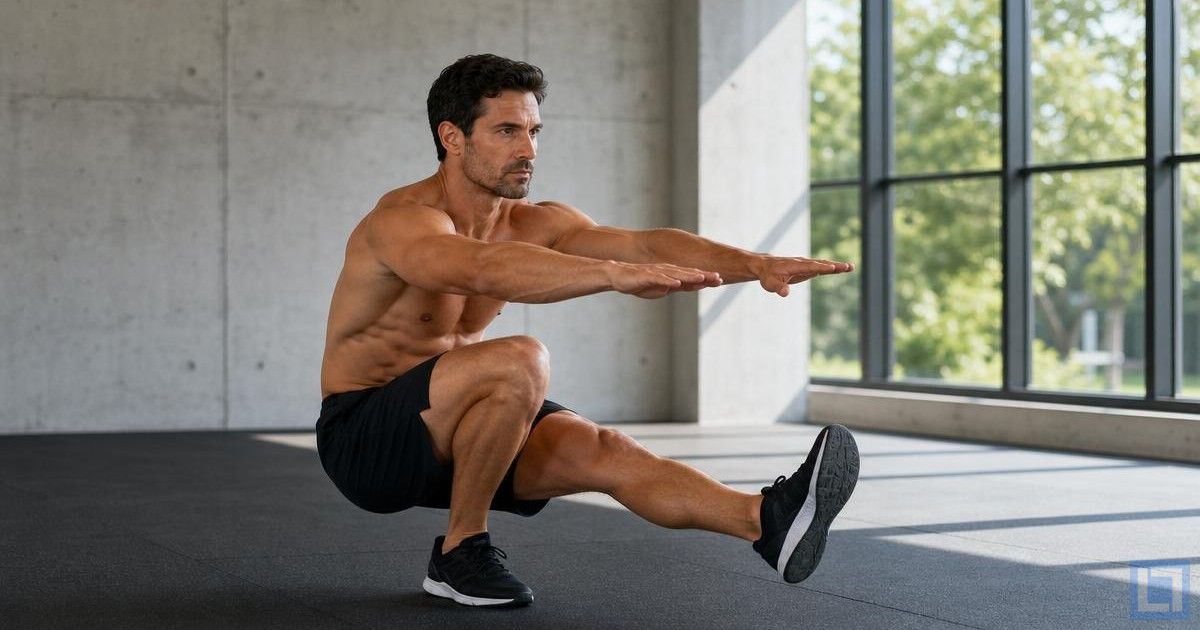
Stay focused on movement quality and progressive overload through harder variations. The most common bodyweight leg training mistake is performing the same exercises at the same intensity week after week, which produces leg maintenance rather than continued development. The fix: progress from easier to harder variations as strength builds — air squat → jump squat → pistol squat progressions, walking lunge → Bulgarian split squat → single leg squat progressions. The bodyweight leg progression has plenty of runway for continued development for years of consistent training.
Frequently Asked Questions
Can you build leg muscle with bodyweight only?
Yes for beginners through intermediate lifters. Bodyweight leg training produces real leg muscle development for the first 12 to 24 months of consistent training, especially when paired with progressive overload through harder variations (single-leg work, plyometric loading, increased range of motion). Most lifters can build the leg fitness level of someone who lifts weights 2 to 3 days per week using only bodyweight leg exercises. Advanced lifters chasing maximum leg strength typically benefit from adding weighted training, but bodyweight work continues to provide useful supplementary stimulus.
How often should I train legs with bodyweight?
Two to three times per week works for most lifters. The legs recover within 48 to 72 hours of moderate training. Most successful programs include 2 to 3 weekly bodyweight leg sessions. The 2 to 3-session structure allows differentiating between sessions: one heavier strength session and one higher-volume hypertrophy session. Higher frequencies (4+ leg sessions per week) typically produce accumulated fatigue without proportional growth benefit.
Are pistol squats necessary for bodyweight leg training?
No, but they’re an excellent advanced progression. Most bodyweight leg programs work effectively with Bulgarian split squats, walking lunges, step-ups, and air squat variations without requiring pistol squats. Lifters wanting maximum unilateral strength development typically benefit from progressing toward pistol squats over 6 to 12 months. The progression: Bulgarian split squat → assisted pistol squat → unsupported pistol squat. Each step typically takes 2 to 4 months of consistent training.
How long should bodyweight leg workouts be?
Thirty to forty-five minutes per session works for most lifters. The 35 to 40-minute format hits the sweet spot between meaningful training stimulus and sustainable recovery. Most successful programs include 30 to 40-minute sessions performed 2 to 3 times per week. Shorter sessions (15 to 20 minutes) work well for daily practice or as conditioning work; longer sessions (50+ minutes) typically produce accumulated leg fatigue without proportional benefit.
Bodyweight or weighted leg training?
Different equipment serves different goals. Bodyweight leg training produces real leg development with minimal equipment investment, fits any setting, and emphasizes unilateral strength through movement progressions. Weighted leg training (barbell squats, deadlifts, leg press) enables heavier loading and bilateral strength development. Most successful programs include both: bodyweight leg work for foundational strength and unilateral development, plus weighted work for heavier progressive overload as strength builds.