Calisthenics leg training is one of the most efficient ways to build athletic, balanced lower-body strength without equipment. The progression from basic bodyweight squats and lunges through unilateral variations and plyometric work covers every leg function the body uses, from pure strength to explosive power. The best calisthenics leg workouts use this progression intelligently, building the foundation first and then progressing to more demanding variations as strength develops.
Below are ten effective calisthenics leg exercises that cover bilateral squatting, unilateral leg work, lateral motion, and plyometric power. Together they form a complete leg training program that requires nothing more than bodyweight and possibly a sturdy bench or box.
Squat

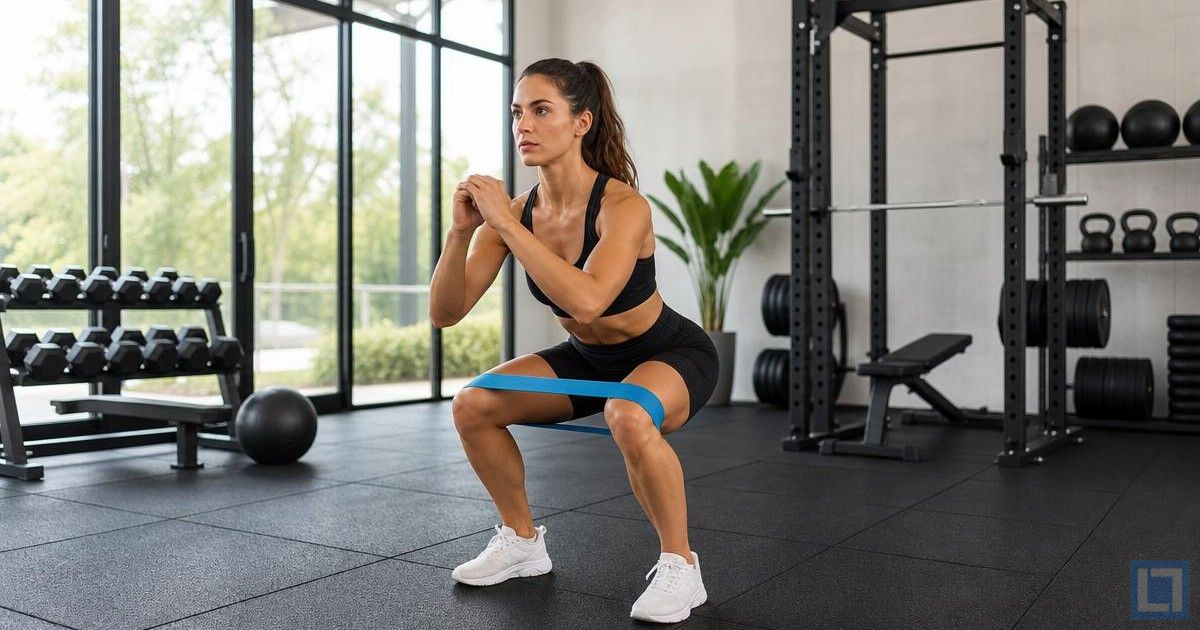
The Squat is the foundational lower-body movement in any calisthenics program. Standing with feet shoulder-width, you squat to roughly parallel depth or below, then drive back to standing. Bodyweight squats run for high reps in nearly every calisthenics program, building leg endurance and basic strength.
Volume is what makes the bodyweight squat effective. Sets of 30, 50, or even 100 reps build the leg endurance and work capacity that calisthenics demands. The pattern also serves as the foundation for jumping, sprinting, and every other lower-body skill in the calisthenics toolkit.
Knees track over the toes and the chest stays tall. Squat to whatever depth your mobility allows cleanly. The heels stay planted; if they lift off the floor, mobility work needs to come first before adding load or volume.
Lunge

The Lunge steps forward into a long stance and lowers the back knee toward the floor before pressing back to standing. The unilateral pattern hits each leg independently and builds the kind of single-leg strength that bilateral squatting cannot match.
Lunges are the most effective unilateral leg exercise in any calisthenics program. The single-leg loading pattern catches strength imbalances and produces more balanced lower-body development than bilateral squatting alone. They also drive heart rate up significantly more than equivalent bilateral work.
Step into a long stance with one leg forward. Drop straight down rather than forward; the back knee descends toward the floor while the front shin stays roughly vertical. Drive through the front heel to push back to standing. Alternate sides on each rep.
Split Squat

The Split Squat takes a long stance with one foot forward and one back, then drops straight down by bending both knees. The static position eliminates the dynamic stepping component of the lunge and produces more focused unilateral loading on the front leg.
For pure unilateral leg strength, the split squat is the most direct calisthenics exercise that exists. The static stance allows higher rep counts than walking lunges (which split effort between balance and movement) and produces stronger glute and quad development per rep. Run it for 3 sets of 10 to 15 reps per leg.
Take a long stance with one foot forward and one back, with feet roughly hip-width apart laterally. Drop straight down by bending both knees, lowering the back knee toward the floor. Drive through the front heel to stand. Complete all reps on one leg before switching.
Bulgarian Split Squat

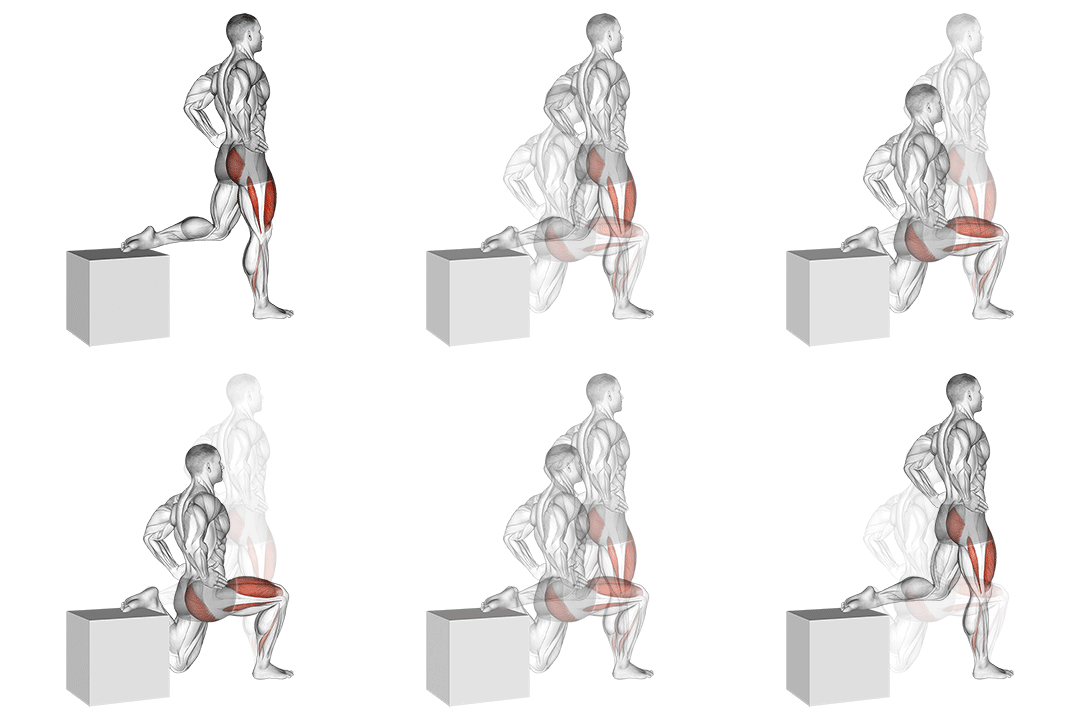
The Bulgarian Split Squat takes the split squat pattern and elevates the rear foot on a bench or sturdy surface. The elevated rear foot adds significant range of motion and shifts more loading onto the front leg, which makes it one of the most effective unilateral leg exercises in any program.
Most calisthenics leg programming caps out at the standard split squat for strength purposes. The Bulgarian variation extends that ceiling significantly: the elevated rear foot demands deeper hip flexion and produces stronger quad and glute stimulus than the flat-foot version. It is one of the few bodyweight leg exercises that genuinely challenges advanced lifters.
Set the rear foot on a bench or sturdy surface roughly knee-height behind the lifter. Drop straight down by bending the front leg until the back knee touches the floor. Drive back to standing through the front heel. Keep the chest tall throughout the rep.
Step Up

The Step Up steps onto a sturdy bench or box with one leg, fully driving the body up and bringing the trailing leg up to a standing position on the platform. The unilateral pattern hits each leg independently with the body weight as resistance.
Step-ups are one of the most efficient unilateral leg builders in any calisthenics program. The bench-height range of motion produces deep hip flexion and full extension on each rep, which builds the glutes and quadriceps through their full functional range. Plus they require no equipment beyond a sturdy surface to step on.
Step up onto a sturdy bench (knee-height or slightly higher) with one foot planted firmly. Drive through the front heel to bring the body to standing on the bench. Lower under control by stepping back down. Alternate legs on each rep, or complete all reps on one leg before switching.
Side Lunge
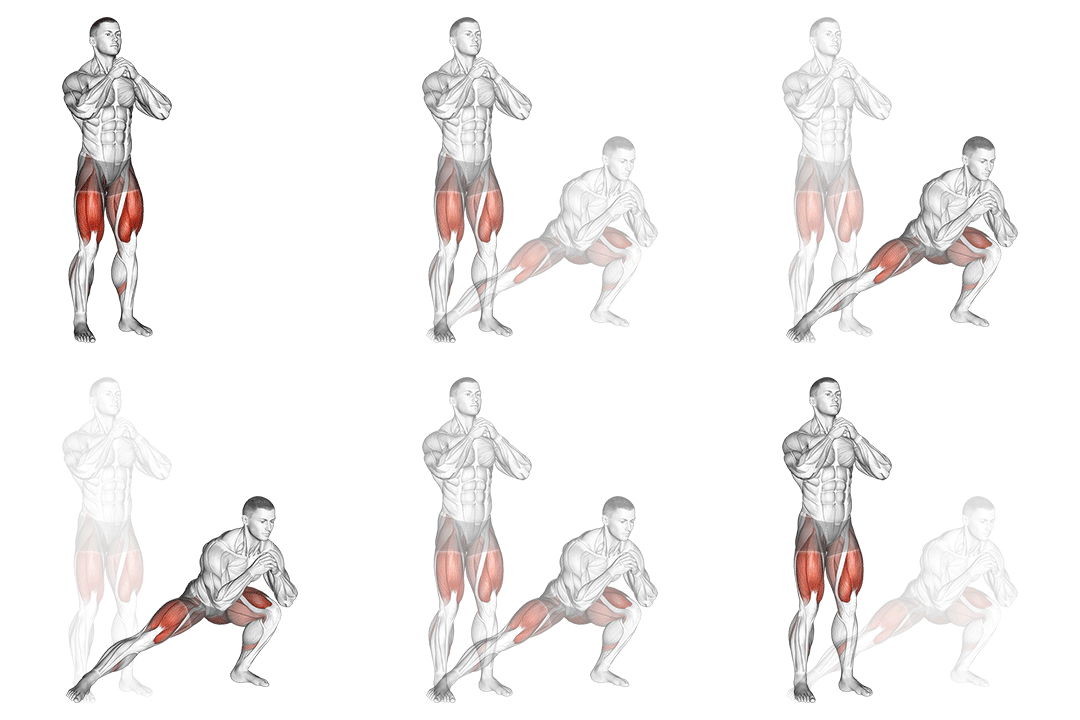
The Side Lunge steps wide to one side and shifts the body weight onto the stepping leg by bending that knee, while the opposite leg stays straight. The lateral motion hits the inner thigh, glutes, and quads through a different plane than forward or backward lunges.
Most calisthenics leg work happens in the sagittal plane (forward and backward motion). Side lunges add lateral motion, which trains the muscles and movement patterns that stabilize the body during athletic activities. They are also a strong choice for hip mobility maintenance.
Stand with feet hip-width apart. Take a wide step out to the side and bend the stepping leg while keeping the opposite leg straight. The torso leans forward slightly. Push back to standing through the bent leg. Alternate sides on each rep.
Walking Lunge

The Walking Lunge steps forward into a long lunge, drops the back knee toward the floor, then presses up while stepping forward into the next lunge on the opposite leg. The continuous walking under load produces both strength and cardiovascular adaptation.
Where the static lunge lets you reset between reps, the walking lunge keeps the body moving continuously. The added demand makes it more challenging both mechanically (each step requires balance and control) and metabolically (the heart rate stays elevated). It is a strong finisher for calisthenics leg sessions.
Step into a long lunge and drop straight down. Drive through the front heel to take the next step, lunging onto the opposite leg. Maintain balance and control throughout. Continue for the prescribed distance or rep count.
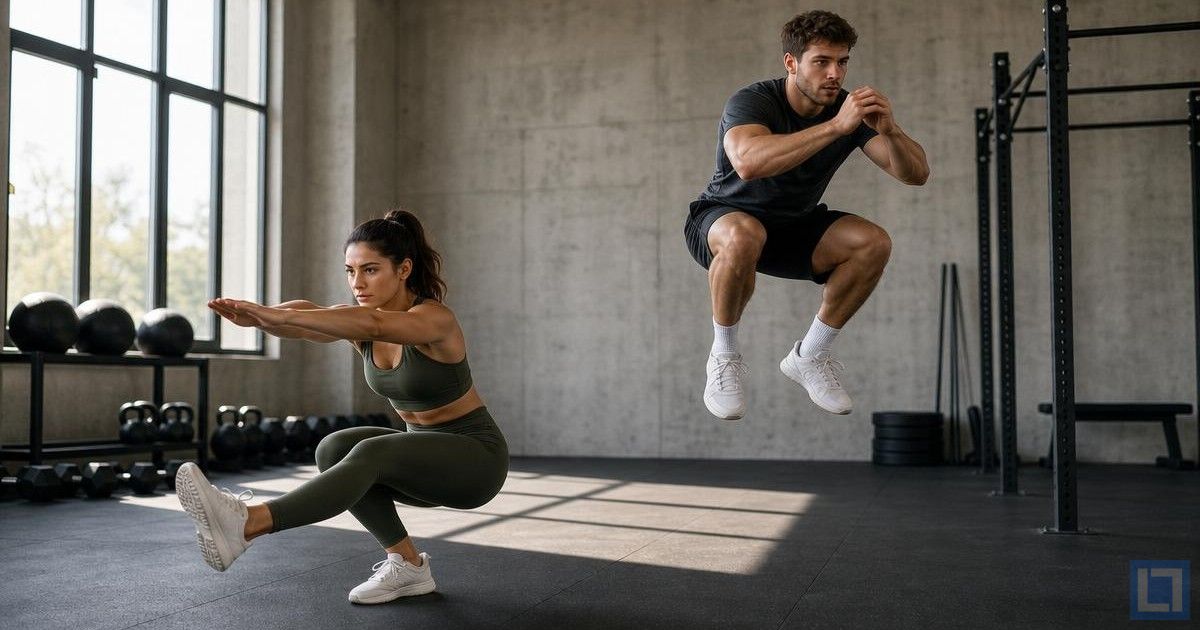
Jump Squat II

The Jump Squat squats down to a parallel position and explodes upward into a vertical jump, landing softly back into the squat. It trains explosive lower-body power on top of standard squat strength.
Plyometric work is one of the most underrated tools in calisthenics leg programming. Jump squats train the leg muscles to produce force rapidly, which is the function the legs perform during sprinting, jumping, and most athletic movements. The combination of slow strength work (squats, lunges) and explosive power training (jumps) produces more complete leg development than either alone.
Squat to roughly parallel depth with weight in the heels. Explode upward into a vertical jump, reaching the arms overhead. Land softly with bent knees and immediately drop into the next squat. Maintain quality through the set; if jumps lose height, the set is over.
One Leg Squat
The One Leg Squat stands on one leg with the other extended forward and squats down on the standing leg, returning to standing through the working leg only. It is the most demanding unilateral leg exercise in any calisthenics program and a key skill for advanced practitioners.
For lifters who have outgrown standard split squats and Bulgarian split squats, the pistol squat (one leg squat) is the next major progression. The pure unilateral loading and depth demand produces strength gains that few other bodyweight exercises can match. Most lifters need 6 to 12 months of consistent practice with assisted variations before achieving a clean unsupported pistol squat.
Stand on one leg with the opposite leg extended forward. Squat down on the standing leg as deeply as flexibility allows, ideally with the butt close to the heel. Drive back to standing on the working leg only. Use a wall, pole, or strap for assistance if needed.
Single Leg Hopping

The Single Leg Hopping hops repeatedly on one leg, either in place or moving forward. The continuous unilateral plyometric demand builds the calf and ankle stability that protects against injury during running and jumping.
Single-leg hopping is one of the most underrated calisthenics leg exercises that exists. The combination of unilateral loading and plyometric demand builds calf strength, ankle stability, and athletic conditioning simultaneously. It also serves as a rehabilitation exercise for runners coming back from lower-leg injuries.
Stand on one leg. Hop continuously, either in place or moving forward in a controlled rhythm. Land softly with the working leg slightly bent. Continue for 30 to 60 seconds per side, or for a set distance.
How To Program These Workouts
A productive calisthenics leg session pulls six to eight exercises from the list above. A balanced session includes one bilateral squat (squat or jump squat), one bilateral hinge or unilateral squat (split squat or Bulgarian split squat), one direct unilateral exercise (lunge or step-up), one lateral movement (side lunge), and one plyometric piece (jump squat or single-leg hopping). Use rep ranges of 10 to 25 for endurance and 5 to 12 for harder variations.
Train legs two to three times per week. Calisthenics leg work recovers within 48 to 72 hours for most lifters because the loads are moderate compared to barbell work. Beginners should start with two sessions per week to allow more recovery while learning movement patterns; intermediates and advanced lifters can typically handle three sessions.
For more bodyweight programming, see our best full body calisthenics workout and best calisthenics workout plan. To browse the equipment library, explore our bodyweight exercises collection.
Final Thoughts
The best calisthenics leg workouts deliver real lower-body strength and athletic conditioning without requiring weight room equipment. The progression from basic bodyweight movements through advanced unilateral and plyometric variations provides years of training stimulus. For travelers, home lifters, and athletes wanting to maintain leg fitness with no equipment, calisthenics leg training is the most accessible and effective option available.
Stay patient with progression. Bodyweight leg training rewards consistency over years, not weeks. The pistol squat alone can take 6 to 12 months of consistent practice for most lifters to achieve cleanly. Lifters who get the most from calisthenics leg training are the ones who master the basics (squats, lunges, split squats) at high volume before chasing the harder variations.
Frequently Asked Questions
Can calisthenics build big legs?
Yes for beginners and intermediates, with diminishing returns for advanced lifters chasing maximum size. Bodyweight squats, lunges, and unilateral variations produce real leg growth for years. Advanced lifters chasing maximum mass eventually benefit from heavy loaded squats and deadlifts, but consistent calisthenics leg training builds strong, athletic legs at every level.
How often should I do calisthenics leg workouts?
Two to three times per week works for most lifters. The legs recover within 48 to 72 hours of moderate calisthenics work because the loads are lighter than barbell training. A Monday/Thursday or Tuesday/Friday split fits most schedules; advanced lifters can sometimes handle three sessions per week.
How long does it take to do a pistol squat?
Most lifters need 6 to 12 months of consistent practice to achieve a clean unsupported pistol squat. The progression typically runs through assisted pistol squats (with wall or strap support) → box pistol squats (sitting back to a low surface) → counterbalanced pistols (using a small weight to counterbalance) → unsupported pistol. Patience matters more than effort; most lifters who fail at pistols rush the progression.
Are calisthenics leg workouts good for runners?
Yes. The unilateral exercises (lunges, split squats, step-ups) and plyometric work (jump squats, single-leg hopping) build the leg strength and stability that running depends on. The combination produces fewer injuries and faster running times for most recreational runners than steady-state running alone.
Do I need a bench for calisthenics leg workouts?
Most exercises in this list work without any equipment. The Bulgarian split squat and step-up benefit from a bench or sturdy box, but the other eight exercises require nothing. A sturdy chair, low wall, or even a tree stump can substitute for a bench in most home settings.