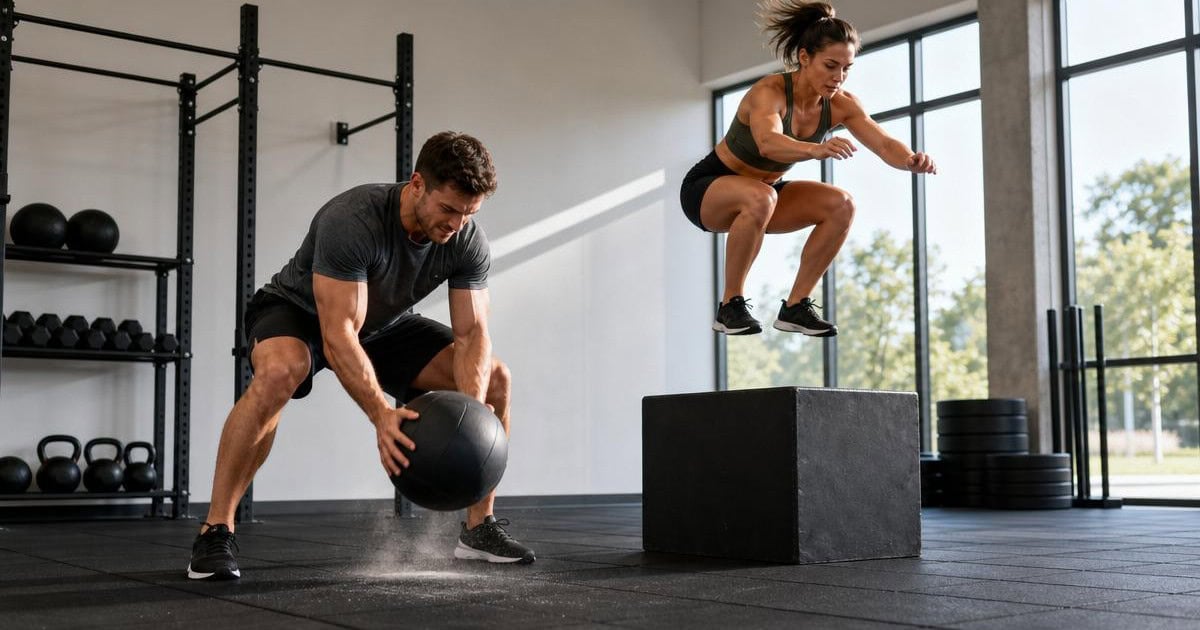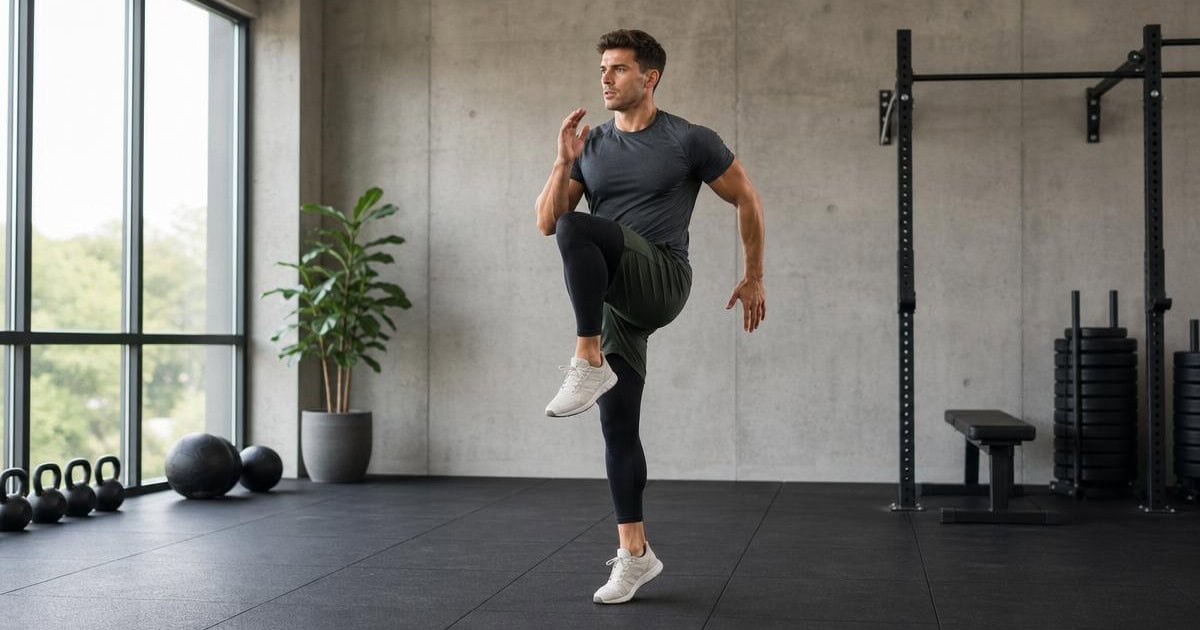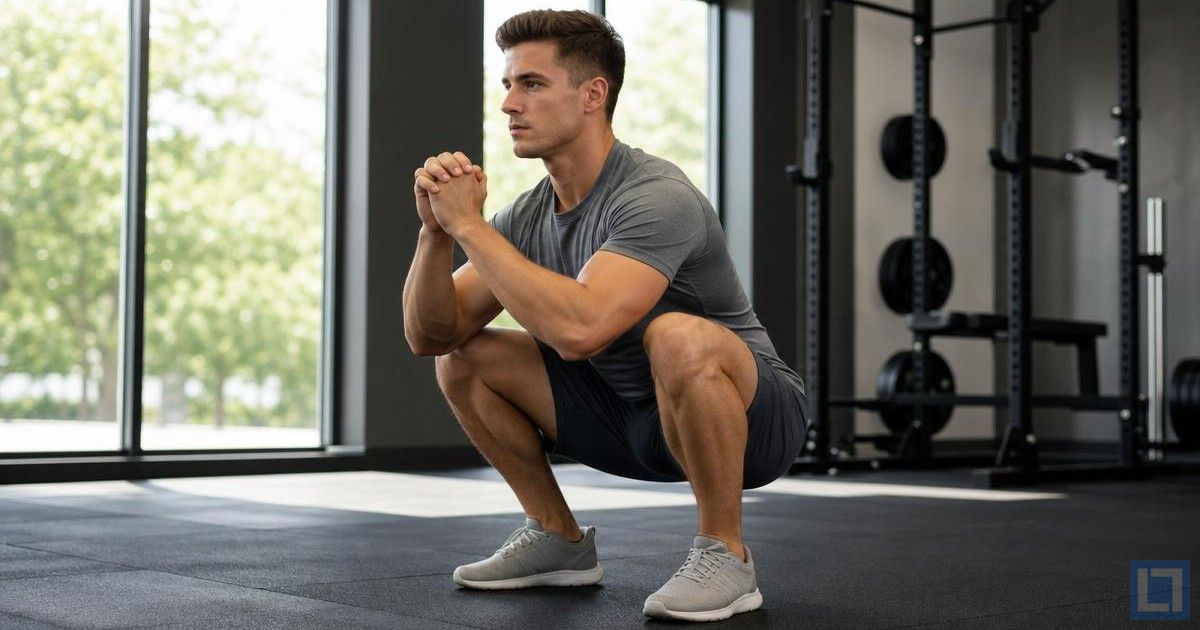
Quad and glute training produces the most visible aesthetic changes in the lower body. The quads (front of the thighs) and glutes (rear hip area) form the bulk of visible leg shape, and they respond particularly well to the combination of compound squat patterns (which hit both muscle groups simultaneously) and direct hip-extension work (which biases loading toward the glutes). The best quad-and-glute training programs combine foundational compound lifts (squats, deadlifts) with unilateral exercises (lunges, split squats) and direct glute work (hip thrusts, glute bridges) to produce complete development across both muscle groups.
Below are ten effective quad-and-glute exercises that cover compound bilateral squatting (back squat, front squat, goblet squat), posterior-chain work (Romanian deadlift), unilateral exercises (Bulgarian split squat, walking lunge, dumbbell walking lunge, step-up), and direct glute training (hip thrust, glute bridge). Together they form a complete quad-and-glute training program. A 60 to 75-minute session pulled from this list produces strong lower-body stimulus across every major quad and glute function.
Barbell Squat

The Barbell Squat (back squat) holds a barbell across the upper back and squats down by bending at the hips and knees. The exercise is the foundational quad-and-glute compound and the cornerstone of any productive lower-body program.
For combined quad and glute training, the back squat is non-negotiable. The pattern hits the quads (knee extension) and glutes (hip extension) simultaneously through the deepest functional range. Run it for 4 to 5 sets of 5 to 8 reps as primary heavy quad-and-glute work.
Set up under a barbell on a squat rack with the bar across the upper back. Step back to clear the rack. Stand with feet shoulder-width and toes pointed slightly out. Squat down by sitting the hips back while bending the knees. Drive back to standing through the whole foot.
Barbell Front Squat

The Barbell Front Squat holds a barbell at the front of the shoulders and squats down. The front-rack position emphasizes the quads more heavily than back squats while still producing strong glute loading.
For maximum quad-focused training within combined quad-and-glute sessions, the front squat biases loading toward the quads more than back squats. The upright torso required for the front rack position keeps the quads heavily loaded. Run it for 3 to 4 sets of 6 to 10 reps as quad-emphasized work.
Set up under a barbell with the bar resting across the front of the shoulders, elbows pointing forward. Step back to clear the rack. Stand with feet shoulder-width. Squat down by sitting the hips back while keeping the torso upright. Drive back to standing.
Barbell Romanian Deadlift

The Barbell Romanian Deadlift starts standing with the barbell at hip level and hinges at the hips with a slight knee bend, lowering the bar in a controlled motion before driving the hips forward to stand. The exercise targets the glutes and hamstrings heavily through the hip-hinge motion.
For glute-focused work in combined quad-and-glute sessions, the Romanian deadlift produces strong glute and hamstring loading that complements squat-based quad work. The hip-hinge pattern emphasizes the posterior chain. Run it for 3 to 4 sets of 8 to 12 reps as primary hamstring and glute work.
Stand tall holding a barbell at hip level with shoulder-width grip. Hinge at the hips with a slight knee bend, lowering the bar in a path close to the legs until the hamstrings stretch. Drive the hips forward to stand back up.
Dumbbell Bulgarian Split Squat
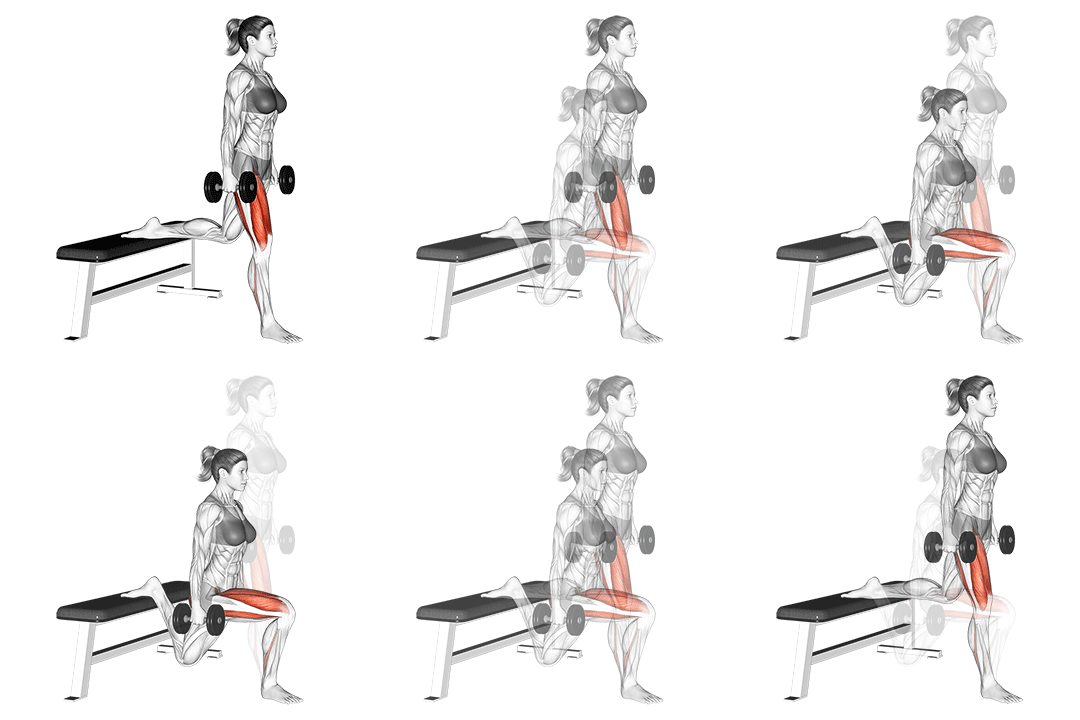
The Dumbbell Bulgarian Split Squat sets up in a split stance with the back foot elevated on a bench and squats while holding dumbbells at the sides. The elevated rear foot produces extreme single-leg loading.
For unilateral quad-and-glute training, the Bulgarian split squat is one of the most demanding single-leg exercises that exists. The pattern hits the quad and glute of the front leg with significant loading. Run it for 3 sets of 8 to 10 reps per leg as primary unilateral work.
Stand in a split stance with the back foot elevated on a bench or step behind the body. Hold dumbbells at the sides. Drop straight down by bending the front knee, lowering the back knee toward the floor. Drive through the front foot to push back to standing. Complete all reps on one side before switching.
Barbell Walking Lunge
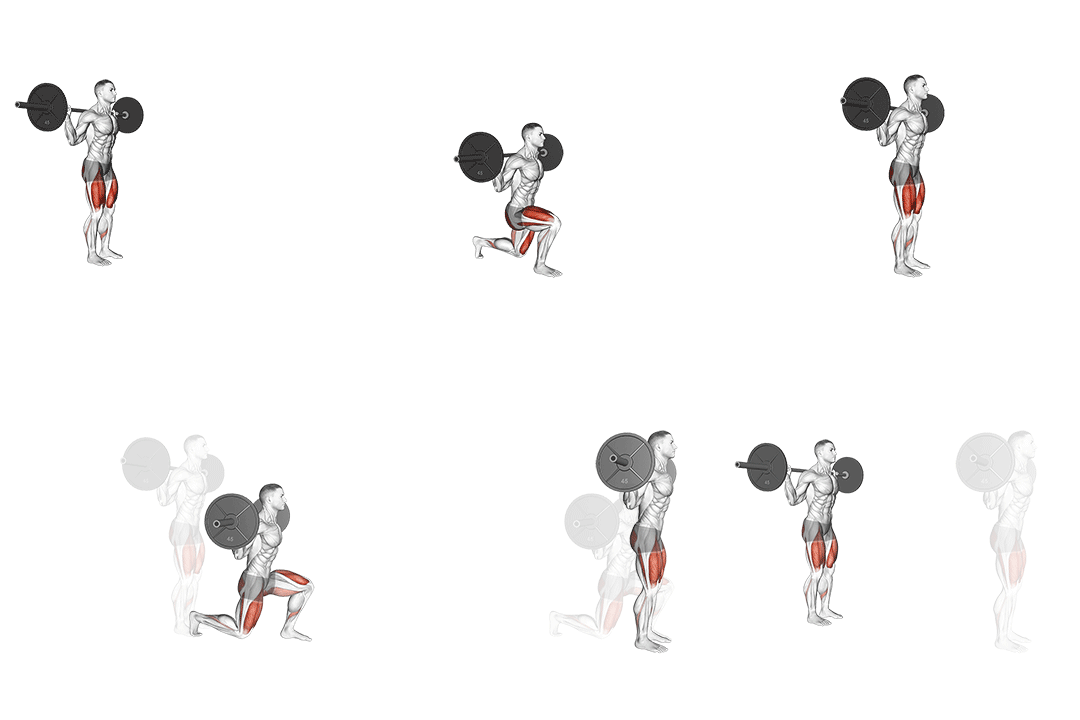
The Barbell Walking Lunge performs walking lunges while holding a barbell across the upper back. The walking pattern adds dynamic loading to the unilateral lunge motion.
For combined quad-and-glute training, the walking lunge produces strong unilateral leg development that bilateral squatting alone cannot match. The pattern hits the front-leg quad and glute through each step. Run it for 3 sets of 8 to 10 reps per leg as accessory unilateral work.
Set up under a barbell on a squat rack with the bar across the upper back. Step back to clear the rack. Step forward into a long lunge stance, lowering the back knee toward the floor while bending the front knee. Drive through the front foot to step the back foot forward into the next lunge.
Barbell Hip Thrust

The Barbell Hip Thrust sits on the floor with the upper back braced against a bench and a barbell across the hips, then drives the hips up by squeezing the glutes. The exercise produces extreme glute loading at the contracted position.
For maximum glute-focused training in quad-and-glute sessions, the hip thrust is one of the strongest glute exercises that exists. The pattern hits the glutes at the contracted position with extreme loading. Run it for 3 to 4 sets of 8 to 12 reps as primary glute work.
Sit on the floor with the upper back braced against a bench. Position a loaded barbell across the hips. Drive the hips up by squeezing the glutes hard until the body forms a straight line from shoulders to knees. Lower under control. Use a barbell pad for comfort.
Dumbbell Goblet Squat
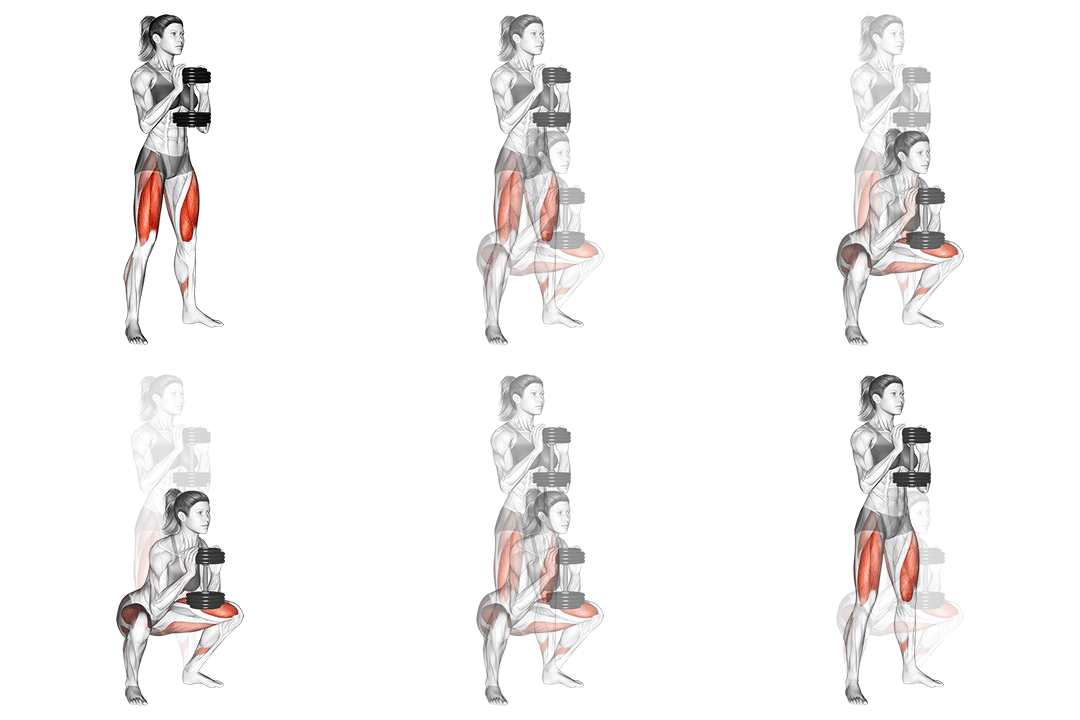
The Dumbbell Goblet Squat holds a dumbbell at the chest with both hands cupping the top end and performs a squat motion. The front-loaded position emphasizes the quads and produces strong upright torso bracing throughout the rep.
For accessible quad-and-glute training, the goblet squat is one of the most foundational squat variations that exists. The front-loaded position works well for lifters not yet ready for heavy back squats. Run it for 3 to 4 sets of 10 to 12 reps as foundational lower-body work.
Hold a dumbbell at the chest with both hands cupping the top end. Stand with feet shoulder-width or slightly wider. Squat down by sitting the hips back while bending the knees. Drive back to standing through the whole foot.
Dumbbell Step Up

The Dumbbell Step Up holds dumbbells at the sides and steps up onto a sturdy box or bench, driving up through the standing leg before stepping back down. The unilateral pattern produces strong single-leg quad and glute loading.
For combined quad-and-glute training, the step-up produces strong unilateral leg work through the dynamic stepping pattern. Run it for 3 sets of 10 to 12 reps per leg as accessory unilateral work after primary squats.
Hold dumbbells at the sides. Stand in front of a sturdy box or bench. Step up onto the box with one foot, driving through the heel to push the body up. Step back down. Alternate sides on each rep or set.
Dumbbell Walking Lunge

The Dumbbell Walking Lunge performs walking lunges while holding dumbbells at the sides. The dynamic walking pattern produces strong glute and quad development.
For combined quad-and-glute training, the dumbbell walking lunge offers a more accessible alternative to barbell walking lunges. The pattern fits naturally as accessory unilateral work after primary compound lifts. Run it for 3 sets of 10 to 12 reps per leg.
Stand tall with dumbbells held at the sides. Step forward into a long lunge stance, lowering the back knee toward the floor while bending the front knee. Drive through the front foot to step the back foot forward into the next lunge.
Dumbbells Glute Bridge

The Dumbbells Glute Bridge lies on the back with knees bent and feet planted, with dumbbells held across the hips, then drives the hips up by squeezing the glutes. The added load increases glute activation throughout the motion.
For combined quad-and-glute training that includes direct glute work, the dumbbell glute bridge produces strong glute development. The pattern hits the glutes at the contracted position with maximum loading. Run it for 3 sets of 10 to 15 reps as direct glute work.
Lie flat on the back with knees bent and feet planted shoulder-width apart. Hold dumbbells across the hips with both hands. Drive the hips up by squeezing the glutes hard until the body forms a straight line from shoulders to knees. Lower under control.
How To Program These Workouts
A productive quad-and-glute session pulls six to eight exercises from the list above. A balanced session includes one primary squat (back squat or front squat), one posterior-chain exercise (Romanian deadlift), one unilateral exercise (Bulgarian split squat or step-up), one walking exercise (walking lunge), one direct glute exercise (hip thrust or glute bridge), and one accessory exercise (goblet squat). Run primary compounds for 4 to 5 sets of 5 to 8 reps; secondary exercises for 3 to 4 sets of 8 to 12 reps; isolation work for 3 sets of 10 to 15 reps.
Train quad-and-glute sessions 1 to 2 times per week as part of broader lower-body or full-body programming. The legs and glutes recover within 48 to 72 hours of moderate training, but heavy compound lifts (squats, deadlifts) require longer recovery. Most lifters do well with one heavy quad-and-glute session per week and one moderate-intensity session per week. The format also works well as a dedicated leg day in upper-lower or PPL splits.
For broader lower-body programming, see our best dumbbell leg workouts and best barbell leg workouts. For glute-specific training, see our best glute workouts at home with dumbbells.
Final Thoughts
The best quad-and-glute workouts deliver real lower-body development through the combination of foundational compound lifts and direct quad-and-glute work. The combination of bilateral squatting, posterior-chain work, unilateral exercises, and direct glute training covers every major quad and glute function and produces complete lower-body development from every visual angle. For lifters who want serious lower-body training that builds visible aesthetic changes, dedicated quad-and-glute training is one of the most effective programming approaches available.
Stay focused on full range of motion. The most common quad-and-glute training mistake is shortening the range of motion (high quarter squats instead of full deep squats), which significantly reduces the actual training stimulus on both muscle groups. The fix: deep squats below parallel, full hip extension at the top of every hip thrust, deep stretch position on every Romanian deadlift. Quality reps with full range produce stronger quad and glute development than higher-rep counts with cut-short ranges.
Frequently Asked Questions
How often should I train quads and glutes?
One to two times per week works for most lifters. The legs and glutes recover within 48 to 72 hours of moderate training. Most successful programs include one heavy lower-body session per week (focused on compound lifts) and one moderate-intensity session per week (focused on accessory work and isolation). Beginners often do better with one comprehensive lower-body session per week.
Squats or hip thrusts for glutes?
Both work; the choice depends on goals. Squats produce broader leg development including significant quad work alongside glute activation. Hip thrusts isolate the glutes with extreme contracted-position loading. Most successful glute training programs include both: squats for compound development, hip thrusts for direct glute focus. The combination produces broader development than either alone.
Front squats or back squats for quads?
Front squats produce stronger quad bias due to the upright torso required for the front-rack position. Back squats allow heavier total loading and produce broader leg development. Most successful quad-focused programs include both: back squats as the primary heavy compound, front squats for quad-emphasized work. Beginners often do better starting with back squats before progressing to front squats.
How long until I see quad and glute results?
Most lifters feel meaningful strength improvements within 4 to 6 weeks of consistent quad-and-glute training. Visible muscle development appears within 8 to 12 weeks combined with appropriate nutrition. Major lower-body changes (significantly more developed quads and glutes) take 6 to 12 months of dedicated practice. Year-over-year progression continues for the first 5 to 8 years of training before the rate naturally slows.
Are unilateral exercises necessary for quads and glutes?
Yes for complete development. Bilateral exercises (squats, deadlifts, hip thrusts) build foundational mass and strength; unilateral exercises (lunges, split squats, step-ups) catch strength imbalances and produce stronger single-leg function. Most successful quad-and-glute programs include both: bilateral compounds for foundation, unilateral work for balance and stability. The combination produces broader development than bilateral-only programs.