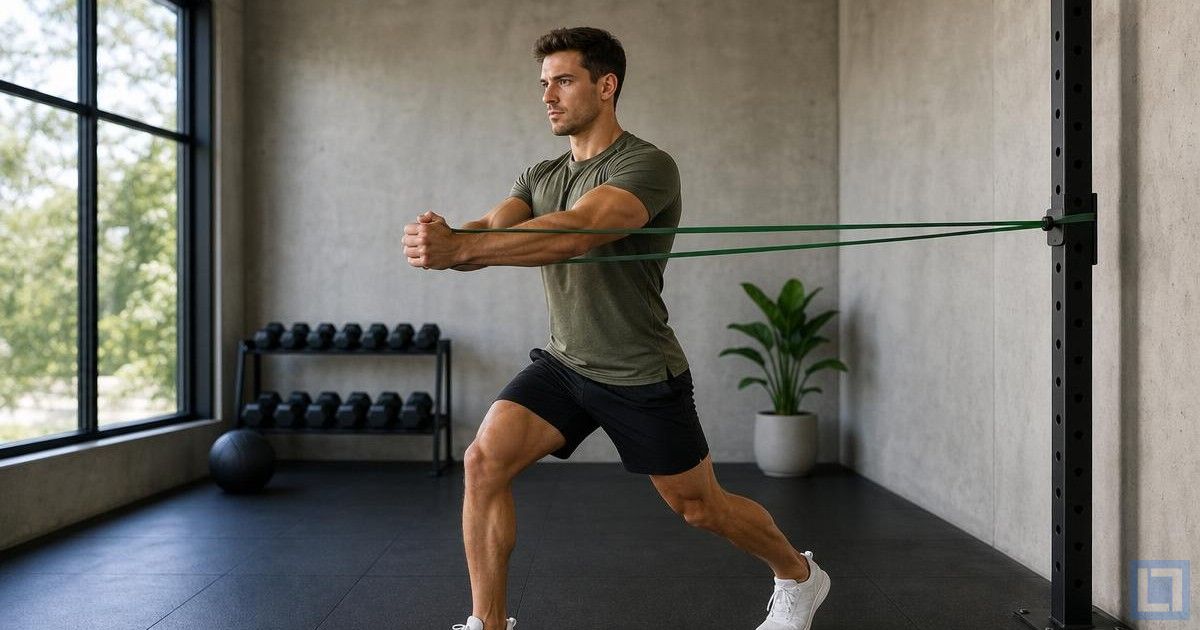
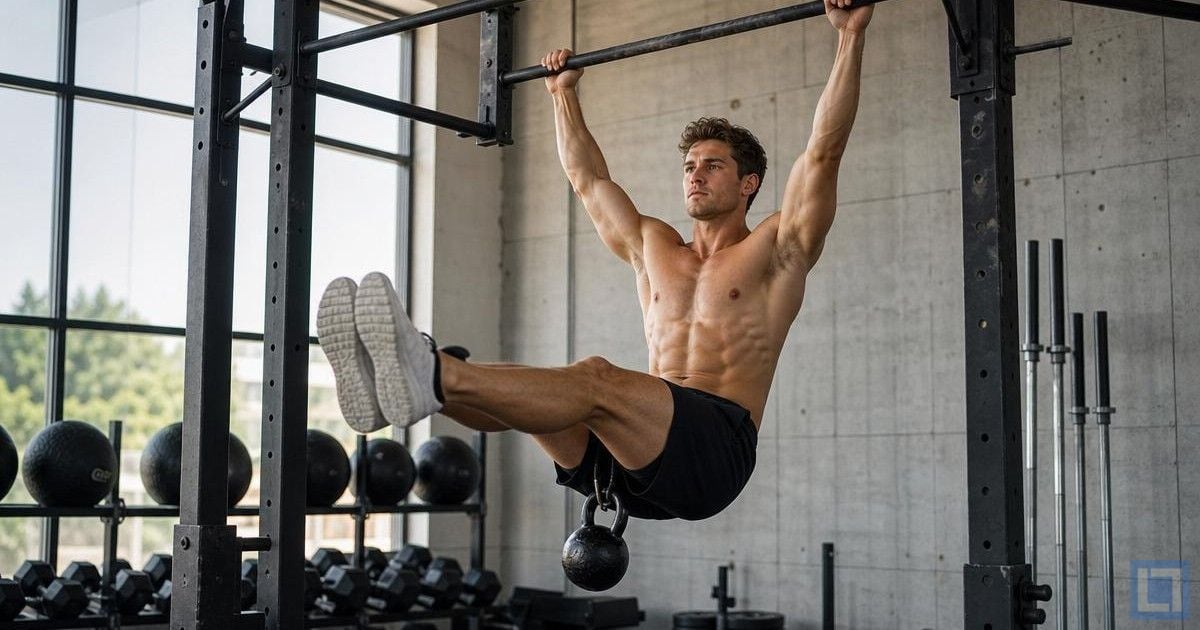
Machine hamstring training produces real hamstring development through patterns that load the hamstrings with the unique advantages machines offer: direct knee flexion isolation that targets the hamstrings purely without stabilizer demands (leg curl variations), fixed bar paths for hip-hinge work that allow quad-friendly setups (Smith machine deadlifts and stiff-leg deadlifts), braced positions for hip thrust work (Smith hip thrust), and Nordic curl progressions on dedicated equipment (glute ham raises). The format works particularly well for hamstrings because the muscle has two primary functions (hip extension and knee flexion), and machines deliver dedicated loading for both functions through pin-stack or plate adjustments that allow precise progressive overload. Most lifters who consistently train machine hamstring work 1 to 2 times per week alongside compound lower-body movements see measurable hamstring development, improved knee flexion strength, better deadlift performance, and reduced hamstring injury risk within 8 to 12 weeks. The combination of leg curl variations, hip-hinge work, Nordic progressions, and hip thrust patterns produces broader hamstring development than free-weight-only programs for many lifters.
Below are ten effective machine hamstring exercises that cover direct knee flexion isolation (lever lying leg curl, lever seated leg curl, lever standing leg curl, lever lying single leg curl), Smith machine hip-hinge work (Smith stiff-legged deadlift, Smith deadlift, lever good morning on the hack squat machine), Nordic curl progressions (glute ham raise with extended arms), back extension work (lever back extension), and hip thrust patterns (Smith hip thrust). Together they form a complete machine hamstring program that hits both hamstring functions through every available machine pattern. A 30 to 45-minute session pulled from this list, performed 1 to 2 times per week, produces strong hamstring development that complements free-weight squats and deadlifts.
Lever Lying Leg Curl

The Lever Lying Leg Curl performs hamstring curls lying face-down on a leg curl machine. The pattern produces direct hamstring isolation through pure knee flexion against constant machine resistance.
For machine hamstring training, the lying leg curl is the foundational hamstring isolation exercise. The pattern hits the hamstrings through their primary function (knee flexion). Run it for 4 sets of 10 to 15 reps as primary hamstring isolation work in any machine hamstring session.
Lie face-down on a lying leg curl machine with the lower legs positioned under the roller pad (just above the heels). Adjust the machine so the knees align with the pivot point. Bend the knees to bring the heels toward the glutes by flexing the hamstrings against the resistance. Squeeze hard at peak contraction. Lower under control. The lying position keeps the hamstrings in a slightly stretched position throughout, producing strong development.
Lever Seated Leg Curl

The Lever Seated Leg Curl performs hamstring curls seated upright on a seated leg curl machine. The seated position changes the hamstring length and produces unique loading angle.
For machine hamstring training, the seated leg curl produces strong hamstring isolation from a different angle than lying variations. The seated position lengthens the hamstrings differently. Run it for 3 sets of 10 to 15 reps as combined hamstring isolation work.
Sit in a seated leg curl machine with the back against the pad and the lower legs positioned over the roller pad. Adjust the machine so the knees align with the pivot point. Push the legs down by bending the knees against the resistance. Squeeze hard at peak contraction. Return under control until the legs are extended. The seated position produces unique hamstring loading angle that complements lying variations.
Lever Standing Leg Curl

The Lever Standing Leg Curl performs single-leg hamstring curls standing on a standing leg curl machine. The pattern produces direct unilateral hamstring isolation through pure knee flexion.
For machine hamstring training, the standing leg curl produces strong unilateral hamstring isolation. The pattern hits each hamstring individually through controlled knee flexion. Run it for 3 sets of 10 to 12 reps per leg as unilateral hamstring isolation work.
Stand at a standing leg curl machine with one knee braced against the pad and the lower leg positioned under the roller pad. The other leg is planted on the floor for support. Bend the knee of the working leg to bring the heel toward the glute by flexing the hamstring against the resistance. Squeeze hard at peak contraction. Lower under control. Switch legs between sets. The standing position adds balance work to the hamstring isolation.
Lever Lying Single Leg Curl

The Lever Lying Single Leg Curl performs unilateral hamstring curls lying face-down on a leg curl machine. The pattern produces concentrated unilateral hamstring isolation through one leg at a time.
For machine hamstring training, the lying single leg curl produces strong unilateral hamstring isolation. The pattern allows greater concentration per leg and addresses imbalances. Run it for 3 sets of 10 to 12 reps per leg as concentrated unilateral work.
Lie face-down on a lying leg curl machine with one lower leg positioned under the roller pad. The other leg can rest on the bench. Bend the working knee to bring the heel toward the glute by flexing the hamstring against the resistance. Squeeze hard at peak contraction. Lower under control. Switch legs between sets. The unilateral position produces concentrated work and allows heavier relative loading per leg.
Lever Good Morning on the Hack Squat Machine

The Lever Good Morning on the Hack Squat Machine performs hip-hinge good morning motion on a hack squat machine. The braced back position eliminates lower-back compensation and isolates the hamstrings.
For machine hamstring training, the hack squat good morning produces strong hamstring loading through hip-hinge motion. The machine provides stability for clean hip-hinge work. Run it for 3 sets of 8 to 12 reps as combined hamstring and lower-back work.
Set up in a hack squat machine with the shoulders braced against the pads. Place feet shoulder-width on the platform. Hinge at the hips by sending them backward while keeping the knees only slightly bent. Lower the platform by bending at the hips until the hamstrings stretch deeply. Drive back to standing by extending the hips. The machine provides stability for proper hip-hinge mechanics with strong hamstring loading.
Lever Back Extension

The Lever Back Extension performs back extension motion on a back extension machine, with the working muscles being primarily the hamstrings, glutes, and lower back through hip extension. The pattern produces strong combined posterior chain loading.
For machine hamstring training, the back extension produces strong combined hamstring, glute, and lower-back work. The pattern hits the hamstrings through hip extension. Run it for 3 sets of 12 to 15 reps as combined posterior chain work.
Set up in a back extension machine (45 or 90 degree) with the hips on the pad and the heels secured under the foot pads. Hinge forward at the hips by bending at the waist while keeping the back flat. Lower the torso until the hamstrings stretch fully. Drive back up to neutral by extending the hips and squeezing the glutes and hamstrings hard. The pattern produces strong combined posterior chain loading.
Glute Ham Raise with Extended Arms

The Glute Ham Raise with Extended Arms performs Nordic-style hamstring curls on a glute ham developer (GHD) machine with arms extended for added difficulty. The pattern produces extreme hamstring eccentric loading.
For machine hamstring training, the glute ham raise produces extreme eccentric hamstring loading. The pattern hits the hamstrings through controlled lengthening contractions critical for hamstring strength and injury prevention. Run it for 3 sets of 6 to 10 reps as advanced eccentric hamstring work.
Set up on a glute ham developer (GHD) with the knees on the pad and the ankles secured under the foot pads. Position the body so the upper body can extend forward over the pad. Start in an upright kneeling position with arms extended overhead. Lower the upper body forward by extending the knees, controlling the descent against gravity. The hamstrings work hard to control the lowering. Use the hands and arms to push back to starting position if needed. Build toward unassisted glute ham raises.
Smith Stiff Legged Deadlift
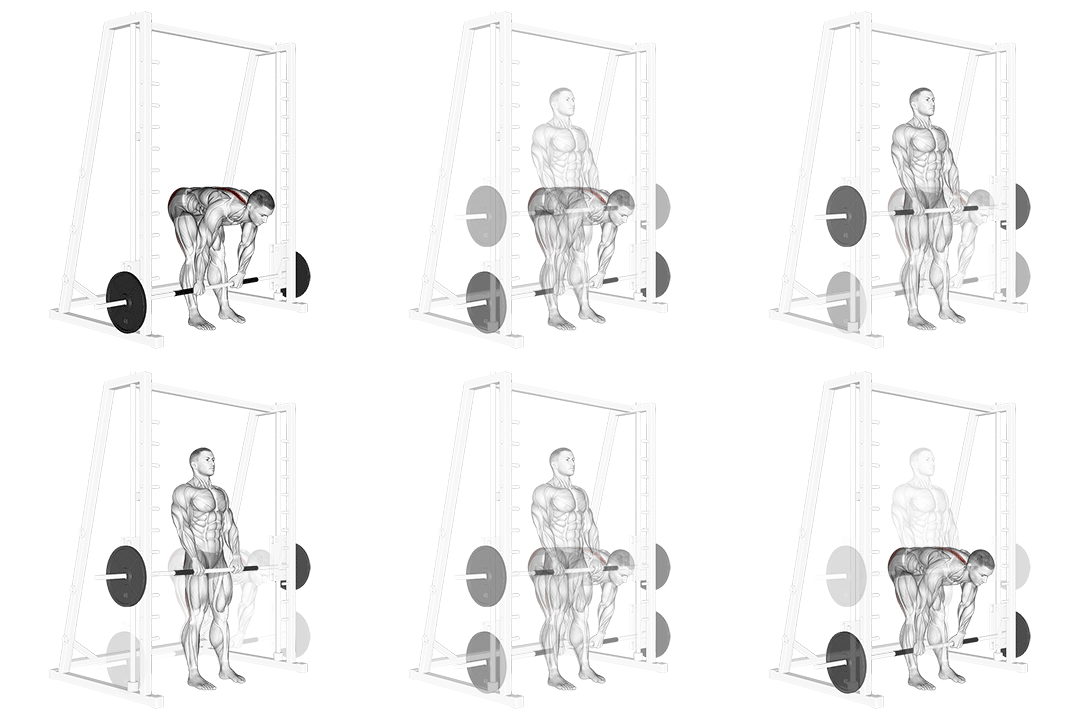
The Smith Stiff Legged Deadlift performs stiff-leg deadlifts on a Smith machine with the bar tracking straight up and down. The pattern produces strong hamstring stretch loading with the stability of fixed bar path.
For machine hamstring training, the Smith stiff-legged deadlift produces strong hamstring stretch loading. The fixed bar path eliminates stabilizer demands. Run it for 3 sets of 8 to 10 reps as advanced hamstring stretch work.
Position the bar across the upper back on a Smith machine with feet hip-width. Stand with legs nearly straight (minimal knee bend). Hinge at the hips by sending them backward while the bar tracks straight down. Lower the bar along the legs as far as possible while maintaining a flat back. The hamstrings stretch significantly due to the straight legs. Drive back to standing by extending the hips. Use lighter weights than RDLs because the leverage is more demanding.
Smith Deadlift

The Smith Deadlift performs deadlift motion on a Smith machine with the bar fixed in vertical guide rails. The pattern produces strong combined hamstring, glute, and back loading with reduced stabilizer demands.
For machine hamstring training, the Smith deadlift produces strong combined hamstring and posterior chain work. The pattern hits the hamstrings through compound pulling with machine stability. Run it for 3 to 4 sets of 6 to 10 reps as primary combined posterior chain work.
Position the bar across the upper back or grip the bar at thigh level on a Smith machine. Hinge at the hips and bend the knees to lower the bar toward the floor while keeping the back flat. Drive through the heels and extend the hips and knees to stand fully tall. Lower under control. The fixed bar path eliminates stabilizer demands and allows quad-friendly setups. The pattern produces strong combined hamstring and full posterior chain work.
Smith Hip Thrust

The Smith Hip Thrust performs hip thrust motion on a Smith machine with the bar held across the hips. The pattern produces strong glute and hamstring loading through hip extension with machine stability.
For machine hamstring training, the Smith hip thrust produces strong combined glute and hamstring loading. The pattern hits the posterior chain through hip extension. Run it for 3 sets of 10 to 15 reps as posterior chain mass work.
Sit on the floor with the upper back against a sturdy bench. Position the Smith bar across the front of the hips at the appropriate height. Place feet planted on the floor shoulder-width. Drive the hips up by squeezing the glutes hard until the body forms a straight line from shoulders to knees. The bar tracks straight up. Squeeze hard at the top with strong glute and hamstring contraction. Lower under control.
How To Program These Workouts
A productive machine hamstring session pulls 5 to 6 exercises from the list above based on training goals. A common balanced session: Smith deadlift (compound mass), lever lying leg curl (knee flexion isolation), Smith hip thrust (hip extension), lever back extension (combined posterior chain), glute ham raise with extended arms (eccentric work). For isolation focus: lever lying leg curl, lever seated leg curl, lever standing leg curl, lever lying single leg curl. Run compound work for 3 to 4 sets of 6 to 12 reps, isolation work for 3 to 4 sets of 10 to 15 reps, eccentric work for 3 sets of 6 to 10 reps, and hip thrust work for 3 sets of 10 to 15 reps. Total session covers 14 to 20 working sets focused on hamstring development.
Train machine hamstring work 1 to 2 times per week as part of broader lower-body programming. The hamstrings recover from training in 48 to 72 hours but accumulate fatigue from compound work and from running/sprinting. Most successful programs include machine hamstring work either: 1) at the end of a leg day after compound deadlifts and squats (machines as accessory work), 2) on a dedicated posterior chain day with machines as primary movements, or 3) split across 2 leg days with one heavy free-weight day and one machine-focused volume day. Keep training time under 35 to 45 minutes per session.
For broader hamstring programming, see our best hamstring workouts and how to grow your hamstrings. For specific Nordic work, see our best nordic hamstring workouts.
Final Thoughts
The best machine hamstring workouts deliver real hamstring development through patterns that effectively load both hamstring functions (hip extension and knee flexion) with the unique advantages machines offer: direct isolation, fixed bar paths, braced positions, and easy progressive overload. The combination of leg curl variations, hip-hinge work, Nordic progressions, and hip thrust patterns covers every functional pattern of the hamstring and produces broader development than free-weight-only programs for many lifters. For lifters who want measurable hamstring size and strength improvements, want to add direct knee flexion loading to existing programs (often missed in deadlift-heavy training), want to build Nordic curl strength for hamstring resilience, or want to break through plateaus in hamstring development, dedicated machine hamstring work is one of the most effective options available.
Stay focused on full range of motion and peak contraction. The most common machine hamstring training mistakes include using partial range of motion on leg curls (which limits hamstring loading) and rushing through the eccentric phase (which limits the time-under-tension benefits). The fix: complete every leg curl rep with full range of motion (heel to glute or as close as flexibility allows) and full extension at the bottom, and control the eccentric phase across 2 to 3 seconds. Squeeze the hamstrings hard at peak contraction on every rep. Quality reps with full range produce stronger hamstring development than partial reps with heavier weights.
Frequently Asked Questions
Are machines effective for hamstring development?
Yes very effectively. Machines produce real hamstring development through dedicated knee flexion isolation (leg curl variations), fixed bar path hip-hinge work (Smith deadlifts, stiff-leg deadlifts), Nordic curl progressions (glute ham raises), and hip thrust patterns. Most successful hamstring programs include machine work alongside free-weight deadlifts and Romanian deadlifts. Many lifters build excellent hamstrings with machines as primary accessory work for both the knee flexion function (which deadlifts don’t directly train) and hip extension function.
Lying or seated leg curls?
Both effective; choose based on goals. Lying leg curls produce stronger overall hamstring loading through the slightly stretched lying position. Seated leg curls produce a different angle of loading through the sit-up-position pull on the hamstrings. Most successful hamstring programs include both: lying leg curls as primary mass work and seated leg curls as variation. The combination produces broader hamstring development than either alone.
How heavy should machine hamstring work be?
Moderate to heavy depending on the exercise. Compound work like Smith deadlifts can use heavy weights (often 200 to 400+ pounds for advanced lifters). Hip thrusts can use heavy weights (185 to 405+ pounds for advanced). Isolation work like leg curls uses moderate weights (50 to 200 pounds depending on machine). Most successful programs progressively load all exercises until 8 to 15 reps becomes challenging, then increase weight by 5 to 10-pound increments. Form quality matters more than absolute weight.
How often should I train hamstrings with machines?
One to two machine hamstring sessions per week works for most lifters. The hamstrings recover from training in 48 to 72 hours but accumulate fatigue from compound work that activates them substantially. Most successful programs include machine hamstring work either at the end of a leg day after compound deadlifts, on a dedicated posterior chain day, or split across 2 leg days. Three or more weekly heavy hamstring sessions typically produces overuse injuries rather than accelerated growth.
Are leg curls necessary for hamstring growth?
Yes for complete hamstring development. The hamstrings have two primary functions (hip extension and knee flexion), and direct knee flexion exercises like leg curls are the most effective way to train the knee flexion function. Compound exercises like deadlifts and squats train hip extension but produce limited knee flexion loading. Most successful hamstring programs include leg curl variations as primary knee flexion work alongside compound hip extension work like deadlifts. Lifters who skip direct knee flexion work typically develop hamstring imbalances that limit overall growth.