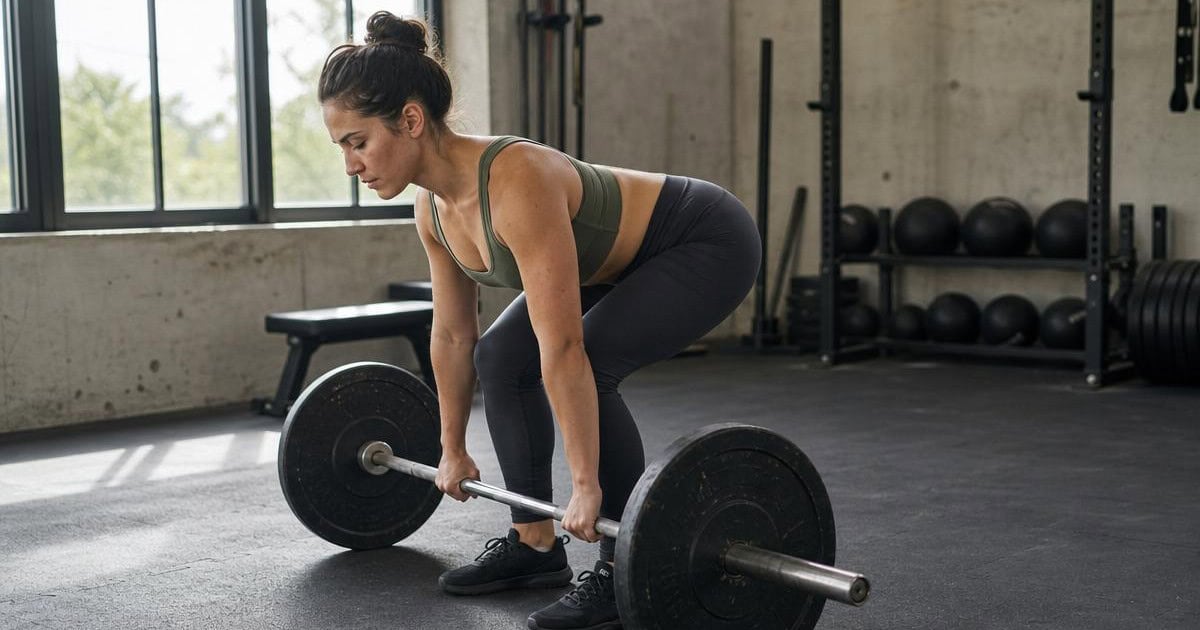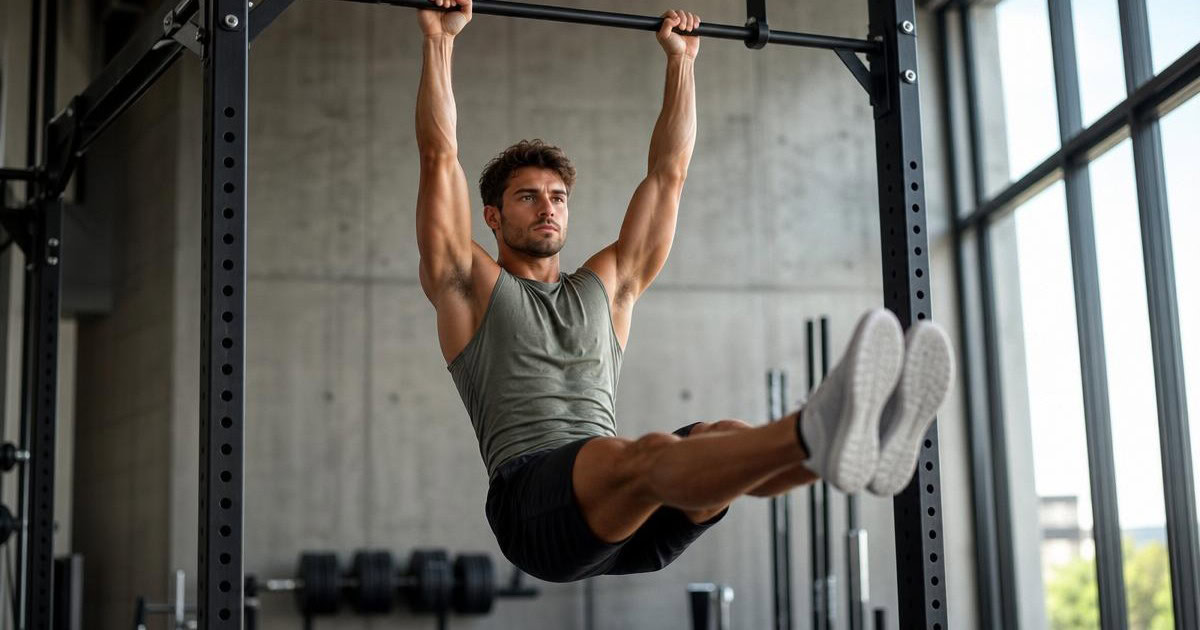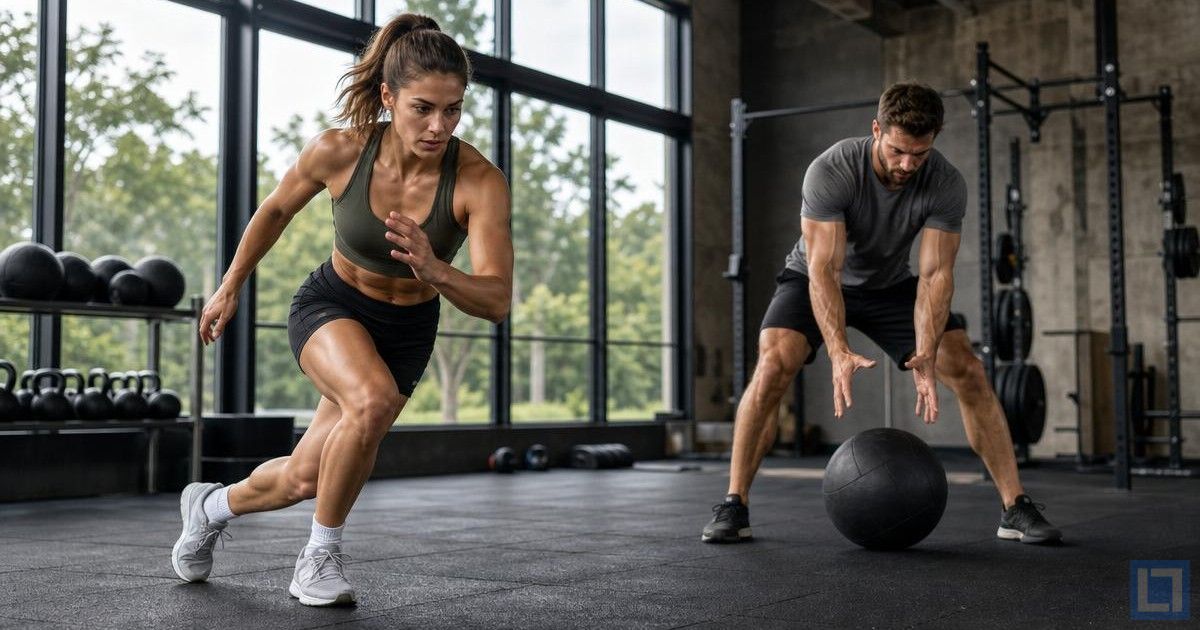
Lacrosse training produces real athletic performance improvements through exercises that build the specific physical capacities lacrosse demands: explosive lower-body power for sprinting and cutting, rotational power for shooting and passing, upper-body strength for stick handling and physical play, single-leg strength for direction changes, and core stability for balance during contact. The format works particularly well for lacrosse because the sport requires multiple physical capacities simultaneously (sprinting, jumping, throwing, stick handling, contact), which means generic training programs leave athletes underprepared for game demands. Most lacrosse players who consistently train sport-specific work 2 to 4 times per week alongside skill practice see measurable performance improvements within 8 to 12 weeks of dedicated training.
Below are ten effective lacrosse exercises that cover heavy lower-body strength (barbell squat, Romanian deadlift), unilateral leg power (Bulgarian split squat, single-leg box jump), explosive power (jump squat), rotational power (medicine ball rotational throw), upper-body strength (bench press, pull-up, bent over row), and combined athletic mechanics (single-leg deadlift with knee lift). Together they form a complete lacrosse training program that hits every physical demand of the sport. A 60 to 75-minute session pulled from this list, performed 2 to 3 times per week alongside skill practice, produces strong athletic foundation for lacrosse performance.
Barbell Squat

The Barbell Squat performs squat motion with a barbell across the upper back. The pattern is the foundational lower-body strength exercise that builds the leg power lacrosse players need for sprinting, cutting, and dodging.
For lacrosse training, the barbell squat is the foundational lower-body strength exercise. The pattern hits the quads, glutes, and hamstrings through heavy compound loading that translates directly to on-field power. Run it for 4 sets of 5 to 8 reps as primary lower-body strength work in any lacrosse training session.
Set up under a barbell positioned across the upper back at chest height in a squat rack. Step back to clear the rack with feet shoulder-width and toes pointing slightly out. Squat down by sitting the hips back and bending the knees, descending until the hip crease is below the knees. Drive back to standing through the heels while keeping the chest up.
Barbell Romanian Deadlift

The Barbell Romanian Deadlift performs hip-hinge motion with a barbell, emphasizing the hamstrings and glutes through eccentric loading. The pattern builds the posterior chain power critical for lacrosse sprinting and acceleration.
For lacrosse training, the Romanian deadlift produces strong hamstring and glute loading that translates to sprint power and acceleration. The pattern hits the posterior chain through hip extension under heavy load. Run it for 3 to 4 sets of 6 to 10 reps as primary posterior chain work in any lacrosse training session.
Stand with feet hip-width and a barbell held at thigh level. Hinge at the hips by sending them backward while keeping the back flat and the bar close to the legs. Lower until feeling a strong hamstring stretch. Drive back to standing by extending through the hips and squeezing the glutes. Maintain bar contact with legs throughout.
Barbell Bench Press

The Barbell Bench Press performs horizontal pressing motion with a barbell while lying on a flat bench. The pattern builds the upper-body pushing strength lacrosse players need for stick handling, checking, and contact.
For lacrosse training, the bench press is one of the foundational upper-body strength exercises. The pattern hits the chest, front delts, and triceps through heavy compound loading that translates to checking power and contact strength. Run it for 4 sets of 5 to 8 reps as primary upper-body pushing work.
Set up on a flat bench with feet planted firmly on the floor and shoulder blades retracted. Grip the barbell slightly wider than shoulder-width. Unrack the bar and hold it over the chest. Lower the bar to the lower chest under control. Press back to lockout by driving the bar up and slightly back. Maintain consistent bar path throughout.
Dumbbell Bulgarian Split Squat
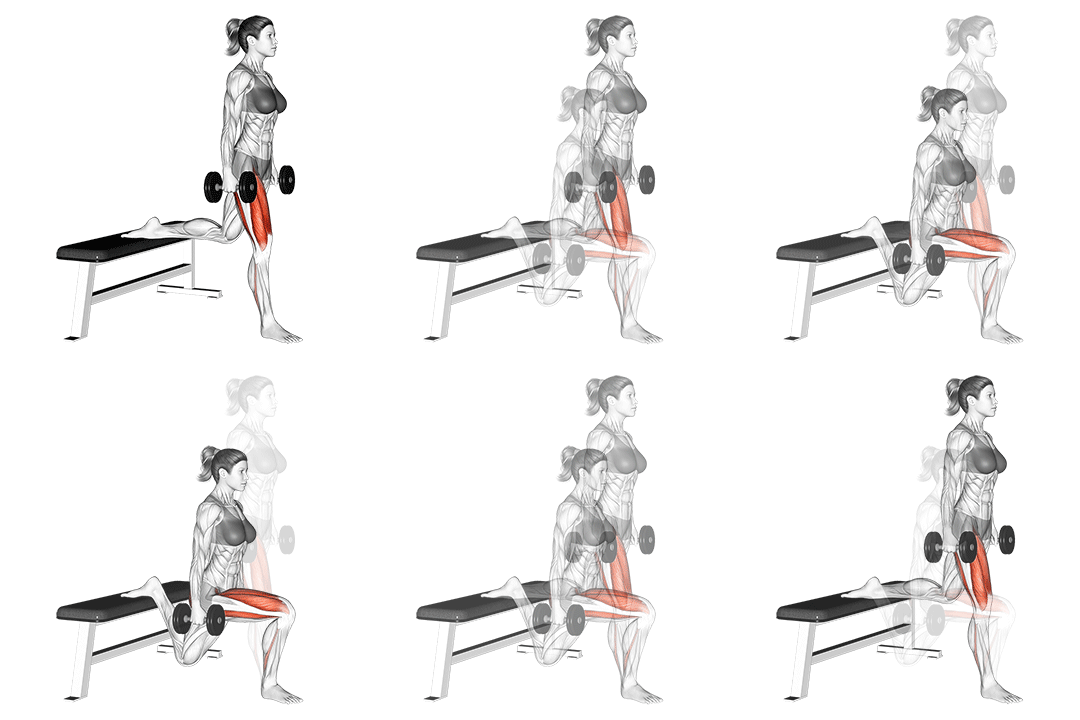
The Dumbbell Bulgarian Split Squat performs split squats with the back foot elevated on a bench while holding dumbbells at the sides. The pattern produces strong unilateral leg loading that addresses left-right strength imbalances common in lacrosse players.
For lacrosse training, the Bulgarian split squat produces strong unilateral leg loading that translates directly to single-leg push-off power for sprinting and cutting. The pattern hits the quads and glutes through deep range of motion. Run it for 3 sets of 6 to 10 reps per leg as primary unilateral leg work.
Stand 2 to 3 feet in front of a bench with one foot resting on the bench behind the body and a dumbbell in each hand. Drop straight down by bending the front knee until the back knee approaches the floor. Drive through the front foot to push back to standing. Switch sides between sets. Lean slightly forward to emphasize glute loading.
Jump Squat

The Jump Squat performs explosive squat motion ending with a vertical jump, then absorbs the landing back into the squat. The pattern produces explosive leg power that translates directly to lacrosse sprinting and cutting.
For lacrosse training, the jump squat is one of the most direct power-development exercises that exists. The pattern hits the legs through high-intensity dynamic loading. Run it for 4 sets of 5 to 8 reps as primary explosive leg power work in any lacrosse training session.
Stand with feet shoulder-width. Squat down by sitting the hips back. Explosively extend the legs and hips to jump straight up vertically. Land softly with bent knees, immediately lowering into the next squat. Continue in a smooth tempo. The explosive extension produces strong leg power loading.
Single Leg Box Jump

The Single Leg Box Jump performs box jump motion off one leg, landing both feet on the box. The pattern produces strong unilateral leg power that addresses single-leg strength imbalances and translates directly to lacrosse cutting and dodging.
For lacrosse training, the single-leg box jump produces strong unilateral leg power that translates to sport-specific movements like dodging defenders. The pattern hits the legs through unilateral explosive loading. Run it for 3 sets of 4 to 6 reps per leg as advanced explosive leg work.
Stand 2 to 3 feet from a sturdy box (12 to 24 inches high depending on ability). Lift one leg slightly off the floor. Bend the planted leg slightly and explosively jump off that single leg, landing both feet softly on top of the box. Step back down and switch sides. Maintain controlled landing throughout.
Medicine Ball Rotational Throw
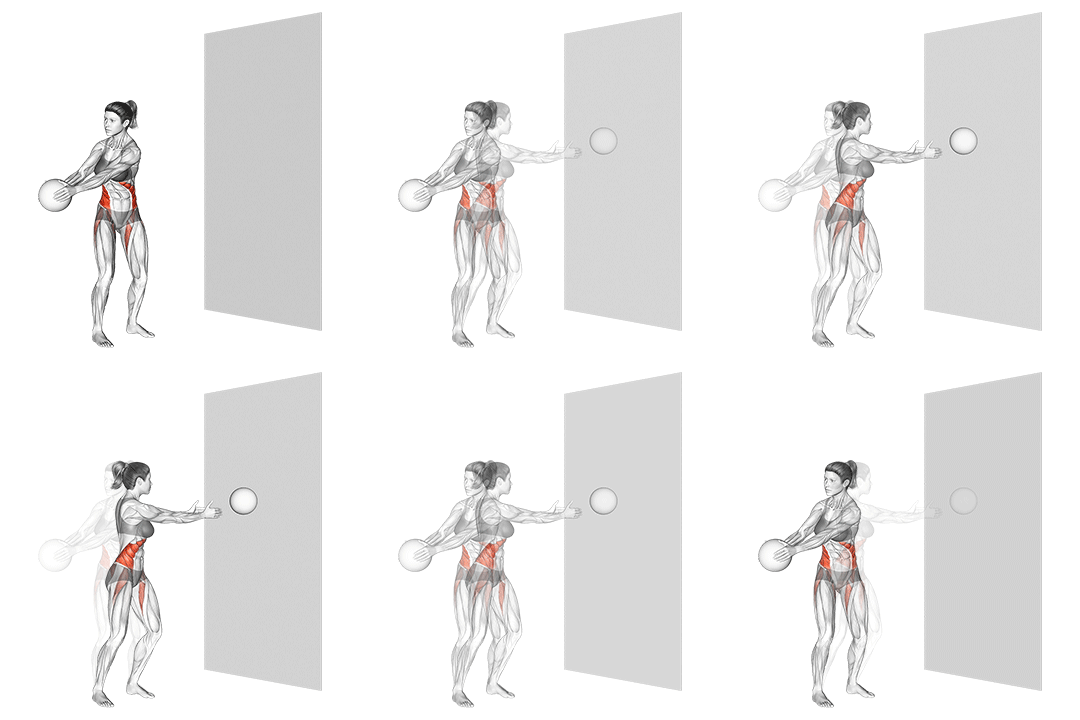
The Medicine Ball Rotational Throw stands sideways to a wall and throws a medicine ball into the wall using rotational hip and core power. The pattern produces explosive rotational power that translates directly to lacrosse shooting and passing.
For lacrosse training, the rotational throw is one of the most direct rotational power exercises that exists. The pattern hits the obliques and hips through explosive rotation that mirrors the lacrosse shooting and passing motion. Run it for 4 sets of 6 to 8 reps per side as primary explosive rotational work.
Stand sideways to a wall about 3 to 5 feet away with feet shoulder-width. Hold a medicine ball at the hip closer to the wall. Rotate explosively at the hips and core, throwing the ball into the wall. Catch the rebound and reset. Switch sides between sets. Use a medicine ball that can withstand impact.
Pull Up

The Pull Up grips a bar overhead with palms facing away (overhand grip) and pulls the body up until the chin clears the bar. The pattern builds the back, biceps, and grip strength that lacrosse players need for stick handling and physical play.
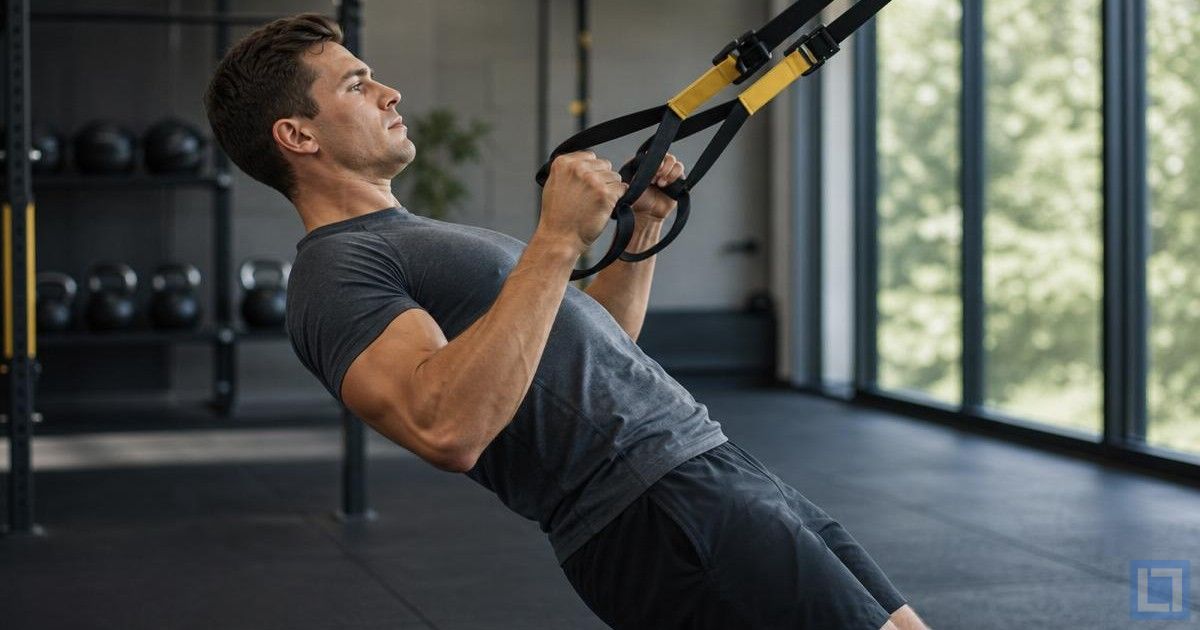
For lacrosse training, the pull-up is one of the most foundational upper-body strength exercises. The pattern hits the lats, biceps, and forearms through full bodyweight loading. Run it for 4 sets of 5 to 10 reps (or to failure) as primary upper-body pulling work.
Hang from a pull-up bar with hands shoulder-width using overhand grip. Engage the lats and pull the body up until the chin clears the bar. Lower under control to full arm extension. Maintain core tension throughout. Beginners can use band assistance or work on negatives until they can perform multiple reps.
Dumbbell Bent Over Row

The Dumbbell Bent Over Row performs horizontal pulling motion with dumbbells while bent over at the hips. The pattern builds the back thickness and pulling strength lacrosse players need for stick checks and physical play.
For lacrosse training, the bent over row is one of the most effective back-thickness exercises that exists. The pattern hits the lats, rhomboids, and middle traps through heavy horizontal pulling. Run it for 3 to 4 sets of 6 to 10 reps as primary back-thickness work.
Stand with feet shoulder-width and dumbbells held in each hand. Hinge at the hips to lower the upper body to roughly 45 degrees while keeping the back flat. Pull the dumbbells to the lower ribs by retracting the shoulder blades and driving the elbows back. Lower under control. Maintain bent-over position throughout.
Single Leg Deadlift with Knee Lift

The Single Leg Deadlift with Knee Lift combines a single-leg deadlift with a knee drive at the top. The pattern produces strong combined posterior chain loading and balance work that translates directly to lacrosse running mechanics.
For lacrosse training, the single-leg deadlift with knee lift produces strong combined posterior chain, balance, and running mechanics work. The pattern hits the glutes and hamstrings through unilateral loading combined with hip flexor activation. Run it for 3 sets of 6 to 8 reps per side as combined posterior chain and athletic mechanics work.
Stand on one leg with the free leg extended slightly behind. Hinge at the hip while extending the free leg back behind the body, lowering the torso forward. Drive back to standing by extending the planted hip while simultaneously driving the free knee up to chest height. Hold briefly at the top. Reverse the motion. Switch legs between sets.
How To Program These Workouts
A productive lacrosse training program organizes these exercises across 2 to 3 weekly sessions during in-season and 3 to 4 sessions during off-season. A common 3-day in-season split: Day 1 (Lower Body Strength): barbell squat, Romanian deadlift, Bulgarian split squat. Day 2 (Upper Body Strength): bench press, pull-up, bent over row. Day 3 (Power and Athleticism): jump squat, single-leg box jump, rotational throw, single-leg deadlift with knee lift. Run heavy strength work for 4 sets of 5 to 8 reps; unilateral work for 3 sets of 6 to 10 reps per side; explosive power work for 3 to 4 sets of 4 to 6 reps with full recovery between sets.
Train lacrosse strength sessions 2 to 4 times per week depending on season. In-season: 2 to 3 sessions per week to maintain strength while accommodating practice and games. Off-season: 3 to 4 sessions per week to build strength, power, and conditioning. Most successful lacrosse programs include heavy lower-body work, upper-body strength, explosive power training, and rotational power as core elements, plus sport-specific conditioning (sprints, agility ladders, change-of-direction drills) and skill practice. Recovery, nutrition (caloric maintenance or surplus during off-season), and sleep are critical for sustained athletic development.
For broader athletic programming, see our best workouts for athletes and best workouts for football players. For specific lacrosse skills, see our best dumbbell workouts.
Final Thoughts
The best workouts for lacrosse players deliver real athletic performance improvements through exercises that build the specific physical capacities lacrosse demands. The combination of heavy lower-body strength, unilateral leg power, explosive power, rotational power, and upper-body strength covers every physical demand of lacrosse and produces broader athletic development than generic training programs. For lacrosse players who want measurable on-field performance improvements, want to reduce injury risk through proper strength preparation, or want to extend their playing career through smart training, dedicated lacrosse-specific training is one of the most effective investments players can make.
Stay focused on movement quality and progressive overload. The most common lacrosse training mistake is either chasing weight at the expense of form (which limits long-term gains and increases injury risk) or staying too easy to drive real progressive overload over time. The fix: prioritize strict form on every set while gradually increasing either weight or speed (for power exercises) over weeks and months. Quality reps with strict form produce stronger athletic development than ego-driven heavy weights with poor form. Athletic performance responds to progressive overload, consistent training, and proper recovery over months and years.
Frequently Asked Questions
How often should lacrosse players strength train?
Two to four times per week depending on season. In-season: 2 to 3 sessions per week to maintain strength while accommodating practice and games. Off-season: 3 to 4 sessions per week to build strength, power, and conditioning. Most successful lacrosse training schedules include 2 to 3 strength sessions plus 2 to 3 conditioning sessions per week during off-season, reduced to 1 to 2 strength sessions during competitive season. Recovery is as important as training intensity for sustained athletic development.
What’s the most important physical quality for lacrosse?
Multiple qualities matter equally. Explosive lower-body power drives sprinting, cutting, and dodging. Rotational power drives shooting and passing velocity. Upper-body strength drives stick handling and physical play. Single-leg strength drives direction changes. Core stability drives balance during contact. Most successful lacrosse training programs develop all of these qualities simultaneously rather than focusing on one. The exercises in this list cover all major physical demands.
Should lacrosse players focus on size or speed?
Speed and power are typically more important than size for lacrosse performance. Most successful lacrosse players prioritize relative strength (strength per pound of body weight), explosive power, and conditioning over absolute muscle mass. Excessive size can actually hurt performance by reducing speed and conditioning. Most lacrosse players benefit from training programs that prioritize strength and power development through compound lifts and explosive work, with hypertrophy as a secondary goal.
How do I train for stick handling and shooting?
Two complementary approaches: stick-skill practice plus rotational power training. Stick handling requires daily skill practice with the actual stick (1000+ touches per session). Shooting power requires rotational core work (medicine ball throws, landmine rotations, cable woodchops) plus general strength training. Most successful lacrosse skill development includes daily stick practice plus 1 to 2 weekly rotational power sessions integrated into broader strength training.
Can I train lacrosse without gym equipment?
Yes for many components. Bodyweight training can develop substantial lower-body power (jump squats, single-leg box jumps using park benches or sturdy steps), upper-body strength (push-up variations, pull-ups on park bars), and conditioning (sprints, change-of-direction drills). Medicine ball work for rotational power requires only a medicine ball and wall. Adding minimal equipment (resistance bands, a kettlebell or dumbbells) significantly expands training options. Most lacrosse players benefit from gym access during off-season but can maintain fitness with home/outdoor training during in-season.