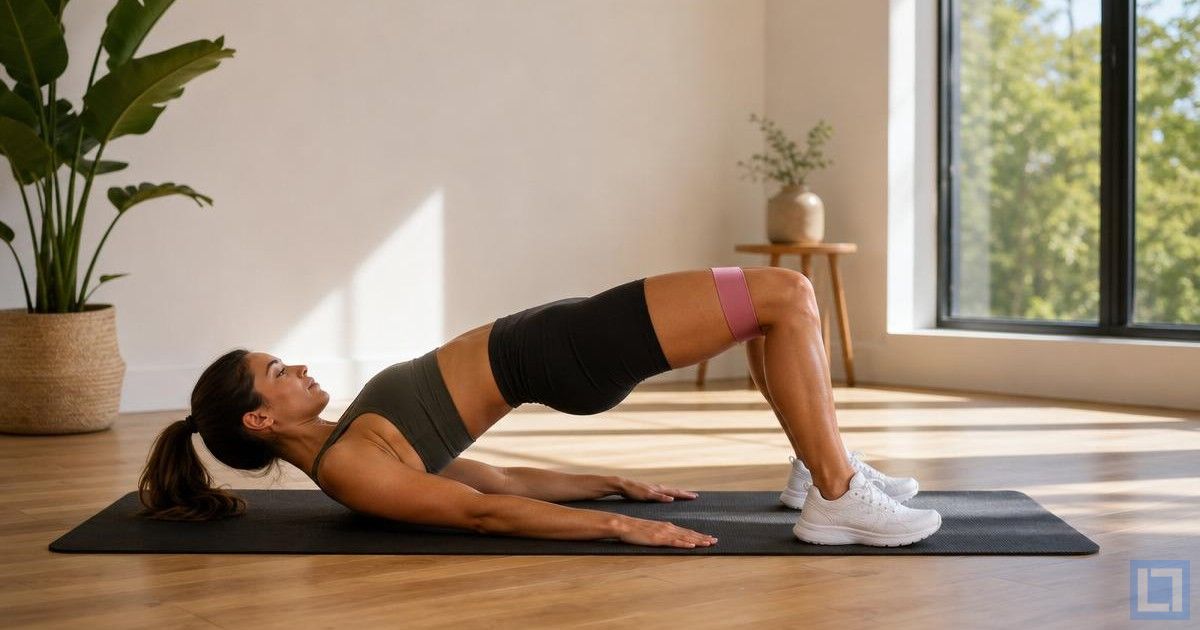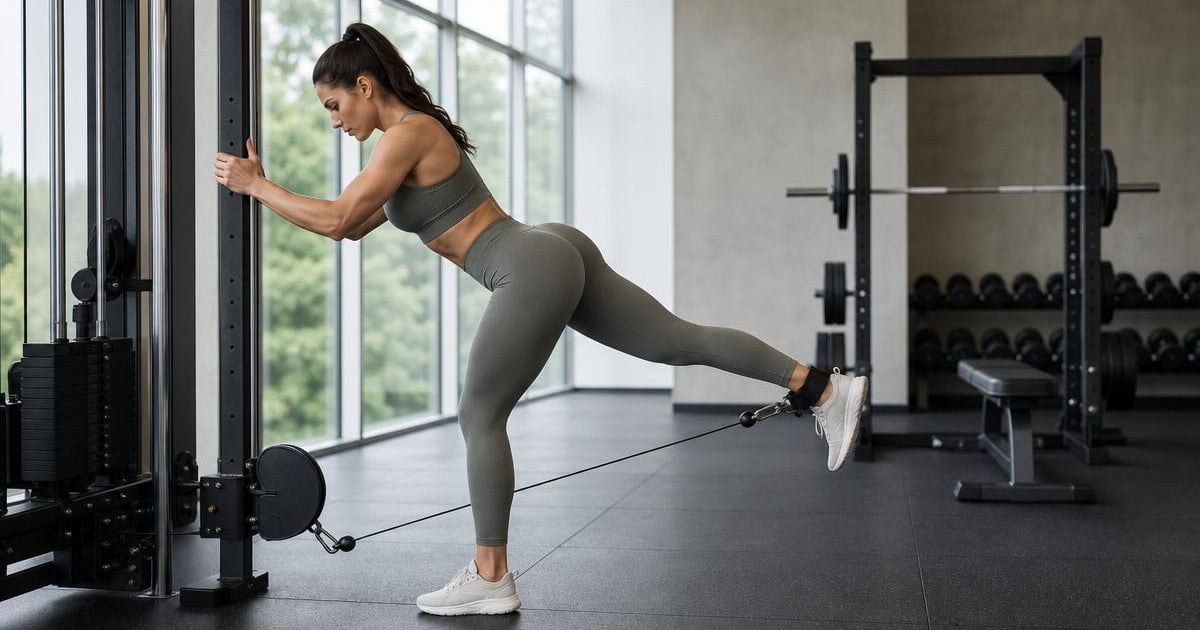
Cable glute training produces real glute development through patterns that load the glutes with the unique advantages cables offer: constant tension throughout the entire range of motion (including peak contraction at the top of hip extension), the ability to load the gluteus medius (side glute) directly through abduction patterns that free weights can not match, and easy progressive loading through pin-stack adjustments. The format works particularly well for glutes because the muscle group has multiple functions (hip extension via gluteus maximus, hip abduction via gluteus medius and minimus) that each require different loading angles, and cables deliver dedicated loading for each function. Most lifters who consistently train cable glute work 1 to 2 times per week alongside compound lower-body movements see measurable glute development, improved hip stability, better single-leg balance, stronger peak contraction strength, and improved aesthetic glute shape (combined with proper nutrition) within 8 to 12 weeks. The combination of pull throughs, kickback variations, medius work, hip thrusts, and combined exercises produces broader glute development than free-weight-only programs for many lifters.
Below are ten effective cable glute exercises that cover hip extension mass work (cable pull through, cable kneeling pull through), unilateral kickback variations (cable donkey kickback, cable donkey diagonal kickback, cable standing hip extension), gluteus medius isolation (cable medius kickback, cable kneeling hip abduction), hip thrust patterns (cable standing hip thrust), and combined movement (cable glute dominant step up, cable goblet squat). Together they form a complete cable glute program that hits all parts of the glute complex. A 25 to 35-minute session pulled from this list, performed 1 to 2 times per week, produces strong glute development that complements free-weight squats and deadlifts.
Cable Pull Through

The Cable Pull Through performs hip-hinge pull through motion with a cable anchored low and pulled between the legs. The pattern produces strong combined glute and hamstring loading through pure hip extension.
For cable glute training, the pull through is the foundational glute exercise. The pattern hits the glutes through hip extension with peak contraction at the top. Run it for 4 sets of 10 to 15 reps as primary glute mass work in any cable glute session.
Attach a rope handle to a low cable pulley. Stand facing away from the pulley with feet shoulder-width and the rope passed between the legs from behind (gripped with both hands). Step forward to create tension. Hinge at the hips by sending them backward and let the rope pull through the legs. Drive the hips forward by squeezing the glutes hard to pull the rope through. Stand fully tall at the top with the cable pulled through the legs. The pattern produces strong glute peak contraction.
Cable Kneeling Pull Through

The Cable Kneeling Pull Through performs pull through motion from a kneeling position. The kneeling position eliminates lower body involvement and isolates the glutes.
For cable glute training, the kneeling pull through produces clean glute isolation. The kneeling position removes lower-body compensation. Run it for 3 sets of 12 to 15 reps as glute isolation work.
Attach a rope handle to a low cable pulley. Kneel facing away from the pulley with the rope passed between the legs from behind (gripped with both hands). Sit back on the heels at the start. Drive the hips forward by squeezing the glutes hard to pull the rope through. The body rises from sitting on heels to upright kneeling at the top. Squeeze hard at the top. Return to sitting on heels under control.
Cable Donkey Kickback

The Cable Donkey Kickback performs unilateral hip extension kickbacks with a cable ankle attachment. The pattern produces strong direct glute isolation through pure hip extension.
For cable glute training, the donkey kickback is one of the most effective direct glute isolation exercises. The pattern hits the working glute through pure hip extension. Run it for 3 sets of 12 to 15 reps per leg as primary glute isolation work.
Attach an ankle cuff to a low cable pulley. Stand facing the pulley with the cuff secured around one ankle. Hold a wall or rail for balance. Position on hands and knees if preferred (donkey position) or standing. Drive the working leg back behind the body by extending the hip while keeping a slight bend in the knee. Squeeze the glute hard at peak hip extension. Lower under control. Switch legs between sets.
Cable Donkey Diagonal Kickback

The Cable Donkey Diagonal Kickback performs unilateral kickbacks with diagonal motion (back and out to the side). The pattern produces combined glute maximus and gluteus medius loading.
For cable glute training, the diagonal kickback produces combined glute work. The diagonal angle hits both the gluteus maximus (rear extension) and gluteus medius (lateral abduction). Run it for 3 sets of 12 to 15 reps per leg as combined glute work.
Attach an ankle cuff to a low cable pulley. Stand facing the pulley with the cuff around one ankle. Drive the working leg back and slightly out to the side (diagonal direction) by extending the hip and slightly abducting. Squeeze the glute hard at peak diagonal extension. Lower under control. Switch legs between sets. The diagonal motion produces combined gluteus maximus and medius loading.
Cable Medius Kickback

The Cable Medius Kickback performs lateral hip abduction with a cable ankle attachment, targeting the gluteus medius (side glute). The pattern produces strong direct gluteus medius loading critical for hip stability.
For cable glute training, the medius kickback is one of the most effective gluteus medius exercises that exists. The gluteus medius is critical for hip stability but often undertrained. Run it for 3 sets of 12 to 15 reps per leg as primary gluteus medius work.
Attach an ankle cuff to a low cable pulley. Stand sideways to the pulley with the cuff around the ankle of the leg further from the pulley. Hold a wall or rail for balance. Drive the working leg out to the side (lateral abduction) against the cable resistance, lifting it as high as the hip allows. Squeeze the gluteus medius hard at peak abduction. Lower under control. Switch sides between sets.
Cable Kneeling Hip Abduction

The Cable Kneeling Hip Abduction performs hip abduction motion from a kneeling position with a cable. The pattern produces direct gluteus medius isolation through controlled abduction.
For cable glute training, the kneeling hip abduction produces clean gluteus medius isolation. The kneeling position keeps the focus on pure abduction. Run it for 3 sets of 12 to 15 reps per leg as gluteus medius isolation work.
Attach an ankle cuff to a low cable pulley. Kneel on the floor with one knee on the floor and the other leg lifted to the side (the leg with the cuff). Hold a sturdy support for balance. Lift the working leg up and out to the side by abducting the hip against the cable resistance. Squeeze the gluteus medius hard at peak abduction. Lower under control. Switch legs between sets.
Cable Standing Hip Thrust
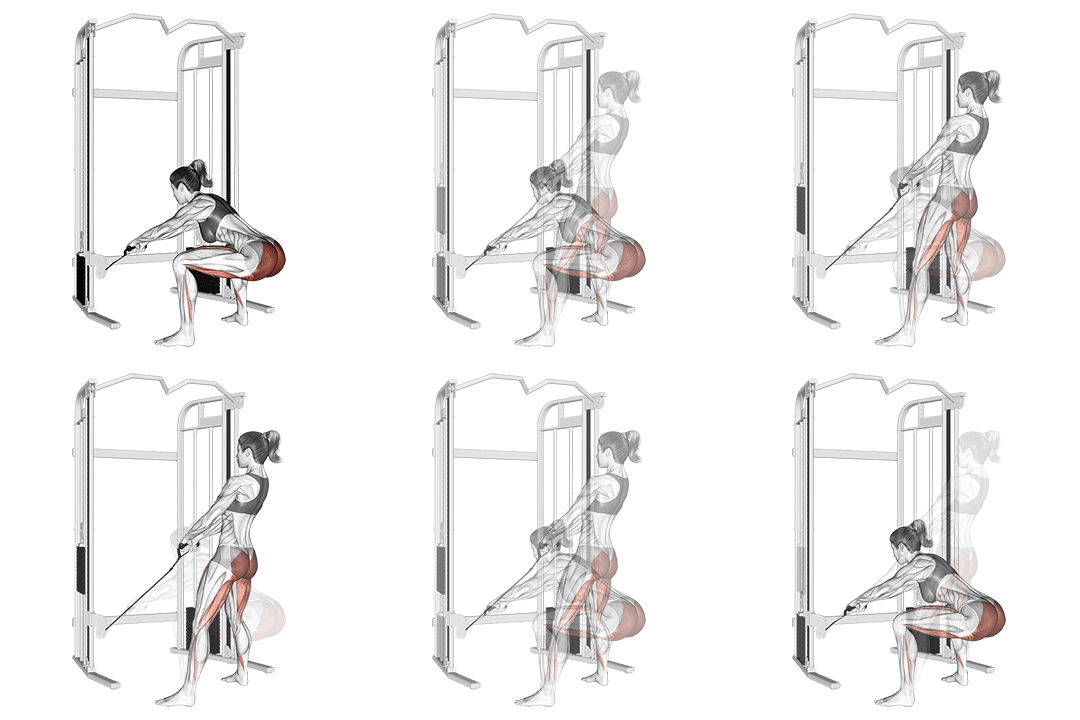
The Cable Standing Hip Thrust performs hip thrust motion standing with a cable looped around the hips. The pattern produces strong glute and hamstring loading through hip extension against constant cable tension.
For cable glute training, the standing hip thrust produces strong combined glute and hamstring loading. The pattern hits the posterior chain through hip extension with peak contraction. Run it for 3 sets of 12 to 15 reps as combined glute and hamstring work.
Attach a belt or strap to a low cable pulley and secure it around the hips. Stand facing away from the pulley and step forward to create tension. Hinge slightly at the hips. Drive the hips forward by squeezing the glutes and hamstrings hard against the cable tension. Hold briefly at peak hip extension. Return to starting under control. The cable tension increases at the top, producing strong peak contraction loading.
Cable Standing Hip Extension

The Cable Standing Hip Extension performs unilateral hip extension with a cable ankle cuff. The pattern produces direct unilateral glute and hamstring loading through pure hip extension.
For cable glute training, the standing hip extension produces strong unilateral glute work. The pattern hits the working leg glute through pure hip extension against cable tension. Run it for 3 sets of 12 to 15 reps per leg as unilateral glute work.
Attach an ankle cuff to a low cable pulley. Stand facing the pulley with the cuff around one ankle. Hold a wall or rail for balance support. Drive the working leg back behind the body by extending the hip while maintaining a slight bend in the knee. Squeeze the glute hard at peak hip extension. Lower under control. Switch legs between sets. The cable tension produces strong unilateral loading.
Cable Glute Dominant Step Up

The Cable Glute Dominant Step Up performs step-ups onto an elevated surface with a cable adding tension to maintain glute activation throughout. The pattern produces unilateral glute and quad loading combined with single-leg drive.
For cable glute training, the glute-dominant step-up produces combined unilateral glute and quad work. The pattern hits the glutes through hip extension during the step-up. Run it for 3 sets of 8 to 12 reps per leg as combined unilateral glute work.
Attach a belt or strap to a low cable pulley and secure around the hips. Stand facing away from the pulley about 3 to 4 feet from a sturdy bench. Step forward to create tension. Place one foot fully on the bench. Drive through the heel of the bench foot to step up while squeezing the glute and hamstring to extend the hip against the cable tension. Step back down under control. Switch sides between sets.
Cable Goblet Squat

The Cable Goblet Squat performs squats while holding a cable handle at the chest in goblet position. The pattern produces strong combined quad and glute loading with cable tension that adds resistance through standing.
For cable glute training, the cable goblet squat produces combined quad and glute work. The pattern hits the glutes through compound squat motion with cable tension. Run it for 3 sets of 10 to 15 reps as combined glute and quad work.
Attach a single D-handle to a low cable pulley. Stand facing the pulley with the handle gripped at the chest with both hands (goblet position). Step back to create tension. Squat down by sitting the hips back and bending the knees. Descend until the thighs are at least parallel to the floor. Drive back to standing through the heels while the cable tension pulls forward. The cable adds resistance through standing, producing strong glute and quad loading.
How To Program These Workouts
A productive cable glute session pulls 5 to 6 exercises from the list above based on training goals. A common balanced session: cable pull through (mass), cable donkey kickback (unilateral), cable medius kickback (gluteus medius), cable standing hip thrust (hip extension), cable goblet squat (combined). For glute medius emphasis: cable medius kickback, cable kneeling hip abduction, cable donkey diagonal kickback. Run pull through work for 3 to 4 sets of 10 to 15 reps, kickback variations for 3 sets of 12 to 15 reps per leg, medius work for 3 sets of 12 to 15 reps per leg, and combined work for 3 sets of 8 to 15 reps. Total session covers 14 to 20 working sets focused on glute development.
Train cable glute work 1 to 2 times per week as part of broader lower-body programming. The glutes recover from training in 48 to 72 hours but accumulate fatigue from compound work that activates them substantially. Most successful programs include cable glute work either: 1) at the end of a leg day after compound squats and deadlifts (cables as accessory work), 2) on a dedicated glute day with cables as primary movements, or 3) split across 2 leg days with one heavy free-weight day and one cable-focused volume day. Keep training time under 30 to 35 minutes per session.
For broader glute programming, see our best glute workouts and how to grow your glutes. For specific medius work, see our best gluteus medius workouts.
Final Thoughts
The best cable glute workouts deliver real glute development through patterns that effectively load all parts of the glute complex (gluteus maximus, medius, minimus) with the unique advantages cables offer: constant tension, easy progressive overload, and dedicated abduction loading. The combination of pull throughs, kickback variations, medius work, hip thrusts, and combined exercises covers every functional pattern of the glutes and produces broader development than free-weight-only programs for many lifters. For lifters who want measurable glute size and shape improvements, want to develop the often-undertrained gluteus medius for hip stability, want to add constant-tension peak contraction loading to existing programs, or want to break through plateaus in glute development, dedicated cable glute work is one of the most effective options available.
Stay focused on hip drive and peak contraction. The most common cable glute training mistakes include using lower back instead of glutes to drive on pull throughs (which limits glute loading) and rushing through the peak contraction phase at the top of every rep (which limits the cable’s biggest advantage over free weights). The fix: focus on glute squeeze rather than back extension on every pull through and hip extension rep, and squeeze the glutes hard at peak contraction with a brief 1 to 2 second hold. Quality reps with proper hip drive and peak contraction produce stronger glute development than ego-driven heavy weights with sloppy form.
Frequently Asked Questions
Are cables effective for glute development?
Yes very effectively. Cables produce real glute development through pull through variations (combined glute and hamstring), kickback patterns (direct unilateral glute isolation), medius work (gluteus medius isolation often missed in compound training), hip thrust patterns (peak contraction work), and combined exercises. The cable’s constant tension throughout the range of motion produces stronger peak contraction loading than free weights for many glute movements. Most successful glute programs include cable work alongside compound squats and deadlifts.
Cable pull throughs vs barbell hip thrusts?
Both effective for different goals. Cable pull throughs produce strong combined glute and hamstring loading through hip extension with peak contraction at the top, ideal for posterior chain development with constant tension. Barbell hip thrusts produce maximum loading and progressive overload to heavy weights, ideal for foundational glute mass. Most successful programs include both: barbell hip thrusts as primary heavy work and cable pull throughs as accessory peak contraction work. The combination produces broader glute development than either alone.
How heavy should cable glute work be?
Moderate to heavy depending on the exercise. Cable pull throughs can use heavy weights (typically 80 to 200+ pounds for advanced lifters). Hip thrusts use heavy weights (often 100 to 250+ pounds). Kickback variations use moderate weights (15 to 50 pounds per leg) because the position requires control. Medius isolation uses lighter weights (10 to 30 pounds per leg). Most successful programs progressively load all exercises until 10 to 15 reps becomes challenging, then increase weight by 5 to 10-pound increments.
Should I train gluteus medius separately?
Yes for complete glute development and hip stability. The gluteus medius is critical for hip stability during single-leg movements, lateral motion, and overall pelvic alignment, but it is rarely targeted directly by compound exercises that work the gluteus maximus. Most successful glute programs include 1 to 2 weekly direct gluteus medius exercises (cable medius kickback, cable kneeling hip abduction, lateral band walks). Strong gluteus medius improves athletic performance and reduces knee/hip pain from poor hip stability.
How often should I train glutes with cables?
One to two cable glute sessions per week works for most lifters. The glutes recover from training in 48 to 72 hours but accumulate fatigue from compound lower-body work that activates them substantially. Most successful programs include cable glute work either at the end of a leg day after compound squats and deadlifts, on a dedicated glute day, or twice per week with one heavier session and one lighter pump-focused session. Glute-focused training programs may include 2 to 3 weekly glute sessions with carefully managed volume.