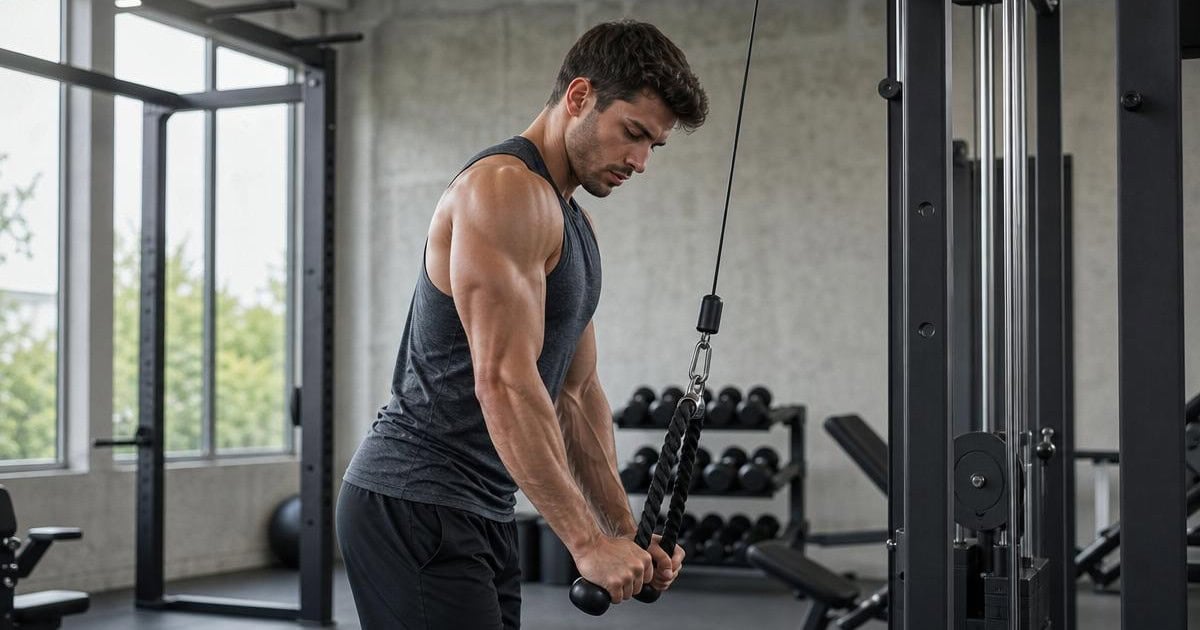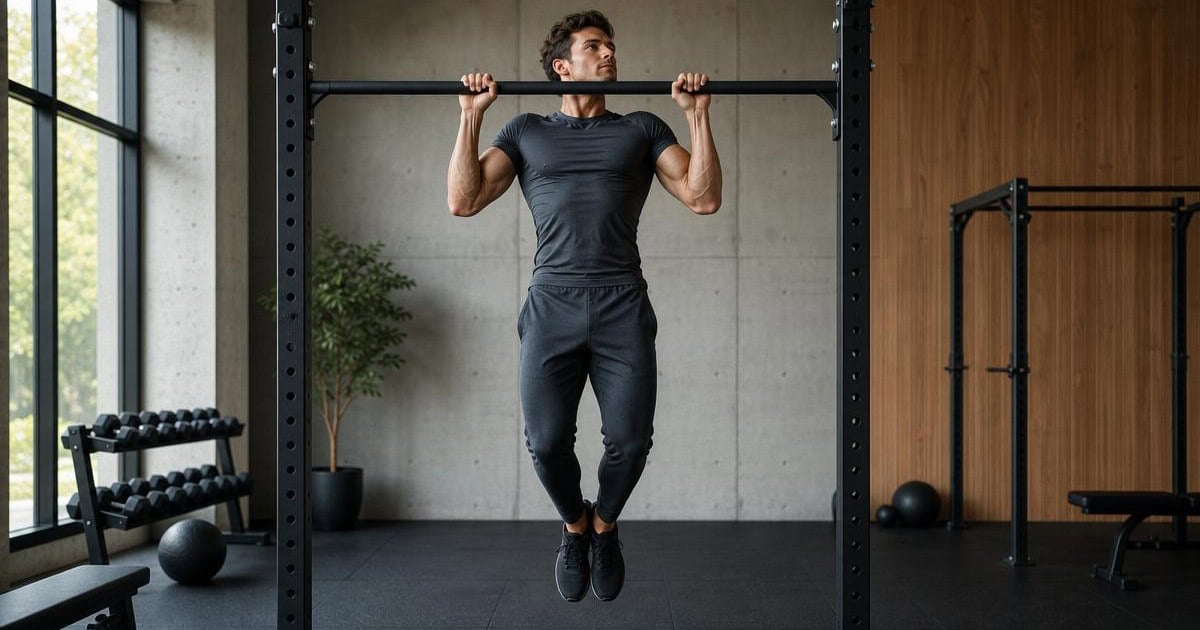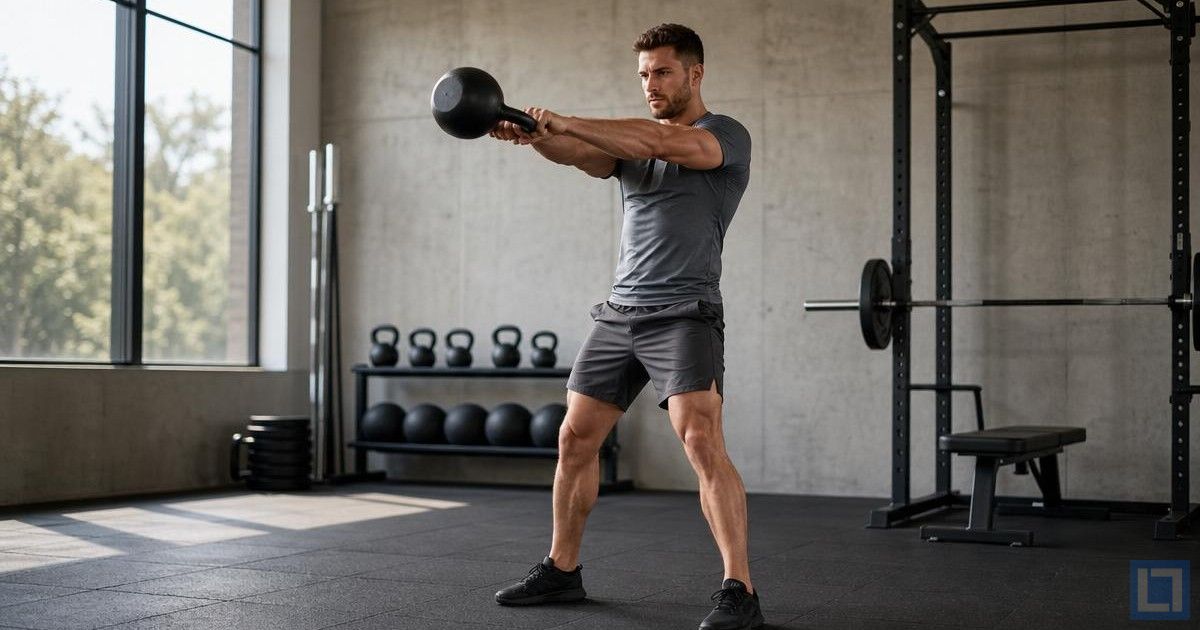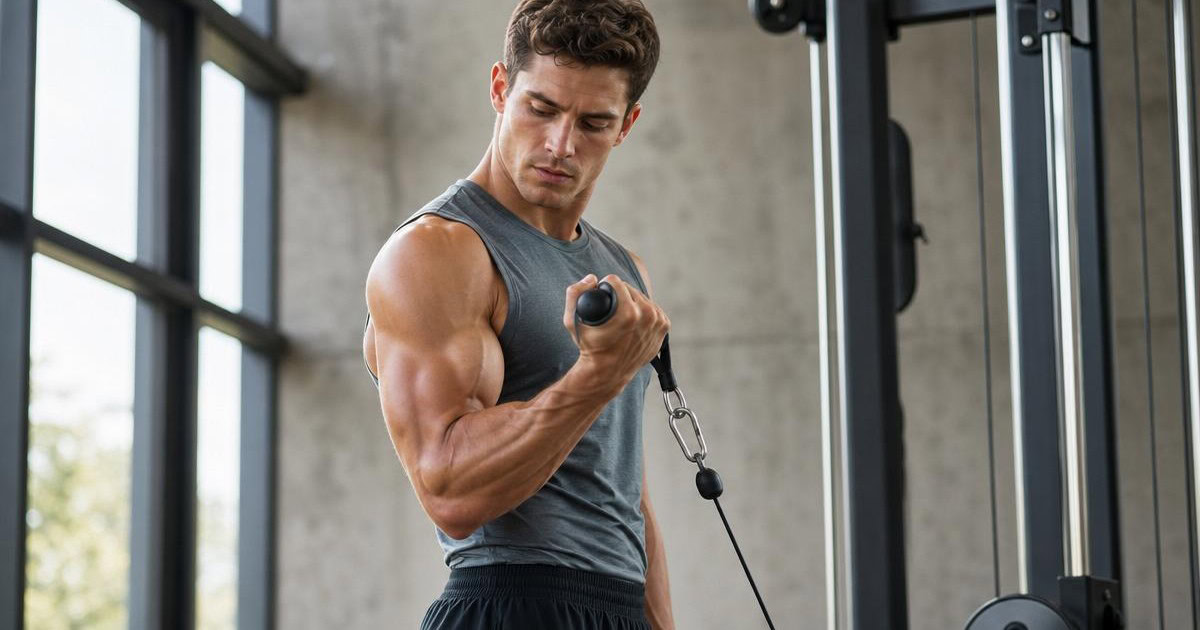
Machine bicep training produces real bicep development through patterns that load the biceps with the unique advantages machines offer: dedicated bicep curl machines for direct isolation, preacher curl machines for stretched-position work, Smith machines for fixed-path bicep curls and drag curls, assisted chin-up machines for scalable compound bicep loading, and the ability to load the biceps from multiple angles without stabilizer demands. The format works particularly well for biceps because the muscle responds to varied angle loading, and machines deliver dedicated loading patterns for compound work (assisted chin-ups, supinated rows), isolation work (lever bicep curls, preacher curls), and unique movement paths (Smith drag curls). Most lifters who consistently train machine bicep work 1 to 2 times per week alongside compound free-weight movements see measurable bicep development, improved arm pump, better pull-up performance, and stronger arms within 8 to 12 weeks. The combination of machine isolation, preacher work, Smith machine curls, and assisted chin-up progressions produces broader bicep development than free-weight-only programs for many lifters.
Below are ten effective machine bicep exercises that cover dedicated machine isolation (lever bicep curl, lever biceps curl, lever alternate biceps curl), preacher work (lever preacher curl), Smith machine variations (Smith machine bicep curl, Smith drag curl, Smith bent over narrow supinated grip row), and assisted chin-up progressions (lever assisted chin up, assisted pull up, assisted close grip underhand chin up). Together they form a complete machine bicep program that hits the biceps through every available machine pattern. A 25 to 35-minute session pulled from this list, performed 1 to 2 times per week, produces strong bicep development.
Lever Bicep Curl

The Lever Bicep Curl performs bicep curls on a plate-loaded or selectorized machine. The fixed motion path produces strong direct bicep isolation through pure elbow flexion.
For machine bicep training, the lever bicep curl is the foundational bicep isolation exercise. The pattern hits the biceps through pure elbow flexion. Run it for 4 sets of 10 to 12 reps as primary bicep mass work in any machine bicep session.
Sit at a bicep curl machine with the upper arms positioned on the pads. Adjust seat height so the elbows align with the pivot point. Grip the handles with both hands palms up. Curl the handles up by flexing the elbows against machine resistance. Squeeze the biceps hard at the top. Lower under control to extended position. The machine produces clean bicep isolation without compensation.
Lever Biceps Curl

The Lever Biceps Curl performs bicep curls on an alternative bicep curl machine design. The pattern produces direct bicep isolation through pure elbow flexion against constant machine resistance.
For machine bicep training, the biceps curl machine produces strong bicep isolation. The pattern hits the biceps through pure flexion. Run it for 3 sets of 10 to 12 reps as variation bicep work.
Set up at a bicep curl machine. Position the upper arms on the pad and grip the handles. Curl the handles up by flexing the elbows. Squeeze the biceps hard at the top. Lower under control. The machine path produces clean bicep work. Different machine designs may emphasize slightly different bicep angles, providing useful variation when training different machines.
Lever Alternate Biceps Curl

The Lever Alternate Biceps Curl performs unilateral bicep curls one arm at a time on a bicep curl machine. The unilateral pattern allows greater concentration on each bicep individually.
For machine bicep training, the alternate biceps curl produces strong unilateral bicep work. The pattern allows heavier relative loading per arm. Run it for 3 sets of 10 to 12 reps per arm as unilateral bicep work.
Set up at a bicep curl machine. Position one upper arm on the pad and grip the handle. Curl the handle up by flexing the elbow. Squeeze the bicep hard at the top. Lower under control. The other arm rests during the working set. Switch arms between sets. The unilateral pattern allows concentrated focus per side and addresses left-right imbalances.
Lever Preacher Curl

The Lever Preacher Curl performs preacher curls on a dedicated preacher curl machine. The braced upper arms eliminate compensation and isolate the biceps through stretched-position work.
For machine bicep training, the preacher curl produces strong bicep stretch loading. The preacher position emphasizes the lower biceps through stretched-position work. Run it for 3 sets of 8 to 12 reps as bicep stretch work.
Sit at a preacher curl machine with the upper arms draped over the angled pad. Grip the handles with both hands palms up. Curl the handles up by flexing the elbows. The preacher position eliminates upper-body compensation. Squeeze the biceps hard at the top. Lower under control to extended position. The angle produces stretched-position lower bicep loading.
Smith Machine Bicep Curl
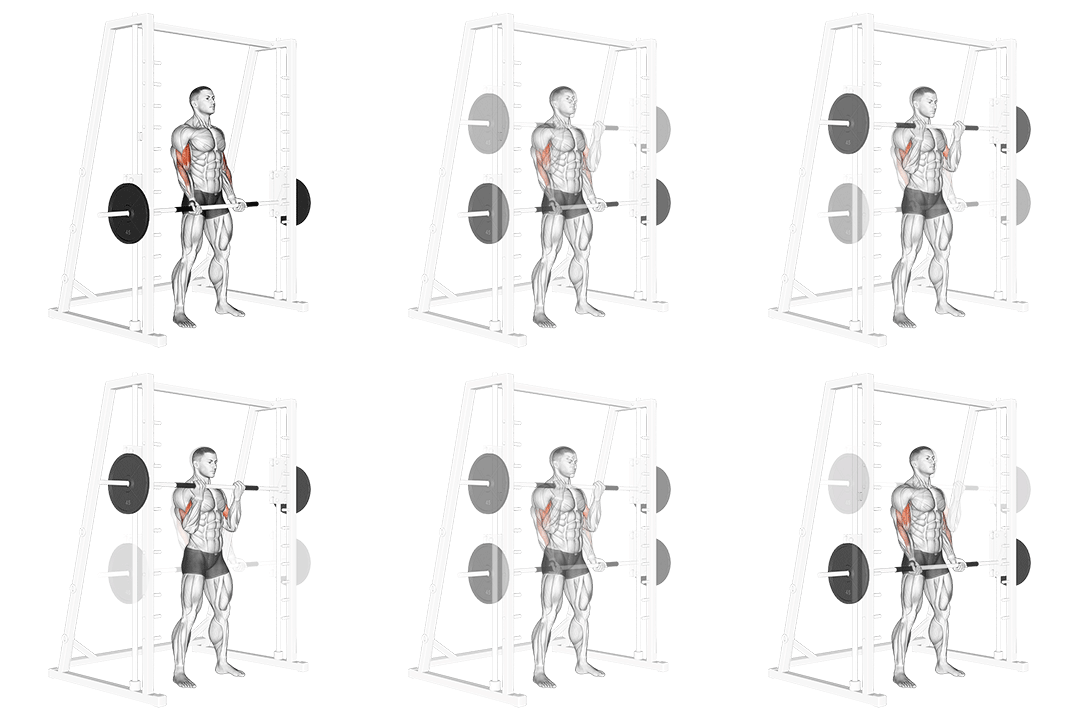
The Smith Machine Bicep Curl performs bicep curls on a Smith machine with the bar tracking straight up. The fixed bar path eliminates stabilizer demands for clean bicep work.
For machine bicep training, the Smith machine bicep curl produces strong bicep loading with machine stability. The fixed bar path keeps the focus on pure bicep work. Run it for 3 sets of 8 to 12 reps as bicep mass work.
Position the Smith bar at thigh level. Stand with feet hip-width and grip the bar with both hands at shoulder-width palms up. Step back slightly. Keep elbows pinned to the sides. Curl the bar up by flexing the elbows while the bar tracks straight up. Squeeze the biceps hard at the top. Lower under control. The fixed bar path eliminates body sway and produces clean bicep loading.
Smith Drag Curl

The Smith Drag Curl performs drag curls on a Smith machine with the bar dragging up the body. The pattern emphasizes the long head and outer biceps through unique movement path.
For machine bicep training, the Smith drag curl produces strong long-head loading through unique movement path. The drag motion hits the long head specifically. Run it for 3 sets of 10 to 12 reps as long-head emphasis work.
Position the Smith bar at thigh level. Stand with feet hip-width and grip the bar with both hands at shoulder-width palms up. Curl the bar up while dragging it along the body (the bar slides up the abdomen and chest). The elbows draw back behind the body during the curl. The fixed bar path of the Smith machine allows precise drag motion. Squeeze at the top. Lower under control. The unique movement path emphasizes the long head.
Smith Bent Over Narrow Supinated Grip Row

The Smith Bent Over Narrow Supinated Grip Row performs bent-over rows with a narrow underhand grip on a Smith machine. The pattern produces combined bicep and back loading through compound pulling.
For machine bicep training, the Smith narrow supinated row produces combined bicep and back work. The underhand grip emphasizes biceps through compound pulling. Run it for 3 sets of 8 to 12 reps as combined back and bicep mass work.
Position the Smith bar at thigh level. Stand with feet hip-width and hinge forward at the hips. Grip the bar with both hands close together using an underhand (palms-up) grip. Pull the bar up toward the lower abdomen by retracting the shoulder blades and bending the elbows back. The underhand grip plus narrow grip produces strong bicep involvement along with back work. Squeeze hard at the top. Lower under control.
Lever Assisted Chin Up

The Lever Assisted Chin Up performs chin-ups on an assisted machine with adjustable assistance weight. The pattern produces strong combined bicep and lat loading through compound pulling.
For machine bicep training, the assisted chin-up produces strong compound bicep and lat work. The machine assistance allows scalable loading from beginner to advanced. Run it for 3 to 4 sets of 6 to 10 reps as primary compound bicep mass work.
Set up at an assisted pull-up/chin-up machine. Adjust the assistance weight (more assistance = lighter relative load). Position on the assistance pad (kneeling or standing). Grip the chin-up handles with an underhand grip. Pull the body up by retracting the shoulder blades and flexing the elbows. The biceps work hard through the chin-up motion. Lower under control. Adjust assistance to allow strict form for the working rep range.
Assisted Pull Up

The Assisted Pull Up performs pull-ups on an assisted pull-up machine. While primarily a back exercise, the biceps work substantially through the pull, particularly with overhand grip.
For machine bicep training, the assisted pull-up produces combined back and bicep work. The biceps work substantially through the pull. Run it for 3 sets of 6 to 10 reps as compound bicep work.
Set up at an assisted pull-up machine. Adjust the assistance weight. Position on the assistance pad. Grip the pull-up handles with an overhand grip. Pull the body up by retracting the shoulder blades and bending the elbows. The biceps work substantially through the pull. Lower under control. The machine assistance allows scalable bodyweight pull-up progression.
Assisted Close Grip Underhand Chin Up

The Assisted Close Grip Underhand Chin Up performs close-grip underhand chin-ups on an assisted machine. The narrow underhand grip emphasizes the biceps through compound pulling.
For machine bicep training, the assisted close grip chin-up produces strong combined bicep and lat work. The close underhand grip emphasizes biceps. Run it for 3 sets of 6 to 10 reps as compound bicep mass work.
Set up at an assisted pull-up/chin-up machine. Adjust the assistance weight. Position on the assistance pad. Grip the chin-up handles close together using an underhand grip. Pull the body up by retracting the shoulder blades and flexing the elbows. The close underhand grip produces strong bicep emphasis. Lower under control. The machine assistance allows scalable progression.
How To Program These Workouts
A productive machine bicep session pulls 5 to 6 exercises from the list above based on training goals. A common balanced session: lever assisted chin up (compound), lever bicep curl (isolation), lever preacher curl (stretch), Smith machine bicep curl (variation), Smith drag curl (long-head). For mass focus: lever bicep curl, lever preacher curl, Smith machine bicep curl, Smith drag curl, lever alternate biceps curl. Run compound work for 3 to 4 sets of 6 to 10 reps, isolation work for 3 to 4 sets of 10 to 12 reps, preacher work for 3 sets of 8 to 12 reps, and unilateral work for 3 sets of 10 to 12 reps per arm. Total session covers 14 to 18 working sets focused on bicep development.
Train machine bicep work 1 to 2 times per week as part of broader pulling-day or arm-day programming. The biceps recover reasonably quickly but accumulate fatigue from compound pulling work that activates them substantially. Most successful programs include machine bicep work either: 1) at the end of a back day after compound pulls, 2) on a dedicated arm day with tricep work, or 3) twice per week with one heavier session and one lighter pump-focused session. Keep training time under 30 to 35 minutes per session.
For broader bicep programming, see our how to build bigger biceps and best bicep workouts. For specific peak contraction work, see our best peak contraction bicep workouts.
Final Thoughts
The best machine bicep workouts deliver real bicep development through patterns that effectively load the biceps with the unique advantages machines offer: dedicated isolation machines, fixed bar paths, and easy progressive overload. The combination of machine isolation, preacher work, Smith machine curls, and assisted chin-up progressions covers every functional pattern of the biceps and produces broader development than free-weight-only programs for many lifters. For lifters who want measurable bicep size and strength improvements, want to add high-volume work without excessive stabilizer fatigue, want to build chin-up strength through assisted progressions, or want to break through plateaus in arm development, dedicated machine bicep work is one of the most effective options available.
Stay focused on elbow position and full range of motion. The most common machine bicep training mistakes include letting the elbows drift forward during curls (which shifts work to the front delts) and using partial range of motion (which limits bicep loading). The fix: keep the elbows pinned to the working position throughout machine curls, and complete every rep with full range from extended to fully contracted with hard squeeze at the top. Quality reps with proper elbow position produce stronger bicep development than ego-driven heavy weights with sloppy form.
Frequently Asked Questions
Are machines effective for bicep development?
Yes very effectively. Machines produce real bicep development through dedicated isolation (lever bicep curls), preacher work (lever preacher curls), fixed-path curls (Smith machine bicep curls, drag curls), and assisted chin-up progressions. The fixed motion paths and dedicated machines allow aggressive bicep loading without stabilizer fatigue. Most successful bicep programs include machine work alongside free-weight curls and chin-ups. Many lifters build excellent biceps with machines as primary accessory work.
Lever curl machine vs barbell curl?
Both effective; choose based on goals. Barbell curls produce maximum compound loading and require significant stabilizer recruitment. Lever curl machines allow strict bicep isolation without compensation, ideal for high-volume work and addressing imbalances. Most successful programs include both: barbell curls as primary heavy work and lever machines as accessory or finishing work. The combination produces broader bicep development than either alone.
How heavy should machine bicep work be?
Moderate to heavy depending on the exercise. Compound machine work like assisted chin-ups uses scalable loading (assistance from heavy to none). Lever bicep curls use moderate weights (50 to 120 pounds for most lifters). Preacher curls use moderate weights (40 to 100 pounds). Smith machine bicep curls can use heavy weights (60 to 135+ pounds for advanced). Most successful programs progressively load all exercises until 8 to 12 reps becomes challenging, then increase weight.
How often should I train biceps with machines?
One to two machine bicep sessions per week works for most lifters. The biceps recover reasonably quickly but accumulate fatigue from compound pulling work that activates them substantially. Most successful programs include machine bicep work either at the end of a back day, on a dedicated arm day, or twice per week. Three or more weekly heavy bicep sessions typically produces overuse issues.
Are assisted chin-up machines good for biceps?
Yes very effectively. Assisted chin-up machines allow scalable bodyweight chin-up loading, which produces strong combined bicep and lat work. The biceps work hard through the underhand pull. Most successful bicep programs include assisted chin-ups for lifters who can’t yet do unassisted chin-ups, and even advanced lifters benefit from assisted high-volume work without grip fatigue. Build progressively from heavy assistance toward unassisted chin-ups over months of training.