Jiu jitsu strength training produces real performance improvements through exercises that build the specific physical capacities the sport demands: pulling strength for grips and submission setups, grip endurance for sustained gi and no-gi gripping, posterior chain power for takedowns and sweeps, single-leg strength for shooting and base work, total-body coordination for ground movement, and conditioning for sustained match efforts. The format works particularly well for jiu jitsu because pure mat training rarely develops the strength foundation that supports higher-level technique application against larger or stronger opponents. Most jiu jitsu practitioners who consistently add 2 to 3 strength sessions per week alongside mat training see measurable improvements in match performance, grip endurance, and injury reduction within 8 to 12 weeks. The combination of strength work, grip training, single-leg work, and conditioning produces broader athletic development than mat training alone.
Below are ten effective jiu jitsu exercises that cover heavy upper-body pulling (pull-up, bent over row), total-body strength (deadlift, front squat), explosive posterior chain work (kettlebell swing), unilateral leg strength (Bulgarian split squat, single-leg deadlift with knee lift), grip endurance (farmers carry), shoulder stability and stand-up mechanics (Turkish get-up), and ground movement conditioning (bear crawl). Together they form a complete jiu jitsu training program that hits every physical demand of the sport. A 45 to 60-minute session pulled from this list, performed 2 to 3 times per week alongside mat training, produces strong athletic foundation that supports jiu jitsu performance and longevity.
Pull Up

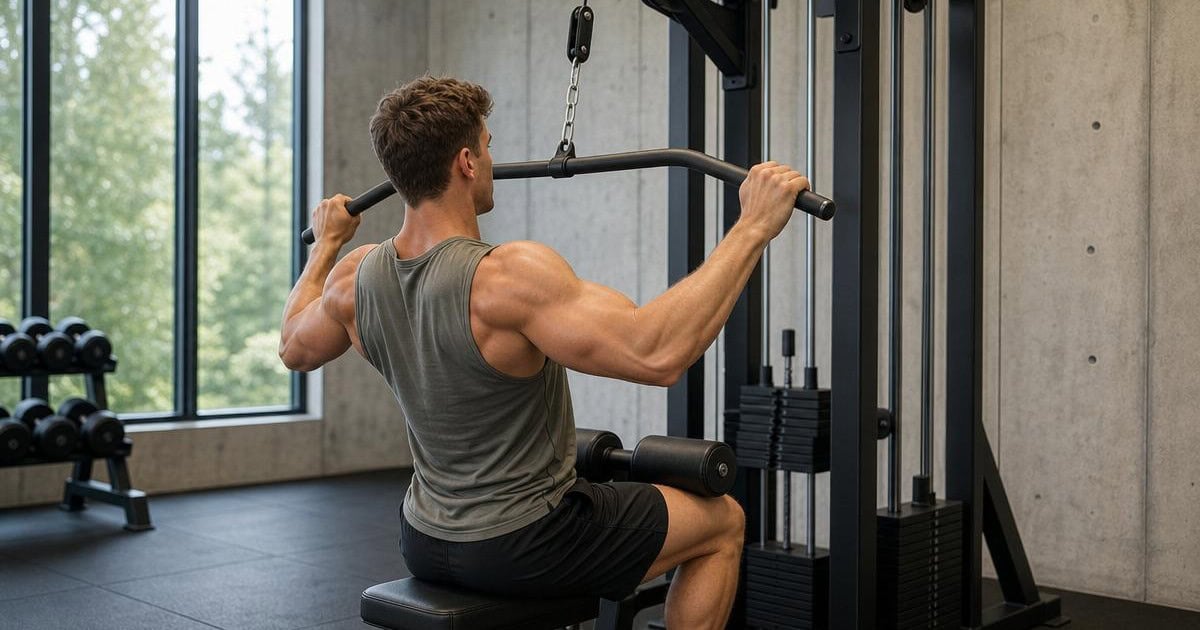
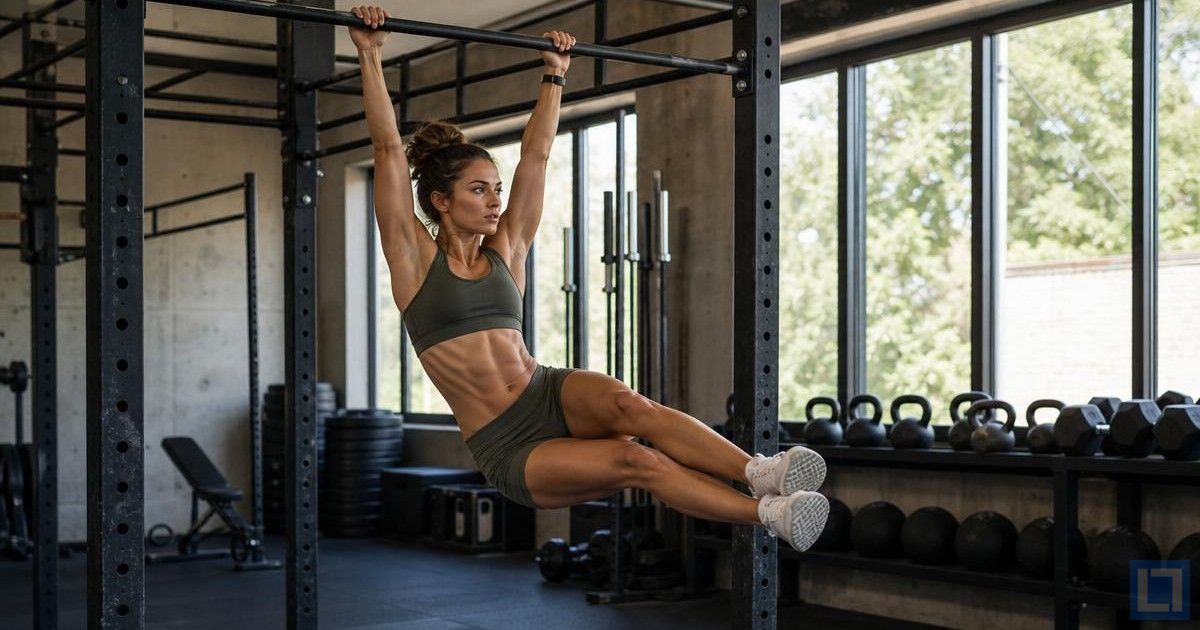
The Pull Up grips a bar overhead with palms facing away (overhand grip) and pulls the body up until the chin clears the bar. The pattern builds the back, biceps, and grip strength critical for jiu jitsu pulling, gripping, and submission work.
For jiu jitsu training, the pull-up is one of the most foundational upper-body strength exercises that exists. The pattern hits the lats, biceps, and forearms through full bodyweight loading that translates directly to gi grips, no-gi pulls, and submission setups. Run it for 4 sets of 5 to 10 reps (or to failure) as primary upper-body pulling work.
Hang from a pull-up bar with hands shoulder-width using overhand grip. Engage the lats and pull the body up until the chin clears the bar. Lower under control to full arm extension. Maintain core tension throughout. Beginners can use band assistance or work on negatives until they can perform multiple reps.
Barbell Deadlift

The Barbell Deadlift performs hip-hinge motion to lift a barbell from the floor to standing. The pattern builds the total-body strength critical for jiu jitsu takedowns, sweeps, and standup positions.
For jiu jitsu training, the deadlift is one of the most effective total-body strength exercises that exists. The pattern hits the entire posterior chain plus grip through heavy compound loading that translates directly to takedown power and grip strength. Run it for 3 to 4 sets of 3 to 6 reps as primary total-body strength work.
Set up with feet hip-width and a loaded barbell on the floor close to the shins. Hinge at the hips and bend the knees to grip the bar with hands just outside the legs. Drive through the legs and pull the bar up close to the body until standing fully upright with shoulders back. Reverse the motion under control. Maintain neutral spine throughout.
Kettlebell Swing

The Kettlebell Swing performs hip-hinge motion with a kettlebell, swinging it from between the legs to chest or overhead height. The pattern produces explosive hip extension that builds the posterior chain power critical for jiu jitsu takedowns and bridging.
For jiu jitsu training, the kettlebell swing is one of the most effective conditioning exercises that exists. The pattern hits the posterior chain through explosive hip extension and works as both strength and conditioning. Run it for 4 sets of 15 to 25 reps as primary posterior chain conditioning work.
Stand with feet shoulder-width and a kettlebell on the floor in front. Hinge at the hips to grip the kettlebell. Hike the kettlebell back between the legs while loading the hamstrings. Drive the hips forward explosively, swinging the kettlebell up to chest height (Russian swing) or overhead (American swing). Maintain straight arms throughout (the legs and hips do the work, not the arms).
Barbell Bent Over Row

The Barbell Bent Over Row performs horizontal pulling motion with a barbell while bent over at the hips. The pattern builds the back thickness and pulling strength critical for jiu jitsu controlling positions and sweeps.
For jiu jitsu training, the bent over row is one of the most effective back-thickness exercises that exists. The pattern hits the lats, rhomboids, and middle traps through heavy horizontal pulling. Run it for 3 to 4 sets of 6 to 10 reps as primary back-thickness work.
Set up with feet shoulder-width and a barbell on the floor. Hinge at the hips to lower the upper body to roughly 45 degrees while keeping the back flat. Grip the barbell with hands shoulder-width (overhand grip). Pull the bar to the lower chest by retracting the shoulder blades and driving the elbows back. Lower under control. Maintain bent-over position throughout.
Kettlebell Half Turkish Get-up

The Kettlebell Half Turkish Get-Up performs the first half of a Turkish get-up, transitioning from lying to a half-kneeling position while holding a kettlebell overhead. The pattern produces strong combined shoulder stability, core stability, and total-body coordination work.
For jiu jitsu training, the half Turkish get-up is one of the most direct exercises for developing the get-up-and-stand-up mechanics that jiu jitsu uses. The pattern hits shoulder stability, core stability, and movement coordination simultaneously. Run it for 3 sets of 4 to 6 reps per side as primary movement-specific work.
Lie on the back holding a kettlebell straight up with one arm (locked at the shoulder). Bend the same-side knee with the foot planted. Press up with the free arm to come to a seated position, then to a half-kneeling position with the kettlebell still locked overhead. Maintain locked overhead position throughout. Reverse the motion to return to lying. Switch sides between sets.
Dumbbell Farmers Carry

The Dumbbell Farmers Carry holds heavy dumbbells at the sides and walks for distance or time. The pattern produces strong combined grip, forearm, trap, and core stability loading critical for jiu jitsu gripping endurance.
For jiu jitsu training, the farmers carry is one of the most effective grip-building exercises that exists. The pattern hits the forearms through sustained heavy grip loading that translates directly to gi grips and gripping endurance during long matches. Run it for 3 sets of 30 to 60-second walks as primary grip-strength work.
Set up dumbbells on the floor. Stand between the dumbbells and grip both with neutral grip (palms facing the body). Stand up with the dumbbells held at the sides. Walk forward at a steady pace while maintaining upright posture and tight core. Set the dumbbells down between sets. Use moderate to heavy weight (40 to 60 percent of bodyweight per side).
Dumbbell Bulgarian Split Squat
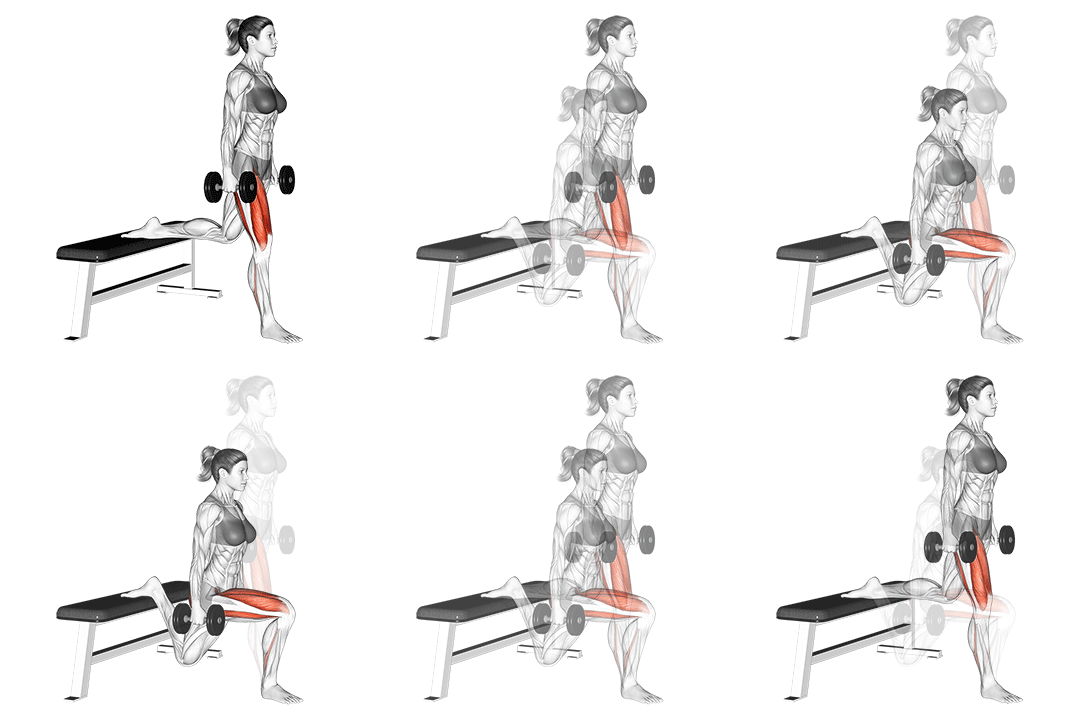
The Dumbbell Bulgarian Split Squat performs split squats with the back foot elevated on a bench while holding dumbbells at the sides. The pattern produces strong unilateral leg loading critical for jiu jitsu single-leg positions and shooting takedowns.
For jiu jitsu training, the Bulgarian split squat produces strong unilateral leg loading that translates directly to single-leg takedowns and explosive base work. The pattern hits the quads and glutes through deep range of motion. Run it for 3 sets of 8 to 10 reps per leg as primary unilateral leg work.
Stand 2 to 3 feet in front of a bench with one foot resting on the bench behind the body and a dumbbell in each hand. Drop straight down by bending the front knee until the back knee approaches the floor. Drive through the front foot to push back to standing. Switch sides between sets. Lean slightly forward to emphasize glute loading.
Single Leg Deadlift with Knee Lift

The Single Leg Deadlift with Knee Lift combines a single-leg deadlift with a knee drive at the top. The pattern produces strong combined posterior chain loading and balance work that translates to jiu jitsu single-leg movements and stand-up mechanics.
For jiu jitsu training, the single-leg deadlift with knee lift produces strong combined posterior chain, balance, and athletic mechanics work. The pattern hits the glutes and hamstrings through unilateral loading combined with hip flexor activation that translates to stand-up technique. Run it for 3 sets of 6 to 8 reps per side as combined posterior chain and athletic mechanics work.
Stand on one leg with the free leg extended slightly behind. Hinge at the hip while extending the free leg back behind the body, lowering the torso forward. Drive back to standing by extending the planted hip while simultaneously driving the free knee up to chest height. Hold briefly at the top. Reverse the motion. Switch legs between sets.
Bear Crawl

The Bear Crawl sets up on hands and feet (knees off the floor and hovering) and crawls forward by moving opposite hand and foot together. The pattern produces strong combined shoulder, core, and total-body coordination critical for jiu jitsu ground movement.
For jiu jitsu training, the bear crawl produces strong total-body coordination and conditioning that translates directly to ground movement during rolls. The pattern hits the shoulders, core, and full body through sustained crawling motion. Run it for 3 sets of 30 to 45-second crawls as combined movement and conditioning work.
Set up on hands and feet with knees bent and hovering 2 to 3 inches off the floor. Crawl forward by moving the opposite hand and foot together (right hand with left foot, then left hand with right foot). Maintain low body position with knees hovering throughout. Continue for the working interval.
Barbell Front Squat

The Barbell Front Squat performs squat motion with a barbell racked on the front of the shoulders rather than across the back. The pattern emphasizes the quads and core, both critical for jiu jitsu base, position retention, and stand-up mechanics.
For jiu jitsu training, the front squat builds the quad and core strength that translates to jiu jitsu base and stand-up mechanics. The pattern hits the quads heavily and builds the upright torso strength needed for guard work and posture during matches. Run it for 3 to 4 sets of 5 to 8 reps as primary squat work.
Set up with a barbell racked on the front of the shoulders (resting across the front delts and clavicles, with elbows pointed forward). Step back to clear the rack with feet shoulder-width. Squat down by sitting the hips back, keeping the elbows up to maintain bar position. Drive back to standing through the heels. Maintain upright torso position throughout.
How To Program These Workouts
A productive jiu jitsu strength program organizes these exercises across 2 to 3 weekly sessions, scheduled to avoid conflicting with hard mat sessions. A common 2-day structure: Day 1 (Pulling and Posterior Chain): pull-ups, deadlift, bent over row, kettlebell swing. Day 2 (Single-Leg and Movement): front squat, Bulgarian split squat, single-leg deadlift with knee lift, farmers carry, bear crawl. Add Turkish get-ups 1 to 2 times per week as complementary work. Run heavy strength work for 3 to 4 sets of 3 to 8 reps; unilateral work for 3 sets of 6 to 10 reps per side; conditioning work (kettlebell swings, bear crawls) for 3 to 4 sets of 30 to 60 seconds or 15 to 25 reps; carries for 3 sets of 30 to 60-second walks.
Train jiu jitsu strength sessions 2 to 3 times per week alongside mat training. The combination of strength work and high-intensity grappling produces strong but recoverable training stimulus when properly programmed. Most successful jiu jitsu programs include 2 to 3 weekly strength sessions of 45 to 60 minutes each plus 3 to 5 mat sessions per week. The format works particularly well when strength sessions are scheduled either after lighter mat sessions (so grappling fatigue is acceptable for strength quality) or on mat rest days. Recovery, nutrition (sufficient calories to support both grappling and strength training), sleep, and proper warm-up are critical for sustained athletic development.
For broader athletic programming, see our best workouts for athletes and best workouts for boxers. For specific training, see our best mma workouts.
Final Thoughts
The best jiu jitsu workouts deliver real performance improvements through exercises that build the specific physical capacities the sport demands: pulling strength, grip endurance, posterior chain power, single-leg strength, and total-body coordination. The combination of heavy strength work, grip training, single-leg work, and conditioning covers every physical demand of jiu jitsu and produces broader athletic development than mat training alone. For practitioners who want measurable match performance improvements, want to compete successfully against strong opponents, or want to extend their grappling career through smart training and reduced injury risk, dedicated jiu jitsu strength training is one of the most effective investments practitioners can make.
Stay focused on grip and pulling work. The most common jiu jitsu strength training mistake is treating it like general fitness training without prioritizing the specific physical demands of grappling. The fix: prioritize pulling exercises (pull-ups, rows) over pushing exercises, grip-intensive work (carries, deadlifts, holds) over light isolation, and unilateral strength (split squats, single-leg work) over pure bilateral work. Quality jiu jitsu strength training emphasizes the patterns that matter most for grappling: pulling, gripping, hip extension, and base work. The exercises in this list are specifically chosen for jiu jitsu carryover.
Frequently Asked Questions
Should jiu jitsu practitioners lift weights?
Yes effectively for most practitioners. The combination of strength work and mat training produces measurable improvements in match performance, grip endurance, takedown power, and injury reduction. Most successful jiu jitsu practitioners include 2 to 3 weekly strength sessions during training cycles, reducing during competitions or peak periods. Pure mat training rarely develops the strength foundation needed for maximum performance against strong or larger opponents.
How often should jiu jitsu athletes train strength?
Two to three times per week works for most practitioners. The combination of strength work and 3 to 5 mat sessions per week produces strong but recoverable training stimulus when properly programmed. Most successful programs include 2 to 3 weekly strength sessions of 45 to 60 minutes each, scheduled either after lighter mat sessions or on mat rest days. Daily strength training plus daily mat training typically produces accumulated fatigue and injury risk.
What’s the most important physical quality for jiu jitsu?
Multiple qualities matter equally. Grip endurance drives sustained gi and no-gi gripping. Pulling strength drives gi grips, sweeps, and submission setups. Posterior chain power drives takedowns, bridges, and explosive sweeps. Single-leg strength drives takedowns and base work. Cardiovascular conditioning drives sustained match efforts. Most successful jiu jitsu strength programs develop all of these qualities simultaneously rather than focusing on one. The exercises in this list cover all major physical demands.
Will lifting weights make me less flexible for jiu jitsu?
No when programmed properly. The combination of full-range strength training, regular mat training (which inherently includes mobility work), and basic stretching produces normal-to-improved flexibility for most practitioners. The myth of strength training reducing flexibility comes from poorly-programmed strength work that uses partial range of motion or skips mobility work. Properly-programmed jiu jitsu strength training (full-range squats, deadlifts, pulling work) typically improves both strength and flexibility.
Are kettlebells better than barbells for jiu jitsu?
Both equipment serves complementary roles. Barbells produce maximum strength loading through compound lifts (squats, deadlifts, presses) and build the foundational strength jiu jitsu requires. Kettlebells produce dynamic conditioning, grip work, and stability training (swings, Turkish get-ups, snatches) that translate directly to grappling movements. Most successful jiu jitsu programs include both: barbells for primary heavy strength work and kettlebells for dynamic conditioning and movement-specific training. Practitioners with limited equipment access can train productively with either alone.