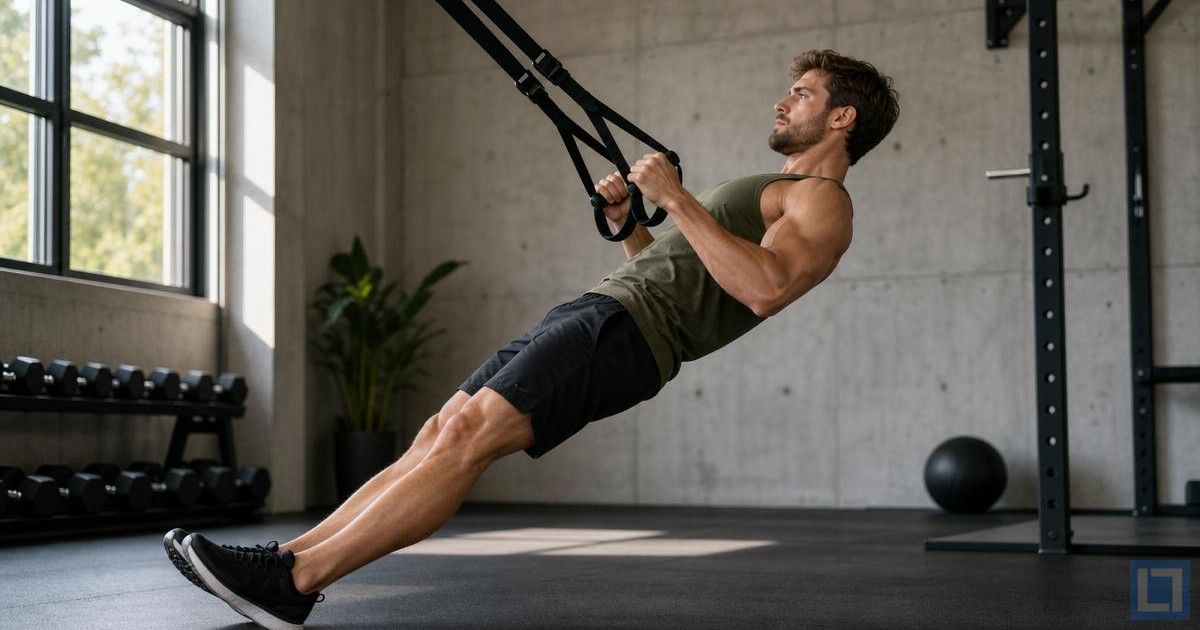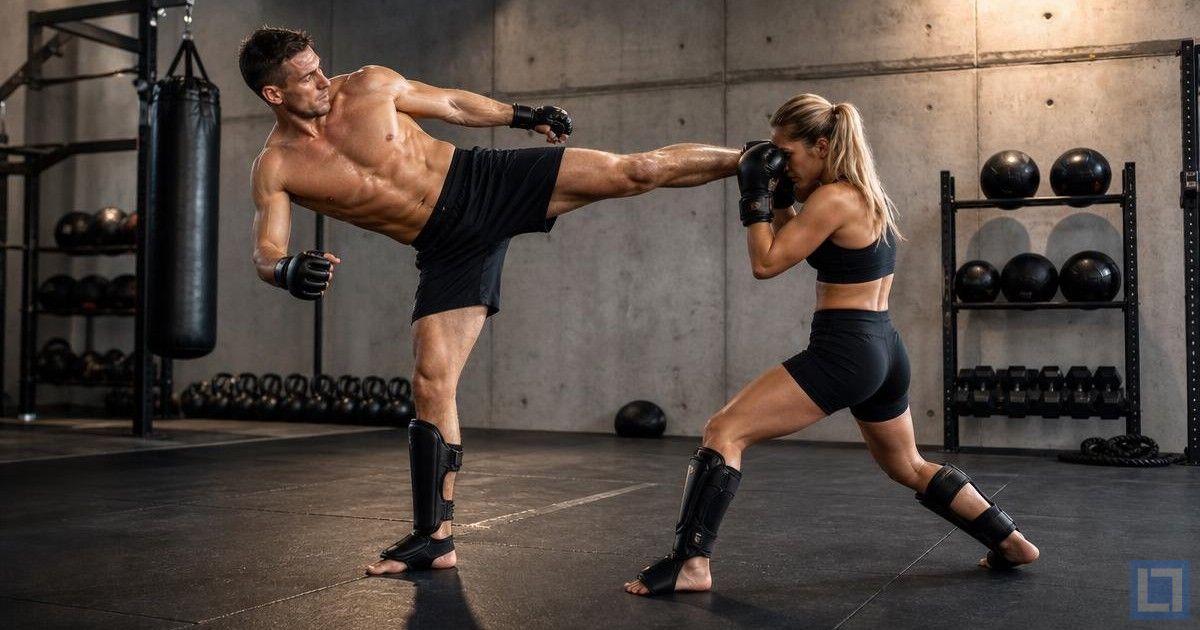
MMA (mixed martial arts) conditioning combines explosive strength training, cardiovascular conditioning, grip strength development, and combat-specific movement patterns into a complete training system. The training prioritizes the unique combination of strength and endurance that fighters need: explosive power for striking and takedowns, sustained cardiovascular conditioning for full-round performance, grip strength for clinch and ground positions, and the kind of full-body conditioning that translates across standing, clinch, and ground positions. Most successful MMA conditioning programs combine traditional strength work (squats, deadlifts, presses) with combat-specific conditioning (kettlebell ballistics, tire flips, medicine ball slams, jump rope) into 4 to 5 weekly conditioning sessions alongside skill training.
Below are ten effective MMA conditioning exercises that cover explosive hip-extension work (kettlebell swing), full-body conditioning (burpee, tire flip, dumbbell thruster), explosive upper-body work (medicine ball slam, plyo push-up), foundational fighter conditioning (jump rope, bear crawl), grip and trap training (farmer’s walk), and combined strength-conditioning (kettlebell clean and press). Together they form a complete MMA conditioning program that complements skill training. The exercises require access to MMA-specific equipment (kettlebells, medicine balls, tractor tires) for full implementation; recreational fighters can substitute exercises where specialty equipment is unavailable.
Kettlebell Swing

The Kettlebell Swing hinges at the hips and swings a kettlebell from between the legs to chest height using powerful hip drive. The pattern produces strong cardiovascular conditioning along with explosive hip-extension power.
For MMA training, the kettlebell swing is one of the foundational conditioning exercises. The explosive hip-extension pattern translates directly to grappling positions, takedowns, and ground transitions that require strong hip power. Run it for 4 to 5 sets of 20 to 25 reps as primary explosive conditioning work.
Stand with feet shoulder-width and a kettlebell between the legs. Hinge at the hips and let the bell swing back between the legs. Drive the hips forward explosively to swing the bell up to chest height. Let the bell return through the legs by hinging back at the hips.
Burpee

The Burpee combines a squat thrust, push-up, and jump back to standing in one continuous full-body motion. The exercise is one of the most demanding bodyweight conditioning exercises that exists.
For MMA training, burpees produce extreme full-body conditioning that translates to fight scenarios where athletes transition between standing, ground, and explosive positions. The pattern hits every movement quality fighters need. Run it for 4 sets of 30-second intervals or 10 to 15 reps per round.
Stand tall with feet shoulder-width. Lower the hands to the floor and kick the feet back into a high plank position. Perform a push-up. Jump the feet back to the squat position. Stand explosively with a jump. Repeat immediately into the next rep.
Tire Flip
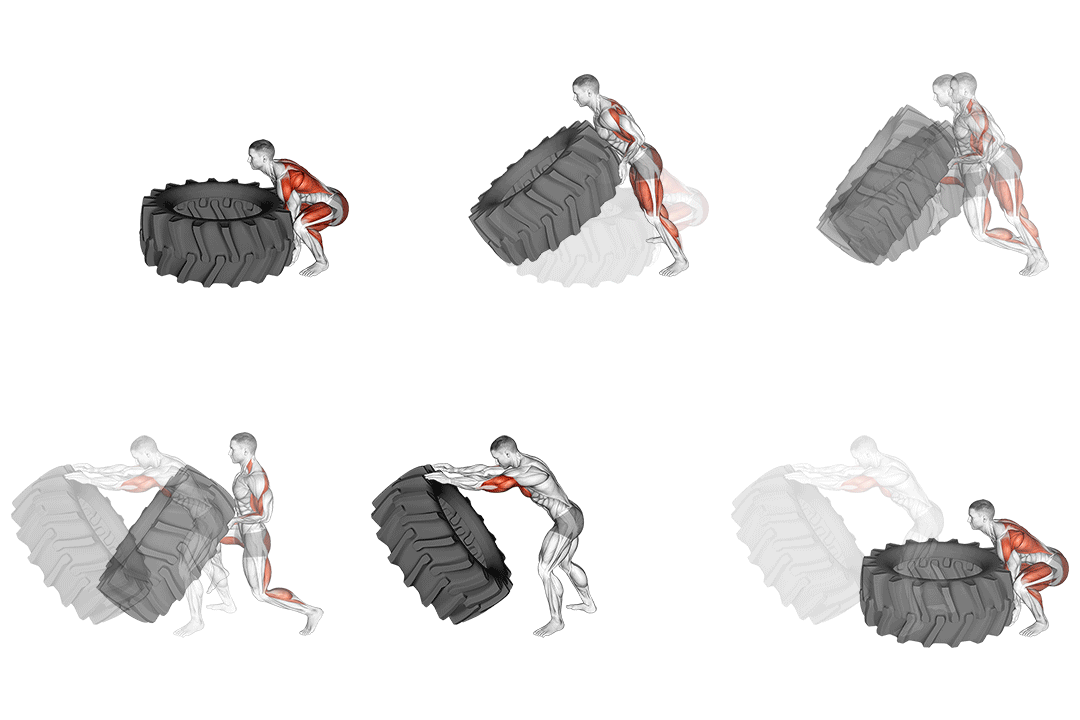
The Tire Flip lifts a large heavy tractor tire from the ground by squatting deep, gripping the bottom of the tire, and using leg drive to flip the tire forward. The full-body explosive lift produces extreme strength and conditioning per rep.
For MMA training that includes loaded explosive work, the tire flip is one of the most demanding strength-and-conditioning exercises that exists. The pattern translates to takedown and ground-and-pound positions requiring full-body explosive strength. Run it for 3 to 4 sets of 5 to 8 reps with an appropriately heavy tire.
Stand close to a heavy tractor tire lying flat on the ground. Squat down and grip the bottom of the tire with both hands (palms up). Drive explosively through the legs to lift the tire to standing. Push the tire forward to flip it onto its other side. Approach for the next rep.
Medicine Ball Overhead Slam

The Medicine Ball Overhead Slam lifts a medicine ball overhead and slams it into the floor with explosive downward force. The full-body explosive pattern produces strong rotational power and shoulder demand.
For MMA training that includes explosive striking-related power, the medicine ball slam translates directly to ground-and-pound striking and takedown finishes. The pattern hits the entire posterior chain and shoulders. Run it for 3 to 4 sets of 8 to 10 reps as explosive upper-body conditioning.
Stand tall holding a medicine ball with both hands. Lift the ball overhead while extending fully through the body. Slam the ball into the floor explosively, hinging at the hips and contracting the abs hard. Pick the ball up with control. Reset before each rep.
Jump Rope

The Jump Rope swings a rope under the feet and over the head while hopping over the rope with each pass. The exercise is the foundational conditioning tool for combat sports and produces extreme cardiovascular and footwork development.
For MMA training, the jump rope is non-negotiable. The pattern develops the cardiovascular conditioning and footwork that fighters need throughout rounds. Most successful MMA conditioning programs include jump rope as a daily warm-up and conditioning tool. Run it for 4 sets of 60 to 90-second intervals.
Hold a jump rope handle in each hand with the rope behind the body. Swing the rope over the head and under the feet, jumping over the rope as it passes. Stay light on the balls of the feet with knees slightly bent. Continue at a steady tempo throughout the work interval.
Farmers Walk
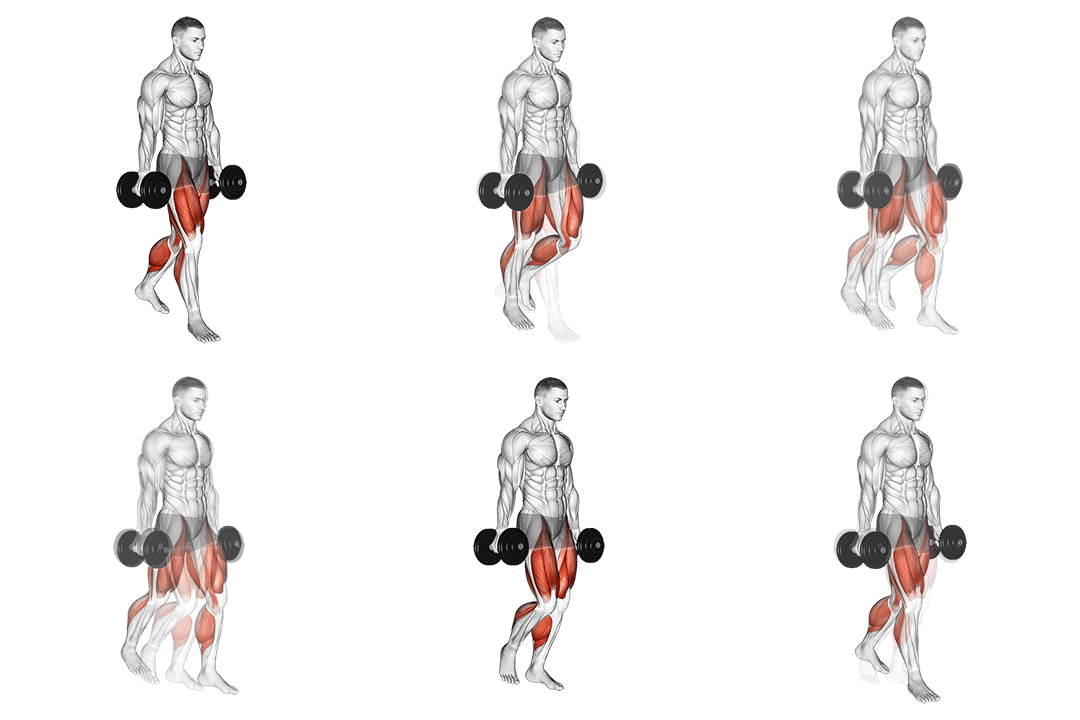
The Farmers Walk holds heavy dumbbells (or specialized handles) at the sides and walks for distance or time while maintaining upright posture. The exercise produces extreme grip strength, trap loading, and full-body conditioning.
For MMA training, farmer carries develop the grip strength fighters need for clinch work, gi/no-gi grappling, and submission attempts. The pattern also produces strong full-body conditioning under load. Run it for 4 sets of 50 to 100-foot distances or 30 to 60-second intervals with heavy dumbbells.
Hold heavy dumbbells at the sides with arms extended. Stand tall with shoulders back and chest out. Walk forward at a steady pace while maintaining upright posture and tight grip on the dumbbells. Continue for the prescribed distance or time. Set the dumbbells down with control.
Kettlebell Clean and Press

The Kettlebell Clean and Press lifts a kettlebell from the floor to the shoulder (the “clean”) and presses overhead in one or two distinct motions. The full-body explosive lift produces strong combined strength and conditioning.
For MMA training that includes overhead pressing strength, the clean-and-press combines lower-body explosive power with upper-body pressing in one rep. The pattern translates to takedown finishes and overhead striking. Run it for 3 to 4 sets of 6 to 8 reps per side as combined explosive work.
Stand with a kettlebell on the floor between the legs. Hinge to grip the kettlebell with one hand. Lift explosively to the rack position by extending through the legs and hips. Pause briefly. Press the kettlebell overhead to lockout. Lower to the rack, then back to the floor. Switch sides between sets.
Dumbbell Thruster
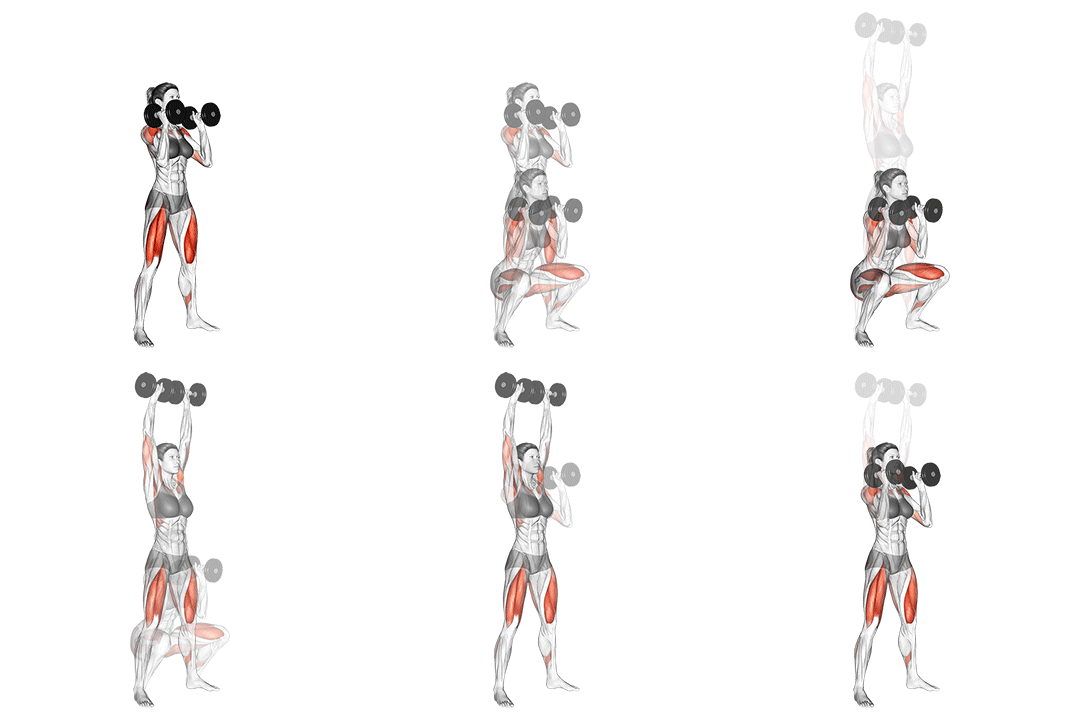
The Dumbbell Thruster combines a front squat (with dumbbells held at the shoulders) and an overhead press in one continuous motion. The combined leg drive and overhead press produces full-body conditioning per rep.
For MMA training that includes full-body conditioning, the thruster is one of the most efficient compound exercises that exists. The pattern works the entire body in one rep and drives heart rate up rapidly. Run it for 3 to 4 sets of 10 to 12 reps as combined strength-conditioning work.
Stand with dumbbells held at the shoulders. Squat down to a deep front squat. Drive up explosively while pressing the dumbbells overhead in one continuous motion. Lower the dumbbells to the shoulders. Repeat immediately into the next squat.
Plyo Push Up

The Plyo Push Up performs push-ups with explosive enough force at the top to lift the hands off the floor briefly. The plyometric loading produces strong fast-twitch chest fiber recruitment and translates to striking power.
For MMA training that includes upper-body explosive power, the plyo push-up develops the explosive pressing strength that translates to striking and ground-and-pound power. The pattern produces strong fast-twitch upper-body recruitment. Run it for 3 sets of 8 to 10 reps as explosive upper-body work.
Set up in a standard push-up position. Lower the chest to within an inch of the floor by bending the elbows. Press explosively upward with enough force to lift the hands off the floor briefly. Land softly back into the next rep. Continue with controlled but explosive tempo.
Bear Crawl

The Bear Crawl moves forward on hands and feet (with knees lifted slightly off the floor) by alternating opposite-side hand and foot movement. The full-body coordination produces strong conditioning along with core stability demand.
For MMA training, the bear crawl translates directly to ground transitions and grappling positions where fighters need to move on hands and feet under load. The pattern produces strong combined conditioning and ground-mobility development. Run it for 3 sets of 30 to 45-second intervals.
Set up on hands and feet with knees lifted slightly off the floor (bear plank position). Move forward by stepping the opposite-side hand and foot simultaneously. Keep the hips level and core braced throughout. Continue at a steady forward pace for the work interval.
How To Program These Workouts
A productive MMA conditioning week typically includes 3 to 4 conditioning sessions alongside daily skill training. Conditioning sessions focus on combat-specific work: kettlebell swings, burpees, tire flips, medicine ball slams, and farmer carries for 3 to 5 sets at high intensity. Most successful MMA athletes alternate higher-intensity conditioning sessions (3 to 4 days per week) with rest or skill-only days. The training week often includes one heavy strength session for foundational strength development alongside the combat-specific conditioning.
Train MMA conditioning 3 to 4 times per week. The high systemic demand of combat sports requires more recovery than bodybuilding-style training because skill training adds significant additional fatigue. Most successful fighters include at least 2 to 3 full rest days per week or alternate hard conditioning days with lighter skill-only days. Sleep, nutrition (typically 3,000 to 5,000+ calories per day for fighters in non-cutting periods), and recovery work become as important as the training itself.
For broader conditioning programming, see our best crossfit workouts and best hiit workouts for fat loss. For specific kettlebell training, see our best kettlebell workouts.
Final Thoughts
The best MMA workouts deliver the unique combination of strength, conditioning, and combat-specific movement quality that fighters need across striking, clinch, and ground positions. The combination of explosive ballistic work, foundational conditioning, grip training, and combat-specific patterns produces broader athletic development than traditional strength training alone. For lifters who want to train like fighters or actual MMA athletes building the conditioning required for full-round performance, this format is one of the most effective options available.
Stay focused on the relationship between conditioning and skill training. The most common MMA conditioning mistake is performing conditioning at maximum intensity every session, which produces accumulated fatigue that compromises skill training. The fix: structure conditioning around the skill training schedule, with hard conditioning sessions on lower-volume skill days and lighter conditioning sessions on heavy skill days. Most successful fighters periodize conditioning to support skill development rather than competing with it. Skill matters most in MMA; conditioning supports skill but does not replace it.
Frequently Asked Questions
How often should MMA fighters do conditioning workouts?
Three to four times per week works for most MMA athletes. The high systemic demand of combat sports requires more recovery than bodybuilding-style training because skill training adds significant additional fatigue. Most successful programs include 3 to 4 conditioning sessions per week alongside daily skill training, with 2 to 3 full rest days or alternating with lighter skill-only days. Daily hard conditioning typically produces overtraining within 6 to 8 weeks.
Should I do strength training or conditioning for MMA?
Both. The combination of foundational strength training (heavy squats, deadlifts, presses) and combat-specific conditioning (kettlebell ballistics, tire flips, jump rope) produces broader athletic development than either alone. Most successful fighters include 1 to 2 strength sessions per week and 2 to 3 conditioning sessions per week alongside skill training. Pure conditioning without strength work limits long-term athletic development.
What’s the best MMA conditioning exercise?
The kettlebell swing is the foundational MMA conditioning exercise. The explosive hip-extension pattern translates directly to grappling positions, takedowns, and ground transitions that require strong hip power. The exercise also produces strong cardiovascular conditioning per rep. Most successful MMA conditioning programs include kettlebell swings as the cornerstone exercise alongside burpees, jump rope, and other combat-specific work.
How long should MMA conditioning workouts be?
30 to 45 minutes works for most fighters. Shorter sessions (under 20 minutes) often miss enough volume for meaningful conditioning stimulus; longer sessions (over 60 minutes) produce diminishing returns due to accumulated fatigue that compromises skill training. Most well-designed MMA conditioning sessions include 5 to 7 exercises performed at high intensity with appropriate work-rest ratios.
Do I need to compete in MMA to train this way?
No. Many lifters train MMA-style for the unique combination of strength, conditioning, and combat-specific movement quality without competing. The MMA conditioning approach builds broader athletic development than pure strength training or pure cardio training, which produces particularly satisfying training for lifters who enjoy varied stimulus. Many commercial gyms now offer MMA conditioning equipment (kettlebells, medicine balls, jump ropes) alongside traditional gym equipment.