Kayaking demands a unique combination of physical qualities – sustained pulling strength to drive paddle strokes through long sessions, rotational core power that translates trunk rotation into paddle force, core stability that maintains boat balance and transfers power between upper and lower body, and balanced upper body development to prevent the muscular imbalance that pulling-dominant work can produce.
These ten exercises cover the complete kayaking conditioning toolkit. Pull-ups, bent-over rows, and cable pulldowns build the foundational pulling strength that paddle work demands. Russian twists and planks develop the rotational core and core stability that drives stroke power. Push-ups and dumbbell bench press provide balanced pushing work to counter the dominant pulling patterns. Deadlifts build the full-body strength that integrates pulling and core function. Kettlebell swings provide cardiovascular conditioning. Together they build the physical foundation that paddling demands.
Pull Up

The Pull Up performs bodyweight pull-ups. The compound pattern builds the pulling strength kayaking demands.
For kayaking conditioning, pull-ups build the upper body pulling strength that drives paddle work. Run it for 3 to 4 sets of 5 to 10 reps as primary pulling work.
Hang from a pull-up bar with hands shoulder-width or wider, palms facing forward. Pull the body upward until the chin is above the bar by driving the elbows down and back. Lower under control to a full hang. The pattern develops the upper body pulling strength critical for kayaking – paddling involves continuous pulling work through the lats, biceps, and back. Strong pull-ups translate directly to paddle stroke power and the muscular endurance that long paddling sessions demand.
Barbell Bent Over Row

The Barbell Bent Over Row performs heavy compound rows. The pattern builds the back strength kayaking demands.
For kayaking conditioning, bent-over rows build heavy back strength for paddle work. Run it for 3 to 4 sets of 6 to 10 reps as primary back work.
Stand with a barbell in front. Hinge at the hips with knees slightly bent until the torso is roughly 45 degrees from the floor, back flat. Grip the bar with hands shoulder-width. Pull the bar to the lower chest by driving the elbows back. Lower under control. The pattern develops the heavy back pulling strength critical for kayaking – paddle strokes are essentially repeated rowing motions, and strong barbell rows directly support paddle power and durability. Foundational pulling lift for kayaking-specific strength.
Cable Pulldown

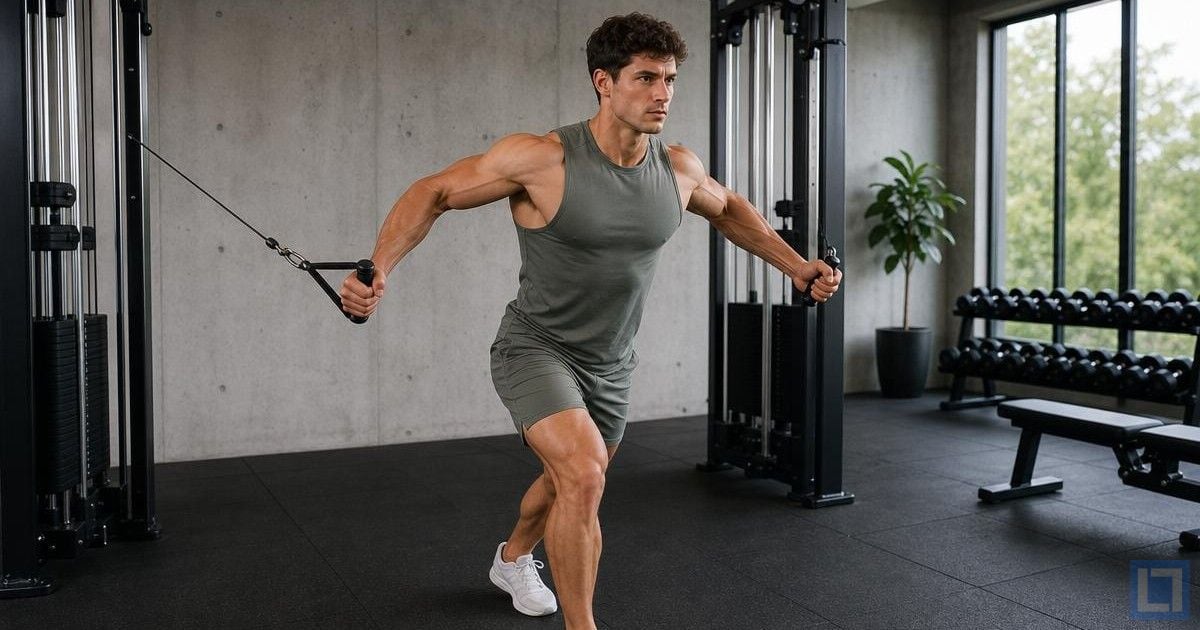
The Cable Pulldown performs lat pulldowns from a cable machine. The pattern builds the lat strength that drives paddle work.
For kayaking conditioning, cable pulldowns build the lat strength for paddle pulling. Run it for 3 sets of 8 to 12 reps as lat-focused work.
Sit at a cable pulldown station with the bar held overhead, hands wider than shoulder-width. Pull the bar down to the upper chest by driving the elbows down and back, squeezing the lats. Reverse under control to the start. The pattern develops the latissimus dorsi – the primary muscle that drives the pulling phase of paddle strokes. Strong lats provide the foundational pulling power that kayaking demands and complement pull-ups by providing varied pulling angles for complete lat development.
Dumbbell Russian Twist

The Dumbbell Russian Twist performs seated rotational core work. The pattern develops the rotational core that drives paddle strokes.
For kayaking conditioning, Russian twists build the rotational core that powers paddle strokes. Run it for 3 sets of 12 to 16 total touches as rotational core work.
Sit on the floor with knees bent and feet flat or lifted. Lean back to roughly 45 degrees with the torso. Hold a dumbbell at the chest with both hands. Rotate the torso to one side, lowering the dumbbell to the floor beside the hip. Reverse to the other side. Continue alternating. The pattern develops rotational core strength – critical for kayaking because effective paddle strokes use trunk rotation to drive the paddle through water rather than relying on arm strength alone. Strong rotational core function dramatically improves paddle efficiency and reduces shoulder stress.
Front Plank
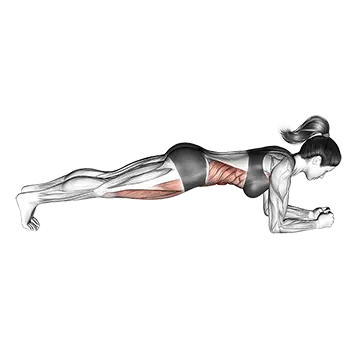
The Front Plank performs static plank holds. The pattern develops the core stability kayaking demands.
For kayaking conditioning, front planks build core stability for paddle work. Run it for 3 sets of 30 to 60 second holds as core work.
Position face-down on the forearms with elbows under the shoulders, body in a straight line from head to heels. Hold the position with the core engaged, glutes tight, and back neutral. Continue for time. The plank develops isometric core strength – critical for kayaking because every paddle stroke requires stable core function to transfer force between the upper and lower body. Strong core stability supports paddle efficiency and reduces fatigue during long paddling sessions.
Side Plank
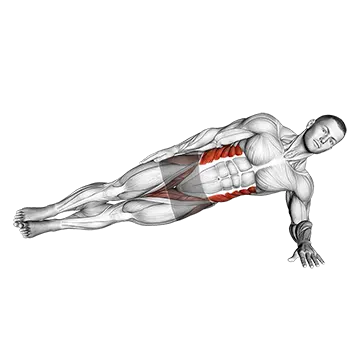
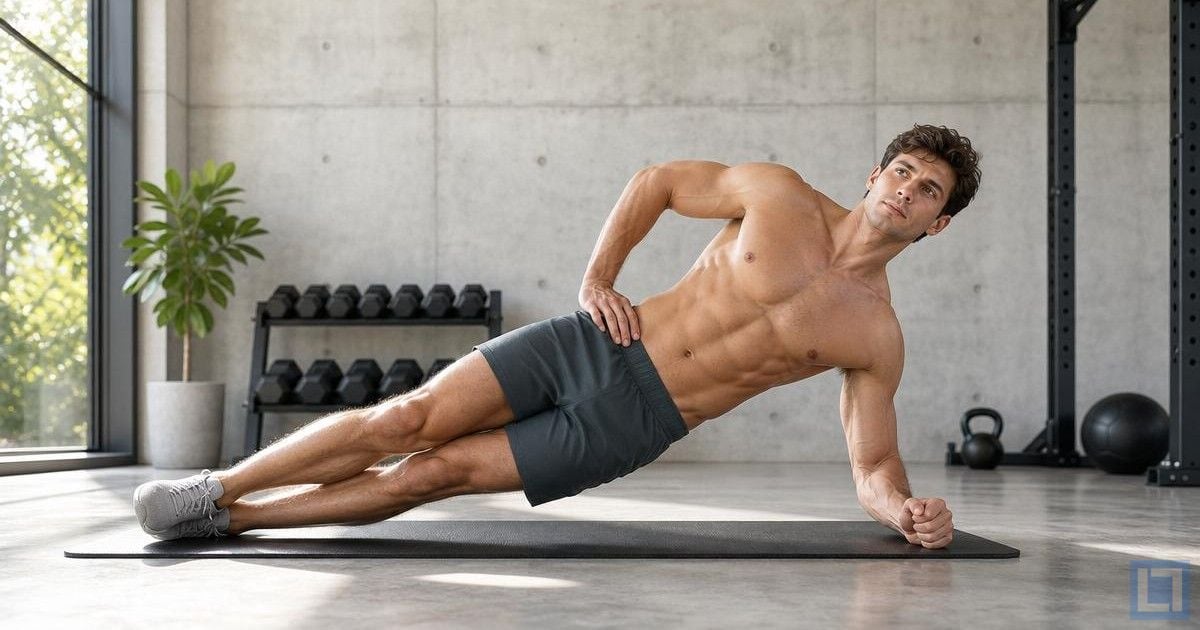
The Side Plank performs static side plank holds. The pattern develops lateral core stability for kayaking.
For kayaking conditioning, side planks build lateral core strength for paddle stability. Run it for 3 sets of 20 to 45 second holds per side as lateral core work.
Lie on one side with the bottom forearm on the floor, elbow under the shoulder. Lift the hips so the body forms a straight line from head to feet, supported on the bottom forearm and bottom foot. Hold the position. Switch sides. The pattern develops lateral core stability – critical for kayaking because boat balance and stroke transitions all demand strong oblique and lateral core function. Builds the side-on core strength that supports paddle position and boat stability through varied conditions.
Push Ups

The Push Up performs bodyweight pushups. The compound pattern develops the upper body pushing strength that balances paddling.
For kayaking conditioning, push-ups build pushing strength to balance the dominant pulling work. Run it for 3 sets of 12 to 20 reps as balanced upper body work.
Set up in a high plank position with hands shoulder-width apart, body in a straight line. Lower the body by bending the elbows until the chest is just above the floor. Press back up to the start by extending the elbows. The pattern develops chest, shoulder, and triceps strength through bodyweight loading – critical for kayaking because the dominant pulling work of paddling can lead to muscle imbalance without dedicated pushing work. Push-ups provide accessible balanced upper body development.
Dumbbell Bench Press

The Dumbbell Bench Press performs chest pressing with dumbbells. The pattern provides loaded pushing work to balance paddle pulling.
For kayaking conditioning, dumbbell pressing balances the heavy pulling work. Run it for 3 sets of 8 to 12 reps as pressing work.
Lie on a bench with dumbbells held at the sides of the chest, palms facing forward. Press the dumbbells up by extending the elbows until the arms are straight. Lower under control to the start. The pattern develops chest, front delt, and triceps strength – critical for kayaking because the heavy pulling work that paddling produces requires balanced pushing development to maintain shoulder health. Loaded pressing complements the pulling-dominant kayaking pattern for balanced upper body development.
Barbell Deadlift

The Barbell Deadlift performs conventional deadlifts. The compound pattern develops the full-body strength kayaking demands.
For kayaking conditioning, deadlifts build foundational full-body strength. Run it for 3 to 4 sets of 4 to 6 reps as primary heavy work.
Stand with a barbell over mid-foot, feet hip-width. Hinge at the hips and bend the knees to grip the bar with hands shoulder-width. Drive the floor away by extending hips and knees together to lift the bar. Stand fully tall, then lower under control. The compound pattern develops full-body strength – critical for kayaking because the sport demands integrated strength across the back, core, and legs. Strong deadlifts build the foundational pulling strength and core stability that paddle work depends on.
Kettlebell Swing

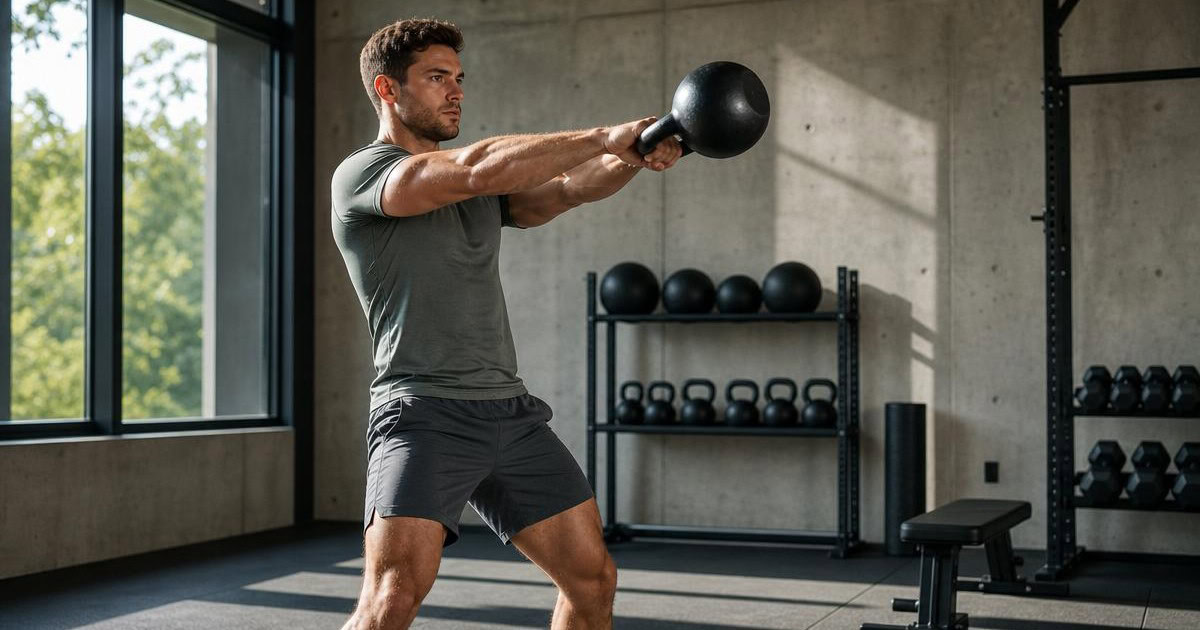
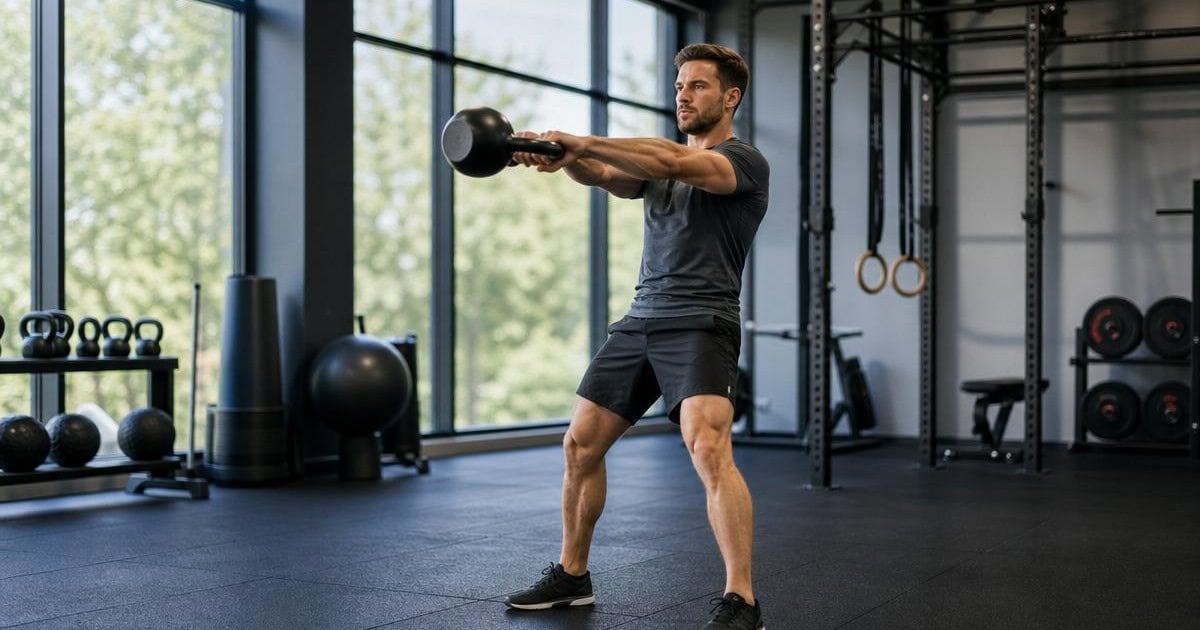
The Kettlebell Swing performs hip-hinge driven kettlebell swings. The explosive pattern builds the conditioning kayaking demands.
For kayaking conditioning, kettlebell swings build hip power and cardiovascular conditioning. Run it for 3 sets of 15 to 25 reps as conditioning work.
Stand with a kettlebell on the floor between the feet. Hinge at the hips and grip the kettlebell with both hands. Swing the kettlebell back between the legs, then drive the hips forward explosively to swing the kettlebell up to roughly chest height. Let it swing back down between the legs. Continue. The explosive hip-hinge pattern develops hip power and produces high-intensity cardiovascular conditioning – critical for kayaking because the sport demands sustained intense effort over long durations. Excellent conditioning lift that builds work capacity transferring directly to paddling endurance.
How To Program These Workouts
Kayaking conditioning works best with 2 to 3 strength sessions per week balanced with on-water training. Total weekly volume should account for the substantial paddling time that serious kayakers commit to alongside strength training.
Structure sessions with pulling emphasis balanced by pushing work. Sample week: Day 1 – deadlift, pull-up, dumbbell bench press, planks, Russian twists. Day 2 – cable pulldown, bent-over row, push-ups, side planks, kettlebell swings. Use 3 to 4 sets of 6 to 10 reps for heavy work, 3 sets of 8 to 12 reps for hypertrophy work, 3 sets of 30 to 60 second holds for core work.
Progressive overload drives kayaking strength gains – add weight or reps when current loading becomes manageable. During heavy on-water training periods, prioritize paddle work with reduced strength training volume. The combination of strength foundation and paddle-specific endurance produces the kayaking performance that pure paddle training alone cannot achieve.
Final Thoughts
These ten exercises cover the complete kayaking conditioning approach. The pulling strength work builds the foundation that paddle strokes depend on. The rotational and core work develops the trunk function that drives paddle power. The balanced pushing work prevents the muscle imbalance that pulling-dominant training can produce. The conditioning work builds the work capacity for long paddling sessions. Together they support the physical demands of serious kayaking.
Building kayaking readiness requires consistent strength training combined with on-water paddle work. Paddlers who add structured strength training to their on-water focused work typically demonstrate measurably better paddle performance than those who train paddling alone. The strength foundation supports stroke power, core stability, and the upper body durability that long paddling sessions demand.
Frequently Asked Questions
What physical qualities do kayakers need most?
Kayaking demands sustained pulling strength for paddle work, rotational core power that drives stroke production, core stability for boat balance and force transfer, balanced upper body development to counter pulling-dominant patterns, and cardiovascular conditioning for long sessions. All of these qualities working together rather than any single attribute.
How often should kayakers strength train?
2 to 3 strength sessions per week works well for most kayakers, balanced with on-water training time. The volume should account for substantial paddle time that serious kayakers require. During heavy on-water training periods, prioritize paddle work with reduced strength training.
Should kayakers focus on pulling or pushing exercises?
Both, with pulling emphasis. Kayaking is heavily pulling-dominant, so substantial pulling strength training (pull-ups, rows, pulldowns) directly supports paddle performance. However, dedicated pushing work (push-ups, bench press) prevents the muscle imbalance that pure pulling work creates and supports shoulder health through balanced upper body development.
How important is core training for kayakers?
Critical – effective paddling uses trunk rotation rather than arm-only paddling, and trunk rotation requires substantial rotational core strength and stability. Core work (planks, Russian twists) directly supports paddle efficiency and protects the lower back from the stress of paddling. Most kayakers benefit from substantial dedicated core training.
Will too much pulling work cause injury for kayakers?
Pure pulling-dominant training without balancing pushing work and shoulder mobility work can contribute to forward shoulder posture and shoulder dysfunction. Balanced training that includes dedicated pushing work, rear delt and posture work, and shoulder mobility prevents the imbalance issues that pulling-only training can create over long careers.