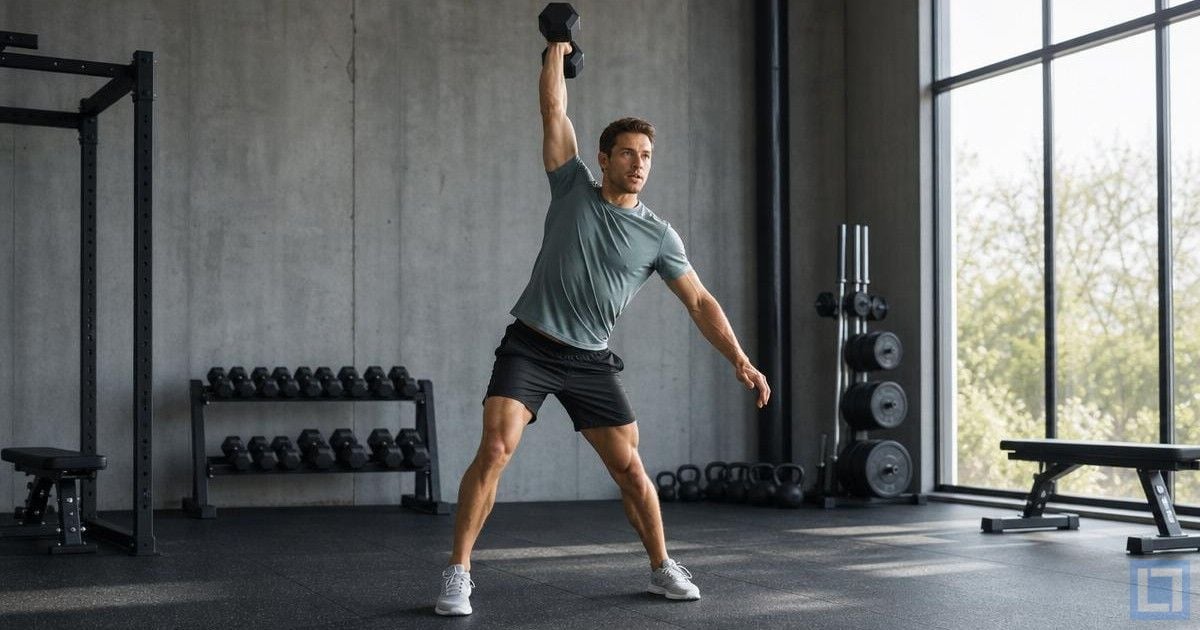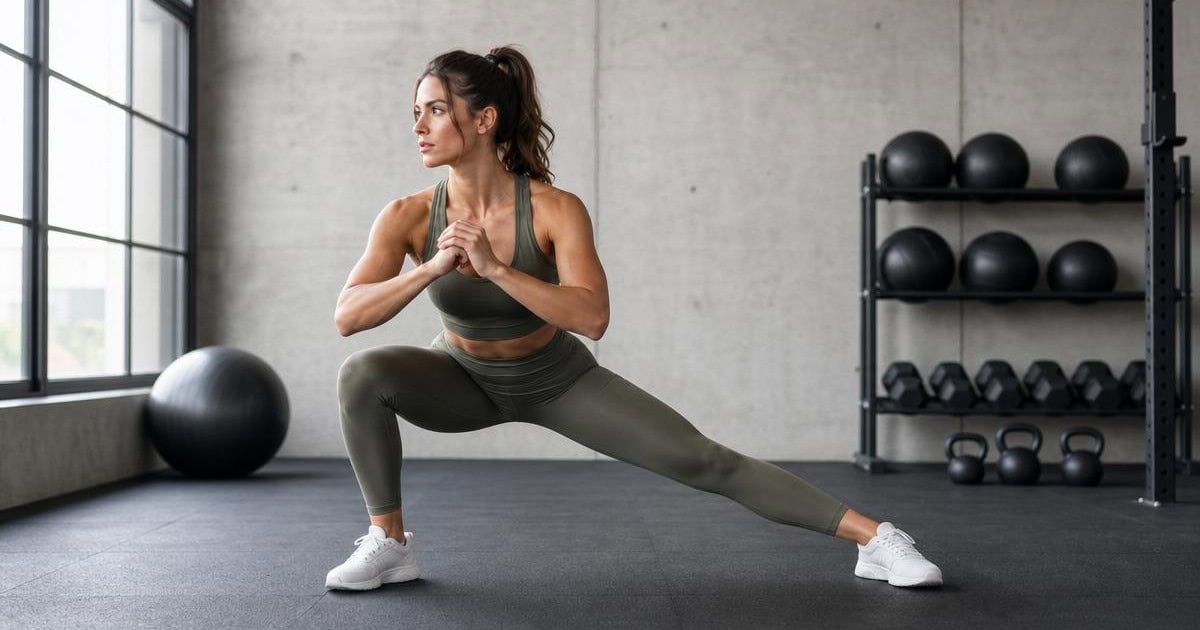
Building stronger outer thighs requires understanding both outer thigh anatomy (the outer thigh involves the gluteus medius – a critical hip stabilizer that prevents hip drop, gluteus minimus – the deep hip stabilizer, and the outer portion of the gluteus maximus – all of which work together to abduct the hip and stabilize during single-leg movement) and the training principles that develop them: dedicated abductor isolation (machine and cable abductions), lateral movement patterns (side lunges, Cossack squats), unilateral leg patterns (Bulgarian split squats, step-ups) that train outer thigh stability, lateral activation work (resistance band lateral walks), supporting compound work, and adequate volume across these patterns. Most people who want stronger outer thighs are missing one or more of these training elements: relying solely on bilateral squats that provide minimal direct abductor stimulus, neglecting dedicated abductor isolation, never including lateral movement patterns, missing the activation work that primes outer thigh function, or using insufficient volume relative to other muscle groups. The fix involves: 1) heavy abductor isolation (machine and cable abduction) for direct outer thigh emphasis, 2) lateral movement patterns (Cossack squats, side lunges) for combined strength and mobility, 3) unilateral patterns (Bulgarian split squats, step-ups) for stability, 4) lateral activation work (band walks) for outer thigh priming, 5) supporting compound work for integrated development.
Below are ten of the most effective exercises for building stronger outer thighs, covering dedicated abductor isolation (cable kneeling hip abduction, lever seated hip abduction), lateral movement patterns (dumbbell side lunge, cossack squats, resistance band lateral walk), unilateral patterns (dumbbell Bulgarian split squat, step up), supporting compound work (barbell glute bridge, dumbbell sumo squat), and combined outer thigh/core work (side bridge hip abduction). Together they form a complete outer thigh program. A 25 to 35-minute outer thigh-focused session pulled from this list, performed 1 to 2 times per week (or as primary work in leg/glute sessions), produces strong outer thigh development for any person focused on building stronger, more functional outer thighs.
Cable Kneeling Hip Abduction

The Cable Kneeling Hip Abduction performs hip abductions with cables. The pattern produces direct outer thigh loading.
For outer thigh development, the cable hip abduction produces direct loading of the gluteus medius and outer hip. Run it for 3 to 4 sets of 12 to 15 reps as primary outer thigh isolation.
Set up a cable station with low pulley and ankle strap attachment. Attach the strap to the ankle of the working leg. Kneel on the opposite knee facing the cable with the working leg extended out to the side. Pull the working leg out to the side away from the body by abducting the hip. The gluteus medius and outer hip work hard through pure hip abduction. Squeeze hard at peak. Return under control. The pattern produces direct outer hip isolation with constant cable tension – the most direct outer thigh loading possible.
Lever Seated Hip Abduction

The Lever Seated Hip Abduction performs seated hip abductions on a machine. The pattern produces direct outer thigh isolation.
For outer thigh development, the seated hip abduction produces direct outer thigh isolation. Run it for 4 sets of 10 to 15 reps as primary outer thigh isolation work.
Sit on a hip abduction machine with the back against the pad. Position the legs against the outside pads with knees bent. Spread the legs apart by abducting the hips against the resistance. The outer thighs (gluteus medius, gluteus minimus, outer hip) work hard through pure hip abduction. Squeeze hard at peak. Return under control. The pattern produces direct outer thigh isolation – the most targeted outer thigh loading possible. Most lifters who want outer thigh development benefit substantially from dedicated machine abduction work.
Dumbbell Side Lunge

The Dumbbell Side Lunge performs weighted side lunges. The pattern produces lateral loading for outer thigh.
For outer thigh development, the dumbbell side lunge produces lateral hip loading. Run it for 3 sets of 8 to 12 reps per side as lateral outer thigh work.
Stand with feet wide apart holding dumbbells at the sides. Shift weight to one side by bending that knee while keeping the other leg straight. Lower until the bent knee is at about 90 degrees. Drive back to standing through the bent leg heel. Switch sides. The pattern produces lateral hip loading – the gluteus medius and outer hip work hard through the lateral movement and unilateral hip extension. Excellent for lateral outer thigh development that complements direct isolation work.
Cossack Squats
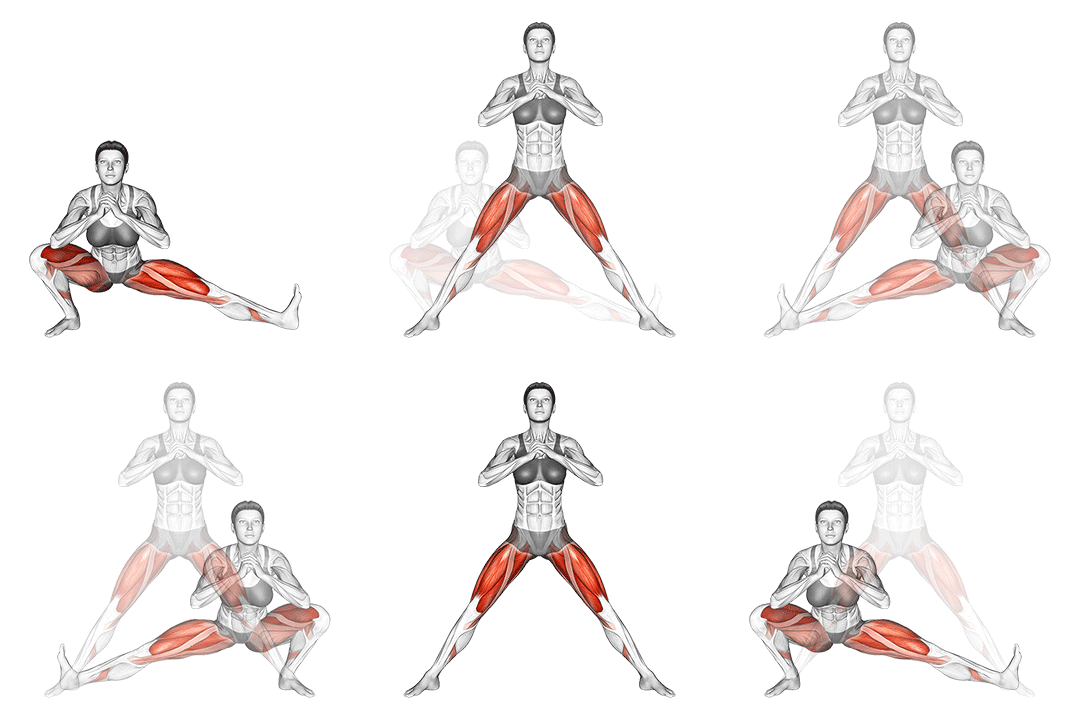
The Cossack Squats perform Cossack squats. The lateral pattern produces outer thigh and inner thigh work.
For outer thigh development, Cossack squats produce strong lateral hip loading through deep lateral squat positions. Run it for 3 sets of 8 to 10 reps per side as lateral mobility/strength work.
Stand with feet wide apart (about 2x shoulder-width). Shift weight to one side by bending that knee deeply while keeping the other leg straight. The straight leg foot should be flat on the ground or with toes pointed up. Lower until you reach maximum depth in the squatting leg. Drive back to center and switch sides. The pattern produces extreme lateral hip work – the deep lateral squat position requires substantial outer hip strength while building lateral mobility. Excellent combined outer thigh strength and mobility work.
Dumbbell Bulgarian Split Squat
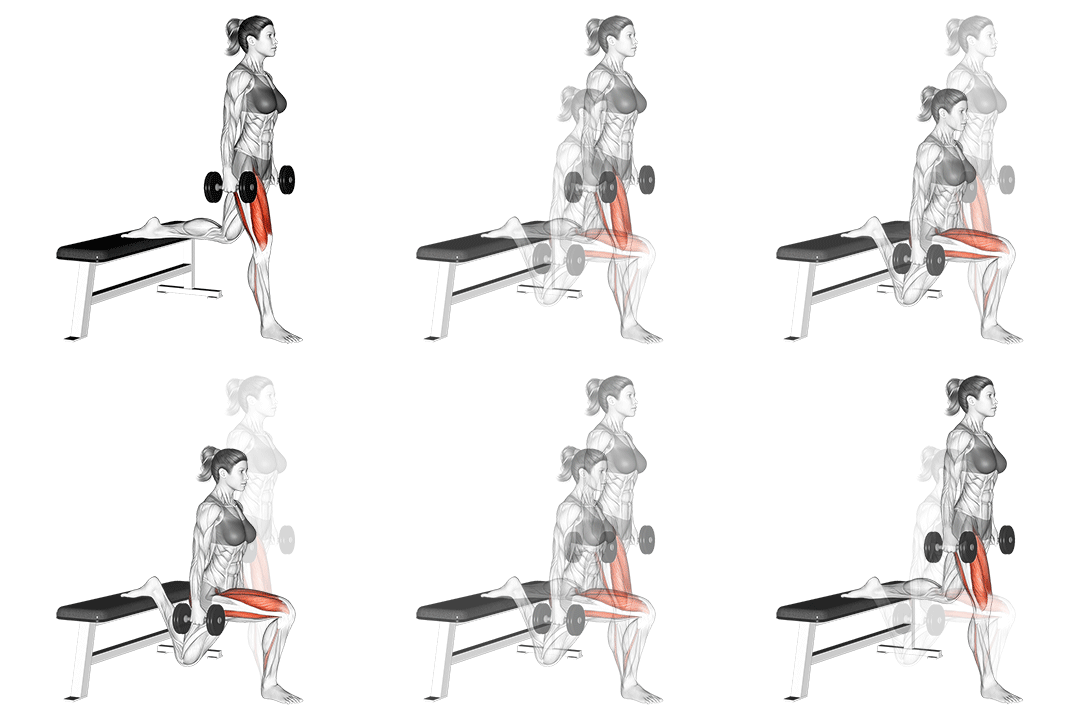
The Dumbbell Bulgarian Split Squat performs Bulgarian split squats. The unilateral pattern produces outer thigh loading.
For outer thigh development, Bulgarian split squats produce unilateral leg loading with outer thigh stability work. Run it for 3 sets of 8 to 10 reps per leg as unilateral leg/outer thigh work.
Stand 2 to 3 feet in front of a bench. Place the top of the rear foot on the bench behind. Hold dumbbells in each hand at the sides. Squat down by bending the front knee deeply. Lower until the front thigh is parallel to the floor. Drive back up through the front heel. The pattern hits each leg individually with full loading – the outer thigh and gluteus medius work hard to maintain unilateral stability throughout the rep. Excellent for combined leg strength and outer thigh stability development.
Step Up

The Step Up performs bodyweight step-ups. The pattern produces unilateral outer thigh loading.
For outer thigh development, the step-up produces unilateral hip work with outer thigh stability. Run it for 3 sets of 10 to 15 reps per leg as unilateral outer thigh work.
Stand in front of a sturdy box or bench (knee-height for most lifters). Step up onto the box with one leg, driving through the heel of the lifting leg until standing fully upright on the box. Step back down with control. Switch legs. The pattern produces unilateral leg loading with strong outer thigh stability work – the gluteus medius works hard to maintain pelvis stability during single-leg loading. Excellent for outer thigh stability and strength.
Resistance Band Lateral Walk
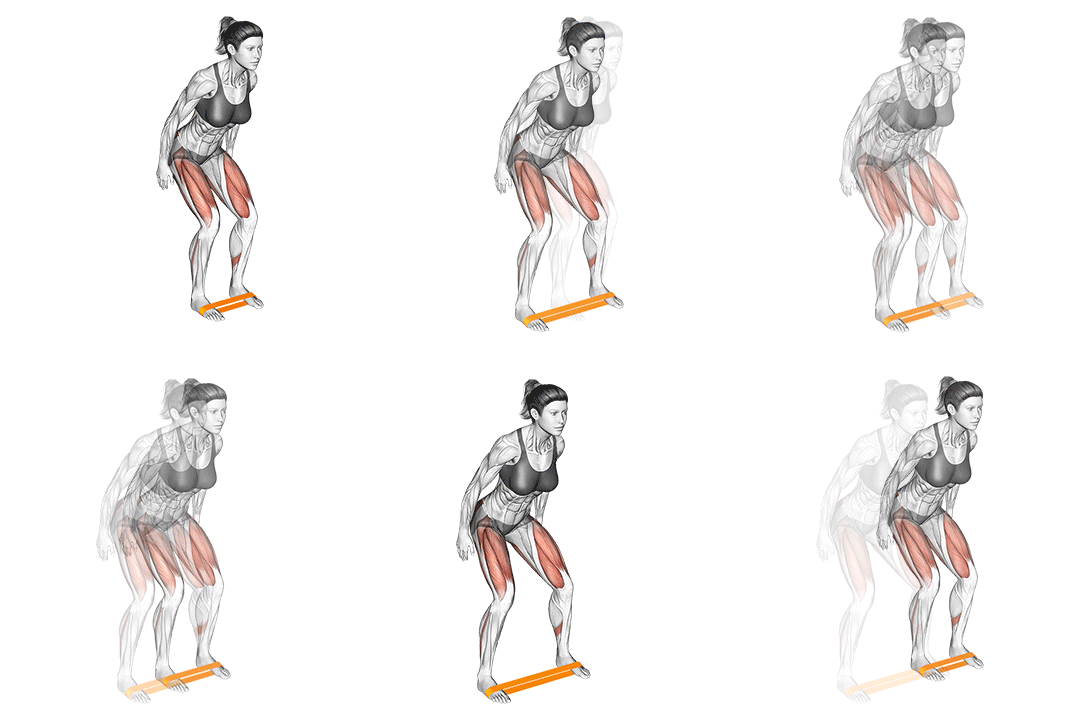
The Resistance Band Lateral Walk performs lateral walks with band resistance. The pattern produces outer thigh activation.
For outer thigh development, the lateral band walk produces direct outer thigh activation against band resistance. Run it for 3 sets of 10 to 15 steps per direction as outer thigh activation work.
Place a resistance band around the legs just above the knees. Stand with feet hip-width and knees slightly bent. Step laterally to one side, maintaining tension in the band throughout. Continue stepping in one direction for the working interval, then switch directions. The outer thighs (gluteus medius, abductors) work hard against the band resistance. The pattern produces direct outer thigh activation – excellent warm-up exercise and outer thigh activation that supports compound leg training.
Barbell Glute Bridge
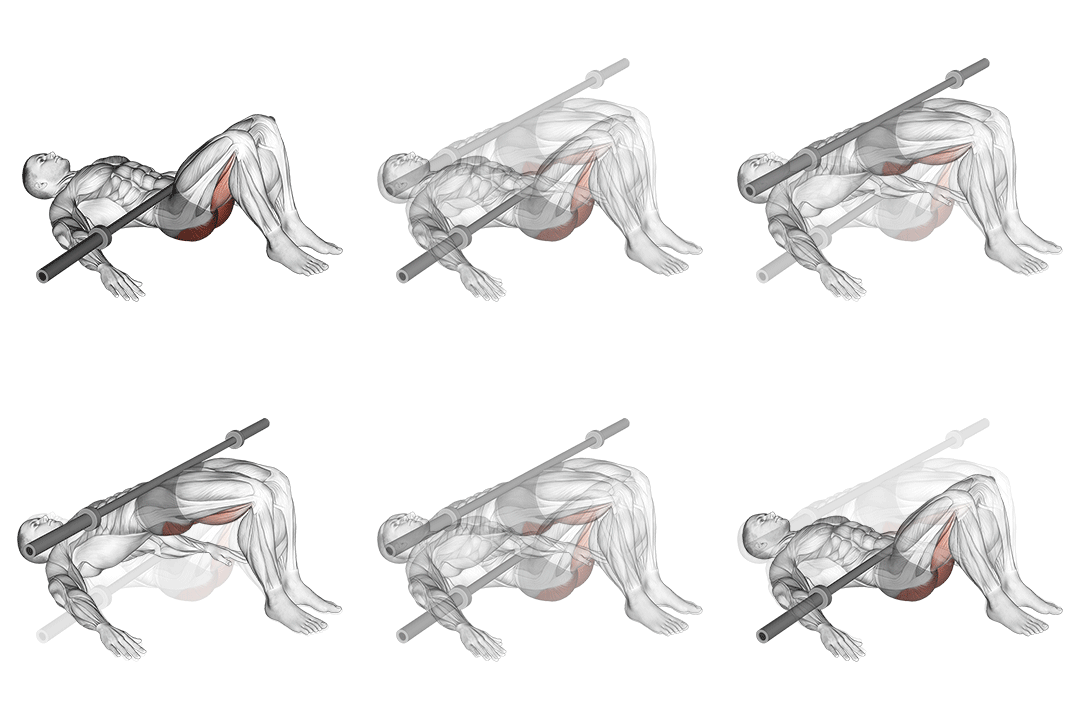
The Barbell Glute Bridge performs glute bridges. The pattern produces compound hip work supporting outer thigh.
For outer thigh development, the glute bridge produces compound hip work that includes outer thigh activation. Run it for 3 sets of 10 to 15 reps as compound hip work.
Lie on the floor with knees bent and feet planted. Position a barbell across the hips. Hold the bar in place. Drive through the heels to lift the hips up by extending the hips. The body forms a straight line from shoulders to knees at the top. The glutes work hard with secondary outer thigh involvement during hip extension. Squeeze at peak hip extension. Lower under control. The pattern produces compound hip extension that includes secondary outer thigh loading – excellent supporting work alongside dedicated outer thigh isolation.
Dumbbell Sumo Squat

The Dumbbell Sumo Squat performs sumo-stance squats. The wide stance produces hip work including outer thigh.
For outer thigh development, the sumo squat produces compound hip work with outer thigh involvement through the wide stance. Run it for 3 to 4 sets of 8 to 12 reps as compound work.
Stand with feet wider than shoulder-width (sumo stance) with toes pointed slightly outward. Hold a dumbbell at the chest with both hands or hanging between the legs. Squat down by bending the knees and hips while keeping the back upright. Lower until the thighs are parallel to the floor. Drive back up through the heels. The wide stance forces the outer thighs and hip stabilizers to work hard – excellent for compound hip work that includes outer thigh activation alongside foundational leg work.
Side Bridge Hip Abduction
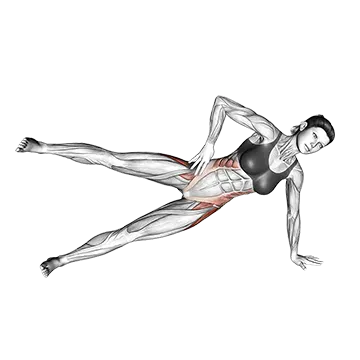
The Side Bridge Hip Abduction performs side plank with hip abduction. The pattern produces direct outer thigh and core work.
For outer thigh development, the side bridge hip abduction produces direct outer thigh and lateral core work. Run it for 3 sets of 8 to 12 reps per side as outer thigh/core work.
Lie on one side with the body straight. Prop up on one forearm with the elbow under the shoulder. Lift the hips up so the body forms a straight line from feet to head (side plank position). Lift the top leg up and out by abducting the hip. The outer thigh and lateral core work hard. Lower the leg under control. Continue for the working interval. Switch sides between sets. The pattern produces combined outer thigh and lateral core work – excellent for outer thigh strength alongside core stability development.
How To Program These Workouts
A productive outer thigh session pulls 5 to 7 exercises from the list above. A common balanced session: lever seated hip abduction (heavy isolation), cable kneeling hip abduction (cable isolation), dumbbell side lunge (lateral movement), resistance band lateral walk (activation), dumbbell bulgarian split squat (unilateral), side bridge hip abduction (core/outer thigh). For mass focus: lever seated hip abduction, cable kneeling hip abduction, dumbbell sumo squat, dumbbell side lunge. For function/stability focus: cossack squats, dumbbell bulgarian split squat, step up, side bridge hip abduction, resistance band lateral walk. Run isolation work for 3 to 4 sets of 10 to 15 reps, lateral movement for 3 sets of 8 to 12 reps per side, unilateral work for 3 sets of 10 to 12 reps per leg, activation work for 3 sets of 10 to 15 steps per direction.
Train outer thighs 1 to 2 times per week as part of complete leg/glute programming. Most successful outer thigh programs structure work as: 1) primary leg/glute day including 2 to 3 outer thigh-emphasized exercises (heavy abduction, lateral patterns, unilateral work), 2) accessory outer thigh work in second leg session (additional volume work), 3) integrated lateral activation in regular training (band walks as warm-up). The outer thighs respond well to higher rep ranges (10 to 15 reps) and benefit from both isolation and integrated patterns. Combined with progressive overload over time, dedicated outer thigh training produces measurable strength and stability improvements within 8 to 12 weeks.
For broader programming, see our best inner thigh exercises and how to build bigger glutes. For specific work, see our best upper glute exercises.
Final Thoughts
The best outer thigh exercises deliver real outer thigh development through training that targets the specific demands of the gluteus medius, gluteus minimus, and outer gluteus maximus: dedicated abductor isolation for direct outer thigh emphasis, lateral movement patterns for combined strength and mobility, unilateral patterns for outer thigh stability, lateral activation work for outer thigh priming, and supporting compound work for integrated development. The combination of hip abductions (machine and cable), side lunges, Cossack squats, Bulgarian split squats, step-ups, lateral band walks, glute bridges, sumo squats, and side bridges covers every functional pattern of the outer thighs and produces broader leg/hip development than standard squat-only training would suggest. Most people who consistently apply these principles see measurable outer thigh improvements within 8 to 12 weeks – including stronger, more functional outer thighs, improved hip stability, better single-leg balance, and the comprehensive lower-body development that traditional bilateral training alone never achieves.
Stay focused on dedicated abductor isolation alongside compound work. The most common mistake people make in outer thigh training is relying solely on standard bilateral squats which provide minimal direct abductor stimulus. The fix: include dedicated abductor isolation (machine and cable abduction) at adequate volume (12 to 16 weekly working sets) alongside lateral patterns and unilateral work. The outer thighs are like any other muscle group – they need direct loading to grow optimally. Combined with proper periodization, adequate volume, and progressive overload, dedicated outer thigh training produces the strength and stability improvements that bilateral squat training alone cannot achieve.
Frequently Asked Questions
How can I strengthen my outer thighs?
Combine abductor isolation with lateral patterns. Hip abductions (machine and cable) produce direct outer thigh isolation. Lateral patterns (Cossack squats, side lunges) build combined strength and mobility. Unilateral patterns (Bulgarian split squats, step-ups) train outer thigh stability. Lateral band walks activate the outer thighs for compound work. Combined with adequate volume, these form the foundation of outer thigh development. The fastest gains come from combining dedicated isolation with lateral patterns and progressive overload.
What’s the best outer thigh exercise?
Machine hip abduction for direct isolation. The lever seated hip abduction produces the most direct outer thigh isolation possible – the most targeted outer thigh loading available. Combined with cable hip abductions, lateral patterns (side lunges, Cossack squats), unilateral work (Bulgarian split squats, step-ups), and band walks, these form the foundation of outer thigh development. Most successful outer thigh programs prioritize machine abduction as primary isolation work.
Why are my outer thighs weak?
Most commonly from bilateral training only and lack of lateral movement. Modern lifestyle (sitting, walking forward only) and bilateral-focused training (squats, deadlifts) provide minimal outer thigh stimulus. The outer thighs are stabilizers that require direct training to develop optimally. Common contributors: reliance on bilateral squats, no dedicated abductor isolation, no lateral movement patterns, no single-leg work, no activation drills. The fix: include dedicated outer thigh work in every leg/glute session.
Are hip abduction machines effective?
Yes – machine hip abduction is the most direct outer thigh loading possible. The lever seated hip abduction produces direct gluteus medius and outer hip isolation that bilateral squats and other compound work cannot match. Most successful outer thigh programs include machine abduction as primary isolation alongside lateral and unilateral patterns. The myth that abduction machines are ineffective has been disproven – dedicated abductor isolation produces measurable outer thigh strength and size improvements.
How often should I train outer thighs?
1 to 2 times per week as part of complete leg/glute programming. Most successful programs include 2 to 3 outer thigh-emphasized exercises in primary leg/glute sessions plus optional accessory work in second session. The outer thighs recover reasonably quickly and tolerate higher frequency for those wanting accelerated development. Total weekly outer thigh volume should be 12 to 18+ working sets distributed across isolation, lateral patterns, and unilateral work.