The obliques (the abdominal muscles on the sides of the trunk – including external obliques on the surface and internal obliques deeper) are critical for core strength, rotational power, lateral stability, athletic performance, and aesthetic core development, contributing to the V-shape definition at the lower abdomen and the visible side abs that characterize well-developed cores. The obliques activate strongest during: rotational patterns (Russian twists, woodchops, rotational throws, landmine rotations) for direct oblique loading – the most important oblique exercise pattern, lateral flexion patterns (side bends, cable side bends) for direct lateral oblique isolation, isometric lateral loading (side planks) for oblique stability and endurance, complex multi-plane work (windmills) for advanced oblique development, and integrated core work (front planks, leg raises) for foundational core stability that supports oblique work. Most lifters underdevelop the obliques because: 1) general core training emphasizes flexion (crunches) over rotation and lateral flexion, 2) most lifters neglect dedicated oblique work, 3) the obliques respond well to multi-plane training that few programs include systematically. The obliques produce both functional benefits (rotational power, lateral stability, injury prevention) and aesthetic benefits (visible side abs, V-shape definition).
Below are ten of the most effective exercises for oblique development, covering primary rotational work (dumbbell Russian twist, resistance band kneeling woodchop, medicine ball rotational throw, landmine 180), direct lateral oblique isolation (cable side bend, dumbbell side bend), isometric lateral loading (side plank), complex multi-plane work (kettlebell windmill), and integrated core work (front plank, captains chair leg raise). Together they form a complete oblique program. A 20 to 35-minute oblique-focused session pulled from this list, performed 2 times per week (or as integrated work in regular training), produces strong oblique development for any lifter focused on building the rotational power, lateral stability, and visible oblique definition that complete cores demand.
Dumbbell Russian Twist

The Dumbbell Russian Twist performs Russian twists. The pattern is foundational for oblique development.
For oblique development, the Russian twist is foundational. Run it for 4 sets of 12 to 16 reps total as primary rotational oblique work.
Sit on the floor with knees bent and feet planted. Hold a dumbbell at the chest with both hands. Lean back slightly to engage the core. Rotate the torso to one side, then the other. The obliques and core work hard through rotation. The pattern is foundational for oblique development – the rotational motion produces direct oblique loading through the heaviest possible weighted rotation. Most lifters with the most developed obliques have built them on consistent Russian twist training. Rotational training produces the oblique development that flexion-only training never achieves.
Side Plank
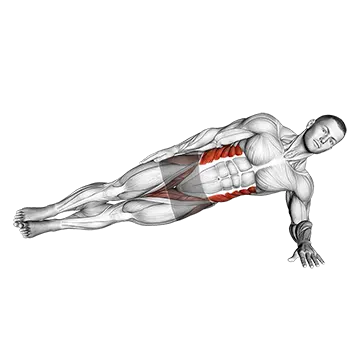
The Side Plank performs side plank holds. The pattern produces isometric oblique loading.
For oblique development, the side plank produces direct isometric oblique loading. Run it for 3 sets of 30 to 60-second holds per side as primary lateral core work.
Lie on one side propped up on the elbow with the elbow under the shoulder. Lift the hips so the body forms a straight line from feet to head. The lateral core (obliques and quadratus lumborum) works hard isometrically. Hold for the working interval. Switch sides. The pattern produces direct isometric oblique loading – critical for oblique development because the side plank specifically loads the lateral chain through isometric contraction. Excellent foundational lateral core exercise that builds oblique strength and stability.
Resistance Band Kneeling Woodchop

The Resistance Band Kneeling Woodchop performs band woodchops. The pattern produces dynamic rotational oblique work.
For oblique development, the kneeling woodchop produces dynamic rotational oblique work. Run it for 3 sets of 10 to 12 reps per side as dynamic rotational work.
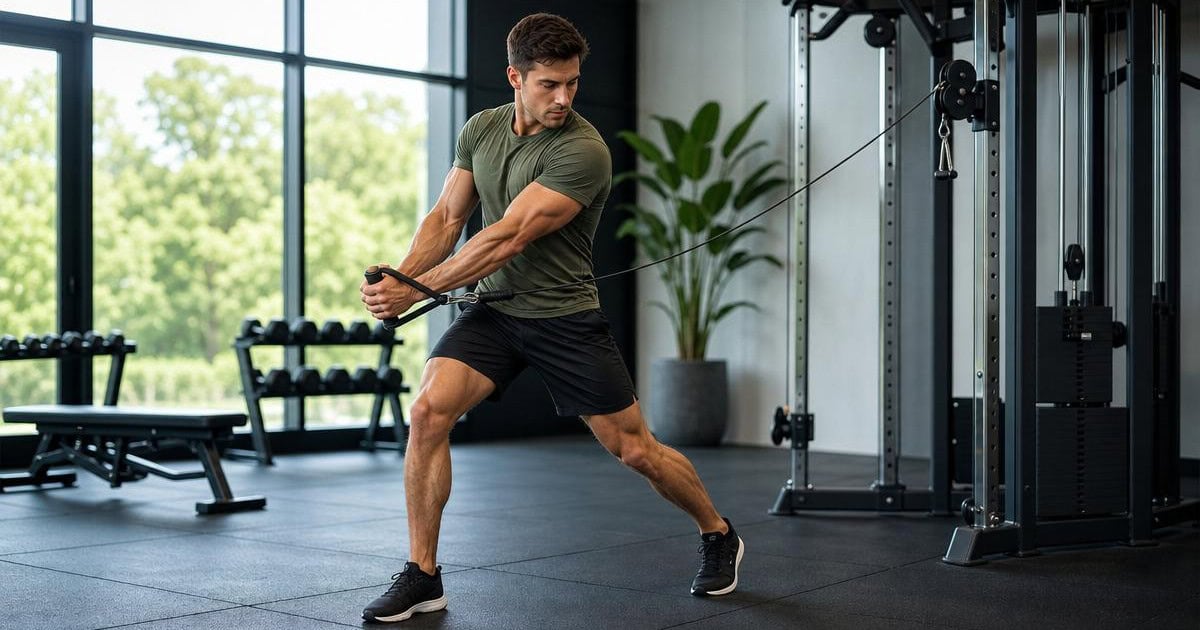
Set up a resistance band attached high on one side. Kneel with one knee down facing perpendicular to the band. Grip the band handle with both hands. Pull the band diagonally across the body from high to low (like chopping wood). The obliques work hard through dynamic rotation with diagonal force. Return under control. Switch sides. The pattern produces dynamic rotational oblique loading – the diagonal chop pattern produces oblique work through dynamic rotation that mirrors many sports motions. Excellent functional oblique work alongside Russian twists.
Cable Side Bend

The Cable Side Bend performs cable side bends. The pattern produces direct oblique isolation.
For oblique development, the cable side bend produces direct lateral oblique isolation. Run it for 3 sets of 12 to 15 reps per side as oblique isolation work.
Stand sideways to a cable station with low pulley. Grip the cable handle with the hand farther from the cable. Stand upright, then bend laterally toward the cable side, allowing the cable to pull the trunk laterally. Reverse by side-bending away from the cable using the obliques. The lateral oblique works hard. Squeeze hard at peak. Return under control. Switch sides. The pattern produces direct lateral oblique isolation – critical for oblique development because side bending produces specific lateral oblique loading that complements rotational work.
Captains Chair Leg Raise

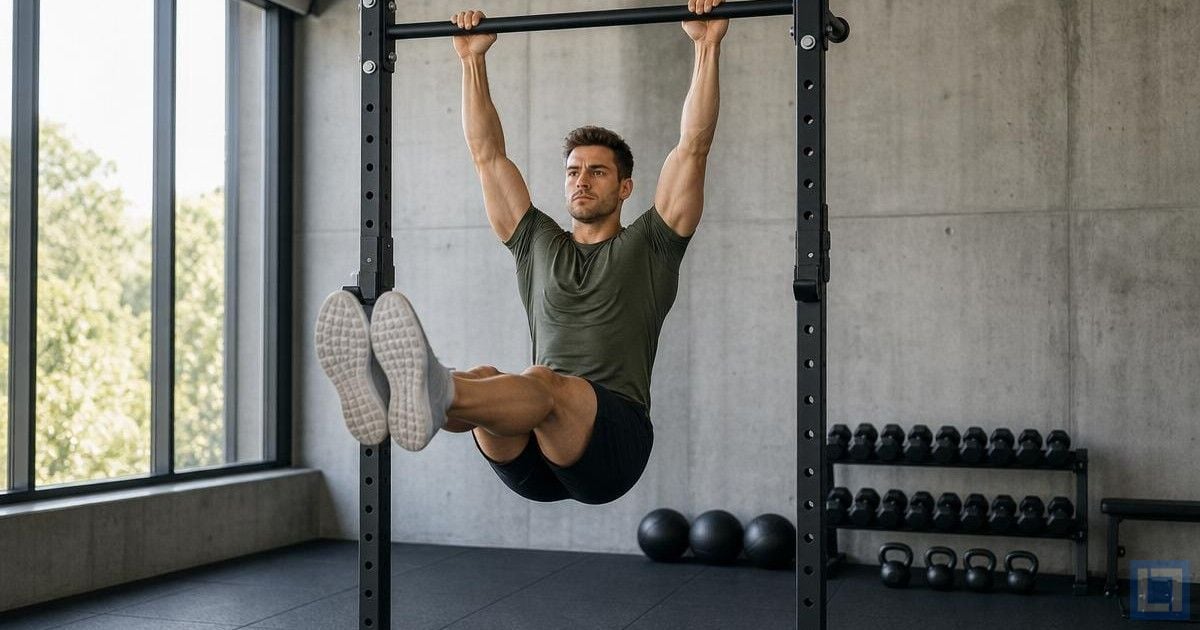
The Captains Chair Leg Raise performs hanging leg raises in captain chair. The pattern produces lower oblique work.
For oblique development, the captains chair leg raise produces lower abdominal and oblique work. Run it for 3 sets of 8 to 12 reps as lower core work.
Position into a captain chair (vertical apparatus with elbow rests). Support the body weight on the elbows with the legs hanging. Raise the legs up to roughly 90 degrees by flexing at the hips and core. The lower abs and obliques work hard. Lower under control. The pattern produces lower abdominal and oblique loading – the leg-raise motion produces work in the lower portion of the obliques and abs. Excellent compound core exercise that complements direct oblique isolation work.
Dumbbell Side Bend

The Dumbbell Side Bend performs dumbbell side bends. The pattern produces direct lateral oblique work.
For oblique development, the dumbbell side bend produces direct lateral oblique loading. Run it for 3 sets of 10 to 15 reps per side as lateral oblique work.
Stand with feet hip-width holding a dumbbell in one hand at the side. Side-bend toward the dumbbell side, allowing the dumbbell to pull the trunk laterally. Reverse by side-bending up using the obliques on the opposite side. The opposite-side oblique works hard. Squeeze hard at peak. Return under control. Switch sides. The pattern produces direct lateral oblique loading through pure side bending – simple but effective oblique isolation that complements rotational work for complete oblique development.
Medicine Ball Rotational Throw
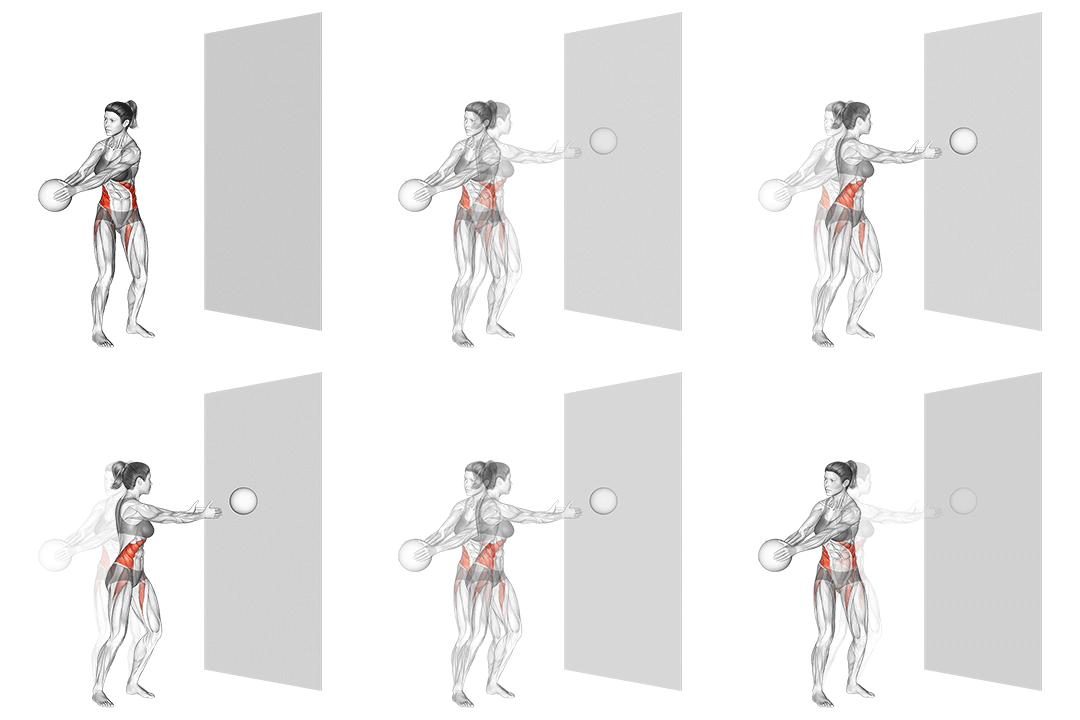
The Medicine Ball Rotational Throw performs explosive rotational throws. The pattern produces explosive oblique work.
For oblique development, the rotational throw produces explosive oblique loading. Run it for 3 sets of 6 to 8 throws per side as explosive rotational work.
Stand sideways to a wall holding a medicine ball with both hands at chest level. Rotate the hips and torso explosively away from the wall, then reverse explosively to throw the ball into the wall. Catch the ball on rebound. The hip-driven rotational pattern produces explosive oblique loading – the obliques drive the rotational power. Excellent for athletic oblique development because explosive rotational training produces both strength and power in the rotational pattern. Combined with controlled rotational work, throws build complete oblique capacity.
Front Plank
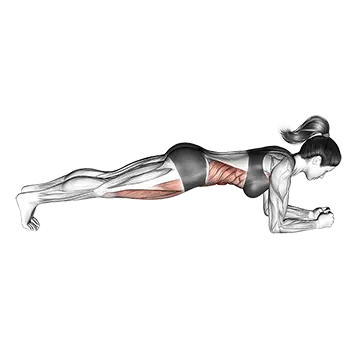
The Front Plank performs forearm plank holds. The pattern produces foundational core work.
For oblique development, the front plank provides foundational core stability. Run it for 3 sets of 30 to 60-second holds as foundational core work.
Lie face-down on the floor. Prop up on the forearms with elbows under the shoulders. Lift the hips so the body forms a straight line from shoulders to ankles. The core works hard isometrically. Hold for the working interval. The pattern produces foundational isometric core work – while not specifically oblique-focused, the front plank engages the obliques as part of integrated core stability and provides the foundation that supports more direct oblique work. Excellent foundational core exercise for complete core development.
Kettlebell Windmill

The Kettlebell Windmill performs kettlebell windmills. The pattern produces complex oblique and rotational work.
For oblique development, the kettlebell windmill produces complex oblique loading. Run it for 3 sets of 6 to 8 reps per side as advanced rotational work.
Stand with feet wider than shoulder-width holding a kettlebell overhead in one hand. Push the hips out to the side of the loaded arm. Rotate the torso while maintaining arm overhead, reaching toward the opposite foot. Return to start. Switch sides. The obliques work hard through complex rotation, lateral flexion, and stability. The pattern produces complex multi-plane oblique loading – the windmill combines lateral flexion with rotation under overhead load, producing some of the most challenging oblique work available. Note: requires good shoulder mobility and stability. Advanced oblique exercise.
Landmine 180

The Landmine 180 performs landmine rotations. The pattern produces explosive rotational oblique work.
For oblique development, the landmine 180 produces explosive rotational oblique work. Run it for 3 sets of 8 to 10 reps per side as rotational power work.
Position a barbell in a landmine attachment. Grip the end of the barbell with both hands and stand with the bar at chest level. Rotate the bar from one side to the other across the body using rotational core power. The obliques drive the rotation. Reverse direction. Continue alternating sides. The pattern produces dynamic rotational oblique loading with progressive resistance – the landmine 180 is excellent for both oblique strength and rotational power development. Combined with Russian twists and rotational throws, landmine work builds the complete rotational oblique capacity.
How To Program These Workouts
A productive oblique session pulls 5 to 7 exercises from the list above. A common balanced session: dumbbell Russian twist (rotational primary), side plank (isometric lateral), resistance band kneeling woodchop (dynamic rotational), cable side bend (lateral isolation), medicine ball rotational throw (explosive), front plank (foundational core). For rotational power focus: medicine ball rotational throws, landmine 180s, Russian twists, kneeling woodchops. For aesthetic focus: include heavy rotational and lateral work alongside front plank and leg raises. Run rotational work for 3 to 4 sets of 10 to 16 reps per side, isometric work for 3 sets of 30 to 60-second holds, lateral isolation for 3 sets of 10 to 15 reps per side, explosive work for 3 sets of 6 to 8 throws per side.
Train obliques 2 times per week as part of complete core programming. Most successful oblique programs structure work as: 1) primary core day (heavy rotational and lateral work), 2) secondary core day (isometric and integrated work), 3) integrated oblique work in regular training. The obliques respond well to varied training stimulus – hitting them with rotation, lateral flexion, isometric loading, and complex patterns across multiple weekly sessions produces accelerated oblique development. Combined with progressive overload (gradually adding weight to weighted exercises), adequate volume (12 to 18 weekly working sets focused on obliques), and dedicated training, oblique work produces visible development within 12 to 16 weeks for most lifters who maintain appropriate body composition.
For broader programming, see our how to build a stronger core and how to build explosive power. For specific work, see our best workouts for grip strength.
Final Thoughts
The best obliques exercises deliver real core development through training that targets the side abdominal muscles: primary rotational work for direct oblique loading, lateral flexion patterns for direct lateral oblique isolation, isometric lateral loading for stability and endurance, complex multi-plane work for advanced development, and integrated core work for foundational stability. The combination of Russian twists, side planks, woodchops, cable side bends, leg raises, dumbbell side bends, rotational throws, front planks, windmills, and landmine 180s covers every functional pattern of oblique development and produces broader core, rotational power, lateral stability, and athletic capacity than partial training would suggest. Many lifters discover stronger rotational power, more visible oblique definition, more lateral stability, more developed integrated core, better athletic performance in rotational sports, and the V-shape lower-ab definition that characterizes complete cores within 12 to 16 weeks of adding consistent oblique work. For lifters seeking complete core development, dedicated oblique training is one of the most effective interventions available.
Stay focused on rotational work plus isometric lateral loading as priorities for oblique development. The most common mistake lifters make in core training is doing only flexion-based exercises (crunches, sit-ups) without addressing the rotational and lateral patterns that produce oblique development. The fix: prioritize rotational work (Russian twists, woodchops, throws) and isometric lateral loading (side planks) alongside any flexion-based core work. The obliques respond best to multi-plane training (rotation, lateral flexion, isometric loading) – and these patterns require specific exercises beyond traditional ab training. Combined with appropriate volume, progressive overload, and adequate body composition for visibility, multi-plane oblique training produces the oblique development that flexion-only training never achieves.
Frequently Asked Questions
How can I build my obliques?
Rotational work plus lateral flexion plus side planks. Heavy Russian twists produce direct rotational oblique loading – the most important oblique exercise pattern. Side planks build the isometric lateral oblique strength. Cable and dumbbell side bends produce direct lateral oblique isolation. Combined with woodchops (dynamic rotational), medicine ball throws (explosive), windmills (complex), landmine 180s (rotational power), captains chair leg raises (lower core), and front planks (foundational), these form the foundation of oblique development.
What’s the best oblique exercise?
Heavy Russian twists. Heavy weighted Russian twists produce the most direct oblique loading possible – they specifically target the obliques through pure rotation under load. Combined with side planks (isometric lateral), woodchops (dynamic rotational), cable side bends (lateral isolation), rotational throws (explosive), windmills (complex), landmine 180s (rotational power), and dumbbell side bends (lateral isolation), Russian twists form the foundation of oblique development. Most lifters with the most developed obliques have built them on consistent rotational training.
How do I get visible side abs?
Heavy oblique training plus appropriate body composition. Visible obliques require both substantial muscle development (built through heavy rotational and lateral work) and adequate leanness (low enough body fat to make muscle definition visible – typically below 15% for men, below 22% for women). Combined with consistent training over 6+ months, proper nutrition for body composition, and dedicated oblique work, this approach produces the visible side ab development that characterizes well-developed cores. Both training and conditioning are required.
How often should I train obliques?
2 times per week as part of complete core programming. The obliques respond well to varied training stimulus across multiple weekly sessions. Most successful programs include: 1) primary core day (heavy rotational and lateral work), 2) secondary core day (isometric and integrated work), 3) integrated oblique work in regular training. Total weekly oblique volume should be 12 to 18+ working sets across rotational, lateral, isometric, and complex patterns.
How long does it take to build obliques?
12 to 16 weeks for measurable improvement, ongoing for substantial development. Most lifters who consistently apply heavy rotational training plus lateral flexion plus side planks plus adequate volume see measurable oblique improvement within 12 to 16 weeks. Beginners often see initial gains within 8 to 12 weeks. Substantial oblique development requires 6 to 12+ months of consistent training. The obliques are highly responsive to dedicated training but also require appropriate body composition for visibility.