Building grip strength requires understanding both grip strength components (crushing grip – squeezing the hand closed, pinching grip – holding objects between fingers and thumb, supporting grip – holding heavy weights for sustained periods, hand endurance – sustained grip work) and the training principles that develop them: heavy compound work that loads the grip under dynamic conditions (deadlifts, rows, pull-ups), loaded carries for sustained grip loading (farmers walks), isometric work for advanced grip development (hangs), and direct forearm isolation (wrist curls in both directions) for balanced forearm strength supporting grip. Most lifters who want stronger grip but struggle to develop it are making one or more of these mistakes: relying on lifting straps for all heavy pulling work (which prevents grip from being trained), neglecting direct forearm work, never doing loaded carries, missing isometric grip work, or training grip too infrequently. The fix involves: 1) heavy compound pulling without straps (deadlifts, rows, pull-ups) for foundational grip stimulus, 2) loaded carries (farmers walks) for sustained grip loading, 3) isometric work (hangs) for advanced grip capacity, 4) direct forearm isolation (wrist curls flex and extend) for balanced forearm development, and 5) progressive overload across all grip training modalities.
Below are ten of the most effective exercises for building grip strength, covering loaded carries (farmers walk), heavy compound pulling (barbell deadlift, trap bar deadlift, barbell bent over row, pull-up), isometric grip work (handboard hang with 90 degree elbow), direct forearm isolation (dumbbell one arm wrist curl, barbell wrist curl, dumbbell reverse wrist curl), and combined grip/trap work (dumbbell shrug). Together they form a complete grip strength program. A 25 to 35-minute grip-focused session pulled from this list, performed 1 to 3 times per week (or as integrated work alongside your regular training), produces strong grip strength development for any lifter focused on building crushing grip, climbing performance, athletic grip, or general strength applications.
Farmers Walk
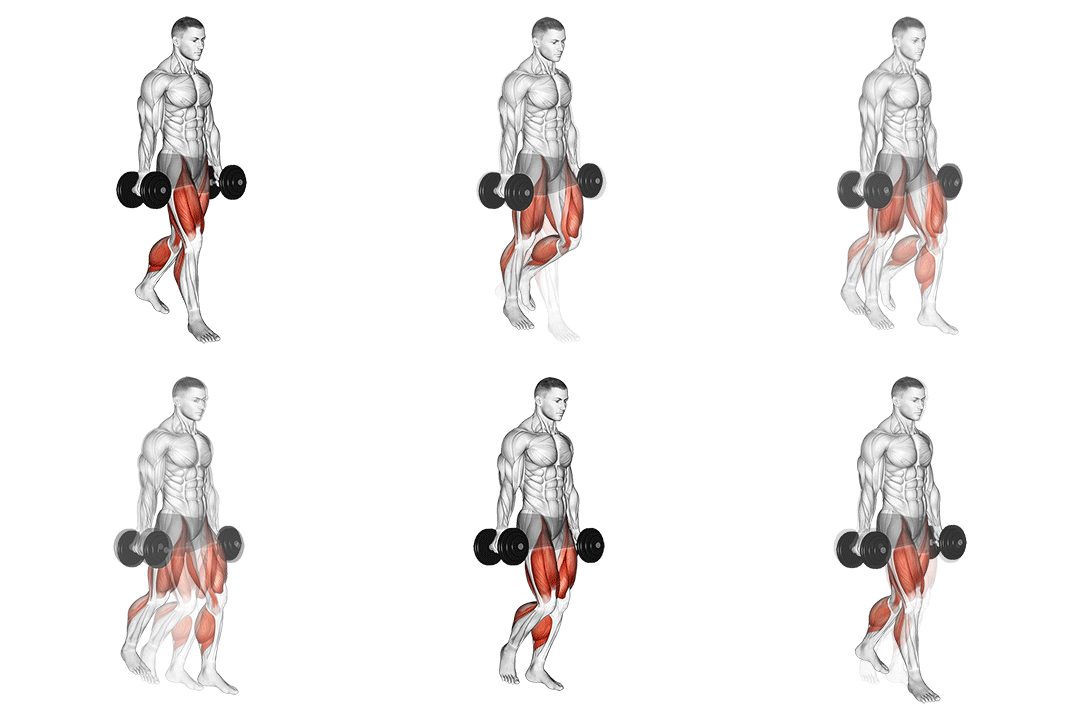
The Farmers Walk performs loaded carries. The pattern is foundational grip strength work.
For grip strength, farmers walks are foundational. The pattern produces extreme grip loading under dynamic conditions. Run it for 4 to 5 sets of 30 to 60-second carries as primary grip work.
Stand holding heavy weights (dumbbells, kettlebells, or trap bar handles) in each hand at the sides. Walk forward with controlled steps, maintaining tall posture and tight core. Continue for the working interval. The grip works extremely hard isometrically throughout the carry. The pattern is foundational for grip strength – the grip must work at maximum capacity for sustained periods, building both crushing strength (squeezing the bar) and grip endurance (holding onto heavy weight). Most lifters with the strongest grips have built them on consistent farmers walk training.
Pull Up

The Pull Up performs bodyweight pull-ups. The pattern produces extreme grip loading combined with back work.
For grip strength, pull-ups produce strong grip loading – holding bodyweight against gravity throughout the rep range. Run it for 4 sets of 6 to 12 reps as compound grip/back work.
Hang from a pull-up bar with hands shoulder-width apart and palms facing away. Pull the body up by retracting the shoulder blades and pulling the elbows down toward the ribs until the chin reaches over the bar. Lower under control to full hang. The grip works hard throughout every rep – holding bodyweight while pulling produces strong grip stimulus. The pattern produces compound grip loading – excellent for combined grip and back development. For increased grip emphasis, add weighted pull-ups, fat grip attachments, or thick bar pull-ups.
Barbell Deadlift

The Barbell Deadlift performs barbell deadlifts. The pattern produces extreme grip loading under heavy weight.
For grip strength, the deadlift produces extreme grip loading – the grip must hold heavy weight throughout the lift. Run it for 4 sets of 3 to 6 reps as heavy compound grip work.
Stand with feet hip-width with a barbell on the floor over the mid-foot. Hinge at the hips and bend the knees to grip the bar with double overhand grip (no straps for grip work). Drive through the heels while extending the hips and knees to lift the bar from the floor. Stand fully tall at the top. Lower under control. The pattern produces extreme grip loading – heavy deadlifts force the grip to hold maximum weight throughout the lift. Use double overhand grip (no straps) when training grip – this is one of the most effective grip-building exercises possible.
Dumbbell One Arm Wrist Curl

The Dumbbell One Arm Wrist Curl performs unilateral wrist curls. The pattern produces direct forearm flexor loading.
For grip strength, the one-arm wrist curl produces direct forearm flexor loading – the muscles that drive grip strength. Run it for 3 sets of 12 to 15 reps per arm as direct forearm work.
Sit on a bench with the forearm resting on the thigh and hand extending past the knee with palm facing up. Hold a dumbbell with underhand grip. Lower the dumbbell by extending the wrist toward the floor (deep stretch in forearm). Curl the dumbbell back up by flexing the wrist. The forearm flexors work hard through pure wrist flexion. Squeeze hard at peak. Lower under control. Switch arms between sets. The pattern produces direct forearm flexor isolation – the forearm flexors are the primary muscles driving grip strength, and dedicated wrist curl work builds the grip strength foundation that compound work alone cannot match.
Barbell Wrist Curl

The Barbell Wrist Curl performs wrist curls with a barbell. The pattern allows heavy bilateral forearm loading.
For grip strength, the barbell wrist curl allows heavy bilateral forearm flexor loading. Run it for 3 to 4 sets of 12 to 15 reps as heavy forearm work.
Sit on a bench with the forearms resting on the thighs and hands extending past the knees with palms facing up. Hold a barbell with underhand grip. Lower the bar by extending the wrists toward the floor (deep stretch in forearms). Curl the bar back up by flexing the wrists. The forearm flexors work hard through pure wrist flexion. Squeeze hard at peak. Lower under control. The pattern allows for heavier loading than dumbbell wrist curls and produces strong bilateral forearm loading – excellent for direct grip-supporting forearm development.
Hangboard Hang with 90 Degree Elbow
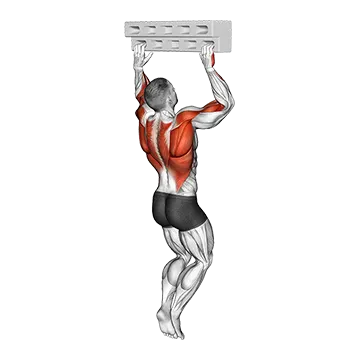
The Handboard Hang with 90 Degree Elbow performs hangboard hangs. The pattern produces extreme isometric grip loading.
For grip strength, the hangboard hang produces extreme isometric grip loading – critical for advanced grip development. Run it for 3 to 5 sets of 10 to 30-second hangs as advanced isometric grip work.
Set up a hangboard or pull-up bar at appropriate height. Grip the hangboard with both hands. Hang with elbows bent at 90 degrees (the 90-degree position increases time under tension by removing the dead-hang relaxation). The grip works at maximum capacity throughout the hold. Hold for the working interval. Drop down between sets. The pattern produces extreme isometric grip loading – advanced grip development that translates to climbing, athletic performance, and the impressive grip capacity that define true grip strength. Progress to dead hangs, weighted hangs, and one-arm hangs for elite grip development.
Trap Bar Deadlift

The Trap Bar Deadlift performs deadlifts with a trap bar. The pattern produces compound grip loading with neutral grip.
For grip strength, the trap bar deadlift produces grip loading with neutral grip position. Run it for 3 to 4 sets of 5 to 8 reps as compound grip work.
Step inside a hex/trap bar. Hinge at the hips and bend the knees to grip the handles at the sides with neutral grip (palms facing each other). Drive through the heels while extending the hips and knees to lift the bar from the floor. Stand fully tall at the top. Lower under control. The pattern produces strong grip loading with the more comfortable neutral grip position – allows substantial loading without grip being limited by stance. Excellent compound grip stimulus alongside back and posterior chain development.
Dumbbell Reverse Wrist Curl

The Dumbbell Reverse Wrist Curl performs reverse wrist curls. The pattern produces direct forearm extensor work.
For grip strength, the reverse wrist curl produces direct forearm extensor work – addresses balanced forearm development. Run it for 3 sets of 12 to 15 reps as forearm extensor work.
Sit on a bench with the forearms resting on the thighs and hands extending past the knees with palms facing down. Hold dumbbells with overhand grip. Lower the dumbbells by allowing the wrists to bend down toward the floor. Lift the dumbbells back up by extending the wrists. The forearm extensors (top of forearm) work hard through pure wrist extension. Squeeze hard at peak. Lower under control. The pattern produces direct forearm extensor work – while forearm flexors drive crushing grip, balanced forearm extensor development supports forearm strength and prevents imbalances that contribute to elbow issues like tennis elbow.
Barbell Bent Over Row

The Barbell Bent Over Row performs barbell rows. The pattern produces compound grip loading alongside back work.
For grip strength, the bent-over row produces compound grip loading throughout the rep range. Run it for 3 to 4 sets of 6 to 10 reps as compound grip/back work.
Stand with feet hip-width holding a barbell at the front of the thighs with overhand grip. Hinge forward at the hips with a flat back so the torso is at about 45 degrees. Pull the bar to the lower chest by retracting the shoulder blades. The grip works hard throughout every rep holding the heavy bar. Lower under control. The pattern produces compound grip loading alongside back work – rows force the grip to work hard throughout the rep range while building back development. For increased grip emphasis, use double overhand grip without straps and consider fat grip attachments.
Dumbbell Shrug

The Dumbbell Shrug performs shrugs with dumbbells. The pattern produces grip loading combined with trap work.
For grip strength, dumbbell shrugs produce strong grip loading – holding heavy dumbbells throughout the rep range. Run it for 3 to 4 sets of 8 to 12 reps as compound grip/trap work.
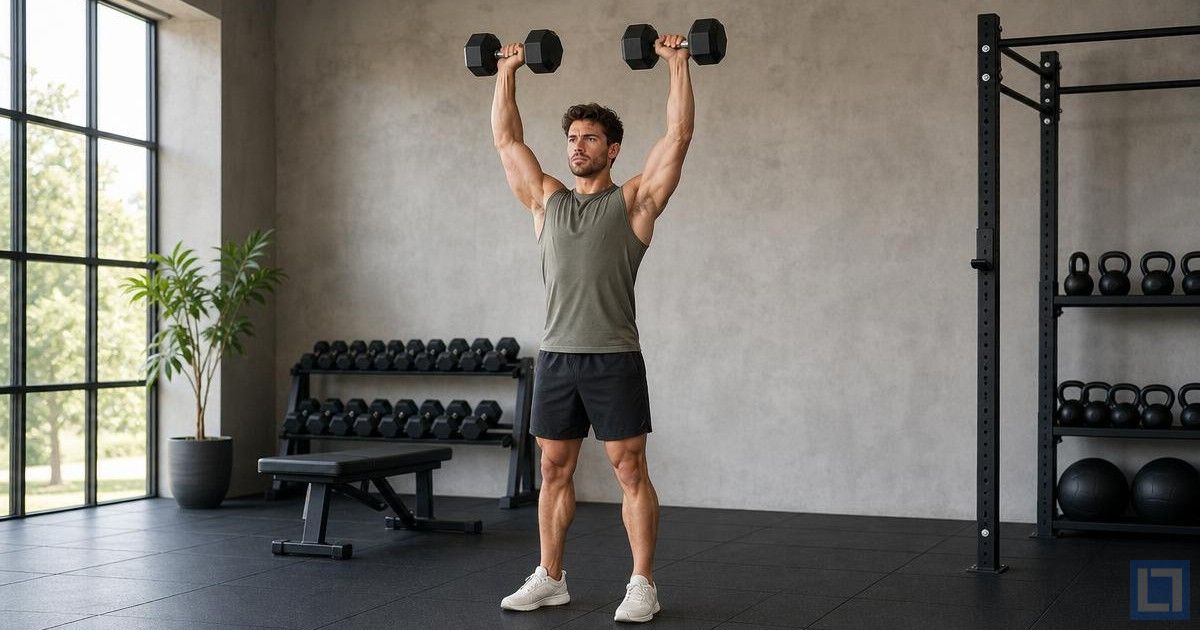
Stand with feet hip-width holding heavy dumbbells at the sides with arms straight. Shrug the shoulders straight up toward the ears by elevating the shoulder blades. The grip works hard throughout the rep holding heavy dumbbells, while the upper traps work through elevation. Squeeze the traps hard at peak. Lower under control. The pattern produces combined grip and trap loading – heavy dumbbell shrugs force the grip to work at maximum capacity holding heavy weights through full sets. Excellent for combined grip and trap development.
How To Program These Workouts
A productive grip strength session pulls 5 to 7 exercises from the list above. A common balanced session: barbell deadlift (heavy compound), farmers walk (loaded carries), pull-up (compound grip), handboard hang with 90 degree elbow (isometric), dumbbell one arm wrist curl (direct forearm flexor), dumbbell reverse wrist curl (direct forearm extensor), dumbbell shrug (compound grip/trap). For maximum grip strength focus: barbell deadlift without straps, farmers walk, handboard hang, barbell wrist curl. For grip endurance focus: farmers walk, pull-up, dumbbell shrug, barbell bent over row. Run heavy compound pulling for 3 to 4 sets of 3 to 8 reps without straps, loaded carries for 3 to 5 sets of 30 to 60-seconds, isometric hangs for 3 to 5 sets of 10 to 30-seconds, direct forearm work for 3 sets of 12 to 15 reps.
Train grip 1 to 3 times per week as part of complete programming. Most successful grip programs structure work as: 1) integrated grip work in heavy pulling sessions (deadlifts, rows without straps), 2) dedicated grip sessions 1 to 2 times per week (4 to 6 grip exercises), 3) optional grip finishers in main sessions (farmers walks, hangs at end of training). The grip recovers reasonably quickly and tolerates higher frequency for those wanting accelerated development. The forearms specifically benefit from higher frequency (2 to 3 times per week) for accelerated grip strength development. Combined with strap-free heavy pulling and progressive overload over time, dedicated grip training produces measurable grip strength improvement within 8 to 12 weeks.
For broader programming, see our how to build bigger forearms and best forearm exercises. For specific work, see our best workouts for strongman.
Final Thoughts
The best workouts for grip strength deliver real grip strength improvements through training that targets all components of grip development: heavy compound pulling without straps for foundational grip stimulus, loaded carries for sustained grip loading, isometric work for advanced grip capacity, direct forearm isolation for balanced forearm development, and combined patterns for integrated grip and back development. The combination of farmers walks, deadlifts (barbell and trap bar), pull-ups, rows, hangs, wrist curls (flex and extend), and shrugs covers every functional pattern of grip strength and produces broader athletic capacity than strap-dependent training would suggest. Many lifters discover crushing grip strength, better climbing performance, improved athletic grip, and broader strength capacity within 8 to 12 weeks of adding consistent grip training. For lifters seeking stronger grip for deadlifts, climbing, athletic performance, or general strength applications, dedicated grip training is one of the most effective interventions available.
Stay focused on training grip without straps in compound work. The most common mistake lifters make in grip training is using lifting straps for all heavy pulling work – which completely prevents grip from being trained during compound exercises. The fix: train without straps as long as possible (using straps only when grip is the limiting factor preventing progress on the target muscle group). Most successful grip-focused programs prioritize strap-free heavy pulling (deadlifts, rows, pull-ups) as the primary grip stimulus, with dedicated grip work supporting it. Combined with progressive overload, adequate volume, and varied training modalities (carries, hangs, wrist curls), strap-free heavy pulling produces the foundational grip strength that strap-dependent training never achieves.
Frequently Asked Questions
How can I build stronger grip strength?
Heavy compound pulling without straps plus loaded carries. Heavy deadlifts and rows without straps force the grip to work at maximum capacity throughout the lift. Farmers walks produce sustained grip loading under dynamic conditions. Combined with hangs (isometric grip work), wrist curls (direct forearm isolation), and pull-ups, these form the foundation of grip development. The fastest gains come from training without straps in compound work plus dedicated grip exercises 1 to 2 times per week.
What’s the best exercise for grip strength?
Heavy deadlifts without straps and farmers walks. Heavy deadlifts produce extreme grip loading throughout the lift – the grip must hold maximum weight under dynamic conditions. Farmers walks produce sustained grip loading. Combined with hangs (isometric capacity) and direct forearm work (wrist curls), these form the foundation of complete grip development. Most lifters with the strongest grips have built them on consistent strap-free deadlift training plus loaded carries.
How often should I train grip?
1 to 3 times per week minimum. The grip recovers reasonably quickly and tolerates higher frequency. Most successful programs include: 1) strap-free heavy pulling in regular training (deadlifts, rows, pull-ups), 2) dedicated grip sessions 1 to 2 times per week, 3) optional grip finishers in main sessions. The forearms specifically benefit from higher frequency (2 to 3 times per week with appropriate volume distribution). Total weekly grip stimulus comes from compound work plus dedicated training.
Should I use lifting straps?
Strategically – not for all heavy pulling. Lifting straps prevent grip training during compound work. For grip development, train without straps as long as possible. Use straps only when grip is the limiting factor preventing progress on the target muscle group (e.g., when deadlifting heavy enough that grip fails before back/legs). Most successful grip-focused programs use straps minimally – typically only on the heaviest sets when grip would otherwise prevent training the target muscle adequately.
How long does it take to improve grip strength?
8 to 12 weeks for measurable improvement, ongoing for advanced grip. Most lifters who consistently apply strap-free heavy pulling plus dedicated grip work see measurable grip strength improvement within 8 to 12 weeks. Beginners often see faster initial gains. Advanced grip athletes (climbers, grip sport competitors) progress slower but continue improving with proper programming. Long-term grip strength development requires patience, progressive overload, and varied training modalities (compound, carries, hangs, isolation) across years of training.