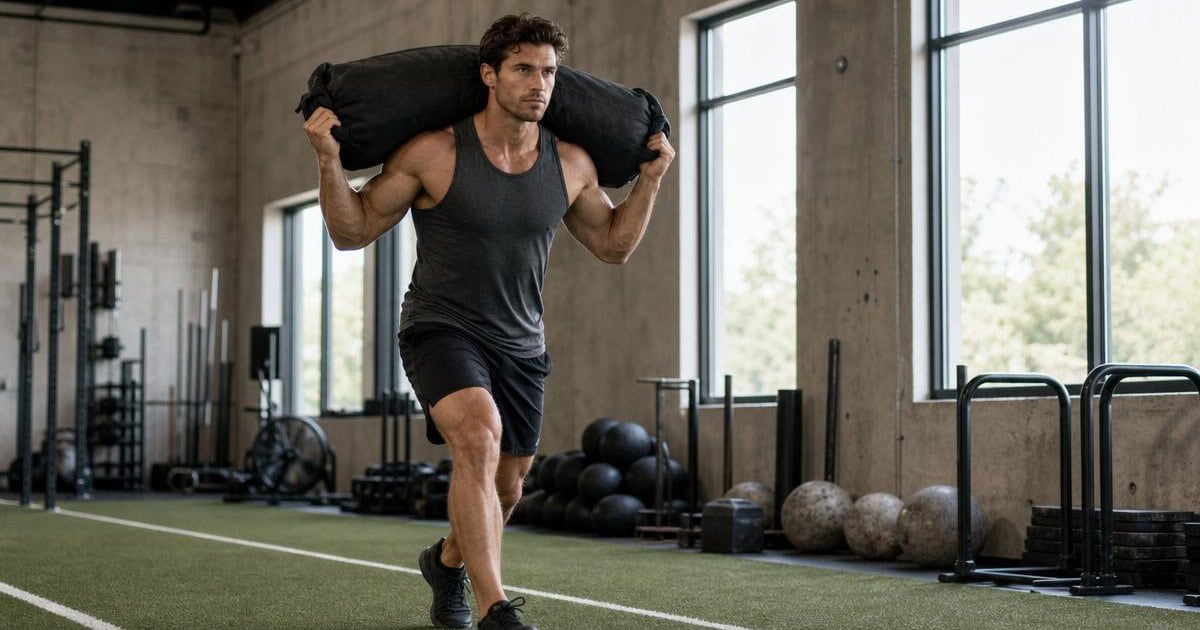
Strongman-focused training centers on building the maximum strength and event-specific capacity that strongman competition demands across deadlifts, presses, carries, atlas stones, log press, yoke walks, vehicle pulling, tire flips, and other events. Strongman athletes who consistently train compound strength alongside event-specific work see measurable improvements: heavier deadlifts and squats through periodized strength training, more explosive overhead pressing for log press and axle events, longer farmers walks and yoke walks through grip endurance and carry capacity, more powerful atlas stone loading through full-body strength, and broader event capacity through varied training. The most effective strongman programs prioritize: 1) heavy compound strength (deadlifts, squats, presses) as the foundation, 2) event-specific work (farmers walks, log press, atlas stones, yoke walks), 3) trap and back work for the massive upper-body that strongman demands, 4) periodization that includes both heavy strength phases and event-specific peaking phases, and 5) sufficient recovery and nutrition for the extreme demands of strongman training.
Below are ten of the most effective exercises for strongman, covering compound strength foundations (barbell deadlift, barbell squat, barbell seated overhead press, barbell sumo deadlift, trap bar deadlift), event-specific work (farmers walk), back development (barbell bent over row), trap development (dumbbell shrug), accessory pressing (dumbbell seated shoulder press), and accessory leg work (sled 45 leg press). Together they form a complete strongman program. A 90-minute strongman session pulled from this list, performed 3 to 5 times per week with proper periodization, produces strong development for amateur strongman competitors, professional strongman athletes, and strongman-style strength training enthusiasts.
Barbell Deadlift

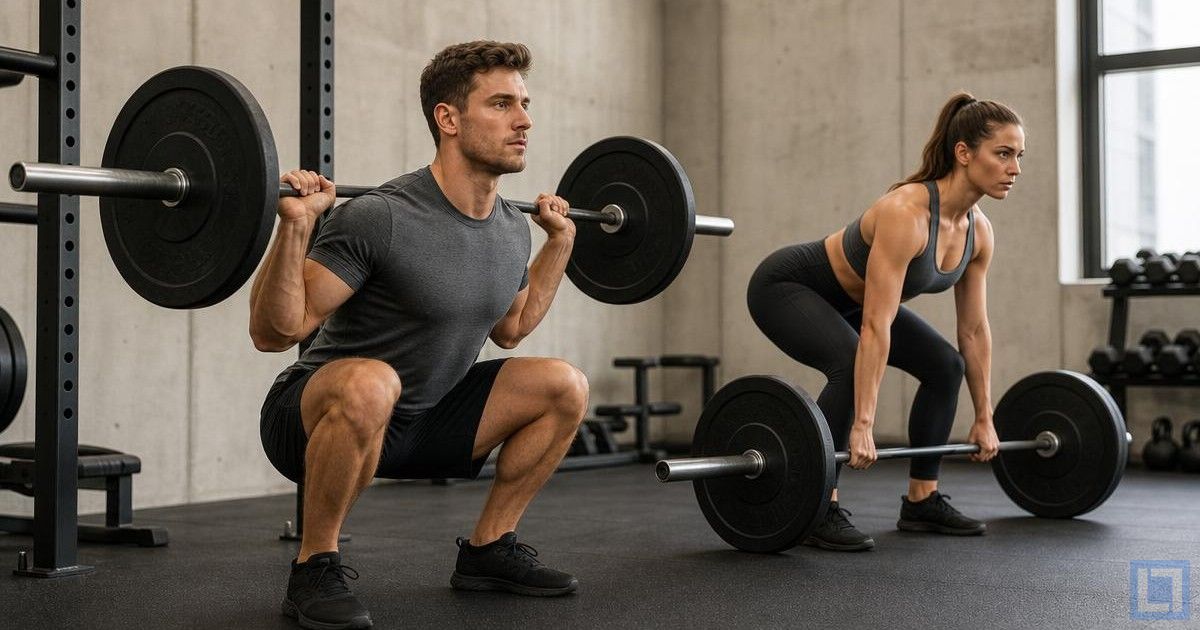
The Barbell Deadlift performs barbell deadlifts. The pattern is foundational for strongman pulling events.
For strongman athletes, the deadlift is foundational. The pattern translates directly to deadlift events, atlas stones, and tire flips. Run it for 4 to 6 sets of 1 to 5 reps as primary pulling strength work.
Stand with feet hip-width with a barbell on the floor over the mid-foot. Hinge at the hips and bend the knees to grip the bar. Drive through the heels while extending the hips and knees to lift the bar from the floor. Stand fully tall at the top with the lockout. Lower under control. The pattern is foundational for strongman – heavy deadlift carries over to deadlift events, atlas stones, tire flips, and any pulling-based event. Most successful strongman programs include deadlifts as primary pulling strength work.
Barbell Squat

The Barbell Squat performs back squats. The compound pattern builds foundational lower-body strength for strongman events.
For strongman athletes, the squat builds foundational leg strength used in nearly every event. Run it for 4 to 6 sets of 1 to 8 reps as primary lower-body strength work.
Set up a barbell on a rack at upper back height. Position the bar across the upper back. Step back with feet shoulder-width or wider. Squat down by bending the knees and hips. Lower until the thighs are parallel to the floor or below. Drive back up through the heels. The pattern produces foundational leg strength critical for strongman – leg strength supports yoke walks, log press, atlas stones, vehicle pushing, and nearly every strongman event. Heavy squat strength translates directly to broad strongman performance.
Barbell Seated Overhead Press

The Barbell Seated Overhead Press performs strict overhead press. The pattern is foundational for strongman pressing events.
For strongman athletes, the overhead press is foundational. The pattern translates directly to log press, axle press, and overhead pressing events. Run it for 4 to 5 sets of 3 to 6 reps as primary pressing work.
Sit on a bench with the back firmly against an upright pad. Grip a barbell slightly wider than shoulder-width with overhand grip. Unrack the bar to shoulder height. Press the bar straight overhead by extending the arms. Lower under control to shoulder height. The pattern is foundational for strongman pressing – heavy overhead press capacity carries directly over to log press, axle press, and overhead implements. Most strongman athletes train both seated press (strength) and standing press (event-specific) variations.
Farmers Walk
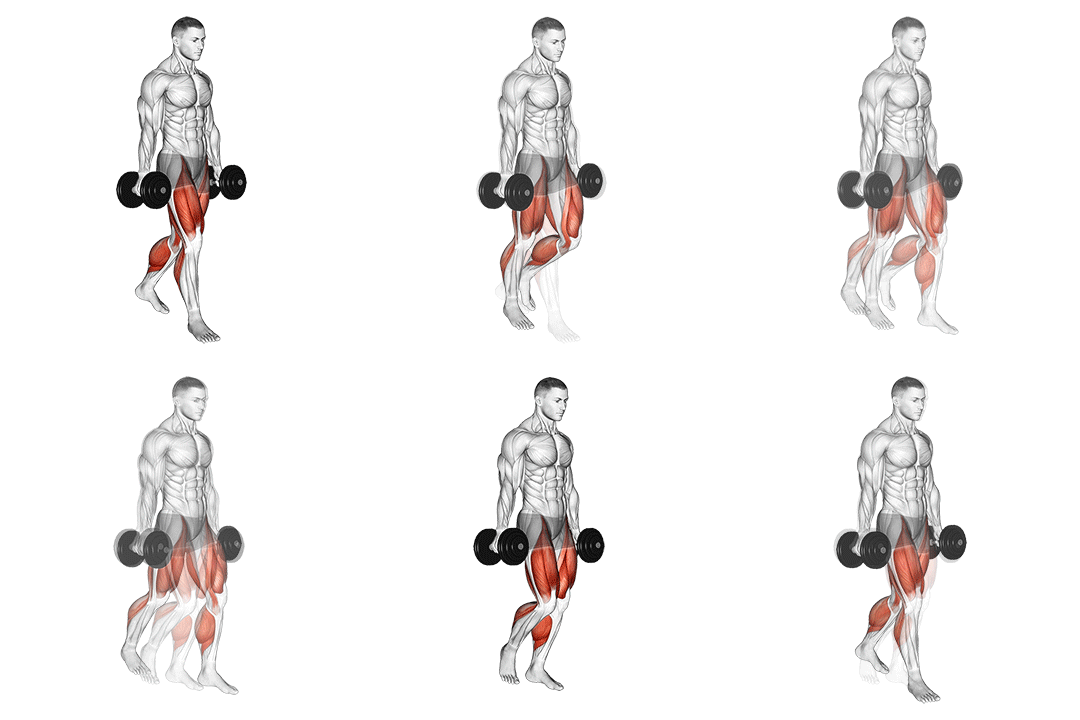
The Farmers Walk performs loaded carries with weights at the sides. The pattern is the foundational strongman event itself.
For strongman athletes, farmers walks ARE a strongman event. The pattern requires extreme grip strength, core stability, and conditioning. Run it for 5 to 8 sets of 50 to 100-foot walks as event-specific work.
Stand holding heavy weights (purpose-built farmers handles, dumbbells, or trap bar) in each hand at the sides. Walk forward with controlled steps, maintaining tall posture and tight core. Continue for the working interval (typically 50 to 100 feet in competition, longer in training for endurance). The grip, core, traps, and posterior chain all work hard isometrically. The pattern is foundational strongman – farmers walks appear in nearly every strongman competition. Heavy farmers walk capacity translates to better grip, core, and overall strongman performance.
Trap Bar Deadlift

The Trap Bar Deadlift performs deadlifts with a hex/trap bar. The pattern is foundational for strongman pulling.
For strongman athletes, the trap bar deadlift complements barbell deadlifts. The neutral grip position reduces lower-back stress while allowing heavy loading. Run it for 4 sets of 3 to 8 reps as primary pulling work.
Step inside a hex/trap bar. Hinge at the hips and bend the knees to grip the handles at the sides with neutral grip (palms facing each other). Drive through the heels while extending the hips and knees to lift the bar from the floor. Stand fully tall at the top. Lower under control. The pattern is excellent strongman work – the neutral grip position and bar path closely mirror many strongman events (atlas stones, sandbag carries, vehicle pulling). Trap bar deadlifts allow heavy loading with reduced lower-back stress compared to conventional deadlifts.
Barbell Bent Over Row

The Barbell Bent Over Row performs barbell rows. The pattern produces strong back work supporting all strongman events.
For strongman athletes, the bent-over row builds the back strength essential for deadlifts and event work. Run it for 4 sets of 6 to 10 reps as primary back accessory work.
Stand with feet hip-width holding a barbell at the front of the thighs with overhand grip. Hinge forward at the hips with a flat back so the torso is at about 45 degrees. Pull the bar to the lower chest by retracting the shoulder blades and pulling the elbows back. The lats, rhomboids, traps, and rear delts work hard. Squeeze the shoulder blades hard at peak. Lower under control. The pattern builds the upper back strength critical for strongman – strong upper back supports deadlift integrity, atlas stone work, and event-specific pulling.
Dumbbell Shrug

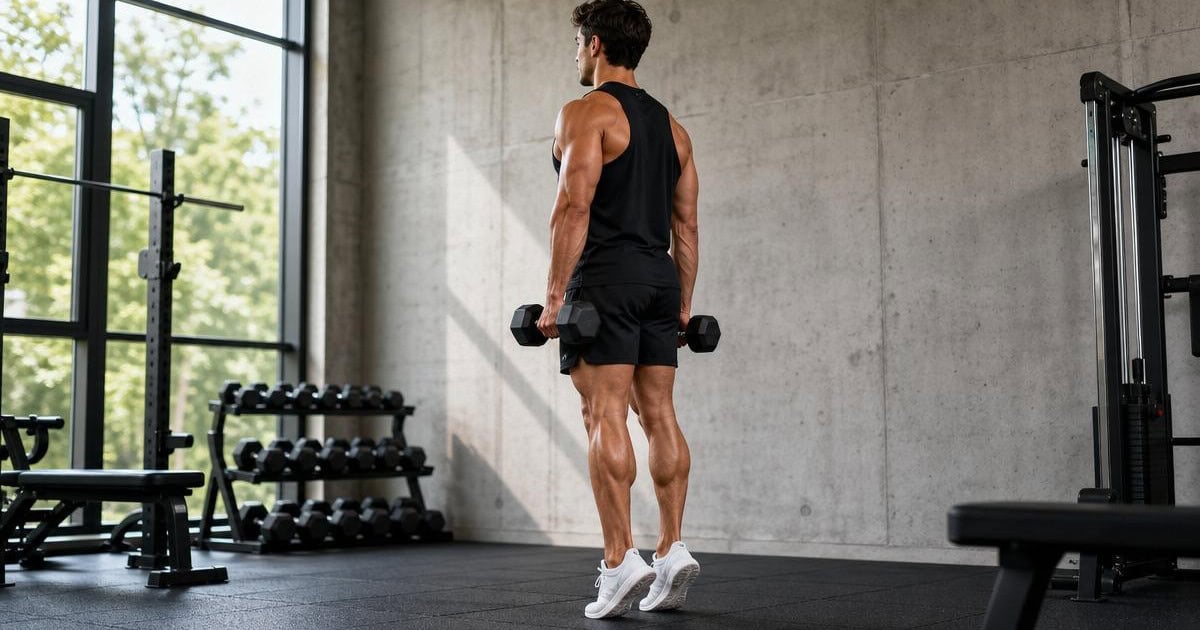
The Dumbbell Shrug performs shrugs with dumbbells. The pattern produces direct trap loading for strongman.
For strongman athletes, shrugs build the massive traps that strongman demands. Run it for 4 sets of 8 to 15 reps as primary trap work.
Stand with feet hip-width holding heavy dumbbells at the sides with arms straight. Shrug the shoulders straight up toward the ears by elevating the shoulder blades. The upper traps work hard through elevation. Squeeze the traps hard at peak. Lower under control. The pattern produces direct upper trap loading critical for strongman – strong, developed traps support farmers walks, deadlifts, atlas stones, yoke walks, and nearly every strongman event. The traps are some of the most-used muscles in strongman, so dedicated heavy trap work is essential.
Barbell Sumo Deadlift

The Barbell Sumo Deadlift performs sumo-stance deadlifts. The pattern provides deadlift variation work for strongman.
For strongman athletes, the sumo deadlift provides deadlift variation work. Run it for 4 sets of 3 to 6 reps as primary deadlift variation work.
Stand with feet wide (typically about 2x shoulder-width) and toes pointed outward, with a barbell on the floor. Grip the bar with hands inside the legs. Drive through the heels while extending the hips and knees to lift the bar from the floor. The wide stance reduces the range of motion and emphasizes glutes/quads. Stand fully tall at the top. Lower under control. The pattern provides deadlift variation work – strongman athletes often compete with both conventional and sumo styles. Sumo emphasizes glutes and quads while reducing range of motion.
Dumbbell Seated Shoulder Press

The Dumbbell Seated Shoulder Press performs strict overhead press with dumbbells. The pattern produces strong shoulder/tricep work.
For strongman athletes, the dumbbell shoulder press provides accessory pressing work that addresses imbalances. Run it for 3 to 4 sets of 6 to 12 reps as accessory pressing work.
Sit on a bench with the back firmly against an upright pad. Hold dumbbells at shoulder height with palms facing forward. Press the dumbbells straight overhead by extending the arms. Lower under control. The pattern produces strong shoulder and tricep work that supports overhead pressing events. The dumbbell loading allows for greater range of motion than barbell pressing and addresses left/right imbalances common in heavy barbell pressing.
Sled 45 Leg Press
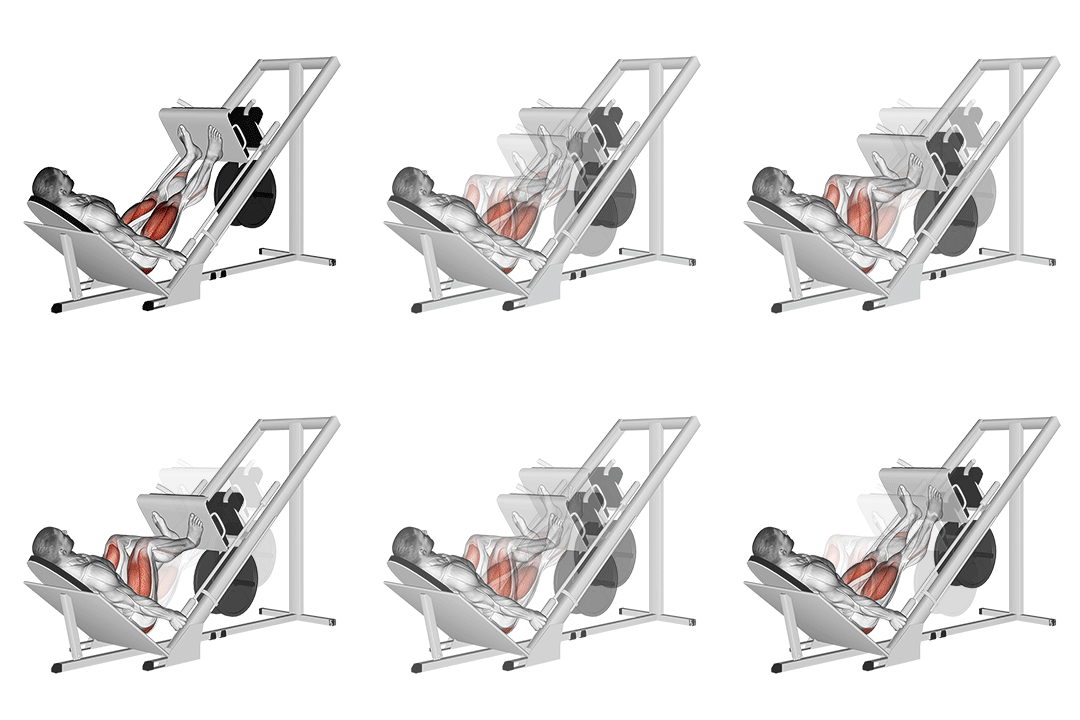
The Sled 45 Leg Press performs leg press on a 45-degree sled machine. The pattern allows extreme heavy leg loading for strongman.
For strongman athletes, the leg press builds heavy lower-body mass without the recovery cost of squats. Run it for 3 to 4 sets of 8 to 15 reps as accessory leg work.
Set up on a 45-degree sled leg press machine. Sit on the seat with the back firmly against the pad. Place the feet on the platform shoulder-width with knees bent. Press the platform up by extending the knees and hips fully. Lower the platform under control until the knees bend deeply. The pattern allows for extreme heavy compound leg work with reduced lower-back stress compared to squats – excellent for strongman athletes building leg mass without compromising recovery for heavy squatting and deadlifting.
How To Program These Workouts
A productive strongman week typically follows a 3 to 4 day periodized split mixing strength and event work. A common pattern: Day 1 (deadlift focus): barbell deadlift (heavy), barbell sumo deadlift (variation), barbell bent over row, dumbbell shrug. Day 2 (press focus): barbell seated overhead press (heavy), dumbbell seated shoulder press (accessory), event-specific pressing (log/axle when available). Day 3 (squat/event focus): barbell squat (heavy), sled 45 leg press, farmers walk (heavy carry). Day 4 (optional event day): event-specific work (atlas stones, yoke walks, tire flips, vehicle pulling – whatever events are upcoming). Run main strength work for 3 to 6 sets of 1 to 5 reps with periodized programming, accessory work for 3 to 4 sets of 6 to 12 reps, event work for 3 to 5 sets of work-to-completion or specified time/distance.
Train strongman 3 to 5 times per week with periodized programming. Most successful strongman programs follow established periodization patterns – block periodization with strength blocks (heavy compound work) followed by event blocks (event-specific work) leading into competition. Schedule heavy work with at least 48 to 72 hours recovery between heavy lower-body sessions. Strongman is recovery-limited – the extreme loads and event demands require more recovery than typical strength training. Most strongman athletes peak for specific competitions with 4 to 8 week peaking cycles that decrease overall volume while maintaining or increasing event-specific intensity.
For broader programming, see our best workouts for powerlifting and best workouts for strength. For specific work, see our best deadlift workouts.
Final Thoughts
The best workouts for strongman deliver continuous strength improvements and event capacity development through training that targets the specific demands of the sport: heavy compound strength on the squat, deadlift, and press; event-specific work on farmers walks and other carries; massive trap and back development for the events; accessory work that addresses individual weaknesses; and periodization that peaks for specific competitions. The combination of compound strength foundations, event-specific work, dedicated accessory development, and proper periodization covers every element of strongman development and produces continuous progress through training careers. Most strongman athletes who consistently apply these principles see measurable improvement in event totals within each training cycle. For strongman athletes seeking competition success, addressed weaknesses, or continued strength progress, dedicated programming around heavy compound strength plus event-specific work is the foundation of the sport.
Stay focused on event-specific work alongside strength development. The most common mistake newer strongman athletes make is over-emphasizing pure strength training (squats, deadlifts, presses) without sufficient event-specific work (farmers walks, atlas stones, log press, yoke walks). The fix: include regular event-specific work alongside strength training – typically 1 to 2 weekly event sessions in addition to strength sessions. Strongman is event-specific, and pure barbell strength does not always translate directly to event performance. Combined with proper periodization, recovery, and nutrition, balanced strength + event work produces the strongman competitive results that pure barbell training cannot achieve.
Frequently Asked Questions
How often should strongman athletes train?
3 to 5 times per week with periodized programming. The optimal pattern: 2 to 3 heavy strength days plus 1 to 2 event-specific days. Schedule heavy work with at least 48 to 72 hours recovery between heavy lower-body sessions. Strongman is recovery-limited – the extreme loads and event demands require more recovery than typical strength training. More than 5 weekly sessions can work for advanced athletes during specific phases but produces overtraining risk for most. Quality work with proper recovery beats frequency.
What’s the most important strongman exercise?
Heavy deadlifts and overhead pressing are most important. The deadlift translates directly to deadlift events, atlas stones, and tire flips. The overhead press translates to log press, axle press, and overhead events. Combined with squats (foundational leg strength) and farmers walks (event-specific grip and carry capacity), these form the foundation of strongman strength. Most successful strongman programs include all of these as primary movements.
How important are events vs barbell strength?
Both equally important – they support each other. Pure barbell strength provides the foundational capacity that supports event work, but doesn’t always translate directly to events. Event-specific work develops the specific patterns, grip endurance, and conditioning that competitions demand. Most successful strongman athletes train both – typically 60 to 70% of training time on barbell strength and 30 to 40% on event-specific work. Pure barbell training without event work produces incomplete strongman capability.
Should I do farmers walks for strongman?
Yes – foundational event work. Farmers walks appear in nearly every strongman competition and are foundational for strongman success. Heavy farmers walk capacity translates to grip strength, core stability, and conditioning that supports nearly every other strongman event. Most successful strongman programs include weekly farmers walk training, typically 5 to 8 sets of 50 to 100-foot walks with progressive loading. Build to handling 1.5x to 2x bodyweight per hand for moderate distances as a strongman benchmark.
How heavy should strongman athletes lift?
Periodized weights based on the training cycle and competition prep. Strength phases use heavy weights (80-95%+ of one-rep max) for 1 to 5 reps. Volume phases use moderate weights (65-80%) for 5 to 10 reps. Event-specific work uses the actual competition weights or slightly heavier for build phases. Most successful strongman programs follow planned cycles that progress through these intensity zones rather than always training at maximum effort. Long-term progression in strongman requires patience and proper periodization rather than constant maximum effort.