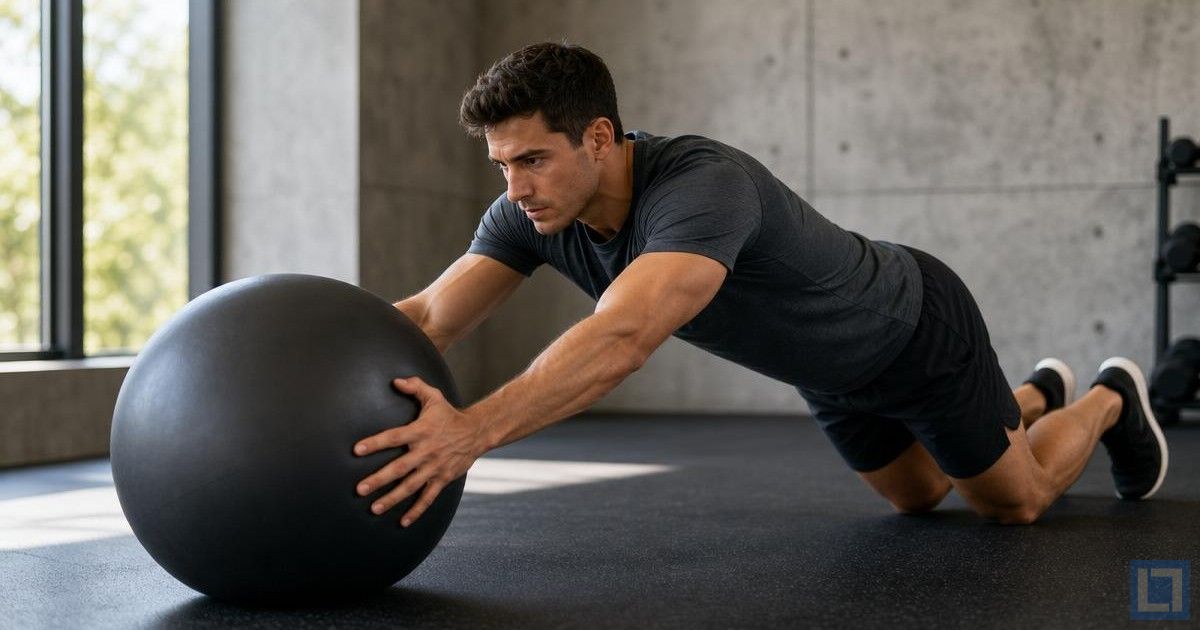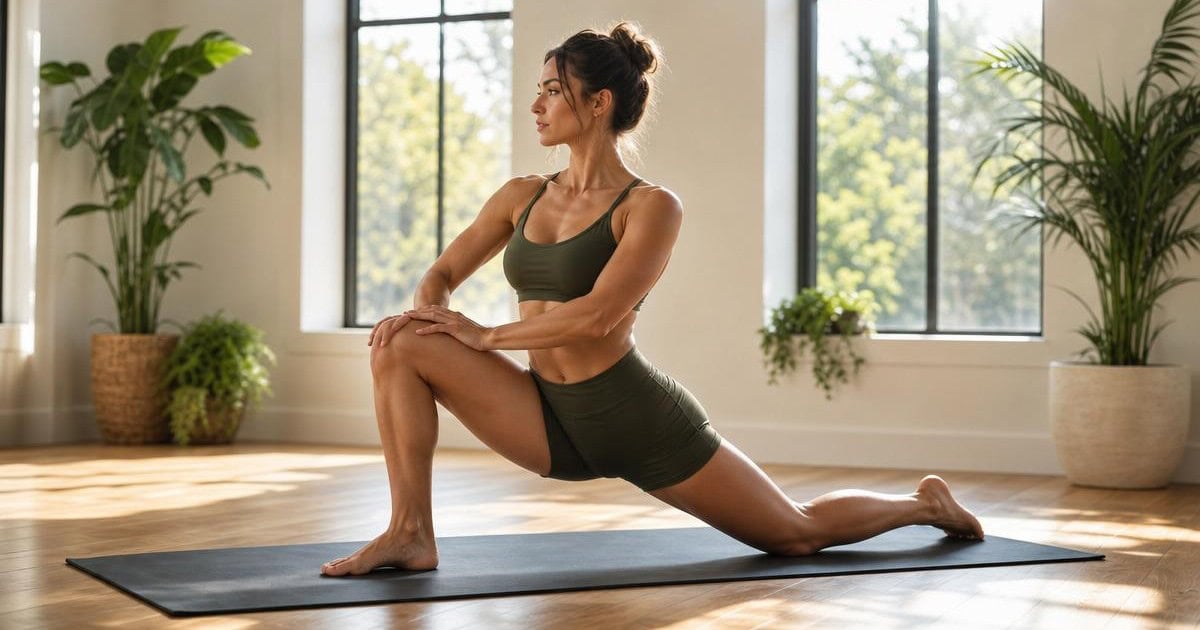
Building flexibility through dedicated stretching and mobility work transforms movement quality, athletic performance, injury prevention, daily comfort, and long-term physical health by systematically addressing the tightness, mobility limitations, and movement restrictions that develop with regular activity, prolonged sitting, training, and modern life. Comprehensive flexibility training supports: better movement quality through full range of motion, improved athletic performance through unrestricted movement patterns, reduced injury risk through proper joint mechanics, easier daily activities through full mobility, better posture through reduced muscle tightness, improved circulation through full-body movement, reduced muscle tension through regular stretching, better sleep quality through reduced physical tension, and the integrated benefits of dedicated flexibility practice. Most successful flexibility programs include dedicated 20 to 45-minute flexibility sessions 1 to 3 times per week alongside daily shorter mobility work (5 to 15 minutes) addressing personal tight areas. Flexibility is built through frequent gentle practice over time – quality flexibility training prioritizes consistency over intensity. Modern life produces specific flexibility limitations (tight hips from sitting, tight chest and shoulders from computer use, tight calves from shoes, tight forearms from gripping, limited thoracic mobility from rounded posture) that benefit from systematic flexibility training.
Below are ten of the most effective exercises for flexibility development, covering primary full-body flexibility (child pose), spinal mobility (cat-cow stretch, open book stretch), hip flexibility (kneeling hip flexor stretch, seated piriformis stretch, knee-to-chest stretch), upper-body decompression (dead hang stretch), lower-leg flexibility (standing gastrocnemius calf stretch, feet and ankles stretch), and forearm flexibility (wrist flexor stretch). Together they form a complete flexibility program addressing the most commonly limited areas in active and sedentary individuals. A 20 to 35-minute session pulled from this list, performed 2 to 4 times per week, produces strong flexibility development for any individual seeking better movement quality, reduced muscle tightness, improved athletic performance, or general physical health support.
Child Pose

The Child Pose performs the child pose stretch. The pattern is foundational for flexibility.
For flexibility development, the child pose is foundational. Run it for 3 sets of 60 to 90-second holds as primary full-body stretching.
Kneel on the floor with knees wide and big toes touching. Sit back on the heels and reach the arms forward extending the spine. Allow the chest to lower toward the floor between the thighs. Hold for 60 to 90 seconds. The lats, lower back, and hips stretch gently. The pattern is foundational for flexibility – the child pose produces gentle full-body stretch that addresses lats, lower back, and hips simultaneously. Excellent foundational flexibility exercise that supports total-body mobility through gentle sustained stretching.
Cat Cow Stretch

The Cat Cow Stretch performs cat-cow spinal mobility. The pattern produces dynamic spinal flexibility.
For flexibility development, the cat-cow stretch produces dynamic spinal mobility. Run it for 3 sets of 8 to 12 reps as spinal mobility work, daily.
Position on hands and knees with hands under shoulders and knees under hips. Inhale and arch the back, lifting the head and tailbone (cow position). Exhale and round the back, tucking the chin to chest and tailbone under (cat position). Continue alternating slowly. The pattern produces dynamic spinal flexibility – excellent for flexibility because the alternating spinal flexion and extension addresses the entire spine, mobilizes spinal joints, and improves overall spinal flexibility. Combined with other dynamic mobility work, cat-cow supports complete spinal flexibility.
Kneeling Hip Flexor Stretch
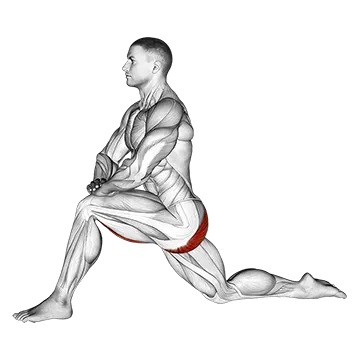
The Kneeling Hip Flexor Stretch performs hip flexor stretching. The pattern addresses critical hip flexor tightness.
For flexibility development, the kneeling hip flexor stretch addresses hip flexor tightness. Run it for 3 sets of 30 to 60-second holds per side as hip flexibility work, daily.
Kneel on one knee with the other foot planted in front (about hip-width apart). Tuck the pelvis slightly and lean forward into the front leg, feeling stretch through the front hip on the kneeling leg side. Hold for 30 to 60 seconds. Switch sides. The pattern produces direct hip flexor stretching – critical for flexibility because hip flexor tightness is one of the most common flexibility limitations from prolonged sitting. The stretch addresses tight hip flexors, supports proper hip mobility, and reduces the lower back compensation patterns that develop with tight hips.
Seated Piriformis Stretch
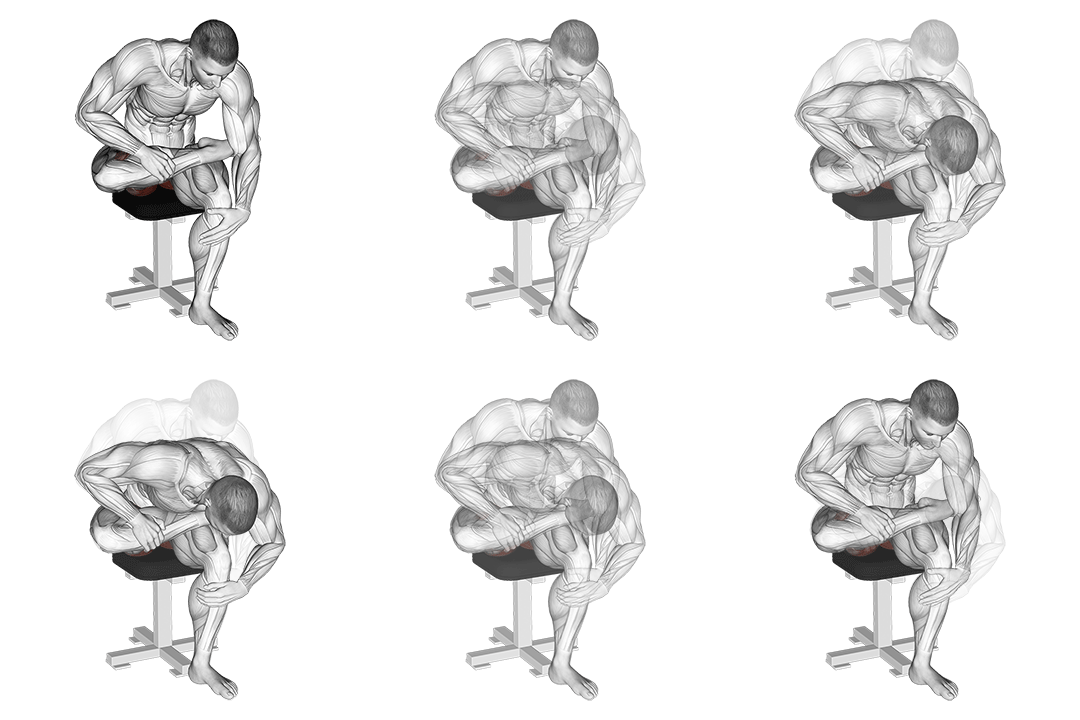
The Seated Piriformis Stretch performs piriformis stretching. The pattern addresses deep glute and hip flexibility.
For flexibility development, the seated piriformis stretch addresses deep glute flexibility. Run it for 3 sets of 30 to 60-second holds per side as glute flexibility work.
Sit on the floor with one leg extended and the other leg crossed over with the foot planted on the floor on the opposite side. Pull the knee of the crossed leg toward the opposite shoulder while rotating the torso. Feel deep stretch in the glute. Hold for 30 to 60 seconds. Switch sides. The pattern produces direct piriformis and deep glute stretching – critical for flexibility because the deep glute muscles are commonly tight and contribute to limited hip flexibility. Daily piriformis stretching addresses deep hip flexibility limitations.
Dead Hang Stretch

The Dead Hang Stretch performs dead hangs from a pull-up bar. The pattern produces full upper-body flexibility.
For flexibility development, the dead hang produces shoulder and lat decompression and stretch. Run it for 3 sets of 30 to 60-second hangs as upper-body flexibility work, daily.
Hang from a pull-up bar with hands shoulder-width apart and a passive dead hang position (relaxed shoulders). Hold the position for the working interval. The shoulders decompress, the lats stretch, and the upper body lengthens. The pattern produces excellent shoulder and lat decompression – critical for flexibility because the lats and shoulders are commonly tight from upper-body training and computer use. Daily dead hangs decompress the shoulders, stretch the lats, and provide passive upper-body flexibility improvement.
Open Book Stretch

The Open Book Stretch performs thoracic mobility stretching. The pattern produces thoracic rotation flexibility.
For flexibility development, the open book stretch produces thoracic mobility. Run it for 3 sets of 8 to 10 reps per side as spinal flexibility work.
Lie on one side with knees bent at 90 degrees and hips stacked. Extend both arms straight in front at shoulder height with palms together. Slowly rotate the top arm and torso open toward the floor behind, opening like a book. Reach the top arm to touch the floor on the opposite side. Hold briefly. Return to start. Switch sides. The pattern produces thoracic rotation mobility – critical for flexibility because thoracic mobility is commonly limited and affects overall spinal flexibility, posture, and shoulder mobility. Daily thoracic work addresses this common flexibility limitation.
Standing Gastrocnemius Calf Stretch

The Standing Gastrocnemius Calf Stretch performs the wall calf stretch. The pattern addresses calf tightness.
For flexibility development, the calf stretch addresses lower-leg flexibility. Run it for 3 sets of 30 to 60-second holds per side as lower-leg flexibility work, daily.
Stand facing a wall about 2 feet away. Place hands on the wall at shoulder height. Step one leg back with the heel down and knee straight. Lean forward into the wall to feel deep stretch through the calf. Hold for 30 to 60 seconds. Switch sides. The pattern produces direct calf stretching – critical for flexibility because tight calves are commonly limiting and affect ankle mobility plus overall lower-body flexibility. Daily calf stretching maintains lower-leg flexibility and supports proper foot and ankle function.
Knee to Chest Stretch

The Knee To Chest Stretch performs knee-to-chest stretching. The pattern produces gentle hip and back flexibility.
For flexibility development, the knee to chest stretch addresses hip and lower back flexibility. Run it for 3 sets of 30 to 60-second holds per side as gentle flexibility work.
Lie on the back with both legs extended. Bring one knee up toward the chest, hugging the knee with both hands. Pull the knee gently toward the chest. Feel stretch through the glute and lower back. Hold for 30 to 60 seconds. Switch sides. The pattern produces gentle lower back and glute stretch – excellent for flexibility because the gentle position addresses both lower back tightness and glute tightness simultaneously. Daily practice supports hip and lower back flexibility.
Wrist Flexor Stretch
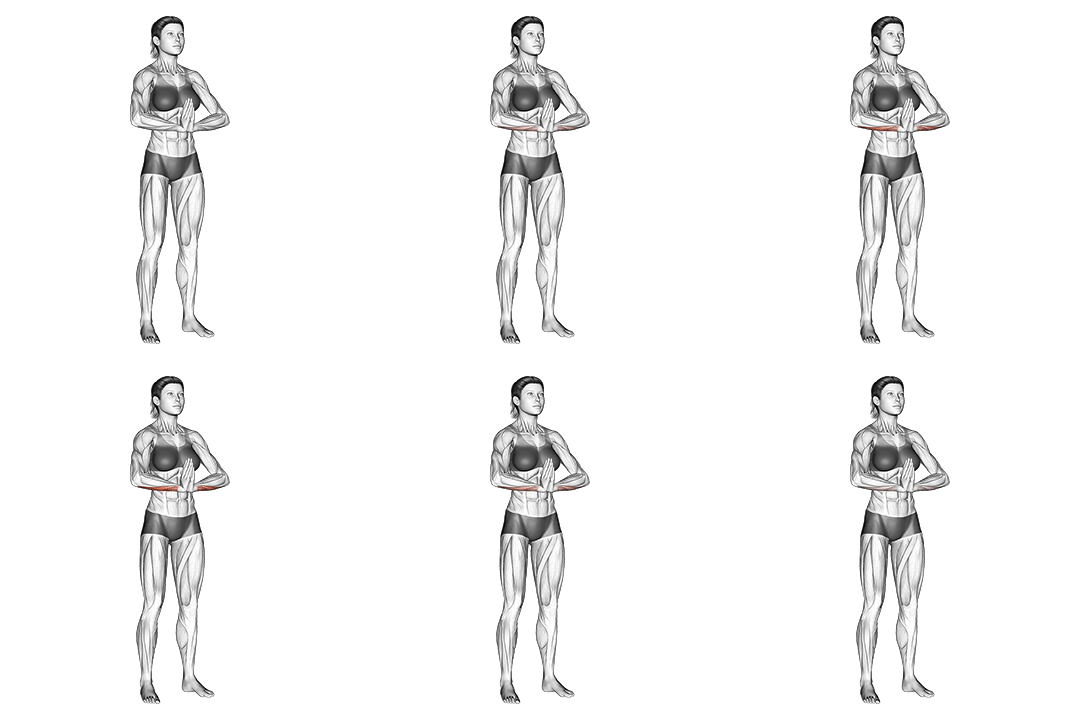
The Wrist Flexor Stretch performs wrist flexor stretching. The pattern addresses forearm and wrist flexibility.
For flexibility development, the wrist flexor stretch addresses forearm flexibility commonly limited from computer use and gripping. Run it for 2 to 3 sets of 30-second holds per side, daily.
Extend one arm forward with palm facing up. Use the other hand to gently pull the fingers back toward the body, creating stretch through the front of the forearm and inner elbow. Hold for 30 seconds. Switch sides. The pattern produces direct forearm flexor stretching – excellent for flexibility because forearm flexibility is commonly limited from computer use, gripping during training, and repetitive hand motions. Daily wrist stretching maintains forearm and wrist flexibility.
Feet and Ankles Stretch

The Feet And Ankles Stretch performs combined foot/ankle stretching. The pattern produces complete lower-extremity flexibility.
For flexibility development, the feet and ankles stretch produces complete foot mobility. Run it for 2 to 3 sets of 30 to 60-second holds, daily.
Sit or stand with feet flat. Slowly stretch through different foot positions – point and flex the toes, rotate ankles, stretch the bottom of the foot, and stretch the top of the foot. Cover all directions of foot motion. Hold each position for the working interval. The pattern produces integrated foot and ankle flexibility – critical for complete flexibility because foot and ankle flexibility supports lower-body mobility patterns and proper foot mechanics. Daily foot mobility maintains foot function and overall lower-body flexibility.
How To Program These Workouts
A productive flexibility session pulls 6 to 8 exercises from the list above. A common balanced session: child pose (foundational full-body), cat-cow stretch (spinal dynamic), kneeling hip flexor stretch (hip), seated piriformis stretch (deep glute), dead hang stretch (upper-body decompression), open book stretch (thoracic mobility), standing gastrocnemius calf stretch (calf), feet and ankles stretch (foot). For dedicated flexibility days: complete all 8 to 10 exercises with longer holds (60 to 90 seconds) and gentle pace. For daily mobility (15 minutes): pick 4 to 5 exercises addressing your most common tight areas. For pre-training mobility (5 to 10 minutes): cat-cow, hip flexor stretch, dead hang, open book stretch. Run static stretching for 2 to 3 sets of 30 to 90-second holds per side, dynamic mobility for 2 to 3 sets of 8 to 12 reps per side.
Train flexibility 2 to 4 times per week as dedicated sessions plus shorter daily mobility. Most successful flexibility programs structure work as: 1) 2 to 3 dedicated flexibility days per week (longer 30 to 45-minute sessions covering all major areas), 2) shorter daily mobility (5 to 15 minutes addressing personal tight areas), 3) pre-training warm-ups (mobility specific to the day’s training), 4) post-training stretching (gentle stretches for trained muscles). The flexibility work supports overall movement quality and prevents accumulated stiffness. Combined with adequate hydration, balanced nutrition, and stress management, dedicated flexibility training optimizes movement quality and supports long-term physical health.
For broader programming, see our best workouts for recovery and how to improve hip mobility. For specific work, see our how to improve thoracic mobility.
Final Thoughts
The best workouts for flexibility deliver real flexibility improvement through dedicated stretching and mobility work that addresses the specific tightness and limitations that develop with regular activity and modern life: full-body flexibility for general mobility, spinal mobility for spinal function, hip flexibility for the most commonly tight area, upper-body decompression for shoulder and lat health, lower-leg flexibility for foot and calf function, and forearm flexibility for hand and elbow health. The combination of child pose, cat-cow, hip flexor stretch, piriformis stretch, knee-to-chest, dead hangs, open book stretches, calf stretch, wrist flexor stretch, and foot mobility covers every major area that benefits from flexibility work and produces broader movement quality, training capacity, and physical health than partial training. Most individuals who consistently apply flexibility work see measurable improvements within 4 to 8 weeks – including reduced muscle tightness, better movement quality, easier daily activities, better posture, improved athletic performance, reduced injury rates, and the integrated physical health that supports long-term physical capacity. For anyone seeking better flexibility, dedicated stretching and mobility work is one of the most effective interventions available.
Stay focused on consistency over intensity for flexibility work. The most common mistake people make in flexibility training is doing intense aggressive stretching that aggravates tissues without producing lasting improvement. The fix: prioritize gentle, consistent practice over occasional intense stretching – daily 10 to 15-minute mobility sessions plus 2 to 3 dedicated flexibility days per week produce better flexibility results than occasional 90-minute aggressive sessions. Combined with proper warm-ups before stretching, gradual progression of holds, and patience with the process, consistent gentle flexibility practice produces the flexibility improvement that aggressive intervention never achieves. Flexibility is built through frequent gentle practice over time.
Frequently Asked Questions
How can I become more flexible?
Daily gentle stretching plus 2 to 3 dedicated flexibility sessions weekly. Daily 10 to 15-minute mobility sessions addressing personal tight areas plus 2 to 3 longer dedicated flexibility days per week produce measurable flexibility improvement within 4 to 8 weeks. Combined with proper warm-ups before stretching, gradual progression, hydration, and patience, this consistent approach produces lasting flexibility gains. The mechanism: flexibility responds best to frequent gentle practice over time rather than occasional aggressive stretching.
What’s the best stretching exercise?
Daily comprehensive mobility addressing personal tight areas. Most active individuals benefit most from: child pose (full-body), kneeling hip flexor stretch (hip), dead hang stretch (upper-body decompression), and addressing personal tight areas. The ‘best’ exercise varies based on individual tightness patterns – someone with tight hips benefits most from hip work, someone with tight shoulders from upper-body decompression. Combined with cat-cow, piriformis stretch, knee-to-chest, open book stretch, calf stretch, wrist flexor stretch, and foot mobility, comprehensive mobility addresses all major flexibility areas.
How long does it take to become flexible?
4 to 8 weeks for measurable improvement, ongoing for substantial change. Most people who consistently apply daily mobility plus dedicated flexibility sessions see measurable improvement within 4 to 8 weeks. Beginners often see initial gains within 2 to 4 weeks. Substantial flexibility change typically takes 3 to 6+ months of consistent practice. The longer flexibility limitations have been established, the longer they take to address. Daily consistency matters more than session intensity for flexibility development.
Should I stretch every day?
Yes – daily mobility supports flexibility better than occasional intense stretching. Most successful flexibility programs include: 1) daily short mobility sessions (10 to 15 minutes addressing personal tight areas), 2) 2 to 3 dedicated longer flexibility sessions per week (30 to 45 minutes covering all major areas), 3) pre-training mobility, 4) post-training stretching. Daily mobility prevents the accumulation of stiffness while supporting ongoing flexibility development. Quality matters more than quantity – gentle consistent practice produces lasting results.
Will stretching make me weaker?
No – properly programmed flexibility work doesn’t reduce strength. Static stretching immediately before maximum-effort lifting may temporarily reduce force production, but flexibility training overall doesn’t reduce strength. The fix: 1) do mobility work after training or as separate sessions, 2) use dynamic mobility before strength training (joint movements rather than long static holds), 3) save longer static stretching for after training or rest days. Combined with proper programming, flexibility training improves movement quality without compromising strength.