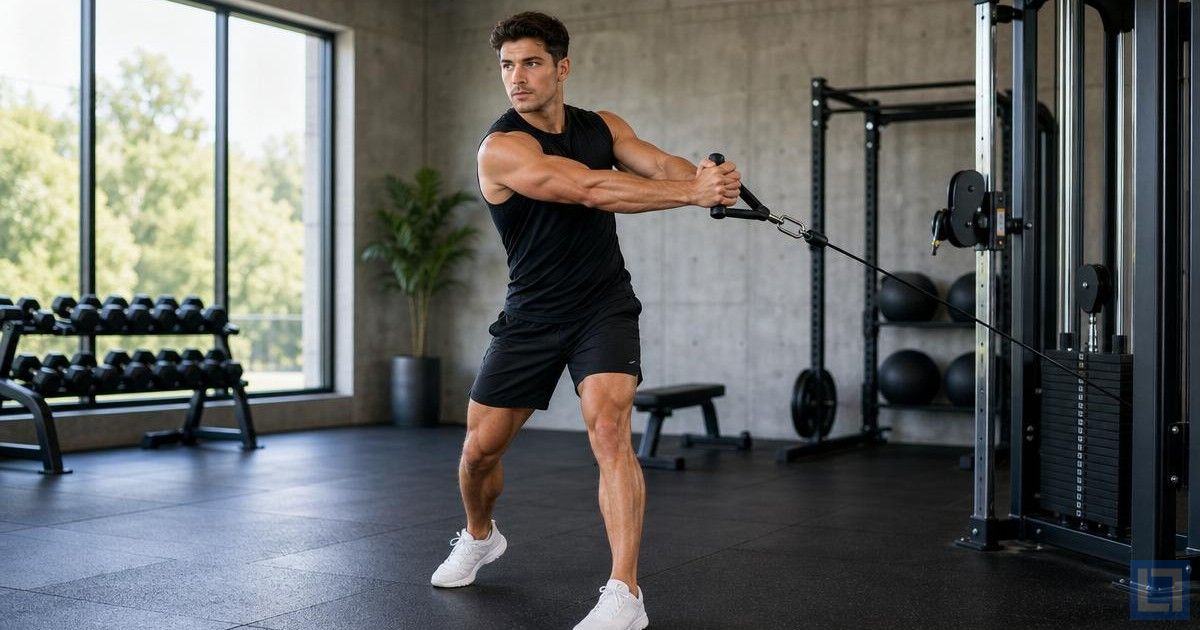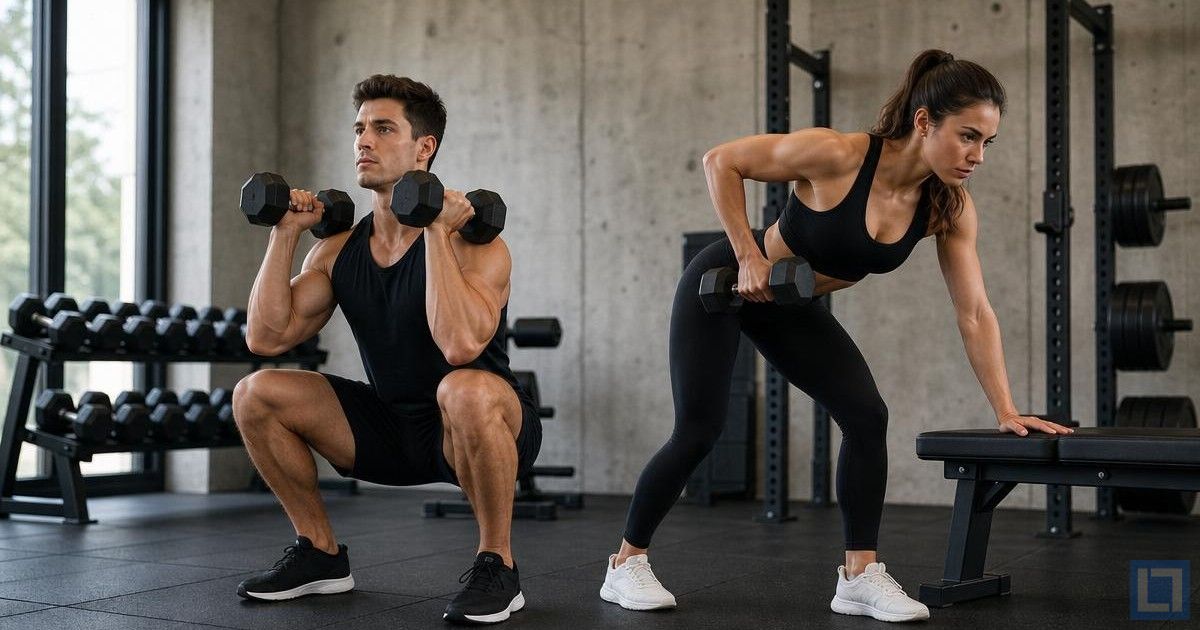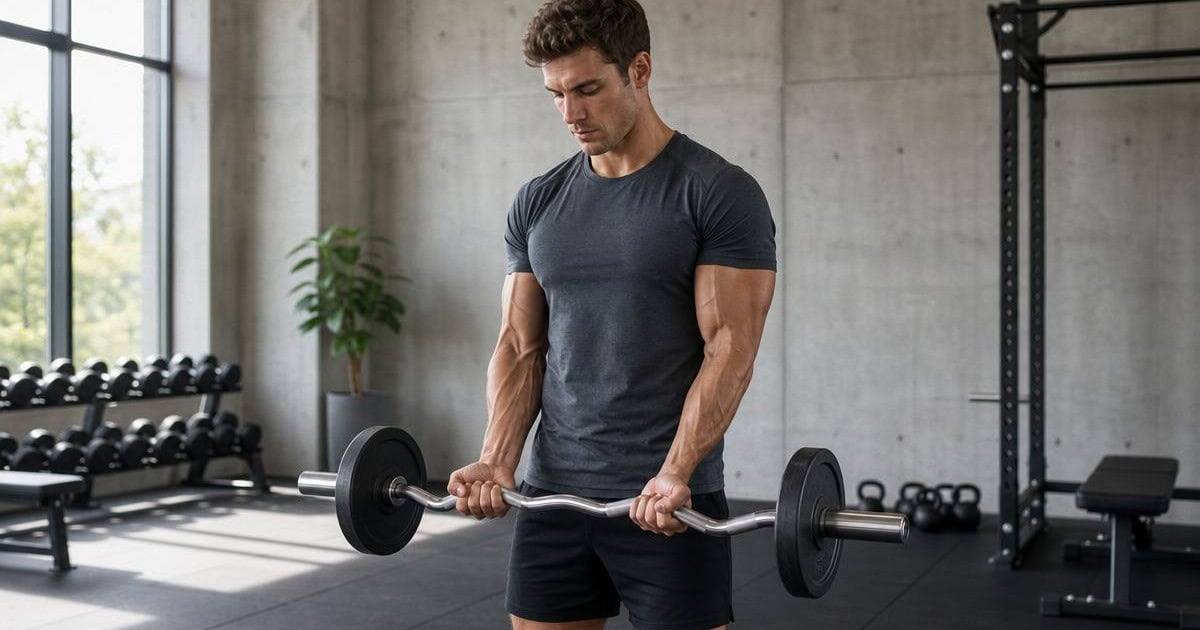
Building bigger forearms requires understanding the forearm’s complex anatomy (wrist flexors on the underside, wrist extensors on the top, brachioradialis on the side) and applying training principles that develop each muscle group: dedicated wrist flexor work for the underside, dedicated extensor work for the top (often undertrained), brachioradialis work through neutral and reverse grip curling, compound grip work through carries and pull-ups, and adequate frequency for the high-recovery forearm muscle group. The forearms are responsible for grip strength, wrist function, and create the visible forearm thickness that defines great arms. Most lifters who want bigger forearms but struggle to grow them are making one or more of these mistakes: training only wrist flexors (neglecting extensors), avoiding brachioradialis work (skipping reverse and hammer curls), running insufficient grip work (no farmers walks or pull-ups), training forearms too infrequently, or relying solely on indirect forearm activation from heavy compound lifting. The fix involves: 1) dedicated wrist flexor work (wrist curls), 2) dedicated wrist extensor work (reverse wrist curls), 3) brachioradialis work (hammer curls, reverse curls, Zottman curls), 4) compound grip work (farmers walks, pull-ups), and 5) high frequency (2 to 3 times per week minimum).
Below are ten of the most effective exercises for building bigger forearms, covering wrist flexor work (barbell wrist curl, dumbbell standing wrist curl, dumbbell standing back wrist curl), wrist extensor work (barbell reverse wrist curl, dumbbell reverse wrist curl), brachioradialis work (dumbbell hammer curl, barbell reverse curl, dumbbell Zottman curl), compound grip work (farmers walk, pull-up). Together they form a complete forearm-growth program. A 15 to 25-minute forearm-focused session pulled from this list, performed 2 to 3 times per week (or as accessory work in arm/back sessions), produces strong forearm development for any lifter focused on building bigger forearms.
Barbell Wrist Curl

The Barbell Wrist Curl performs wrist curls with a barbell. The pattern produces direct wrist flexor (forearm) work.
For forearm growth, the barbell wrist curl is foundational direct flexor work. The pattern hits the wrist flexors of the forearm. Run it for 4 sets of 12 to 15 reps as primary forearm flexor work.
Sit on a bench holding a barbell with palms facing up. Rest the forearms on the thighs with the wrists hanging off the knees. Allow the bar to roll down to the fingertips. Curl the bar up by closing the fingers and flexing the wrists. The wrist flexors work hard through the curl. Squeeze hard at peak contraction. Lower under control. The pattern produces direct wrist flexor isolation – the underside of the forearm responsible for grip and wrist flexion.
Barbell Reverse Wrist Curl

The Barbell Reverse Wrist Curl performs wrist curls with a reverse (palms-down) grip. The pattern produces direct wrist extensor work.
For forearm growth, the reverse wrist curl is foundational direct extensor work. The pattern hits the often-undertrained wrist extensors. Run it for 3 sets of 12 to 15 reps as primary forearm extensor work.
Sit on a bench holding a barbell with palms facing down (overhand grip). Rest the forearms on the thighs with the wrists hanging off the knees. Curl the bar up by extending the wrists. The wrist extensors (top of the forearm) work hard through the extension. Squeeze hard at peak. Lower under control. The pattern produces direct wrist extensor isolation – the often-undertrained top of the forearm responsible for wrist extension and grip support. Use much lighter weights than wrist flexor curls.
Dumbbell Hammer Curl

The Dumbbell Hammer Curl performs dumbbell curls with a neutral grip. The pattern hits the brachioradialis (forearm) plus brachialis.
For forearm growth, the hammer curl develops the brachioradialis (large forearm muscle visible on the side). Run it for 3 sets of 8 to 12 reps as primary brachioradialis work.
Stand with feet hip-width holding dumbbells at the sides with neutral grip (palms facing the body). Curl the dumbbells up while maintaining the neutral grip throughout. The brachioradialis (the muscle on the side of the forearm) and brachialis work hard through elbow flexion. Squeeze hard at peak. Lower under control. The pattern is critical for complete forearm development – the brachioradialis creates much of the visible forearm bulk and is best developed through neutral-grip curling patterns.
Farmers Walk
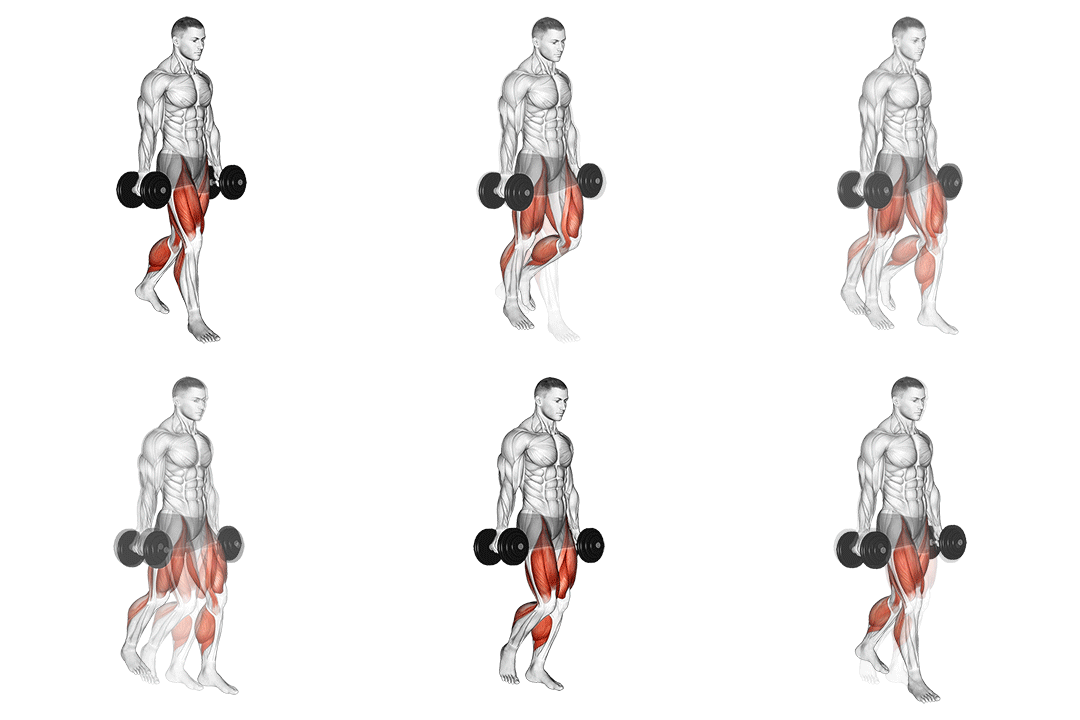
The Farmers Walk performs loaded carries with weights at the sides. The pattern builds combined grip strength and forearm endurance.
For forearm growth, farmers walks build the grip endurance and forearm strength foundational for general forearm development. Run it for 3 sets of 30 to 60-second walks as primary grip/forearm work.
Stand holding heavy weights (dumbbells, kettlebells, or trap bar) in each hand at the sides. Walk forward with controlled steps, maintaining tall posture and tight core. Continue for the working interval. The grip and forearm muscles all work hard isometrically throughout the carry. The pattern is foundational for forearm development – the prolonged isometric loading builds forearm strength and endurance, plus produces the grip strength critical for all heavy lifting.
Dumbbell Standing Wrist Curl

The Dumbbell Standing Wrist Curl performs wrist curls with dumbbells while standing. The pattern produces accessible direct flexor work.
For forearm growth, the dumbbell standing wrist curl provides accessible flexor work. Run it for 3 sets of 12 to 15 reps as accessible forearm flexor work.
Stand with feet hip-width holding dumbbells at the sides with palms facing forward. Curl the dumbbells up by flexing the wrists while keeping the arms straight at the sides. The wrist flexors work hard through the wrist curl motion. Squeeze hard at peak. Lower under control. The pattern provides accessible direct flexor work that complements seated barbell wrist curls and addresses imbalances between left and right forearms through the unilateral loading.
Dumbbell Reverse Wrist Curl

The Dumbbell Reverse Wrist Curl performs reverse wrist curls with dumbbells. The pattern produces direct wrist extensor work.
For forearm growth, the dumbbell reverse wrist curl provides accessible extensor work. Run it for 3 sets of 12 to 15 reps as forearm extensor work.
Sit on a bench holding dumbbells with palms facing down. Rest the forearms on the thighs with the wrists hanging off the knees. Curl the dumbbells up by extending the wrists. The wrist extensors work hard. Squeeze hard at peak. Lower under control. The pattern provides direct wrist extensor isolation with the dumbbell variation allowing for unilateral loading and addressing imbalances. Use light to moderate weights with strict form.
Pull Up

The Pull Up performs bodyweight pull-ups. The pattern produces compound forearm and grip work alongside back development.
For forearm growth, pull-ups produce strong compound grip and forearm work through the prolonged hanging and pulling. Run it for 4 sets of 5 to 12 reps as compound back/forearm work.
Hang from a pull-up bar with hands shoulder-width apart and palms facing away. Pull the body up by retracting the shoulder blades and pulling the elbows down toward the ribs until the chin reaches over the bar. Lower under control to full hang. The pattern requires significant grip and forearm work to maintain the bar grip throughout the pull-up. Lifters with the most impressive forearms typically have built them through extensive pull-up training. Try variations: chin-ups (palms facing you), neutral grip, and fat-grip pull-ups for varied forearm development.
Barbell Reverse Curl

The Barbell Reverse Curl performs barbell curls with a reverse (palms-down) grip. The pattern emphasizes brachioradialis and forearm extensors.
For forearm growth, the reverse curl produces strong brachioradialis and forearm extensor loading. Run it for 3 sets of 8 to 12 reps as primary brachioradialis work.
Stand with feet hip-width holding a barbell with overhand grip (palms facing down) at the front of the thighs. Curl the barbell up by bending the elbows while maintaining the overhand grip. The brachioradialis and forearm extensors work hard through the curl. Squeeze hard at peak. Lower under control. The pattern produces strong brachioradialis loading – typically you can use less weight than standard barbell curls, but the forearm involvement is much greater.
Dumbbell Zottman Curl

The Dumbbell Zottman Curl performs curls that rotate from underhand grip on the way up to overhand grip on the way down. The pattern combines bicep and forearm work.
For forearm growth, the Zottman curl combines bicep and forearm extensor work in one fluid motion. Run it for 3 sets of 8 to 10 reps as combined bicep/forearm work.
Stand holding dumbbells at the sides with underhand grip (palms facing forward). Curl the dumbbells up to the shoulders. At the top, rotate the wrists so palms face down (overhand grip). Lower the dumbbells with the overhand grip (this is the forearm-emphasized portion – reverse curl on the way down). At the bottom, rotate back to underhand grip. The pattern combines bicep work (concentric phase) with forearm extensor work (eccentric phase) in one fluid motion – excellent for combined arm development.
Dumbbell Standing Back Wrist Curl

The Dumbbell Standing Back Wrist Curl performs wrist curls behind the back. The pattern produces unique wrist flexor loading.
For forearm growth, the standing back wrist curl provides unique wrist flexor work behind the body. Run it for 3 sets of 12 to 15 reps as forearm flexor work.
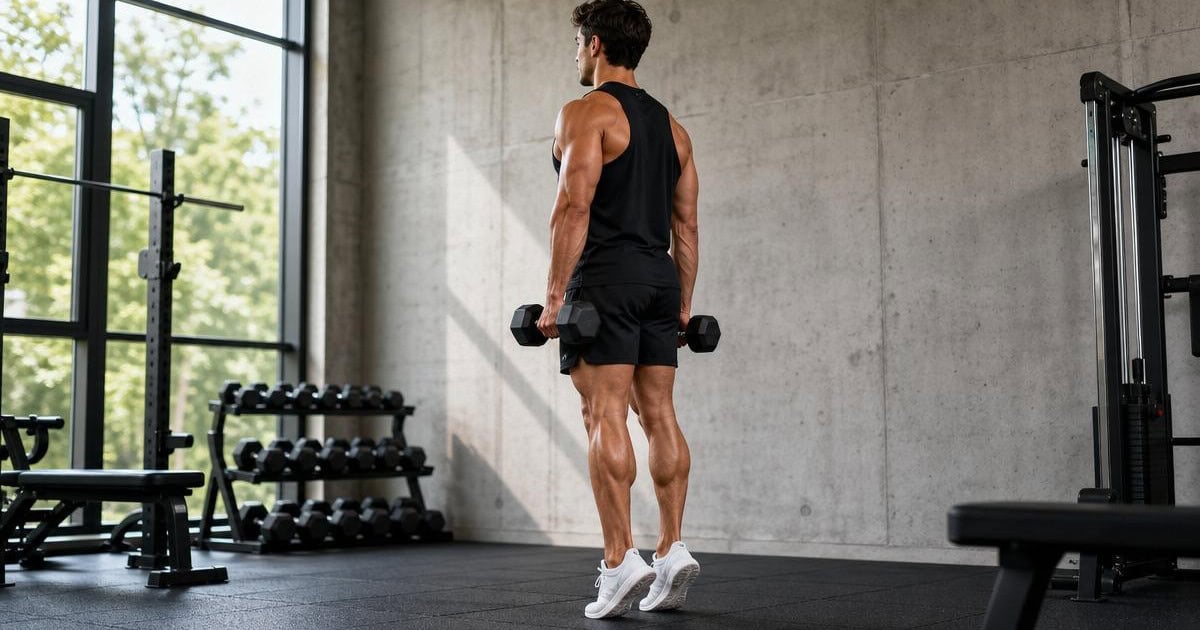
Stand with feet hip-width holding dumbbells behind the body at the lower back/hip level with palms facing backward. Curl the dumbbells up by flexing the wrists. The wrist flexors work hard through the unique behind-the-body angle. Squeeze hard at peak. Lower under control. The pattern produces forearm flexor work from a unique angle that complements front-of-body wrist curls. The behind-the-body position creates different loading on the forearm flexors.
How To Program These Workouts
A productive forearm session pulls 4 to 6 exercises from the list above. A common balanced session: barbell wrist curl (flexor), barbell reverse wrist curl (extensor), dumbbell hammer curl (brachioradialis), farmers walk (grip endurance), pull-up (compound grip). For mass focus: dumbbell hammer curl, barbell reverse curl, barbell wrist curl, pull-up, farmers walk. For complete development: include flexor, extensor, and brachioradialis work. Run wrist curl variations for 3 to 4 sets of 12 to 15 reps, brachioradialis curl variations for 3 to 4 sets of 8 to 12 reps, grip work for 3 sets of 30 to 60-second carries, pull-ups for 4 sets of 5 to 12 reps. Total session covers 12 to 18 working sets focused on forearm development.
Train forearms 2 to 3 times per week as part of complete arm/back programming. Most successful programs structure forearm work as: 1) accessory blocks at the end of arm or back sessions (10 to 20 minutes of forearm-focused work), 2) standalone short sessions on rest days, or 3) integrated grip work throughout other sessions (farmers walks added to leg sessions, fat-grip pull-ups in back sessions). The forearms recover quickly relative to larger muscle groups and respond well to higher frequency training. Athletes prioritizing forearm growth often train forearms 3 to 4 times per week with light to moderate loads.
For broader arm programming, see our how to grow your forearms and best forearm exercises. For grip strength work, see our best workouts for grip strength.
Final Thoughts
Building bigger forearms requires applying the right training principles consistently over time: dedicated wrist flexor work for the underside, dedicated wrist extensor work for the top, brachioradialis development through neutral and reverse grip curling, compound grip work through carries and pull-ups, and adequate frequency to drive growth. The combination of barbell and dumbbell wrist curls, reverse wrist curls, hammer curls, reverse curls, Zottman curls, farmers walks, and pull-ups covers every functional pattern of the forearms and produces broader development than any single exercise approach. Most lifters who consistently apply these principles see measurable forearm growth within 12 to 16 weeks, often producing visible improvements in forearm thickness and grip strength. For lifters who have struggled to grow their forearms despite training, the combination of dedicated extensor work (which most lifters skip), brachioradialis emphasis through neutral grip work, and higher frequency (2 to 3 times per week) typically breaks through the plateau.
Stay focused on full range of motion and high frequency. The most common mistake lifters make in forearm training is using too-heavy weights with partial range of motion, which limits forearm loading. The fix: use moderate weights with full range of motion (full wrist flexion at the top, full extension at the bottom) for higher rep ranges (12 to 15 reps). Combined with high frequency (2 to 3 times per week minimum) and varied angles (flexor, extensor, and brachioradialis work), proper full-range work produces the forearm development that ego-driven heavy partials never achieve.
Frequently Asked Questions
Why aren’t my forearms growing?
Most lifters with stubborn forearms make one or more of these mistakes: 1) training only wrist flexors and neglecting extensors, 2) avoiding brachioradialis work (no reverse curls, hammer curls, or Zottman curls), 3) running insufficient grip work (no farmers walks or fat-grip pull-ups), 4) training forearms only once per week, 5) relying solely on indirect forearm activation from heavy lifting. The fix: include dedicated wrist flexor AND extensor work, add brachioradialis work through neutral and reverse grip curling, include compound grip work, train forearms 2 to 3 times per week.
What’s the best exercise for bigger forearms?
Brachioradialis work through neutral and reverse grip curling is most effective for visible forearm thickness. Hammer curls, reverse curls, and Zottman curls develop the brachioradialis – the muscle that creates much of the visible forearm bulk on the side. Combined with wrist curls (flexor work), reverse wrist curls (extensor work), and compound grip work (farmers walks, pull-ups), these form the foundation of complete forearm development. The fastest gains come from combining all of these patterns at appropriate volume and frequency.
How often should I train forearms?
2 to 3 times per week minimum. The forearms recover quickly relative to larger muscle groups and respond well to higher frequency. Most successful programs structure forearm work as: 1) accessory blocks at the end of arm or back sessions, 2) standalone short sessions on rest days, or 3) integrated grip work throughout other sessions. Athletes prioritizing forearm growth often train 3 to 4 times per week with light to moderate loads. The forearms are the primary muscle group used in nearly every gym session, so they receive significant indirect activation.
Should I train wrist flexors or extensors more?
Both equally – most lifters undertrain extensors. The wrist extensors (top of the forearm) are typically much weaker than flexors because most exercises (including everyday activities) emphasize flexors. Train both with equal volume and intensity for balanced forearm development and reduced wrist injury risk. Imbalanced flexor-only training contributes to common wrist issues. Include reverse wrist curls and reverse barbell curls regularly to develop the often-neglected extensors.
Are pull-ups good for forearms?
Yes – excellent compound forearm and grip work. Pull-ups require significant forearm work to maintain the bar grip throughout the prolonged hang and pull. Lifters with the most impressive forearms typically have built them through extensive pull-up training. Try variations: chin-ups (palms facing you – emphasizes brachioradialis), neutral grip pull-ups, fat-grip pull-ups (towel-wrapped bars), and weighted pull-ups for varied forearm development. Combined with dedicated wrist work, pull-ups produce excellent forearm development.