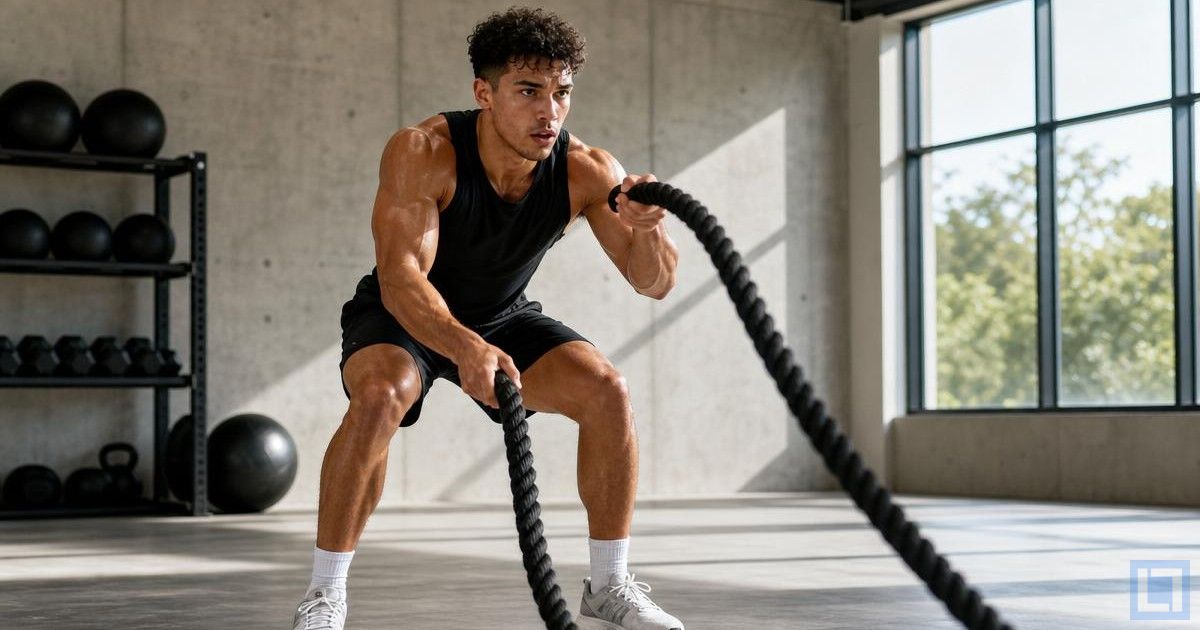
Forearms are one of the most visible muscle groups in any physique. They show in short sleeves, t-shirts, and any time the arms are extended, which means well-developed forearms produce visible upper-body changes that even significant bicep development cannot match. Despite this visibility, forearms are one of the most underdeveloped muscle groups in modern training programs because most lifters assume forearm work happens automatically through compound lifting. Some forearm work does, but dedicated training produces dramatically stronger growth than indirect work alone.
This guide covers forearm anatomy and the muscle groups that determine size, the training principles that drive forearm hypertrophy, the foundational wrist and grip exercises, and programming strategies that produce visible forearm growth over months of consistent practice. Forearm training requires significant volume and patience because the muscles are small and recover quickly, but the visible payoff is substantial.
Forearm Anatomy And The Muscles That Matter
The forearm consists of multiple muscle groups that contribute to overall size and grip strength differently. Complete forearm development requires training each major group with appropriate volume.
The forearm flexors run along the inside (palm-side) of the forearm and produce wrist flexion (bending the wrist toward the palm). They are the largest forearm muscles and contribute most to overall forearm thickness. The flexors load most heavily during wrist curls, dead hangs, and any heavy gripping exercise.
The forearm extensors run along the outside (back) of the forearm and produce wrist extension (bending the wrist away from the palm). They are smaller than the flexors but determine forearm appearance from outside views. The extensors load during reverse wrist curls and any exercise requiring wrist stabilization.
The brachioradialis sits at the upper outer forearm near the elbow. It contributes to elbow flexion (especially during hammer curls and reverse-grip curls) and adds significant visual mass to the upper forearm. Most forearm-focused programs emphasize this muscle through hammer curl variations.
The supinator and pronator muscles handle wrist rotation (turning the palm up or down). They are smaller muscles but contribute to forearm thickness and grip strength during exercises that involve rotational loading.
The Principles Of Forearm Growth
Forearm training follows several principles that produce visible growth when combined consistently. Most lifters who fail to grow their forearms fail because they ignore one or more of these principles.
Train all major movement patterns. Forearm work covers wrist flexion (wrist curls), wrist extension (reverse wrist curls), supination/pronation (rotation work), and grip endurance (carries, hangs, holds). Most under-developed forearms come from training only one or two patterns; the fix is including all four patterns across the training week.
Use high frequency. The forearms recover within 24 to 48 hours of moderate training, which means daily or near-daily training is feasible. Most lifters who train forearms once per week see minimal growth; lifters who train them three to five times per week see noticeable changes within 8 to 12 weeks. Spread the volume across multiple short sessions rather than cramming it into one weekly workout.
Use sufficient volume. Forearm growth requires 16 to 24 weekly working sets across all forearm exercises. Most lifters do less than 8 weekly sets and wonder why their forearms do not grow. The fix: program forearm work as dedicated sets at the end of every training session, plus longer dedicated forearm sessions once or twice per week.
Use mixed rep ranges and time under tension. The forearms respond well to both heavy loading (5 to 8 reps with significant weight on wrist curls) and high-rep endurance work (15 to 30+ reps and 30 to 60-second holds). Heavy work builds strength; high-rep and time-under-tension work drives the metabolic stress that produces visible muscle growth. Mixing both produces stronger total development than either alone.
Wrist Flexor Exercises
Wrist flexors are the largest forearm muscles and the primary target for forearm size development. The exercises below load the flexors directly through their primary wrist flexion function.
Barbell Wrist Curl

The Barbell Wrist Curl rests the forearms on the thighs or a bench with the wrists hanging off the edge and curls a barbell using only wrist motion. The exercise isolates the forearm flexors directly and allows the heaviest possible loading of any forearm exercise.
The barbell wrist curl is the foundational forearm mass-builder. The bilateral loading allows heavier total weight than dumbbell variations, and the controlled motion produces strong flexor stimulus per rep. Run it for 3 to 4 sets of 12 to 15 reps as the primary forearm exercise.
Dumbbell Finger Curls

The Dumbbell Finger Curls rest the forearms on the thighs and roll a dumbbell down the fingers, then curl it back up using only finger flexion. The exercise targets the deep flexors that wrist curls do not fully activate.
Finger curls produce stronger development of the deep finger flexors than standard wrist curls because the rolling motion engages the muscles through a longer range of motion. The grip strength gains from finger curls also transfer directly to deadlifts, pull-ups, and any other heavy pulling exercise. Run it for 3 sets of 12 to 15 reps as accessory work after wrist curls.
Wrist Extensor Exercises
Wrist extensors are smaller than the flexors but determine forearm appearance from outside views. Most forearm imbalances come from underdeveloped extensors relative to overdeveloped flexors, which produces both visual asymmetry and increased wrist injury risk.
Band Wrist Curl

The Band Wrist Curl uses a resistance band anchored at floor level and curls the wrist against the band tension. The accommodating resistance pattern of the band produces stronger loading at the contracted position than constant-load variations.
Band wrist curls are particularly useful for high-rep endurance work that produces the metabolic stress driving forearm hypertrophy. The band format also makes them accessible for at-home training without specialized equipment. Run it for 3 sets of 15 to 20 reps as accessory forearm work.
Rotational And Functional Forearm Exercises
The forearms also handle rotation and grip endurance, which require different exercises than pure wrist curl variations. The exercises below complete the forearm program by addressing these functions.
Weighted Seated Supination

The Weighted Seated Supination sits with the forearm braced and rotates a dumbbell from a pronated (palm-down) position to a supinated (palm-up) position against the offset weight. The exercise targets the supinator and biceps directly through the rotational motion.
Supination work is one of the most underrated forearm exercises that exists. The rotational loading produces forearm development that wrist curls cannot match, and the exercise also strengthens the biceps brachii through its function as a supinator. Use a dumbbell with most of the weight on one end (a sledgehammer also works) for proper offset loading. Run it for 3 sets of 10 to 12 reps per arm.
Forearm Stretching And Recovery
Heavy forearm training produces significant tightness, which can limit further training and contribute to wrist and elbow issues over time. The stretches below complement forearm strength work by maintaining range of motion and tissue health.
Wrist Flexor Stretch
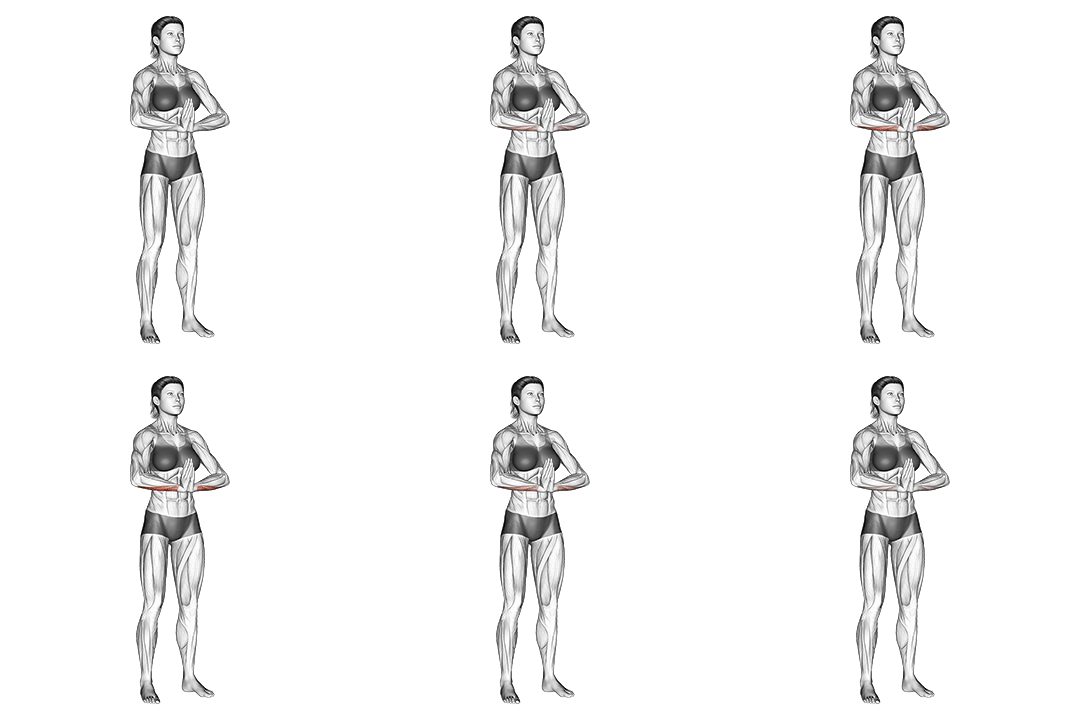
The Wrist Flexor Stretch extends one arm straight forward and uses the opposite hand to gently pull the fingers back toward the body. The position stretches the wrist flexors directly through extension.
Daily wrist flexor stretching for 30 to 60 seconds per side counteracts the chronic tightness that forearm training produces. The stretch also addresses the forearm tension that builds from prolonged typing and phone use, which makes it useful for desk workers regardless of their training emphasis.
Forearm Pronator Stretch
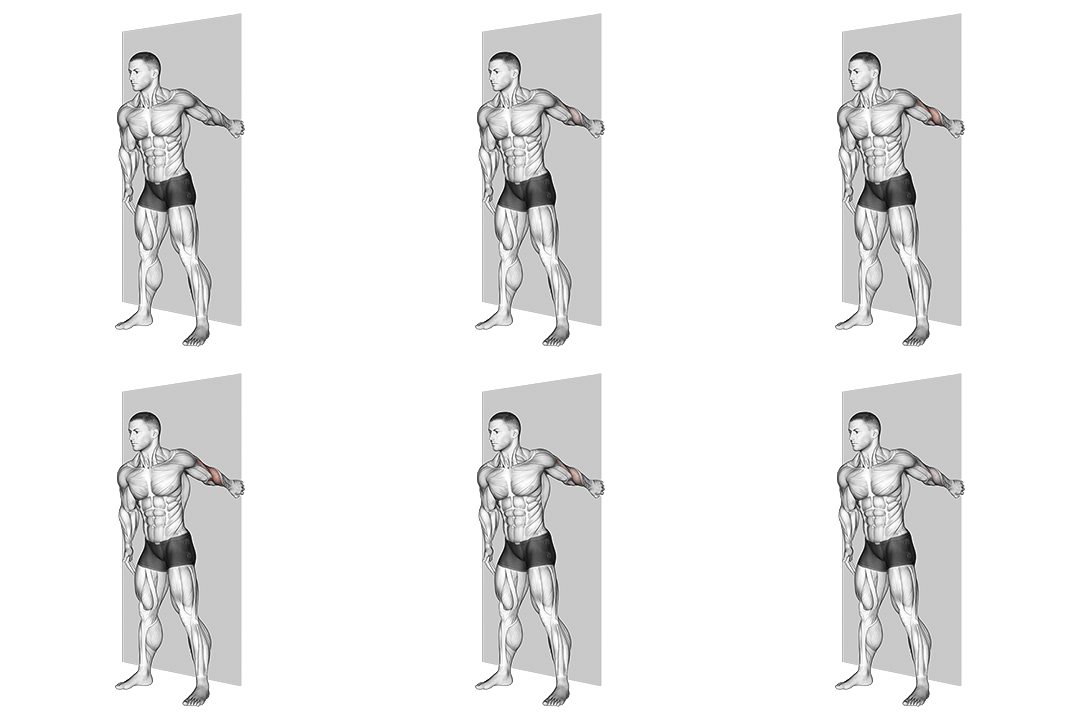
The Forearm Pronator Stretch extends one arm and uses the opposite hand to rotate and gently pull the wrist into supination, stretching the pronator muscles. The stretch addresses the rotational tightness that pressing and gripping exercises produce.
Pronator stretching addresses chronic tightness in the rotational forearm muscles that compound exercises produce. The stretch is particularly useful for lifters who experience elbow pain (often called golfer’s elbow or medial epicondylitis), which frequently traces back to tight pronator muscles. Run it for 30 to 60 seconds per side as cool-down or daily mobility work.
How To Program For Forearm Growth
Forearm programming follows a structure designed to maximize total volume while spreading work across high-frequency sessions. The framework below produces consistent growth for most lifters who follow it for 12+ weeks.
Train forearms three to five times per week. Brief 5 to 10-minute forearm sessions tacked onto regular training days produce stronger growth than once-weekly high-volume sessions. The forearms recover quickly because the loads are typically moderate, and frequent training drives faster adaptations.
Run 16 to 24 weekly working sets across all forearm exercises. This includes wrist curls, reverse wrist curls, finger curls, supination work, and grip-focused exercises like farmers walks and dead hangs. Most lifters who fail to grow their forearms do less than 10 weekly sets; the productive range is 16 to 24 sets per week, split across three to five sessions.
Add grip work through compound lifts. Heavy deadlifts, pull-ups, and farmers walks produce significant forearm and grip stimulus on top of dedicated forearm exercises. Most lifters who develop strong forearms include heavy compound work alongside isolation training; the combination produces stronger total forearm development than isolation alone.
For more arm programming, see our how to build bigger biceps and how to build bigger triceps. For broader compound training that hits the forearms, see our best compound exercises for strength.
Final Thoughts
Growing your forearms is one of the most overlooked physique upgrades a lifter can make. The visible difference between well-developed forearms and untrained forearms is significant in any short-sleeve setting, and the grip strength gains from forearm training transfer directly to nearly every other lift in the program. The training is straightforward; the volume and consistency are what most lifters miss.
Stay patient and consistent. Forearm training rewards the lifters who show up three to five days per week for 6 to 12 months rather than those who chase aggressive single sessions. Most lifters who fail to grow their forearms fail because they stopped training before the timeline allowed visible changes. Stick with the work; results follow consistency. The forearms are stubborn but they do grow with appropriate volume, frequency, and patience.
Frequently Asked Questions
Why won’t my forearms grow?
The three most common reasons are insufficient volume (less than 10 weekly working sets), insufficient frequency (training forearms only once per week), and insufficient variety (only doing wrist curls without addressing extensors, rotation, or grip endurance). Fix all three and most lifters see noticeable growth within 8 to 12 weeks. Genetics also play a role for forearm size; some lifters have naturally larger forearms than others, but most under-developed forearms come from training mistakes rather than poor genetics.
How often should I train forearms?
Three to five times per week works for most lifters. The forearms recover within 24 to 48 hours of moderate training, which means high-frequency training is both feasible and more productive than infrequent high-volume sessions. Brief 5 to 10-minute forearm sessions tacked onto regular training days produce stronger results than once-weekly dedicated sessions.
Do compound exercises grow forearms?
Partially yes. Heavy deadlifts, pull-ups, farmers walks, and any heavy gripping exercise produce significant indirect forearm loading because the grip muscles stabilize the loaded weight. However, compound exercises alone rarely produce maximum forearm development for most lifters because the loading pattern emphasizes grip endurance over hypertrophy stimulus. Adding dedicated wrist curl variations and rotational work produces fuller forearm development than compound lifting alone.
What’s the best forearm exercise?
The barbell wrist curl is the most effective single forearm mass-builder for most lifters. The combination of bilateral loading and direct flexor isolation produces stronger forearm growth per rep than most other forearm exercises. Reverse wrist curls (for extensors) and finger curls (for deep flexors) come second and third. Most well-designed forearm programs include all three patterns plus rotational work and grip endurance training.
How long until I see forearm growth?
Most lifters with consistent forearm training (3 to 5 sessions per week) see meaningful strength improvements within 4 to 6 weeks. Visible thickness changes typically appear after 8 to 12 weeks of dedicated practice. Major changes (significantly thicker forearm appearance) take 6 to 12 months of consistent practice. The timeline is similar to calf training in difficulty; both are stubborn muscle groups that reward long-term consistency.