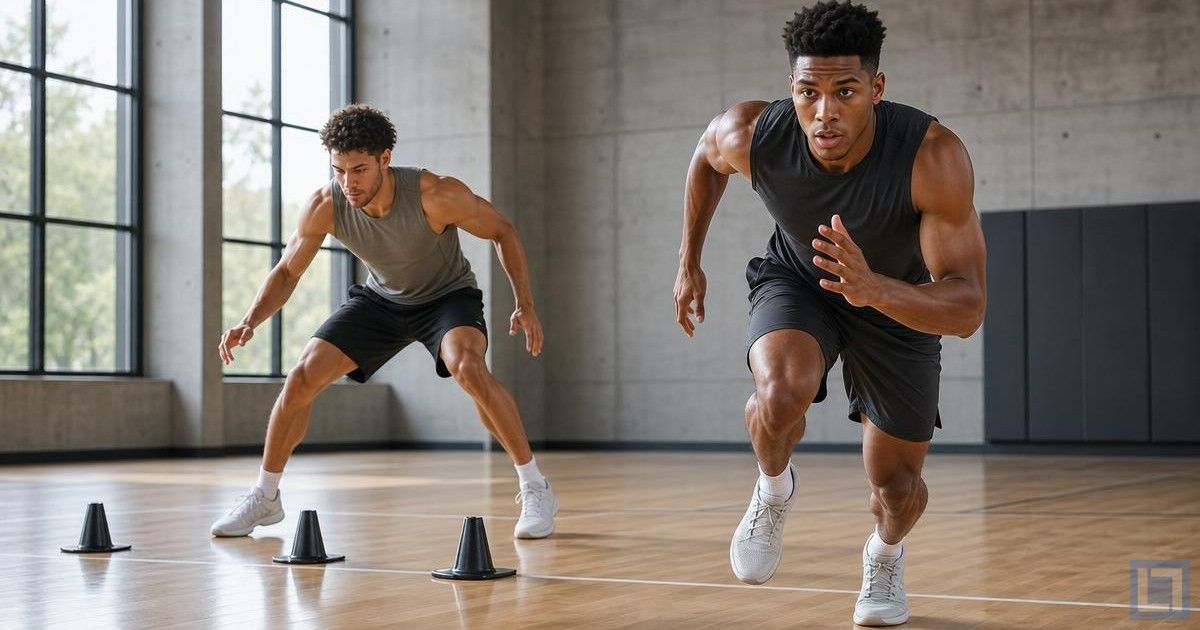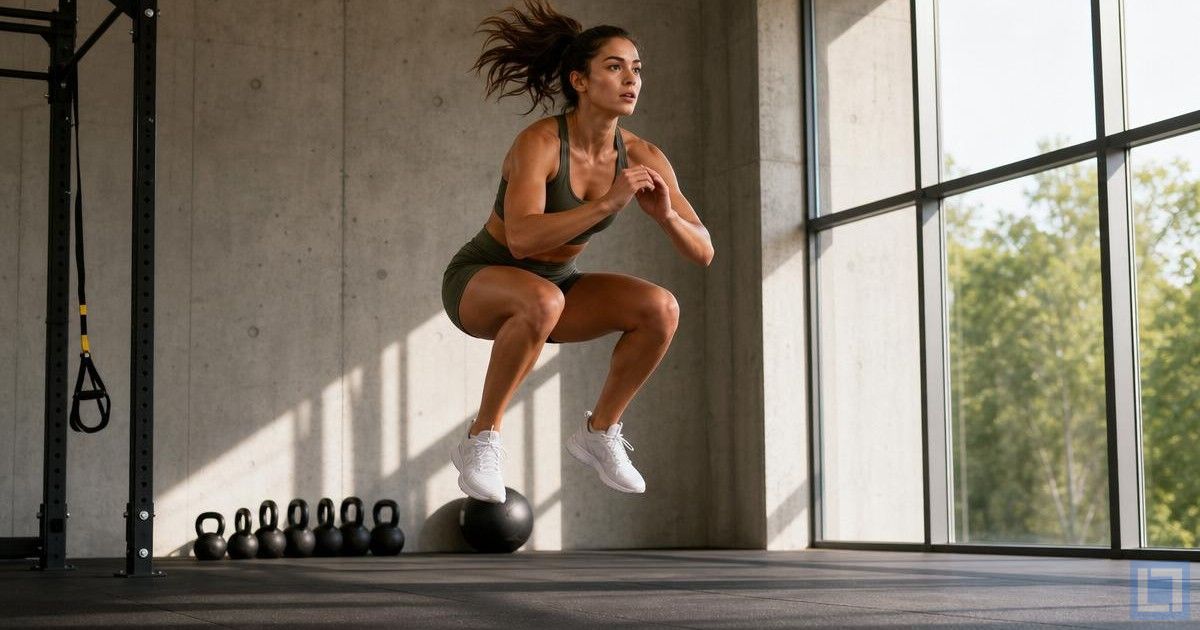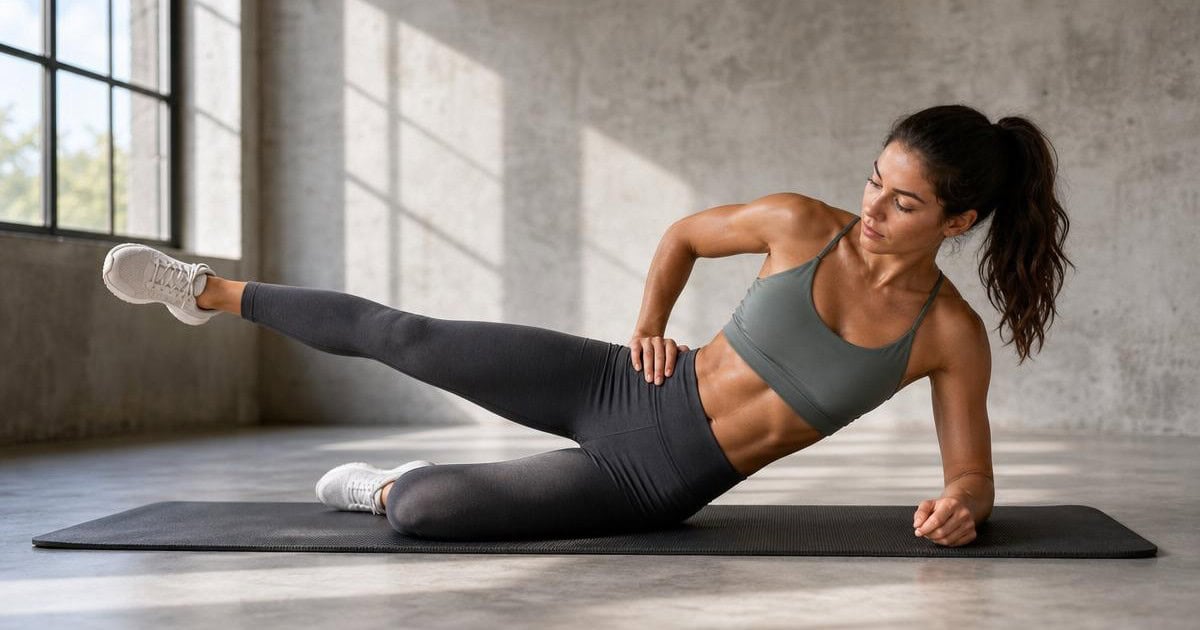
Bodyweight adductor training produces real adductor development and inner-thigh strength through patterns that load the often-undertrained inner thigh muscles effectively without equipment: deep lateral squat variations like Cossack squats and side lunges for adductor stretch loading, sumo squat variations for combined adductor and quad work, and dynamic lateral motion for adductor power. The format works particularly well for adductors because the muscle group functions primarily in three ways (hip adduction, lateral flexion control, hip stabilization in athletic movement), and bodyweight progressions deliver loading patterns for all three functions accessible anywhere with no equipment. Most lifters who consistently train bodyweight adductor work 1 to 2 times per week alongside compound lower-body movements see measurable improvements in inner-thigh strength, hip mobility, lateral movement capacity, and reduced groin injury risk within 6 to 10 weeks. Strong adductors support every athletic movement that involves lateral motion (cutting, side-stepping, lateral pushes) and contribute substantially to hip stability under load.
Below are ten effective bodyweight adductor exercises that cover deep lateral loading (Cossack squat, side lunge stretch, side bench squat), wide-stance work (sumo squat floor touch), dynamic adductor work (side to wide squat, plyo side lunge, alternating step out), mobility integration (side-to-side leg swings, split lateral squat with roll), and combined core-adductor work (frog sit-up). Together they form a complete bodyweight adductor program that hits the adductors through every functional pattern. A 20 to 30-minute session pulled from this list, performed 1 to 2 times per week, produces strong adductor development for athletic performance and lower-body balance.
Cossack Squats
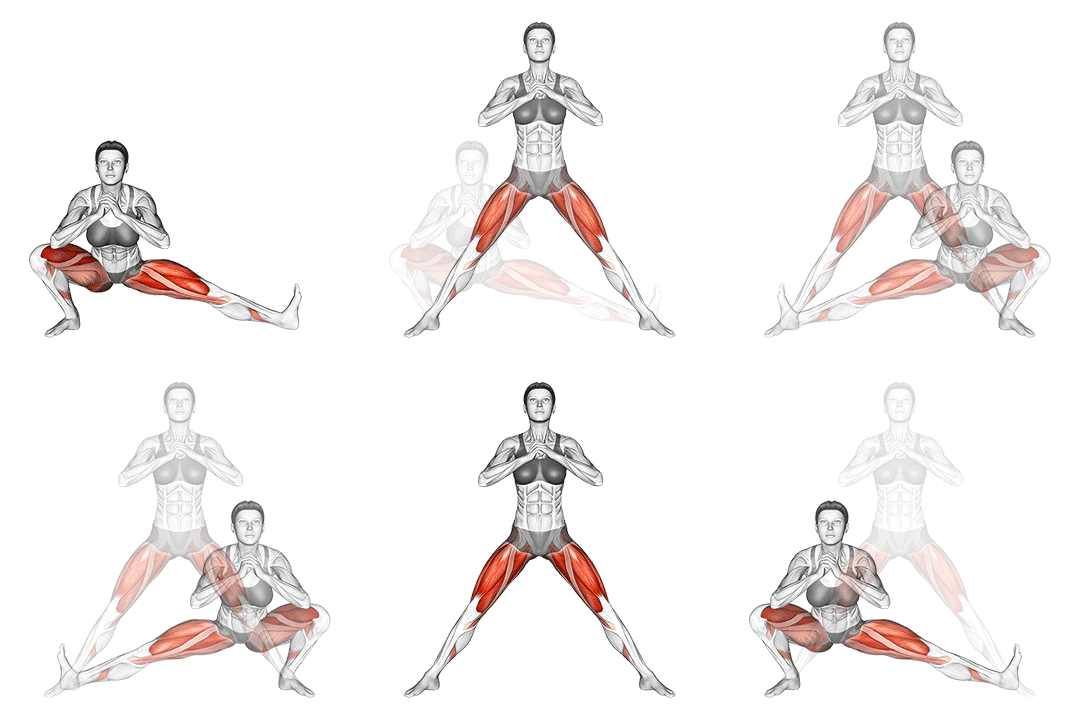
The Cossack Squats perform deep lateral squats, shifting weight from one side to the other through a wide stance. The pattern produces strong adductor stretch loading combined with hip mobility work.
For bodyweight adductor training, the Cossack squat is one of the most effective adductor exercises that exists. The pattern hits the adductors through deep lateral stretch combined with quad and glute work. Run it for 3 to 4 sets of 6 to 10 reps per side as primary adductor mass and mobility work.
Stand with feet wider than shoulder-width and toes pointing slightly out. Shift weight to one side by bending that knee and squatting down deeply on that leg while the other leg extends out straight to the side. The extended leg’s heel stays on the floor and toes point up. The squatting leg’s knee tracks over the toes. Drive back to standing through the squatting leg. Switch sides between sets or alternate per rep.
Side Bench Squat

The Side Bench Squat performs a lateral squat motion using a sturdy bench for support and depth control. The pattern produces strong unilateral adductor and lateral leg loading.
For bodyweight adductor training, the side bench squat produces strong unilateral adductor loading. The bench provides depth control and balance support. Run it for 3 sets of 8 to 12 reps per side as unilateral adductor work.
Stand sideways to a sturdy bench (about thigh height) with the bench on one side. Step the foot closer to the bench up onto the bench while the other foot remains on the floor wider than shoulder-width. Squat down on the bench-side leg while the other leg extends out, stretching the adductors. Drive back to standing. Switch sides between sets. The bench provides balance and depth reference.
Sumo Squat Floor Touch

The Sumo Squat Floor Touch combines a wide-stance sumo squat with a floor touch at the bottom of each rep. The pattern produces strong adductor loading combined with full-depth squat work.
For bodyweight adductor training, the sumo squat floor touch produces combined adductor and quad loading through the wide stance. The pattern hits the adductors through deep stretch in the sumo position. Run it for 3 sets of 10 to 15 reps as combined adductor and squat work.
Stand with feet much wider than shoulder-width and toes pointing out (sumo stance). Squat down deeply by bending the knees and sending the hips back, allowing the torso to lean forward slightly. At the bottom, touch the floor between the feet with both hands. Drive back to standing through the heels. Maintain wide foot position throughout. The combination of wide stance and floor touch produces strong adductor stretch.
Side Lunge Stretch

The Side Lunge Stretch performs deep lateral lunges with a hold at the bottom for adductor stretching. The pattern produces strong adductor stretch loading combined with lateral hip mobility.
For bodyweight adductor training, the side lunge stretch produces strong adductor stretch loading. The pattern hits the adductors through static and dynamic stretch in the lateral lunge position. Run it for 3 sets of 30 to 60-second holds per side as adductor flexibility and strength work.
Stand with feet wider than shoulder-width and toes pointing slightly out. Step one foot out to the side and squat down deeply on that leg while the other leg extends straight out to the opposite side. Lower into the lunge until the adductors of the extended leg stretch deeply. Hold the position for 30 to 60 seconds. Drive back to standing or shift to the other side. The deep static hold produces strong adductor flexibility work.
Side to Wide Squat

The Side to Wide Squat performs alternating lateral squats with a wide-stance squat in the middle. The pattern produces dynamic adductor loading combined with sumo-pattern leg work.
For bodyweight adductor training, the side to wide squat produces dynamic adductor loading combined with quad and glute work. The pattern hits the adductors through repeated lateral motion. Run it for 3 sets of 8 to 12 reps per side as dynamic adductor work.
Stand with feet wider than shoulder-width and toes pointing slightly out. Squat down deeply on one leg while the other extends out straight (lateral squat position). Drive back up while shifting weight to the center, then drop into a wide-stance sumo squat. Drive up and shift weight to the other leg, dropping into a lateral squat on the other side. Continue alternating.
Plyo Side Lunge Stretch

The Plyo Side Lunge Stretch combines side lunges with explosive jumping motion between sides. The pattern produces dynamic adductor power loading combined with athletic explosive work.
For bodyweight adductor training, the plyo side lunge produces strong combined adductor power and athletic conditioning work. The pattern hits the adductors through dynamic lateral motion. Run it for 3 sets of 8 to 12 reps as dynamic adductor power work.
Stand with feet wider than shoulder-width. Drop into a side lunge on one leg with the other leg extended. Explosively jump up and to the opposite side, landing in a side lunge on the other leg with the first leg now extended. Continue alternating with explosive lateral jumps. The dynamic motion produces strong adductor work plus athletic power loading.
Alternating Step Out

The Alternating Step Out performs alternating lateral steps with a step-out motion. The pattern produces dynamic adductor loading combined with lateral hip mobility work.
For bodyweight adductor training, the alternating step out produces dynamic adductor work. The pattern hits the adductors through repeated lateral steps. Run it for 3 sets of 30 to 45 seconds as dynamic adductor and conditioning work.
Stand with feet hip-width. Step one foot out to the side wider than shoulder-width while squatting slightly. Bring the foot back to starting position. Immediately step out with the other foot to the opposite side. Continue alternating in a rhythmic side-stepping pattern. The repeated lateral motion produces strong adductor work plus cardiovascular loading.
Side to Side Leg Swings

The Side to Side Leg Swings perform standing leg swings across the body. The pattern produces dynamic adductor stretching and activation through controlled momentum.
For bodyweight adductor training, the side to side leg swings produce dynamic adductor loading through controlled motion. The pattern hits the adductors through dynamic stretch. Run it for 3 sets of 10 to 12 swings per leg as dynamic warm-up or activation work.
Stand on one leg holding a sturdy support for balance. Swing the other leg across the body and back out to the side in a controlled rhythmic motion. The leg swings inside (across the body) hits the adductors specifically. Continue for the working set. Switch legs between sets. The pattern is most useful as warm-up activation before heavier adductor work.
Split Lateral Squat with Roll

The Split Lateral Squat with Roll combines a lateral split squat with a rolling transition between sides. The pattern produces unique adductor loading with mobility integration.
For bodyweight adductor training, the split lateral squat with roll produces combined adductor and mobility work. The pattern hits the adductors through deep lateral squats combined with floor transitions. Run it for 3 sets of 6 to 10 reps as combined adductor and mobility work.
Start in a lateral split squat position with one leg bent and one extended out. From the bottom position, roll backward onto the floor while bringing the legs up. Roll forward while extending the legs to the opposite lateral split squat. Continue alternating sides through controlled rolling motion. The pattern integrates strength with mobility work.
Frog Sit-up

The Frog Sit-Up performs sit-ups with the legs in a frog position (knees out wide, soles of feet together). The frog leg position adds adductor and hip flexor activation along with the abs work.
For bodyweight adductor training, the frog sit-up produces combined adductor activation and abs work. The pattern hits the adductors through external rotation while doing core work. Run it for 3 sets of 12 to 15 reps as combined adductor and core work.
Lie flat on the back with the soles of the feet pressed together and knees pointing out wide (frog leg position). Place hands behind the head or across the chest. Crunch up by flexing the spine forward into a sit-up while maintaining the frog leg position. The frog position keeps the adductors activated throughout. Lower under control.
How To Program These Workouts
A productive bodyweight adductor session pulls 5 to 6 exercises from the list above based on training goals. A common balanced session: Cossack squats (deep lateral mass), side bench squat (unilateral), sumo squat floor touch (wide stance), side lunge stretch (flexibility), plyo side lunge (power), alternating step out (conditioning). Run deep lateral work for 3 sets of 6 to 10 reps per side, wide-stance work for 3 sets of 10 to 15 reps, dynamic and power work for 3 sets of 8 to 12 reps per side, and mobility/flexibility work for 3 sets of 30 to 60-second holds. Total session covers 12 to 18 working sets focused on adductor development.
Train bodyweight adductor work 1 to 2 times per week as part of broader lower-body or athletic programming. The adductors recover reasonably quickly but accumulate fatigue from compound lower-body work and from running or cutting motions. Most successful programs include adductor work either: 1) as warm-up activation before lower-body training, 2) at the end of a leg day, 3) on a dedicated mobility and athletic prep session, or 4) as part of athletic conditioning sessions. Keep training time under 25 to 30 minutes per session. Adductor work pairs well with abductor work (hip abduction movements) for balanced hip development.
For broader hip programming, see our best hip workouts and how to strengthen adductors. For specific lateral work, see our best workouts for lateral movement.
Final Thoughts
The best bodyweight adductor workouts deliver real adductor strength and inner-thigh development through patterns that load the often-undertrained adductors effectively without equipment. The combination of deep lateral squats, wide-stance work, dynamic motion, and mobility integration covers every functional pattern of the adductor and produces broader hip development than ignored adductors that compound work alone leaves. For lifters who want to improve athletic lateral movement (cutting, side-stepping), want to fix adductor weakness or chronic groin tightness, want to enhance hip stability for compound lifting, or want to add direct adductor work to a balanced training program, dedicated bodyweight adductor work is one of the most effective options available.
Stay focused on depth quality and balanced lateral development. The most common bodyweight adductor training mistakes include shallow depth on lateral squats and lunges (which limits adductor stretch loading) and neglecting balance between dynamic strength work and mobility work (which can produce strong but tight adductors that cause discomfort). The fix: descend deeply on every lateral squat and lunge until the adductors stretch fully, and balance strength work with mobility/flexibility holds in every adductor session. Quality reps with both strength and mobility produce stronger adductor results than strength work alone.
Frequently Asked Questions
Should you train adductors directly?
Yes for most athletes and lifters. Adductors are critical for lateral movement (cutting, side-stepping, lateral pushes) and hip stability under load but rarely get direct training attention in typical strength programs. Most successful athletes include 1 to 2 weekly adductor sessions as part of overall programming. Direct adductor training improves athletic lateral movement capacity, reduces groin injury risk, enhances hip stability for compound lifting, and addresses common adductor weakness from prolonged sitting or improper training.
Are Cossack squats good for adductors?
Yes one of the best. Cossack squats produce deep lateral loading that hits the adductors through stretch combined with quad and glute work. Most successful adductor programs include Cossack squats as primary mass and mobility work. The pattern requires significant hip mobility and balance; beginners may benefit from holding a sturdy support for balance until they build the mobility and strength to perform unsupported Cossack squats. Build progressively over weeks toward deeper depth and unsupported variations.
Do sumo squats work the adductors?
Yes effectively. Sumo squats (with feet wider than shoulder-width and toes pointing out) produce combined adductor and quad loading through the wide stance. The pattern hits the adductors more than standard squats due to the wider foot position. Most successful adductor programs include sumo squat variations as combined adductor and squat work. Bodyweight sumo squat floor touch (with hands touching the floor at the bottom) adds additional depth and adductor stretch.
How often should I train adductors?
One to two sessions per week works for most lifters. The adductors recover reasonably quickly but accumulate fatigue from compound lower-body work and from running/sprinting. Most successful programs include adductor work either as warm-up activation before lower-body training, at the end of leg sessions, or in a dedicated mobility and athletic prep session. Daily adductor training typically produces overuse issues rather than accelerated progress.
Can weak adductors cause injuries?
Yes substantially. Weak adductors are a common contributor to groin injuries, hip imbalances, and reduced athletic lateral movement capacity. Strong adductors support hip stability during cutting, side-stepping, and lateral pushes, reducing strain on the groin and hip flexor regions. Most successful injury-prevention programs include direct adductor training (1 to 2 sessions per week) combined with adductor mobility work. The exercises in this list produce real adductor strength and resilience when trained consistently with progressive difficulty.