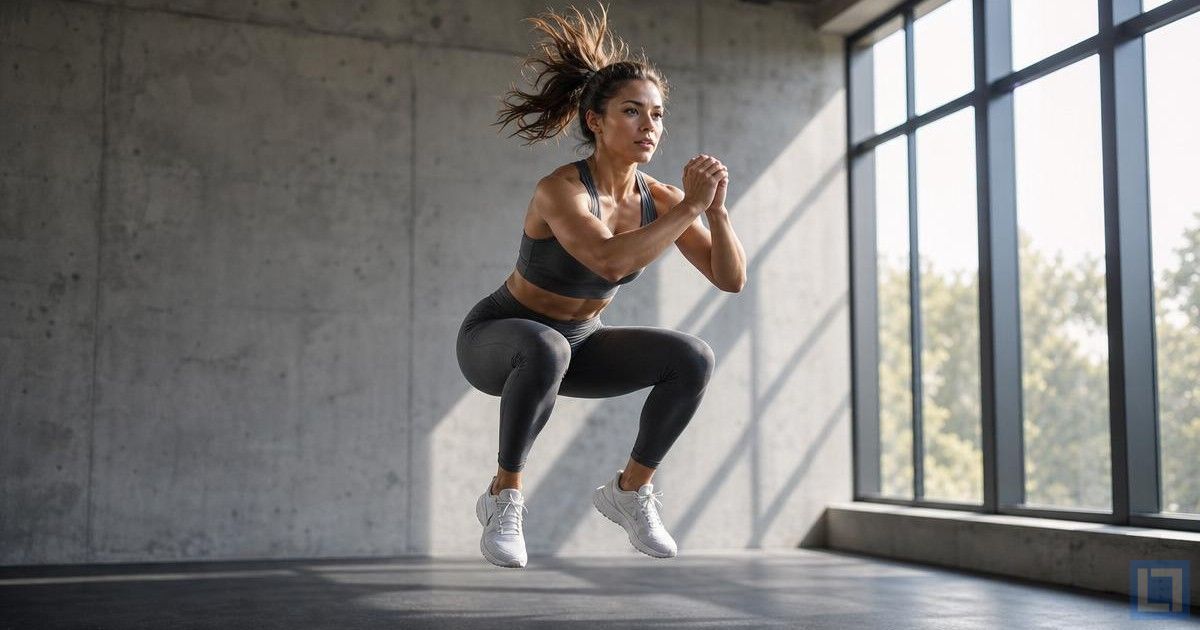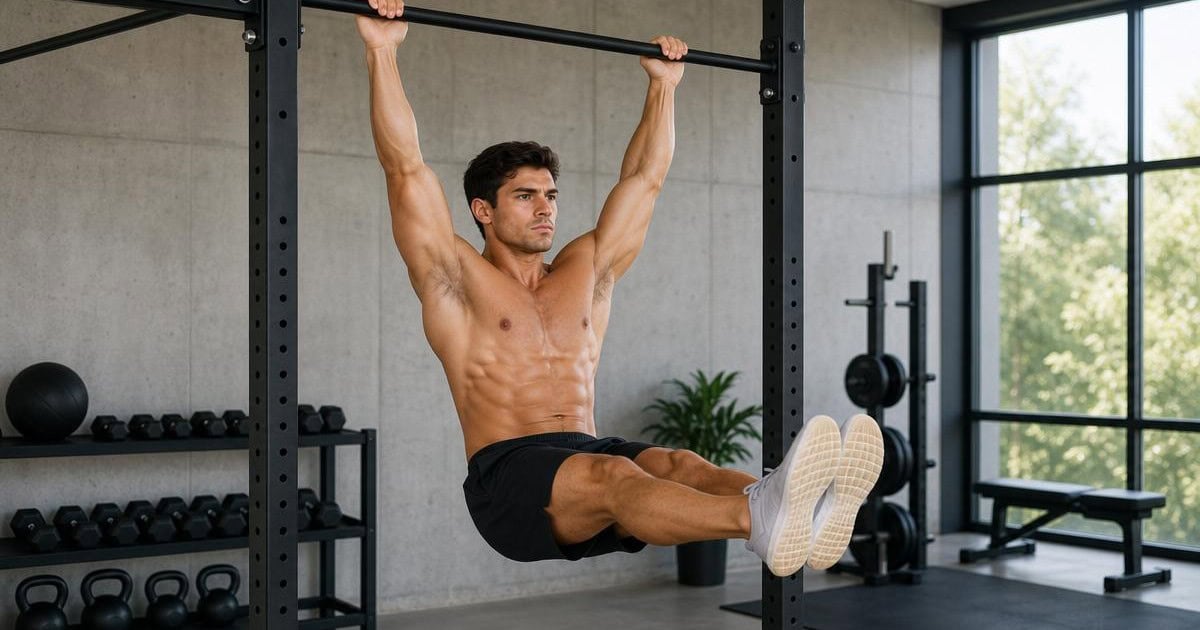
The rectus abdominis – the long, paired muscle running vertically along the front of the abdomen (the muscle that produces the visible ‘six-pack’ appearance) – is one of the most prominent core muscles, contributing substantially to anti-extension stability, spinal flexion power, posture support, athletic performance, and the developed abs appearance that characterizes well-developed physiques. The rectus abdominis primary function is anti-extension stability (resisting spinal extension), with secondary function being spinal flexion. The rectus abdominis activates strongest during: anti-extension patterns (planks, dead bugs) for foundational core stability – the most important core training pattern, spinal flexion patterns (crunches, sit-ups, weighted crunches) for spinal flexion strength and direct abs loading, lower abs patterns (hanging leg raises, reverse crunches) for lower rectus abdominis emphasis through pelvic posterior tilt, dynamic rotational patterns (bicycle crunches) for combined flexion and rotation, weighted patterns (cable crunches, weighted crunches) for progressive overload essential for hypertrophy, and supporting rotational work (Russian twists). Most lifters who want visible abs benefit from training rectus abdominis 2 to 3 times per week with appropriate volume distributed across anti-extension, spinal flexion, lower abs, and weighted patterns plus appropriate body composition (low enough body fat to make abs visible). Visible abs require both abs development plus low body fat percentage.
Below are ten of the most effective exercises for rectus abdominis development, covering primary anti-extension work (front plank, dead bug), direct spinal flexion (decline crunch, sit-up, weighted crunch), lower abs emphasis (hanging leg raise, reverse crunch), dynamic rotational (bicycle crunch), rotational core (dumbbell Russian twist), and weighted progressive overload (cable kneeling crunch). Together they form a complete rectus abdominis program. A 20 to 30-minute abs-focused session pulled from this list, performed 2 to 3 times per week, produces strong rectus abdominis development for any lifter focused on visible abs, more developed core, stronger anti-extension stability, or improved athletic core function. Visible abs require dedication to training plus body composition – both contribute to visible six-pack appearance.
Front Plank
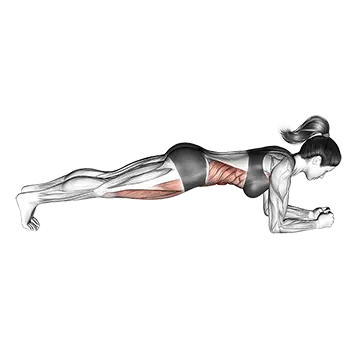
The Front Plank performs forearm plank holds. The pattern is foundational for rectus abdominis isometric work.
For rectus abdominis development, the plank produces foundational isometric core loading. Run it for 3 to 4 sets of 30 to 90-second holds as primary isometric core work.
Lie face-down on the floor. Prop up on the forearms with elbows under the shoulders. Lift the hips so the body forms a straight line from shoulders to ankles. The core works hard isometrically. Hold for the working interval. The pattern is foundational for rectus abdominis isometric work – the plank trains the rectus abdominis through anti-extension (resisting spinal extension), building the isometric core strength foundational to all core function. The plank is one of the most important core exercises because it trains the rectus abdominis through its primary function (anti-extension stability) rather than just spinal flexion.
Decline Crunch

The Decline Crunch performs decline crunches. The pattern produces direct rectus abdominis loading.
For rectus abdominis development, decline crunches produce direct rectus abdominis loading. Run it for 3 to 4 sets of 12 to 20 reps as primary spinal flexion work.
Position on a decline bench with feet hooked under the support. Place hands behind the head or crossed over the chest. Crunch the upper body up by flexing the spine, bringing the chest toward the knees. The rectus abdominis works hard through spinal flexion. Lower under control. The pattern produces direct rectus abdominis loading through the spinal flexion that is the rectus abdominis primary function. The decline angle increases loading compared to flat crunches. Excellent direct rectus abdominis exercise.
Sit Up

The Sit Up performs full sit-ups. The pattern produces compound spinal flexion loading.
For rectus abdominis development, the sit-up produces full-range spinal flexion. Run it for 3 sets of 15 to 25 reps as compound abs work.
Lie on the back with knees bent and feet planted. Place hands behind the head or crossed on the chest. Sit up by flexing the spine, bringing the torso fully upright until the chest reaches near the knees. Lower under control. The pattern produces full-range spinal flexion loading – the sit-up trains the rectus abdominis through complete range of motion. While the hip flexors contribute to sit-ups, the rectus abdominis works hard through the spinal flexion phase. Foundational compound abs exercise.
Hanging Leg Raise

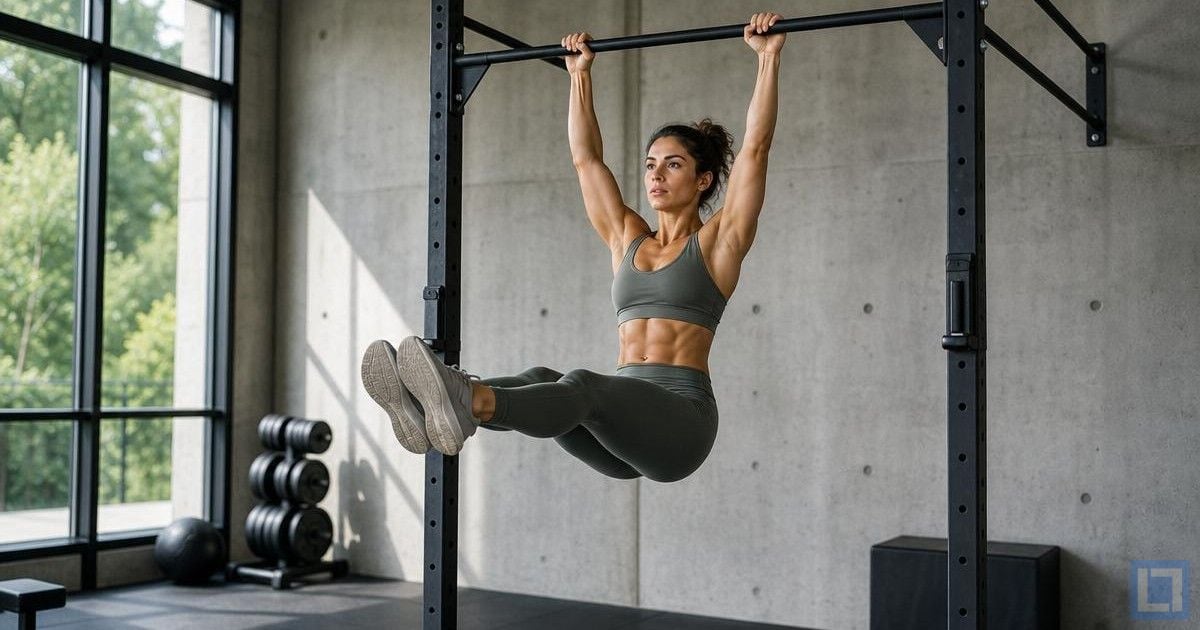
The Hanging Leg Raise performs hanging leg raises. The pattern produces lower abs and rectus abdominis loading.
For rectus abdominis development, the hanging leg raise produces lower rectus abdominis loading. Run it for 3 to 4 sets of 8 to 15 reps as lower abs work.
Hang from a pull-up bar with hands shoulder-width apart. Raise the legs by flexing the hips and pulling the legs up toward the chest, posteriorly tilting the pelvis at the top. The lower rectus abdominis works hard through pelvic posterior tilt. Lower under control. The pattern produces lower rectus abdominis loading – the hanging leg raise specifically trains the lower portion of the rectus abdominis through the posterior pelvic tilt at peak. Excellent for lower abs development that crunches can’t replicate.
Dumbbell Russian Twist

The Dumbbell Russian Twist performs Russian twists. The pattern produces rotational core loading.
For rectus abdominis development, the Russian twist produces rotational core work supporting complete abs development. Run it for 3 sets of 12 to 16 reps total as rotational core work.
Sit on the floor with knees bent and feet planted. Hold a dumbbell at the chest with both hands. Lean back slightly to engage the core. Rotate the torso to one side, then the other. The obliques work hard through rotation while the rectus abdominis maintains anti-extension stability. The pattern produces rotational core loading – while primarily an oblique exercise, the Russian twist supports complete core development alongside direct rectus abdominis work. Combined with planks and crunches, rotational work builds complete abs capacity.
Bicycle Crunch

The Bicycle Crunch performs bicycle crunches. The pattern produces dynamic rotational rectus abdominis loading.
For rectus abdominis development, the bicycle crunch produces dynamic rotational core work. Run it for 3 sets of 16 to 20 total reps as dynamic core work.
Lie on the back with hands behind the head and legs lifted with knees bent at 90 degrees. Crunch the upper body up while bringing one elbow toward the opposite knee, extending the other leg. Continue alternating sides in a bicycle motion. The rectus abdominis and obliques work hard through dynamic rotation. The pattern produces dynamic rotational rectus abdominis loading – the bicycle crunch combines spinal flexion with rotation, training the rectus abdominis and obliques simultaneously. Excellent dynamic abs exercise.
Dead Bug

The Dead Bug performs the dead bug core exercise. The pattern produces anti-extension rectus abdominis loading.
For rectus abdominis development, the dead bug produces anti-extension core stability. Run it for 3 sets of 8 to 10 reps per side as core stability work.
Lie on the back with arms extended toward the ceiling and hips/knees bent at 90 degrees. Slowly extend one arm overhead while extending the opposite leg straight, keeping the lower back pressed into the floor. Return to start. Switch sides. The core works hard maintaining lower back position during opposite-limb movement. The pattern produces excellent anti-extension core stability – critical for rectus abdominis function because the rectus abdominis primary function is anti-extension stability. The dead bug builds the foundational core stability that all core function depends on.
Reverse Crunch

The Reverse Crunch performs reverse crunches. The pattern produces lower rectus abdominis loading.
For rectus abdominis development, the reverse crunch produces lower rectus abdominis loading. Run it for 3 sets of 12 to 15 reps as lower abs work.
Lie on the back with hands at the sides or under the lower back for support. Lift the legs with knees bent at 90 degrees. Curl the hips up by posteriorly tilting the pelvis, bringing the knees toward the chest while lifting the hips off the floor. The lower rectus abdominis works hard through pelvic posterior tilt. Lower under control. The pattern produces lower rectus abdominis loading – the reverse crunch specifically trains the lower abs through pelvic posterior tilt. Excellent accessible alternative to hanging leg raises for lower abs development.
Cable Kneeling Crunch

The Cable Kneeling Crunch performs cable crunches. The pattern produces weighted rectus abdominis loading.
For rectus abdominis development, the cable kneeling crunch produces direct weighted abs loading. Run it for 3 to 4 sets of 12 to 15 reps as weighted abs work.
Set up a cable at high position with rope attachment. Kneel facing the cable holding the rope at the head/face. Crunch the body down by flexing the spine, bringing the elbows toward the knees. The rectus abdominis works hard through spinal flexion under cable load. Squeeze hard at peak. Return under control. The pattern produces weighted rectus abdominis loading – cable resistance allows progressive overload that bodyweight abs work can’t provide. Excellent for advanced rectus abdominis development through progressive loading.
Weighted Crunch

The Weighted Crunch performs weighted crunches. The pattern produces progressive rectus abdominis loading.
For rectus abdominis development, the weighted crunch produces progressive abs loading. Run it for 3 sets of 12 to 15 reps as progressive abs work.
Lie on the back with knees bent and feet planted. Hold a weight plate or dumbbell across the chest. Crunch the upper body up by flexing the spine, bringing the chest toward the knees. The rectus abdominis works hard with added resistance. Lower under control. The pattern produces progressive rectus abdominis loading – adding weight allows progressive overload critical for continued development beyond bodyweight capacity. Excellent for advanced abs development through progressive loading. The added weight produces hypertrophy stimulus that bodyweight crunches reach the limits of quickly.
How To Program These Workouts
A productive rectus abdominis session pulls 5 to 7 exercises from the list above. A common balanced session: front plank (anti-extension primary), dead bug (anti-extension stability), decline crunch (direct spinal flexion), hanging leg raise (lower abs), bicycle crunch (dynamic rotational), reverse crunch (lower abs), weighted crunch (progressive overload). For complete rectus abdominis development: include anti-extension, spinal flexion, lower abs, and weighted patterns. For visible abs goal: prioritize all training patterns plus appropriate body composition focus (the abs are visible only with low body fat). Run anti-extension work for 3 sets of 30 to 90-second holds, spinal flexion work for 3 to 4 sets of 12 to 20 reps, weighted progression for 3 sets of 12 to 15 reps, lower abs for 3 to 4 sets of 8 to 15 reps.
Train rectus abdominis 2 to 3 times per week as part of complete core programming. Most successful abs programs include: 1) dedicated abs day (heavy weighted work plus accessory abs), 2) abs work integrated into other sessions (planks during warm-ups, reverse crunches as accessories), 3) regular core stability practice. Combined with progressive overload (especially weighted abs work) and adequate volume (12 to 18+ weekly working sets focused on rectus abdominis), dedicated abs training produces development within 12 to 16 weeks. Visible abs additionally require appropriate body composition – the abs are visible only with body fat low enough to see muscle definition (typically 10 to 12% for men, 18 to 20% for women). Both training and body composition contribute to visible abs.
For broader programming, see our how to grow your abs and how to build a stronger core. For specific work, see our best ab exercises.
Final Thoughts
The best rectus abdominis exercises deliver real abs development through training that targets the multiple functions of the rectus abdominis: anti-extension stability for foundational core function, direct spinal flexion for hypertrophy, lower abs emphasis through pelvic posterior tilt, dynamic rotational training, weighted progressive overload, and supporting rotational work. The combination of planks, dead bugs, decline crunches, sit-ups, hanging leg raises, bicycle crunches, reverse crunches, cable crunches, weighted crunches, and Russian twists covers every functional pattern of rectus abdominis development and produces broader core, posture, and athletic capacity than partial training would suggest. Many lifters discover more developed abs visibility (with appropriate body composition), more anti-extension stability, better posture, more athletic core function, more impressive visible abs, and the integrated core function that defines well-developed physiques within 12 to 16 weeks of adding consistent comprehensive abs work. For lifters seeking visible abs, dedicated multi-pattern abs training plus appropriate body composition is the most effective approach available.
Stay focused on progressive overload plus body composition as priorities for visible abs. The most common mistake people make in abs training is doing endless bodyweight abs work without progressive overload (limiting hypertrophy potential) and without addressing body composition (making any abs development invisible under body fat). The fix: prioritize weighted progressive abs work (cable crunches, weighted crunches with progressive loading) plus appropriate body composition through nutrition – the abs are made in the kitchen as much as the gym. Combined with anti-extension stability work (planks, dead bugs), spinal flexion variety, and lower abs work, the combination of progressive training plus appropriate body composition produces the visible abs that bodyweight-only or training-only approaches never achieve. Both progressive training and body composition matter.
Frequently Asked Questions
How can I get visible abs?
Progressive overload abs training plus appropriate body composition. Weighted abs work (cable crunches, weighted crunches with progressive loading) produces hypertrophy that develops the rectus abdominis. Combined with anti-extension stability (planks, dead bugs), direct spinal flexion (crunches, sit-ups), lower abs (hanging leg raises, reverse crunches), dynamic work (bicycle crunches), and rotational support (Russian twists), this comprehensive approach builds abs muscle. However, visible abs require body fat low enough to see definition (typically 10 to 12% for men, 18 to 20% for women) – achieved through dietary discipline. Both training and body composition matter.
What’s the best abs exercise?
Heavy front plank plus weighted crunches. Front planks produce the most direct anti-extension core loading possible – training the rectus abdominis through its primary function. Weighted crunches and cable crunches produce progressive spinal flexion loading – training the rectus abdominis through its secondary function with progressive overload essential for hypertrophy. Combined with hanging leg raises (lower abs), decline crunches (direct flexion), reverse crunches (lower abs), bicycle crunches (dynamic), dead bugs (anti-extension), sit-ups (compound), and Russian twists (rotational), planks plus weighted crunches form the foundation of abs development.
How do I get a six pack?
Comprehensive abs training plus body composition. Comprehensive abs training (planks, weighted crunches, hanging leg raises, dead bugs, etc.) develops the rectus abdominis. Body composition (low enough body fat to see abs definition) makes the development visible – achieved through caloric deficit and dietary discipline. Most successful six-pack programs include: 1) dedicated abs training 2 to 3 times per week with progressive overload, 2) appropriate caloric deficit for fat loss, 3) adequate protein intake (1g/lb body weight), 4) consistent practice over 16 to 24+ weeks. Both training and body composition contribute to visible abs.
How often should I train abs?
2 to 3 times per week as part of complete core programming. The rectus abdominis responds well to varied training stimulus across multiple weekly sessions. Most successful programs include: 1) dedicated abs day (heavy weighted work plus accessories), 2) abs work integrated into other sessions, 3) regular core stability practice. Total weekly abs volume should be 12 to 18+ working sets across anti-extension, spinal flexion, lower abs, and weighted patterns. Daily abs work is typically excessive and unnecessary for development.
How long does it take to build abs?
12 to 16 weeks for measurable development, 16 to 24+ weeks for visible abs. Most lifters who consistently apply progressive abs training plus appropriate body composition see measurable abs development within 12 to 16 weeks. Visible abs typically require 16 to 24+ weeks of consistent training plus body composition work. The timeline depends substantially on starting body composition – lifters at higher body fat will need more time to reduce body fat to abs-visibility level. Both training and body composition contribute – most six-pack timelines involve more body composition work than additional training.