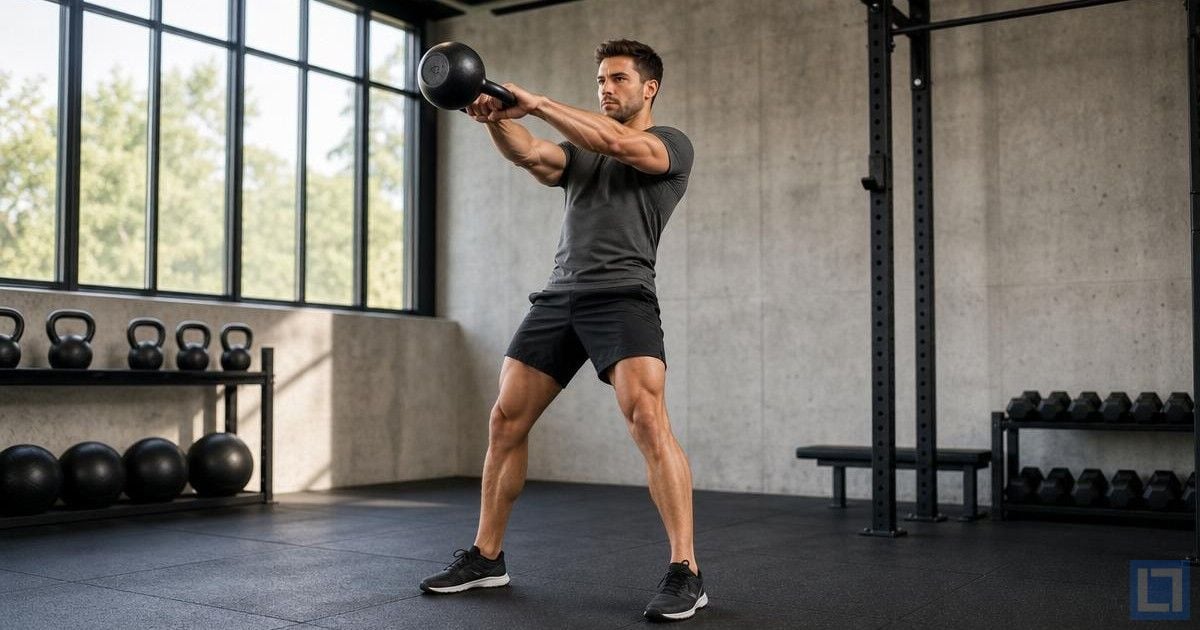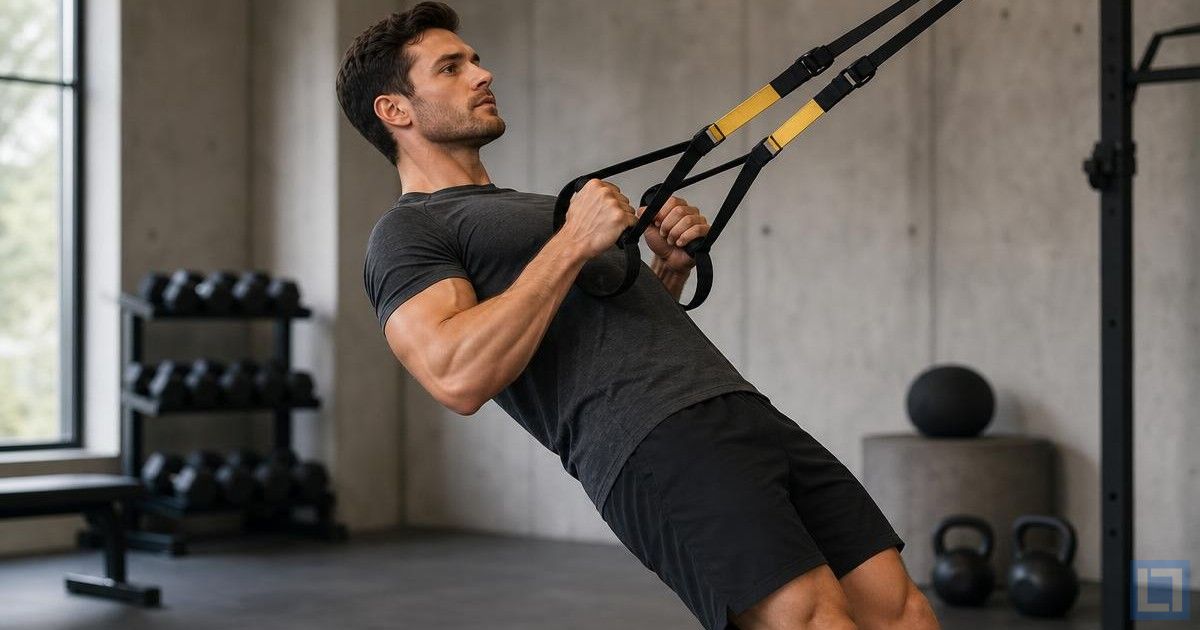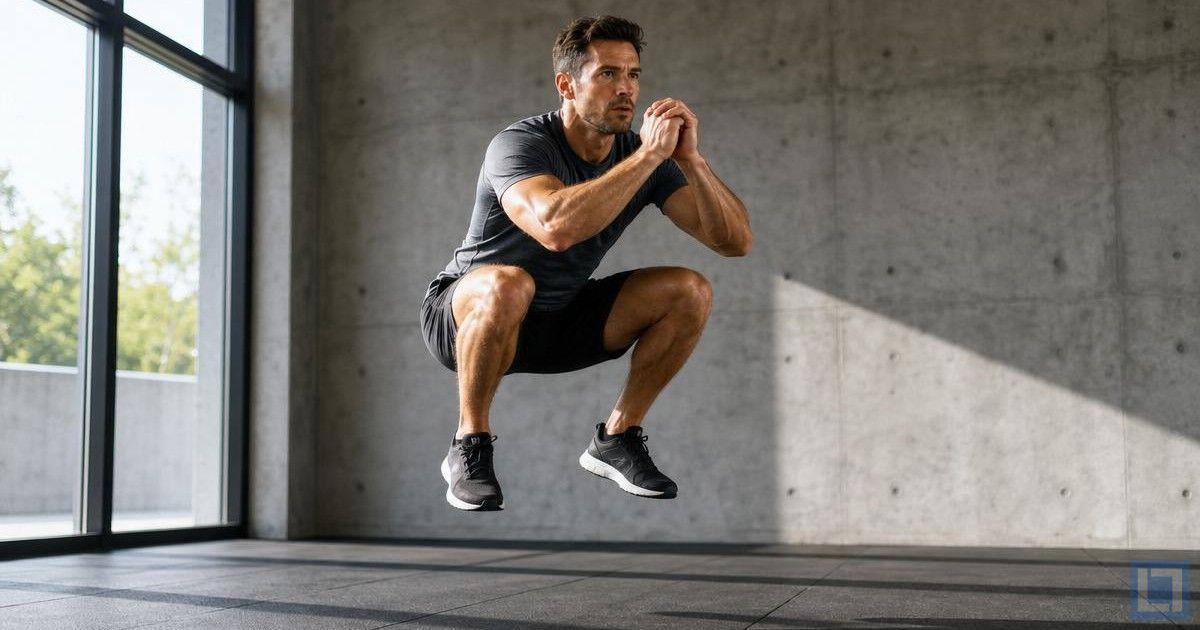
Beginner HIIT training requires a different exercise selection than advanced HIIT programs. The high-impact jumping movements (burpees, jump squats, kettlebell swings) that dominate intermediate HIIT workouts often overload beginner cardiovascular systems and produce form breakdowns within the first few rounds. The best beginner HIIT workouts use lower-impact exercises (jumping jacks, high knees, squat thrusts) combined with longer work-to-rest ratios (40 seconds work, 20 to 40 seconds rest) that allow new lifters to build conditioning safely while still capturing the metabolic benefits of interval training.
Below are ten effective beginner HIIT exercises that cover lower-impact cardio movements (marching, jumping jacks, high knees), bodyweight strength intervals (squats, lunges, glute bridges), and core stability work (planks, plank jacks). Together they form a complete beginner HIIT program that builds cardiovascular fitness, strength, and movement quality without the high-impact overload that pushes beginners into form breakdowns and injuries.
Jumping Jack

The Jumping Jack jumps the feet apart while raising the arms overhead, then jumps back to standing position. The full-body movement drives heart rate up while requiring no equipment or space beyond a few feet of clearance.
For beginner HIIT programs, jumping jacks are the foundational accessible exercise. The simple motion is achievable for lifters at every fitness level, and the moderate intensity allows the longer work intervals (40 to 60 seconds) that beginner HIIT requires. Run them as the first interval of any beginner HIIT circuit.
Stand with feet together and arms at the sides. Jump and land with the feet shoulder-width apart while simultaneously raising the arms overhead. Reverse the motion immediately. Continue at a sustainable pace. Beginners should focus on consistent rhythm rather than maximum speed.
High Knees Butt Kicks

The High Knees Butt Kicks performs a rapid running-in-place pattern that alternates between high knees (driving the knees up to chest height) and butt kicks (kicking the heels back to the glutes). The combination drives heart rate up with no skill or jumping power required.
For beginner HIIT, high knees butt kicks produce strong cardiovascular response while remaining lower-impact than jumping exercises. The pattern is accessible to lifters who cannot yet handle plyometric jumping, and the rhythm is easy to maintain through 40 to 60-second intervals. Run it for 3 to 4 rounds early in the workout.
Stand tall and run in place, alternating between high knees (knees driving up to chest height) and butt kicks (heels kicking back to the glutes). Maintain steady tempo throughout the interval. Use the arms for momentum and rhythm. Modify by reducing knee height or kick height if the standard version is too demanding.
Squat Thrust

The Squat Thrust drops into a squat with hands on the floor, kicks the legs back into a plank, then jumps the feet back to the squat position. The motion is functionally a burpee without the push-up and final jump, which produces moderate intensity with faster reps than full burpees.
For beginner HIIT, squat thrusts are the appropriate foundation movement before progressing to full burpees. The exercise builds the body coordination and conditioning that burpees require while remaining accessible to lifters who cannot yet handle the full burpee pattern. Run it for 30 to 45-second intervals at moderate tempo.
Drop quickly into a squat with hands on the floor. Kick the legs back into a plank position, then immediately jump the feet forward to the squat position. Stand briefly, then drop into the next rep. Maintain steady tempo throughout the interval. Beginners can step the feet back rather than jumping if needed.
Mountain Climber

The Mountain Climber starts in a push-up position and rapidly drives the knees toward the chest in alternating fashion. The continuous movement combines core engagement with cardiovascular demand in one efficient exercise.
For beginner HIIT, mountain climbers add a horizontal-position interval that complements the upright movements like jumping jacks and high knees. The change in body position varies the cardiovascular demand and adds significant core loading. Most beginners should run them at moderate tempo (not maximum speed) for 30 to 45-second intervals.
Set up in a push-up position with arms straight and body in a straight line. Drive one knee toward the chest, then quickly switch and drive the other knee forward. Maintain a strong core position throughout. Beginners should focus on form over speed; faster mountain climbers with poor form produce less benefit than moderate-tempo reps with strict position.
Squat

The Squat lowers the body by bending at the hips and knees, then drives back to standing. The bodyweight version is one of the most accessible strength movements that exists and serves as both a strength exercise and a moderate-intensity HIIT interval.
For beginner HIIT, bodyweight squats fill the strength-and-conditioning role between higher-intensity cardio intervals. The exercise builds real lower-body strength while contributing to the overall workout intensity, which makes it more productive than pure cardio movements alone. Run it for 30 to 45-second intervals as a strength-focused round.
Stand with feet shoulder-width and toes pointed slightly outward. Squat down by sitting the hips back while bending the knees, keeping the chest tall and weight in the heels. Drop to roughly parallel depth or as deep as mobility allows cleanly. Drive back to standing through the whole foot.
Glute Bridge March

The Glute Bridge March lies on the back in a glute bridge position and alternates lifting one knee toward the chest while maintaining the bridge. The combined hip extension and unilateral leg lift produces strong glute and core demand.
For beginner HIIT, the glute bridge march serves as a recovery-paced strength interval between higher-intensity cardio rounds. The lower body position reduces cardiovascular demand while still loading the glutes and core, which lets the heart rate recover slightly while continuing productive work. Run it for 40 to 60-second intervals as an active recovery round.
Lie flat on the back with knees bent and feet planted shoulder-width apart. Lift the hips up into a glute bridge. Maintaining the bridge, lift one knee toward the chest, then lower back to the start. Lift the opposite knee. Continue alternating without dropping the hips.
Lunge

The Lunge steps forward into a long stance and drops the back knee toward the floor before pressing back to standing. The unilateral pattern hits each leg independently and builds the kind of single-leg strength that bilateral squatting cannot match.
For beginner HIIT, lunges add unilateral leg work that complements the bilateral loading of squats. The alternating pattern also produces moderate cardiovascular demand without requiring jumping or other plyometric movements. Most beginners do well with 30 to 40-second intervals at moderate tempo, alternating sides.
Step into a long stance with one leg forward. Drop straight down rather than forward; the back knee descends toward the floor while the front shin stays roughly vertical. Drive through the front heel to push back to standing. Alternate sides on each rep.
Plank Jack

The Plank Jack starts in a plank position and jumps the feet apart and back together rapidly while maintaining the plank. The combination of plank loading and lower-body cardiovascular work produces strong total-body demand.
For beginner HIIT, plank jacks combine isometric core work with dynamic cardiovascular demand in a single exercise. The position loads the abs and shoulders while the leg motion drives heart rate up, which produces broader fitness adaptations than isolated movements. Run them for 30-second intervals; beginners can step the feet apart rather than jumping if needed.
Set up in a plank position on the hands or forearms with body straight from head to heels. Jump the feet apart to a wide stance, then jump them back together. Maintain a strong plank position throughout. Continue at a steady tempo for the prescribed time.
Marching On Spot

The Marching On Spot stands in place and lifts each knee alternately toward chest height in a marching pattern. The simple low-impact motion drives heart rate up without any jumping or skill demand.
For beginner HIIT and active recovery between harder intervals, marching on spot is the most accessible cardio movement that exists. The low-impact format works for lifters at every fitness level, including those with knee or back issues that limit jumping exercises. Use it as the warm-up first interval and as an active recovery round between harder exercises.
Stand tall with arms at the sides. March in place by lifting one knee toward the chest while swinging the opposite arm forward, then alternate. Continue at moderate tempo. Match the arm swing to the leg motion in a natural rhythm.
Front Plank
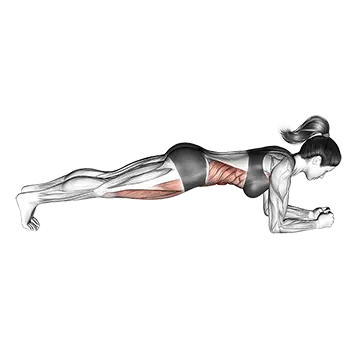
The Front Plank holds a forearm plank position with the body in a straight line from head to heels. The isometric hold builds core strength and teaches the trunk to brace under static load.
For beginner HIIT, the front plank fills the role of a static-hold interval that contrasts with the dynamic cardio movements. The isometric demand produces real core strength while the static position allows the cardiovascular system to recover slightly. Run it for 30 to 45-second holds as a strength-focused interval.
Set up on the forearms with elbows directly under the shoulders. Body straight from head to heels, hips not sagging or piking up. Hold the position while breathing normally. Beginners can modify to a knee plank if the standard plank is too demanding. End the set when form breaks down.
How To Program These Workouts
A productive beginner HIIT session uses longer work intervals and longer rest periods than advanced HIIT. Beginners should run 40 seconds work, 20 to 40 seconds rest, for 6 to 8 exercises in a circuit (one complete pass through), and complete 2 to 3 circuits per session. Total session time runs 20 to 30 minutes including warm-up. As conditioning improves over 4 to 8 weeks, gradually shorten rest periods (from 40 down to 20 seconds) and add a fourth circuit before transitioning to standard 30/15 ratios.
Train beginner HIIT 2 to 3 times per week. The high intensity demands appropriate recovery; daily HIIT training produces burnout within a few weeks even for advanced lifters. Pair HIIT sessions with 1 to 2 lower-intensity activities (walking, yoga, light cardio) and adequate sleep. Beginners often need a full rest day between HIIT sessions for the first 4 to 6 weeks; progress to closer-spaced sessions only after the body adapts to the demand.
For more conditioning programming, see our best HIIT workouts at home and best HIIT workouts for fat loss. For broader at-home cardio work, see our best at home cardio workouts.
Final Thoughts
The best beginner HIIT workouts deliver real cardiovascular fitness gains, strength development, and metabolic benefits without the high-impact overload that pushes new lifters into burnout or injury. The combination of lower-impact cardio movements, bodyweight strength intervals, and stability work covers every major fitness function in a way that builds long-term capacity rather than chasing maximum intensity from day one. For new lifters who want the proven benefits of HIIT training without the steep learning curve, this format is one of the most effective options available.
Stay focused on form and gradual progression. The most common beginner HIIT mistake is copying advanced workout protocols (burpees, jump squats, 20/10 work-to-rest ratios) before the body has built the foundational conditioning to handle them. The fix: stick with the lower-impact exercises and longer rest periods for at least 4 to 6 weeks before progressing. The lifters who progress slowly produce stronger long-term results than those who push intensity too fast and burn out within a few weeks.
Frequently Asked Questions
How long should beginner HIIT workouts be?
20 to 30 minutes total works for most beginners, including warm-up and cool-down. Shorter sessions (under 15 minutes) often miss enough volume for adaptation; longer sessions (40+ minutes) lead to fatigue that compromises form and recovery. A focused 20 to 30-minute session of 6 to 8 exercises through 2 to 3 circuits produces strong fitness gains for new lifters without the overtraining that longer sessions create.
How often should beginners do HIIT?
Two to three times per week works for most new lifters. The high intensity demands appropriate recovery; beginners often need a full rest day between HIIT sessions for the first 4 to 6 weeks. Progress to 3 to 4 sessions per week only after the body adapts to the demand, typically after 6 to 8 weeks of consistent training.
Can I do beginner HIIT every day?
Not recommended for new lifters. Daily HIIT training produces burnout for most beginners within a few weeks. The body needs recovery time to adapt to the high-intensity stimulus; without adequate rest, the training stops producing fitness gains and starts producing chronic fatigue. Stick with 2 to 3 sessions per week with rest days between for the first 8 to 12 weeks.
What if I cannot keep up with the intervals?
That is completely normal for beginners. Reduce the work duration (try 30 seconds work, 30 seconds rest) or reduce the number of circuits (start with 1 to 2 instead of 3). Most beginners build the conditioning to handle 40 second work intervals within 4 to 6 weeks of consistent training. The goal is gradual progression, not maximum intensity from day one. Modifying the workout is smart programming, not failure.
Are beginner HIIT workouts effective for fat loss?
Yes, when combined with appropriate nutrition. The combination of high-intensity work and elevated post-exercise oxygen consumption (EPOC) produces strong calorie burn during and after the workout. Beginners who consistently do 2 to 3 HIIT sessions per week alongside a moderate caloric deficit (200 to 500 calories per day below maintenance) produce real fat loss results over 8 to 12 weeks. The training alone without dietary management rarely produces significant fat loss.