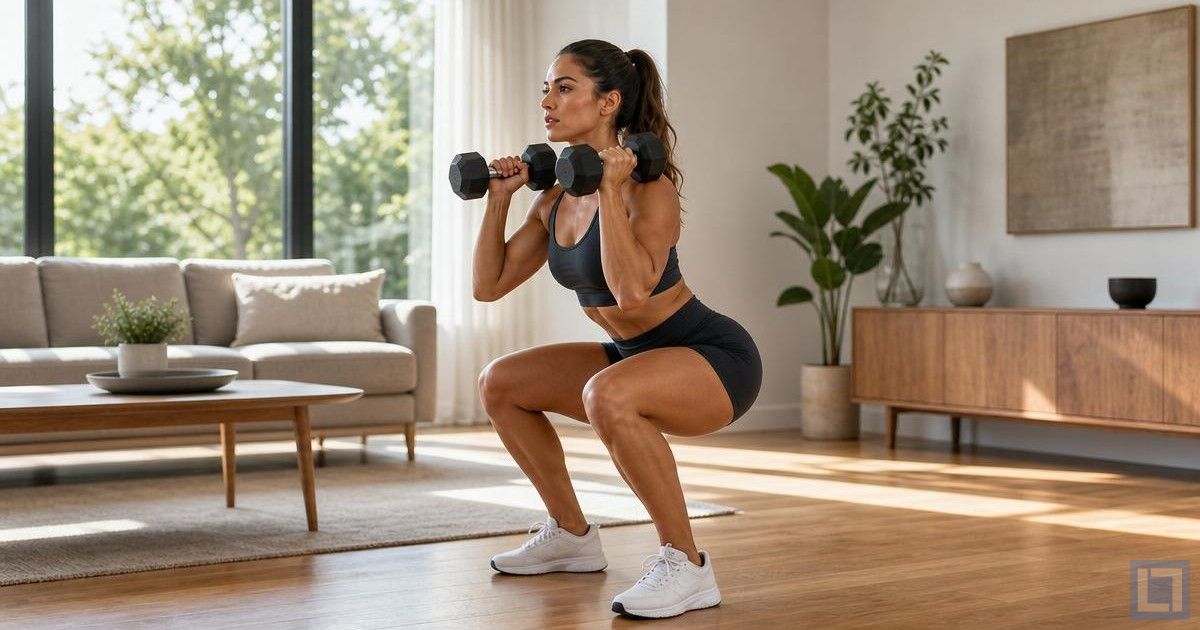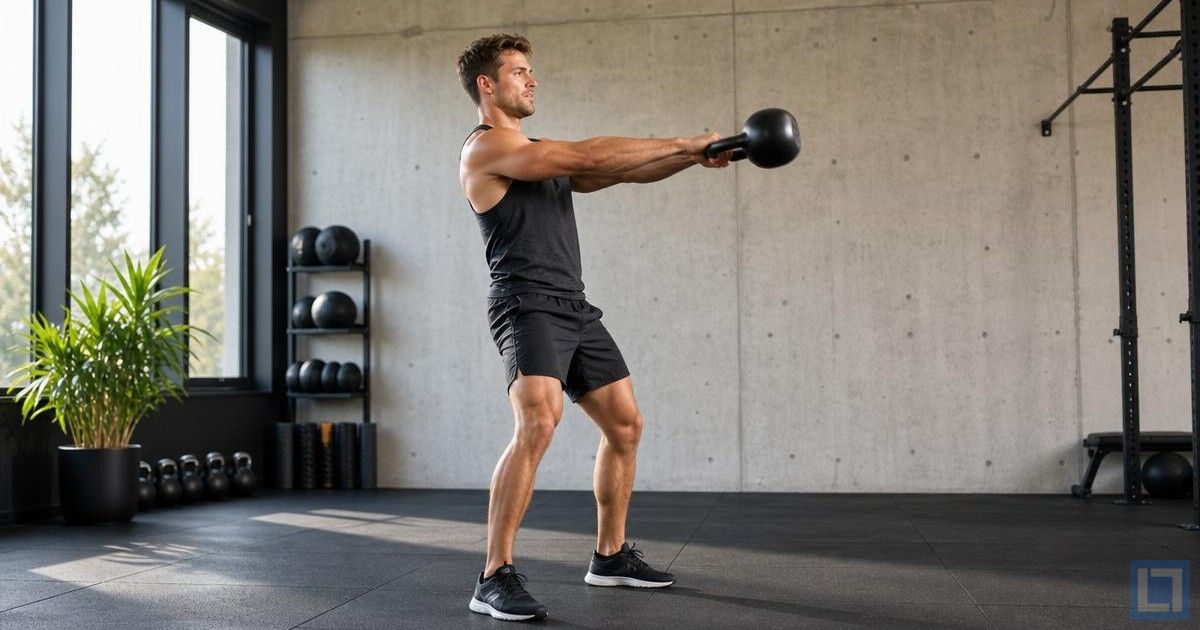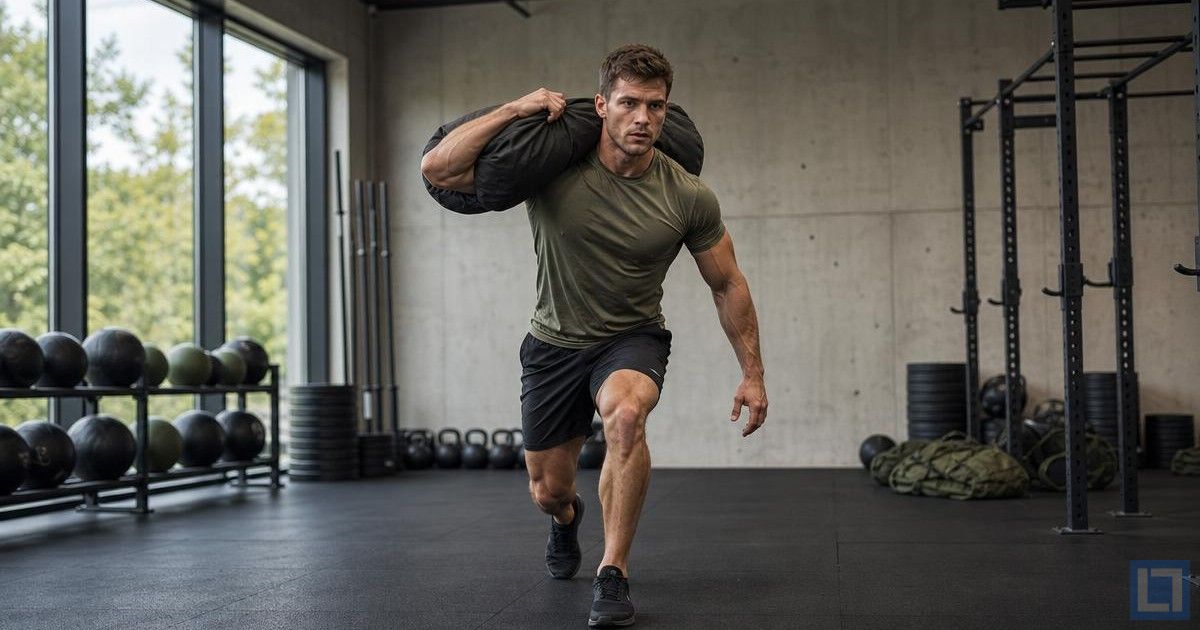
Military calisthenics produces some of the most well-rounded fitness adaptations that any training program can deliver. The combination of upper-body pressing (push-ups), pulling (pull-ups), core endurance (sit-ups, planks, flutter kicks), lower-body work (squats, lunges), and full-body conditioning (burpees, mountain climbers) covers every fitness function that real-world military tasks demand. The exercises require minimal equipment (a pull-up bar is the only specialized item), translate directly to PT test performance across every branch, and produce the kind of functional strength and endurance that desk-bound gym programs rarely match.
Below are ten effective military calisthenics exercises that form the core of standard PT preparation across the Army, Navy, Air Force, and Marines. Together they build the foundational strength, endurance, and conditioning that PT tests measure and that real military tasks require. A 30 to 45-minute session pulled from this list produces strong full-body stimulus and prepares lifters for any standard military fitness assessment.
Push Ups

The Push Ups perform the standard push-up motion in plank position. The exercise is the foundational upper-body strength test in nearly every military physical fitness assessment, scored by reps completed in a 2-minute window with strict form.
For military calisthenics specifically, the push-up sits at the center of every PT test (Army ACFT hand-release push-ups, Navy push-ups, Air Force push-ups, Marine Corps push-ups). Build to 50 to 60 strict reps in 2 minutes for a competitive military score. Run them for 4 to 5 sets of 15 to 25 reps as the foundational pressing exercise in any military-style program.
Set up in plank position with hands directly under the shoulders. Lower the chest to within an inch of the floor by bending the elbows to 45 degrees. Press back to lockout. Maintain rigid body position from head to heels throughout. The military scoring standards typically require chest contact (or near-contact) with the floor and full lockout at the top.
Sit-Up

The Sit-Up lies flat on the back with knees bent and feet planted, then sits up by curling the trunk forward. The classic pattern is the foundational core test in most military PT assessments, scored by reps completed in a 2-minute window.
For military calisthenics, the sit-up is the standard core test exercise. Most military PT tests require 50 to 60+ strict reps in 2 minutes for competitive scores. The exercise builds the trunk flexion endurance that ruck marches, obstacle courses, and combat tasks demand. Run it for 4 to 5 sets of 20 to 30 reps as the primary core exercise.
Lie flat on the back with knees bent and feet flat on the floor. Place the hands behind the head or across the chest. Curl the trunk up to bring the chest toward the knees. Lower under control to the start position. Avoid yanking on the neck. Most military scoring standards require the elbows to touch the knees or thighs at the top.
Pull Up

The Pull Up hangs from a pull-up bar with arms straight and pulls the body up until the chin clears the bar. The exercise is the standard upper-body pulling test in many military PT assessments and serves as one of the most demanding bodyweight pulls that exists.
For military calisthenics, pull-ups separate strong recruits from average ones. The Marine Corps PFT requires 20+ strict reps for a perfect score; most military operators target 15+ strict reps. Build to 10 to 12 strict reps before chasing higher rep counts; sloppy kipping reps do not count toward military scoring standards. Run it for 4 to 5 sets of 5 to 10 strict reps.
Hang from a pull-up bar with hands shoulder-width or slightly wider, palms facing away. Pull the body up until the chin clears the bar. Lower under control to full arm extension. Most military scoring standards require strict reps with full hang at the bottom and chin-over-bar at the top, with no kipping.
Squat

The Squat lowers the body by bending at the hips and knees, then drives back to standing. The bodyweight squat is one of the foundational lower-body exercises in any military calisthenics program and serves as the entry point to harder lower-body progressions.
For military calisthenics, bodyweight squats build the leg endurance required for ruck marches, sustained patrols, and obstacle navigation. Most military training programs incorporate 50 to 100+ bodyweight squats per session as conditioning work. Run it for 4 to 5 sets of 20 to 30 reps as foundational lower-body endurance work.
Stand with feet shoulder-width and toes pointed slightly outward. Squat down by sitting the hips back while bending the knees, keeping the chest tall and weight in the heels. Drop to roughly parallel depth. Drive back to standing through the whole foot. Maintain consistent tempo for endurance work.
Lunge

The Lunge steps forward into a long stance and drops the back knee toward the floor before pressing back to standing. The unilateral pattern hits each leg independently and builds the kind of single-leg strength that ruck marches and obstacle courses demand.
Lunges fill the unilateral leg work role in military programs that bilateral squats cannot match. The alternating leg pattern transfers directly to walking patterns under load (rucks, patrols), which makes lunges one of the most functional military training exercises. Run it for 4 sets of 10 to 12 reps per leg as foundational unilateral work.
Step into a long stance with one leg forward. Drop straight down rather than forward; the back knee descends toward the floor while the front shin stays roughly vertical. Drive through the front heel to push back to standing. Alternate sides on each rep.
Burpee

The Burpee combines a squat thrust, push-up, and vertical jump into one continuous full-body movement. The exercise is the cornerstone conditioning drill in virtually every military training program and produces extreme cardiovascular demand alongside full-body strength stimulus.
Burpees are the universal military calisthenics conditioner. The combination of squat, push-up, jump-back, jump-forward, and vertical jump produces fitness adaptations that single-pattern exercises cannot match. Run them for 4 to 5 sets of 10 to 15 reps at moderate-fast tempo, or for 30 to 45-second intervals as conditioning work.
Stand tall. Drop into a squat with hands on the floor. Kick the legs back into a plank position. Perform a push-up (some military variations skip this; the strictest version includes it). Jump the legs forward to the squat position. Jump explosively upward with arms overhead. Land softly and immediately drop into the next rep.
Front Plank
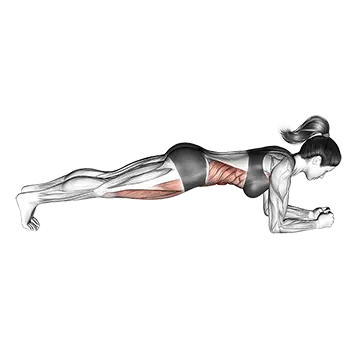
The Front Plank holds a forearm plank position with the body in a straight line from head to heels. The isometric hold builds the core strength and bracing patterns that ruck loading, combat tasks, and obstacle navigation demand.
For military calisthenics, the plank is essential foundational core work. Modern military PT assessments increasingly include plank holds (the Army ACFT requires a 2-minute plank for high scores). Build to 90 to 120-second clean holds. Run it for 3 to 4 sets of 60 to 90-second holds as foundational core endurance work.
Set up on the forearms with elbows directly under the shoulders. Body straight from head to heels, hips not sagging or piking up. Hold the position while breathing normally. End the set when form breaks down or the prescribed time is met.
Mountain Climber

The Mountain Climber starts in a push-up position and rapidly drives the knees toward the chest in alternating fashion. The continuous movement combines core engagement with cardiovascular demand and produces strong total-body conditioning.
For military calisthenics conditioning, mountain climbers fill the high-tempo cardio role. The exercise produces strong heart rate response while loading the core and shoulders, which makes it more productive than pure standing cardio. Run them for 4 sets of 30 to 45-second intervals as conditioning work.
Set up in a push-up position with arms straight and body in a straight line. Drive one knee toward the chest, then quickly switch and drive the other knee forward. Maintain a strong core position throughout. Continue at a fast tempo for the prescribed duration.
Flutter Kicks

The Flutter Kicks lie on the back with legs extended and alternately raise and lower the legs in a flutter motion. The continuous lower-ab loading produces strong endurance demand on the lower abdominal region and hip flexors.
Flutter kicks are a staple of military PT and Navy SEAL training in particular. The exercise builds the lower-ab and hip flexor endurance required for swim training, treading water, and sustained core activation under load. Run it for 4 sets of 30 to 45-second intervals or for 4 sets of 20 to 30 reps each leg.
Lie flat on the back with hands at the sides for support, legs extended and slightly raised off the floor. Alternately raise and lower the legs in a flutter motion, keeping them straight. Maintain the lifted position throughout the entire set; do not let the heels touch the floor between reps.
Triceps Dip Floor

The Triceps Dip Floor sits on the floor with the hands behind the body and feet planted forward, then dips the body up and down by bending at the elbows. The bodyweight tricep exercise complements the push-up to produce more complete upper-body development in any minimal-equipment program.
Floor dips are one of the most accessible direct tricep exercises that exists. No equipment needed beyond floor space. The exercise produces strong tricep stimulus that complements the push-up emphasis of typical military programs. Run it for 3 sets of 15 to 20 reps as accessory work after primary pressing exercises.
Sit on the floor with hands placed flat behind the body, fingers pointing forward. Plant the feet flat on the floor with knees bent. Lift the hips off the floor. Lower the body by bending the elbows, then press back to the start by extending the elbows. Keep the hips lifted throughout.
How To Program These Workouts
A productive military calisthenics session pulls six to eight exercises from the list above and runs them in circuit format. A balanced session includes one upper-body push (push-ups), one upper-body pull (pull-ups), one core endurance exercise (sit-ups or plank), one lower-body strength exercise (squats or lunges), one full-body conditioner (burpees or mountain climbers), and one accessory (flutter kicks or floor dips). Run primary strength exercises for 4 to 5 sets of 15 to 25 reps; conditioning intervals for 4 sets of 30 to 45 seconds; isometric holds for 3 to 4 sets of 60 to 90 seconds.
Train military calisthenics 4 to 5 times per week. The high-frequency training matches actual military training schedules and produces the conditioning improvements PT tests measure. Most successful programs alternate harder strength-focused days (lower reps, more sets, longer rest) with conditioning-focused days (higher reps, shorter rest, circuit format). Beginners can start with 3 sessions per week and progress to 4 to 5 as conditioning builds over 4 to 8 weeks.
For broader calisthenics programming, see our best military calisthenics workouts and best calisthenics workout plan. For specific test prep, see our how to do a pull-up guide.
Final Thoughts
The best military calisthenics workout delivers real-world functional fitness through PT-test exercises that translate directly to military performance standards. The combination of pushing, pulling, core endurance, lower-body strength, and conditioning covers every major fitness function that military operators need, and the equipment-light format makes the training accessible at home, on deployment, or in any environment. For lifters preparing for PT tests, military training, or simply wanting the kind of broad functional fitness that military training produces, this format is one of the most effective options available.
Stay focused on form quality and consistent training. The most common mistake in military PT prep is chasing rep counts through sloppy form, which limits both PT score improvements and long-term progression. The fix: prioritize strict full-range reps that match military scoring standards. A test-day push-up that does not meet the strict-form requirement does not count toward your score, regardless of how many you completed in training. Train to the standard you will be tested against; the score follows.
Frequently Asked Questions
How many push-ups do I need for military fitness standards?
Standards vary by branch, age, and gender. The Army ACFT requires 30 to 60 hand-release push-ups in 2 minutes (depending on MOS standards); Marines require 70 to 87 push-ups in 2 minutes for a perfect score; Navy and Air Force have similar 50 to 60+ requirements. Most military fitness goals target 40 to 60 strict push-ups in 2 minutes as a competitive baseline. Build to this standard through progressive training rather than test-day attempts.
How often should I train military calisthenics?
Four to five times per week works for most lifters preparing for military PT tests. The high-frequency training matches actual military training schedules and drives the conditioning improvements PT tests measure. Beginners can start with 3 sessions per week and progress to 4 to 5 as conditioning builds. Daily PT training is feasible during dedicated test prep periods (last 4 to 6 weeks before the test) but typically produces burnout if continued for months.
Can military calisthenics replace gym training?
Yes for general fitness and PT test prep, partially yes for muscle-building goals. Military calisthenics produces real strength, endurance, and conditioning for years of progressive practice and matches military fitness standards directly. For maximum muscle size and strength beyond what bodyweight training can produce, eventually adding weighted variations (weighted vests, weighted pull-ups) and barbell work extends the training runway.
Do I need a pull-up bar for military calisthenics?
Yes for the pull-up exercises. Most military PT tests include some form of pull or upper-body pulling assessment, which requires bar access for proper training. The other exercises in this list (push-ups, sit-ups, squats, lunges, burpees, planks, flutter kicks, mountain climbers, floor dips) all work with floor space alone. A complete military calisthenics setup typically includes a pull-up bar plus floor space; nothing else is required.
How long until I see military calisthenics results?
Most lifters see meaningful PT test improvements within 4 to 6 weeks of consistent training. Visible muscle and conditioning changes typically appear after 8 to 12 weeks. Major changes (significantly improved PT test scores, visible muscle and conditioning improvements) take 12 to 16 weeks of consistent training. Most successful military fitness preparation runs 12 to 16 weeks before test day for best results.