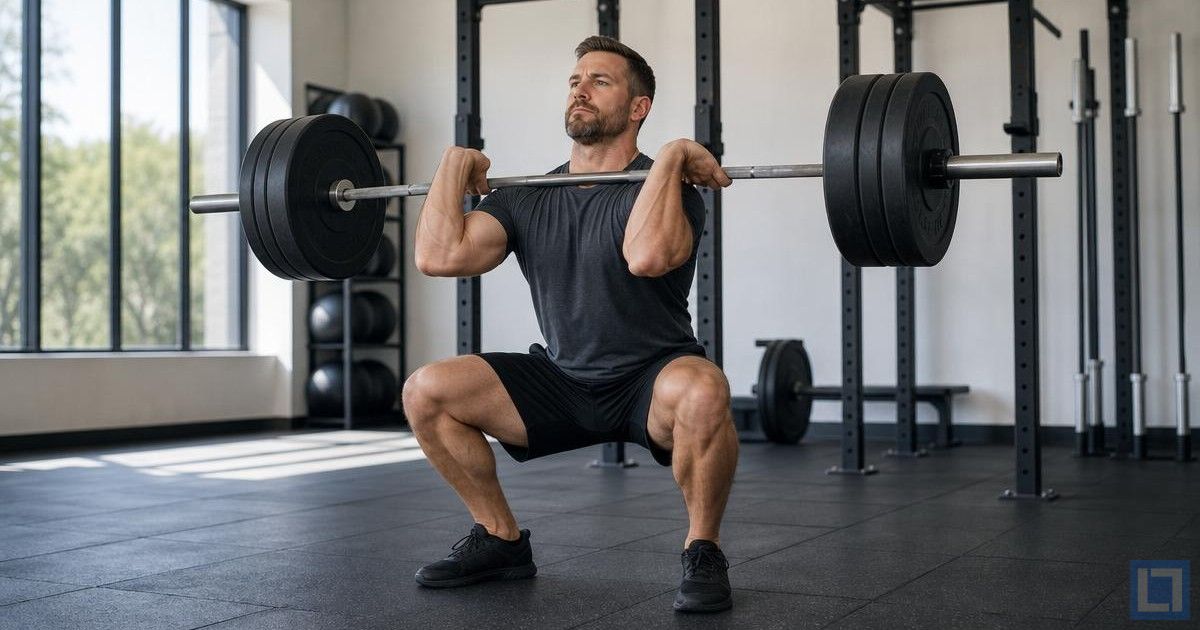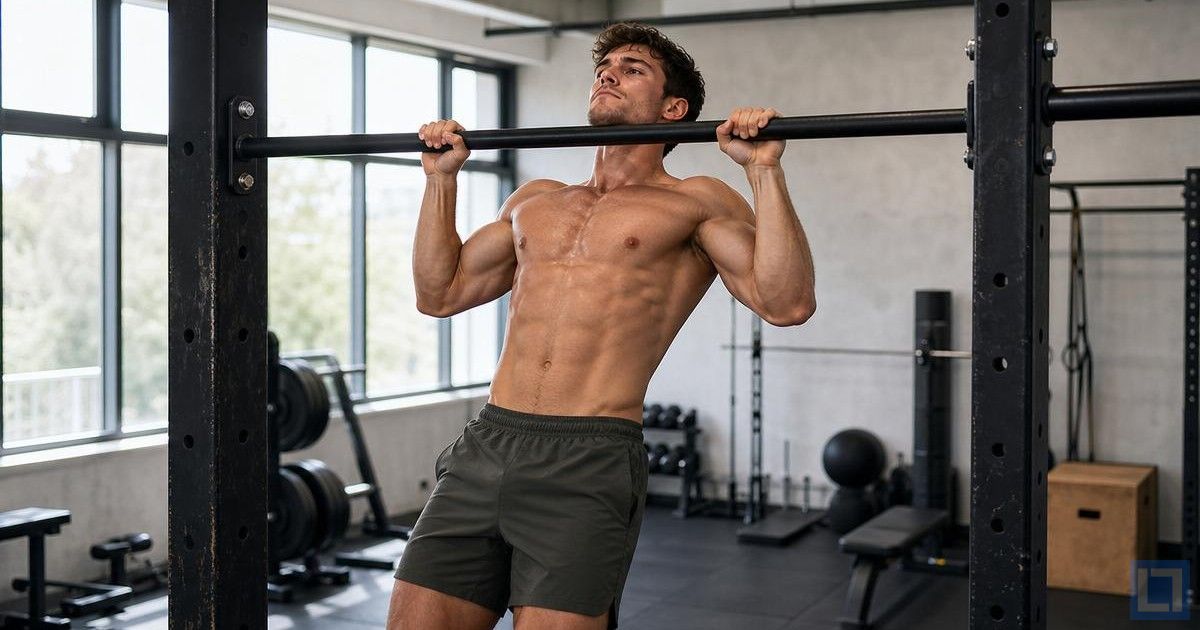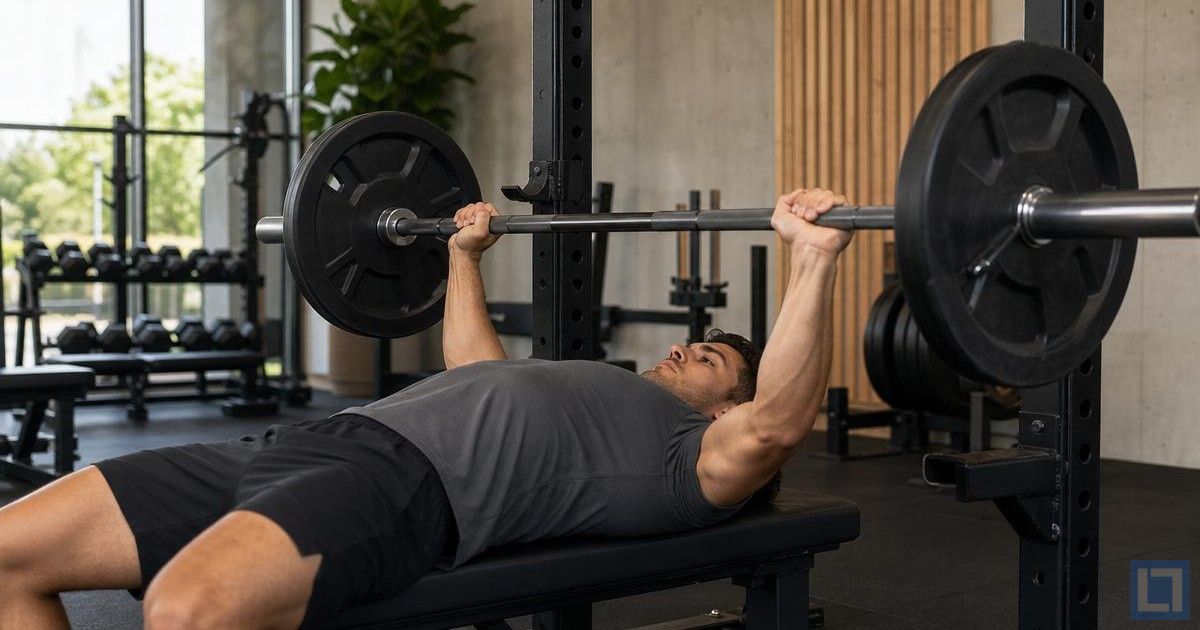
Effective bodybuilding programs share common foundations regardless of specific split structure or progression scheme. The training prioritizes heavy compound lifts (bench press, squat, deadlift, bent-over row, overhead press) for the bulk of the volume, supplements with appropriate accessory work (incline press, Romanian deadlift, pull-ups, lateral raises, bicep curls), uses progressive overload tracked across weeks and months, and runs at 4 to 6 sessions per week to support both the volume and recovery requirements of serious mass building. The best bodybuilding programs combine these elements into a cohesive structure that produces measurable physique changes over months and years of consistent training.
Below are ten foundational compound and accessory exercises that form the core of any productive bodybuilding program. Together they cover chest pressing (flat and incline), shoulder work (overhead press, lateral raises), back development (rows, pull-ups, deadlifts), leg training (squats, Romanian deadlifts), and direct arm work (curls). The list works as the exercise foundation for popular splits including push/pull/legs, upper/lower, bro splits, and 5-day body-part splits.
Barbell Bench Press

The Barbell Bench Press lies flat on a bench and presses a loaded barbell from chest level to lockout above the chest. The exercise is the cornerstone chest mass-builder in every traditional bodybuilding program and produces the strongest chest development per session of any single exercise.
For bodybuilding, the bench press is non-negotiable. The bilateral barbell loading produces stronger chest development per rep than dumbbell or machine variations, and the heavy progressive overload drives long-term chest growth. Run it for 4 to 5 sets of 6 to 10 reps as the primary push exercise on chest day or push day, with rest periods of 2 to 3 minutes between heavy sets.
Lie flat on a bench with feet planted firmly on the floor. Grip the barbell slightly wider than shoulder-width. Lower the bar to mid-chest under control. Press back to lockout. Maintain a slight arch in the lower back, tight upper back, and feet planted throughout.
Barbell Squat

The Barbell Squat (back squat) holds a barbell across the upper back and squats down by bending at the hips and knees. The exercise is the foundational lower-body mass-builder in every bodybuilding program.
For bodybuilding, heavy squatting produces broader leg development than any other single exercise. The combination of bilateral heavy loading and full-body bracing demand drives quad, glute, and hamstring growth that machine alternatives rarely match. Run it for 4 to 5 sets of 6 to 10 reps as the primary leg exercise.
Set up under a barbell on a squat rack with the bar across the upper back. Step back to clear the rack. Stand with feet shoulder-width and toes pointed slightly out. Squat down by sitting the hips back while bending the knees. Drive back to standing through the whole foot.
Barbell Deadlift

The Barbell Deadlift starts with the barbell on the floor and lifts it to standing position by hinging at the hips and extending through the legs. The exercise loads the entire posterior chain plus produces significant quad activation during the initial drive.
For bodybuilding, the deadlift is one of the most foundational mass-builders that exists. The exercise hits the back, traps, glutes, hamstrings, and grip simultaneously through the heaviest pulling pattern available. Run it for 3 to 4 sets of 4 to 6 reps as primary pull-day or back-day work.
Stand with feet hip-width with the barbell over the middle of the feet. Hinge at the hips and bend the knees to grip the bar with shoulder-width grip. Drive through the legs and pull the bar up close to the body until standing fully upright. Reverse the motion under control. Reset before each rep.
Barbell Bent Over Row

The Barbell Bent Over Row hinges over with a barbell held at hip level and rows the bar to the lower chest by pulling the elbows back. The exercise is the foundational horizontal pulling movement in every bodybuilding program.
For bodybuilding back development, the bent over row is the cornerstone horizontal pull. The bilateral barbell loading allows heavier total weight than dumbbell variations, and the bent-over position produces strong loading across the entire upper back, lats, and rhomboids. Run it for 3 to 4 sets of 6 to 10 reps as primary horizontal pull work.
Stand with feet hip-width holding a barbell at the front of the thighs. Hinge over by pushing the hips back and bending the knees slightly, lowering the torso to roughly 45 degrees. Row the bar to the lower chest by pulling the elbows back. Lower under control. Keep the back flat throughout.
Dumbbell Incline Bench Press

The Dumbbell Incline Bench Press lies on an incline bench (set to 30 to 45 degrees) and presses dumbbells from chest level to lockout. The incline angle shifts loading toward the upper chest and front delts.
For bodybuilding chest development, the incline press complements heavy flat bench work by hitting the upper chest more directly. The dumbbell version is more shoulder-friendly than incline barbell pressing and the unilateral nature catches strength imbalances. Run it for 3 to 4 sets of 8 to 12 reps as secondary chest work.
Set an incline bench to 30 to 45 degrees. Sit back with dumbbells held at chest level, palms facing forward. Press both dumbbells up to lockout above the chest. Lower under control to chest level.
Dumbbell Standing Overhead Press

The Dumbbell Standing Overhead Press stands tall with dumbbells held at the shoulders and presses both up to lockout overhead. The bilateral compound pressing pattern produces strong shoulder development.
For bodybuilding shoulder development, the standing overhead press is the foundational compound movement. The full-body bracing demand and bilateral loading produce stronger shoulder development per rep than seated machine pressing. Run it for 3 to 4 sets of 6 to 10 reps as primary shoulder work.
Stand tall with feet shoulder-width apart and dumbbells held at the shoulders. Press both dumbbells up to lockout overhead. Lower under control to the shoulders. Brace the core hard throughout to prevent body sway.
Pull Up

The Pull Up grips an overhead bar with palms facing away and pulls the body up until the chin clears the bar. The exercise is one of the foundational pulling movements and produces strong lat and bicep development.
For bodybuilding back development, pull-ups complement heavy bent-over rowing by adding vertical pulling. The pattern hits the lats more directly than horizontal rowing, which produces broader back development from every visual angle. Run it for 3 to 4 sets of 6 to 10 reps as primary vertical pull work.
Hang from an overhead bar with palms facing away (overhand grip), hands shoulder-width apart. Pull the body up by driving the elbows down until the chin clears the bar. Lower under control to a full hang.
Barbell Romanian Deadlift

The Barbell Romanian Deadlift starts standing with the barbell at hip level and hinges at the hips with a slight knee bend, lowering the bar in a controlled motion before driving the hips forward to stand. The exercise targets the hamstrings and glutes heavily.
For bodybuilding hamstring development, the Romanian deadlift is the foundational exercise. The hip-hinge pattern emphasizes the hamstrings and glutes more heavily than conventional deadlifts because the knees stay relatively straight throughout. Run it for 3 to 4 sets of 8 to 12 reps as primary hamstring work.
Stand tall holding a barbell at hip level with shoulder-width grip. Hinge at the hips with a slight knee bend, lowering the bar in a path close to the legs until the hamstrings stretch. Drive the hips forward to stand back up.
Dumbbell Lateral Raise

The Dumbbell Lateral Raise holds dumbbells at the sides and lifts them out laterally to shoulder height. The exercise targets the side deltoids directly through their primary shoulder abduction function.
For bodybuilding shoulder width, the lateral raise is essential. The pattern hits the medial deltoid heads with maximum efficiency and produces the visible shoulder caps that define an athletic V-taper. Run it for 3 to 4 sets of 12 to 15 reps as accessory shoulder work after primary overhead pressing.
Stand tall with dumbbells held at the sides, palms facing the body. Lift the dumbbells out to the sides until the arms are roughly parallel to the floor. Pause briefly at the top. Lower under control. Avoid swinging.
Barbell Curl

The Barbell Curl holds a barbell at the front of the thighs and curls it up toward the shoulders by bending at the elbows. The exercise is the foundational bicep mass-builder in every bodybuilding program.
For bodybuilding bicep development, the barbell curl is the cornerstone mass-building exercise. The bilateral barbell loading allows heavier total weight than dumbbell variations, and the strict pattern produces strong bicep development per rep. Run it for 3 to 4 sets of 8 to 12 reps as primary bicep work.
Stand tall with a barbell held at the front of the thighs, hands shoulder-width with palms facing forward. Curl the bar up toward the shoulders by bending at the elbows. Squeeze the biceps at the top. Lower under control to full extension. Keep the elbows pinned at the sides throughout.
How To Program These Workouts
A productive bodybuilding program organizes these foundational exercises across 4 to 6 training days per week. The 6-day push/pull/legs split (run twice through with one rest day) is one of the most effective structures for intermediate lifters, training each muscle group twice per week. The 5-day body-part split (chest, back, shoulders, legs, arms) is the classic bro split that works particularly well for advanced lifters with high recovery capacity. The 4-day upper/lower split produces strong results for beginners and intermediates with limited training availability.
Within each session, run primary compound lifts for 4 to 5 sets of 5 to 8 reps with 2 to 3 minutes rest between sets. Run secondary compounds for 3 to 4 sets of 8 to 12 reps with 60 to 90 seconds rest. Run isolation exercises for 3 sets of 12 to 15 reps with 45 to 60 seconds rest. Track every set in a training log and aim to add weight, reps, or sets every 1 to 2 weeks. Most lifters can add 5 to 10 pounds to compound lifts every 2 to 4 weeks during the first 12 to 18 months of consistent training.
For specific split programming, see our best push pull legs split and best bro split workout. For powerlifting-focused training, see our best powerlifting program.
Final Thoughts
The best bodybuilding program delivers serious physique development through foundational compound exercises, progressive overload, and appropriate volume distributed across 4 to 6 weekly sessions. The combination of heavy compound lifts for mass and accessory isolation work for visible muscle development covers every major aspect of physique training. For lifters who want measurable results aligned with traditional bodybuilding goals, the foundational compound exercises in this list serve as the proven building blocks of effective programming.
Stay focused on progressive overload and consistency. The most common bodybuilding training mistake is chasing program variety (constantly switching routines, exercises, or splits) rather than running a single program consistently with progressive overload over months. The fix: pick a program structure that matches your schedule and recovery capacity, then run it for 12 to 16 weeks before evaluating results. Lifters who run consistent programs with progressive loading produce stronger physique changes than those who switch programs every few weeks chasing novelty.
Frequently Asked Questions
How many days per week should I bodybuild?
Four to six days per week works for most serious bodybuilders. Beginners often start with 3 to 4 days per week (full-body or upper/lower) and progress to 5 to 6 days as recovery capacity improves. Most successful bodybuilders settle into 5 to 6-day splits during their intermediate and advanced years because the higher frequency drives stronger growth than 3 to 4-day programs.
How long should bodybuilding workouts be?
60 to 90 minutes works for most lifters. Shorter sessions (under 45 minutes) often miss enough volume for optimal growth; longer sessions (over 2 hours) produce diminishing returns due to fatigue and time constraints. Most well-designed bodybuilding sessions include 5 to 7 exercises with appropriate rest periods (2 to 3 minutes between heavy compound sets, 60 to 90 seconds between accessory sets).
Bro split or push/pull/legs?
Both work; the choice depends on training experience and recovery capacity. Push/pull/legs (especially 6-day) trains each muscle group twice per week and produces stronger growth for intermediates. Bro splits train each muscle group once per week with maximum volume per session and work particularly well for advanced lifters with high recovery capacity. Beginners often do better with full-body or upper/lower programs before progressing to either split.
How long until I see bodybuilding results?
Most lifters feel meaningful strength improvements within 4 to 6 weeks of consistent bodybuilding training. Visible muscle development appears within 8 to 12 weeks combined with appropriate nutrition. Major physique changes (significantly more muscular and lean) take 6 to 18 months of dedicated practice. Year-over-year progression continues for the first 5 to 8 years of training before the rate naturally slows for advanced lifters.
Do I need to bulk and cut for bodybuilding?
Yes for most lifters who want significant muscle development. The body cannot efficiently build large amounts of new muscle without a small caloric surplus (200 to 500 calories above maintenance), and visible definition requires reduced body fat that requires a deficit. Most successful bodybuilders alternate between bulking phases (3 to 6 months) and cutting phases (8 to 16 weeks) to gradually build muscle while managing body fat. Beginner bodybuilders can often build muscle and lose fat simultaneously for the first 6 to 12 months (the body recomposition window).