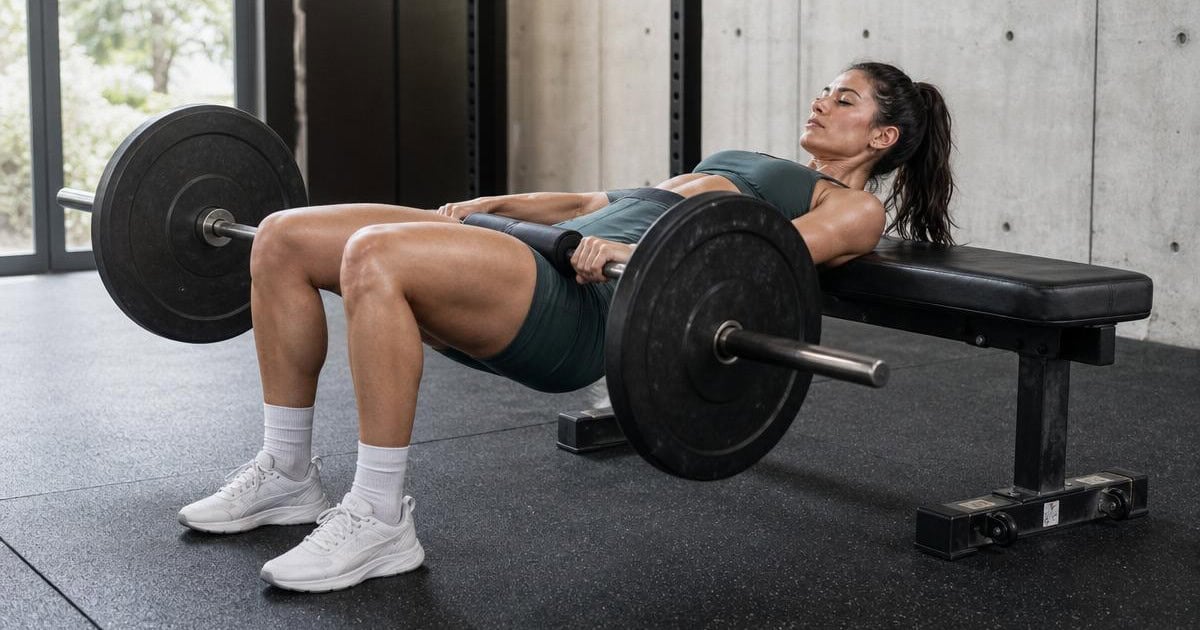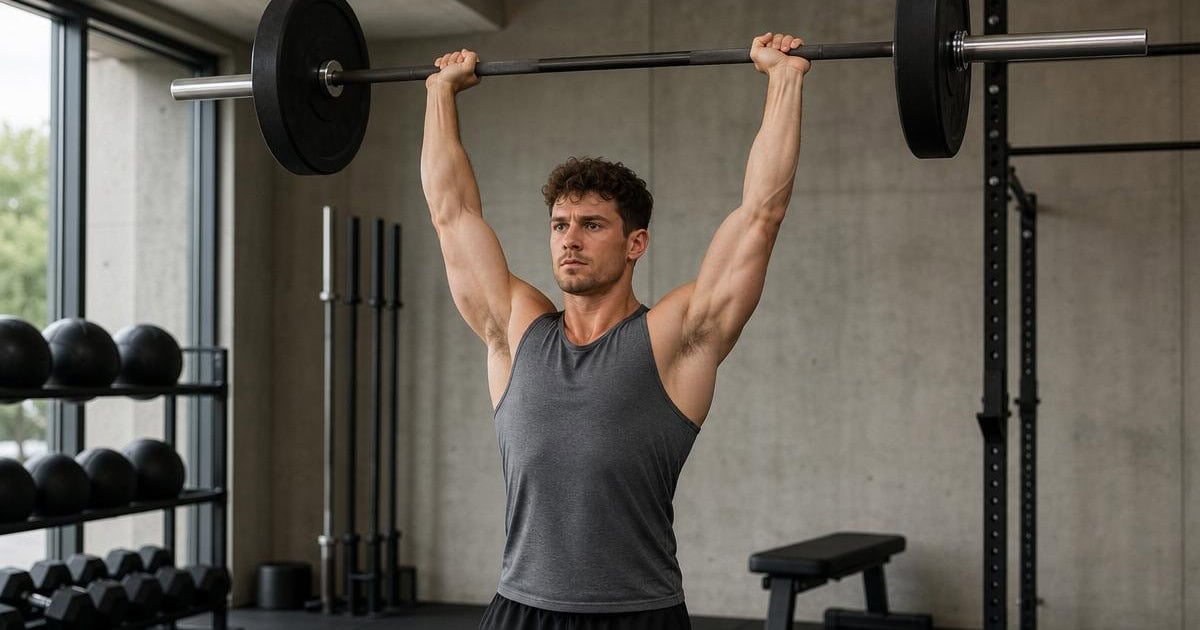
Building a stronger overhead press requires understanding the muscle groups involved (the press heavily emphasizes the anterior delts and triceps, with medial delt and upper chest involvement, plus core stabilizers and even glutes maintaining proper standing press form) and the training principles that develop better presses: dedicated heavy press practice as the primary intervention – direct heavy military press training builds press-specific motor learning, shoulder strength, and capacity that no other exercise replicates as effectively, dumbbell pressing variations for deeper range and asymmetry-addressing work, foundational compound horizontal pressing (heavy bench press) for the integrated pressing capacity supporting overhead pressing, upper chest and shoulder work (incline press) for the anterior shoulder contribution, dedicated tricep work (cable pushdowns, dips) for tricep contribution to lockout, medial delt isolation (lateral raises) for balanced shoulder development, anterior delt isolation (front raises) for additional anterior delt loading, core stability (planks) for proper press form, and shoulder mobility (dead hangs) for the mobility press demands. Most lifters who want stronger presses benefit from combining: 1) dedicated heavy press practice with progressive overload, 2) compound horizontal pressing for foundational strength, 3) dedicated tricep work for lockout strength, 4) shoulder isolation for complete development, and 5) appropriate progression over time.
Below are ten of the most effective exercises for building a stronger press, covering primary press practice (barbell standing military press), variation pressing (dumbbell seated shoulder press), foundational horizontal pressing (barbell bench press), upper chest support (barbell incline bench press), tricep isolation (cable pushdown), medial delt isolation (dumbbell lateral raise), anterior delt isolation (barbell front raise), compound tricep work (triceps dip), core stability (front plank), and shoulder mobility (dead hang stretch). Together they form a complete press strength program. A 60 to 75-minute pressing-focused session pulled from this list, performed 1 to 2 times per week, produces strong press development for any lifter focused on building press strength, increasing press loading, or developing the integrated upper-body pressing strength that overhead pressing produces.
Barbell Standing Military Press

The Barbell Standing Military Press performs standing overhead press. The pattern is foundational for press development.
For press development, the standing military press is foundational practice. Run it for 4 to 5 sets of 5 to 8 reps as primary heavy press work, 1 to 2 times per week.
Stand with feet hip-width holding a barbell at shoulder height with overhand grip. Press the bar straight overhead by extending the arms. Lower under control to shoulder height. The pattern is foundational for press development – dedicated heavy press practice with progressive overload builds press-specific motor learning, shoulder strength, and capacity. Heavy military press produces the most direct compound shoulder loading possible. Most lifters with the strongest presses have built them on consistent heavy military press training. The most direct way to improve overhead press is consistent heavy practice with progressive weight.
Dumbbell Seated Shoulder Press

The Dumbbell Seated Shoulder Press performs seated dumbbell shoulder press. The pattern produces variation press loading.
For press development, the dumbbell seated shoulder press produces variation pressing. Run it for 3 to 4 sets of 8 to 12 reps as variation pressing.
Sit on a bench with back support holding dumbbells at shoulder height with palms facing forward. Press the dumbbells straight overhead by extending the arms. Lower under control to shoulder height. The pattern produces compound shoulder loading with dumbbell variation – dumbbells allow deeper range than barbells, address left/right asymmetries, and provide variation alongside barbell press. Combined with military press, dumbbell pressing produces complete pressing development supporting press strength.
Barbell Bench Press

The Barbell Bench Press performs flat bench press. The pattern produces compound horizontal pressing.
For press development, the bench press produces foundational pressing strength. Run it for 3 sets of 5 to 8 reps as compound pressing work.
Lie on a flat bench with the eyes directly under the barbell. Grip the bar with hands wider than shoulder-width. Unrack the bar and position it over the chest. Lower the bar to the chest by bending the elbows. Press the bar back up by extending the arms. The pattern produces compound chest, shoulder, and tricep loading – critical for press development because horizontal pressing strength supports vertical pressing through similar muscle groups (anterior delt, tricep). Stronger benchers typically have stronger overhead presses through the integrated pressing capacity that compound pressing develops.
Barbell Incline Bench Press

The Barbell Incline Bench Press performs incline bench press. The pattern produces upper chest and shoulder loading.
For press development, the incline bench press emphasizes upper chest and shoulders supporting press. Run it for 3 sets of 6 to 10 reps as upper chest work.
Set up a bench at 30 to 45-degree incline. Lie on the bench with the eyes directly under the barbell. Grip the bar with hands wider than shoulder-width. Unrack the bar and position it over the upper chest. Lower the bar to the upper chest by bending the elbows. Press the bar back up by extending the arms. The pattern emphasizes upper pec major and anterior delts – critical for press development because the upper chest and anterior shoulders contribute substantially to press strength. The incline angle bridges the gap between flat bench and overhead press.
Cable Pushdown

The Cable Pushdown performs cable tricep pushdowns. The pattern produces direct tricep isolation.
For press development, the cable pushdown produces direct tricep isolation supporting lockout. Run it for 3 sets of 10 to 15 reps as tricep isolation work.
Stand facing a cable station with the cable at high position. Grip the bar or rope attachment with both hands at chest level. Press the cable down by extending the elbows until the arms are straight. The triceps work hard through pure elbow extension. Squeeze hard at peak. Return under control. The pattern produces direct tricep isolation – critical for press development because the triceps drive press lockout. Stronger triceps directly improve press lockout strength. Combined with compound pressing, dedicated tricep work produces complete pressing strength.
Dumbbell Lateral Raise

The Dumbbell Lateral Raise performs dumbbell lateral raises. The pattern produces medial delt isolation.
For press development, the dumbbell lateral raise produces medial delt isolation supporting overall shoulder development. Run it for 3 sets of 10 to 15 reps as medial delt work.
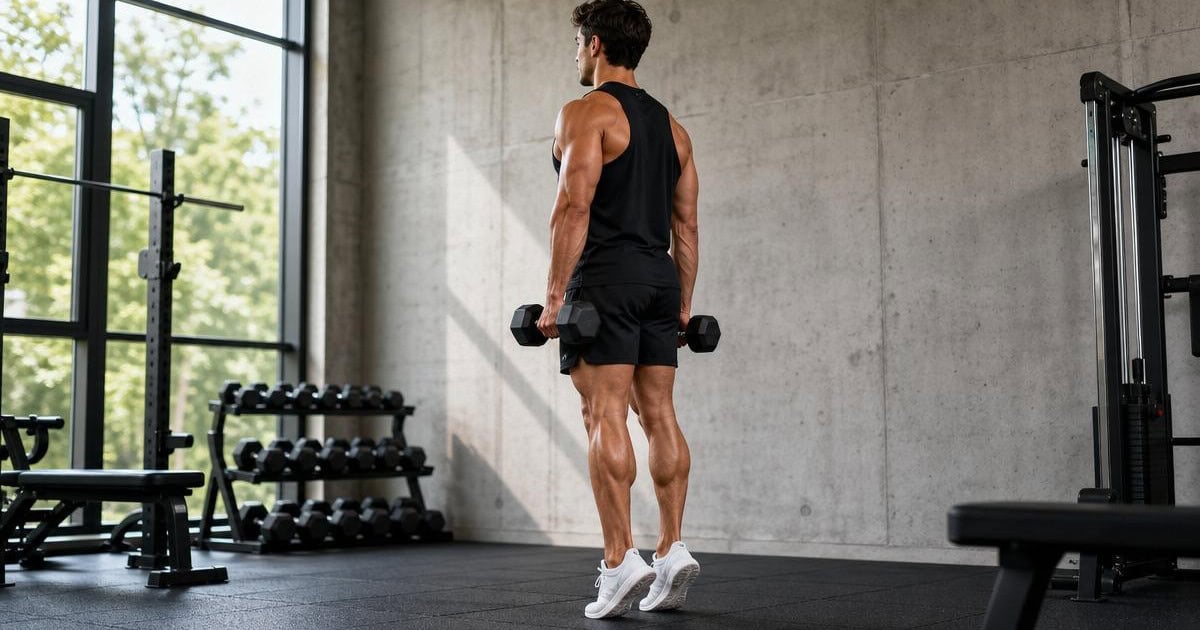
Stand with feet hip-width holding dumbbells in each hand at the sides with palms facing inward. Lift the dumbbells out to the sides by raising the arms straight out to shoulder height. The medial delts work hard. Squeeze hard at peak. Lower under control. The pattern produces direct medial delt isolation – while compound pressing emphasizes anterior delts, the medial delts contribute to overhead pressing and complete shoulder development. Strong medial delts support balanced shoulder development that pressing depends on.
Barbell Front Raise

The Barbell Front Raise performs barbell front raises. The pattern produces direct anterior delt loading.
For press development, the barbell front raise produces direct anterior delt loading. Run it for 3 sets of 10 to 12 reps as anterior delt isolation.
Stand with feet hip-width holding a barbell at the front of the thighs with overhand grip. Lift the bar straight forward and up to shoulder height by raising the arms in front of the body. The anterior delts work hard. Squeeze at peak. Lower under control. The pattern produces direct anterior delt isolation – while compound pressing trains the anterior delts, dedicated front raises produce additional anterior delt loading for complete development. Strong anterior delts directly improve press strength.
Triceps Dip

The Triceps Dip performs bodyweight tricep dips. The pattern produces compound tricep and shoulder pressing.
For press development, the dip produces compound tricep loading. Run it for 3 sets of 6 to 12 reps as compound tricep work.
Position on parallel bars or a dip station with arms extended supporting bodyweight. Lower the body by bending the elbows until the upper arms are parallel to the floor. Push back up by extending the arms. The triceps, chest, and anterior delts work hard. The pattern produces compound tricep and chest loading – critical for press development because dips build the compound tricep strength supporting press lockout. Combined with compound pressing and tricep isolation, dips produce complete tricep development for stronger presses.
Front Plank
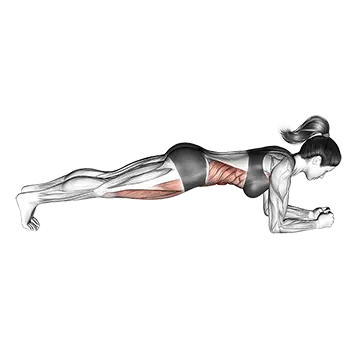
The Front Plank performs forearm plank holds. The pattern produces foundational core for press form.
For press development, the plank produces foundational core stability supporting proper press form. Run it for 3 sets of 30 to 60-second holds as core work.
Lie face-down on the floor. Prop up on the forearms with elbows under the shoulders. Lift the hips so the body forms a straight line from shoulders to ankles. The core works hard isometrically. Hold for the working interval. The pattern builds isometric core strength critical for press form – proper standing press depends on tight core engagement to prevent excessive lumbar extension during the press. Strong core supports proper press form and prevents the form breakdown that limits press capacity and increases injury risk.
Dead Hang Stretch

The Dead Hang Stretch performs dead hangs. The pattern produces shoulder mobility supporting press.
For press development, dead hangs produce shoulder mobility critical for press lockout. Run it for 3 sets of 30 to 60-second hangs as shoulder mobility work, daily.
Hang from a pull-up bar with hands shoulder-width apart and a passive dead hang position (relaxed shoulders). Hold the position for the working interval. The shoulders decompress, the lats stretch, and the upper body lengthens. The grip works hard. The pattern produces excellent shoulder mobility and decompression – critical for press development because proper press lockout demands shoulder flexion mobility, and chronic shoulder tightness limits press capacity. Daily dead hangs maintain the shoulder mobility press demands.
How To Program These Workouts
A productive press strength session pulls 5 to 7 exercises from the list above. A common balanced session: barbell standing military press (heavy primary practice – 4 to 5 sets), barbell bench press (compound horizontal pressing), barbell incline bench press (upper chest), cable pushdown (tricep isolation), dumbbell lateral raise (medial delt), front plank (core), dead hang stretch (mobility). For maximum press strength: prioritize dedicated heavy military press practice (1 to 2 times per week) plus heavy bench press plus dedicated tricep work. For overhead-focused programs (Olympic lifters, strongman): include front squats and other supporting work. Run heavy press practice for 4 to 5 sets of 5 to 8 reps, accessory pressing for 3 sets of 6 to 10 reps, isolation work for 3 sets of 10 to 15 reps.
Train press strength 1 to 2 times per week as part of complete pressing programming. Most successful press programs include: 1) primary press day (heavy military press practice plus accessories), 2) secondary press day or upper body day (bench press, dumbbell pressing), 3) regular shoulder mobility maintenance (daily dead hangs), 4) regular tricep work for lockout development. Combined with progressive overload (gradually adding weight as form improves) and adequate volume (15 to 20+ weekly working sets focused on shoulders and triceps), dedicated press training produces measurable improvements within 8 to 12 weeks for most lifters. The press responds well to dedicated practice plus complementary work because press strength depends on multiple muscle groups working together.
For broader programming, see our how to grow your shoulders and best shoulder exercises. For specific work, see our how to build a stronger bench.
Final Thoughts
Building a stronger press requires applying the right training principles consistently over time: dedicated heavy press practice as the primary intervention, dumbbell pressing variations, foundational compound horizontal pressing, upper chest support, dedicated tricep work, medial delt isolation, anterior delt isolation, compound tricep work, core stability for proper form, and shoulder mobility maintenance. The combination of military press, dumbbell shoulder press, bench press, incline press, pushdowns, lateral raises, front raises, dips, planks, and dead hangs covers every functional pattern of press development and produces broader upper-body strength than partial training would suggest. Most lifters who consistently apply these principles see measurable press improvement within 8 to 12 weeks – including more press weight, better press form, more developed shoulders, addressed tricep weakness limiting lockout, and the integrated upper-body strength that translates to other pressing patterns. For lifters seeking stronger presses, dedicated combination of practice plus complementary work is the most effective approach.
Stay focused on dedicated practice plus tricep development as priorities for press strength. The most common mistake lifters make in press training is doing only general shoulder work without dedicated heavy press practice plus dedicated tricep work that addresses lockout. The fix: prioritize dedicated heavy press practice (1 to 2 sessions per week with 4 to 5 sets of 5 to 8 reps with progressive weight) plus dedicated tricep work (cable pushdowns, dips, close grip bench press). Combined with foundational compound work and shoulder isolation, dedicated practice plus tricep work produces the press strength that general training never achieves. Press strength is built through both practice and tricep development.
Frequently Asked Questions
How can I increase my overhead press?
Dedicated heavy press practice plus tricep work plus compound horizontal pressing. Heavy military press practice (4 to 5 sets of 5 to 8 reps, 1 to 2 times per week with progressive overload) builds press-specific strength. Heavy tricep work (cable pushdowns, dips, close grip bench) addresses tricep strength limiting press lockout. Combined with bench press (compound horizontal pressing), incline press (upper chest), lateral raises (medial delt), and shoulder mobility (dead hangs), this comprehensive approach produces measurable press improvement within 8 to 12 weeks. Most failures result from inadequate progressive overload.
Why is my overhead press weak?
Multiple contributing factors. Most weak presses result from: 1) inadequate dedicated press practice, 2) weak triceps limiting lockout, 3) lack of progressive overload, 4) limited shoulder mobility, 5) weak core failing to support press position, 6) underdeveloped supporting muscle groups (chest, anterior delts), 7) form inefficiencies. The fix: prioritize dedicated heavy practice with proper form, progressive overload, dedicated tricep work, shoulder mobility maintenance, and core training.
How often should I overhead press?
1 to 2 times per week as part of complete pressing programming. The press responds well to dedicated practice 1 to 2 times per week. Most successful programs include: 1) primary press day (heavy practice plus accessories), 2) secondary press or upper body day, 3) regular tricep work, 4) regular shoulder mobility. More frequent press practice (3+ times per week) typically produces excessive recovery demand. Quality consistent practice produces better results than excessive frequency.
What’s the best accessory for press?
Tricep work plus heavy bench press plus shoulder mobility. Dedicated tricep work (cable pushdowns, dips, close grip bench) addresses the tricep strength limiting press lockout. Heavy bench press builds the foundational pressing capacity supporting overhead press. Daily shoulder mobility (dead hangs) maintains the shoulder flexibility press demands. Combined with incline press (upper chest), lateral raises (medial delt), front raises (anterior delt), and core work, tricep work plus bench press plus mobility form the foundation of press accessory training.
How long does it take to build a stronger press?
8 to 12 weeks for measurable improvement, ongoing for substantial gains. Most lifters who consistently apply dedicated heavy press practice plus tricep work plus accessory work see measurable press improvement within 8 to 12 weeks. Beginners often see initial gains within 4 to 8 weeks (technique gains plus rapid early strength gains). Substantial press development requires 6 to 12+ months of consistent training. The press is highly responsive to dedicated training when properly programmed – patience and consistent practice produce results.