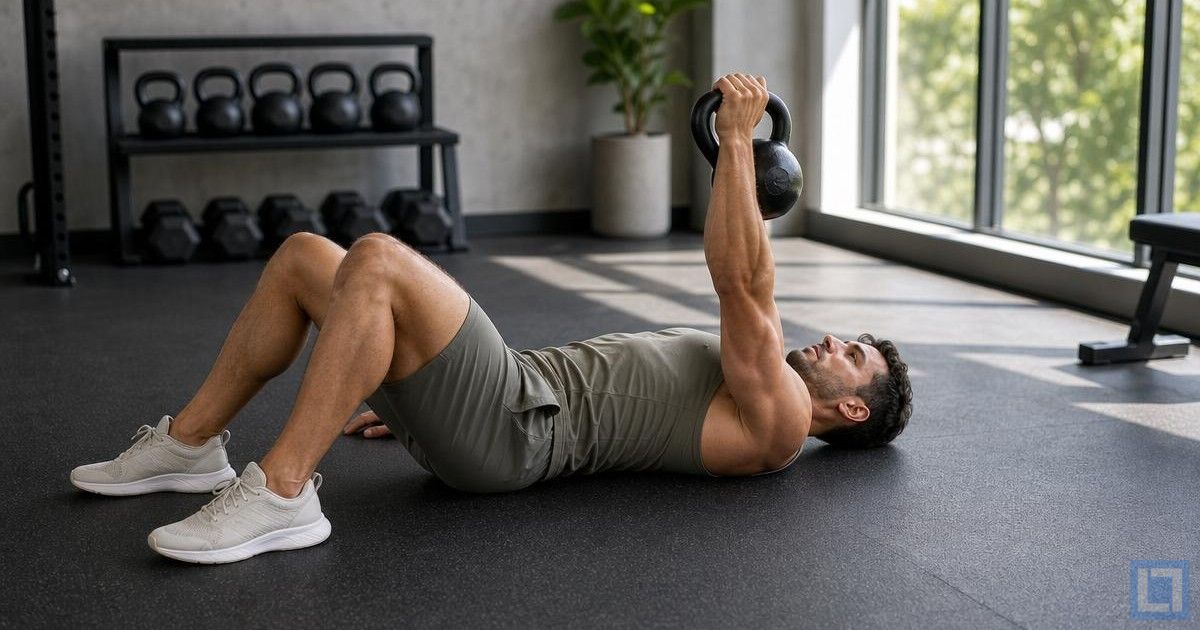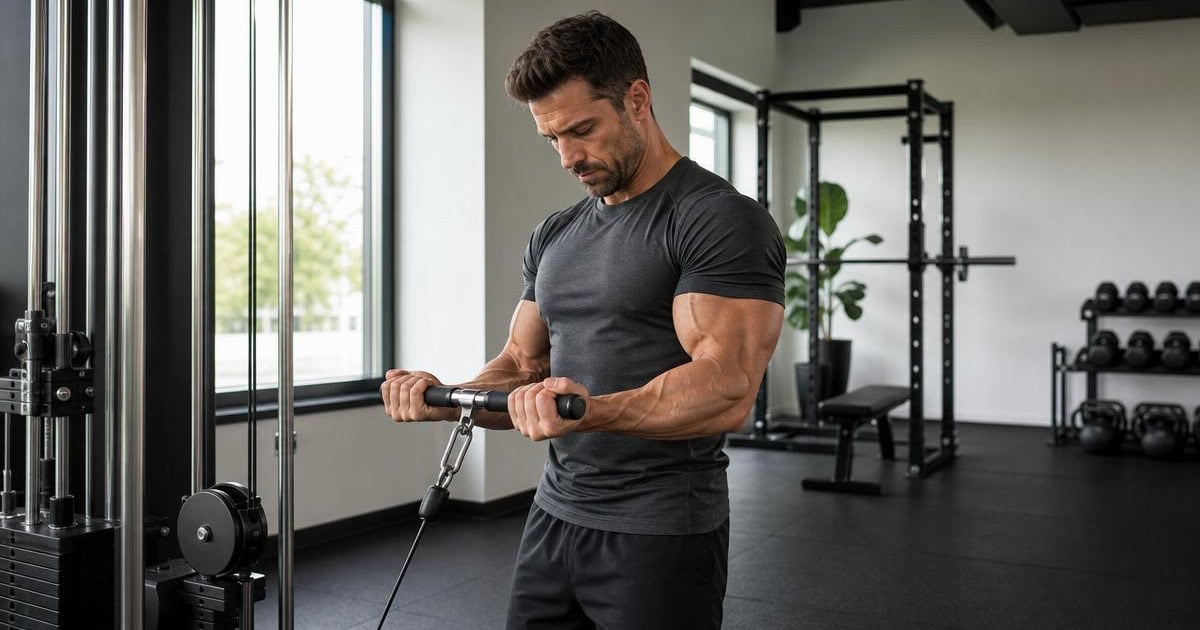
Cable forearm training produces real forearm development through patterns that load the forearms with the unique advantages cables offer: constant tension throughout the entire range of motion (including peak contraction at the top of wrist curls), easy progressive loading through pin-stack adjustments, and the ability to load both wrist flexors (palm side of the forearm) and wrist extensors (back of the forearm) along with the brachioradialis and brachialis muscles that contribute to upper-forearm thickness near the elbow. The format works particularly well for forearms because the cable’s constant tension produces stronger time-under-tension loading than dumbbells (where mechanical disadvantage at the top reduces forearm work), and the cable allows multiple anchor positions for varied loading angles. Most lifters who consistently train cable forearm work 1 to 2 times per week alongside compound pulling movements see measurable forearm development, improved grip strength, better deadlift hold capacity, and stronger pulling performance within 8 to 12 weeks. The combination of wrist curl variations, reverse work, brachialis emphasis, and creative patterns produces broader forearm development than dumbbell-only programs.
Below are ten effective cable forearm exercises that cover wrist flexor mass work (cable wrist curl, cable one arm wrist curl, cable standing wrist curl, cable standing back wrist curl), wrist extensor work (cable reverse wrist curl, cable standing wrist reverse curl), brachialis emphasis (cable hammer curl, cable reverse curl, cable reverse preacher curl), and dynamic forearm endurance (cable standing wrist roll). Together they form a complete cable forearm program that hits every part of the forearm complex. A 20 to 30-minute session pulled from this list, performed 1 to 2 times per week, produces strong forearm development that complements compound arm work.
Cable Wrist Curl

The Cable Wrist Curl performs wrist curls with a cable anchored low and a bar gripped with both hands palms up. The constant cable tension produces strong forearm flexor loading throughout the curl.
For cable forearm training, the cable wrist curl is the foundational forearm flexor exercise. The cable’s constant tension produces stronger forearm loading than dumbbell wrist curls. Run it for 4 sets of 12 to 15 reps as primary forearm flexor work in any cable forearm session.
Attach a straight bar to a low cable pulley. Sit on a bench facing the pulley with the forearms resting on the thighs and palms facing up. Grip the bar with both hands. The wrists should hang slightly off the knees. Lower the bar by allowing the wrists to extend down. Curl the bar up by flexing the wrists upward as high as possible. Squeeze hard at the top. Lower under control. The cable’s constant tension produces strong forearm flexor loading.
Cable Reverse Wrist Curl

The Cable Reverse Wrist Curl performs reverse wrist curls with a cable anchored low and a bar gripped palms down. The reverse grip emphasizes the forearm extensors on the back of the forearm.
For cable forearm training, the reverse wrist curl produces strong forearm extensor loading. The extensors are critical for forearm thickness and grip strength but are often undertrained. Run it for 3 sets of 12 to 15 reps as primary forearm extensor work.
Attach a straight bar to a low cable pulley. Sit on a bench facing the pulley with the forearms resting on the thighs and palms facing down. Grip the bar with both hands using an overhand (palms-down) grip. The wrists should hang slightly off the knees. Lower the bar by allowing the wrists to drop down. Curl the bar up by flexing the wrists upward (raising the back of the hands). The cable produces clean extensor isolation.
Cable One Arm Wrist Curl

The Cable One Arm Wrist Curl performs wrist curls one arm at a time with a cable D-handle. The unilateral pattern allows greater concentration on each forearm individually and addresses left-right imbalances.
For cable forearm training, the one-arm wrist curl produces strong unilateral forearm flexor loading. The pattern hits each forearm individually through controlled flexion. Run it for 3 sets of 10 to 15 reps per arm as unilateral forearm flexor work.
Attach a D-handle to a low cable pulley. Sit on a bench facing the pulley with the forearm resting on the thigh and palm facing up. Grip the handle with one hand. The wrist hangs slightly off the knee. Lower the handle by allowing the wrist to extend down. Curl the handle up by flexing the wrist upward. The non-working hand can rest on the working forearm for stability. Switch arms between sets.
Cable Standing Wrist Curl

The Cable Standing Wrist Curl performs wrist curls in a standing position with a cable anchored low. The pattern produces forearm flexor loading combined with standing core stability work.
For cable forearm training, the standing wrist curl produces forearm flexor loading without requiring a bench. The pattern hits the flexors while adding standing core demand. Run it for 3 sets of 12 to 15 reps as accessible forearm flexor work.
Attach a straight bar to a low cable pulley. Stand facing the pulley with the bar gripped at thigh level, palms facing up. Without bending the elbows, flex the wrists to curl the bar slightly forward and up. Lower under control. The motion is small but effective when performed with strict form. The cable’s constant tension produces strong loading through full range. Use lighter weights than seated wrist curls.
Cable Standing Back Wrist Curl

The Cable Standing Back Wrist Curl performs wrist curls behind the body while standing, with the cable anchored low and arms behind. The pattern produces forearm flexor loading from a unique angle.
For cable forearm training, the standing back wrist curl produces forearm flexor loading from behind the body. The pattern hits the flexors through a different angle than seated or front variants. Run it for 3 sets of 12 to 15 reps as forearm flexor variation work.
Attach a straight bar to a low cable pulley. Stand facing away from the pulley with the bar gripped behind the body at glute level, palms facing back. Without bending the elbows, flex the wrists to curl the bar slightly upward behind the body. Lower under control. The behind-the-body position produces unique forearm flexor loading and can address common forearm weaknesses from typical seated-only training.
Cable Standing Wrist Reverse Curl

The Cable Standing Wrist Reverse Curl performs reverse wrist curls in a standing position with a cable anchored low. The pattern produces forearm extensor loading without requiring a bench.
For cable forearm training, the standing wrist reverse curl produces accessible forearm extensor loading. The pattern hits the extensors from a standing position. Run it for 3 sets of 12 to 15 reps as accessible forearm extensor work.
Attach a straight bar to a low cable pulley. Stand facing the pulley with the bar gripped at thigh level, palms facing down (overhand grip). Without bending the elbows, flex the wrists to curl the bar slightly upward (raising the backs of the hands). Lower under control. The pattern produces strong forearm extensor work with the cable’s constant tension. Use lighter weights than seated reverse wrist curls.
Cable Hammer Curl

The Cable Hammer Curl performs hammer curls with a rope attachment on a low cable. The neutral grip emphasizes the brachioradialis (forearm) and brachialis (under the biceps) along with the biceps.
For cable forearm training, the hammer curl produces strong combined biceps, brachialis, and forearm loading. The neutral grip recruits different forearm muscles than standard curls. Run it for 3 sets of 10 to 12 reps as combined upper-forearm and arm work.
Attach a rope handle to a low cable pulley. Stand facing the pulley with the rope ends gripped with both hands, palms facing each other (neutral grip). Keep elbows pinned to the sides. Curl the rope up by flexing the elbows while maintaining the neutral grip throughout. Squeeze at the top. Lower under control. The neutral grip emphasizes the brachialis and brachioradialis along with the biceps, contributing to upper-forearm thickness.
Cable Reverse Curl

The Cable Reverse Curl performs biceps curls with palms facing down (overhand grip). The reverse grip shifts loading from the biceps to the brachialis and brachioradialis (forearm muscles).
For cable forearm training, the reverse curl is one of the most effective forearm and brachialis exercises that exists. The pattern hits the brachioradialis (the prominent forearm muscle near the elbow) and brachialis (under the biceps). Run it for 3 sets of 10 to 12 reps as combined brachialis and forearm work.
Attach a straight bar to a low cable pulley. Stand facing the pulley with the bar gripped at thigh level, palms facing down (overhand grip). Keep elbows pinned to the sides. Curl the bar up by flexing the elbows while maintaining the overhand grip throughout. Squeeze at the top. Lower under control. Use lighter weights than standard biceps curls because the reverse grip is mechanically weaker.
Cable Reverse Preacher Curl

The Cable Reverse Preacher Curl performs reverse curls in preacher position with a cable. The combination of preacher position plus reverse grip produces extreme isolated brachialis and forearm loading.
For cable forearm training, the reverse preacher curl produces extreme isolated brachialis and forearm work. The preacher position eliminates compensation while the reverse grip emphasizes the upper forearm muscles. Run it for 3 sets of 8 to 12 reps as advanced brachialis and forearm work.
Position a preacher bench in front of a low cable pulley with a straight bar attached. Sit at the bench with the upper arms draped over the angled back, gripping the bar with both hands palms down (overhand grip). Curl the bar up by flexing the elbows while maintaining the reverse grip. The preacher position eliminates compensation and the reverse grip emphasizes the brachioradialis and brachialis. Squeeze at the top. Lower under control.
Cable Standing Wrist Roll

The Cable Standing Wrist Roll performs alternating wrist rolling motion with a cable. The pattern produces dynamic combined forearm flexor and extensor work through sustained rotational loading.
For cable forearm training, the wrist roll produces combined forearm flexor and extensor work. The pattern hits both sides of the forearm through dynamic rotation. Run it for 3 sets of 30 to 60 seconds as combined forearm endurance work.
Attach a special wrist roller bar to a cable pulley (or improvise with a bar). Stand facing the pulley with the bar gripped at chest level. Roll the bar forward by alternating wrist flexion and extension to wind the bar against cable tension. Continue for the working interval. Reverse direction to roll back. The dynamic motion produces strong combined forearm work and grip endurance.
How To Program These Workouts
A productive cable forearm session pulls 4 to 6 exercises from the list above based on training goals. A common balanced session: cable wrist curl (flexor mass), cable reverse wrist curl (extensor mass), cable reverse curl (brachialis), cable hammer curl (combined), cable standing wrist roll (endurance). Run wrist flexor work for 3 to 4 sets of 12 to 15 reps, wrist extensor work for 3 sets of 12 to 15 reps, brachialis work for 3 sets of 10 to 12 reps, and unilateral or endurance variations for 3 sets of 10 to 15 reps. Total session covers 12 to 16 working sets focused on forearm development. Forearms respond well to high volume because the muscle group is highly fatigue-resistant.
Train cable forearm work 1 to 2 times per week as part of broader arm or pull-day programming. The forearms recover quickly between sessions but accumulate fatigue from compound pulling work (rows, deadlifts, pull-ups) that already activates them substantially. Most successful programs include cable forearm work either: 1) at the end of a back day or arm day, 2) on a dedicated arm day with biceps and triceps, or 3) as a quick 15 to 20-minute finishing block. Keep training time under 25 to 30 minutes per session. The cable’s constant tension allows higher rep ranges for productive forearm endurance work.
For broader forearm programming, see our best forearm workouts and how to grow your forearms. For specific grip work, see our best grip strength workouts.
Final Thoughts
The best cable forearm workouts deliver real forearm development through patterns that effectively load every forearm muscle: wrist flexors, wrist extensors, brachioradialis, and brachialis. The combination of wrist curl variations, reverse work, brachialis emphasis, and dynamic patterns covers every functional pattern of the forearm and produces broader development than dumbbell-only training would suggest. The cable’s constant tension throughout the range of motion produces stronger forearm time-under-tension loading than free weights for many movements. For lifters who want measurable forearm size and grip strength improvements, want to add constant-tension peak contraction loading to existing programs, want to improve deadlift hold capacity, or want to develop the brachioradialis through reverse curl variations, dedicated cable forearm work is one of the most effective options available.
Stay focused on full range of motion and brachioradialis work. The most common cable forearm training mistakes include using partial range of motion on wrist curls (which limits forearm loading) and skipping reverse curl variations (which leaves the brachioradialis undertrained). The fix: lower the cable bar fully on every wrist curl rep to feel the deep stretch in the forearm, and include reverse curls in every forearm session to develop the brachioradialis that contributes substantially to upper-forearm thickness. Quality reps with full range produce stronger forearm development than partial reps with heavier weights.
Frequently Asked Questions
Are cables effective for forearms?
Yes very effectively. Cables produce real forearm development through wrist curl variations (flexor mass), reverse wrist curls (extensor mass), brachialis work (reverse curls and hammer curls), and dynamic patterns (wrist rolls). The cable’s constant tension throughout the range of motion produces stronger forearm loading than dumbbell wrist curls for many movements. Most successful forearm programs include cable work alongside compound pulling that activates the forearms as gripping muscles.
Cable wrist curls vs dumbbell wrist curls?
Cable for stronger time-under-tension, dumbbell for ease of access. Cable wrist curls produce stronger constant-tension loading throughout the range of motion (including peak contraction at the top), while dumbbell wrist curls are more accessible without specialized equipment. Most successful forearm programs include cable wrist curls as primary forearm flexor work when accessible. Dumbbell wrist curls work well for home or limited-equipment training. The cable’s constant tension typically produces stronger forearm growth stimulus than dumbbells.
How heavy should cable forearm work be?
Light to moderate for most exercises. The forearm muscles are smaller and respond best to moderate weight with strict form rather than heavy weight with body english. Most successful cable forearm programs use light to moderate weights (15 to 50 pounds for most lifters) for wrist curl variations and moderate weights (40 to 100 pounds) for reverse curls and hammer curls. Quality reps with controlled tempo produce stronger forearm development than heavy weights with sloppy form.
How often should I train forearms with cables?
One to two cable forearm sessions per week works for most lifters. The forearms recover quickly between sessions but accumulate fatigue from compound pulling work (rows, deadlifts, pull-ups) that already activates them substantially. Most successful programs include cable forearm work either at the end of a back day or arm day, on a dedicated arm day with biceps and triceps, or as a quick finishing block. Three or more weekly forearm sessions can work for some lifters but typically produces diminishing returns.
Will cable forearm training improve my deadlift?
Yes substantially. Many deadlifts are limited by grip strength rather than back or leg strength. Cable forearm training builds the forearm flexor and extensor strength that deadlifts require for sustained holds. Most successful deadlift programs include grip-specific work (cable wrist curls, reverse curls, plus farmer carries when available) as part of overall programming. Lifters who add 1 to 2 weekly forearm sessions typically see deadlift hold capacity improve substantially within 6 to 10 weeks, often translating to 10 to 30+ pound improvements in maximum deadlifts.