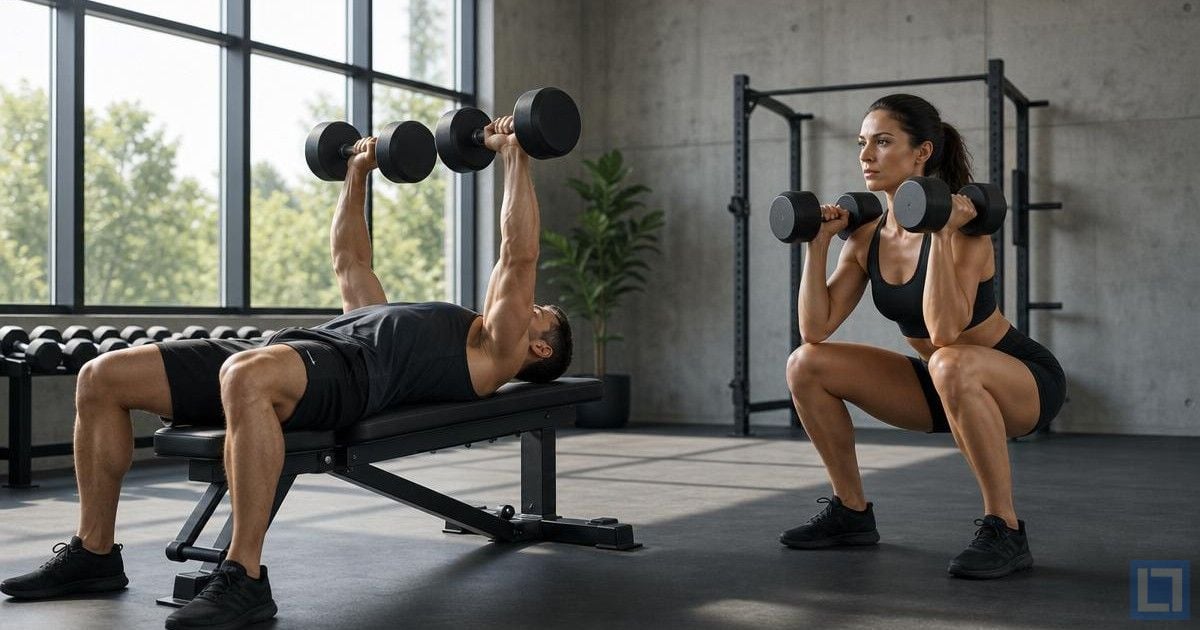
Fixing tight hip flexors requires understanding both the cause (typically a combination of prolonged sitting that keeps hip flexors in shortened position for hours daily, weak glutes that fail to balance hip flexor activity, postural patterns like anterior pelvic tilt that contribute to chronic hip flexor shortening, and overall hip mobility restrictions from sedentary lifestyle) and the training principles that correct it: dedicated hip flexor stretching for the chronically shortened muscles (kneeling hip flexor stretch, pigeon pose), glute strengthening for the weak antagonist muscles (glute bridges, single-leg patterns), core stability for postural support (planks, dead bugs), comprehensive hip mobility (butterfly, child pose, lying glute stretch), dynamic movement patterns (lunges) for functional integration, and daily practice for accelerated improvement. Most people with tight hip flexors are dealing with one or more of these issues: 8+ hours of daily sitting that keeps hip flexors shortened, weak glutes from sedentary patterns, anterior pelvic tilt postural pattern, lack of dedicated hip flexor stretching, never strengthening the glutes that should balance hip flexor activity, and overall sedentary lifestyle that reinforces hip flexor tightness. The fix involves: 1) daily kneeling hip flexor stretches for the chronically shortened muscles (the single most direct intervention), 2) daily pigeon pose for deeper hip mobility, 3) glute strengthening (bridges, hip thrusts) for muscle balance, 4) core stability work (planks, dead bugs) for postural support, 5) dynamic movement patterns (lunges) for functional integration, and 6) reducing sitting time when possible.
Below are ten of the most effective exercises for fixing tight hip flexors, covering primary hip flexor stretching (kneeling hip flexor stretch, pigeon hip stretch), supporting hip mobility (butterfly yoga pose, child pose, lying glute stretch), glute strengthening (barbell glute bridge, single leg glute bridge with knee to chest), core stability (dead bug, front plank), and dynamic functional patterns (lunge). Together they form a complete tight hip flexor correction program. A 20 to 30-minute hip flexor correction session pulled from this list, performed 4 to 6 times per week (or as integrated work alongside your regular training), plus daily kneeling hip flexor stretches, produces measurable hip flexor mobility improvement within 4 to 8 weeks of consistent training.
Kneeling Hip Flexor Stretch
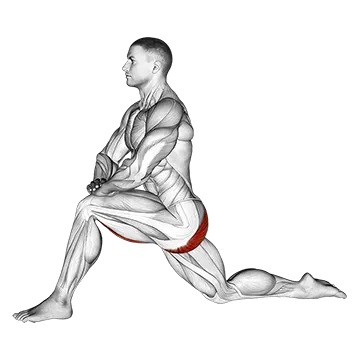
The Kneeling Hip Flexor Stretch performs the kneeling lunge stretch. The pattern is THE most direct exercise for tight hip flexors.
For fixing tight hip flexors, the kneeling hip flexor stretch is the most direct intervention. Run it for 3 to 4 sets of 30 to 60-second holds per side, daily if possible.
Kneel on one knee with the other leg in front bent at 90 degrees (like a lunge position). The back knee rests on the floor. Tuck the pelvis under (posterior tilt) and gently push the hips forward while squeezing the glute of the kneeling leg. Feel deep stretch in the front of the kneeling-leg hip and thigh. Hold for 30 to 60 seconds. Switch sides. The pattern is THE most direct stretch for the hip flexors (psoas, iliacus, rectus femoris) – daily kneeling hip flexor stretches produce measurable hip flexor mobility improvement within 2 to 4 weeks. Combined with glute strengthening, this stretch addresses the root cause of tight hip flexors.
Pigeon Hip Stretch
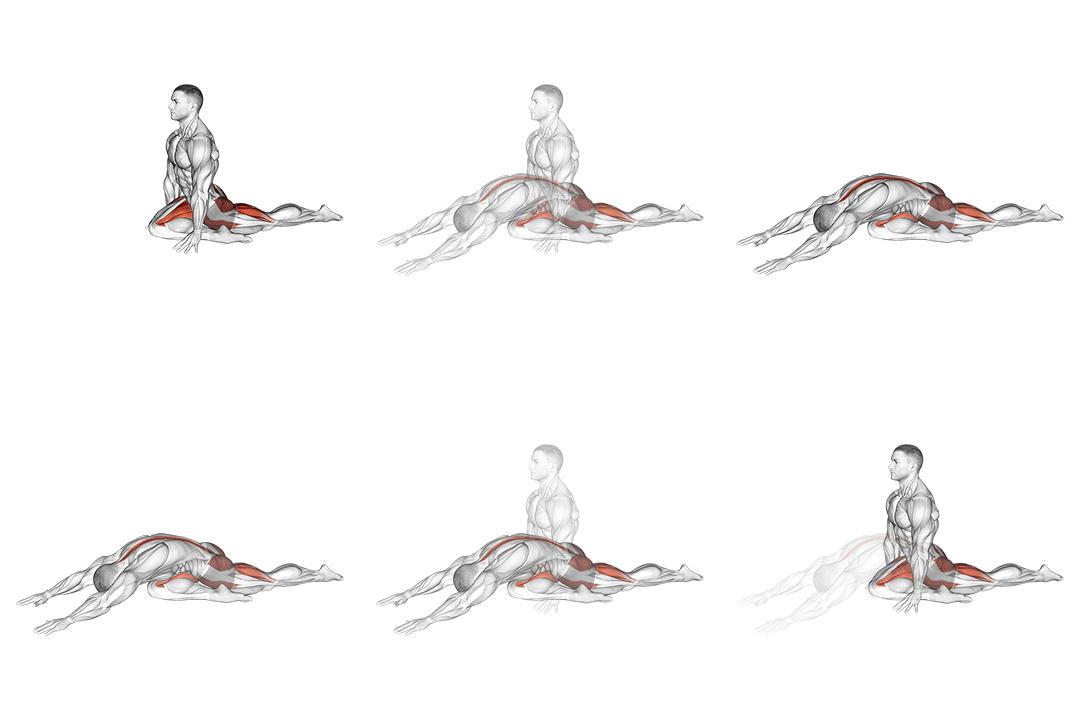
The Pigeon Hip Stretch performs the pigeon pose hip opener. The pattern produces deep hip mobility addressing tight hip flexors.
For fixing tight hip flexors, the pigeon hip stretch produces deep hip stretching. Run it for 2 to 3 sets of 60 to 90-second holds per side as deep hip mobility work.
Start in a high plank position. Bring one knee forward and place it behind the same-side wrist with the shin angled across the body. Extend the back leg straight behind. Lower the upper body forward over the front leg. Feel deep stretch in the front leg hip and the back leg hip flexor. Hold for 60 to 90 seconds. Switch sides. The pattern produces deep hip stretching – the front leg gets deep hip external rotation/glute stretch while the back leg gets deep hip flexor stretch. Combined with kneeling hip flexor stretches, pigeon pose addresses tight hip flexors comprehensively.
Butterfly Yoga Pose

The Butterfly Yoga Pose performs the seated butterfly stretch. The pattern produces inner thigh and hip mobility.
For fixing tight hip flexors, the butterfly stretch produces complementary hip mobility through inner thigh and hip opening. Run it for 2 to 3 sets of 60 to 90-second holds as hip mobility work.
Sit on the floor with the soles of the feet pressed together (knees bent and out to the sides). Hold the feet with the hands. Sit tall and gently press the knees toward the floor. Feel stretch in the inner thighs and hips. Hold for 60 to 90 seconds. The pattern produces inner thigh and hip mobility that complements direct hip flexor stretching – tight inner thighs and limited hip opening contribute to overall hip restriction including tight hip flexors. Combined with direct hip flexor stretches, butterfly addresses the broader hip mobility needed for hip flexor function.
Barbell Glute Bridge
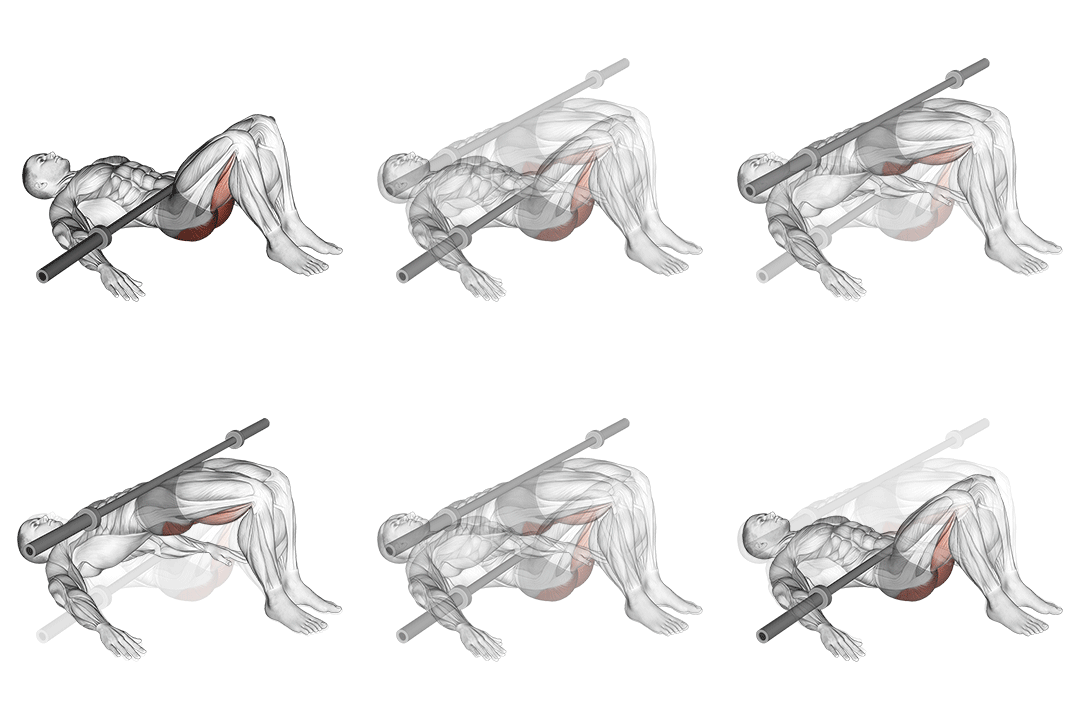
The Barbell Glute Bridge performs glute bridges. The pattern strengthens the glutes that compensate for tight hip flexors.
For fixing tight hip flexors, the glute bridge strengthens the underactive glutes that often accompany tight hip flexors. Run it for 3 to 4 sets of 10 to 15 reps as glute strengthening work.
Lie on the floor with knees bent and feet planted. Position a barbell across the hips. Hold the bar in place. Drive through the heels to lift the hips up by extending the hips. The body forms a straight line from shoulders to knees at the top. The glutes work hard. Squeeze at peak hip extension. Lower under control. The pattern strengthens the glutes that often become weak when hip flexors are chronically tight – tight hip flexors and weak glutes form a common pattern, and addressing both is critical for resolving hip flexor tightness. Strong glutes support proper hip function and reduce hip flexor over-recruitment.
Dead Bug

The Dead Bug performs core stability dead bugs. The pattern produces core stability work supporting hip flexor function.
For fixing tight hip flexors, the dead bug builds core stability that addresses the postural patterns contributing to tight hip flexors. Run it for 3 sets of 8 to 10 reps per side as core stability work.
Lie on the back with the arms extended toward the ceiling and the legs raised with knees bent at 90 degrees. Lower the opposite arm and leg toward the floor while maintaining flat back contact with the floor. The deep core works hard isometrically. Return to start. Continue alternating. The pattern builds the core stability that addresses the postural patterns contributing to tight hip flexors – weak deep core often accompanies anterior pelvic tilt and tight hip flexors, and core strengthening supports proper hip function.
Front Plank
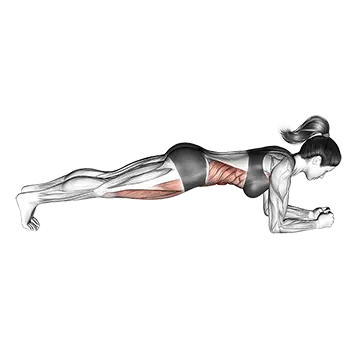
The Front Plank performs forearm plank holds. The pattern builds core stability supporting proper posture.
For fixing tight hip flexors, the plank builds core stability that supports proper postural patterns. Run it for 3 sets of 30 to 60-second holds as core stability work.
Lie face-down on the floor. Prop up on the forearms with elbows under the shoulders. Lift the hips so the body forms a straight line from shoulders to ankles. The core works hard isometrically. Hold for the working interval. The pattern builds core stability that addresses the postural patterns contributing to tight hip flexors – weak core often accompanies anterior pelvic tilt and tight hip flexors. Combined with glute strengthening, core stability work addresses the muscular imbalance pattern that produces tight hip flexors.
Lunge

The Lunge performs bodyweight lunges. The dynamic pattern produces hip flexor stretching while training functional movement.
For fixing tight hip flexors, the lunge produces dynamic hip flexor stretching combined with functional movement. Run it for 3 sets of 8 to 10 reps per leg as dynamic hip mobility work.
Stand with feet hip-width. Step forward with one leg into a lunge position, lowering the back knee toward the floor. The back leg hip flexor stretches as the back hip extends. Drive through the front heel to stand back up. Switch legs. The pattern produces dynamic hip flexor stretching combined with functional leg movement – the back leg hip flexor lengthens through the lunge depth, training both mobility and strength. Excellent dynamic complement to static hip flexor stretching.
Child Pose

The Child Pose performs the yoga child pose. The pattern produces hip and back mobility.
For fixing tight hip flexors, the child pose produces complementary hip and lower back mobility. Run it for 2 to 3 sets of 60 to 90-second holds as supporting mobility work.
Kneel on the floor with knees apart and big toes touching. Sit back on the heels. Extend the arms forward on the floor while lowering the torso between the thighs. Rest the forehead on the floor. Hold for 60 to 90 seconds. Breathe deeply. The pattern produces hip flexion and lower back stretching – tight hip flexors often accompany lower back tightness, and child pose addresses both areas simultaneously. Excellent supporting mobility work that complements direct hip flexor stretching.
Lying Glute Stretch
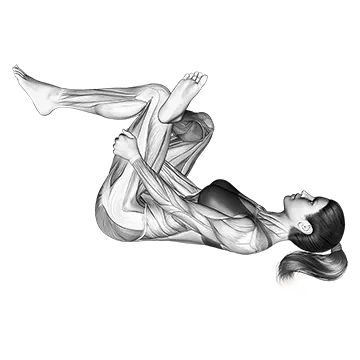
The Lying Glute Stretch performs the lying figure-4 stretch. The pattern produces glute mobility supporting hip function.
For fixing tight hip flexors, the lying glute stretch produces glute mobility that supports proper hip function. Run it for 2 to 3 sets of 30 to 60-second holds per side as glute mobility work.
Lie on the back with knees bent and feet planted. Cross one ankle over the opposite knee (figure-4 position). Reach through the legs and pull the bottom thigh toward the chest. Feel deep stretch in the crossed-leg glute. Hold for 30 to 60 seconds. Switch sides. The pattern produces deep glute stretching – tight glutes often accompany tight hip flexors as part of the hip restriction pattern, and addressing both areas produces comprehensive hip mobility improvement. Combined with hip flexor stretches and glute strengthening, lying glute stretches complete the hip mobility program.
Single Leg Glute Bridge with Knee to Chest

The Single Leg Glute Bridge with Knee to Chest performs unilateral glute bridges. The pattern strengthens unilateral glutes.
For fixing tight hip flexors, the single-leg glute bridge strengthens unilateral glutes addressing left/right asymmetries. Run it for 3 sets of 10 to 12 reps per leg as unilateral glute strengthening.
Lie on the back with one knee bent and foot planted on the floor. Pull the opposite knee to the chest with the hands. Drive through the heel of the planted foot to lift the hips up by extending the hip. The working glute and hamstring work hard through unilateral hip extension. Squeeze at peak. Lower under control. The pattern produces unilateral glute strengthening – addresses left/right asymmetries common in tight hip flexor patterns. Combined with bilateral glute strengthening and hip flexor stretching, unilateral work ensures both sides develop equally.
How To Program These Workouts
A productive hip flexor correction session pulls 6 to 8 exercises from the list above. A common balanced session: kneeling hip flexor stretch (primary direct stretch), pigeon hip stretch (deep hip mobility), barbell glute bridge (glute strengthening), dead bug (core stability), front plank (core stability), lunge (dynamic functional), child pose (supporting mobility), butterfly yoga pose (inner thigh/hip mobility). For high-frequency daily work: kneeling hip flexor stretch (3 to 4 times daily), pigeon hip stretch (1 to 2 times daily), glute bridges (daily activation). Run static stretches for 2 to 3 sets of 60 to 90-second holds, glute strengthening for 3 to 4 sets of 10 to 15 reps, core stability for 3 sets of 30 to 60 seconds, dynamic patterns for 3 sets of 8 to 10 reps per leg.
Train hip flexor correction with high frequency for accelerated improvement. Most successful tight hip flexor programs incorporate work as: 1) daily kneeling hip flexor stretches (multiple sessions per day, especially after prolonged sitting) – this is the single most important intervention, 2) daily glute activation (bridges) to address muscle imbalance, 3) 3 to 5 weekly dedicated hip flexor sessions (6 to 8 exercises), 4) integrated mobility work in main lifting sessions (kneeling hip flexor stretch as warm-up). The hip flexors tolerate very high frequency stretching – daily multiple-session stretching plus glute activation accelerates improvement substantially. Most individuals see measurable hip flexor mobility improvement within 4 to 8 weeks of consistent daily practice plus dedicated sessions.
For broader programming, see our how to improve hip mobility and how to fix anterior pelvic tilt. For specific work, see our best workouts for posture.
Final Thoughts
Fixing tight hip flexors requires applying the right training principles consistently over time: daily kneeling hip flexor stretches for the chronically shortened muscles (the most direct intervention), pigeon pose for deeper hip mobility, glute strengthening for muscle balance, core stability for postural support, dynamic movement patterns for functional integration, comprehensive hip mobility for broader hip function, and reducing sitting time when possible. The combination of kneeling hip flexor stretches, pigeon pose, butterfly, glute bridges, dead bugs, planks, lunges, child pose, lying glute stretches, and single-leg glute bridges covers every functional pattern needed for hip flexor correction and produces broader hip mobility improvement than stretching alone would suggest. Most individuals who consistently apply these principles see measurable hip flexor mobility improvement within 4 to 8 weeks – reduced hip flexor tightness, less lower back pain, better posture, improved athletic performance, and the integrated hip function that supports squatting, sprinting, and athletic movement. For anyone with tight hip flexors from sedentary lifestyle, dedicated correction training is one of the most effective interventions available.
Stay focused on daily kneeling hip flexor stretches as the single most important intervention. The most common mistake people make in tight hip flexor correction is doing intense mobility sessions occasionally rather than consistent daily stretching. The fix: prioritize daily kneeling hip flexor stretches (multiple sessions per day, especially after prolonged sitting) as the cornerstone of correction. The hip flexors tolerate very high frequency stretching – 3 to 4 daily sessions of 30 to 60-second holds per side accelerates improvement substantially compared to once-weekly intense work. Combined with glute activation (bridges) and reduced sitting time when possible, daily stretching produces the hip flexor improvements that occasional intense sessions never achieve.
Frequently Asked Questions
How long does it take to fix tight hip flexors?
4 to 8 weeks for measurable improvement, ongoing for full mobility. Most individuals who consistently apply daily kneeling hip flexor stretches plus dedicated correction sessions see measurable improvement within 4 to 8 weeks – reduced hip flexor tightness, better hip extension, less lower back pain. Severe tightness (from years of sitting and chronic poor patterns) may require 3 to 6 months of consistent work for full improvement. Most people see initial improvement within 2 to 3 weeks of starting consistent daily stretching.
What causes tight hip flexors?
Combination of prolonged sitting, weak glutes, and postural patterns. Tight hip flexors typically result from: 1) 8+ hours of daily sitting that keeps hip flexors in shortened position, 2) weak glutes from sedentary patterns that fail to balance hip flexor activity, 3) anterior pelvic tilt postural pattern that reinforces hip flexor shortening, 4) lack of dedicated hip flexor stretching, 5) overall sedentary lifestyle. Modern lifestyle (desk work, driving, lounging) is the primary contributor for most tight hip flexor cases.
Can tight hip flexors be fixed?
Yes for most cases, with consistent training. Tight hip flexors caused by lifestyle (the most common cause – typically from sitting and lack of mobility work) respond very well to dedicated correction training. Tight hip flexors caused by structural issues or chronic injuries may have limited correction potential and require professional evaluation. For typical tightness from modern lifestyle, dedicated correction training produces measurable improvement for almost everyone within 4 to 8 weeks of daily stretching plus glute strengthening.
What’s the best stretch for tight hip flexors?
Kneeling hip flexor stretch – the most direct intervention. The kneeling hip flexor stretch (kneeling lunge position with hip thrust forward and posterior pelvic tilt) produces the most direct stretch for the hip flexors (psoas, iliacus, rectus femoris). Combined with pigeon pose for deeper hip mobility, butterfly for inner thigh mobility, and child pose for supporting mobility, these stretches form the foundation of hip flexor correction. Most successful programs prioritize daily kneeling hip flexor stretches as the cornerstone of correction.
How often should I stretch tight hip flexors?
Daily, multiple sessions per day for accelerated improvement. The hip flexors tolerate very high frequency stretching – 3 to 4 daily sessions of kneeling hip flexor stretches (30 to 60-second holds per side) accelerates improvement substantially compared to less frequent work. Most successful tight hip flexor programs include: daily kneeling hip flexor stretches (multiple sessions), daily glute activation (bridges), 3 to 5 weekly dedicated mobility sessions with 6 to 8 exercises, integrated mobility work in main lifting sessions. Daily stretching is the single most accelerating intervention.