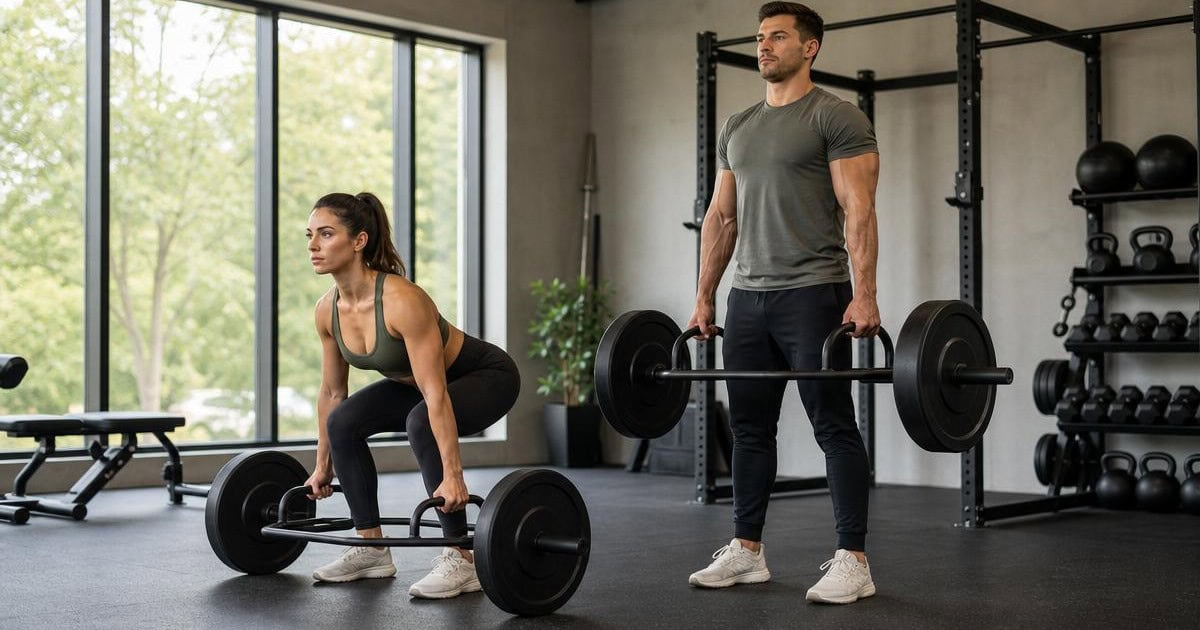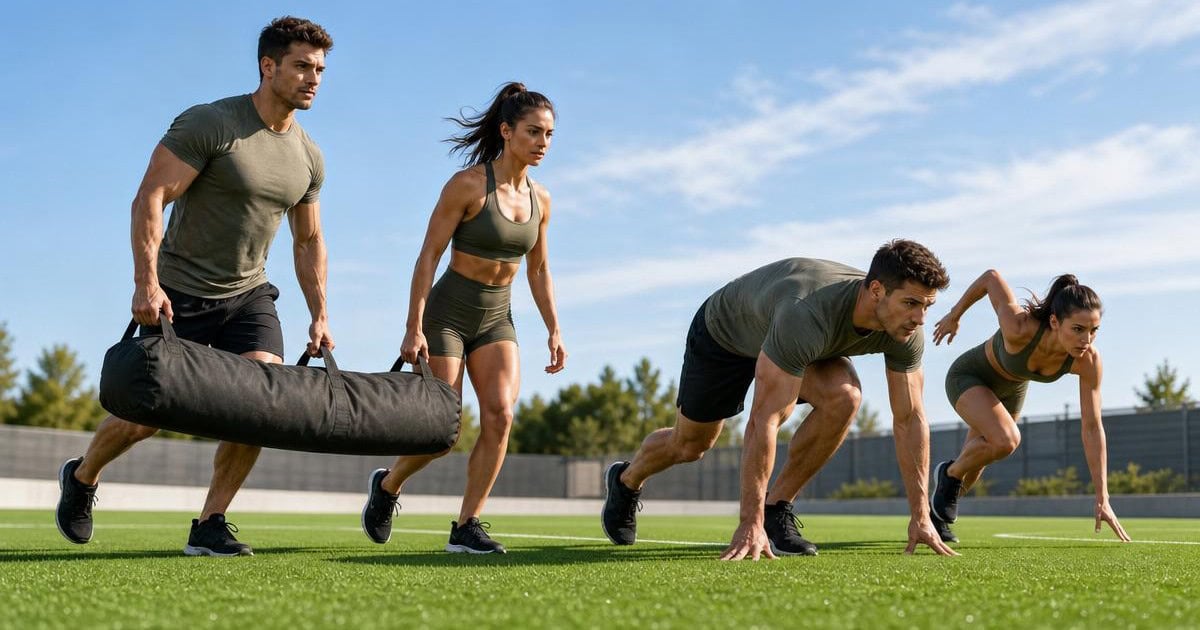
Military service places extreme physical demands on the body – rucking heavy loads over distance, casualty drag, climbing obstacles, scaling walls, hauling equipment, and performing operational tasks while wearing 50+ pounds of gear and body armor. The job demands strength, power, conditioning, and durability all working together. Training for military readiness requires addressing all of these components rather than focusing on any single quality.
These ten exercises cover the complete military conditioning toolkit. Heavy compound lifts (deadlift, squat, bench press, bent-over row) build the foundational strength that all operational tasks require. Loaded carries (farmers walk) directly train the ruck-carry capacity service members need. Pull-ups and push-ups develop the upper body strength and endurance that operational tasks and fitness testing demand. Walking lunges build unilateral leg strength for movement. Kettlebell swings provide explosive conditioning. Planks build the core stability for loaded work. Together they build the physical capacity that military service demands.
Barbell Deadlift

The Barbell Deadlift performs conventional deadlifts. The compound pattern develops the foundational strength military service demands.
For military conditioning, deadlifts build the foundational strength for casualty drag, equipment lifting, and operational tasks. Run it for 3 to 4 sets of 4 to 6 reps as primary heavy work.
Stand with a barbell over mid-foot, feet hip-width. Hinge at the hips and bend the knees to grip the bar with hands shoulder-width. Drive the floor away by extending hips and knees together to lift the bar. Stand fully tall with shoulders back, then lower under control. The compound pattern develops the full-body strength that military service demands – lifting heavy equipment, casualty drag, hauling supplies, and the strength foundation that supports all operational tasks. Foundational lift for military conditioning.
Barbell Squat

The Barbell Squat performs back squats. The compound pattern builds the leg strength military service demands.
For military conditioning, squats build the leg strength for rucking, climbing, and load-bearing tasks. Run it for 3 to 4 sets of 6 to 10 reps as primary leg work.
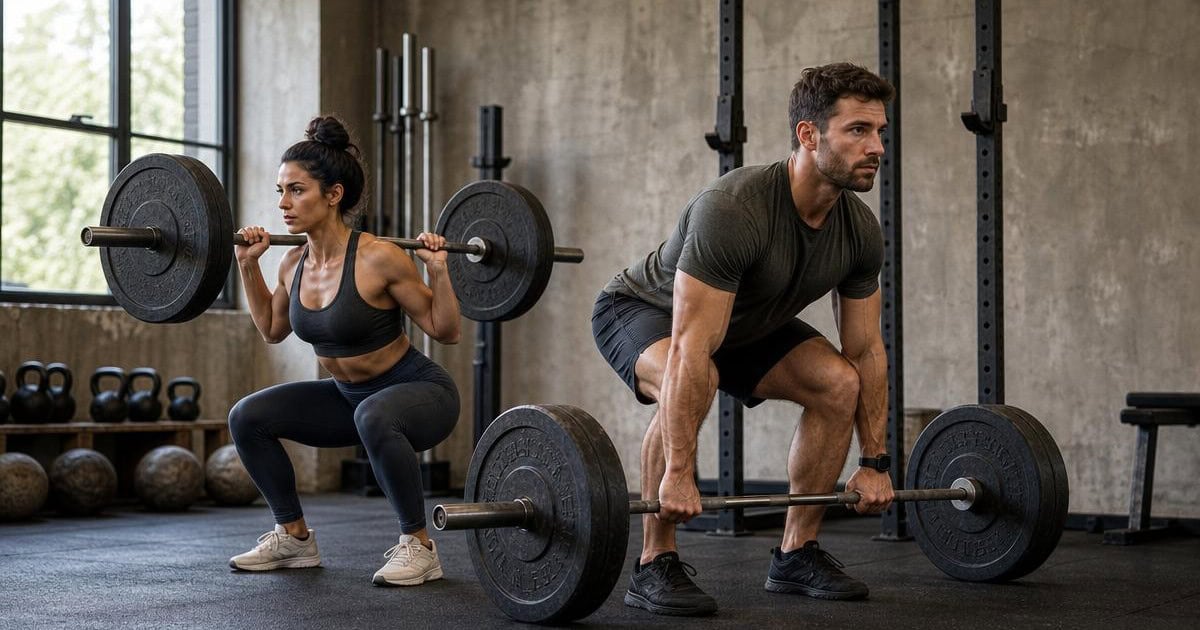
Set up a barbell on a rack at upper back height. Position the bar across the upper back. Step back with feet shoulder-width. Squat down by bending the knees and hips. Lower until the thighs are parallel to the floor or below. Drive back up through the heels. The pattern produces the heaviest leg loading possible – critical for military service because operations involve substantial leg work including rucking under load, climbing, and movement under heavy gear. Strong squats provide the leg strength foundation that all military movement depends on.
Pull Up

The Pull Up performs bodyweight pull-ups. The pattern develops the upper body pulling strength military service requires.
For military conditioning, pull-ups develop critical pulling strength for obstacle work and self-rescue. Run it for 3 to 4 sets of 5 to 12 reps as primary pulling work.
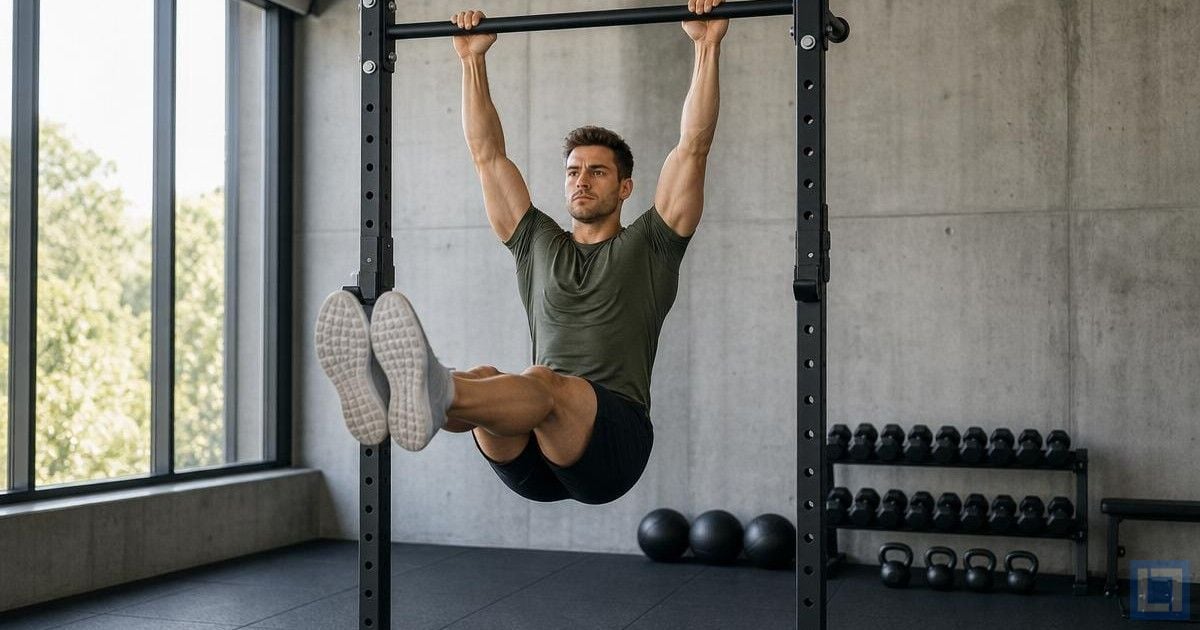
Hang from a pull-up bar with hands shoulder-width or wider, palms facing forward. Pull the body upward until the chin is above the bar by driving the elbows down and back. Lower under control to a full hang. The pattern develops the upper body pulling strength critical for military service – climbing obstacles, scaling walls, self-rescue from elevated positions, and the bodyweight movement capacity that operational tasks demand. Pull-ups directly translate to job-specific demands and serve as a key fitness test marker.
Push Ups

The Push Up performs bodyweight pushups. The accessible pattern builds the pushing endurance military service requires.
For military conditioning, push-ups build pushing endurance for fitness tests and operational tasks. Run it for 3 sets of 25 to 50 reps as bodyweight pressing work.
Set up in a high plank position with hands shoulder-width apart, body in a straight line. Lower the body by bending the elbows until the chest is just above the floor. Press back up to the start by extending the elbows. The pattern develops chest, shoulder, and triceps endurance through bodyweight loading – excellent for military conditioning because the bodyweight pattern is the foundation of military fitness testing and can be performed anywhere. Builds the pushing endurance that supports both fitness tests and operational tasks.
Dumbbell Bench Press

The Dumbbell Bench Press performs chest pressing with dumbbells. The pattern develops loaded pushing strength.
For military conditioning, dumbbell pressing builds heavy pushing strength alongside push-ups. Run it for 3 to 4 sets of 6 to 10 reps as primary upper body work.
Lie on a bench with dumbbells held at the sides of the chest, palms facing forward. Press the dumbbells up by extending the elbows until the arms are straight. Lower under control to the start. The pattern develops chest, front delt, and triceps strength – critical for military service because the heavy pushing strength supports tasks involving forcible action, equipment work, and the loaded pushing demands that operations require. Foundational upper body lift that complements push-ups by providing maximal strength alongside the endurance work.
Barbell Bent Over Row

The Barbell Bent Over Row performs heavy compound rows. The pattern develops the back strength military service demands.
For military conditioning, bent-over rows build heavy back strength for hauling and pulling. Run it for 3 to 4 sets of 6 to 10 reps as primary back work.
Stand with a barbell in front. Hinge at the hips with knees slightly bent until the torso is roughly 45 degrees from the floor, back flat. Grip the bar with hands shoulder-width. Pull the bar to the lower chest by driving the elbows back. Lower under control. The pattern develops the back strength critical for military tasks involving hauling, dragging, and pulling. Strong rows translate directly to casualty drag, equipment hauling, and the back strength that operational tasks require. Foundational pulling lift that complements pull-ups for complete back development.
Farmers Walk
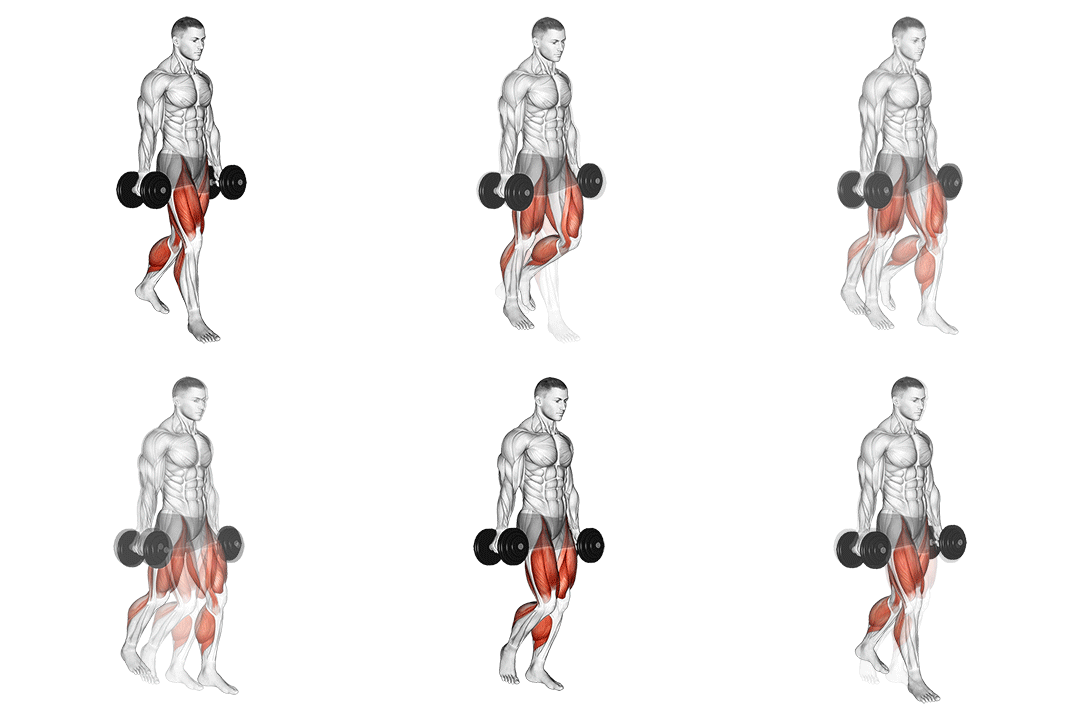
The Farmers Walk performs loaded carries. The pattern directly trains the loaded movement that military service demands.
For military conditioning, farmers walks directly train ruck-carry and equipment-haul demands. Run it for 3 to 4 sets of 30 to 60 second carries as conditioning work.
Stand with heavy dumbbells, kettlebells, or trap bar held at the sides. Walk forward with controlled strides while maintaining upright posture. Continue walking for time or distance. The carry directly trains the loaded movement capacity that military service demands – rucking under heavy loads, hauling equipment, and the sustained heavy carrying that operations require. Few exercises map more directly to military demands than loaded carries. Excellent for both grip strength and full-body conditioning under load.
Dumbbell Walking Lunge

The Dumbbell Walking Lunge performs walking lunges with dumbbells. The unilateral pattern develops the leg strength for movement under load.
For military conditioning, walking lunges build unilateral leg strength for rucking and movement. Run it for 3 sets of 14 to 20 total steps as unilateral work.
Stand with feet hip-width holding dumbbells in each hand at the sides. Step forward with one leg into a lunge position, lowering the back knee toward the floor. Drive through the front heel to stand up while bringing the rear leg forward into the next lunge step. Continue alternating. The dynamic pattern develops unilateral leg strength critical for military tasks involving rucking, climbing in heavy gear, and uneven terrain navigation. Single-leg loading addresses the asymmetries that bilateral lifting can mask, building the balanced leg strength that on-mission movement demands.
Kettlebell Swing

The Kettlebell Swing performs hip-hinge driven kettlebell swings. The explosive pattern builds the conditioning military service requires.
For military conditioning, kettlebell swings build hip power and high-intensity conditioning. Run it for 3 to 4 sets of 15 to 25 reps as conditioning work.
Stand with a kettlebell on the floor between the feet. Hinge at the hips and grip the kettlebell with both hands. Swing the kettlebell back between the legs, then drive the hips forward explosively to swing the kettlebell up to roughly chest height. Let it swing back down between the legs. Continue. The explosive hip-hinge pattern develops hip power and produces high-intensity cardiovascular conditioning – critical for military service because operations demand both raw strength and the conditioning to deliver it repeatedly under fatigue. Excellent conditioning lift that builds posterior chain power and work capacity simultaneously.
Front Plank
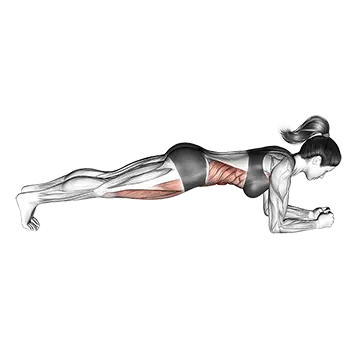
The Front Plank performs static plank holds. The pattern develops the core stability military service demands.
For military conditioning, front planks build core stability for ruck loading and operational tasks. Run it for 3 sets of 45 to 90 second holds as core work.
Position face-down on the forearms with elbows under the shoulders, body in a straight line from head to heels. Hold the position with the core engaged, glutes tight, and back neutral. Continue for time. The plank develops isometric core strength – critical for military service because ruck-carrying, gear loading, and operational tasks demand sustained core stability to support the spine under load. Strong core stability reduces back injury risk under heavy loaded work and improves all loaded movement performance.
How To Program These Workouts
Military conditioning works best with 3 to 4 training sessions per week balanced between strength and conditioning. Active duty service members should consider operational schedules, physical training (PT), and field training requirements – training intensity may need adjustment around deployment cycles and operational tempo.
Structure training in alternating strength and conditioning sessions. Strength session: deadlift, bench press, bent-over row, pull-ups, walking lunges. Conditioning session: squats, farmers walks, push-ups, kettlebell swings, planks. Use 3 to 4 sets of 4 to 8 reps for heavy strength work, 3 sets of 8 to 15 reps for conditioning work, longer interval and rucking work for cardiovascular development.
Progressive overload drives strength gains – add weight or reps when current loading becomes manageable. For conditioning, progressive density (more work in same time) drives capacity. Track lifts in a log and adjust loading regularly. Year-round consistent training is essential – the operational demands cannot be met with sporadic effort, and detraining produces measurable performance decline that affects both fitness testing and operational readiness.
Final Thoughts
These ten exercises cover the complete military conditioning approach. The heavy compounds build foundational strength for all operational tasks. The loaded carries and unilateral work address job-specific movement patterns. The bodyweight work (push-ups, pull-ups) provides accessible training that supports both fitness testing and operational tasks. The conditioning lifts (kettlebell swings) build the capacity for sustained intense effort. Together they build the physical foundation that military service demands.
Military readiness requires consistent year-round training across strength, conditioning, and durability components. The job demands cannot be met with sporadic effort, and the consequences of underconditioning include both reduced operational performance and increased injury risk. Maintaining the strength and conditioning foundation that military service demands requires treating training as essential mission preparation rather than optional fitness work.
Frequently Asked Questions
What physical qualities do military service members need most?
Military service demands a combination of full-body strength (lifting, hauling, rucking), upper body pulling strength (climbing, scaling, self-rescue), pressing strength (forcible action, fitness testing), leg strength and endurance (rucking, climbing in heavy gear), core stability (loaded work), and cardiovascular conditioning (sustained intense work). All working together rather than any single attribute.
How often should service members train?
3 to 4 training sessions per week balanced between strength and conditioning works well for most service members. Active duty schedules require flexibility around PT, field training, and operational requirements. Year-round consistent training is essential because operational demands cannot be met with sporadic effort.
Should military training emphasize strength or conditioning?
Both – operational tasks require substantial strength to perform heavy work and substantial conditioning to perform repeatedly under fatigue. Pure strength training without conditioning leaves service members strong but unable to sustain effort. Pure conditioning without strength leaves them able to sustain effort but lacking the strength for operational tasks. Balanced training addresses both.
How important is rucking for military fitness?
Critical – rucking under heavy load is one of the most direct preparations for military operations. Regular rucking with progressively heavier loads and longer distances builds the specific capacity that operations demand. Rucking should be incorporated alongside strength and conditioning work as a regular training component, not just before specific events.
Will heavy strength training affect military fitness test performance?
Properly programmed strength training improves fitness test performance for most service members. The push-up, pull-up, and run components benefit from strength training that supports the muscle endurance and power components of these tests. The key is balanced training that supports rather than crowds out the specific fitness test components, with appropriate emphasis based on individual test requirements.