Triathlon strength training produces real performance improvements through exercises that build the specific physical capacities triathletes need: posterior chain strength for running stride efficiency, unilateral leg strength for single-leg running and cycling power, core stability for posture during long-duration efforts, and explosive power for sprinting. The format works particularly well for triathletes because endurance athletes typically have strength imbalances and weak deep stabilizers from high-volume cardio without dedicated strength work, which limits performance and increases injury risk. Most triathletes who consistently add 2 to 3 strength sessions per week alongside swim, bike, and run training see measurable performance improvements within 12 to 16 weeks. The combination of strength work, single-leg training, core stability, and explosive power produces broader athletic development than cardio-only training programs.
Below are ten effective triathlon strength exercises that cover posterior chain (Romanian deadlift, single-leg deadlift with knee lift), bilateral lower-body strength (goblet squat), unilateral leg work (step-up, Bulgarian split squat, lunge), core stability (side plank, bird dog), posture work (superman), and explosive power (jump squat). Together they form a complete triathlon strength program that hits every physical demand of the sport without overloading the athlete’s already-high cardio volume. A 30 to 45-minute session pulled from this list, performed 2 to 3 times per week alongside endurance training, produces strong athletic foundation that supports triathlon performance.
Barbell Romanian Deadlift

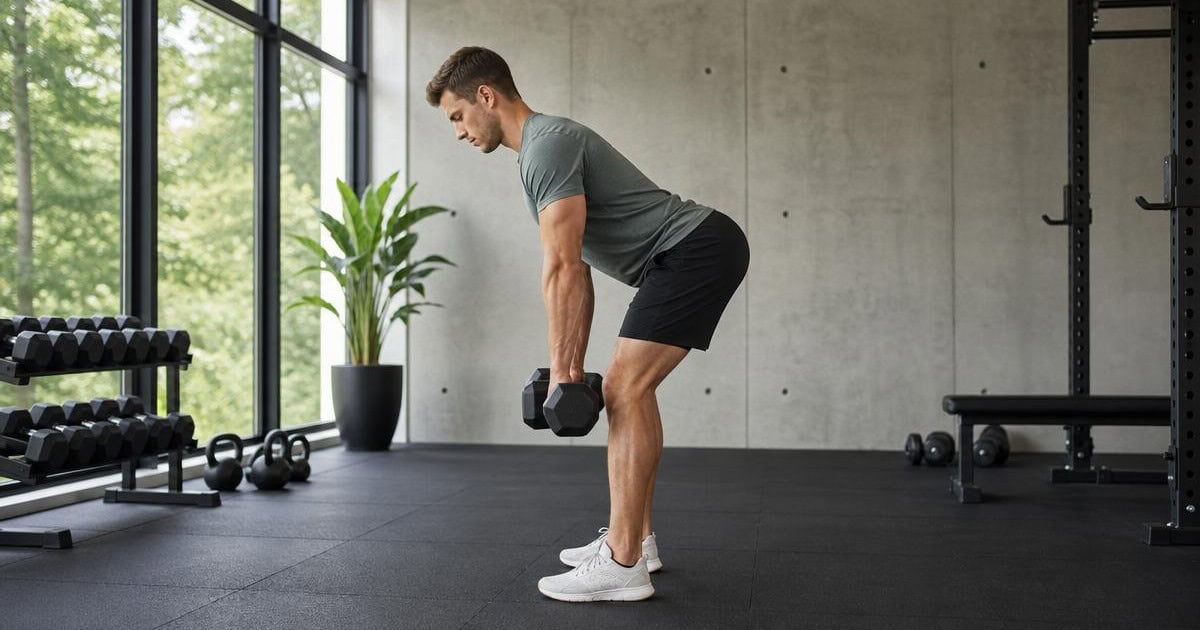
The Barbell Romanian Deadlift performs hip-hinge motion with a barbell, emphasizing the hamstrings and glutes through eccentric loading. The pattern builds the posterior chain strength critical for running mechanics and cycling power.
For triathlon training, the Romanian deadlift produces strong hamstring and glute loading that translates to running stride efficiency and cycling power output. The pattern hits the posterior chain through hip extension under controlled load. Run it for 3 to 4 sets of 6 to 10 reps as primary posterior chain work in any triathlon strength session.
Stand with feet hip-width and a barbell held at thigh level. Hinge at the hips by sending them backward while keeping the back flat and the bar close to the legs. Lower until feeling a strong hamstring stretch (typically just below the knees). Drive back to standing by extending through the hips and squeezing the glutes. Maintain bar contact with legs throughout.
Dumbbell Goblet Squat
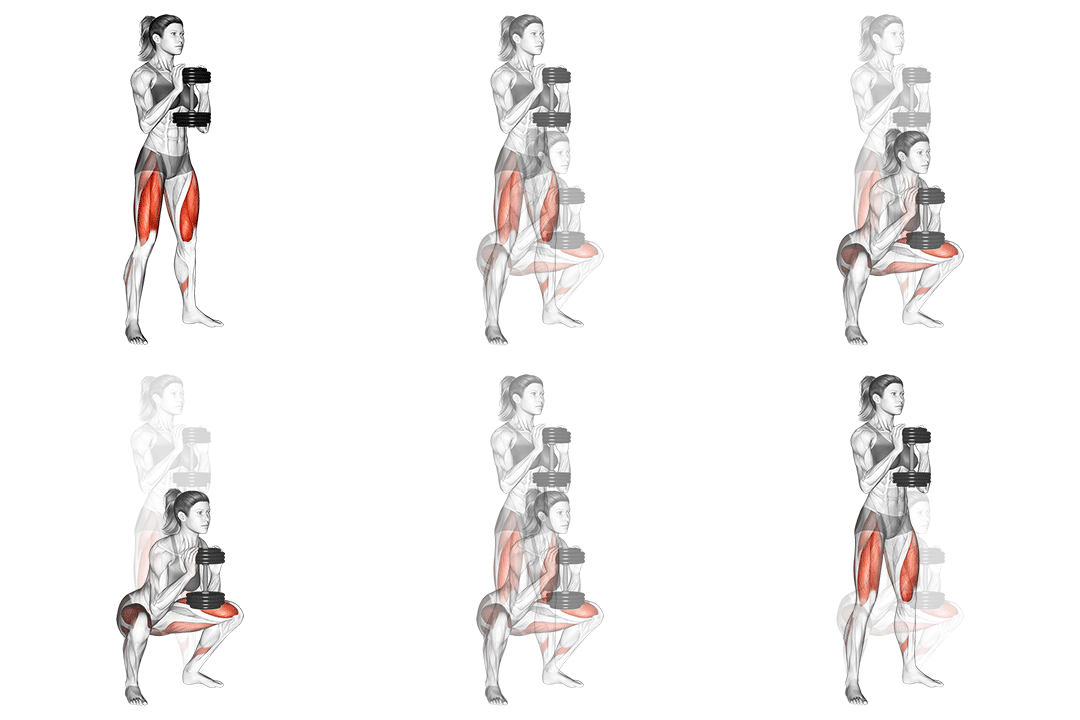
The Dumbbell Goblet Squat performs squat motion holding a single dumbbell at the chest. The pattern builds general lower-body strength while remaining safe for athletes who need to avoid the spinal loading of barbell back squats during heavy training periods.
For triathlon training, the goblet squat produces accessible lower-body strength loading without the spinal fatigue of barbell squats. The pattern hits the quads, glutes, and core through full-range squat motion. Run it for 3 sets of 8 to 12 reps as primary lower-body strength work for triathletes.
Stand with feet shoulder-width and a dumbbell held vertically at chest level (cupping the top end of the dumbbell with both hands). Squat down by sitting the hips back and bending the knees, maintaining upright torso. Drive back to standing through the heels. The front-loaded weight position emphasizes core engagement and upright posture.
Dumbbell Step Up

The Dumbbell Step Up steps onto an elevated surface (bench, box, or sturdy chair) while holding dumbbells at the sides. The pattern builds unilateral leg strength critical for running and cycling.
For triathlon training, the step-up produces strong unilateral leg loading that translates directly to single-leg running mechanics and cycling stroke power. The pattern hits the quads, glutes, and balance throughout. Run it for 3 sets of 8 to 12 reps per leg as primary unilateral leg work.
Stand in front of a sturdy elevated surface (12 to 18 inches high) with dumbbells held at the sides. Step onto the surface with one foot, driving through the heel and using the leg to lift the body up. Step back down under control with the same leg. Switch sides between sets or alternate per rep. Maintain controlled tempo throughout.
Dumbbell Bulgarian Split Squat
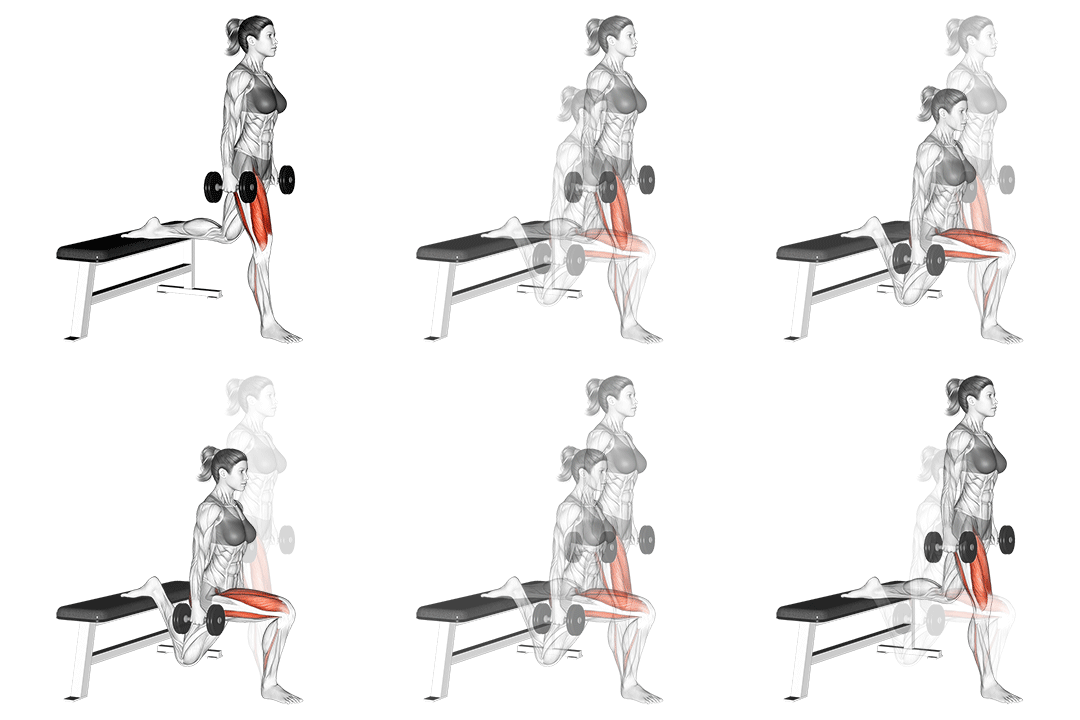
The Dumbbell Bulgarian Split Squat performs split squats with the back foot elevated on a bench while holding dumbbells at the sides. The pattern produces strong unilateral leg loading that addresses left-right imbalances common in endurance athletes.
For triathlon training, the Bulgarian split squat produces strong unilateral leg loading that translates to running stride mechanics and cycling pedal stroke. The pattern hits the quads and glutes through deep range of motion. Run it for 3 sets of 8 to 10 reps per leg as primary unilateral leg work.
Stand 2 to 3 feet in front of a bench with one foot resting on the bench behind the body and a dumbbell in each hand. Drop straight down by bending the front knee until the back knee approaches the floor. Drive through the front foot to push back to standing. Switch sides between sets. Lean slightly forward to emphasize glute loading.
Single Leg Deadlift with Knee Lift

The Single Leg Deadlift with Knee Lift combines a single-leg deadlift with a knee drive at the top. The pattern produces strong combined posterior chain loading and balance work that translates directly to running mechanics.
For triathlon training, the single-leg deadlift with knee lift produces strong combined posterior chain, balance, and running mechanics work. The pattern hits the glutes and hamstrings through unilateral loading combined with hip flexor activation that mirrors running stride. Run it for 3 sets of 6 to 8 reps per side as combined posterior chain and athletic mechanics work.
Stand on one leg with the free leg extended slightly behind. Hinge at the hip while extending the free leg back behind the body, lowering the torso forward. Drive back to standing by extending the planted hip while simultaneously driving the free knee up to chest height. Hold briefly at the top. Reverse the motion. Switch legs between sets.
Side Plank
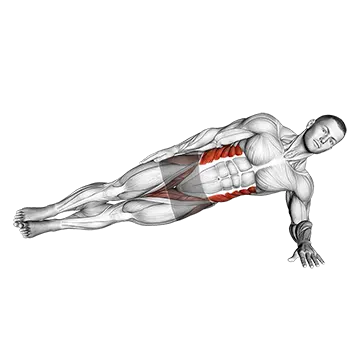
The Side Plank holds the body in a side-lying position supported on the forearm with the hips lifted and body in a straight line. The pattern produces direct oblique and lateral core stability loading critical for running posture.
For triathlon training, the side plank produces direct oblique loading that supports running posture and prevents lateral hip drop during running stride. The pattern hits the obliques and gluteus medius through sustained isometric loading. Run it for 3 sets of 30 to 60-second holds per side as direct oblique and lateral hip stability work.
Lie on one side with the forearm planted on the floor under the shoulder. Stack the feet (or stagger them for easier balance). Lift the hips up to form a straight line from head to heels. Hold the position while engaging the obliques and gluteus medius. Switch sides between sets. Maintain straight body position throughout.
Superman

The Superman lies face-down on the floor and lifts the arms and legs up off the floor simultaneously. The pattern produces direct lower-back, glute, and posterior shoulder loading critical for cycling posture.
For triathlon training, the superman produces direct posterior chain loading that supports cycling posture (counteracting the rounded position of cycling) and improves running posture. The pattern hits the lower back, glutes, and posterior shoulders through extension. Run it for 3 sets of 12 to 15 reps as posterior chain and posture work.
Lie face-down on the floor with arms extended overhead and legs straight. Simultaneously lift the arms, chest, and legs off the floor by engaging the lower back, glutes, and posterior shoulders. Hold briefly at the top. Lower under control. Maintain neutral neck position throughout.
Bird Dog
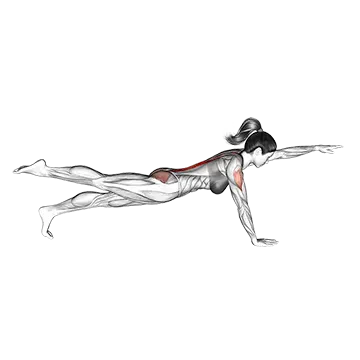
The Bird Dog sets up on hands and knees and extends one arm forward while extending the opposite leg back. The pattern produces strong combined core stability and posterior chain loading critical for running mechanics.
For triathlon training, the bird dog produces strong combined deep core stability and posterior chain loading. The pattern hits the deep core, glutes, and posterior shoulders through cross-body coordination that mirrors running mechanics. Run it for 3 sets of 8 to 10 reps per side as deep core and stability work.
Set up on hands and knees with hands shoulder-width and knees hip-width. Engage the core to maintain neutral spine. Extend one arm forward while simultaneously extending the opposite leg back. Hold briefly at the extended position. Return to start. Switch sides on each rep. Maintain stable trunk position throughout (no hip rotation).
Dumbbell Lunge

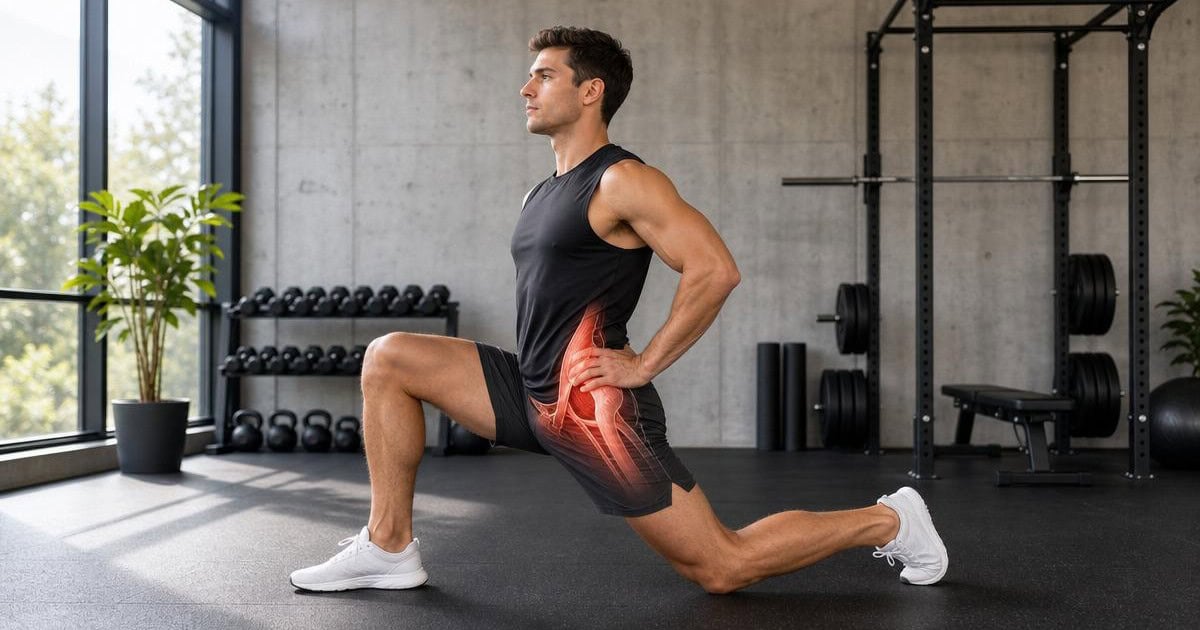
The Dumbbell Lunge performs lunge motion while holding dumbbells at the sides. The pattern produces unilateral leg loading that builds strength foundation for running and cycling.
For triathlon training, the dumbbell lunge produces strong unilateral leg loading with manageable weight that fits into broader endurance training. The pattern hits the quads, glutes, and balance through dynamic forward stepping. Run it for 3 sets of 8 to 10 reps per leg as varied unilateral leg work.
Stand with feet hip-width and dumbbells held at the sides. Step one leg forward into a lunge position. Drop the back knee toward the floor by bending both legs. Drive through the front leg to push back to standing. Switch sides on each rep or complete reps on one side before switching.
Jump Squat

The Jump Squat performs explosive squat motion ending with a vertical jump, then absorbs the landing back into the squat. The pattern produces explosive leg power that translates to sprinting bursts and cycling acceleration.
For triathlon training, the jump squat produces explosive leg power that translates to sprinting bursts during running portions and acceleration on the bike. The pattern hits the legs through high-intensity dynamic loading. Run it for 3 sets of 5 to 8 reps as power work, with full recovery between sets.
Stand with feet shoulder-width. Squat down by sitting the hips back. Explosively extend the legs and hips to jump straight up vertically. Land softly with bent knees, immediately lowering into the next squat. Continue in a smooth tempo. The explosive extension produces strong leg power loading.
How To Program These Workouts
A productive triathlon strength program organizes these exercises across 2 to 3 weekly sessions, scheduled to avoid conflicting with key swim, bike, and run sessions. A common 2-day structure: Day 1 (Lower Body Focus): goblet squat, Bulgarian split squat, Romanian deadlift, single-leg deadlift with knee lift. Day 2 (Posterior Chain and Core Focus): step-up, dumbbell lunge, side plank, superman, bird dog. Add jump squats 1 to 2 times per week as explosive power work, typically at the start of strength sessions or as standalone short work. Run strength exercises for 3 sets of 8 to 12 reps; core stability for 3 sets of 30 to 60-second holds (or 8 to 10 reps); explosive work for 3 sets of 5 to 8 reps with full recovery.
Train triathlon strength sessions 2 to 3 times per week during base and build phases, reducing to 1 to 2 maintenance sessions during peak/race weeks. The combination of strength work and high cardio volume requires careful management of total training stress. Most successful triathlon programs schedule strength sessions either after key cardio sessions (so cardio fatigue doesn’t compromise running or cycling form) or as standalone sessions on cardio rest days. Recovery, nutrition (sufficient calories to support both endurance training and strength gains), sleep (7 to 9 hours per night), and proper warm-up are critical. Working with coaches familiar with endurance athletics significantly improves training quality.
For broader athletic programming, see our best workouts for athletes and best workouts for runners. For specific endurance work, see our best workouts for cyclists.
Final Thoughts
The best workouts for triathletes deliver real performance improvements through exercises that build the specific physical capacities triathletes need: posterior chain strength, unilateral leg power, core stability, and explosive ability. The combination of strength work, single-leg training, core stability, and explosive power covers every physical demand of triathlon and produces broader athletic development than cardio-only training programs. For triathletes who want measurable race performance improvements, want to reduce injury risk through proper strength preparation, or want to extend their competitive career through smart training, dedicated strength work is one of the most effective investments triathletes can make.
Stay focused on form quality and integration with cardio training. The most common triathlon strength training mistakes include either chasing weight at the expense of form (which compromises movement quality during cardio sessions) or undertraining strength because of fatigue from high cardio volume. The fix: prioritize technique on every rep with appropriate weights that allow strict form (typically lighter than what triathletes can lift), and schedule strength sessions strategically around key cardio days to avoid compromising swim, bike, or run quality. Quality strength work that supports cardio performance produces stronger triathlon results than maximum-weight strength training that compromises endurance training quality.
Frequently Asked Questions
How often should triathletes do strength training?
Two to three times per week during base and build phases works for most triathletes. The combination of strength work and high cardio volume requires careful management of total training stress. Most successful triathlon programs include 2 to 3 weekly strength sessions of 30 to 45 minutes each during off-season and base phases, reducing to 1 to 2 maintenance sessions during peak training and race weeks. Daily strength training typically produces accumulated fatigue that compromises cardio quality.
Should triathletes lift heavy weights?
Moderate weights work better for most triathletes. The goal of triathlon strength training is to build supporting strength and improve movement quality, not maximum strength. Most successful triathlon strength programs include weights at 60 to 75 percent of one-rep max for 8 to 12 reps, which builds strength without producing the systemic fatigue of heavy max-effort work. Some advanced triathletes benefit from occasional heavier work (3 to 5 reps at 80 to 85 percent), but most should stay in moderate rep ranges with strict form.
Will strength training make me bulky for triathlon?
Very unlikely for most triathletes. Building significant muscle mass requires high training volume, caloric surplus, and lower training fatigue than triathletes typically experience. Most triathletes following the strength program above will gain minimal mass while significantly improving strength and movement quality. The combination of high cardio volume, moderate caloric intake, and moderate strength training rarely produces unwanted muscle gain.
When should triathletes do strength training?
Either after key cardio sessions or on cardio rest days works best. Doing strength training before key cardio sessions can compromise cardio quality through accumulated fatigue. Most successful triathlon schedules include strength work either: 1) immediately after a moderate cardio session (so cardio fatigue is acceptable for strength quality), 2) on a complete cardio rest day, or 3) several hours after a moderate cardio session in the same day. Avoid strength training before key swim, bike, or run sessions.
Can strength training improve triathlon times?
Yes effectively for most triathletes. The combination of stronger posterior chain (better running stride efficiency), improved unilateral strength (better cycling power transfer), and improved core stability (better posture during long efforts) produces measurable improvements in running pace, cycling power, and swimming efficiency. Most triathletes see 2 to 5 percent improvement on their cardio metrics within 12 to 16 weeks of consistent strength training added to their existing cardio program. Stronger triathletes also experience reduced injury rates over long careers.