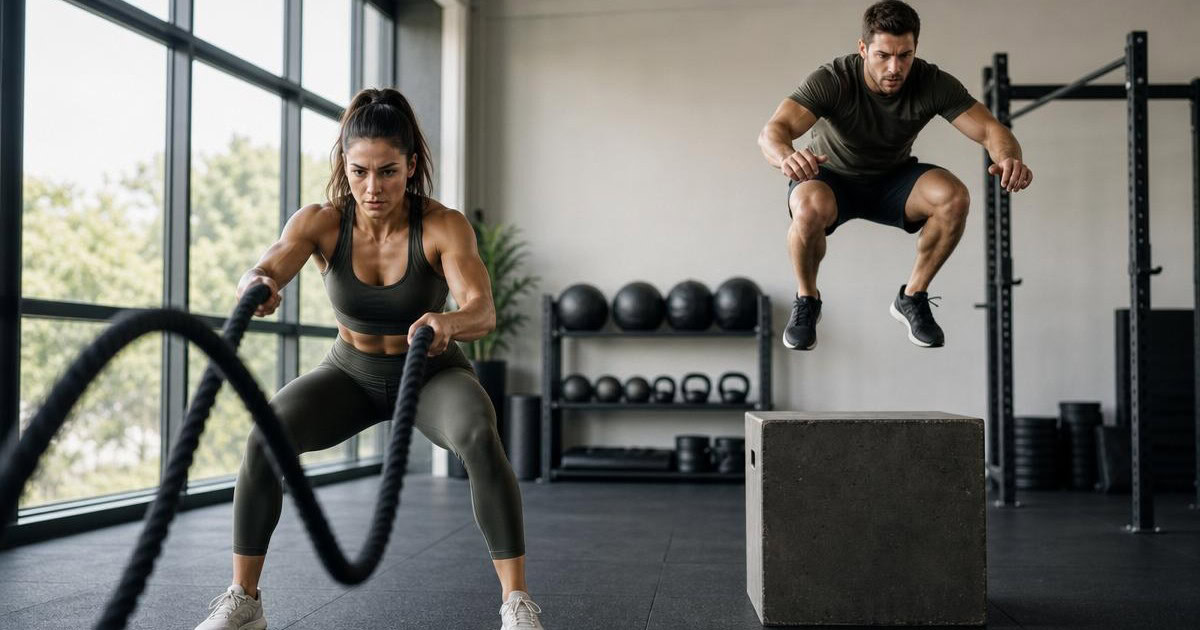
American football places extreme physical demands on the body – explosive sprinting and acceleration, contact strength for blocking and tackling, full-body strength for the physical demands of the sport, and the conditioning to perform repeatedly across long games. The sport also demands position-specific qualities (linemen need different emphasis than receivers), but the foundational training applies broadly across positions.
These ten exercises cover the complete American football conditioning toolkit. Heavy compound lifts (squat, deadlift, bench press, row, pull-up) build the foundational strength all football positions require. Explosive lifts (hang cleans, jump squats, kettlebell swings) develop the explosive power for sprint acceleration. Loaded carries (farmers walks) build full-body conditioning under load. Bulgarian split squats develop unilateral leg power for cutting. Together they build the comprehensive physical capacity that football demands.
Barbell Squat

The Barbell Squat performs back squats. The compound pattern is foundational for American football strength.
For American football conditioning, squats build the leg strength foundation. Run it for 4 to 5 sets of 5 to 8 reps as primary leg work.
Set up a barbell on a rack at upper back height. Position the bar across the upper back. Step back with feet shoulder-width. Squat down by bending the knees and hips. Drive back up through the heels. The pattern produces the heaviest leg loading possible – critical for American football because the sport demands explosive leg drive for sprinting, blocking, tackling, and most football movement. Strong squats provide the leg foundation that all football performance depends on. Foundational lift for football conditioning.
Barbell Deadlift

The Barbell Deadlift performs conventional deadlifts. The compound pattern builds the foundational strength football demands.
For American football conditioning, deadlifts build foundational pulling and posterior chain strength. Run it for 3 to 4 sets of 3 to 5 reps as primary heavy work.
Stand with a barbell over mid-foot, feet hip-width. Hinge at the hips and bend the knees to grip the bar. Drive the floor away by extending hips and knees together to lift the bar. Stand fully tall, then lower under control. The compound pattern develops the posterior chain strength critical for football – the hamstrings, glutes, and back work powerfully through deadlifts to build the explosive hip drive that sprinting and contact play demand. Foundational lift for football strength.
Dumbbell Bench Press

The Dumbbell Bench Press performs chest pressing with dumbbells. The pattern builds upper body pushing power.
For American football conditioning, dumbbell presses build the pushing strength for blocking and tackling. Run it for 3 to 4 sets of 6 to 10 reps as primary upper body work.
Lie on a bench with dumbbells held at the sides of the chest, palms facing forward. Press the dumbbells up by extending the elbows until the arms are straight. Lower under control to the start. The pattern develops chest, front delt, and triceps strength – critical for American football because blocking, tackling, and pushing through resistance all demand substantial upper body pushing power. Strong dumbbell presses build the upper body strength foundation that physical play requires.
Barbell Bent Over Row

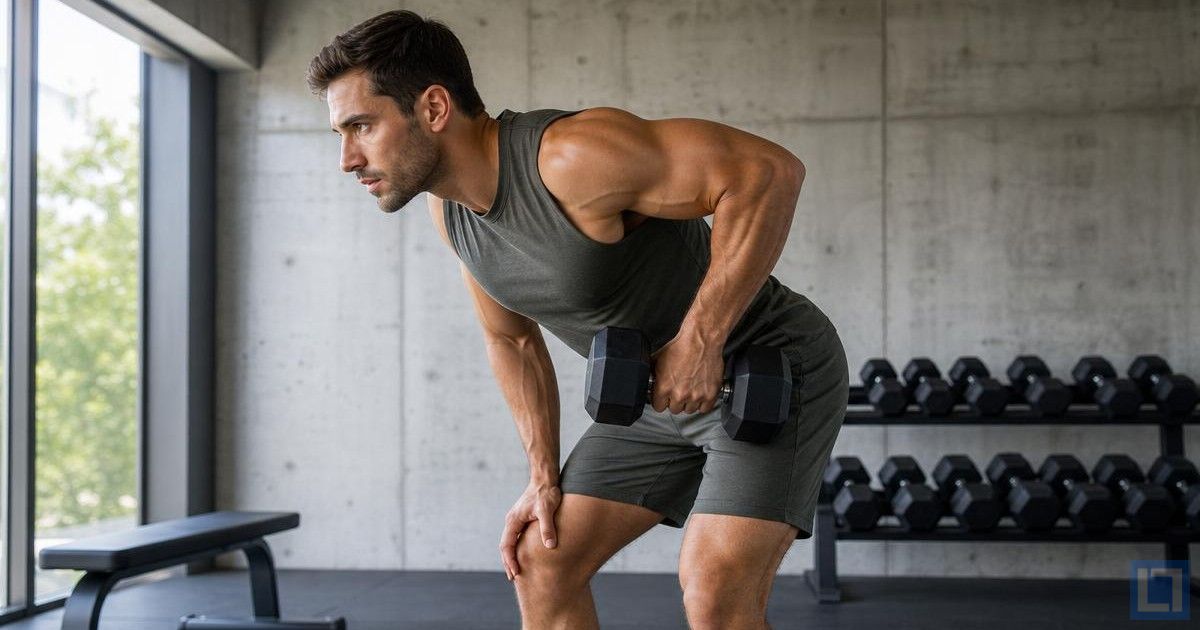
The Barbell Bent Over Row performs heavy compound rows. The pattern builds the back strength football demands.
For American football conditioning, bent-over rows build pulling strength for tackling and blocking. Run it for 3 to 4 sets of 6 to 10 reps as primary back work.
Stand with a barbell in front. Hinge at the hips with knees slightly bent until the torso is roughly 45 degrees from the floor, back flat. Grip the bar with hands shoulder-width. Pull the bar to the lower chest by driving the elbows back. Lower under control. The pattern develops back and pulling strength critical for football – tackling, pulling down ball carriers, and blocking all demand substantial pulling and back muscle function. Strong rows support contact play and help maintain shoulder balance with all the pressing work football demands.
Pull Up

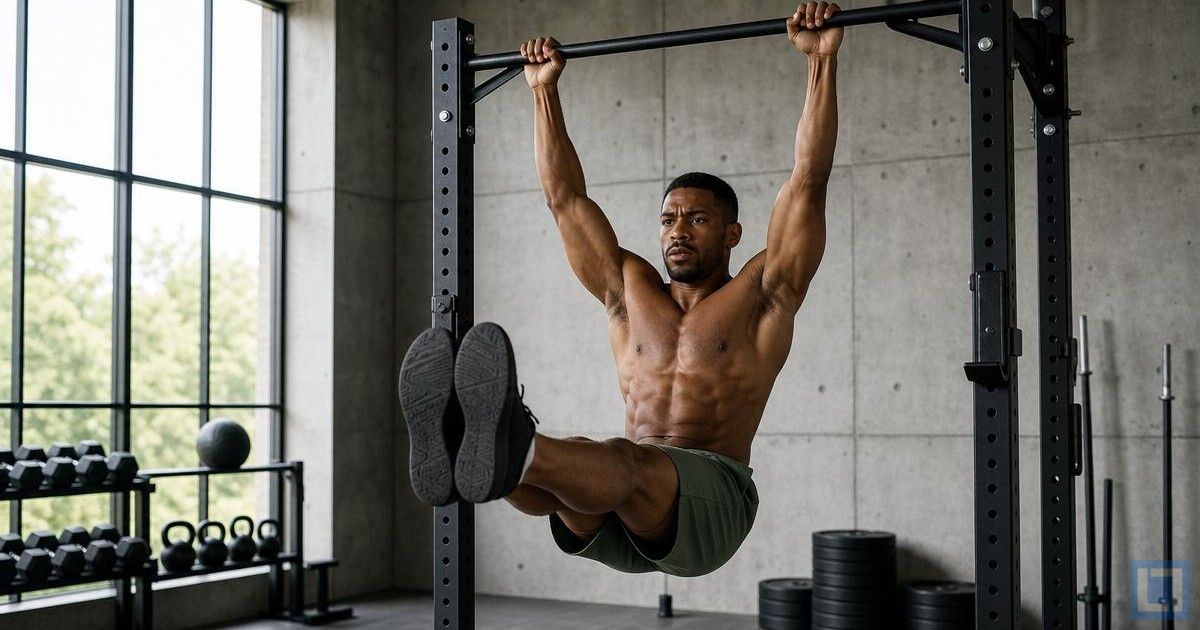
The Pull Up performs bodyweight pull-ups. The pattern develops the upper body pulling strength football requires.
For American football conditioning, pull-ups build pulling strength and upper body bodyweight movement capacity. Run it for 3 to 4 sets of 5 to 12 reps as primary pulling work.
Hang from a pull-up bar with hands shoulder-width or wider, palms facing forward. Pull the body upward until the chin is above the bar by driving the elbows down and back. Lower under control to a full hang. The pattern develops the upper body pulling strength critical for football – the bodyweight pulling capacity translates to tackling, blocking, and physical contact movements. Pull-ups also balance the substantial pressing work that football training typically emphasizes.
Jump Squat

The Jump Squat performs explosive bodyweight squats. The plyometric pattern develops the explosive power football demands.
For American football conditioning, jump squats develop the explosive power for sprint acceleration. Run it for 3 sets of 5 to 8 reps as explosive work.
Stand with feet shoulder-width. Squat down to a quarter squat depth. Drive up explosively to jump straight up. Land softly with knees bent and immediately descend into the next squat. The plyometric pattern develops explosive leg power – critical for American football because the sport demands repeated explosive sprinting, acceleration off the line, and explosive direction changes. Foundational power exercise that translates directly to the explosive demands of football play.
Smith Hang Clean

The Smith Hang Clean performs hang cleans. The pattern develops explosive triple extension for football performance.
For American football conditioning, hang cleans develop the explosive triple extension that drives sprint acceleration. Run it for 3 to 4 sets of 3 to 5 reps as explosive power work.
Set up at a Smith machine with the bar at thigh height. Stand inside the bar with hands shoulder-width or slightly wider. Lift the bar to hang at thigh height. Explosively extend the hips, knees, and ankles together (triple extension) while pulling the bar up and shrugging. Catch the bar at shoulder height in a quarter squat. Lower to thigh height and repeat. The pattern trains explosive triple extension under load – the same movement pattern that drives sprinting, jumping, and the explosive contact production that football demands. Foundational power exercise for football athletes.
Kettlebell Swing

The Kettlebell Swing performs hip-hinge driven kettlebell swings. The explosive pattern builds football conditioning.
For American football conditioning, kettlebell swings build hip power and play-pace conditioning. Run it for 3 sets of 15 to 25 reps as conditioning work.
Stand with a kettlebell on the floor between the feet. Hinge at the hips and grip the kettlebell with both hands. Swing the kettlebell back between the legs, then drive the hips forward explosively to swing the kettlebell up to roughly chest height. Let it swing back down. Continue. The explosive hip-hinge pattern develops hip power and produces high-intensity cardiovascular conditioning – critical for American football because plays demand maximum explosive effort followed by short recovery. The conditioning pattern matches the demands of football play.
Farmers Walk
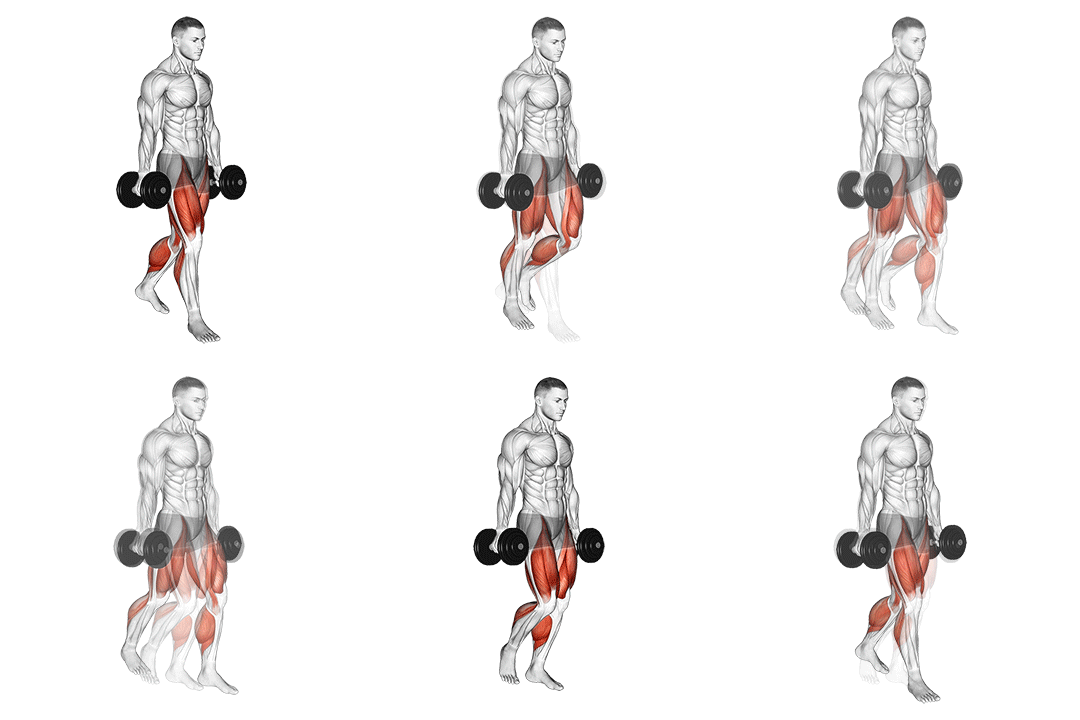
The Farmers Walk performs loaded carries. The pattern produces extreme grip and trap loading.
For American football conditioning, farmers walks build grip and full-body conditioning under load. Run it for 3 sets of 30 to 60 second carries as conditioning work.
Stand with heavy dumbbells, kettlebells, or trap bar held at the sides. Walk forward with controlled strides while maintaining upright posture. Continue walking for time or distance. The carry produces sustained heavy loading – critical for football because grip strength affects ball security, blocking effectiveness, and tackling capacity. Carries also build the trap and core stability that contact play demands. Excellent total-body conditioning lift.
Dumbbell Bulgarian Split Squat
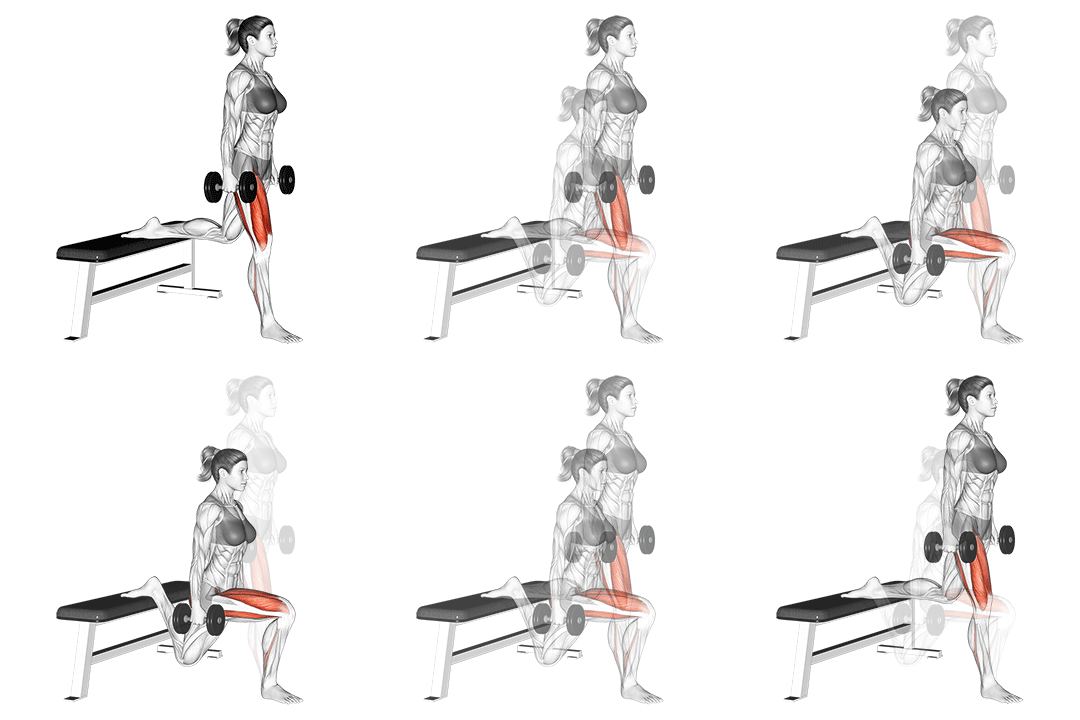
The Dumbbell Bulgarian Split Squat performs Bulgarian split squats. The unilateral pattern develops per-leg power.
For American football conditioning, Bulgarian split squats build unilateral leg strength for cutting and acceleration. Run it for 3 sets of 8 to 12 reps per leg as unilateral work.
Stand 2 to 3 feet in front of a bench. Place the top of the rear foot on the bench behind. Hold dumbbells in each hand at the sides. Squat down by bending the front knee deeply. Drive back up through the front heel. The pattern develops unilateral leg strength critical for football – cutting, planting, and accelerating all involve substantial single-leg loading. Strong unilateral leg strength addresses left/right asymmetries and builds the per-leg power that translates directly to on-field movement.
How To Program These Workouts
American football conditioning works best with 3 to 4 strength sessions per week during the off-season, transitioning to 2 to 3 maintenance sessions during the competitive season. Total weekly volume should account for skill work, position practice, and game demands.
Structure off-season training with strength and power emphasis. Sample week: Day 1 – back squat, dumbbell bench press, pull-ups. Day 2 – hang cleans, Bulgarian split squats, bent-over row, kettlebell swings. Day 3 – deadlift, jump squats, farmers walks, push-ups. Use 4 to 5 sets of 4 to 6 reps for heavy strength work, 3 to 4 sets of 3 to 5 reps for explosive work, 3 sets of 8 to 12 reps for unilateral and accessory work.
Progressive overload drives football strength gains – add weight or reps when current loading becomes manageable. During season, prioritize game performance and recovery with reduced training volume but maintained intensity. Year-round consistency in fundamental compound lifts and explosive work builds the foundation that translates to on-field performance and durability across long competitive seasons.
Final Thoughts
These ten exercises cover the complete American football conditioning approach. The heavy compounds build foundational strength across all positions. The explosive lifts develop the power that sprinting and contact production demand. The unilateral work addresses cutting and per-leg power. The conditioning work builds the play-tempo capacity football demands. Together they support the comprehensive physical demands of football.
Building football readiness requires consistent strength and power training combined with skill work and conditioning. Athletes who maintain consistent year-round training typically demonstrate measurably better physical performance and durability than those who train sporadically. The combination of foundational strength, explosive power, and football-specific conditioning produces the on-field performance that translates training work into game performance.
Frequently Asked Questions
What physical qualities do football players need most?
American football demands a combination of explosive sprinting power for acceleration, contact strength for blocking and tackling, full-body strength across all positions, position-specific endurance for play demands, and the conditioning to perform repeatedly across long games. Position-specific emphasis varies, but foundational qualities apply across positions.
How often should football players strength train?
3 to 4 strength sessions per week during off-season works well for most football players, transitioning to 2 to 3 maintenance sessions during competitive season. Volume should account for skill work, position practice, and game demands. Recovery becomes critical during season when game intensity demands training adjustments.
Should football training emphasize strength or speed?
Both – football demands substantial strength for contact production and substantial speed for athletic movement. Pure strength without speed leaves players strong but slow. Pure speed without strength leaves them fast but unable to produce contact effectively. Balanced training across heavy compound lifts and explosive power work addresses both demands.
How does football training differ by position?
Linemen typically emphasize maximal strength and contact capacity with somewhat less running volume. Skill positions (receivers, defensive backs) emphasize speed and agility with somewhat less maximum strength. However, foundational training (squat, deadlift, bench press, hang cleans, sprints) applies across all positions – the differences are in emphasis and volume rather than completely different exercises.
Will heavy lifting make football players too slow?
No – properly programmed strength training improves football performance for nearly all players. The increase in functional strength typically improves sprint acceleration, change of direction, and contact production. The key is balanced training that includes explosive work alongside heavy lifting, not pure powerlifting that crowds out speed and agility development.