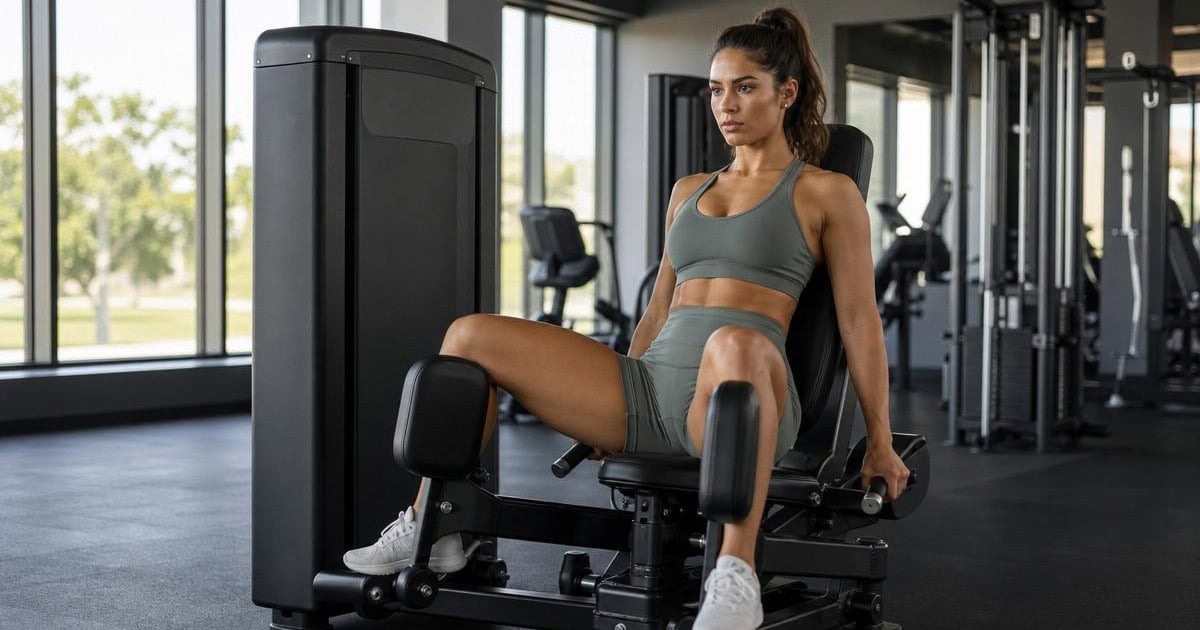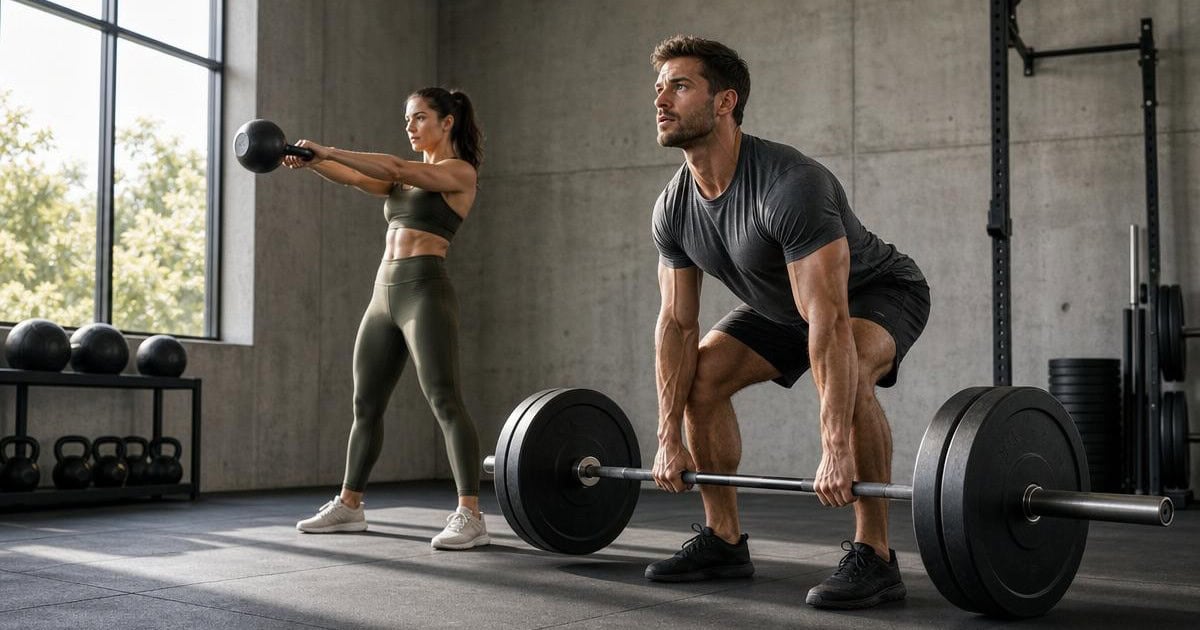
Weighted ab training produces stronger core development per rep than bodyweight-only training. The added external load progressively overloads the core musculature the same way it overloads any other muscle group, which drives faster growth than purely bodyweight training that caps out as the core gets strong. The best ab workouts with weights use this loaded format combined with rotational, lateral flexion, and combined-load patterns that bodyweight alone cannot match. The functional carryover to athletic activities is also significant; loaded rotational work translates directly to throwing, swinging, and lateral acceleration.
Below are ten effective weighted ab exercises that cover trunk flexion (weighted sit-up, decline sit-up, dumbbell crunch up), rotational work (woodchop, Russian twist, weighted Russian twist), lateral flexion (side bend), anti-extension (kettlebell dead bug, barbell rollout), and combined patterns (Otis up). Together they form a complete loaded ab training program that fits in any home gym with dumbbells, kettlebells, or a barbell. A 20 to 30-minute session pulled from this list produces strong core stimulus across every major function.
Dumbbell Lying Woodchop

The Dumbbell Lying Woodchop lies on the back and rotates a single dumbbell from one hip to the opposite shoulder in a chopping motion. The rotational pattern hits the obliques and rotational core stabilizers under load.
For weighted ab training, the lying woodchop is one of the most direct rotational exercises that exists. The added external load produces stronger oblique development per rep than bodyweight rotation. Run it for 3 sets of 10 to 12 reps per side as primary rotational core work.
Lie flat on the back with both hands holding a single dumbbell. Start with the dumbbell at one hip. Rotate the trunk to bring the dumbbell across the body to the opposite shoulder area. Reverse under control. Switch sides on the next set.
Dumbbell Crunch Up

The Dumbbell Crunch Up lies on the back with a dumbbell held at the chest and performs a crunch motion. The added load increases the demand on the abs through trunk flexion compared to bodyweight crunches.
For loaded ab training, the dumbbell crunch up is one of the most direct loaded ab exercises. The added external weight produces stronger ab loading per rep than bodyweight crunches. Run it for 3 sets of 12 to 15 reps as primary loaded ab work.
Lie flat on the back with knees bent and feet planted. Hold a dumbbell at the chest with both hands. Curl the trunk up to bring the chest toward the knees, keeping the dumbbell at the chest. Lower under control to the start position.
Side Bend
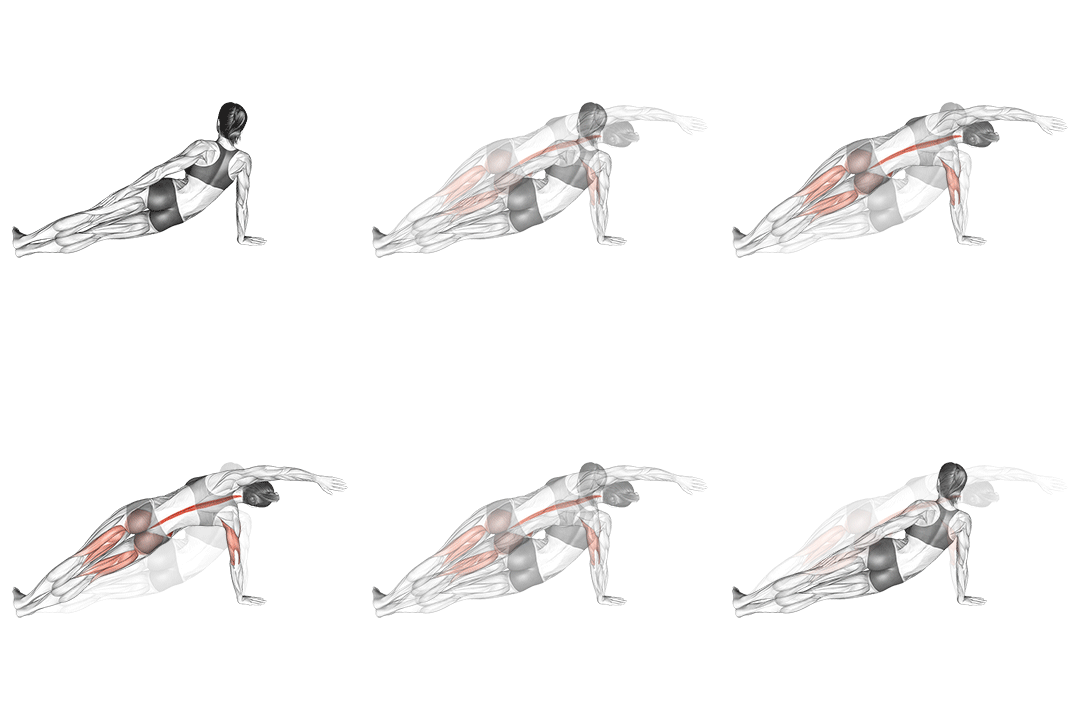
The Side Bend stands tall holding a dumbbell in one hand and bends laterally to one side, then returns to standing. The lateral motion targets the obliques directly through their primary lateral flexion function.
For loaded oblique training, the side bend is one of the most direct exercises that exists. The pattern hits the obliques through their natural lateral flexion movement. Run it for 3 sets of 12 to 15 reps per side as direct oblique work.
Stand tall with feet shoulder-width and a dumbbell held at one side. Bend laterally toward the dumbbell side, lowering the dumbbell along the leg. Return to standing by contracting the opposite-side obliques. Complete all reps on one side before switching the dumbbell to the other hand.
Kettlebell Russian Twist

The Kettlebell Russian Twist sits on the floor with a kettlebell held at the chest and twists the trunk side-to-side. The continuous rotation hits the obliques throughout the entire set with continuous loaded tension.
For loaded oblique work in weighted ab sessions, the Russian twist is one of the most efficient single exercises that exists. The continuous tension produces stronger oblique development per rep than discrete crunches. Run it for 3 sets of 16 to 20 total reps with moderate weight.
Sit on the floor with knees bent. Lean back slightly to engage the abs and lift the feet off the floor for added difficulty. Hold a kettlebell at the chest with both hands. Twist the trunk to bring the kettlebell to one side, then to the other side. Continue alternating.
Kettlebell Dead Bug

The Kettlebell Dead Bug performs the dead bug pattern while holding a kettlebell extended overhead with both hands. The added weight increases the demand on the abs throughout the controlled limb motion.
For loaded core stability work, the kettlebell dead bug produces stronger anti-extension demand than the bodyweight version. The added overhead load creates significant abdominal bracing requirements throughout the rep. Run it for 3 sets of 8 to 10 reps per side.
Lie flat on the back with a kettlebell held with both hands extended toward the ceiling. Start with knees bent at 90 degrees over the hips. Slowly lower the opposite arm and leg toward the floor while keeping the lower back flat. Return to the starting position and switch sides.
Otis Up

The Otis Up lies on the back holding a dumbbell extended toward the ceiling and performs a sit-up while keeping the dumbbell extended overhead throughout. The combination of trunk flexion and overhead loading produces strong full-core demand.
For weighted ab training that combines flexion with stability, the Otis Up is one of the most demanding single exercises that exists. The overhead load creates extreme bracing requirements throughout the sit-up motion. Run it for 3 sets of 10 to 12 reps with moderate weight.
Lie flat on the back with knees bent and feet planted. Hold a dumbbell or weight plate extended overhead with arms straight. Sit up while keeping the weight extended overhead throughout the entire motion. Lower under control to the start. Maintain the overhead arm position throughout.
Weighted Russian Twist

The Weighted Russian Twist sits on the floor with feet lifted and a weight (dumbbell or plate) held at the chest, twisting the trunk side-to-side. The continuous loaded rotation produces strong oblique loading throughout the set.
For maximum oblique loading, the weighted Russian twist allows continuous rotational work under significant external load. The lifted-feet variation increases the demand on the lower abs and hip flexors. Run it for 3 sets of 16 to 20 total reps with moderate weight.
Sit on the floor with knees bent and feet lifted off the floor. Lean back slightly to engage the abs. Hold a weight at the chest. Twist the trunk to bring the weight to one side, then to the other side. Maintain the lifted-feet position throughout.
Weighted Decline Sit-up

The Weighted Decline Sit-up lies on a decline bench with feet hooked at the top and performs a sit-up while holding a weight at the chest. The decline angle and external load produce significantly stronger ab loading than flat sit-ups.
For maximum loaded ab work, the weighted decline sit-up is one of the strongest ab exercises that exists. The combination of decline angle and added weight produces extreme abdominal loading per rep. Run it for 3 to 4 sets of 8 to 12 reps with progressively heavier loading.
Lie back on a decline bench with feet hooked at the top. Hold a weight at the chest with both hands. Sit up by curling the trunk toward the knees. Lower under control. Use a weight that allows clean strict reps; momentum produces less benefit than strict form.
Barbell Rollout

The Barbell Rollout kneels on the floor and rolls a loaded barbell forward, extending the body into a near-prone position before pulling back to the start. The exercise produces extreme anti-extension core demand.
For advanced loaded ab training, the barbell rollout is one of the most demanding core exercises that exists. The pattern requires significant existing core strength to perform safely; build to ab wheel rollouts before attempting barbell rollouts. Run it for 3 sets of 5 to 8 reps as primary anti-extension work.
Kneel on the floor with a loaded barbell in front of you. Grip the bar with hands shoulder-width apart. Roll the bar forward by extending the body, keeping the back flat and core braced. Roll out as far as control allows without touching the floor. Pull back to the start.
Dumbbell Sit Up

The Dumbbell Sit Up performs a sit-up while holding a dumbbell at the chest. The added load increases the demand on the abs throughout the trunk flexion motion compared to bodyweight sit-ups.
For loaded ab training, the dumbbell sit-up is the most accessible weighted ab exercise that exists. The classic pattern with added load produces stronger ab development than bodyweight sit-ups for intermediate and advanced lifters. Run it for 3 sets of 10 to 15 reps as primary loaded ab work.
Lie flat on the back with knees bent and feet planted. Hold a dumbbell at the chest with both hands. Sit up by curling the trunk toward the knees. Lower under control. Maintain the dumbbell position at the chest throughout the rep.
How To Program These Workouts
A productive weighted ab session pulls six to eight exercises from the list above. A balanced session includes one weighted trunk flexion exercise (dumbbell sit-up or weighted decline sit-up), one rotational exercise (Russian twist or woodchop), one lateral exercise (side bend), one anti-extension exercise (kettlebell dead bug or barbell rollout), and one combined exercise (Otis up). Run loaded reps for 3 sets of 10 to 15 reps; rotational work for 3 sets of 16 to 20 total reps; rollouts for 3 sets of 5 to 8 reps.
Train weighted abs 2 to 3 times per week. The core recovers within 24 to 48 hours of moderate training, but the loaded format produces stronger growth per session than bodyweight work. Most lifters do well with 2 to 3 dedicated weighted ab sessions per week alongside the indirect core work that comes from heavy compound lifts. The format also fits naturally as a finisher attached to other workouts.
For more loaded ab programming, see our best dumbbell core workouts and best ab workouts with dumbbells. For different core training approaches, see our best at home core workouts.
Final Thoughts
The best ab workouts with weights produce stronger functional core development than bodyweight training alone. The combination of loaded trunk flexion, rotational work, lateral motion, anti-extension training, and combined power patterns covers every major core function the body uses. The progressive loading also drives ongoing development in a way that bodyweight training caps out on for advanced lifters. For lifters who want serious core training that translates to athletic performance, weighted ab training is one of the most effective options available.
Stay focused on strict form at moderate loads. The most common weighted ab training mistake is using too much weight, which forces compensation patterns that shift work away from the core to the larger surrounding muscles. The fix: use weights light enough to perform strict reps with full range of motion. The core is small relative to the chest, back, and legs; light to moderate loads produce stronger core stimulus than heavy weights done sloppy. Strict form first, weight increases follow.
Frequently Asked Questions
How heavy should weights be for ab workouts?
Most beginners start with 5 to 15-pound dumbbells for ab exercises; intermediates work with 15 to 30-pound dumbbells. The right weight is whatever allows clean reps in your target range with strict form. Heavier weight with poor form produces less benefit than moderate weight with strict technique. For weighted decline sit-ups and Russian twists, advanced lifters often work with 25 to 45-pound loads.
Will weighted ab workouts give me a six-pack?
Loaded core training builds the muscle that gives the stomach its shape; reducing body fat through nutrition reveals that shape. Both are required for visible abs. Most lifters need to be at 12 to 18 percent body fat for abs to show clearly. Weighted ab workouts handle the muscle-building side; sustainable nutrition handles the body fat side.
How often should I do weighted ab workouts?
Two to three times per week works for most lifters. The core recovers within 24 to 48 hours of moderate training, and the loaded format produces stronger per-session stimulus than bodyweight work. Most lifters do well with two to three dedicated weighted ab sessions per week alongside regular strength training that produces indirect core work.
Are weighted ab workouts better than bodyweight?
For continued progression yes, especially after the first 6 to 12 months of training. Bodyweight ab exercises produce strong initial stimulus for beginners but cap out as lifters get strong because the load (bodyweight) cannot increase. Weights solve this by allowing progressive load increases over months and years, which drives ongoing development that bodyweight training cannot match for advanced lifters.
Will weighted abs make my waist bigger?
Generally no for most lifters. The abdominal muscles do not grow large enough through training alone to significantly increase waist size; the muscle volume increase from heavy ab training is small compared to the body fat changes that drive most visible waist measurement changes. Most lifters who add weighted ab training see denser, more defined abs without significant waist size increase. Excessive heavy oblique training combined with high body fat can produce noticeable waist thickening; most general lifters do not encounter this issue.