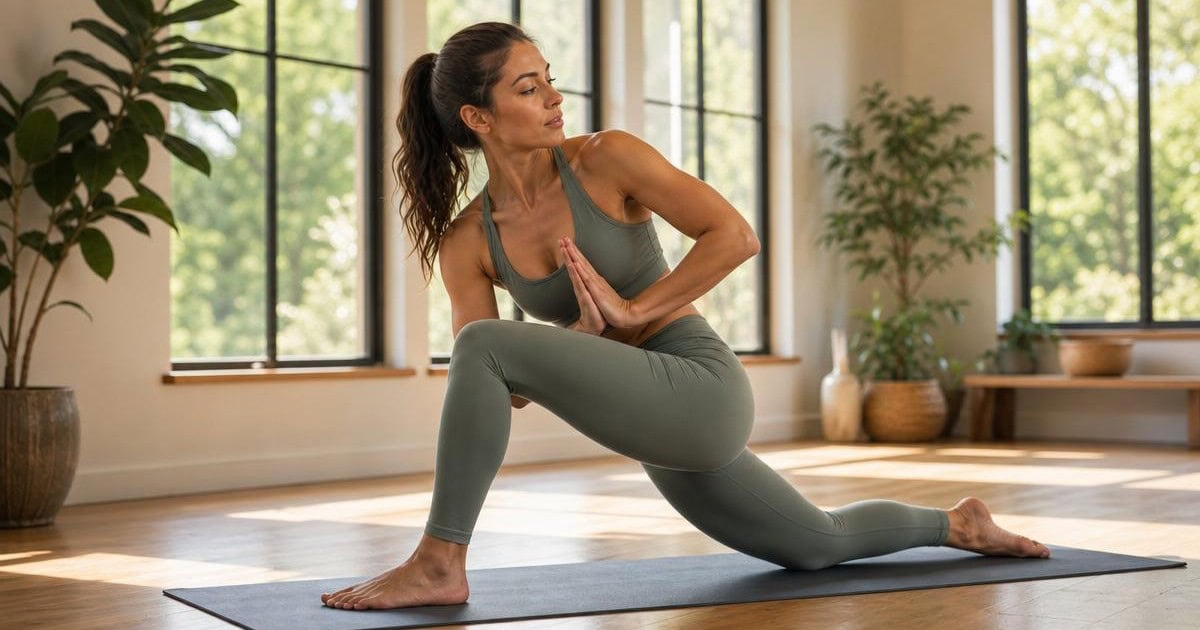
Building mobility – the ability to move joints through their full functional range of motion with control – requires understanding both the contributing factors that limit modern adults’ mobility (extended sitting positions hip flexors in chronic shortened state and weakens glutes; computer use produces forward shoulder posture and limited thoracic rotation; sedentary lifestyle produces ankle stiffness that limits squat depth and lower-body function; chronic gripping activities tighten forearms; cumulative postural patterns create the multiple mobility limitations characteristic of modern adults) and the training principles that develop comprehensive mobility: hip mobility work (kneeling hip flexor stretch, piriformis stretch) for hip-focused mobility, spinal mobility work (cat cow, child pose) for spinal flexibility, thoracic mobility (open book stretch) for upper spine rotation, shoulder mobility (dead hang stretch) for shoulder decompression and rotation, ankle mobility (rocking ankle stretch, calf stretch) for foundational lower-body mobility, foot mobility (feet and ankles stretch) for proper foot function, and wrist/forearm mobility (wrist flexor stretch) for upper-extremity function. Most adults have multiple mobility limitations from sedentary lifestyle – addressing comprehensive mobility through dedicated daily work produces substantial improvement in movement quality, reduces injury risk, and supports both daily function and athletic performance.
Below are ten of the most effective exercises for comprehensive mobility, covering primary hip mobility (kneeling hip flexor stretch, seated piriformis stretch), spinal mobility (child pose, cat cow stretch), thoracic mobility (open book stretch), shoulder/upper body mobility (dead hang stretch), ankle mobility (rocking ankle stretch, standing gastrocnemius calf stretch), foot mobility (feet and ankles stretch), and wrist mobility (wrist flexor stretch). Together they form a complete mobility program covering all major mobility areas. A 15 to 30-minute daily mobility session pulled from this list produces strong mobility development for any individual seeking to address sedentary lifestyle effects, support lifting and athletic performance, recover from training, or maintain functional movement throughout life. Daily practice produces measurable mobility improvements within 4 to 8 weeks for most individuals.
Kneeling Hip Flexor Stretch
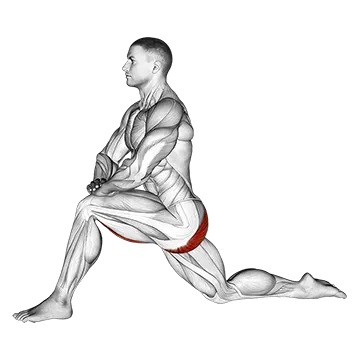
The Kneeling Hip Flexor Stretch performs the kneeling lunge stretch. The pattern is foundational for hip mobility.
For mobility training, the kneeling hip flexor stretch is foundational. Run it for 3 sets of 60 to 90-second holds per side, daily.
Kneel on one knee with the other leg in front bent at 90 degrees (like a lunge position). The back knee rests on the floor. Squeeze the back glute and gently push the hips forward. Feel deep stretch through the front of the back leg hip. Hold for 60 to 90 seconds. Switch sides. The pattern is foundational for mobility – addresses the chronic hip flexor tightness that develops from extended sitting (sitting puts hip flexors in chronically shortened position) and is one of the most common mobility limitations in modern lifestyle. Daily kneeling hip flexor stretching addresses one of the most prevalent mobility issues affecting most adults.
Child Pose
The Child Pose performs the yoga child pose. The pattern produces lower back and hip mobility.
For mobility training, the child pose produces gentle lower back and hip mobility. Run it for 2 to 3 sets of 60 to 90-second holds, daily.
Kneel on the floor with knees apart and big toes touching. Sit back on the heels. Extend the arms forward on the floor while lowering the torso between the thighs. Rest the forehead on the floor. Hold for 60 to 90 seconds. Breathe deeply. The pattern produces gentle lower back, hip, and shoulder mobility – excellent foundational mobility position that decompresses the lumbar spine, gently stretches the lower back muscles, opens the hips, and provides shoulder mobility through the extended arm position. Combined with active hip flexor stretching, child pose provides comprehensive lower back and hip mobility.
Cat Cow Stretch

The Cat Cow Stretch performs the cat-cow yoga sequence. The pattern produces dynamic spinal mobility.
For mobility training, the cat-cow stretch produces full spinal mobility through dynamic motion. Run it for 2 to 3 sets of 10 to 15 reps as primary spinal mobility work, daily.

Start on hands and knees with hands under shoulders and knees under hips. Inhale and arch the back gently while lifting the head and tailbone (cow position). Exhale and round the spine while tucking the head and tailbone (cat position). Continue alternating slowly. The pattern produces dynamic spinal mobility through the full motion of flexion and extension – critical for mobility because most adults have stiff spines from extended sitting, and dynamic spinal mobility maintains the spinal range of motion that supports proper movement. Daily cat-cow practice addresses the spinal stiffness common in modern lifestyle.
Seated Piriformis Stretch
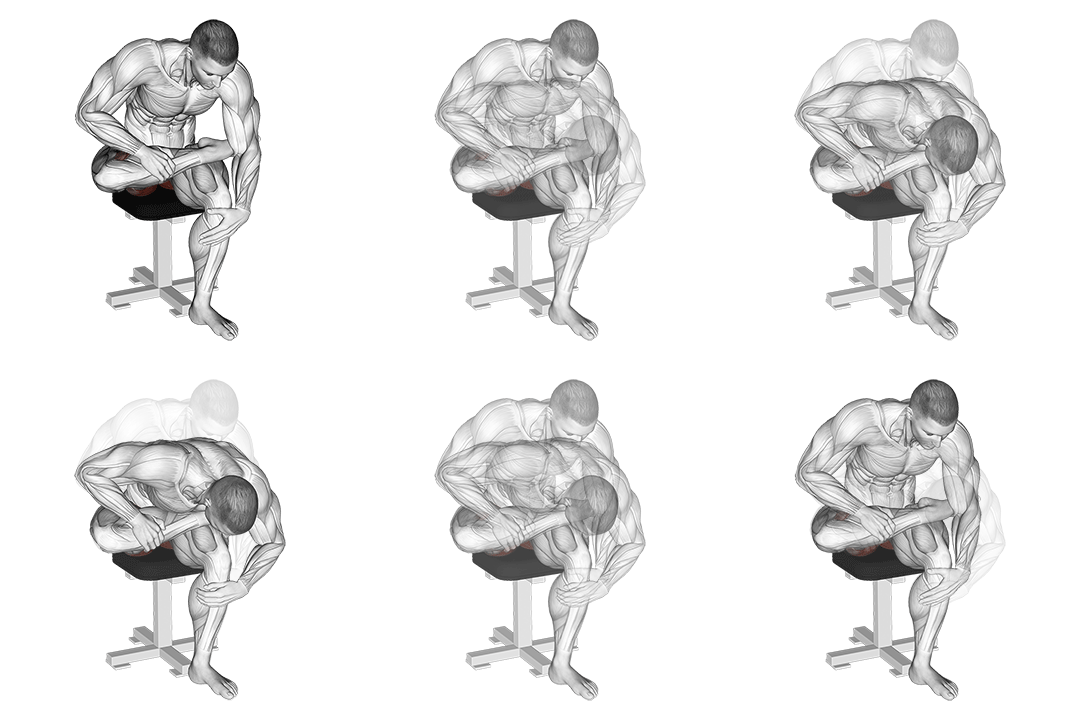
The Seated Piriformis Stretch performs the seated piriformis stretch. The pattern produces direct piriformis stretching.
For mobility training, the seated piriformis stretch addresses tight piriformis muscles that limit hip mobility. Run it for 3 sets of 30 to 60-second holds per side, daily.
Sit on a chair with both feet flat on the floor. Cross one ankle over the opposite knee (figure-four position). Gently lean forward from the hips while keeping the back flat. Feel deep stretch through the glute of the crossed leg. Hold for 30 to 60 seconds. Switch sides. The pattern produces direct piriformis stretching – addresses the chronic piriformis tightness that develops from extended sitting and can limit hip mobility, contribute to lower back issues, and produce sciatica. Daily piriformis stretching is one of the most effective interventions for hip mobility in modern lifestyle.
Dead Hang Stretch

The Dead Hang Stretch performs dead hangs from a pull-up bar. The pattern produces shoulder and spinal decompression.
For mobility training, dead hangs produce shoulder, spinal, and forearm mobility. Run it for 3 sets of 30 to 60-second hangs, daily.
Hang from a pull-up bar with hands shoulder-width apart and a passive dead hang position (relaxed shoulders). Hold the position for the working interval. The shoulders decompress, the spine elongates, and the forearms gently stretch. The pattern produces excellent integrated upper-body mobility – shoulder decompression addresses the rounded forward shoulder posture from extended computer use, spinal traction provides gentle decompression, and forearm stretch addresses the chronic forearm tightness from grip-intensive activities. Excellent foundational mobility exercise.
Rocking Ankle Stretch
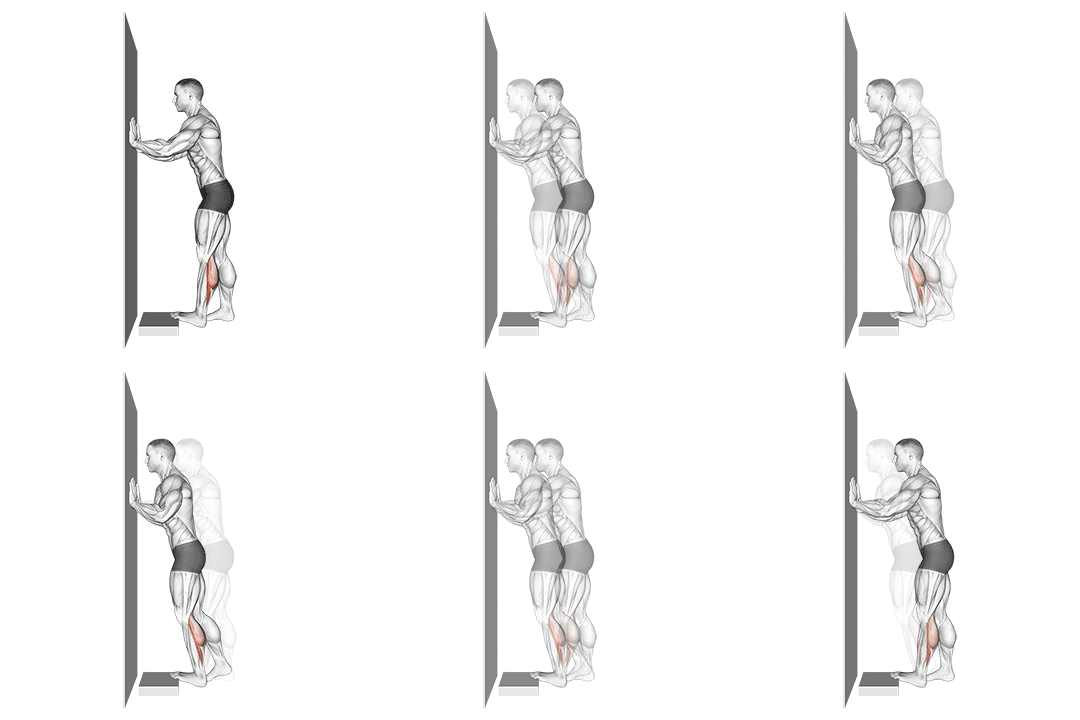
The Rocking Ankle Stretch performs rocking ankle mobility work. The pattern produces dynamic ankle mobility.
For mobility training, rocking ankle stretches produce dynamic ankle mobility critical for lower-body function. Run it for 3 sets of 10 to 15 reps per side as ankle mobility work.
Stand or kneel in a half-kneeling position. Rock the ankle forward (dorsiflexion) and back (plantar flexion) through full range of motion. The ankle joint mobilizes through the full range. Continue for the working interval. Switch sides. The pattern produces dynamic ankle mobility – critical for mobility because limited ankle dorsiflexion contributes to many movement issues including squat depth limitations, abnormal foot mechanics, lower back compensation patterns, and reduced athletic performance. Daily ankle mobility work addresses the ankle stiffness that affects many adults.
Open Book Stretch

The Open Book Stretch performs the open book thoracic rotation. The pattern produces thoracic spine mobility.
For mobility training, the open book stretch produces direct thoracic spine rotational mobility. Run it for 3 sets of 8 to 10 reps per side as thoracic mobility work, daily.
Lie on one side with knees bent at 90 degrees and stacked (top knee on bottom knee). Extend both arms in front of the body at shoulder height with palms together. Slowly rotate the top arm and torso back toward the floor (opening like a book) while keeping the legs in place. Reach as far as comfortably possible. Return to start. Repeat. Switch sides. The pattern produces direct thoracic spine rotational mobility – critical for mobility because thoracic spine stiffness is one of the most common mobility limitations from extended sitting, and rotational mobility supports proper movement patterns. Excellent foundational thoracic mobility work.
Standing Gastrocnemius Calf Stretch

The Standing Gastrocnemius Calf Stretch performs the standing wall calf stretch. The pattern produces calf and Achilles mobility.
For mobility training, the standing calf stretch addresses tight calves that limit ankle mobility. Run it for 3 sets of 30 to 60-second holds per side, daily.
Stand facing a wall about 2 feet away. Place hands on the wall at shoulder height. Step one leg back with the heel down and knee straight. Lean forward into the wall to feel deep stretch through the calf. Hold for 30 to 60 seconds. Switch sides. The pattern produces direct calf and Achilles stretching – addresses the chronic calf tightness that limits ankle mobility, contributes to abnormal foot mechanics, and affects lower-body movement patterns. Daily calf stretching addresses one of the most common mobility limitations affecting many adults.
Feet and Ankles Stretch

The Feet And Ankles Stretch performs combined feet and ankles stretching. The pattern produces complete foot and ankle mobility.
For mobility training, the feet and ankles stretch produces complete foot and ankle mobility. Run it for 2 to 3 sets of 30 to 60-second holds as foot/ankle mobility work.
Sit or stand with feet flat. Slowly stretch through different foot positions – point and flex the toes, rotate ankles, stretch the bottom of the foot, and stretch the top of the foot. Cover all directions of foot motion. Hold each position for the working interval. The pattern produces integrated foot and ankle mobility – addresses the multiple muscle groups that contribute to foot function and supports complete foot mobility through varied directions. Critical for mobility because foot dysfunction contributes to many movement issues throughout the body. Combined with calf stretching and ankle mobility, this provides comprehensive lower-extremity mobility.
Wrist Flexor Stretch
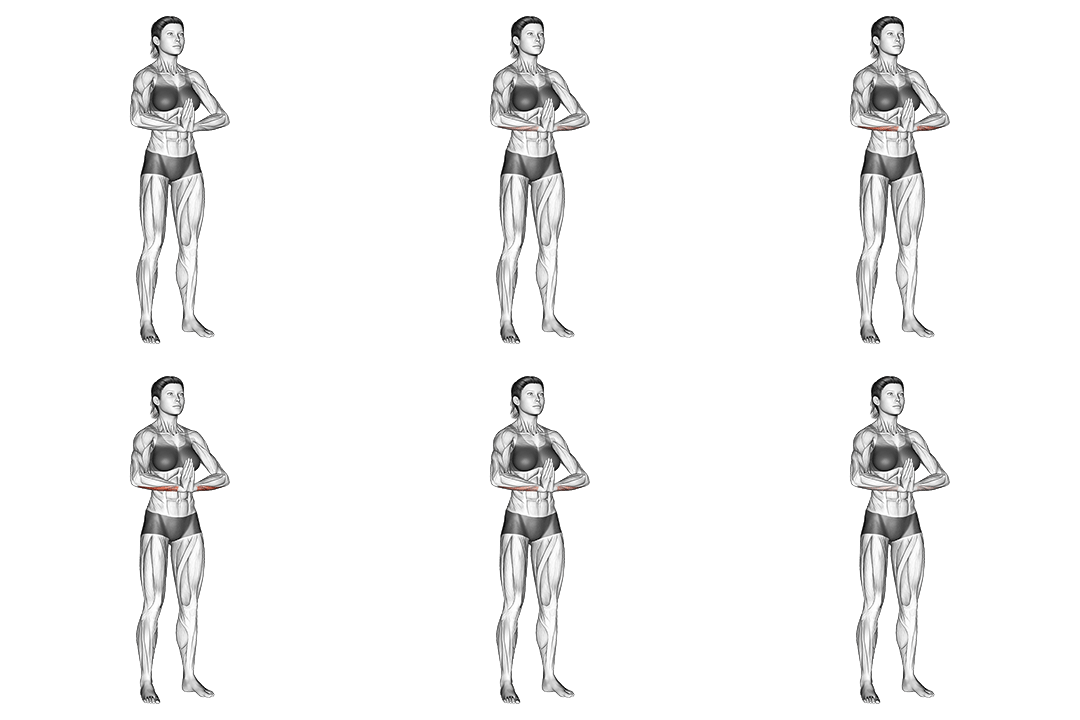
The Wrist Flexor Stretch performs wrist flexor stretching. The pattern produces forearm and wrist mobility.
For mobility training, the wrist flexor stretch addresses forearm tightness that affects wrist function. Run it for 2 to 3 sets of 30 to 60-second holds per side, daily.
Extend one arm forward with palm facing up. Use the other hand to gently pull the fingers back toward the body, creating stretch through the front of the forearm. Hold for 30 to 60 seconds. Switch sides. The pattern produces direct forearm flexor stretching – addresses the chronic forearm tightness that develops from grip-intensive activities, prolonged keyboard/mouse use, and weight training. Daily wrist mobility work supports healthy wrist function and prevents the wrist issues common in lifters and computer-intensive work.
How To Program These Workouts
A productive mobility session pulls 5 to 7 exercises from the list above. A common comprehensive session: kneeling hip flexor stretch (hip), child pose (lower back/hip), cat cow stretch (spinal), seated piriformis stretch (hip), open book stretch (thoracic), standing gastrocnemius calf stretch (calves), wrist flexor stretch (wrist). For pre-workout mobility (10 to 15 minutes): cat cow, kneeling hip flexor stretch, ankle mobility work, dead hang. For post-workout mobility (15 to 20 minutes): include longer holds on hip flexor stretch, piriformis stretch, calf stretch, child pose. For dedicated mobility session: cover all major areas through 30 to 45-minute comprehensive practice. Run static stretches for 30 to 90-second holds per side, dynamic mobility for 8 to 15 reps per side, dead hangs for 30 to 60 seconds.
Train mobility daily for accelerated improvement. The body adapts quickly to mobility training when practiced consistently. Most successful mobility programs include: 1) daily core mobility practice (hip flexor stretch, cat cow, ankle mobility) – 10 to 15 minutes, 2) post-workout mobility focus (longer holds on muscles worked) – 15 to 20 minutes after lifting sessions, 3) dedicated mobility sessions on rest days (full comprehensive practice) – 30 to 45 minutes, 4) integrated mobility throughout the day (standing breaks from sitting, brief stretches at desk). Combined with consistent practice over 4 to 8 weeks, dedicated mobility work produces measurable improvements in joint range of motion, movement quality, and reduced stiffness. Mobility is one of the fastest-improving fitness qualities with consistent daily practice.
For broader programming, see our how to improve hip mobility and how to improve thoracic mobility. For specific work, see our how to improve ankle mobility.
Final Thoughts
The best workouts for mobility deliver real movement quality improvements through training that targets the specific mobility limitations from modern lifestyle: hip mobility for hip flexor and piriformis tightness, spinal mobility for stiffness from extended sitting, thoracic mobility for upper spine rotation, shoulder mobility for decompression and rotation, ankle mobility for lower-body foundation, foot mobility for proper function, and wrist mobility for upper-extremity health. The combination of hip flexor stretches, child pose, cat cow, piriformis stretches, dead hangs, ankle mobility, open book stretches, calf stretches, foot mobility, and wrist stretches covers every functional pattern needed for comprehensive mobility and produces broader movement, function, and athletic improvement than partial mobility work would suggest. Most individuals discover better hip mobility, spine flexibility, more developed shoulders, more flexible ankles, better foot function, and the integrated mobility that supports daily activity and athletic performance within 4 to 8 weeks of adding consistent mobility work. For anyone seeking better movement quality, reduced stiffness, or athletic support, dedicated mobility training is one of the most effective interventions available.
Stay focused on daily consistency as the priority for mobility development. The most common mistake people make in mobility training is doing it inconsistently (only when reminded by stiffness) rather than as daily practice. The fix: include 10 to 15 minutes of daily mobility practice as a non-negotiable habit alongside any strength training program. Mobility responds best to high-frequency consistent practice rather than long infrequent sessions – daily 10-minute sessions produce more improvement than weekly 60-minute sessions. Combined with addressing the specific mobility limitations most relevant to your lifestyle (hip mobility for sedentary workers, shoulder mobility for desk workers, ankle mobility for runners, etc.), consistent daily mobility practice produces the movement quality improvements that inconsistent practice never achieves. Mobility is built through consistency over time.
Frequently Asked Questions
How can I improve my mobility?
Daily mobility practice covering all major areas. Daily kneeling hip flexor stretches address hip flexor tightness from sitting. Cat cow and child pose maintain spinal mobility. Open book stretches develop thoracic rotation. Dead hangs decompress the shoulders. Ankle mobility work and calf stretches address lower-body foundation. Combined with foot mobility, wrist mobility, and piriformis stretches, daily comprehensive mobility practice produces measurable improvement within 4 to 8 weeks. The fastest gains come from consistent daily practice rather than infrequent long sessions.
What’s the best mobility exercise?
Daily kneeling hip flexor stretches for most adults. Most adults have substantial hip flexor tightness from extended sitting that affects multiple movement patterns – hip flexor stretching is one of the highest-impact mobility interventions for most people. Combined with cat cow (spinal), open book (thoracic), dead hang (shoulder), ankle mobility (rocking ankle stretch), calf stretches (calves), piriformis stretches (hip), foot mobility, and wrist stretches, hip flexor stretching forms the foundation of comprehensive mobility. Most successful mobility programs prioritize hip flexor work as primary.
How often should I do mobility work?
Daily for accelerated improvement. The body adapts quickly to mobility training when practiced consistently. Most successful programs include: 1) daily core mobility practice (hip flexor stretch, cat cow, ankle mobility) – 10 to 15 minutes, 2) post-workout mobility focus on muscles worked, 3) dedicated mobility sessions on rest days, 4) integrated mobility throughout the day. Combined with consistent practice over 4 to 8 weeks, daily mobility work produces measurable improvements. Mobility is one of the fastest-improving fitness qualities with consistent daily practice.
How long does it take to improve mobility?
4 to 8 weeks for measurable improvement, ongoing for substantial development. Most individuals who consistently apply daily mobility practice see measurable improvement within 4 to 8 weeks – increased joint range of motion, reduced stiffness, better movement quality. Substantial mobility development requires 3 to 6+ months of consistent practice. Mobility responds well to consistent daily practice and improves faster than strength or hypertrophy goals. Beginners often see initial improvements within 2 to 4 weeks of starting consistent daily practice.
Should I stretch before or after workouts?
Both, but with different purposes. Pre-workout: dynamic mobility (cat cow, ankle mobility, dead hangs, brief hip flexor stretches) for movement preparation – keep holds short and emphasize movement. Post-workout: longer static stretches (60 to 90-second holds on hip flexors, piriformis, calves) for flexibility development. Combined with daily dedicated mobility practice (separate from workout sessions), this comprehensive approach produces complete mobility development. Pre-workout long static stretching can temporarily reduce performance – emphasize movement-based mobility before training and longer holds after.