Calisthenics is one of the most effective training modalities ever developed. The combination of pulling, pressing, squatting, bracing, and explosive movements covers every major function the human body uses, and the bodyweight format requires nothing more than a clear floor space and a sturdy bar to access serious strength training. The best calisthenics workouts focus on the foundational movement patterns and build progressively more demanding variations on top of them over months and years.
Below are ten effective calisthenics exercises that cover vertical pulling, horizontal pulling, pressing, squatting, lunging, core bracing, and explosive conditioning. Together they form a complete training program that produces real strength, muscle development, and athletic conditioning at every level from beginner to advanced.
Pull Up

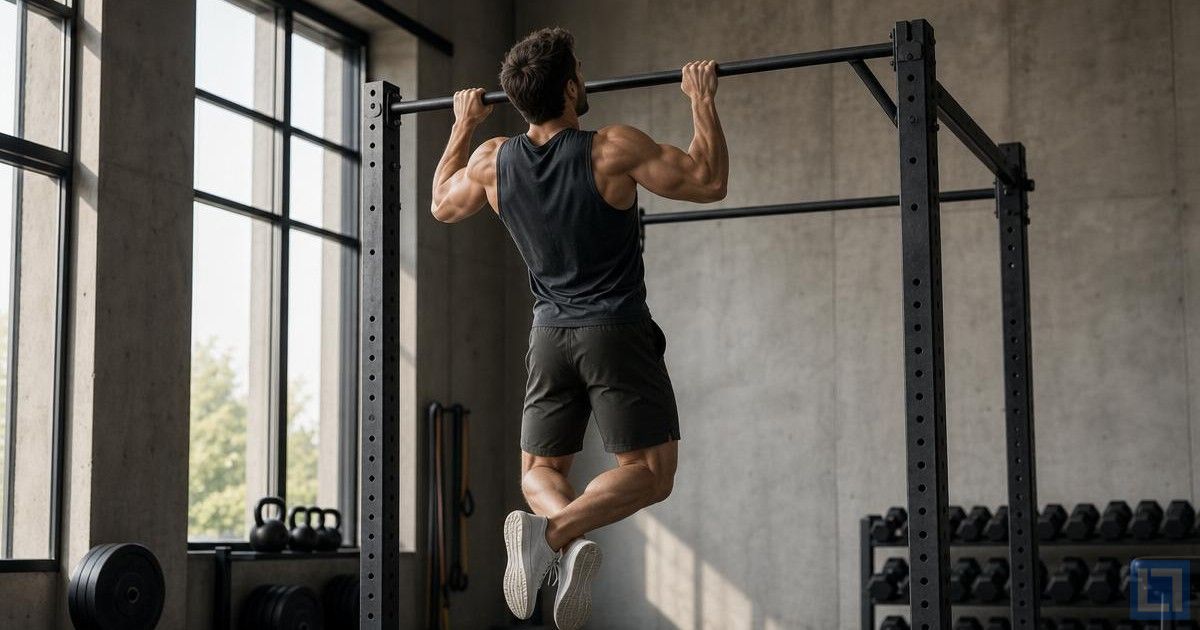
The Pull Up hangs from a bar with an overhand grip and pulls the body up until the chin clears the bar. It is the most direct measure of bodyweight upper-body pulling strength and the foundational vertical pulling exercise in any calisthenics program.
No serious calisthenics program runs without pull-ups. The exercise builds the lats, biceps, mid-back, and grip simultaneously, and the strength gains carry over to nearly every other upper-body bodyweight skill. Build to 8 to 12 strict reps before progressing to weighted variations or harder bodyweight progressions.
Hang fully at the bottom with arms straight. Drive the elbows down and back to pull the chest toward the bar. Lower under control to a full hang and reset. Use a band assist or jumping pull-up if 5 strict reps are not yet possible.
Triceps Dip

The Triceps Dip suspends the body between two surfaces and lowers the body by bending the elbows, then presses back to lockout. The exercise hits the chest, triceps, and front delts as a coordinated unit and serves as the foundational upper-body pressing movement in calisthenics.
Where pull-ups train pulling, dips train pressing. Together they cover the major upper-body movement patterns that calisthenics demands. Build to 10 to 15 strict reps before progressing to weighted variations or harder bodyweight skills like ring dips and muscle-ups.
Set up between two parallel bars or use parallettes. Support the body with arms straight and shoulders down. Lower the body by bending the elbows until the upper arms are parallel to the floor. Press back to lockout. Lean slightly forward for chest emphasis or stay vertical for tricep emphasis.
Push Ups

The Push Ups perform a push-up motion in standard plank position. The exercise hits the chest, shoulders, and triceps as a coordinated unit and serves as one of the most fundamental bodyweight pressing exercises in any calisthenics program.
Push-ups are essential calisthenics movements at every level. Beginners build pressing strength with knee push-ups and standard variations; advanced lifters use harder progressions like archer push-ups, planche push-ups, and one-arm push-ups. The pattern produces real strength gains for years of consistent training.
Set up in plank position with hands directly under the shoulders and body in a straight line from head to heels. Lower the chest to within an inch of the floor by bending the elbows. Press back to lockout. Maintain tight body position throughout.
Squat

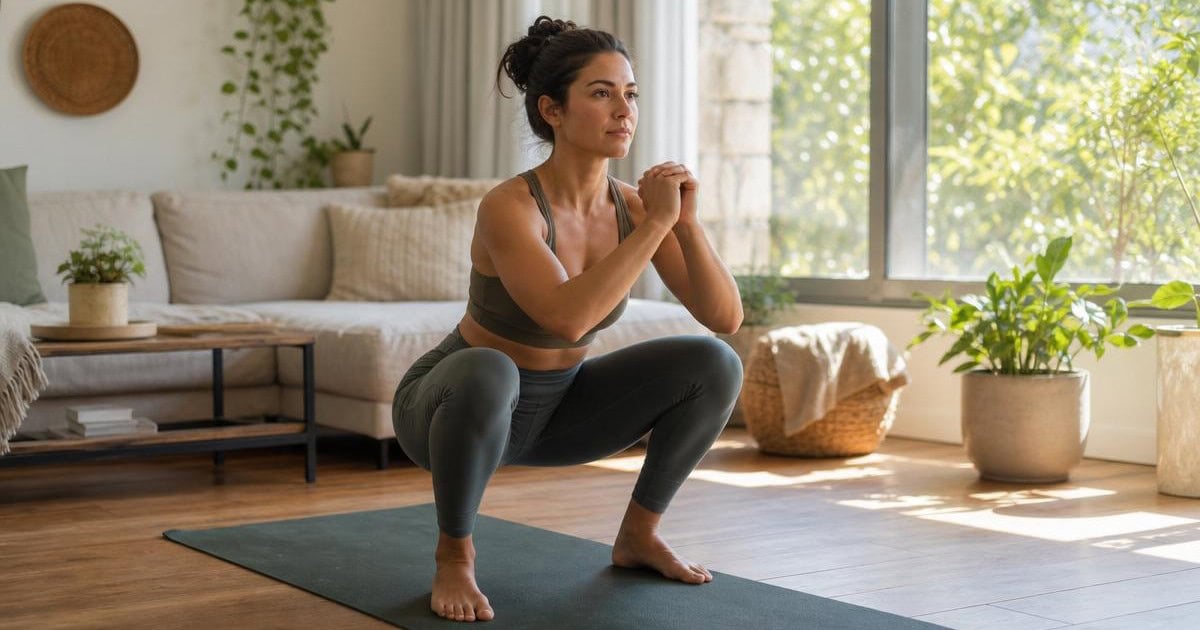
The Squat lowers the body by bending at the hips and knees, then drives back to standing. The bodyweight version is the foundational lower-body exercise in any calisthenics program and serves as the entry point to all other squat-pattern variations.
For calisthenics leg training, the bodyweight squat builds the foundational strength and movement quality that more advanced variations depend on. Build to 30 to 50 reps with clean form before progressing to harder unilateral variations like Bulgarian split squats and pistol squats.
Stand with feet shoulder-width and toes pointed slightly outward. Squat down by sitting the hips back while bending the knees, keeping the chest tall and weight in the heels. Drop to roughly parallel depth or as deep as mobility allows cleanly. Drive back to standing through the whole foot.
Chin Up

The Chin Up hangs from a bar with an underhand grip (palms facing the body) and pulls the body up until the chin clears the bar. The underhand grip shifts emphasis to the biceps compared to the overhand pull-up while still hitting the lats heavily.
For lifters chasing both back and arm development, chin-ups complement pull-ups by adding direct bicep loading to the pulling pattern. Most lifters can do 1 to 2 more chin-ups than pull-ups due to the stronger bicep involvement, which makes them a useful confidence-builder during plateaus on overhand pulling.
Hang fully with palms facing the body in an underhand grip. Pull the body up by driving the elbows down and squeezing the lats and biceps. Aim for chest contact with the bar at the top. Lower under control to a full hang.
Inverted Row

The Inverted Row hangs under a horizontal bar with the body straight and pulls the chest up to the bar by squeezing the back muscles. The horizontal pulling pattern complements vertical pull-ups and builds the mid-back and rear delts.
For complete back development in calisthenics, inverted rows fill the gap that vertical pulling alone cannot cover. The horizontal pull pattern hits the rhomboids, mid-traps, and rear delts more directly than pull-ups. They also serve as a beginner-friendly back exercise for lifters who cannot yet do unassisted pull-ups.
Set up under a sturdy horizontal bar (Smith bar, suspension trainer, or two chairs with a broomstick). Hang under the bar with body straight and heels on the floor. Pull the chest up to the bar by squeezing the shoulder blades together. Lower under control. Adjust difficulty by changing the body angle.
Lunge

The Lunge steps forward into a long stance and drops the back knee toward the floor before pressing back to standing. The unilateral pattern hits each leg independently and builds the kind of single-leg strength that bilateral squatting cannot match.
For complete calisthenics leg training, lunges complement squats by adding the unilateral loading that catches strength imbalances. Most lifters have one leg significantly stronger than the other due to handedness; lunges equalize the development over months of consistent practice.
Step into a long stance with one leg forward. Drop straight down rather than forward; the back knee descends toward the floor while the front shin stays roughly vertical. Drive through the front heel to push back to standing. Alternate sides on each rep.
Front Plank
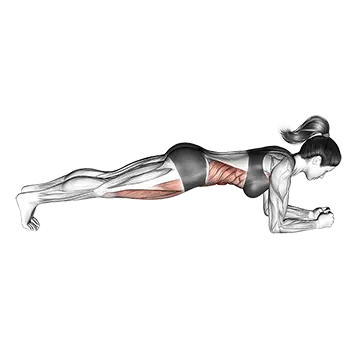
The Front Plank holds a forearm plank position with the body in a straight line from head to heels. The isometric hold builds core strength and teaches the trunk to brace under static load.
For calisthenics core work, the front plank is the foundational anti-extension exercise. The bracing pattern transfers directly to harder calisthenics skills like handstands, planches, and front levers. Build to 60 to 90-second clean holds before progressing to harder variations.
Set up on the forearms with elbows directly under the shoulders. Body straight from head to heels, hips not sagging or piking up. Hold the position while breathing normally. End the set when form breaks down, not when an arbitrary clock runs out.
Burpee

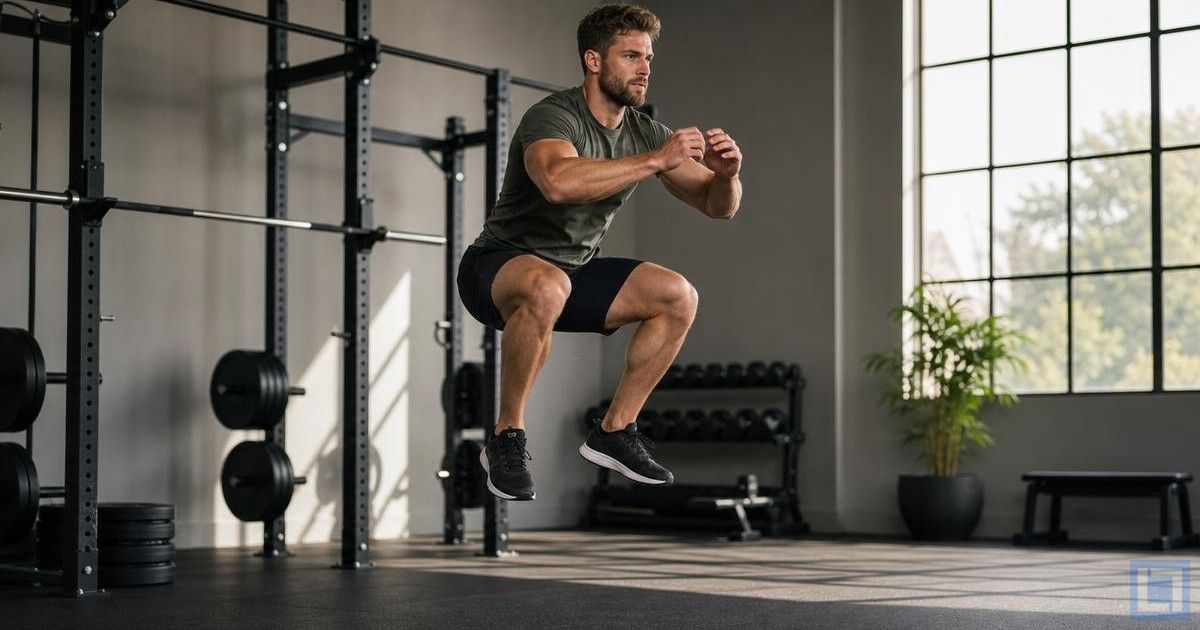
The Burpee combines a squat, push-up, and vertical jump in one continuous motion. Drop into a squat, kick the legs back into a plank, perform a push-up, jump the feet forward, and explode upward into a vertical jump. The combination drives heart rate up rapidly while hitting nearly every major muscle group.
For calisthenics conditioning, burpees are the most efficient single exercise that exists. The full-body recruitment and continuous motion produce the high heart rate and metabolic demand that no other bodyweight exercise can match in similar time. They are the gold standard for any calisthenics workout finisher.
Drop quickly into a squat with hands on the floor. Kick the legs back into a plank, perform one push-up, jump the feet forward to the squat position, then jump straight up with arms overhead. Land softly and immediately drop into the next rep.
Bird Dog
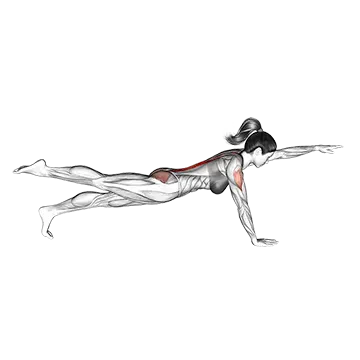
The Bird Dog starts on hands and knees and extends the opposite arm and leg simultaneously while maintaining a stable trunk. The cross-body extension trains anti-rotation core stability along with shoulder and hip control.
In calisthenics programming, the bird dog builds the trunk stability that nearly every other bodyweight skill depends on. The anti-rotation demand teaches the body to brace against asymmetric loading, which carries over to one-arm push-ups, single-leg squats, and other unilateral skills.
Start on hands and knees with hands directly under shoulders and knees under hips. Extend one arm forward while extending the opposite leg back, ending with both fully extended in a straight line with the trunk. Hold briefly. Return to the start and switch sides.
How To Program These Workouts
A productive calisthenics session pulls six to eight exercises from the list above. A balanced session includes one vertical pull (pull-up or chin-up), one horizontal pull (inverted row), one upper-body push (push-ups or dips), one lower-body bilateral (squat), one lower-body unilateral (lunge), one core piece (front plank or bird dog), and one conditioning element (burpees). Run sets of 5 to 12 reps for harder strength exercises and 15 to 30 reps for higher-rep volume work.
Train calisthenics three to five times per week. The lighter loading of bodyweight work allows higher frequency than barbell training; daily practice can work for advanced lifters as long as total volume per session stays moderate. Most intermediate lifters do well with three to four sessions per week with rest days between for recovery.
For more bodyweight programming, see our best full body calisthenics workout and best calisthenics workout plan. To browse the equipment library, explore our bodyweight exercises collection.
Final Thoughts
The best calisthenics workouts deliver complete athletic strength training with minimal equipment requirements. The combination of foundational bodyweight movements covers every major function the body uses during athletic and daily-life activity. For lifters who travel frequently, train at home, or simply prefer the discipline of bodyweight training, calisthenics is the most effective and accessible option available.
Stay focused on progression. The lifters who get the most from calisthenics are not the ones who chase the most exercises, but the ones who master the basics and progress them slowly over years. A clean set of 12 strict pull-ups and 20 strict dips is more impressive (and produces more strength) than dozens of half-rep variations. Quality over quantity drives the best long-term results.
Frequently Asked Questions
Can calisthenics build muscle?
Yes, especially for beginners and intermediates. Bodyweight loading produces real muscle growth for the first 12 to 24 months of training, and progressive variations (one-arm push-ups, archer pull-ups, pistol squats) extend that runway by another 24+ months. Most lifters who stay with calisthenics for years build strong, athletic physiques that compare favorably to weight-trained lifters.
How often should I do calisthenics workouts?
Three to five times per week works for most lifters. The lighter loading of bodyweight work allows higher frequency than barbell training. Beginners should start with three sessions per week to allow adequate recovery; intermediates and advanced lifters can typically handle four to five sessions.
Do I need any equipment for calisthenics?
Most foundational calisthenics movements require nothing more than a clear floor space and a pull-up bar. A sturdy table or bar at chest height works for inverted rows; parallel bars or two stable surfaces handle dips. Advanced calisthenics (gymnastic rings, parallettes) benefits from specialized equipment but is not required for the first 1 to 2 years of training.
What’s the best calisthenics exercise?
The pull-up is the single most effective calisthenics exercise that exists. The combination of upper-body pulling strength, grip work, and back muscle activation produces stronger upper-body development per rep than any other bodyweight exercise. If only one calisthenics exercise had to be chosen, it would be the pull-up.
Can calisthenics replace weight training?
For most general fitness goals, yes. Calisthenics produces real strength, muscle development, and athletic conditioning that meets or exceeds weight training results for the first 1 to 2 years of training. Lifters chasing maximum mass or specific powerlifting numbers eventually benefit from adding heavy barbell training, but consistent calisthenics produces measurable development at every level for general fitness goals.