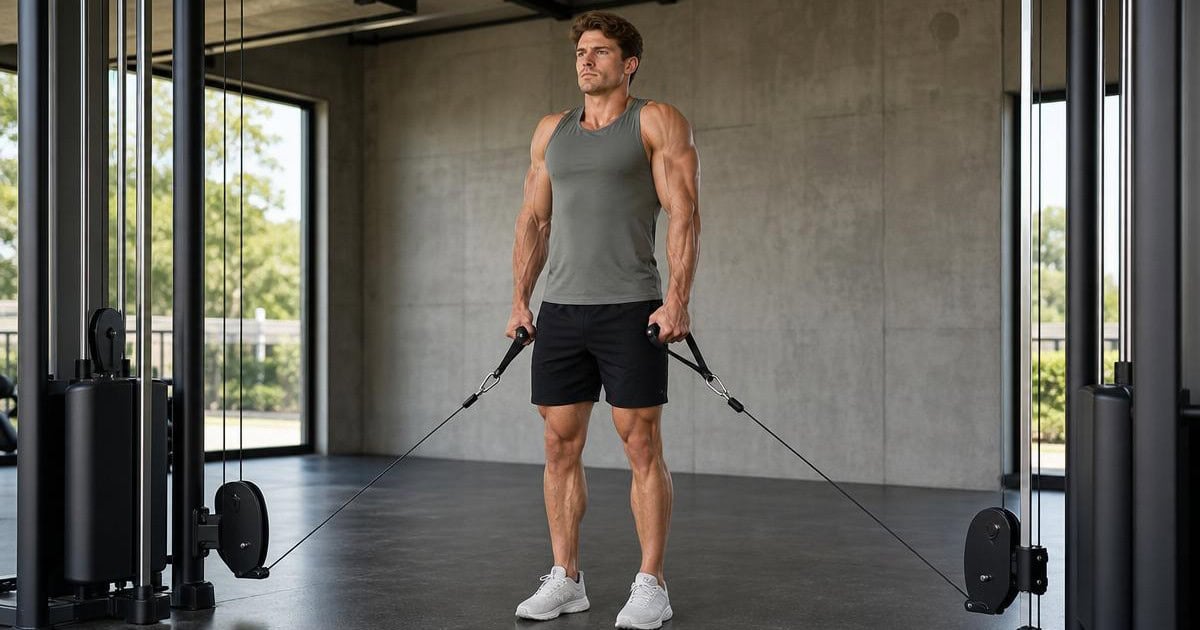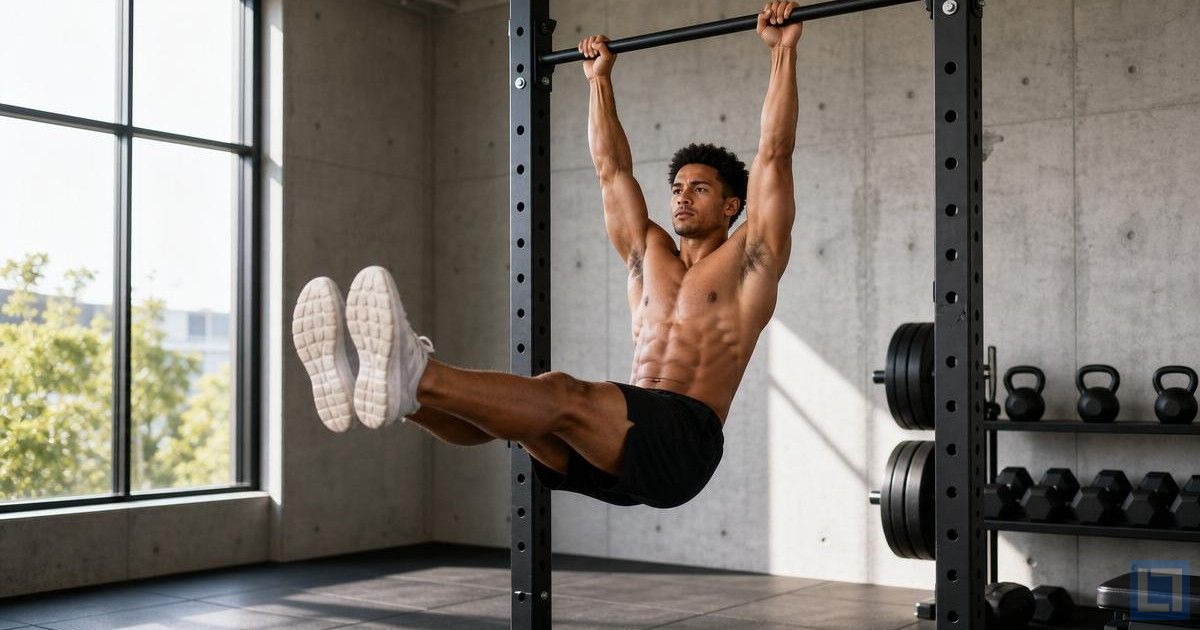
Growing a bigger back requires understanding the back’s complex multi-muscle structure (lats, rhomboids, mid traps, lower traps, upper traps, rear delts, erectors) and applying training principles that develop each region: vertical pulling for lat width, horizontal pulling for back thickness, deadlift work for compound posterior chain mass, dedicated isolation for traps and rear delts, and adequate frequency and volume to drive growth across the back’s many muscle groups. The back is the largest muscle group in the upper body and responds extremely well to training when the right principles are applied across multiple angles. Most lifters who want a bigger back but struggle to grow it are making one or more of these mistakes: relying solely on one type of pulling (only vertical or only horizontal), neglecting deadlift work, skipping dedicated trap isolation (shrugs), running insufficient volume across the back’s many muscle groups, or training back too infrequently. The fix involves: 1) heavy compound rowing for back thickness (bent-over rows, T-bar rows, Pendlay rows), 2) vertical pulling for lat width (pull-ups, lat pulldowns), 3) compound deadlift work for full-back mass, 4) dedicated isolation across regions (dumbbell rows, cable rows, shrugs, pullovers), and 5) adequate frequency (1 to 2 times per week) and volume (18 to 24 working sets) for complete development.
Below are ten of the most effective exercises for growing a bigger back, covering vertical pulling (pull-up, cable close grip front lat pulldown), horizontal pulling (barbell bent over row, dumbbell bent over row, cable seated row, lever lying T bar row, barbell Pendlay row), heavy compound work (barbell deadlift), lat stretch work (dumbbell pullover), and trap isolation (dumbbell shrug). Together they form a complete back-growth program. A 60 to 75-minute back-focused session pulled from this list, performed 1 to 2 times per week, produces strong back development for any lifter focused on building a bigger back.
Pull Up

The Pull Up performs bodyweight pull-ups. The pattern is foundational compound back and lat mass work.
For back growth, the pull-up is foundational. The pattern hits the lats, biceps, and upper back through compound bodyweight pulling. Run it for 4 sets of 5 to 12 reps as primary back mass work.
Hang from a pull-up bar with hands shoulder-width apart and palms facing away. Pull the body up by retracting the shoulder blades and pulling the elbows down toward the ribs until the chin reaches over the bar. Lower under control to full hang. The pattern is foundational for back development – lifters with the most impressive lats and back development typically have built them on consistent pull-up training. Progress with weighted pull-ups (dip belt) for advanced strength as bodyweight reps become easy.
Barbell Bent Over Row

The Barbell Bent Over Row performs barbell rows in a bent-over position. The pattern is foundational compound back mass work.
For back growth, the bent-over row is foundational compound mass work. The pattern hits the entire back through heavy compound rowing. Run it for 4 sets of 6 to 10 reps as primary back mass work.
Stand with feet hip-width holding a barbell at the front of the thighs with overhand grip. Hinge forward at the hips with a flat back so the torso is at about 45 degrees. Pull the bar to the lower chest by retracting the shoulder blades and pulling the elbows back. The lats, rhomboids, traps, and rear delts work hard. Squeeze hard at peak contraction. Lower under control. The pattern is foundational for back development with heavy progressive loading building broader back mass than any single isolation exercise can.
Dumbbell Bent Over Row

The Dumbbell Bent Over Row performs bent-over rows with dumbbells. The pattern allows greater range of motion than barbell rows.
For back growth, the dumbbell row allows greater range of motion. The independent arm motion addresses imbalances. Run it for 3 to 4 sets of 8 to 12 reps as compound back work.
Stand with feet hip-width holding dumbbells at the sides. Hinge forward at the hips with a flat back so the torso is at about 45 degrees. Let the dumbbells hang at arm length. Pull both dumbbells to the sides of the lower ribs by retracting the shoulder blades and pulling the elbows back. The lats and rhomboids work hard through retraction. Squeeze the shoulder blades hard at peak. Lower under control. The dumbbell version allows greater range of motion than barbell rows and addresses left/right imbalances.
Cable Seated Row

The Cable Seated Row performs seated cable rows. The pattern produces continuous tension back loading.
For back growth, the cable seated row provides continuous tension loading throughout the range. Run it for 3 to 4 sets of 10 to 12 reps as continuous-tension back work.
Sit on a seated cable row machine with feet braced on the platform and knees slightly bent. Hold the cable handle with arms extended forward. Pull the handle to the lower chest by retracting the shoulder blades and pulling the elbows back. The lats and rhomboids work through retraction. Squeeze the shoulder blades hard at peak. Return under control. The continuous cable tension produces excellent back loading throughout the entire range, complementing free weight rowing patterns.
Cable Close Grip Front Lat Pulldown

The Cable Close Grip Front Lat Pulldown performs lat pulldowns with a close grip. The pattern produces strong lat loading.
For back growth, the close-grip lat pulldown produces strong lat loading. The vertical pulling pattern complements horizontal rowing. Run it for 3 to 4 sets of 10 to 12 reps as primary lat work.
Sit on a lat pulldown machine with thighs secured under the pads. Grip the bar with a close-grip handle (V-grip) with palms facing each other. Pull the handle down to the upper chest by retracting the shoulder blades and pulling the elbows down. The lats work hard through the vertical pulling motion. Squeeze the lats hard at peak contraction. Return under control. The close grip emphasizes lower lat development and provides accessible vertical pulling work for back mass.
Barbell Deadlift

The Barbell Deadlift performs barbell deadlifts from the floor. The pattern produces compound full-back loading.
For back growth, the deadlift produces extreme compound back loading. The whole back works isometrically to maintain spinal position. Run it for 3 to 4 sets of 3 to 6 reps as heavy compound work.
Stand with feet hip-width with a barbell on the floor over the mid-foot. Hinge at the hips and bend the knees to grip the bar with hands just outside the legs. Drive through the heels while extending the hips and knees to lift the bar from the floor. The entire back (lats, traps, erectors, rhomboids) works hard isometrically and through extension. Stand fully tall at the top. Lower under control. The pattern produces extreme compound back loading – one of the most effective heavy back-building exercises that exists.
Lever Lying T Bar Row

The Lever Lying T Bar Row performs T-bar rows in a chest-supported lying position. The pattern produces strong back loading without lower-back fatigue.
For back growth, the chest-supported T-bar row allows heavy loading without lower-back fatigue. Run it for 3 to 4 sets of 8 to 12 reps as heavy mass work.
Set up on a lever lying T-bar row machine with the chest supported on the angled pad. Hold the T-bar handles with arms extended downward. Pull the handles up by retracting the shoulder blades and pulling the elbows back. The back works hard through retraction. The chest support eliminates lower-back fatigue and isolates the back work. Squeeze the shoulder blades hard at peak. Lower under control. The pattern is one of the most back-effective rowing exercises available.
Barbell Pendlay Row

The Barbell Pendlay Row performs strict bent-over rows with the barbell starting from the floor each rep. The pattern produces extreme back loading.
For back growth, the Pendlay row is one of the most back-effective exercises. The dead-stop pattern produces extreme back loading. Run it for 3 to 4 sets of 5 to 8 reps as heavy back mass work.
Stand with feet hip-width holding a barbell on the floor with overhand grip slightly wider than shoulder-width. Bend forward at the hips with a flat back until the torso is parallel to the floor. Pull the bar explosively from the floor to the lower chest by retracting the shoulder blades and pulling the elbows back. Lower the bar back to the floor (full reset between reps). The dead-stop pattern eliminates momentum and forces strict back recruitment.
Dumbbell Pullover

The Dumbbell Pullover performs pullovers with a dumbbell. The pattern produces unique combined lat stretch and serratus loading.
For back growth, the pullover produces unique lat stretch loading. Run it for 3 sets of 10 to 12 reps as lat stretch work.
Lie on a flat bench (or perpendicular across the bench with shoulders supported) holding a dumbbell over the chest with both hands. Lower the dumbbell back behind the head by extending the arms back while keeping them slightly bent. The lats stretch extraordinarily deeply through the overhead motion. Pull the dumbbell back over the chest by squeezing the lats. Squeeze at peak contraction. The pattern produces extreme lat stretch and develops the serratus anterior alongside the lats.
Dumbbell Shrug

The Dumbbell Shrug performs shrugs with dumbbells. The pattern produces direct trap isolation.
For back growth, the shrug produces direct upper trap isolation. Run it for 3 sets of 12 to 15 reps as primary trap work.
Stand with feet hip-width holding heavy dumbbells at the sides with arms straight. Shrug the shoulders straight up toward the ears by elevating the shoulder blades. The upper traps work hard through elevation. Squeeze the traps hard at peak. Lower under control. The pattern produces direct upper trap isolation that complements rowing work for complete back development. Strong, developed traps create the powerful upper-back appearance that defines great backs.
How To Program These Workouts
A productive back-growth session pulls 6 to 8 exercises from the list above. A common balanced session: barbell deadlift (heavy compound), pull-up (vertical), barbell bent over row (horizontal compound), cable seated row (continuous tension), dumbbell pullover (lat stretch), dumbbell shrug (trap isolation). For width focus: pull-up, cable close grip lat pulldown, dumbbell pullover. For thickness focus: barbell bent over row, lever lying T bar row, barbell Pendlay row, dumbbell shrug. Run heavy compound work for 3 to 4 sets of 3 to 8 reps, moderate compound work for 3 to 4 sets of 8 to 12 reps, isolation and continuous-tension work for 3 sets of 10 to 15 reps. Total session covers 18 to 24 working sets focused on back development.
Train back 1 to 2 times per week for optimal growth. Most successful back programs include 2 weekly back sessions for lifters seeking maximum back development – one heavy day focused on compound strength (deadlifts, Pendlay rows, T-bar rows for 3 to 8 reps) and one volume day focused on hypertrophy (cable rows, dumbbell rows, lat pulldowns, pullovers, shrugs for 8 to 15 reps). Schedule with at least 48 hours between back sessions. The back is the largest upper-body muscle group and responds extremely well to higher frequency training when total volume is appropriately distributed.
For broader back programming, see our best back workouts and how to build a bigger back. For specific lat work, see our how to build wider lats.
Final Thoughts
Growing a bigger back requires applying the right training principles consistently over time: heavy compound work for foundational mass, varied angles for complete development across the back’s multiple muscle groups, dedicated isolation for traps and rear delts, both vertical and horizontal pulling patterns, and adequate frequency and volume to drive growth. The combination of pull-ups, barbell and dumbbell rows, cable rows, T-bar rows, Pendlay rows, lat pulldowns, deadlifts, pullovers, and shrugs covers every functional pattern of the back and produces broader development than any single exercise approach. Most lifters who consistently apply these principles see measurable back growth within 12 to 16 weeks, often producing visible improvements in lat width, back thickness, and trap development. For lifters who have struggled to grow their back despite training, the combination of higher frequency (twice weekly), increased volume (20+ sets per session), both vertical and horizontal pulling, and dedicated trap work typically breaks through the plateau.
Stay focused on full retraction and proper pulling form. The most common mistake lifters make in back training is failing to fully retract the shoulder blades at the peak of every pulling movement, turning rowing exercises into arm-dominant rather than back-dominant patterns. The fix: focus on consciously squeezing the shoulder blades together at the peak of every row rep, holding for a 1 to 2 second squeeze before releasing. Combined with heavy progressive overload over time and adequate volume, proper retraction produces the back development that defines impressive physiques.
Frequently Asked Questions
Why isn’t my back growing?
Most lifters with stubborn back make one or more of these mistakes: 1) relying only on one type of pulling (only vertical or only horizontal), 2) neglecting deadlift work (compound full-back mass driver), 3) skipping trap isolation (shrugs), 4) failing to fully retract shoulder blades during rows (turning back work into arm work), 5) training back only once per week. The fix: include both vertical and horizontal pulling, add deadlifts as primary compound, include dedicated trap work, focus on full retraction during rows, train back twice weekly with 18+ working sets per session.
What’s the best exercise for a bigger back?
Heavy compound rowing combined with vertical pulling. Barbell bent-over rows and Pendlay rows provide the heaviest possible horizontal pulling for back thickness. Pull-ups provide foundational vertical pulling for lat width. Deadlifts provide compound full-back mass. Combined with isolation (dumbbell rows, cable rows, lat pulldowns, shrugs, pullovers), these form the foundation of complete back development. The fastest gains come from combining all of these patterns at appropriate volume and frequency.
Should I do deadlifts for back growth?
Yes – deadlifts are highly effective for back development. The deadlift produces extreme compound back loading – the entire back (lats, traps, erectors, rhomboids) works hard isometrically and through extension. Most lifters with the most impressive backs include deadlifts as primary compound work, typically 3 to 6 reps for 3 to 4 sets. Conventional deadlifts work the entire back, while sumo deadlifts emphasize different angles. Both belong in back development programs.
How often should I train back for growth?
1 to 2 times per week, with 2 weekly sessions producing better growth for most. The back is the largest upper-body muscle group and responds extremely well to higher frequency. The optimal pattern: one heavy day focused on compound strength (deadlifts, Pendlay rows, T-bar rows for 3 to 8 reps) and one volume day focused on hypertrophy (cable rows, dumbbell rows, lat pulldowns, pullovers, shrugs for 8 to 15 reps). Schedule with at least 48 hours between back sessions.
How heavy should I lift for back growth?
Mix of very heavy and moderate. Compound heavy work like deadlifts and Pendlay rows uses very heavy weights for 3 to 8 reps with 3 to 4 sets. Bent-over rows and T-bar rows use heavy weights for 6 to 10 reps. Pull-ups progress with weighted variations for advanced strength. Dumbbell rows and cable rows use moderate weights for 8 to 12 reps. Pullovers and shrugs use moderate weights for 10 to 15 reps. Most successful programs progressively load all exercises while maintaining proper form and full retraction.