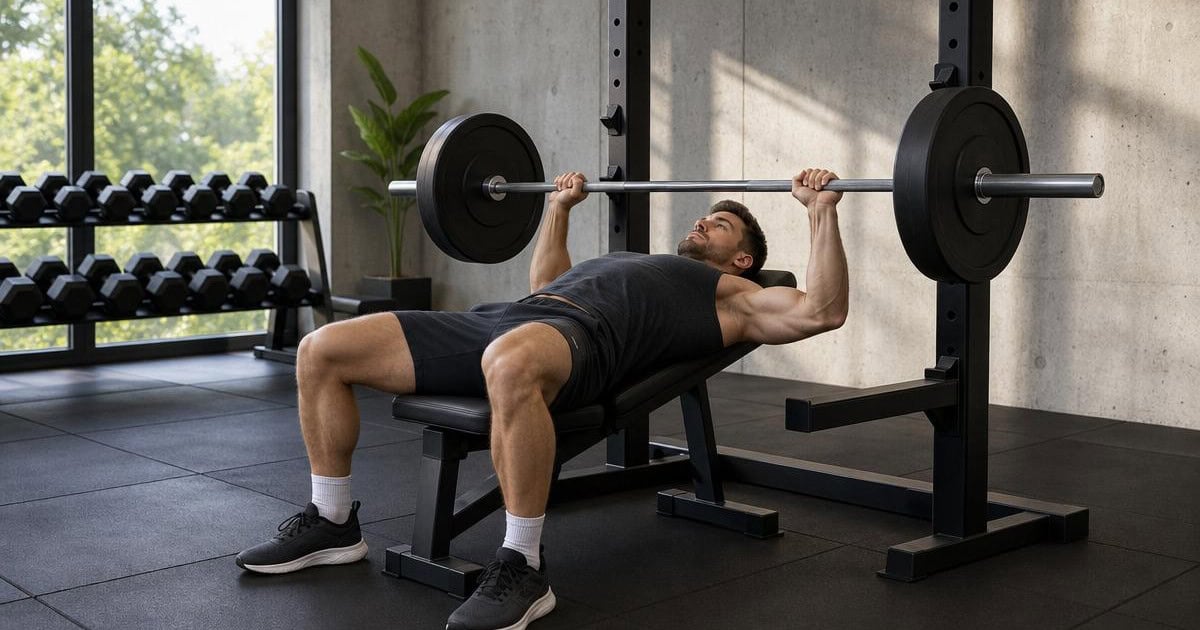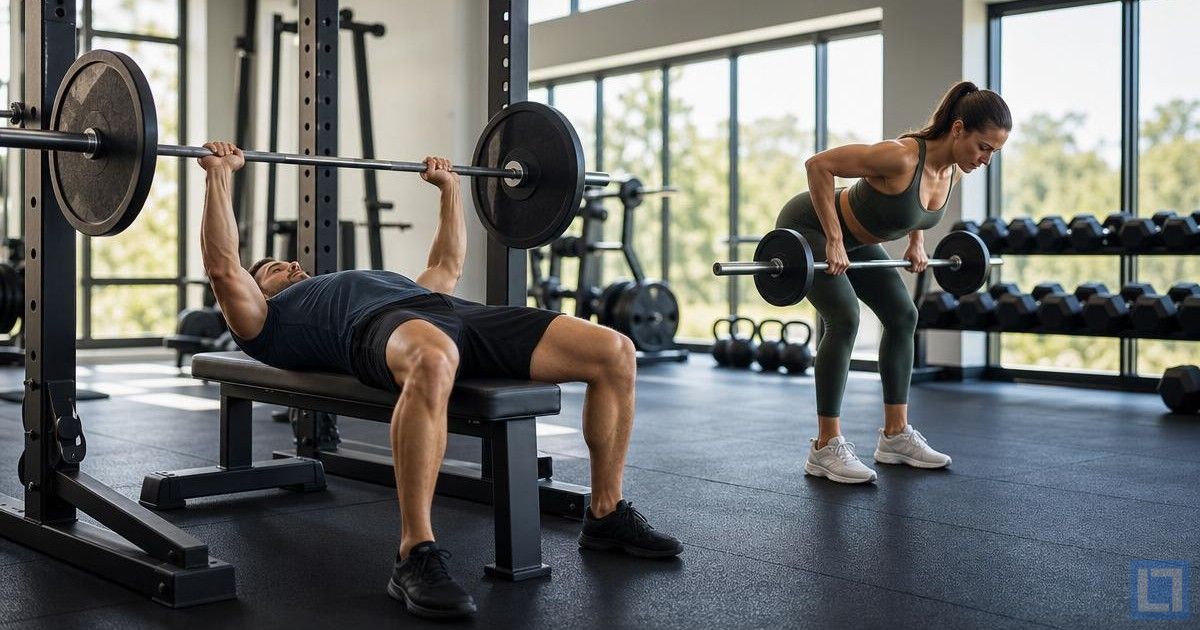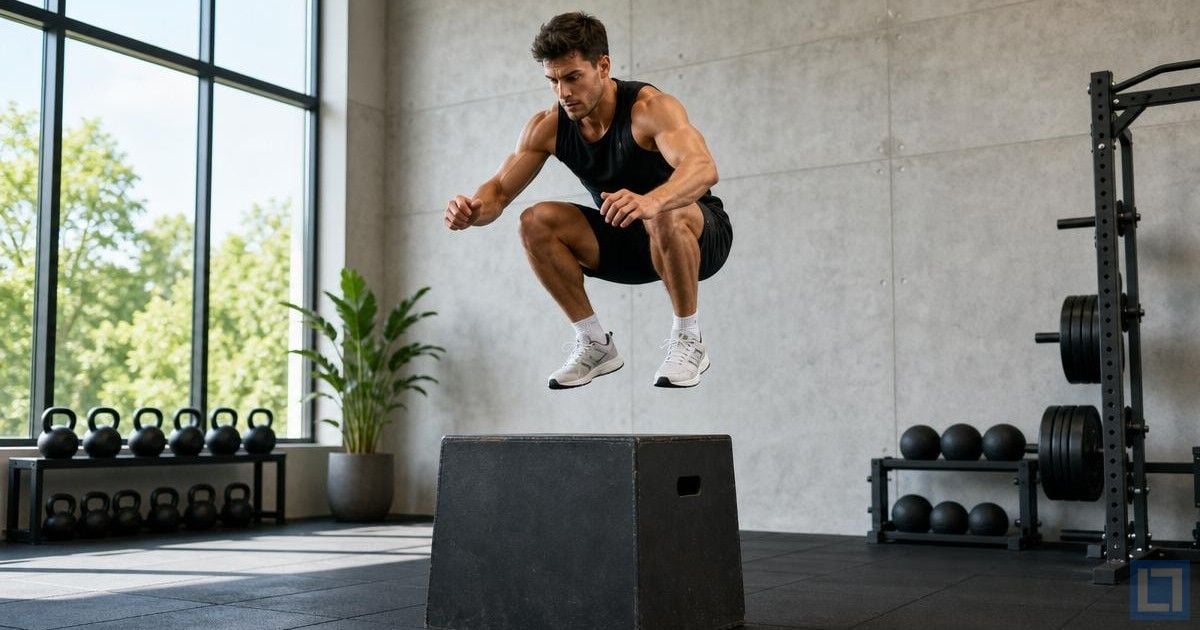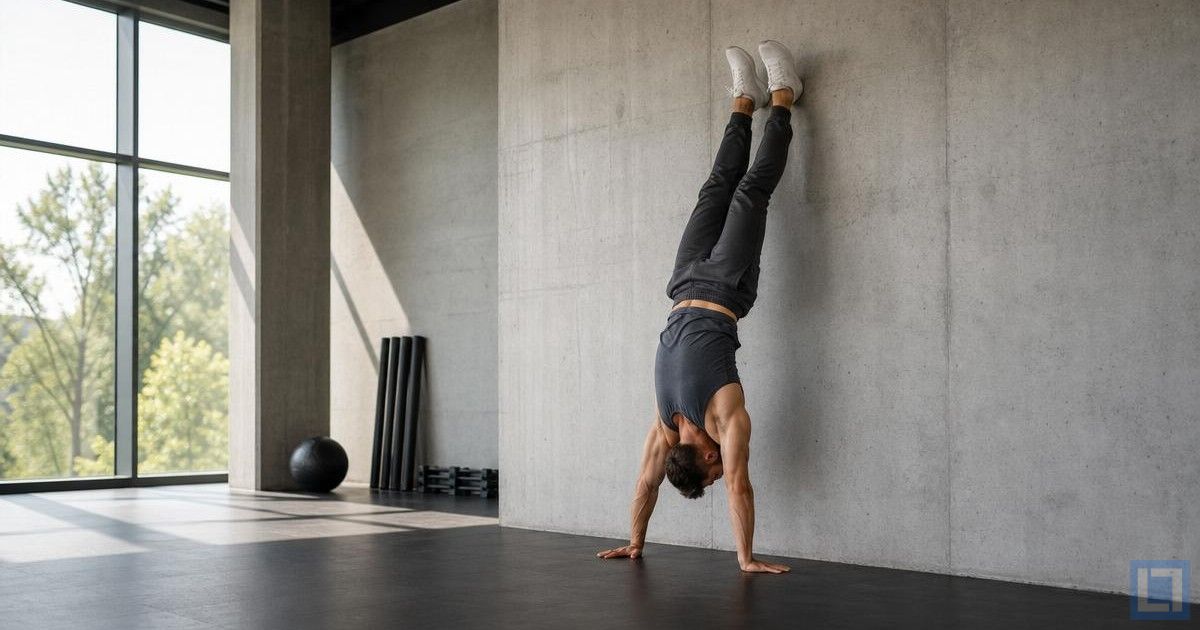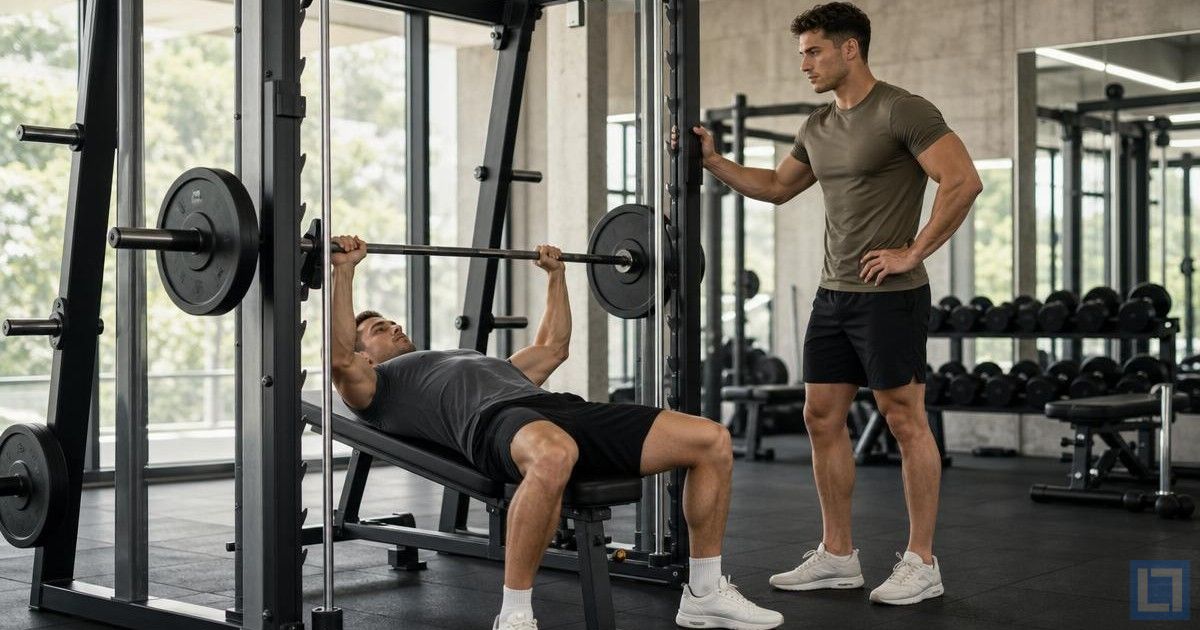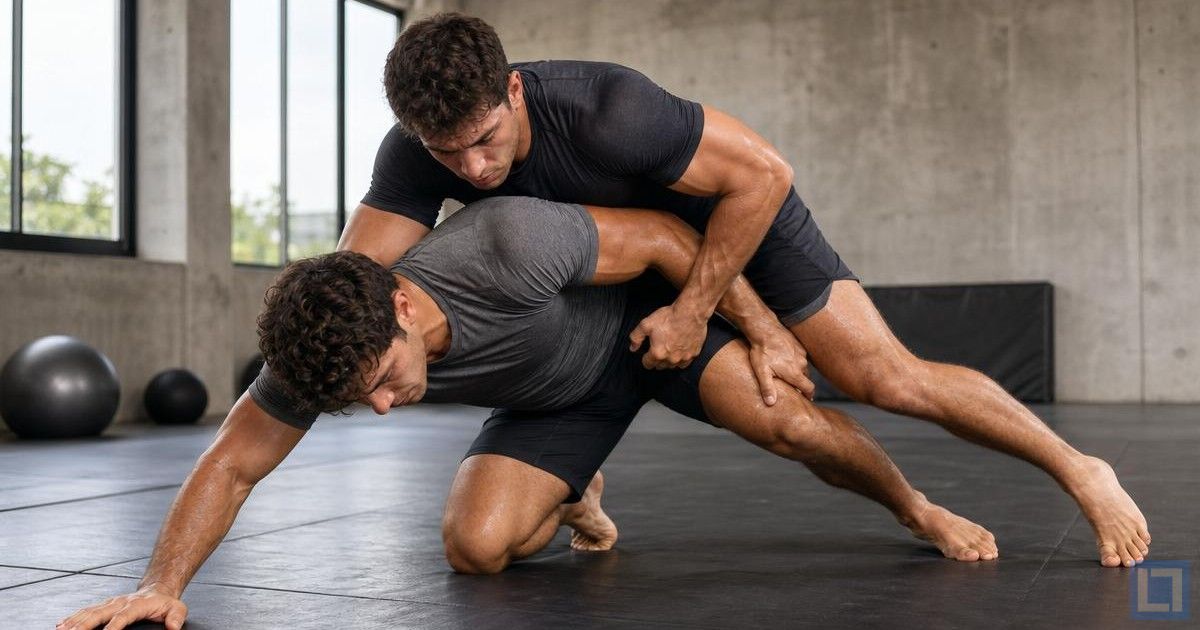
Wrestling-specific training combines maximum strength development (heavy compound lifts for the strength foundation that drives takedowns and throws), explosive power work (clean and press, kettlebell swing for the explosive motions wrestlers use constantly), and grueling conditioning (burpees, bear crawls, rope climbs for the cardiovascular capacity wrestling matches demand). The format produces stronger combined fitness than single-modality training because wrestling requires every major fitness function: strength to control opponents, power to execute techniques, endurance to last through matches, and grip strength for ties and clinches. Most successful wrestling strength-and-conditioning programs include 3 to 4 weekly training sessions alongside mat practice, with appropriate periodization through the competition season.
Below are ten effective wrestling exercises that cover heavy compound strength (deadlift, squat), upper-body strength (pull-up, push-up), explosive power (clean and press, kettlebell swing), wrestling-specific conditioning (burpee, bear crawl), grip and pulling endurance (rope climb), and full-body conditioning under load (farmer’s walk). Together they form a complete wrestling strength-and-conditioning program that supports mat practice. Pull 5 to 7 exercises per session and rotate the selection across sessions for complete development of every wrestling-relevant fitness function.
Barbell Deadlift

The Barbell Deadlift starts with the barbell on the floor and lifts it to standing position by hinging at the hips and extending through the legs. The exercise produces extreme posterior-chain strength that translates directly to wrestling takedowns, sprawls, and getup motions.
For wrestling training, the deadlift is non-negotiable. The pattern develops the hip-hinge strength that drives takedowns, the back strength required for control on the mat, and the grip strength that holds opponents during scrambles. Run it for 4 to 5 sets of 4 to 6 reps as primary heavy strength work in any wrestling program.
Stand with feet hip-width with the barbell over the middle of the feet. Hinge at the hips and bend the knees to grip the bar with shoulder-width grip. Drive through the legs and pull the bar up close to the body until standing fully upright. Reverse the motion under control. Reset before each rep.
Barbell Squat

The Barbell Squat holds a barbell across the upper back and squats down by bending at the hips and knees. The exercise produces extreme leg and core strength that translates to wrestling stance, drive, and shot defense.
For wrestling training, the back squat builds the leg strength that wrestlers use constantly: maintaining low stance for hours, driving through opponents, and exploding from defensive positions. Run it for 4 sets of 5 to 8 reps as primary heavy leg work in any wrestling program.
Set up under a barbell on a squat rack with the bar across the upper back. Step back to clear the rack. Stand with feet shoulder-width and toes pointed slightly out. Squat down by sitting the hips back while bending the knees, keeping the chest tall and weight in the heels. Drive back to standing through the whole foot.
Pull Up

The Pull Up grips an overhead bar with palms facing away and pulls the body up until the chin clears the bar. The exercise develops upper-body pulling strength that translates to wrestling clinches, ties, and head control.
For wrestling training, the pull-up is foundational pulling work. Wrestlers need significant pulling strength to control opponents, break ties, and execute throws. Run it for 4 sets of 6 to 12 reps as primary pulling work. Progress to weighted pull-ups for advanced strength development.
Hang from an overhead bar with palms facing away (overhand grip), hands shoulder-width apart. Pull the body up by driving the elbows down and back until the chin clears the bar. Lower under control to a full hang. Avoid kipping or swinging in strict strength-focused training.
Push Ups

The Push Ups lower the body to the floor by bending the elbows, then press back to lockout. The exercise develops the chest, shoulder, and tricep strength needed for wrestling pushing motions, hand fighting, and control on the mat.
For wrestling training, push-ups produce the upper-body pressing endurance that wrestlers use constantly during matches. The pattern works well for high-volume training without producing excessive recovery demand. Run it for 4 sets of 15 to 25 reps as primary pressing endurance work.
Set up in a high plank position with hands shoulder-width apart and body in a straight line from head to heels. Lower the chest to within an inch of the floor by bending the elbows. Press back to lockout. Maintain tight body position throughout.
Burpee

The Burpee combines a squat thrust, push-up, and jump back to standing in one continuous full-body motion. The exercise simulates the up-down-up motion of wrestling sprawls and getups while producing extreme cardiovascular conditioning.
For wrestling training, the burpee is one of the most wrestling-specific conditioning exercises that exists. The pattern simulates sprawl-and-recover motion under fatigue. Run it for 4 sets of 30 to 60-second intervals as primary wrestling-specific conditioning.
Stand tall with feet shoulder-width. Lower the hands to the floor and kick the feet back into a high plank position. Perform a push-up. Jump the feet back to the squat position. Stand explosively with a jump. Repeat immediately into the next rep at high tempo throughout the work interval.
Bear Crawl

The Bear Crawl crawls forward on hands and feet (without knees touching the floor) by moving the opposite hand and foot together. The pattern produces strong full-body loading that simulates wrestling scrambles and ground positions.
For wrestling training, the bear crawl is foundational ground-position conditioning. The pattern develops the full-body strength and cardiovascular conditioning needed for extended scrambles and mat work. Run it for 3 to 4 sets of 30 to 60-second intervals as primary wrestling-specific conditioning.
Set up on hands and feet with knees bent at 90 degrees and hovering 2 to 3 inches off the floor. Crawl forward by moving the opposite hand and foot together (right hand and left foot, then left hand and right foot). Keep the hips low and the back flat throughout. Continue for the work interval.
Barbell Clean and Press

The Barbell Clean and Press combines a power clean (lifting the bar from the floor to the shoulders) with an overhead press (pressing the bar from the shoulders to overhead). The compound full-body motion produces extreme power development.
For wrestling training, the clean and press develops the explosive full-body power that translates to throws, takedowns, and lifts. The pattern combines pulling strength, hip drive, and overhead pressing in one rep. Run it for 4 sets of 3 to 5 reps as primary power development work.
Stand with feet hip-width with the barbell over the middle of the feet. Hinge at the hips and grip the bar with shoulder-width grip. Drive through the legs and pull the bar up explosively, catching it at the shoulders in the front-rack position. From the rack, press the bar overhead to lockout. Lower the bar to the shoulders, then to the floor.
Kettlebell Swing

The Kettlebell Swing hinges at the hips and swings the kettlebell from between the legs up to chest level using hip drive. The pattern produces strong posterior-chain power development that translates to wrestling explosive motions.
For wrestling training, the kettlebell swing is foundational power and conditioning work. The pattern develops the explosive hip drive used in throws and takedowns while producing strong cardiovascular conditioning. Run it for 4 sets of 15 to 25 reps as primary posterior-chain power and conditioning work.
Stand with feet shoulder-width and a kettlebell positioned 1 to 2 feet in front. Hinge at the hips and grip the kettlebell with both hands. Hike the kettlebell back between the legs. Drive the hips forward explosively, swinging the kettlebell up to chest level. Let the kettlebell swing back down between the legs into the next rep.
Rope Climb

The Rope Climb climbs a vertical rope using only the arms (or arms and legs) to ascend. The exercise develops extreme grip strength, pulling endurance, and full-body conditioning.
For wrestling training, the rope climb is one of the most wrestling-specific upper-body exercises that exists. The pattern develops the grip strength and pulling endurance that wrestlers use constantly during matches. Run it for 3 to 4 sets of climb distances (typically 12 to 15-foot ropes) as advanced wrestling-specific work.
Stand at the base of a vertical rope. Grip the rope with both hands as high as possible. Pull the body up while pinching the rope between the legs (or use legless technique for advanced training). Climb hand-over-hand to the top. Climb down with controlled hand-over-hand motion or slide down with controlled grip.
Farmers Walk
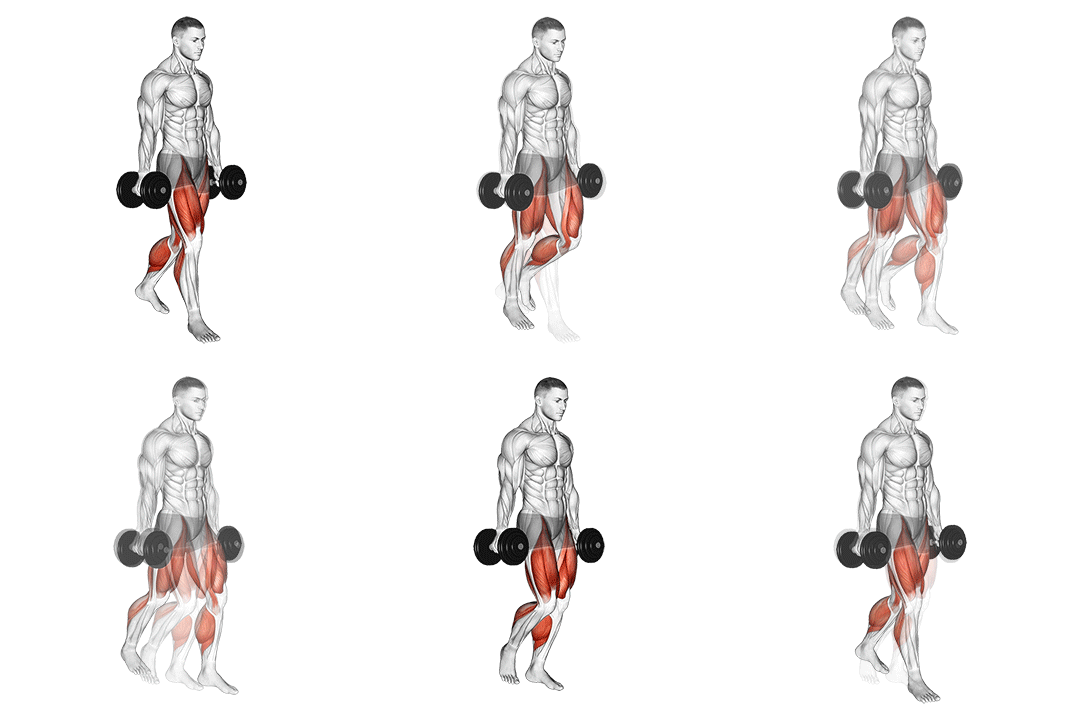
The Farmers Walk holds heavy dumbbells (or specialized handles) at the sides and walks for distance or time while maintaining upright posture. The pattern produces extreme grip strength, trap loading, and full-body conditioning.
For wrestling training, the farmer’s walk develops the grip strength that wrestlers need to control opponents and break out of holds. The pattern also produces strong full-body conditioning under heavy loading. Run it for 3 to 4 sets of 50 to 100-foot distances or 30 to 60-second carries with heavy loading.
Hold heavy dumbbells at the sides with arms extended. Stand tall with shoulders back and chest out. Walk forward at a steady pace while maintaining upright posture and tight grip on the dumbbells. Continue for the prescribed distance or time. Set the dumbbells down with control.
How To Program These Workouts
A productive wrestling strength-and-conditioning program organizes these exercises across 3 weekly sessions. A standard structure: Day 1 (heavy strength: deadlift 4×5, squat 4×5, pull-up 4×6 to 12, push-up 4×15), Day 2 (power and conditioning: clean and press 4×3 to 5, kettlebell swing 4×15 to 25, burpee 4 minutes), Day 3 (conditioning and grip: rope climb 3 to 4 climbs, bear crawl 4 minutes, farmer’s walk 3×100 feet, push-up 4×20). Combined with 4 to 6 weekly mat practices, this structure produces strong wrestling-specific fitness adaptations.
Train wrestling strength-and-conditioning 3 times per week alongside mat practice during the off-season, transitioning to 2 weekly strength sessions during competition season to allow more recovery for mat-specific work. Most successful wrestling programs include heavy compound strength work in the off-season (focusing on building strength foundations through 4 to 6 rep ranges) and shift toward power and conditioning emphasis during competition season (maintaining strength while emphasizing explosive power and conditioning). The periodization through the year produces stronger competition-readiness than constant maximum-strength training.
For broader combat-sport training, see our best mma workouts. For broader strength training, see our best compound exercises for strength and best workouts for strongmen.
Final Thoughts
The best wrestling workouts deliver real wrestling-specific fitness through training that develops maximum strength, explosive power, grueling conditioning, and grip endurance across the spectrum of fitness functions wrestlers need. The combination of heavy compound lifts, explosive power exercises, wrestling-specific conditioning, and grip and pulling work covers every major fitness function and produces broader development than single-modality training. For wrestlers who want serious off-season strength gains, in-season conditioning maintenance, or competitive edge through superior fitness, dedicated wrestling-specific training following the structure outlined here is one of the most effective approaches available.
Stay focused on the periodization throughout the year. The most common wrestling training mistake is maintaining the same training emphasis year-round rather than periodizing through off-season strength building, pre-season power and conditioning emphasis, and in-season strength maintenance. The fix: shift training emphasis based on the competition calendar. The off-season focuses on building maximum strength foundations through heavy 4 to 6 rep work; pre-season transitions toward power and conditioning emphasis with explosive lifts and longer conditioning intervals; in-season maintains strength through reduced volume while emphasizing recovery and mat-specific work. The periodization produces stronger competition results than constant maximum-effort training.
Frequently Asked Questions
How often should wrestlers strength train?
Three times per week during the off-season and 2 times per week during competition season works for most wrestlers. The off-season allows heavier strength training because mat practice volume is lower; the competition season requires shifting emphasis toward maintaining strength while allowing recovery for high-volume mat work. Most successful wrestling programs periodize through the year with appropriate volume changes between phases.
Should wrestlers focus on strength or conditioning?
Both, periodized through the year. Off-season emphasis on heavy strength training (deadlift, squat, pull-up) builds the strength foundation that drives takedowns and throws. Pre-season and in-season emphasis shifts toward power and conditioning (kettlebell swing, burpee, bear crawl) for competition-readiness. Most successful programs include both elements year-round with shifting emphasis based on the training phase. Programs focused only on strength produce strong but tired wrestlers; programs focused only on conditioning produce conditioned but weak wrestlers.
Will lifting heavy hurt my wrestling?
No when programmed appropriately. Heavy strength training (4 to 6 rep ranges with appropriate recovery) produces strength gains without compromising wrestling skills. The timing matters: off-season heavy strength training builds the foundation; in-season strength training shifts to maintenance volumes (lower volume, moderate intensity) to allow mat practice recovery. Most successful wrestling programs include heavy strength training during appropriate phases. Concerns about lifting hurting wrestling typically come from doing maximum-strength training in-season rather than off-season.
How important is grip strength for wrestlers?
Critical. Wrestlers use grip strength constantly during matches: tying up, breaking ties, controlling opponents, and holding throughout scrambles. Most successful wrestling programs include direct grip work (rope climb, farmer’s walk, dead hangs) alongside the indirect grip development from heavy deadlifts and pulling exercises. Wrestlers who neglect grip training often experience grip failure in late-match scrambles, which produces lost matches that better grip would have won.
Can wrestlers train year-round?
Yes with appropriate periodization. Year-round training works when training emphasis shifts based on competition phases: off-season strength building, pre-season power and conditioning, in-season maintenance and recovery, post-season active recovery. Most successful wrestlers train consistently throughout the year with appropriate intensity and volume variations. Pure off-and-on training (intense periods followed by complete breaks) typically produces less progress than consistent year-round training with appropriate periodization.