Dumbbells are one of the most accessible and effective pieces of training equipment for beginners. The combination of bilateral loading, easy setup, and broad exercise variety covers every major movement pattern the body uses, and the format works equally well in home gyms and commercial gyms. The best beginner dumbbell workouts focus on foundational compound movements that build strength across the entire body simultaneously.
Below are ten effective beginner dumbbell exercises that cover bench pressing, rowing, deadlifting, squatting, lunging, overhead pressing, and direct arm work. Together they form a complete training program that builds strength and movement quality across every major muscle group. A 45 to 60-minute session pulled from this list produces strong full-body training stimulus for new lifters.
Dumbbell Bench Press

The Dumbbell Bench Press lies flat on a bench and presses two dumbbells from chest level to lockout overhead. The bilateral pressing pattern hits the chest, front delts, and triceps as a coordinated unit and serves as the foundational upper-body pressing exercise for beginners.
For new lifters starting dumbbell training, the bench press is one of the first heavy compound movements to learn. The dumbbell version is more shoulder-friendly than barbell pressing because each arm moves independently, which catches strength imbalances early. Build to 3 sets of 8 to 12 reps with appropriate weight before progressing to heavier loads.
Lie flat on a bench with feet planted firmly on the floor. Hold dumbbells at chest level with palms facing forward. Press both dumbbells up to lockout above the chest. Lower under control to chest level. Maintain a slight arch in the lower back and tight upper back throughout.
Dumbbell Bent Over Row

The Dumbbell Bent Over Row hinges at the hips with dumbbells in both hands and rows them to the lower chest by squeezing the shoulder blades together. The bilateral pulling pattern hits the lats, mid-back, and biceps as a coordinated unit.
For beginners, the dumbbell row is the foundational pulling exercise. The hinge position teaches the same hip-hinge mechanics that deadlifts and Romanian deadlifts use, while the rowing motion builds the upper-back strength that supports nearly every other lift in the program. Run it for 3 sets of 8 to 12 reps.
Hinge at the hips with a flat back and a slight knee bend. Hold dumbbells with arms hanging straight down. Pull the dumbbells to the lower chest by squeezing the shoulder blades together. Lower under control. Avoid using leg drive or body sway to lift the dumbbells.
Dumbbell Deadlift

The Dumbbell Deadlift positions dumbbells at the sides and lifts them with a hip-hinge motion, ending in a standing position with the dumbbells at the hips. The compound exercise teaches the deadlift pattern at moderate loads with a more accessible setup than barbell deadlifting.
For beginners, the dumbbell deadlift introduces the foundational hip-hinge pattern without the technical demands of barbell setup. The dumbbells positioned at the sides allow easier setup and more natural hand position than barbells, which makes the exercise particularly accessible for new lifters. Build to 3 sets of 8 to 10 reps.
Stand with dumbbells at the sides, arms extended. Hinge at the hips with a flat back, sliding the dumbbells down the legs as the body bends forward. Drive through the floor to stand back up. Lock out by squeezing the glutes at the top. Lower under control.
Dumbbell Goblet Squat
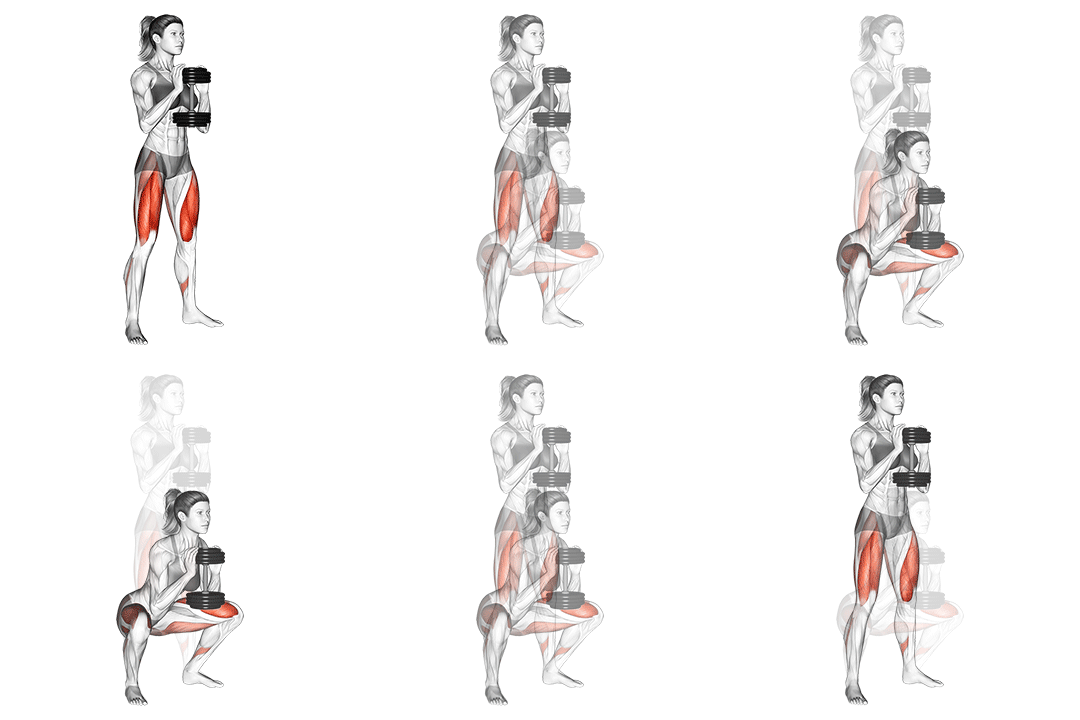
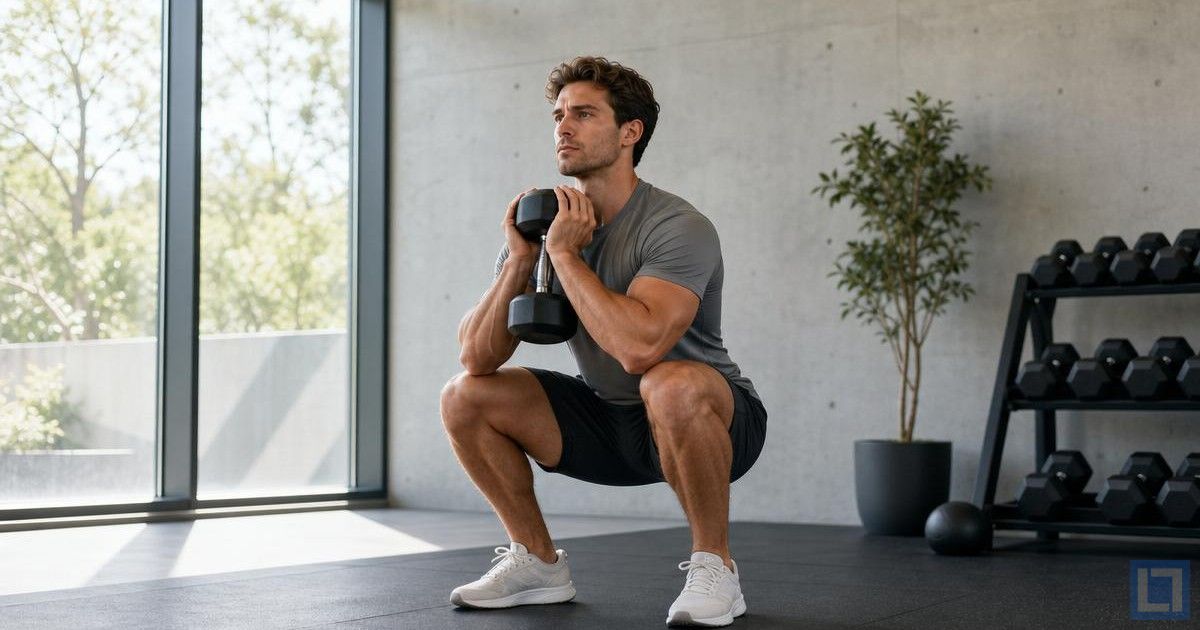
The Dumbbell Goblet Squat holds a single dumbbell at the chest with both hands and squats to roughly parallel depth. The chest-loaded position keeps the torso upright through the squat, which makes it one of the most accessible squat variations for beginners.
For new lifters learning the squat pattern, the goblet squat is the foundational variation. The vertical loading limits how heavy the weight can be (most beginners cap out at 30 to 50 pounds in goblet position), but for beginner programming that range is more than enough to drive consistent strength gains. Build to 3 sets of 10 to 12 reps before progressing.
Hold a single dumbbell at the chest with both hands cupping the top end. Squat to parallel depth or below with feet shoulder-width and chest tall. Drive up through the whole foot. Keep the elbows tucked inside the knees at the bottom.
Dumbbell Lunge

The Dumbbell Lunge holds dumbbells at the sides and steps forward into a long stance, dropping the back knee toward the floor before pressing back to standing. The unilateral pattern hits each leg independently with significant external loading.
For beginners, the dumbbell lunge introduces unilateral leg training, which catches strength imbalances that bilateral squatting hides. Most lifters have one leg significantly stronger than the other due to handedness; lunges equalize the development over months. Run it for 3 sets of 8 to 10 reps per leg.
Stand tall with dumbbells at the sides. Step forward into a long stance with one leg. Drop the back knee toward the floor by bending both knees. Drive through the front heel to push back to standing. Alternate sides on each rep.
Dumbbell Seated Shoulder Press

The Dumbbell Seated Shoulder Press sits on a bench with back support and presses dumbbells overhead from shoulder height to lockout. The seated position eliminates leg drive and forces the shoulders to do all the work, which makes it the cleanest beginner overhead press variation.
For beginners, the seated dumbbell press is the first overhead pressing exercise to learn. The bench-supported back protects the lower back during the press, and the bilateral dumbbell loading allows each arm to move independently, which catches strength imbalances. Build to 3 sets of 8 to 12 reps.
Sit on a bench with back support set roughly upright (or slightly inclined). Hold dumbbells at shoulder height with palms facing forward. Press both dumbbells up to lockout overhead. Lower under control to shoulder height. Keep the back firmly against the support throughout.
Dumbbell Biceps Curl

The Dumbbell Biceps Curl holds dumbbells at the sides with palms facing forward and curls them up toward the shoulders. The exercise targets the biceps directly and serves as the foundational arm-training exercise in any beginner dumbbell program.
For beginners, the standard biceps curl is the first dedicated arm exercise to learn. The standing position allows full body engagement (which builds postural strength as well), and the bilateral loading makes it efficient for total training time. Run it for 3 sets of 8 to 12 reps.
Stand tall with dumbbells at the sides, palms facing forward. Curl both dumbbells up toward the shoulders by bending at the elbows. Keep the elbows pinned to the sides throughout. Lower under control to full extension.
Dumbbell Lying Triceps Extension

The Dumbbell Lying Triceps Extension lies flat on a bench with two dumbbells held above the chest, then lowers them toward the forehead by bending at the elbows. The exercise isolates the triceps directly through their primary extension function.
For beginners, the lying triceps extension is the foundational direct triceps exercise. The position eliminates body sway and forces the triceps to do all the work, which produces stronger growth per rep than standing variations. Run it for 3 sets of 8 to 12 reps as direct arm work after compound exercises.
Lie on a bench with dumbbells held above the chest, palms facing each other. Bend at the elbows to lower the dumbbells toward the sides of the head, keeping the upper arms still and pointed at the ceiling. Press back to the start by extending the elbows.
Dumbbells Glute Bridge

The Dumbbells Glute Bridge lies on the back with knees bent and dumbbells across the hips, then drives the hips up by squeezing the glutes hard. The added external load increases the strength stimulus on the glutes significantly compared to bodyweight bridges.
For beginners, the dumbbell glute bridge introduces direct glute training without the complexity of squat patterns. The hip-thrust mechanics target the glutes specifically, which fills a key gap in beginner programs (most new lifters underdevelop glutes early on). Build to 3 sets of 12 to 15 reps with hard glute squeezes at the top.
Lie flat with knees bent and feet planted shoulder-width apart. Place a dumbbell across the hips. Drive the hips up by squeezing the glutes hard at the top. Lower under control. Hold the top position briefly on each rep to maximize the contraction.
Dumbbell Romanian Deadlift
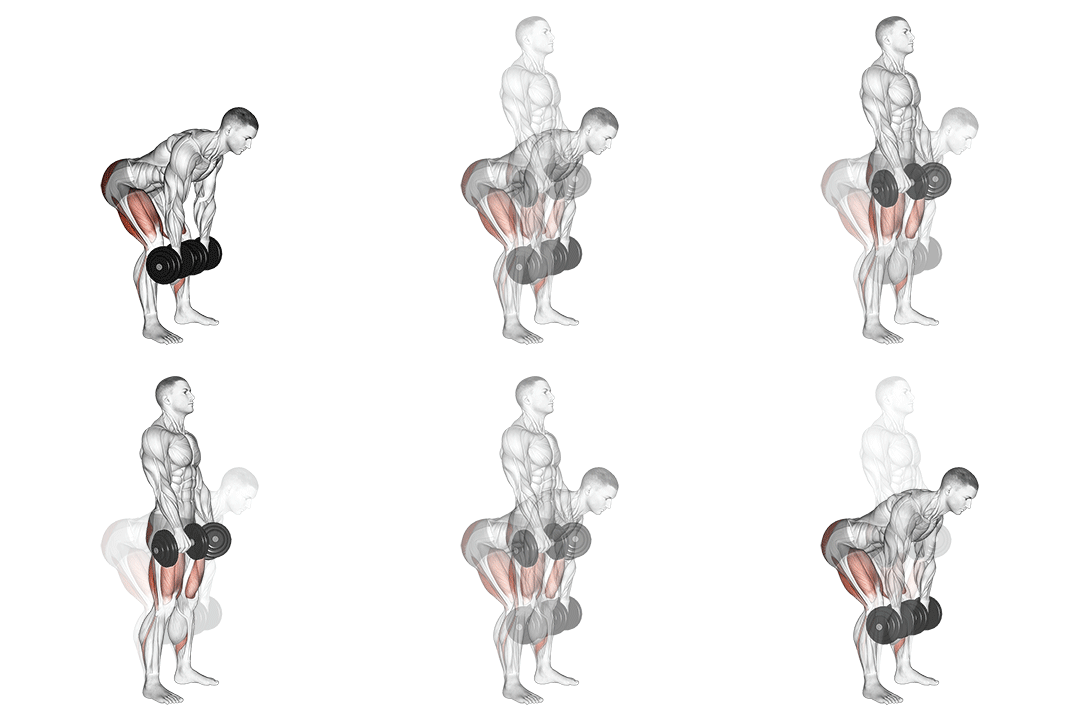
The Dumbbell Romanian Deadlift performs a Romanian deadlift pattern with dumbbells held at the sides. The hinge motion targets the hamstrings, glutes, and lower back through controlled lowering rather than ground-based pulling.
For beginners, the Romanian deadlift complements the standard deadlift by isolating the hip-hinge pattern with controlled tempo. Where the standard deadlift starts on the floor, the RDL starts standing and lowers the dumbbells under control to mid-shin or wherever hamstring flexibility allows. Both patterns are foundational for new lifters.
Hold dumbbells at the sides with arms extended. Hinge at the hips with a slight knee bend, lowering the dumbbells in a path close to the legs until the hamstrings stretch. Drive the hips forward to stand back up. Keep the back flat throughout.
How To Program These Workouts
A productive beginner dumbbell session pulls six to eight exercises from the list above. A balanced session includes one upper-body push (bench press or shoulder press), one upper-body pull (bent-over row), one lower-body bilateral (goblet squat), one lower-body unilateral (lunge), one hip-hinge (deadlift or RDL), and one direct arm exercise (curl or triceps extension). Run sets of 8 to 12 reps for most exercises with 60 to 90 seconds rest between sets.
Train two to three times per week as a beginner. Most new lifters do well with full-body sessions three times per week (Monday/Wednesday/Friday) using 6 to 8 exercises per session. The high frequency drives faster strength gains in the early stages than higher-volume single-muscle days. Beginners should not split routines (chest day, back day, etc.) until 6 to 12 months of consistent training have built a strength foundation.
For more dumbbell programming, see our best full body dumbbell workouts and best dumbbell chest workouts. For complete leg programming, see our best dumbbell leg workouts.
Final Thoughts
The best beginner dumbbell workouts deliver complete strength training and movement quality development with minimal equipment requirements. The combination of foundational compound movements covers every major muscle group and builds the strength base that more advanced programs depend on. For new lifters, dumbbells are one of the most accessible and effective entry points into serious training.
Stay focused on form and progression. The lifters who get the most from beginner dumbbell training are not the ones who chase heavy weight too fast, but the ones who master the movement patterns at moderate loads and progress slowly over months. Track every working set: weight, reps, and form quality. Add 5 pounds per side or one rep per session over weeks. Progress is invisible at the per-session level but compounds dramatically over months.
Frequently Asked Questions
What dumbbell weights should beginners start with?
Most beginner men start with 15 to 25-pound dumbbells for upper-body work and 25 to 40-pound dumbbells for lower-body work. Most beginner women start with 5 to 12-pound dumbbells for upper-body and 15 to 25-pound dumbbells for lower-body. The right starting weight is whatever allows clean reps in the 8 to 12 rep range with one or two reps in reserve. Adjustable dumbbells (5 to 50+ pounds in increments) are the most cost-effective option for home training.
How often should beginners train with dumbbells?
Two to three times per week works for most beginners. The high frequency drives faster strength gains than infrequent high-volume sessions. A typical beginner schedule runs Monday/Wednesday/Friday or Tuesday/Thursday/Saturday with full-body sessions each day. Beginners should not split routines until 6 to 12 months of consistent training have built a strength foundation.
Can I build muscle with just dumbbells?
Yes for beginners and intermediates. Dumbbells produce real muscle growth for the first 12 to 24 months of training, and progressive variations extend that runway by another 12 to 24 months. Advanced lifters chasing maximum mass eventually benefit from adding barbell work, but consistent dumbbell training produces measurable development for years.
What’s the best beginner dumbbell exercise?
The dumbbell goblet squat is the single most important exercise for new lifters to master. The pattern teaches the foundational squat mechanics that nearly every other lower-body exercise depends on, and the chest-loaded position keeps the spine in a safe upright position. If only one exercise had to be learned first, it would be the goblet squat.
How long until I see results from beginner dumbbell training?
Most beginners feel meaningful strength improvements within 2 to 4 weeks of consistent training. Visible muscle development takes 8 to 12 weeks combined with appropriate nutrition. Major changes (significantly improved physique, advanced strength numbers) take 6 to 12 months of dedicated practice. Patience and consistency matter more than intensity in the beginner stage.