Olympic lifting-focused training centers on developing the explosive power, technical mastery, and supporting strength required for the snatch and clean and jerk – the two competition lifts in Olympic weightlifting. Olympic lifters who consistently train with proper periodization see continuous improvements: heavier snatches and clean and jerks through technical mastery and supporting strength, faster bar speeds through explosive power development, stronger receiving positions through front squat and overhead strength, more reliable lifts through technique consistency, and broader athletic capacity through Olympic lifting’s full-body demands. The most effective Olympic lifting programs prioritize: 1) the competition lifts and their variations (clean, snatch, jerk, plus power variations and pulls), 2) front squats and back squats for foundational leg strength, 3) deadlifts and RDLs for posterior chain strength, 4) explosive power work (jump squats) for the second pull, 5) overhead pressing for jerk and overhead position strength, 6) back and trap work for pull integrity and elevation. Olympic lifting is technique-dependent – mastery of the lifts often matters more than absolute strength.
Below are ten of the most effective exercises for Olympic lifting performance, covering Olympic lift variations (power clean), squat variations critical for Olympic lifting (barbell front squat, barbell squat), pulling strength (barbell deadlift, barbell romanian deadlift), explosive power (jump squat), overhead strength (barbell seated overhead press), back development (barbell bent over row, pull-up), and trap development (dumbbell shrug). Together they form a complete Olympic lifting program. A 90 to 120-minute Olympic lifting session pulled from this list, performed 4 to 6 times per week with proper periodization, produces strong development for competitive Olympic lifters, masters lifters, and athletes incorporating Olympic lifting into their training.
Power Clean
The Power Clean performs power cleans (barbell from floor to shoulders explosively). The pattern is a foundational Olympic lift variation.
For Olympic lifters, the power clean is foundational. The pattern develops the explosive triple extension required for full cleans and snatches. Run it for 5 to 8 sets of 1 to 3 reps as primary explosive work.
Stand with feet hip-width with a barbell on the floor. Hinge at the hips and grip the bar with hands just outside the legs. Drive through the heels while explosively extending the hips, knees, and ankles (triple extension). Pull the bar upward and drop into a partial squat to receive the bar in the front rack position. Stand fully tall. Lower under control. The pattern is foundational Olympic lifting – power cleans develop the explosive triple extension critical for full cleans and snatches. Most Olympic lifters use power cleans as primary speed/explosive work alongside full clean training.
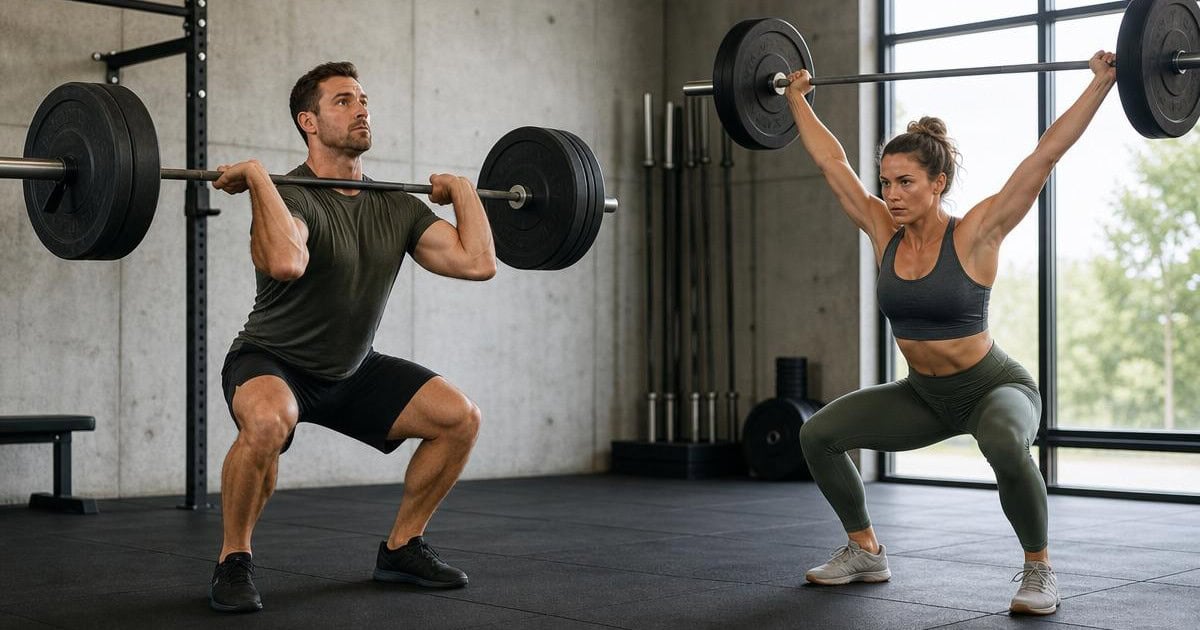
Barbell Front Squat

The Barbell Front Squat performs front squats. The pattern is foundational for Olympic lifting (clean receiving position).
For Olympic lifters, the front squat is foundational – it IS the receiving position of the clean. Run it for 4 to 6 sets of 3 to 6 reps as primary squat work for Olympic lifters.
Set up a barbell on a rack at upper chest height. Position the barbell at the front of the shoulders with elbows up high (front rack position – this is the same position as the clean receive). Step back from the rack. Squat down by bending the knees and hips while keeping the back vertical and elbows up. Lower until the thighs are below parallel. Drive back up through the heels. The pattern is THE foundational squat for Olympic lifting – the front rack position is the clean receive position, and front squat strength directly determines clean strength.

Barbell Deadlift

The Barbell Deadlift performs barbell deadlifts. The pattern develops the foundational pulling strength that supports Olympic lifts.
For Olympic lifters, the deadlift develops foundational pulling strength. Run it for 3 to 4 sets of 3 to 6 reps as primary pulling strength work.
Stand with feet hip-width with a barbell on the floor over the mid-foot. Hinge at the hips and bend the knees to grip the bar. Drive through the heels while extending the hips and knees to lift the bar from the floor. Stand fully tall at the top. Lower under control. The pattern develops foundational pulling strength that supports the first pull of cleans and snatches. Most Olympic lifting programs include deadlifts as primary pulling strength work, particularly for athletes who lack pulling strength relative to Olympic lift capacity.
Barbell Squat

The Barbell Squat performs back squats. The pattern is foundational lower-body strength supporting Olympic lifts.
For Olympic lifters, the back squat builds foundational lower-body strength. Run it for 4 to 6 sets of 3 to 8 reps as primary lower-body strength work.
Set up a barbell on a rack at upper back height. Position the bar across the upper back. Step back with feet shoulder-width. Squat down by bending the knees and hips. Lower until the thighs are below parallel. Drive back up through the heels. The pattern builds foundational leg strength critical for Olympic lifters – heavy back squat capacity supports clean and snatch strength through stronger legs and stronger receiving position. Most Olympic lifters include back squats alongside front squats for complete leg development.
Barbell Romanian Deadlift

The Barbell Romanian Deadlift performs Romanian deadlifts. The hip-hinge pattern develops posterior chain critical for Olympic lift pulls.
For Olympic lifters, the RDL builds posterior chain strength supporting clean and snatch pulls. Run it for 3 sets of 6 to 10 reps as posterior chain accessory work.
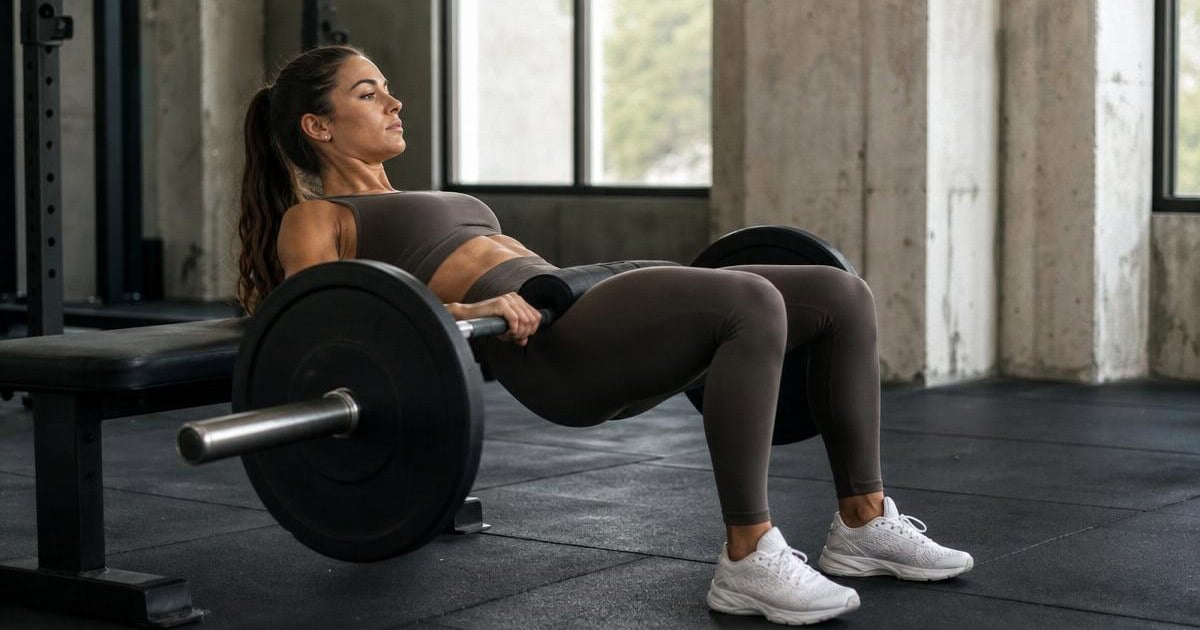
Stand with feet hip-width holding a barbell at the front of the thighs. Hinge at the hips by sending them backward while keeping the back flat and legs nearly straight. Lower the barbell along the legs until the hamstrings stretch deeply. Drive back to standing by extending the hips. The pattern develops posterior chain strength critical for Olympic lifts – the second pull of cleans and snatches is essentially explosive hip extension, and strong posterior chain (developed through RDL work) directly supports stronger pulls.
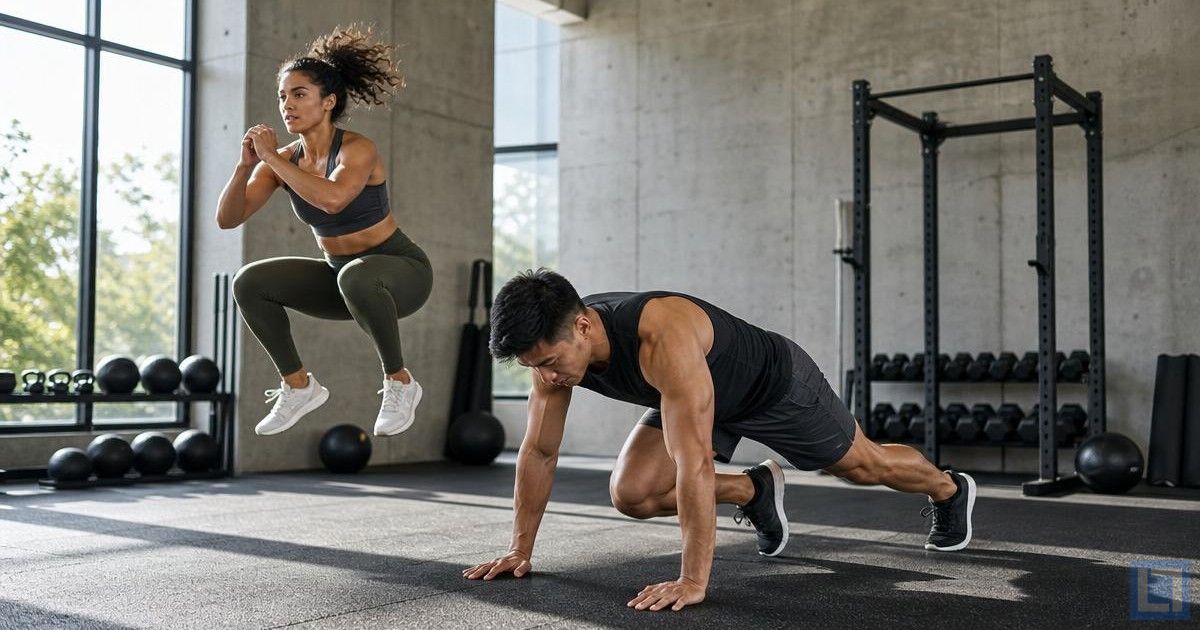
Jump Squat

The Jump Squat performs explosive jump squats. The pattern develops the explosive vertical power foundational for Olympic lifts.
For Olympic lifters, jump squats develop explosive lower-body power that supports the second pull of cleans and snatches. Run it for 3 to 4 sets of 3 to 6 reps as explosive power work.
Stand with feet shoulder-width. Squat down by bending the knees and hips to about parallel. Drive explosively up by extending the knees and hips while jumping off the floor. Land softly with knees bent. Reset between reps for maximum explosive intent. The pattern develops the explosive vertical power that translates directly to Olympic lifts – the second pull (after the bar passes the knees) is essentially a maximum-effort jump. Strong jump squat capacity correlates with strong clean and snatch performance.
Barbell Seated Overhead Press

The Barbell Seated Overhead Press performs strict overhead press. The pattern supports Olympic lift overhead positions.
For Olympic lifters, the overhead press builds shoulder strength supporting jerk lockouts and overhead positions. Run it for 3 to 4 sets of 5 to 8 reps as overhead strength accessory work.
Sit on a bench with the back firmly against an upright pad. Grip a barbell slightly wider than shoulder-width with overhand grip. Unrack the bar to shoulder height. Press the bar straight overhead by extending the arms. Lower under control. The pattern builds shoulder and tricep strength that supports overhead positions in Olympic lifts – jerk lockouts, snatch overhead support, and overhead squats all benefit from strong overhead pressing capacity. Most Olympic lifters include strict press work as accessory development.
Barbell Bent Over Row

The Barbell Bent Over Row performs barbell rows. The pattern produces strong upper back work supporting Olympic lift integrity.
For Olympic lifters, the bent-over row builds the upper back strength essential for maintaining position during pulls. Run it for 4 sets of 6 to 10 reps as back accessory work.
Stand with feet hip-width holding a barbell at the front of the thighs with overhand grip. Hinge forward at the hips with a flat back so the torso is at about 45 degrees. Pull the bar to the lower chest by retracting the shoulder blades and pulling the elbows back. The lats, rhomboids, traps, and rear delts work hard. Squeeze the shoulder blades hard at peak. Lower under control. The pattern builds the upper back strength critical for Olympic lifters – strong upper back maintains proper position during the first pull of cleans and snatches and supports strong receiving positions.
Pull Up

The Pull Up performs bodyweight pull-ups. The pattern builds back and grip strength supporting Olympic lifting.
For Olympic lifters, pull-ups build the upper back and grip strength essential for pulling movements. Run it for 4 sets of 6 to 12 reps as back/grip accessory work.
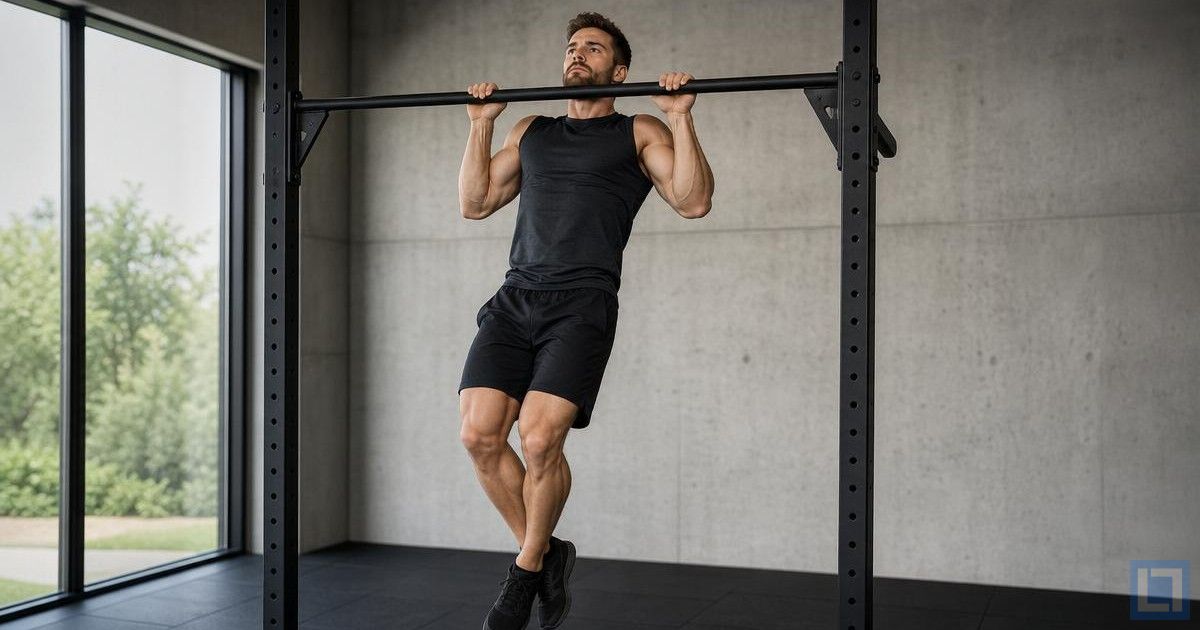
Hang from a pull-up bar with hands shoulder-width apart and palms facing away. Pull the body up by retracting the shoulder blades and pulling the elbows down toward the ribs until the chin reaches over the bar. Lower under control to full hang. The pattern builds the back and grip strength foundational for Olympic lifting – strong grip supports holding the bar during pulls and overhead positions, and strong back supports proper pulling mechanics. Most Olympic lifting programs include pull-ups as accessory work.
Dumbbell Shrug

The Dumbbell Shrug performs shrugs with dumbbells. The pattern produces direct trap loading critical for Olympic lift pulls.
For Olympic lifters, shrugs build the trap strength critical for the third pull of cleans and snatches. Run it for 3 to 4 sets of 8 to 12 reps as primary trap work.
Stand with feet hip-width holding heavy dumbbells at the sides with arms straight. Shrug the shoulders straight up toward the ears by elevating the shoulder blades. The upper traps work hard through elevation. Squeeze the traps hard at peak. Lower under control. The pattern produces direct upper trap loading critical for Olympic lifting – the third pull of cleans and snatches relies heavily on trap strength to elevate the bar to receiving height. Strong, developed traps support stronger Olympic lifts through better pull elevation and stronger receiving positions.
How To Program These Workouts
A productive Olympic lifting week typically follows a 4 to 6 day periodized split. A common pattern for intermediate lifters: Day 1 (snatch + squat): snatch technical work, snatch pulls, barbell back squat. Day 2 (clean + press): clean and jerk work, power clean, barbell seated overhead press. Day 3 (snatch variation + front squat): snatch variations, barbell front squat, accessories. Day 4 (clean variation + squat): clean variations, barbell back squat, jump squat. Day 5 (technical + accessories): light technical work, deadlift, RDL, pull-ups. The competition lifts (snatch, clean and jerk) appear daily in some form. Run main Olympic lift work for 5 to 10+ sets of 1 to 3 reps with periodized intensity, squat work for 4 to 6 sets of 3 to 8 reps, accessory work for 3 to 4 sets of 5 to 12 reps.
Train Olympic lifting 4 to 6 times per week with proper periodization. Most successful Olympic lifting programs follow established periodization patterns – high frequency on the competition lifts (5+ weekly sessions touching both lifts) is typical for serious competitive lifters. Schedule with at least 1 to 2 rest days per week. Olympic lifting is technique-dependent – daily technique practice matters more than maximum strength training. Most successful programs include planned light technique days, moderate volume days, and occasional heavy days. Lifters peaking for competitions follow specific peaking protocols (decreasing volume, maintaining or slightly increasing intensity) in the 4 to 8 weeks before competition.
For broader programming, see our best workouts for powerlifting and best workouts for explosive power. For specific work, see our best squat workouts.
Final Thoughts
The best workouts for Olympic lifting deliver continuous improvements in the snatch and clean and jerk through training that targets the specific demands of the sport: technical mastery on the competition lifts, foundational squat strength (front and back), pulling strength through deadlifts and RDLs, explosive power through jump training, overhead strength for jerks and overhead positions, and back/trap development for pull integrity. The combination of power cleans, front squats, back squats, deadlifts, Romanian deadlifts, jump squats, overhead pressing, rowing, pull-ups, and shrugs covers every supporting element of Olympic lifting and produces continuous progress through training careers. Most Olympic lifters who consistently apply these principles see measurable improvement in their snatch and clean and jerk totals within each training cycle. For Olympic lifters seeking competition success, addressed weaknesses, or continued strength progress, dedicated programming around the competition lifts plus appropriate supporting work is the foundation of the sport.
Stay focused on technique mastery over maximum strength. The most common mistake newer Olympic lifters make is rushing weight progression before establishing solid technique on the competition lifts. The fix: prioritize technique mastery in the early years of training (often 2 to 5 years), even if it means progressing slower with weight. Olympic lifting is highly technique-dependent, and lifters who establish strong technical foundations continue progressing for years/decades while those who chase weight too early often plateau or develop inefficient patterns that limit long-term progress. Combined with proper periodization, daily technique practice, and qualified coaching, technique mastery produces the long-term progress that defines successful Olympic lifting careers.
Frequently Asked Questions
How often should Olympic lifters train?
4 to 6 times per week is typical for serious competitive lifters. Most elite programs train 5 to 6 days per week with frequent exposure to the competition lifts. Beginners typically start with 3 to 4 weekly sessions. The competition lifts (snatch, clean and jerk) appear in some form on most training days because Olympic lifting is technique-dependent and benefits from high-frequency practice. Schedule with at least 1 to 2 rest days per week and incorporate planned light technique days alongside heavier strength days.
What’s the most important Olympic lifting exercise?
The competition lifts themselves (snatch, clean and jerk). No other exercise builds Olympic lifting capability like the actual competition lifts. Combined with their variations (power clean, power snatch, hang variations, pulls), these comprise 60 to 70% of training volume for serious Olympic lifters. Front squats and back squats are the most important supporting strength lifts. Most successful Olympic lifting programs prioritize the competition lifts daily with squats, presses, and deadlifts as foundational supporting work.
Should Olympic lifters do bodybuilding work?
Limited bodybuilding work yes – sufficient muscle mass supports Olympic lifting performance. Most successful Olympic lifters include some accessory hypertrophy work (back, biceps, triceps, core) for muscle balance and injury prevention. However, Olympic lifting is technique and power-dependent rather than mass-dependent, so accessory work is secondary to the main lifts and supporting strength work. The mistake is over-emphasizing bodybuilding-style hypertrophy at the expense of technical practice and supporting strength development.
How do I get better at the snatch and clean?
Daily technical practice with progressive loading. The snatch and clean are technique-dependent lifts that improve through frequent practice with proper coaching. Most successful Olympic lifters touch both lifts in nearly every training session – typically performing 3 to 6 working sets of each at varying intensities. Combined with proper supporting strength work (front squats, back squats, RDLs, jump squats), daily technical practice produces the technique consistency that drives competition success. Working with a qualified Olympic lifting coach typically accelerates progress substantially.
How heavy should Olympic lifters lift?
Periodized intensity based on the training cycle. Heavy phases use 85-95%+ of one-rep max for 1 to 3 reps. Volume phases use 70-85% for 2 to 4 reps. Light technical phases use 50-70% for technique focus. Most successful programs follow planned cycles that progress through these intensity zones rather than always training at maximum effort. The competition lifts respond best to varied intensity throughout training cycles – constantly maxing out produces overtraining and technical breakdown rather than improved performance.