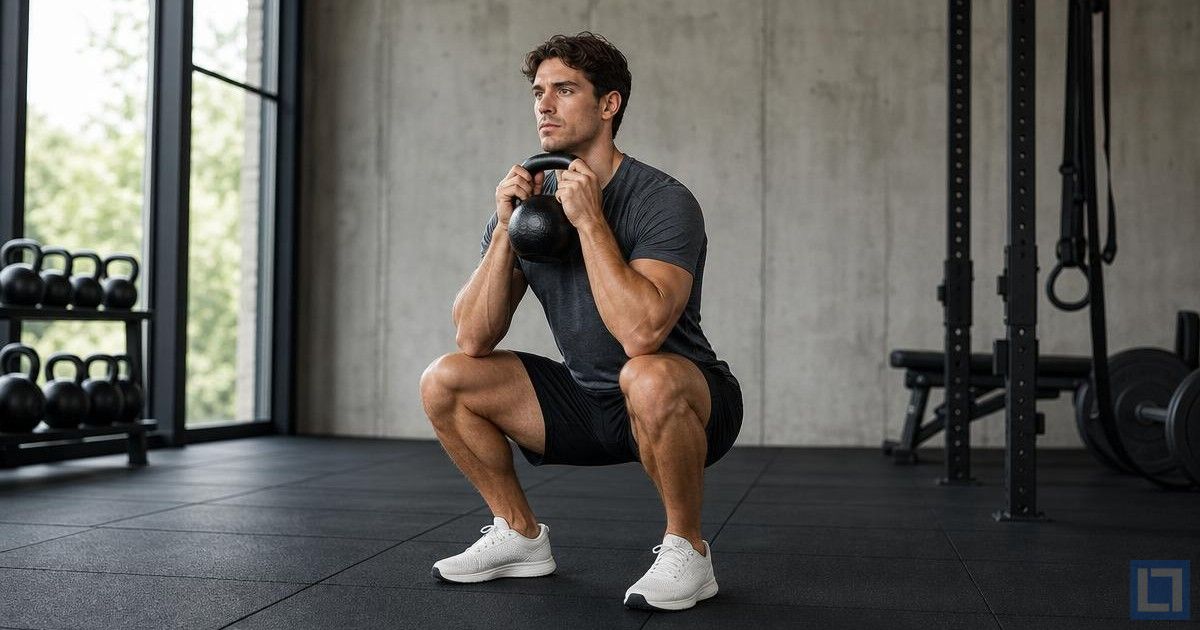
Hiking strength training produces real on-trail performance improvements through exercises that build the specific physical capacities hiking demands: unilateral leg strength for single-leg pushes uphill and stable single-leg landings on descents, posterior chain strength for descent control and pack carry endurance, grip strength and postural endurance for multi-hour pack carries, and lateral stability for uneven terrain. The format works particularly well for hikers because pure trail time alone rarely develops the strength foundation that supports moving up to longer hikes, heavier packs, or technical terrain without injury or excessive fatigue. Most hikers who add 2 to 3 strength sessions per week alongside trail time see measurable improvements in uphill climbing capacity, descent control, sustained energy on long hikes, and reduced post-hike fatigue and soreness within 8 to 12 weeks. The strength foundation matters most as hikers progress from day hikes to multi-day backpacking trips with pack weights of 25 to 50 pounds.
Below are ten effective hiking-specific exercises that cover unilateral leg strength (Bulgarian split squat, glute-dominant step-up, single-leg deadlift, lateral step-up with knee drive), posterior chain work (Romanian deadlift, single-leg deadlift), bilateral leg endurance (goblet squat), pack-carry preparation (farmers carry), and core stability for posture under load (plank, side plank, bird dog). Together they form a complete hiking training program that hits every physical demand of multi-hour hiking under pack weight. A 30 to 45-minute session pulled from this list, performed 2 to 3 times per week alongside hiking, produces strong trail-ready strength that supports any hiking goal from day hikes to backpacking expeditions.
Dumbbell Bulgarian Split Squat
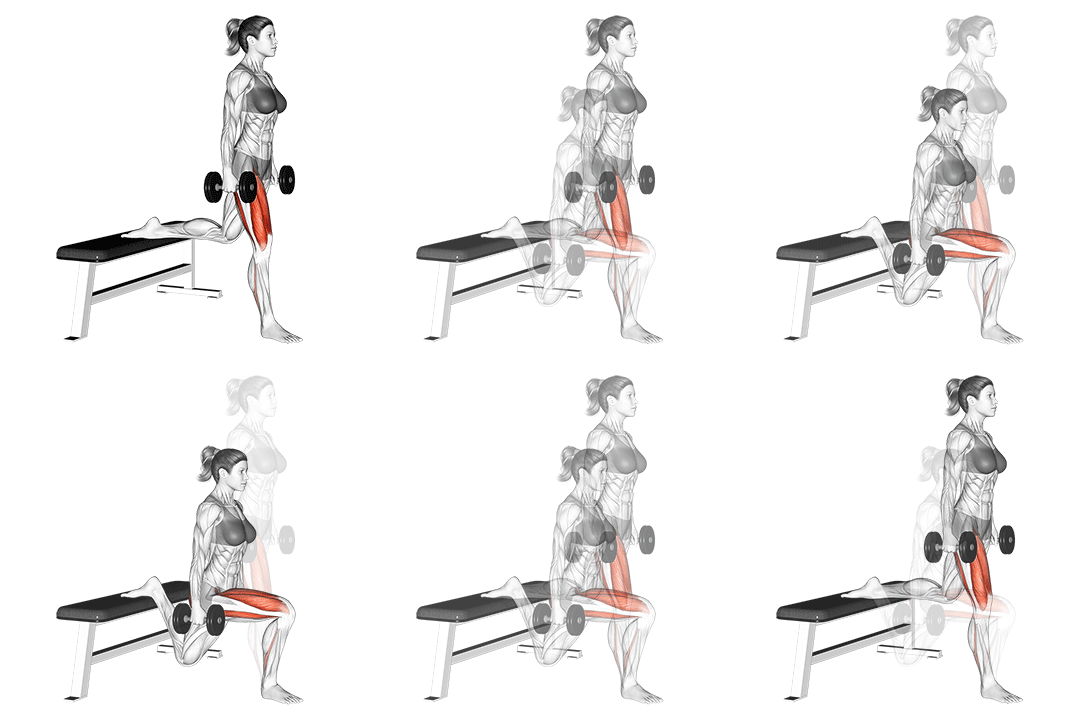
The Dumbbell Bulgarian Split Squat performs split squats with the back foot elevated on a bench while holding dumbbells at the sides. The pattern produces strong unilateral leg loading critical for hiking single-leg drives uphill and stable single-leg landings on technical descents.
For hiking training, the Bulgarian split squat is one of the most effective unilateral leg exercises for hiking-specific strength. The pattern hits the quads, glutes, and balance through deep range of motion that mirrors the single-leg pushes hiking demands. Run it for 4 sets of 8 to 10 reps per leg as primary unilateral leg work.
Stand 2 to 3 feet in front of a bench with one foot resting on the bench behind the body and a dumbbell in each hand. Drop straight down by bending the front knee until the back knee approaches the floor. Drive through the front foot to push back to standing. Switch sides between sets. Maintain controlled tempo throughout to build the unilateral strength and balance hiking requires.
Dumbbell Glute Dominant Step Up

The Dumbbell Glute Dominant Step Up performs step-ups onto a bench with a forward lean to maximize glute recruitment. The pattern produces strong unilateral glute loading that translates directly to climbing steep terrain.
For hiking training, the glute-dominant step-up is one of the most directly applicable hiking exercises that exists. The pattern hits the glutes through unilateral loading that mirrors stepping up onto rocks, logs, and steep trail sections. Run it for 4 sets of 10 to 12 reps per leg as primary uphill-climbing strength work.
Stand in front of a sturdy bench (about 18 inches high) with dumbbells held at the sides. Place one foot on the bench. Lean the torso forward at the hips while stepping up by driving through the planted heel. The forward lean shifts the load to the glute of the working leg. Squeeze the glute hard at the top. Step back down under control with the same leg. Switch sides between sets.
Single Leg Deadlift with Knee Lift

The Single Leg Deadlift with Knee Lift combines a single-leg Romanian deadlift with a knee drive at the top. The pattern produces strong combined posterior chain loading and balance work critical for hiking on uneven terrain.
For hiking training, the single-leg deadlift with knee lift produces strong combined posterior chain, balance, and unilateral leg strength work. The pattern hits the glutes and hamstrings through unilateral loading combined with the dynamic knee drive that mirrors trail climbing. Run it for 3 sets of 8 to 10 reps per side as combined posterior chain and balance work.
Stand on one leg with the free leg extended slightly behind. Hinge at the hip while extending the free leg back behind the body, lowering the torso forward. Drive back to standing by extending the planted hip while simultaneously driving the free knee up to chest height. Hold briefly at the top. Reverse the motion. Switch legs between sets. The balance demand mirrors hiking on uneven terrain.
Dumbbell Romanian Deadlift
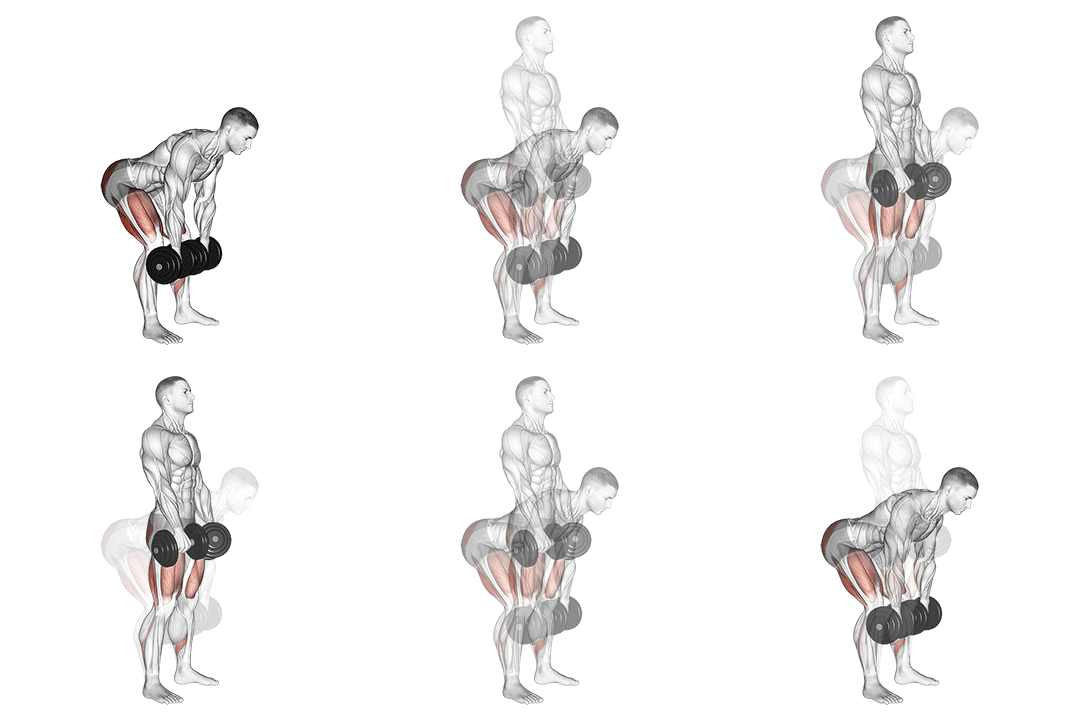
The Dumbbell Romanian Deadlift performs hip-hinge motion with dumbbells in the hands. The pattern produces strong posterior chain loading critical for the descent control and pack-carrying strength hiking requires.
For hiking training, the Romanian deadlift produces strong glute and hamstring loading that supports descent control under pack weight. The pattern hits the posterior chain through hip-hinge motion. Run it for 4 sets of 8 to 10 reps as primary posterior chain work for hiking.
Stand with feet hip-width holding dumbbells in front of the thighs. Hinge at the hips by sending them backward while keeping the back flat and a slight bend in the knees. Lower the dumbbells along the legs until the hamstrings stretch deeply. Drive back to standing by extending the hips. Maintain flat back position throughout. The hip-hinge pattern builds the descent control and pack-carrying strength hiking demands.
Dumbbell Farmers Carry

The Dumbbell Farmers Carry walks for distance or time while holding heavy dumbbells at the sides. The pattern produces combined grip strength, postural endurance, and total-body conditioning critical for carrying heavy hiking packs over distance.
For hiking training, the farmers carry is one of the most directly applicable strength exercises for hiking that exists. The pattern builds the grip strength, postural endurance, and total-body conditioning needed to carry packs of 20 to 50 pounds for hours. Run it for 3 to 4 sets of 30 to 60-second carries (or 50 to 100 feet) as primary pack-carry preparation work.
Stand with feet hip-width holding heavy dumbbells at the sides. Walk forward in a straight line maintaining tall posture with the chest up and core engaged. Continue for the working interval (distance or time). The combination of grip work, postural endurance, and walking under load builds the specific capacities hiking under pack weight requires.
Side Plank
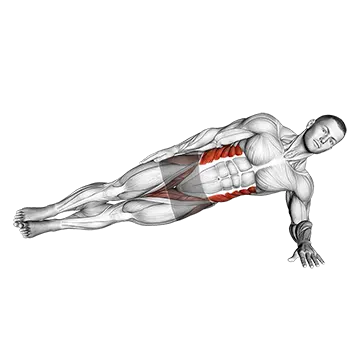
The Side Plank holds the body in a side-lying position supported on the forearm with the hips lifted and body in a straight line. The pattern produces direct oblique and lateral hip stability loading critical for the lateral stability hiking on uneven terrain demands.
For hiking training, the side plank produces direct oblique and lateral hip stability loading that supports balance on uneven trails and stream crossings. The pattern hits the obliques and gluteus medius through sustained isometric loading. Run it for 3 sets of 30 to 60-second holds per side as primary lateral stability work.
Lie on one side with the forearm planted on the floor under the shoulder. Stack the feet (or stagger them for easier balance). Lift the hips up to form a straight line from head to heels. Hold the position while engaging the obliques and gluteus medius. Switch sides between sets. Maintain straight body position throughout. The lateral stability builds resilience for off-camber trail surfaces.
Bird Dog
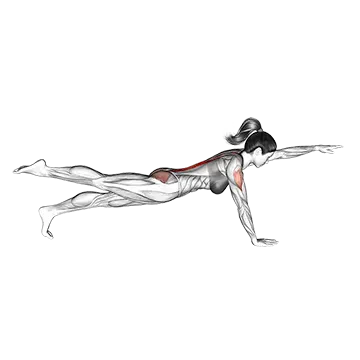
The Bird Dog performs alternating opposite arm and leg extensions from a quadruped position. The pattern produces strong combined core stability and posterior chain loading critical for the rotational stability hiking with a pack demands.
For hiking training, the bird dog produces direct anti-rotation core stability work that supports posture under pack weight. The pattern hits the core, glutes, and lower back through alternating extension. Run it for 3 sets of 8 to 10 reps per side as foundational core stability work.
Start on hands and knees in a quadruped position with hands under shoulders and knees under hips. Simultaneously extend one arm forward and the opposite leg back until both are parallel to the floor in a straight line. Hold briefly while maintaining a level torso. Return under control. Switch sides between reps or per set. Maintain stable hips throughout (avoid rotation).
Dumbbell Goblet Squat
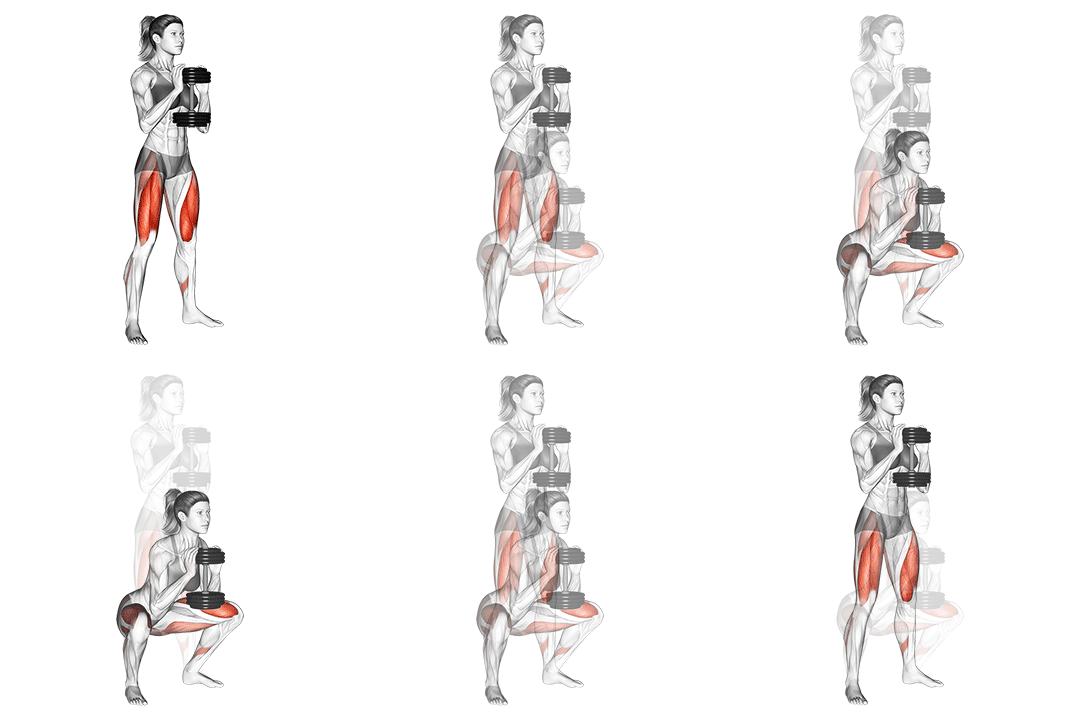
The Dumbbell Goblet Squat performs squats while holding a single dumbbell vertically against the chest. The pattern produces foundational squat strength critical for total leg endurance over multi-hour hikes.
For hiking training, the goblet squat is the foundational leg strength builder for all-day hiking endurance. The pattern hits the quads, glutes, and core through bilateral squat loading. Run it for 3 sets of 12 to 15 reps as foundational leg strength work, especially for hikers preparing for longer hikes or backpacking.
Stand with feet shoulder-width holding a single dumbbell vertically against the chest with both hands cupping the top end (goblet position). Squat down by sitting the hips back and bending the knees, keeping the chest up. Descend until the elbows touch the inside of the knees. Drive back to standing through the heels. The goblet position keeps the torso upright and trains the squat pattern hiking demands repeatedly throughout a long day on trail.
Lateral Step Up with Knee Drive

The Lateral Step Up with Knee Drive steps up onto an elevated surface from the side while driving the trailing knee up. The pattern produces strong unilateral leg drive and lateral movement strength critical for hiking on technical trails with side-stepping required.
For hiking training, the lateral step-up with knee drive produces strong combined unilateral leg strength and lateral movement coordination. The pattern hits the quads, glutes, and lateral hip stabilizers through dynamic motion. Run it for 3 sets of 8 to 10 reps per leg as combined unilateral leg and lateral coordination work.
Stand sideways to a sturdy bench (12 to 18 inches high). Place the inside foot on the bench. Drive through the planted foot to step up while simultaneously driving the trailing knee up to chest height. Step back down under control with the same leg. Switch sides between sets. The lateral pattern combined with the knee drive builds athletic capacity for technical trail features.
Plank on Hands
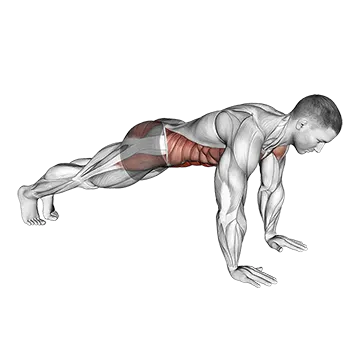
The Plank on Hands holds the body in a high plank position supported on hands and toes with a rigid straight body. The pattern produces direct anterior core stability loading critical for the upright posture hiking with a pack requires.
For hiking training, the plank produces direct anterior core stability loading that supports posture under pack weight over hours of hiking. The pattern hits the abs and shoulder stabilizers through sustained isometric loading. Run it for 3 sets of 45 to 90-second holds as foundational core stability work.
Set up on hands and toes with hands directly under the shoulders and body in a straight line from head to heels. Engage the core, glutes, and quads to maintain rigid body position. Hold the position while breathing normally. Avoid sagging hips or hiking shoulders. Continue for the working interval. The sustained core engagement builds the postural endurance hiking with a loaded pack demands.
How To Program These Workouts
A productive hiking training program organizes these exercises across an 8 to 12-week training block leading up to major hiking trips or seasons. A common 2-day weekly structure: Day 1 (Lower Body Power and Strength): dumbbell Bulgarian split squat, glute-dominant step-up, single-leg deadlift with knee lift, lateral step-up with knee drive. Day 2 (Posterior Chain and Pack Prep): dumbbell Romanian deadlift, dumbbell goblet squat, dumbbell farmers carry, plank, side plank, bird dog. Run unilateral leg work for 3 to 4 sets of 8 to 12 reps per leg, posterior chain work for 4 sets of 8 to 10 reps, farmers carries for 3 to 4 sets of 30 to 60-second carries, and core stability work for 3 sets of 30 to 90-second holds. Total session covers 14 to 20 working sets focused on hiking-specific capacities.
Train hiking strength sessions 2 to 3 times per week alongside increasing hiking volume. The combination of strength work and progressive trail miles produces ideal hiking preparation. Most successful hiking training plans include: 1) 2 to 3 weekly strength sessions of 30 to 45 minutes each, 2) 1 to 2 weekly trail hikes that progress in distance and elevation gain, 3) 1 to 2 weekly recovery walks or easy cardio sessions, and 4) progressive pack weight loading (start with 5 to 10 pounds, build to target trip weight over weeks). Schedule strength sessions 1 to 2 days before key trail sessions or on rest days from hiking. Avoid heavy strength work in the final 2 to 3 days before a multi-day backpacking trip.
For broader athletic programming, see our best leg workouts for mass and best workouts for endurance athletes. For specific posterior chain work, see our best posterior chain workouts.
Final Thoughts
The best workouts for hiking deliver real on-trail performance improvements through exercises that build the specific physical capacities hiking demands: unilateral leg strength, posterior chain endurance, pack-carry capacity, and core stability under load. The combination of single-leg strength work, hip-hinge patterns, farmers carries, and core stability covers every physical demand of hiking and produces broader trail readiness than trail miles alone. For hikers who want to move up to longer hikes or heavier pack weights, want to reduce post-hike soreness and fatigue, want to handle technical terrain with confidence, or want to extend their hiking career into more challenging objectives, dedicated hiking strength training is one of the most effective investments hikers can make.
Stay focused on unilateral leg strength and pack-carry preparation. The most common hiking strength training mistake is treating it like general fitness work without prioritizing the specific physical demands of hiking. The fix: prioritize unilateral leg work (Bulgarian split squats, step-ups, single-leg deadlifts) for the single-leg pushes hiking demands, posterior chain work (Romanian deadlifts) for descent control, farmers carries for pack-carry endurance, and core stability for posture under load. Skip generic isolation work that doesn’t translate to trail performance. Quality hiking-specific training produces stronger results than generic fitness work, especially as hiking objectives become more demanding.
Frequently Asked Questions
Should hikers lift weights?
Yes effectively. The combination of strength work and trail time produces measurable improvements in uphill climbing capacity, descent control, pack-carry endurance, and reduced post-hike soreness. Most successful serious hikers include 2 to 3 weekly strength sessions during training cycles for major trips. Pure trail time alone rarely develops the strength foundation needed for longer hikes, heavier packs, or technical terrain without injury or excessive fatigue. Strength training becomes increasingly important as hiking objectives scale up to backpacking, multi-day trips, or technical terrain.
How long should hikers train before a big hike?
Eight to twelve weeks of dedicated training works for most major hikes. The period allows progressive strength building (4 to 6 weeks), pack-weight progression (gradually building from 5 to 10 pounds up to target trip weight), and trail-specific endurance development (progressively longer hikes with elevation gain). For multi-day backpacking trips or high-altitude hikes, longer preparation (16 to 20 weeks) often produces better results. Strength training continues throughout the preparation period, with reduced volume in the final 1 to 2 weeks before the trip.
What’s the most important physical quality for hiking?
Multiple qualities matter together. Unilateral leg strength drives uphill climbing and stable single-leg landings on descents. Posterior chain strength supports descent control and pack carrying. Grip strength and postural endurance support multi-hour pack carries. Lateral stability supports uneven terrain navigation. Most successful hiking strength programs develop all of these qualities simultaneously rather than focusing on one. The exercises in this list cover all major physical demands of hiking under pack weight.
Are squats and deadlifts good for hiking?
Yes both directly applicable. Squats (especially goblet squats) build foundational leg strength for all-day hiking endurance. Deadlifts (especially Romanian deadlifts and single-leg deadlifts) build posterior chain strength for descent control and pack carrying. Most successful hiking programs include both squat patterns and hip-hinge patterns. The unilateral variants (Bulgarian split squats, single-leg deadlifts) are particularly valuable for hiking because they mirror the single-leg work hiking demands constantly.
How heavy should I pack-train for hiking?
Build progressively to target trip weight. Most successful hikers progress weighted training over 6 to 12 weeks: start with 5 to 10 pounds for week 1, add 2 to 5 pounds per week, and arrive at target trip weight 1 to 2 weeks before the trip. For day-hike training, packs of 10 to 20 pounds work for general conditioning. For multi-day backpacking, progressively build to target trip weight (typically 25 to 50 pounds depending on trip length and conditions). Test the actual loaded pack on training hikes before the major trip.