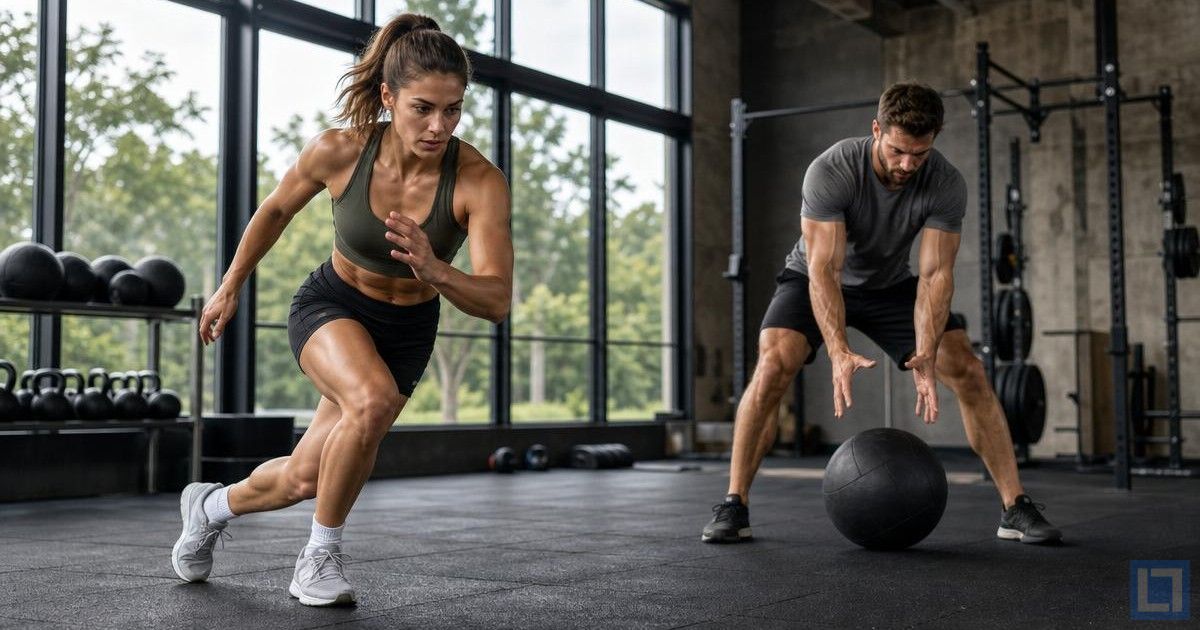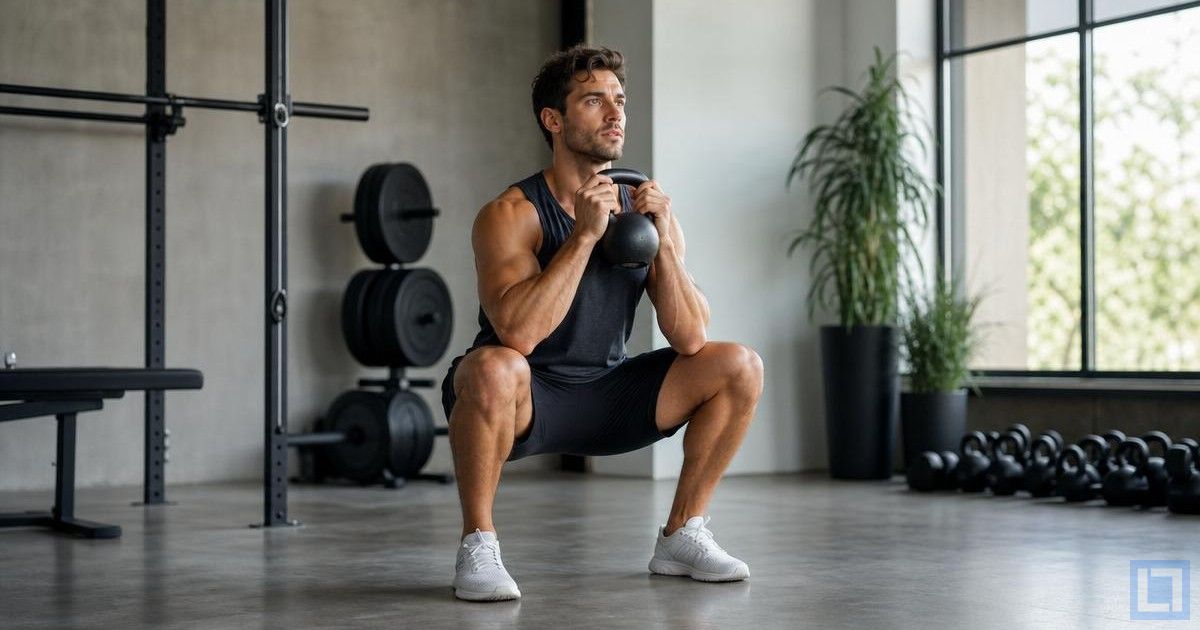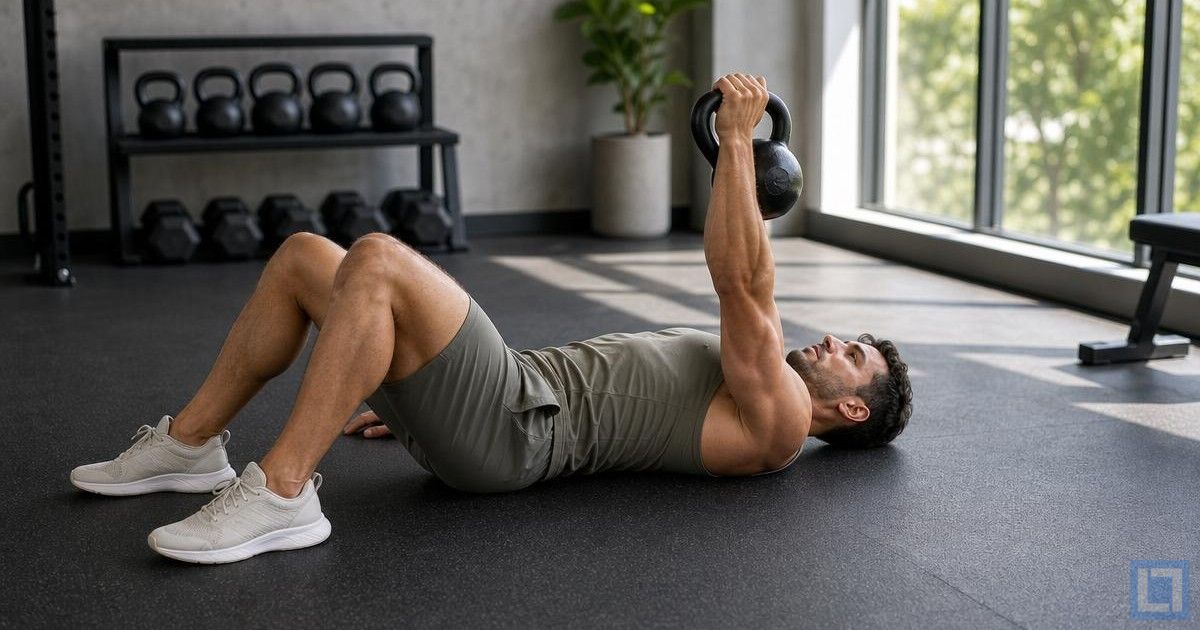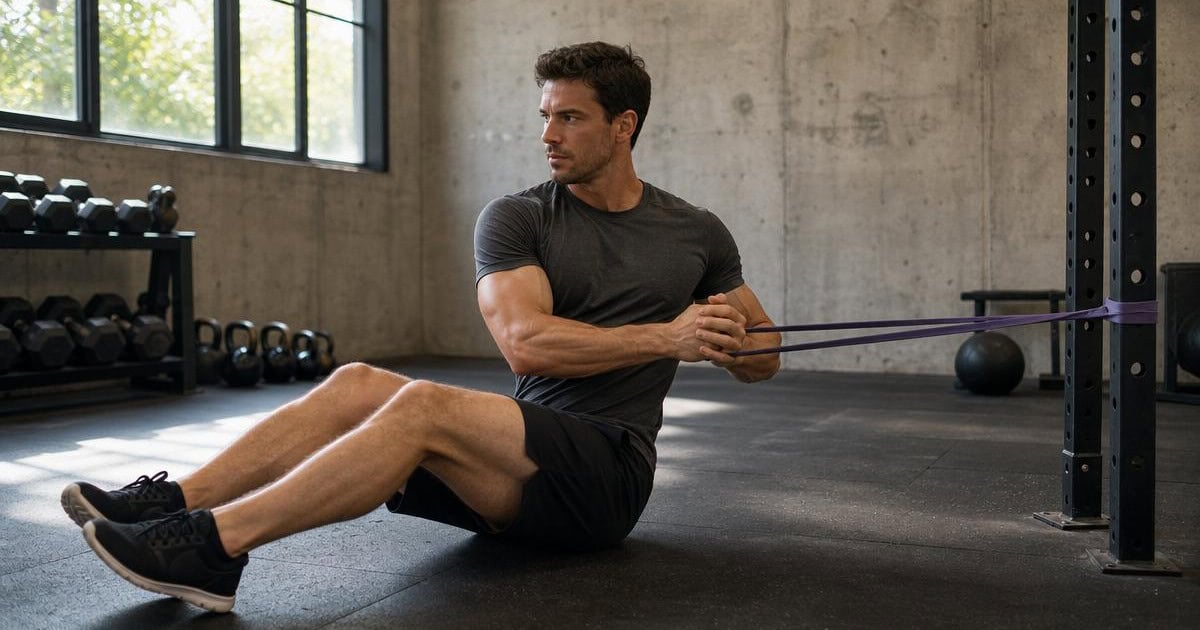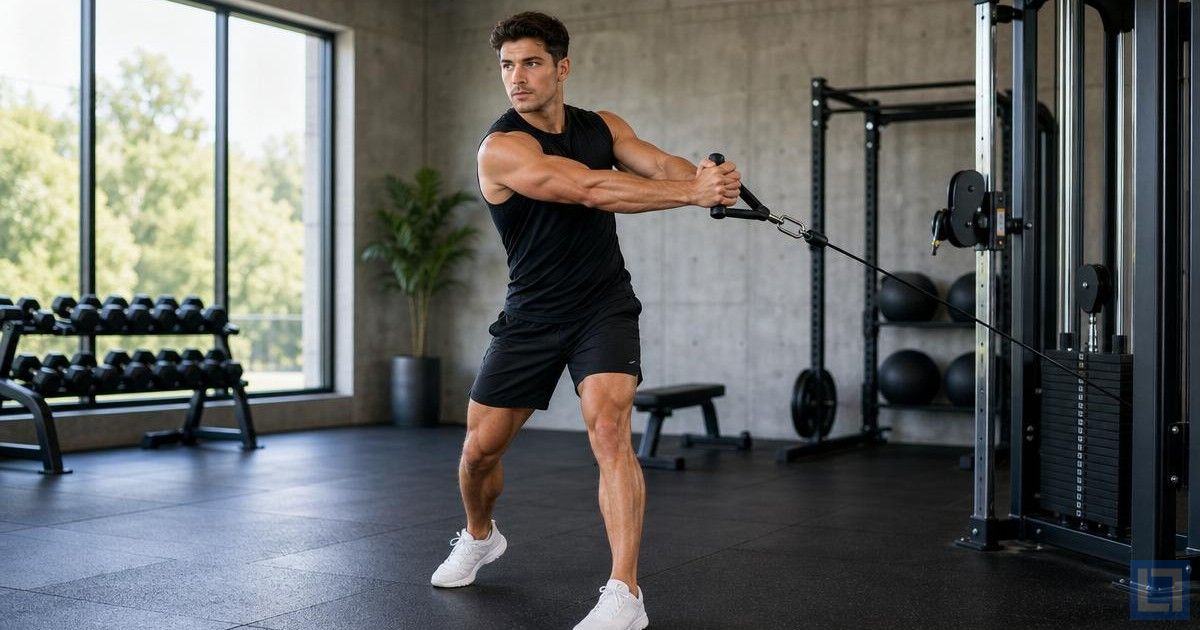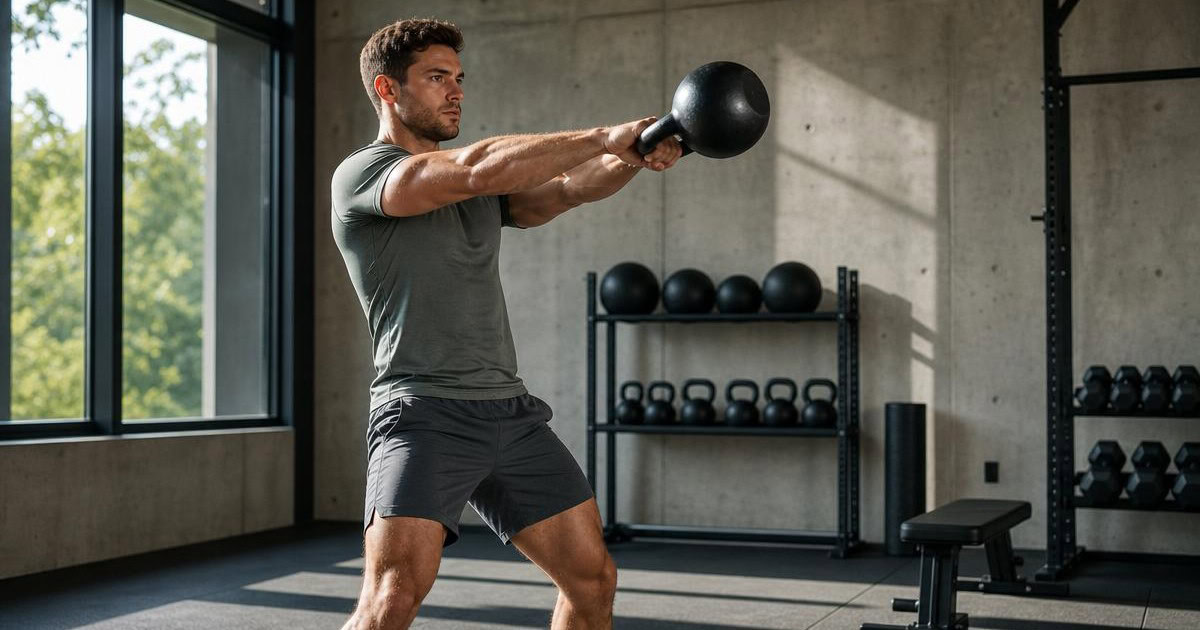
Building functional fitness requires understanding the principles that produce real-world movement capacity (functional fitness is the integrated strength, endurance, mobility, balance, and movement capacity that supports daily life activities, occupational demands, recreational pursuits, and athletic performance – it’s driven by the integration of foundational compound strength across all major movement patterns, unilateral capacity that addresses real-world movement reality, integrated core stability that supports all loaded movement, grip strength for object handling, mobility through full range of motion, balance through unilateral and asymmetric loading, and explosive power for quick movement) and the training principles that develop functional fitness specifically: foundational compound lifts for the heaviest possible loading across major movement patterns (squat, hinge, push, pull, carry), unilateral leg work for single-leg capacity matching real-world demands, integrated stability training for core function, loaded carries for grip and integrated capacity, explosive power work for quick movement, balanced multi-plane training for movement quality. Most successful functional fitness programs cover all major movement patterns with appropriate variety while building substantial strength through progressive overload over time.
Below are ten of the most effective exercises for functional fitness, covering compound lower-body strength (barbell squat, barbell deadlift), foundational pulling (pull-up, barbell bent over row), foundational pressing (barbell seated overhead press), unilateral leg capacity (dumbbell walking lunge, dumbbell Bulgarian split squat), integrated capacity (farmers walk), core stability (front plank), and explosive rotational power (medicine ball rotational throw). Together they form a complete functional fitness program covering all major movement patterns. A 60 to 75-minute session pulled from this list, performed 3 to 4 times per week, produces strong functional fitness development for any individual seeking better real-world movement capacity, occupational performance, recreational athletic capacity, or general physical preparedness.
Barbell Squat

The Barbell Squat performs back squats. The compound pattern is foundational for functional fitness.
For functional fitness, the squat is foundational. Run it for 4 sets of 5 to 10 reps as primary lower-body strength work.
Set up a barbell on a rack at upper back height. Position the bar across the upper back. Step back with feet shoulder-width. Squat down by bending the knees and hips. Lower until the thighs are parallel to the floor. Drive back up through the heels. The pattern is foundational for functional fitness – the squat is the core movement of human function (sitting, standing, picking things up from low positions). Heavy squats build the foundational leg strength that translates to every functional movement pattern.
Barbell Deadlift

The Barbell Deadlift performs barbell deadlifts. The pattern is foundational for functional fitness.
For functional fitness, the deadlift is foundational. Run it for 3 to 4 sets of 5 to 8 reps as primary posterior chain work.
Stand with feet hip-width with a barbell on the floor over the mid-foot. Hinge at the hips and bend the knees to grip the bar. Drive through the heels while extending the hips and knees to lift the bar from the floor. Stand fully tall at the top. Lower under control. The pattern produces extreme compound posterior chain loading – the deadlift is the foundational hip-hinge pattern essential for functional fitness. Picking things up from the floor, lifting heavy objects, and the basic mechanics of human power generation all depend on the deadlift pattern.
Farmers Walk
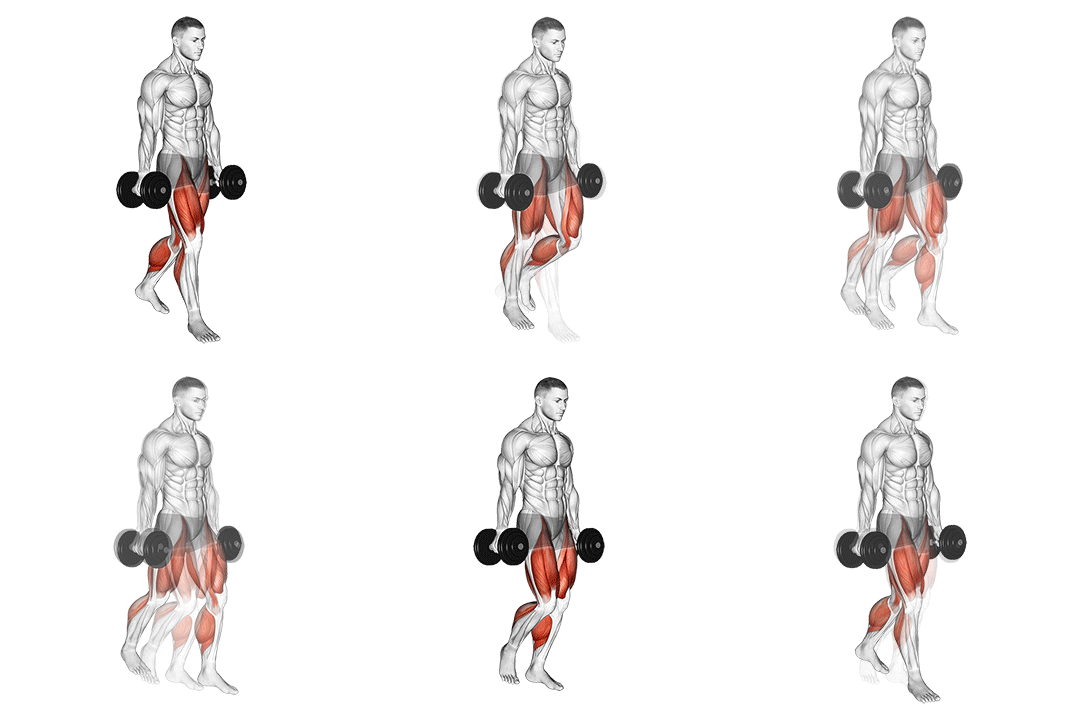
The Farmers Walk performs loaded carries. The pattern is foundational for functional fitness.
For functional fitness, farmers walks are foundational. Run it for 3 to 4 sets of 30 to 60-second carries as integrated functional work.
Stand holding heavy weights (dumbbells, kettlebells, or trap bar) in each hand at the sides. Walk forward with controlled steps, maintaining tall posture and tight core. Continue for the working interval. The grip, core, traps, and posterior chain all work hard isometrically. The pattern is foundational for functional fitness – farmers walks train the integrated capacity of grip, core, and posture that defines real-world function. Carrying groceries, luggage, children, or any loaded objects all involve farmers walk-like patterns.
Pull Up

The Pull Up performs bodyweight pull-ups. The pattern is foundational for functional fitness.
For functional fitness, the pull-up is foundational. Run it for 3 to 4 sets of 5 to 10 reps as primary upper-body pulling.
Hang from a pull-up bar with hands shoulder-width apart and palms facing away. Pull the body up by retracting the shoulder blades and pulling the elbows down toward the ribs until the chin reaches over the bar. Lower under control to full hang. The pattern produces the foundational vertical pulling capacity essential for functional fitness – the ability to pull bodyweight up represents fundamental upper-body strength relative to body composition, and translates to climbing, hanging, and many real-world physical tasks.
Dumbbell Walking Lunge

The Dumbbell Walking Lunge performs walking lunges. The dynamic pattern is foundational for functional fitness.
For functional fitness, walking lunges build dynamic single-leg capacity. Run it for 3 sets of 16 to 20 total steps as functional movement work.
Stand with feet hip-width holding dumbbells in each hand at the sides. Step forward with one leg into a lunge position, lowering the back knee toward the floor. Drive through the front heel to stand up while bringing the rear leg forward into the next lunge step. Continue alternating. The dynamic pattern develops unilateral leg strength supporting functional movement – walking, stair climbing, and most real-world movement involves single-leg loading patterns. Walking lunges train this directly.
Dumbbell Bulgarian Split Squat
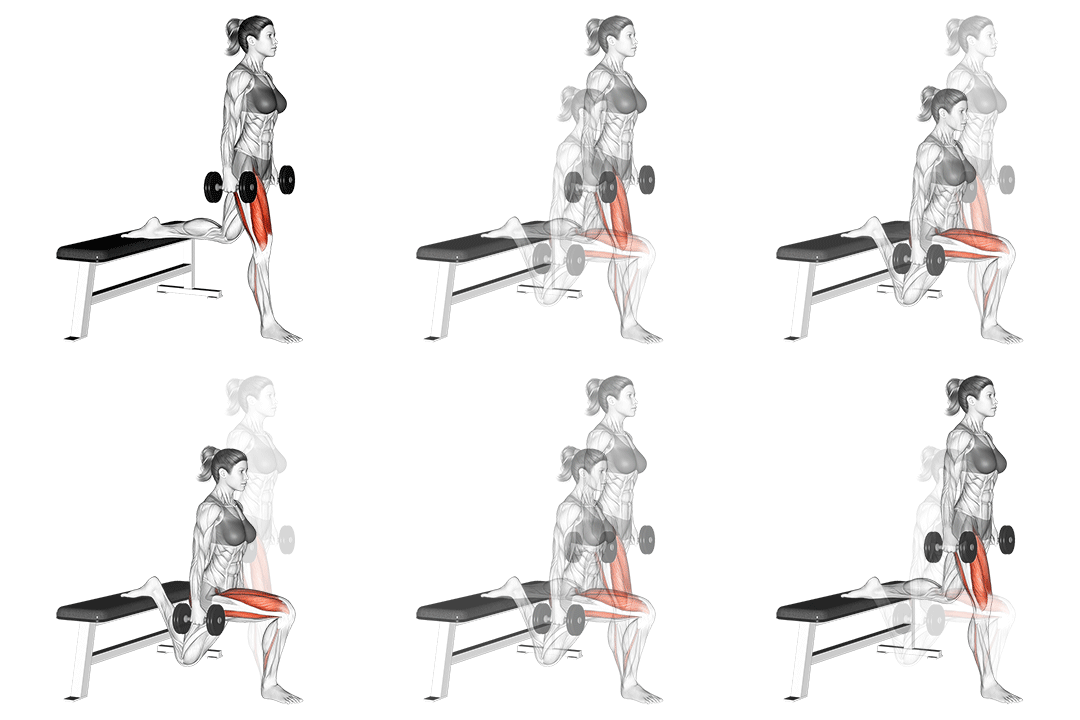
The Dumbbell Bulgarian Split Squat performs Bulgarian split squats. The unilateral pattern is foundational for functional fitness.
For functional fitness, Bulgarian split squats build unilateral leg strength. Run it for 3 sets of 8 to 12 reps per leg as unilateral functional work.
Stand 2 to 3 feet in front of a bench. Place the top of the rear foot on the bench behind. Hold dumbbells in each hand at the sides. Squat down by bending the front knee deeply. Lower until the front thigh is parallel to the floor. Drive back up through the front heel. The pattern hits each leg individually with full loading – critical for functional fitness because most real-world movement is unilateral. Bulgarian split squats address the left/right asymmetries that develop with bilateral-only training and build the single-leg capacity essential for functional movement.
Barbell Bent Over Row

The Barbell Bent Over Row performs barbell rows. The pattern is foundational for functional fitness.
For functional fitness, the bent-over row builds compound back strength. Run it for 3 sets of 6 to 10 reps as compound back work.
Stand with feet hip-width holding a barbell at the front of the thighs with overhand grip. Hinge forward at the hips with a flat back so the torso is at about 45 degrees. Pull the bar to the lower chest by retracting the shoulder blades and pulling the elbows back. The lats, rhomboids, mid traps, and rear delts work hard. Squeeze the shoulder blades hard at peak. Lower under control. The pattern produces compound horizontal pulling strength – critical for functional fitness because pulling motions (opening doors, pulling objects, rowing) all depend on horizontal pulling capacity. Combined with vertical pulling, rows produce complete functional pulling strength.
Front Plank
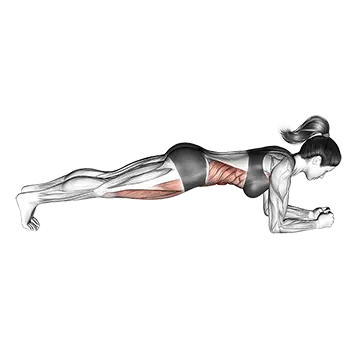
The Front Plank performs forearm plank holds. The pattern is foundational for functional fitness.
For functional fitness, the plank builds the isometric core stability essential for all movement. Run it for 3 sets of 30 to 60-second holds as core work.
Lie face-down on the floor. Prop up on the forearms with elbows under the shoulders. Lift the hips so the body forms a straight line from shoulders to ankles. The core works hard isometrically. Hold for the working interval. The pattern builds the isometric core strength that underlies all functional movement – the core stabilizes the spine during every loaded movement pattern, transferring power between upper and lower body. Strong core stability is foundational to functional fitness.
Barbell Seated Overhead Press

The Barbell Seated Overhead Press performs strict overhead press. The pattern is foundational for functional fitness.
For functional fitness, the overhead press builds the shoulder strength essential for overhead tasks. Run it for 3 sets of 5 to 8 reps as overhead pressing work.
Sit on a bench with the back firmly against an upright pad. Grip a barbell slightly wider than shoulder-width with overhand grip. Unrack the bar to shoulder height. Press the bar straight overhead by extending the arms. Lower under control. The pattern produces compound vertical pressing – critical for functional fitness because overhead tasks (lifting objects overhead, reaching to high shelves, throwing, pressing motions) all depend on overhead pressing strength. Strong overhead press capacity translates directly to real-world overhead tasks.
Medicine Ball Rotational Throw
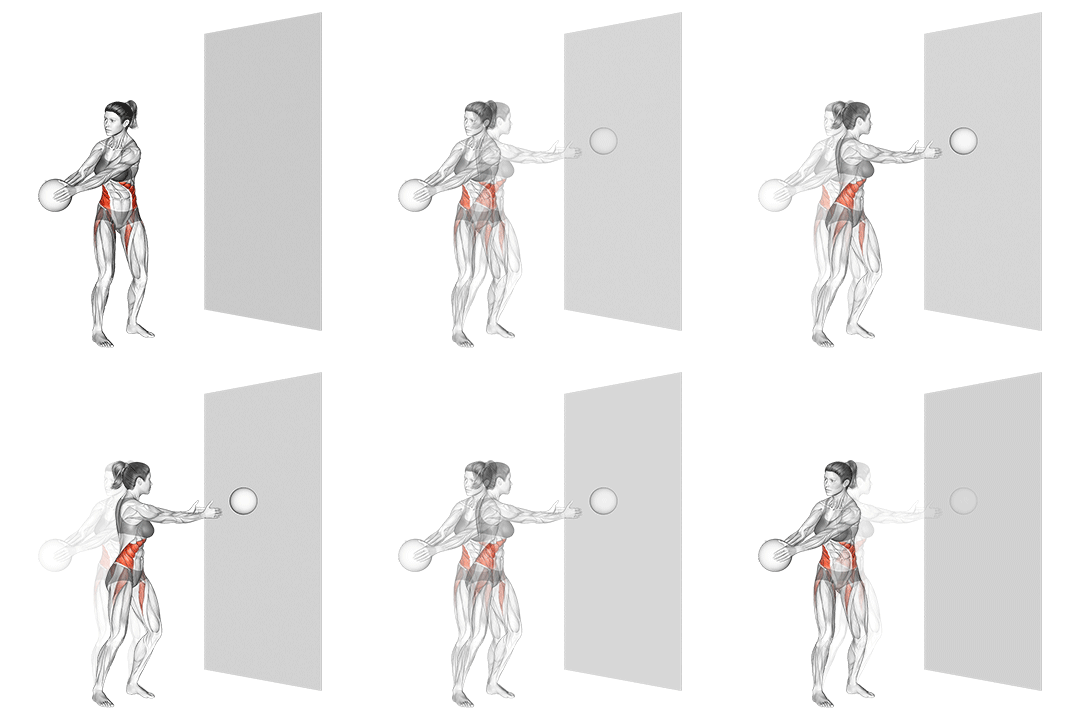
The Medicine Ball Rotational Throw performs explosive rotational throws. The pattern produces explosive functional capacity.
For functional fitness, the rotational throw produces explosive rotational power. Run it for 3 sets of 6 to 8 throws per side as explosive functional work.
Stand sideways to a wall holding a medicine ball with both hands at chest level. Rotate the hips and torso explosively away from the wall, then reverse explosively to throw the ball into the wall. Catch the ball on rebound. The hip-driven rotational pattern produces explosive rotational power – critical for functional fitness because real-world movement is rarely purely linear. Throwing, lifting and twisting, and quick movements all involve rotational power. Combined with strength work, rotational training builds the complete functional capacity.
How To Program These Workouts
A productive functional fitness session pulls 6 to 8 exercises from the list above. A common balanced session: barbell squat (foundational legs), barbell bent-over row (compound horizontal pull), barbell seated overhead press (overhead push), dumbbell walking lunge (unilateral dynamic), farmers walk (integrated capacity), front plank (core), medicine ball rotational throw (explosive). Most successful functional fitness programs cover all major movement patterns weekly: squat (squats, lunges), hinge (deadlifts, RDLs), push (overhead press, push-ups), pull (rows, pull-ups), carry (farmers walks), rotation (rotational throws), core (planks). Run heavy compound work for 3 to 4 sets of 5 to 10 reps, unilateral work for 3 sets of 8 to 12 reps per leg, integrated work for 3 sets of 30 to 60-second carries/holds, explosive work for 3 sets of 6 to 8 throws.
Train functional fitness 3 to 4 times per week with proper periodization. Most successful functional fitness programs structure work as: 1) Full-body sessions hitting all major patterns each session, 2) Upper/Lower split (4-day) covering all patterns weekly, 3) Push/Pull/Legs covering all patterns weekly. Combined with progressive overload over time, periodization across training blocks, technical mastery, adequate recovery, proper nutrition, and consistent training over months and years, functional fitness training produces measurable improvements in real-world capacity. Beginners often see substantial gains in the first 6 to 12 months. Continued progression requires periodization and progressive overload.
For broader programming, see our best workouts for athletes and how to build a stronger core. For specific work, see our how to build explosive power.
Final Thoughts
The best workouts for functional fitness deliver real-world movement capacity through training that targets the foundational principles of human movement: compound lifts for the heaviest possible loading across major movement patterns, unilateral leg work for single-leg capacity, integrated stability for core function, loaded carries for grip and integrated capacity, balanced multi-plane training for movement quality, and explosive power work for quick movement. The combination of squats, deadlifts, pull-ups, bent-over rows, overhead press, walking lunges, Bulgarian split squats, farmers walks, planks, and rotational throws covers every major movement pattern and produces broader strength, endurance, mobility, balance, and athletic capacity than partial training would suggest. Most individuals who consistently apply these principles see measurable functional fitness improvements within 12 to 16 weeks – including better real-world movement capacity, easier daily activities, improved occupational performance, better recreational athletic capacity, reduced injury rates, and the integrated strength that defines true functional fitness. For anyone seeking better real-world movement capacity, dedicated functional fitness training is one of the most effective interventions available.
Stay focused on covering all major movement patterns as the priority for functional fitness. The most common mistake people make in functional fitness training is over-emphasizing one or two patterns (typically pushing or aesthetic work) while neglecting other essential patterns. The fix: ensure weekly training covers all six major patterns – squat (squats, lunges), hinge (deadlifts), push (overhead press, push-ups), pull (rows, pull-ups), carry (farmers walks), rotation (rotational throws). Plus core (planks). Combined with appropriate progressive overload, varied training modalities, and consistent training over time, comprehensive movement pattern coverage produces the integrated functional fitness that pattern-limited training never achieves. Functional fitness depends on the integration of all major movement patterns.
Frequently Asked Questions
What is functional fitness?
Integrated strength, endurance, mobility, balance, and movement capacity supporting real-world activity. Functional fitness is the capacity to perform daily life activities, occupational demands, recreational pursuits, and athletic performance with strength, endurance, and proper movement. Unlike isolation-focused or single-pattern training, functional fitness emphasizes integrated capacity across all major movement patterns: squat, hinge, push, pull, carry, rotation, plus core stability. Built through compound lifts, unilateral work, loaded carries, mobility, and explosive power training.
How can I build functional fitness?
Compound lifts plus unilateral work plus loaded carries plus core. Heavy compound lifts (squats, deadlifts, bench press, overhead press, rows, pull-ups) build foundational strength across major movement patterns. Unilateral work (Bulgarian split squats, walking lunges) builds the single-leg capacity matching real-world movement. Loaded carries (farmers walks) build integrated grip, core, and posture capacity. Combined with rotational power work (medicine ball throws), core stability (planks), mobility work, and consistent training, this comprehensive approach produces measurable functional fitness improvements within 12 to 16 weeks.
What are the major movement patterns?
Squat, hinge, push, pull, carry, rotation, plus core. The major movement patterns: 1) Squat (squats, lunges, split squats), 2) Hinge (deadlifts, RDLs, glute bridges), 3) Push – vertical and horizontal (overhead press, bench press, push-ups), 4) Pull – vertical and horizontal (pull-ups, rows), 5) Carry (farmers walks, suitcase carries), 6) Rotation (rotational throws, woodchops), plus 7) Core stability (planks, anti-rotation work). Functional fitness training should cover all major patterns weekly for complete development.
How often should I train functional fitness?
3 to 4 sessions per week covering all major patterns. Most successful functional fitness programs use: 1) Full-body sessions (3 days/week) hitting all major patterns each session, 2) Upper/Lower split (4 days/week) covering all patterns weekly, 3) Push/Pull/Legs split (3 to 6 days/week) covering all patterns weekly. The structure matters less than ensuring all major movement patterns are covered weekly with appropriate progressive overload.
Is functional fitness better than bodybuilding?
Different goals – both are valid for different objectives. Functional fitness emphasizes integrated movement capacity for real-world performance and balanced multi-pattern training. Bodybuilding emphasizes hypertrophy and muscle development for aesthetic outcomes through volume-focused isolation work. Most successful programs incorporate elements of both – functional fitness foundation with appropriate hypertrophy work for muscle development. Choose based on goals: real-world movement and athletic performance favor functional fitness; pure muscle development and aesthetic goals favor bodybuilding-style training. Many people benefit from elements of both.