Building balance through dedicated training transforms athletic performance, fall prevention (critical for older adults), daily activity quality, and overall movement capacity by systematically addressing the unilateral leg strength, core stability, ankle strength, opposite-limb coordination, dynamic balance, and integrated balance demands that determine balance capacity. Comprehensive balance training supports: better athletic performance through improved single-leg control, fall prevention especially as we age, better sport performance in any activity requiring balance, easier daily activities through improved unilateral function, reduced injury risk through better movement control, improved coordination through opposite-limb training, better posture through core stability, more confident movement through reliable balance, and the integrated benefits of dedicated balance practice. Balance is built through specific patterns – unilateral leg work for single-leg balance, core stability for balance foundation, ankle strengthening for ankle strategy, opposite-limb coordination for integrated balance, and dynamic transitions for functional balance. Most balance training programs underemphasize unilateral leg work, which is the most important balance training pattern for active adults seeking better athletic performance.
Below are ten of the most effective exercises for balance development, covering primary unilateral leg work (bodyweight single leg deadlift, single leg squat with support, dumbbell Bulgarian split squat, dumbbell walking lunge), unilateral leg strength with balance (dumbbell step up), core stability (front plank, side plank, dead bug), opposite-limb coordination (bird dog), and ankle strengthening (bodyweight standing calf raise). Together they form a complete balance program. A 30 to 45-minute session pulled from this list, performed 2 to 3 times per week, produces strong balance development for athletes seeking improved sport performance, older adults seeking fall prevention, and active individuals seeking better movement capacity. Balance training is particularly valuable because the specific patterns (especially unilateral leg work) produce balance improvements that general training never achieves.
Bodyweight Single Leg Deadlift

The Bodyweight Single Leg Deadlift performs unilateral deadlifts. The pattern is foundational for balance.
For balance development, the bodyweight single leg deadlift is foundational for unilateral balance. Run it for 3 sets of 8 to 10 reps per leg as primary balance work.
Stand on one leg with slight bend in the standing knee. Hinge forward at the hips while extending the opposite leg backward, keeping the body in a straight line from the extended leg to the head. Reach the hands toward the floor. Return to standing by reversing the motion. Switch legs. The pattern is foundational for balance development – the single-leg hinging motion challenges balance through the entire range of motion. Excellent foundational balance exercise that builds the unilateral balance capacity needed for athletic performance and daily activities.
Single Leg Squat With Support
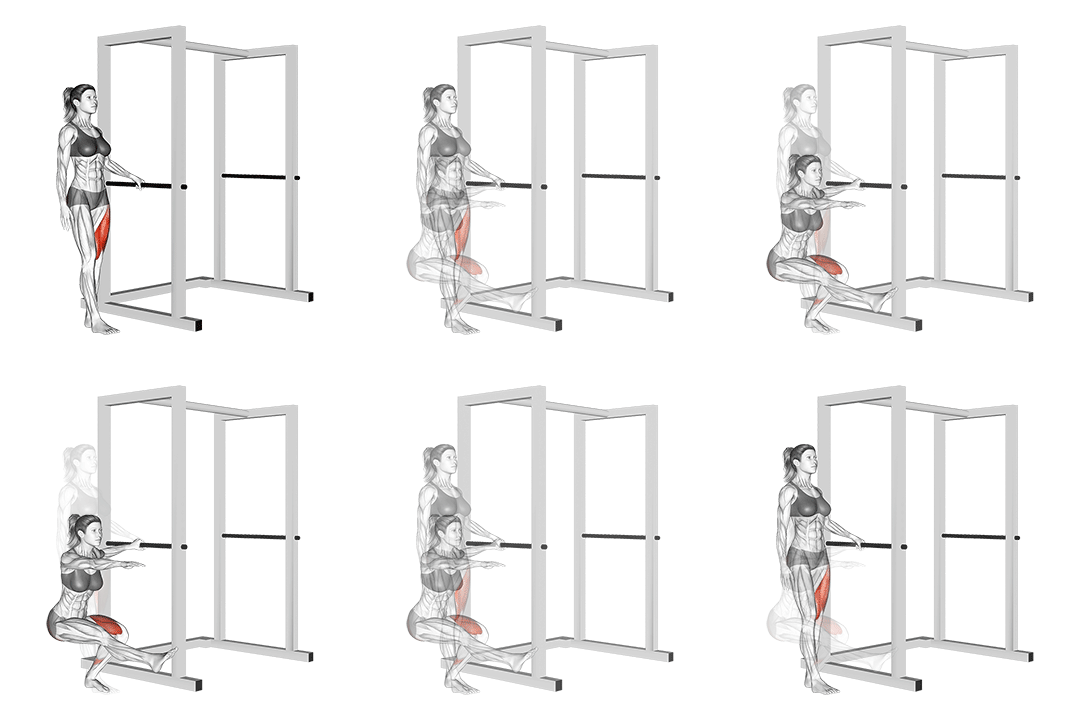
The Single Leg Squat With Support performs assisted single-leg squats. The pattern produces unilateral balance with strength.
For balance development, the single leg squat with support produces unilateral leg strength supporting balance. Run it for 3 sets of 6 to 10 reps per leg as unilateral balance work.
Stand on one leg with the other leg extended in front. Hold a support (TRX strap, doorframe, or stable surface) for balance. Squat down on the standing leg as deep as possible while maintaining balance. Drive back up through the standing heel. Switch legs. The pattern produces unilateral leg strength with balance demands – critical for balance development because single-leg squatting integrates strength with balance challenge. The support allows progressive development before unsupported pistol squats.
Dumbbell Bulgarian Split Squat
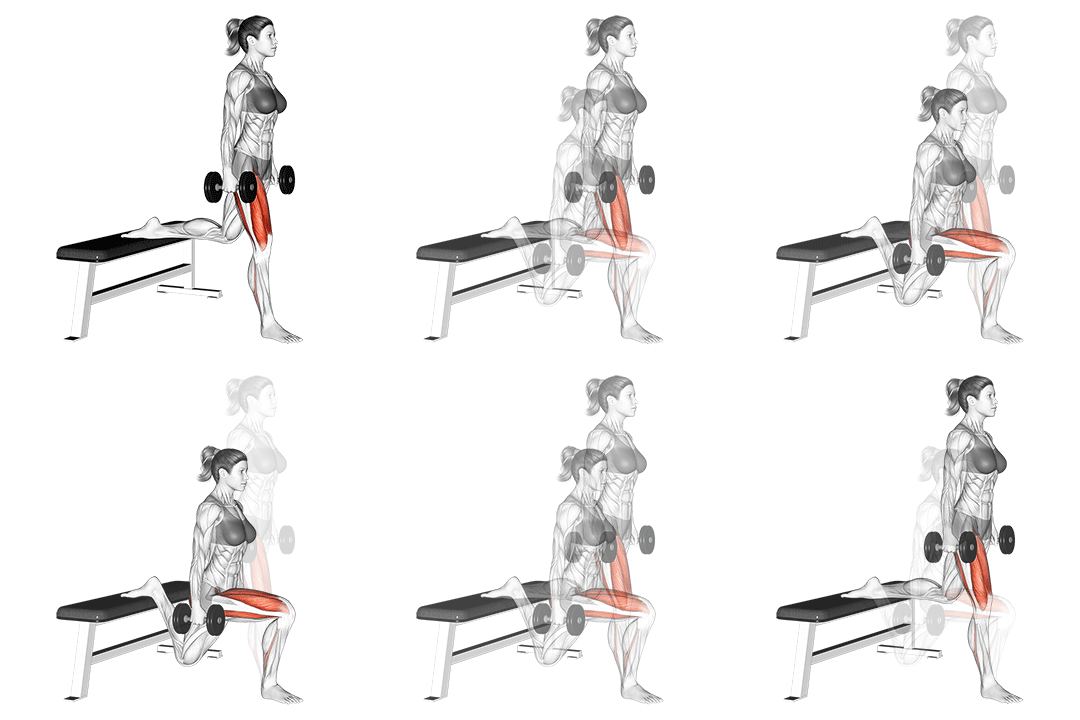
The Dumbbell Bulgarian Split Squat performs Bulgarian split squats. The unilateral pattern challenges balance.
For balance development, Bulgarian split squats produce unilateral leg strength with balance demands. Run it for 3 sets of 8 to 12 reps per leg as unilateral balance work.
Stand 2 to 3 feet in front of a bench. Place the top of the rear foot on the bench behind. Hold dumbbells in each hand at the sides. Squat down by bending the front knee deeply. Lower until the front thigh is parallel to the floor. Drive back up through the front heel. The pattern challenges balance through the unilateral split-stance position – the elevated rear foot reduces stability while the front leg works through full range. Excellent balance exercise that combines unilateral strength development with balance challenge.
Dumbbell Step Up

The Dumbbell Step Up performs step-ups. The pattern produces dynamic balance challenge.
For balance development, the step-up produces dynamic unilateral balance with strength. Run it for 3 sets of 10 to 12 reps per leg as dynamic balance work.
Stand in front of a bench or box about knee height holding dumbbells in each hand. Step up onto the bench with one leg. Drive through the front leg to stand fully on top of the bench. Step back down under control. Switch legs. Continue alternating. The pattern produces dynamic unilateral balance – the step-up motion involves single-leg loading with dynamic transitions, building balance through varied positions. Excellent dynamic balance exercise that complements static balance work.
Front Plank
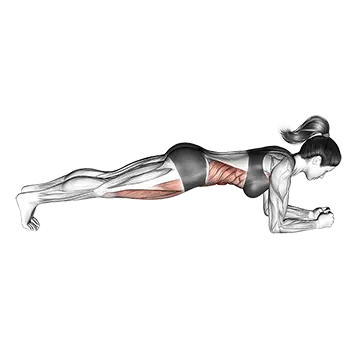
The Front Plank performs forearm plank holds. The pattern produces foundational core for balance.
For balance development, the plank produces foundational core stability supporting all balance. Run it for 3 sets of 30 to 60-second holds as core work.
Lie face-down on the floor. Prop up on the forearms with elbows under the shoulders. Lift the hips so the body forms a straight line from shoulders to ankles. The core works hard isometrically. Hold for the working interval. The pattern builds foundational core stability – critical for balance development because all balance depends on core stability. Strong core supports proper body position during balance challenges and enables the body to resist destabilizing forces. Foundational exercise for any balance program.
Side Plank
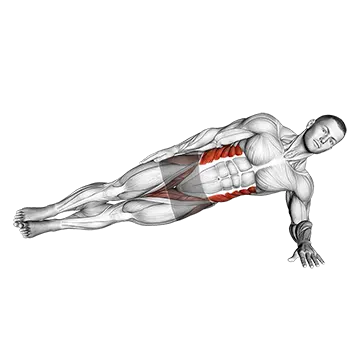
The Side Plank performs side plank holds. The pattern produces lateral core stability for balance.
For balance development, the side plank produces lateral core stability essential for balance. Run it for 3 sets of 30 to 45-second holds per side as lateral core work.
Lie on one side propped up on the elbow with the elbow under the shoulder. Lift the hips so the body forms a straight line from feet to head. The lateral core (obliques and quadratus lumborum) works hard isometrically. Hold for the working interval. Switch sides. The pattern produces lateral core stability – critical for balance development because lateral balance (side-to-side) depends on lateral core strength. Combined with front planks, side planks build complete core stability for balance.
Bird Dog
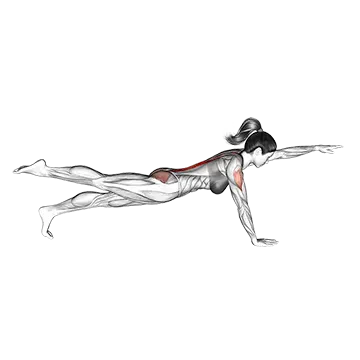
The Bird Dog performs the bird dog exercise. The pattern produces opposite-limb coordination and balance.
For balance development, the bird dog produces opposite-limb coordination critical for balance. Run it for 3 sets of 8 to 10 reps per side as coordination work.
Position on hands and knees with hands under shoulders and knees under hips. Simultaneously extend the opposite arm forward and opposite leg backward, maintaining a stable spine. The core works hard maintaining stability while coordinating opposite limbs. Hold briefly at peak. Return to start. Switch sides. The pattern produces excellent opposite-limb coordination and balance – critical for balance because most balance challenges involve coordinated opposite-side function. The bird dog teaches core stability while limbs move in coordinated patterns. Foundational balance and coordination exercise.
Bodyweight Standing Calf Raise

The Bodyweight Standing Calf Raise performs bodyweight calf raises. The pattern produces ankle strength for balance.
For balance development, calf raises strengthen ankles supporting balance. Run it for 3 sets of 15 to 25 reps as ankle strengthening, daily.
Stand on a flat floor with feet hip-width. Lift the heels up to rise onto the balls of the feet by extending at the ankles. Hold briefly at peak. Lower under control with eccentric loading. The pattern produces ankle strengthening – critical for balance development because ankle strength supports balance through reactive ankle stabilization, the primary mechanism of standing balance. Strong calves and ankles produce better balance through enhanced ankle strategy use. Combined with single-leg work, calf strengthening supports standing balance.
Dumbbell Walking Lunge

The Dumbbell Walking Lunge performs walking lunges. The dynamic pattern produces balance through transitions.
For balance development, walking lunges produce dynamic balance through transitions. Run it for 3 sets of 14 to 18 total steps as dynamic balance work.
Stand with feet hip-width holding dumbbells in each hand at the sides. Step forward with one leg into a lunge position, lowering the back knee toward the floor. Drive through the front heel to stand up while bringing the rear leg forward into the next lunge step. Continue alternating. The dynamic pattern develops balance through the transitions between lunges – the moment of stepping requires balance through a single-leg position with dynamic loading. Excellent dynamic balance exercise that translates to walking, running, and athletic movement.
Dead Bug

The Dead Bug performs the dead bug core exercise. The pattern produces anti-extension core for balance.
For balance development, the dead bug builds anti-extension core stability supporting balance. Run it for 3 sets of 8 to 10 reps per side as core stability work.
Lie on the back with arms extended toward the ceiling and hips/knees bent at 90 degrees. Slowly extend one arm overhead while extending the opposite leg straight, keeping the lower back pressed into the floor. Return to start. Switch sides. The core works hard maintaining lower back position during opposite-limb movement. The pattern produces excellent core stability with limb coordination – critical for balance because the core must stabilize as limbs move in unpredictable patterns. The dead bug builds the foundational core stability that all balance depends on.
How To Program These Workouts
A productive balance session pulls 6 to 8 exercises from the list above. A common balanced session: bodyweight single leg deadlift (foundational unilateral), single leg squat with support (progression), dumbbell Bulgarian split squat (unilateral strength), dumbbell step up (dynamic), front plank (core), side plank (lateral), bird dog (coordination), bodyweight standing calf raise (ankle). For athletic balance development: prioritize unilateral leg work plus dynamic balance plus opposite-limb coordination. For fall prevention focus (especially older adults): prioritize gentle unilateral work, ankle strengthening, dual-task practice, and gradual progression. Run unilateral leg work for 3 sets of 8 to 12 reps per leg, isometric core for 3 sets of 30 to 60-second holds, coordination work for 3 sets of 8 to 10 reps per side.
Train balance 2 to 3 times per week as part of complete fitness programming. Most successful balance programs structure work as: 1) dedicated balance sessions 2 to 3 times per week (covering all balance patterns), 2) integration of balance work into regular training (single-leg variations of standard exercises), 3) daily incidental balance practice (standing on one leg during routine activities), 4) progressive challenge over time (eyes closed, unstable surfaces, dynamic challenges). Combined with progressive overload (gradually increasing balance challenge), adequate variety (covering multiple balance patterns), and consistent practice over months, dedicated balance training produces measurable improvements within 8 to 12 weeks for most individuals.
For broader programming, see our best workouts for seniors and best workouts for functional fitness. For specific work, see our how to improve hip mobility.
Final Thoughts
The best workouts for balance deliver real balance improvements through dedicated training that targets the specific demands of balance: unilateral leg strength for single-leg balance (the most important balance pattern), core stability for balance foundation, ankle strengthening for ankle strategy, opposite-limb coordination for integrated balance, and dynamic transitions for functional balance. The combination of single-leg deadlifts, single-leg squats with support, Bulgarian split squats, step-ups, planks, side planks, bird dogs, calf raises, walking lunges, and dead bugs covers every functional pattern of balance development and produces broader athletic performance, fall prevention, and movement capacity than partial training would suggest. Many individuals discover meaningful balance improvements within 8 to 12 weeks – including better single-leg control, better athletic balance, reduced fall risk, more confident movement, better sport performance, easier daily activities, and the integrated movement capacity that supports overall athletic and functional performance. For anyone seeking better balance, dedicated balance training is one of the most effective interventions available.
Stay focused on unilateral leg work as the priority for balance development. The most common mistake in balance training is doing only static balance exercises (standing on one leg, balance pads) without dedicated unilateral leg strengthening, which produces limited balance improvements. The fix: prioritize unilateral leg work (single-leg deadlifts, Bulgarian split squats, step-ups, single-leg squats) as the foundation of balance training – the strength to support and control the body on a single leg is the foundation of all balance. Combined with core stability, ankle strengthening, opposite-limb coordination, and progressive challenge over time, unilateral leg work produces the balance improvements that static-only training never achieves. Balance is fundamentally a strength quality, not just a skill.
Frequently Asked Questions
How can I improve my balance?
Unilateral leg work plus core stability plus ankle strengthening. Dedicated unilateral leg work (single-leg deadlifts, Bulgarian split squats, step-ups) builds the foundational single-leg strength that all balance depends on. Core stability work (planks, side planks, dead bugs) builds the core foundation. Calf raises strengthen the ankles for ankle strategy. Combined with bird dogs (coordination) and walking lunges (dynamic), this comprehensive approach produces measurable balance improvements within 8 to 12 weeks. The mechanism: balance depends on integrated unilateral strength plus core stability plus ankle control.
What’s the best balance exercise?
Unilateral leg work, particularly single-leg deadlifts. Single-leg deadlifts and Bulgarian split squats produce the foundational unilateral leg strength that determines balance capacity – they specifically target the single-leg control mechanisms underlying balance. Combined with single-leg squats with support, step-ups (dynamic), planks (core), side planks (lateral core), bird dog (coordination), calf raises (ankles), walking lunges (dynamic), and dead bugs (anti-extension core), unilateral work forms the foundation of balance development.
Why is my balance bad?
Multiple contributing factors. Most balance limitations develop from: 1) weak unilateral leg strength (the most common factor), 2) inadequate core stability, 3) weak ankles producing poor ankle strategy, 4) limited opposite-limb coordination, 5) inadequate balance practice, 6) neurological factors with aging, 7) sedentary lifestyle reducing balance challenges. Most cases involve multiple factors. The fix combines unilateral leg work, core stability, ankle strengthening, coordination work, and consistent practice. Progressive challenge over time produces lasting balance improvements.
How often should I train balance?
2 to 3 dedicated sessions per week plus daily incidental practice. Most successful balance programs include: 1) 2 to 3 dedicated balance sessions per week (covering all balance patterns), 2) integration of balance work into regular training, 3) daily incidental balance practice (standing on one leg during routine activities like brushing teeth), 4) progressive challenge over time. This frequency produces measurable improvements within 8 to 12 weeks. Daily practice supports sustained balance capacity better than occasional intense sessions.
How long does it take to improve balance?
8 to 12 weeks for measurable improvement, ongoing for substantial change. Most individuals who consistently apply unilateral leg work plus core stability plus ankle strengthening see measurable balance improvement within 8 to 12 weeks. Beginners often see initial gains within 4 to 6 weeks. Substantial balance improvement typically takes 3 to 6+ months of consistent practice. Older adults seeking fall prevention typically need 6 to 12+ months of consistent practice for substantial fall risk reduction. Balance is highly responsive to dedicated training when properly programmed.