Weighted ab training produces stronger ab development than bodyweight training alone because the added load drives progressive overload that the abs require for continued growth. Most lifters who train abs with only bodyweight exercises (planks, crunches, leg raises) plateau within 3 to 6 months because the rectus abdominis (the muscle responsible for the visible six-pack) responds to progressive load like any other muscle. Adding moderate dumbbells (10 to 30 pounds for most exercises) or weight plates extends the progressive overload runway significantly, which produces continued ab muscle development beyond what bodyweight training can deliver. Most lifters see measurable ab thickness changes within 8 to 12 weeks of consistent weighted ab training combined with appropriate body fat management for visible abs.
Below are ten effective weighted ab exercises that cover foundational ab work (weighted crunch, weighted decline sit-up, weighted leg extension crunch), rotational and oblique work (weighted Russian twist, weighted twisting crunch with feet on bench), lower-ab loading (weighted hanging leg hip raise, weighted seated leg raise, weighted seated tuck crunch), upper-ab focus (weighted straight leg toe touch crunch), and deep core stability work (weighted dead bug). Together they form a complete weighted ab training program. Pull 5 to 7 exercises per session and progress weights gradually over time for sustained ab development.
Weighted Russian Twist

The Weighted Russian Twist sits with the upper body leaned back and the legs lifted slightly off the floor, then rotates the trunk side-to-side while holding a dumbbell or weight plate. The added load increases the demand on the obliques significantly compared to bodyweight versions.
For weighted ab training, the Russian twist is the foundational rotational ab exercise. The pattern hits the obliques through pure rotation under added load, which produces stronger oblique development than bodyweight twist variations. Run it for 3 to 4 sets of 12 to 15 reps per side as primary weighted oblique work.
Sit on the floor with knees bent and feet lifted slightly off the ground. Hold a dumbbell or weight plate with both hands at the chest. Lean the upper body back to roughly 45 degrees. Rotate the trunk to one side, bringing the weight close to the floor. Reverse the rotation to the opposite side. Continue alternating in a controlled tempo.
Weighted Decline Sit-up

The Weighted Decline Sit-up performs full-range sit-ups on a decline bench while holding a dumbbell or weight plate at the chest. The decline angle increases the range of motion and adds stretch loading to the abs.
For weighted ab training, the decline sit-up produces strong full-range ab loading combined with the deep stretch position from the decline angle. The pattern hits the rectus abdominis through the deepest possible stretch and contraction. Run it for 3 to 4 sets of 8 to 12 reps as primary weighted ab work.
Set up on a decline sit-up bench with feet locked under the foot pads. Hold a dumbbell or weight plate at the chest with both hands. Lower the upper body back until the abs stretch fully. Sit up by contracting the abs, pulling the upper body toward the knees. Lower under control to the deep stretch position.
Weighted Crunch

The Weighted Crunch performs floor crunches while holding a dumbbell or weight plate at the chest. The added load increases ab demand significantly compared to bodyweight crunches.
For weighted ab training, the weighted crunch is one of the most accessible weighted ab exercises that exists. The pattern hits the rectus abdominis with progressive overload that bodyweight crunches cannot match. Run it for 3 to 4 sets of 10 to 15 reps as foundational weighted ab work.
Lie flat on the back with knees bent and feet planted on the floor. Hold a dumbbell or weight plate at the chest with both hands. Crunch the upper body up by contracting the abs, lifting the shoulder blades off the floor. Squeeze the abs at the contracted position. Lower under control.
Weighted Dead Bug

The Weighted Dead Bug lies on the back and alternates extending the opposite arm and leg while holding a dumbbell at the chest. The added load increases the anti-extension demand on the core.
For weighted ab training, the weighted dead bug is one of the most effective deep core stability exercises that exists. The pattern hits the deep abs and transverse abdominis through controlled anti-extension under load. Run it for 3 sets of 8 to 12 reps per side as deep core stability work.
Lie flat on the back with arms extended toward the ceiling holding a dumbbell with both hands. Bend the knees to 90 degrees with feet lifted. Slowly extend one arm overhead toward the floor while extending the opposite leg toward the floor (without letting either touch). Return to the start. Switch sides.
Weighted Leg Extension Crunch

The Weighted Leg Extension Crunch combines a crunch with a leg extension while holding a dumbbell at the chest. The combined upper-and-lower-ab motion produces strong full-ab loading per rep.
For weighted ab training, the leg extension crunch produces strong combined upper and lower ab loading. The pattern hits both the rectus abdominis and the lower abs in one continuous motion. Run it for 3 sets of 10 to 12 reps as combined weighted ab work.
Lie flat on the back with knees bent toward the chest. Hold a dumbbell at the chest with both hands. Crunch the upper body up while simultaneously extending the legs straight out (without letting them touch the floor). Reverse the motion to bring the knees back toward the chest as the upper body lowers. Continue in a controlled tempo.
Weighted Hanging Leg Hip Raise

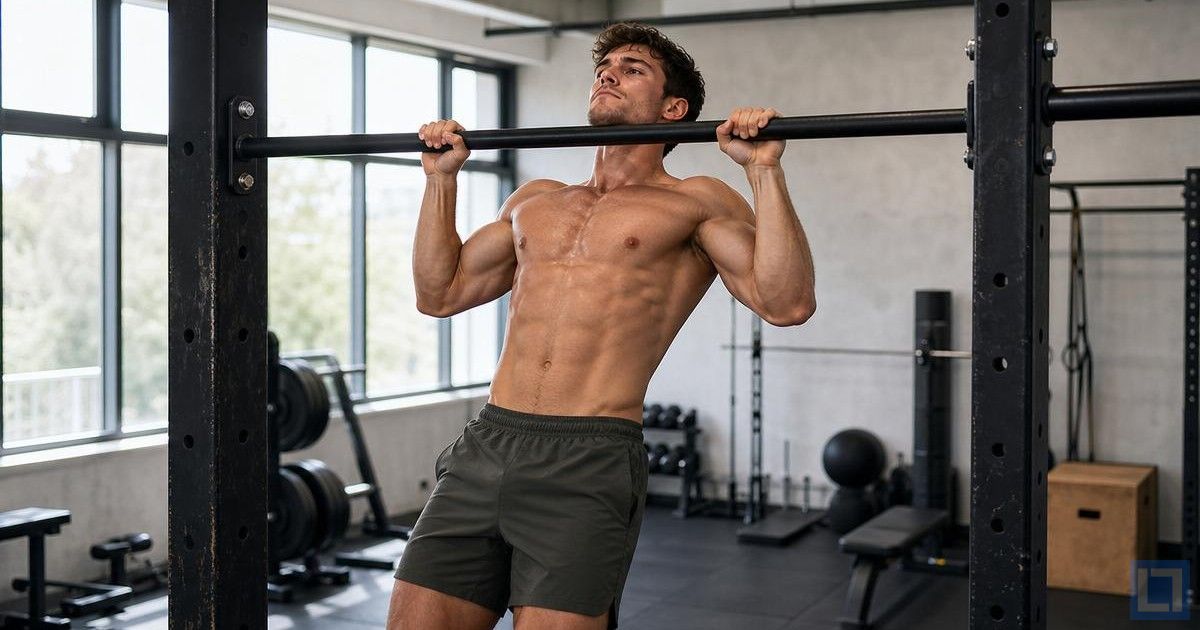
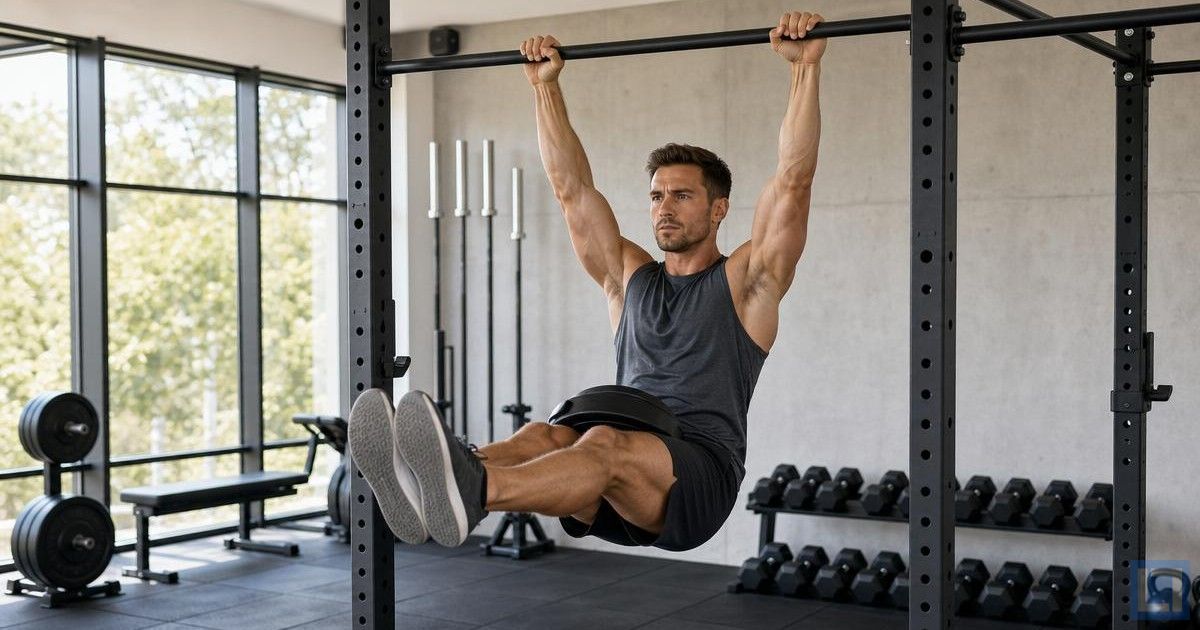
The Weighted Hanging Leg Hip Raise hangs from a pull-up bar and performs hanging leg raises with added ankle weights or a dumbbell held between the feet. The pattern produces extreme lower-ab loading.
For weighted ab training, the weighted hanging leg raise is one of the most demanding ab exercises that exists. The hanging position eliminates hip flexor cheat motions and produces strict lower-ab loading. Run it for 3 sets of 6 to 10 reps as advanced weighted lower-ab work.
Hang from a pull-up bar with overhand grip and arms fully extended. Add ankle weights or hold a dumbbell between the feet. Raise the legs by lifting the hips and pulling the knees toward the chest, finishing with the hips elevated. Lower under control to a full hang.
Weighted Seated Leg Raise on Floor

The Weighted Seated Leg Raise on Floor sits with the legs extended and lifts them off the floor while holding a dumbbell at the chest. The seated position produces strong lower-ab and hip flexor demand.
For weighted ab training, the seated leg raise is an accessible alternative to hanging leg raises. The seated position allows lifters who can’t yet perform hanging variations to train the lower abs with progressive load. Run it for 3 sets of 10 to 15 reps as accessible weighted lower-ab work.
Sit on the floor with legs extended forward. Hold a dumbbell at the chest with both hands. Lean the upper body back slightly. Lift the legs off the floor by contracting the lower abs, raising them as high as possible. Lower under control to the start without letting the heels touch the floor.
Weighted Straight Leg Toe Touch Crunch

The Weighted Straight Leg Toe Touch Crunch lies flat with legs extended straight up and crunches the upper body up to touch the toes while holding a dumbbell or weight plate. The pattern hits the upper abs through the reaching motion.
For weighted ab training, the toe touch crunch produces strong upper-ab loading combined with the reaching motion that activates the obliques as well. Run it for 3 sets of 10 to 15 reps as upper-ab focused weighted work.
Lie flat on the back with legs extended straight up toward the ceiling. Hold a dumbbell or weight plate with both hands above the chest. Crunch the upper body up by reaching the weight toward the toes. Squeeze the abs at the contracted position. Lower under control to the floor.
Weighted Seated Tuck Crunch on Floor

The Weighted Seated Tuck Crunch on Floor sits with the upper body leaned back and pulls the knees toward the chest while holding a dumbbell at the chest. The motion produces strong combined upper and lower ab loading.
For weighted ab training, the seated tuck crunch is one of the most efficient combined ab exercises that exists. The simultaneous tuck-and-crunch motion hits the entire rectus abdominis. Run it for 3 sets of 10 to 15 reps as combined weighted ab work.
Sit on the floor with legs extended and feet lifted slightly off the ground. Hold a dumbbell at the chest with both hands. Lean the upper body back to roughly 45 degrees. Pull the knees toward the chest while crunching the upper body forward. Reverse the motion to extend the legs back out. Continue in a controlled tempo.
Weighted Floor Twisting Crunch Feet on Bench

The Weighted Floor Twisting Crunch Feet on Bench lies on the floor with the feet elevated on a bench and performs twisting crunches while holding a dumbbell. The feet-elevated position increases lower-ab demand.
For weighted ab training that combines rotation and elevation, the bench-elevated twisting crunch produces strong combined upper-ab and oblique loading. The elevated leg position increases the demand on the lower abs throughout the rep. Run it for 3 sets of 10 to 12 reps per side as advanced weighted ab work.
Lie on the floor with feet on a bench so the knees and hips are bent at 90 degrees. Hold a dumbbell or weight plate at the chest. Crunch the upper body up while rotating the trunk to bring one elbow toward the opposite knee. Lower under control. Alternate sides on each rep.
How To Program These Workouts
A productive weighted ab session pulls 5 to 7 exercises from the list above. A balanced session includes one foundational mass-builder (weighted crunch or decline sit-up), one rotational exercise (Russian twist or twisting crunch), one lower-ab focused exercise (hanging leg hip raise or seated leg raise), one combined upper-and-lower ab exercise (leg extension crunch or seated tuck crunch), and one stability exercise (weighted dead bug). Run primary mass-builders for 3 to 4 sets of 8 to 15 reps; rotational work for 3 sets of 12 to 15 reps per side; advanced loaded work (hanging leg raise) for 3 sets of 6 to 10 reps. Total session covers 14 to 18 working sets.
Train weighted ab sessions 2 to 3 times per week with full rest days between sessions. The added load produces stronger fatigue than bodyweight ab work, which means more recovery is needed between sessions. Most successful programs include 2 to 3 weekly weighted ab sessions alongside daily light bodyweight ab work for the additional volume that drives progressive ab development. The combination of heavier weighted training (2 to 3 sessions per week) and lighter bodyweight maintenance (daily 5 to 10 minutes) produces stronger ab development than either format alone.
For broader ab programming, see our best ab workouts with weights and best ab workouts with dumbbells. For lower-ab specialization, see our best lower ab workouts.
Final Thoughts
The best weighted ab workouts deliver real ab muscle development through progressive overload that bodyweight ab training cannot match. The combination of foundational mass-builders, rotational work, lower-ab loading, upper-ab focus, and deep stability work covers every major ab function and produces stronger development than single-modality ab training. For lifters who have plateaued with bodyweight ab work, want serious ab thickness for visible six-pack development, or are training competitive physique sports, dedicated weighted ab training following the structure outlined here is one of the most effective approaches available.
Stay focused on progressive overload through gradual weight increases. The most common weighted ab training mistake is using the same loads week after week without progressive increases, which produces ab maintenance rather than development. The fix: track weights and reps, then add 2 to 5 pounds (or 1 to 2 reps) every 2 to 4 weeks as the current weights become easier. Quality progressive overload over months produces stronger ab muscle development than higher rep counts at static weights. The abs respond to load progression like any other muscle group.
Frequently Asked Questions
How much weight should I use for ab exercises?
Most lifters start with 10 to 20-pound dumbbells or weight plates and progress gradually. The right weight allows strict form throughout the working rep range without producing form breakdown. For most weighted ab exercises, the working rep range is 8 to 15 reps; choose weights that hit the target rep range with 1 to 2 reps left in the tank. Hanging weighted leg raises typically use 5 to 15 pounds; weighted Russian twists and crunches typically use 15 to 35 pounds for trained lifters.
Can weighted ab training give me a six-pack?
Weighted ab training builds the muscle that gives the stomach its visible shape; reducing body fat through nutrition reveals that shape. Both are required for visible six-pack abs. Most lifters need to be at 12 to 18 percent body fat for abs to show clearly. Weighted ab training handles the muscle-building side; sustainable nutrition handles the body fat side. The combination produces visible six-pack results over 12 to 24 weeks for most lifters with appropriate caloric management.
How often should I train abs with weights?
Two to three times per week works for most lifters. The added load produces stronger fatigue than bodyweight ab work, which requires recovery between sessions. Most successful programs include 2 to 3 weekly weighted ab sessions alongside daily light bodyweight ab work for additional volume. Pure daily weighted ab training typically produces accumulated fatigue without proportional growth benefit; the spaced session structure produces stronger development.
Will weighted ab training make my waist bigger?
For most lifters, no. Direct ab training produces muscle thickness through the rectus abdominis but doesn’t significantly widen the waist because the abs run vertically (not horizontally). The obliques can produce some lateral thickness with very high-volume rotational training, but this requires significant volume to produce noticeable changes. Most lifters who chase a small-waist appearance benefit from heavier ab training (which builds dense, thick muscle) rather than avoiding ab training entirely.
Bodyweight or weighted ab training for fat loss?
Both work, with different mechanisms. Bodyweight ab training produces moderate calorie burn through higher rep counts and faster transitions; weighted ab training produces lower per-set calorie burn but builds more ab muscle that increases resting metabolic rate over time. Most successful fat-loss programs include both: weighted ab training (2 to 3 sessions per week) for muscle development and bodyweight ab training or HIIT (additional sessions) for higher calorie burn. The combination produces stronger fat-loss results than either alone.