TRX leg training produces real lower body strength and stability development through suspension trainer loading that combines bodyweight progression with extreme stabilizer engagement. The format works particularly well for leg training because the TRX foot cradles enable several leg exercises that fixed-equipment training cannot replicate well: hamstring leg curls (which traditionally require a leg curl machine), single-leg squats with adjustable assistance (which build toward unsupported pistol squats), and unstable split squats with the back foot suspended (which produce stronger unilateral loading than standard split squats). Most TRX leg sessions take 35 to 45 minutes and produce strong combined leg strength and stability stimulus that complements traditional weighted leg training.
Below are ten effective TRX leg exercises that cover unilateral compounds (single leg deadlift, single leg squat, single leg split squat, suspended split squat), hamstring isolation (straight hip leg curl, standard leg curl), glute work (hip bridge, hip abduction), combined core and leg work (single leg plank), and hip-hinge training (pull through). Together they form a complete TRX leg training program that hits every major leg muscle and movement pattern. A 35 to 45-minute session pulled from this list produces strong combined leg strength, stability, and isolation stimulus.
Suspender Single Leg Deadlift

The Suspender Single Leg Deadlift performs single-leg deadlifts while holding TRX handles for support. The handles provide stability that allows the lifter to focus on the hip-hinge motion of the working leg without balance limitations.
For TRX leg training, the single leg deadlift produces strong unilateral hamstring and glute loading. The TRX support enables proper hip-hinge form that pure bodyweight versions struggle to achieve at first. Run it for 3 sets of 8 to 10 reps per leg as primary unilateral hip-hinge work.
Set up TRX with handles at chest height. Hold the handles with both hands. Stand on one leg with the other leg lifted slightly behind. Hinge at the hips of the standing leg by extending the back leg behind and lowering the upper body forward. Drive back up by extending the standing-leg hip. Switch sides between sets.
Suspender Single Leg Squat

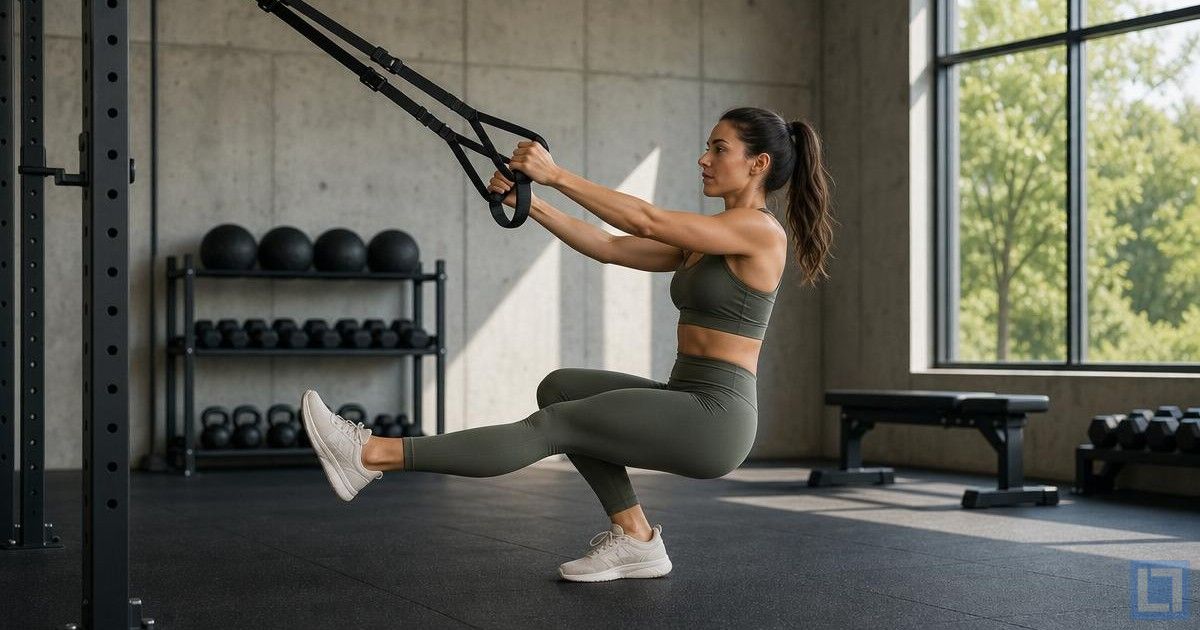
The Suspender Single Leg Squat performs pistol-style single-leg squats while holding TRX handles for support. The handles provide enough stability for lifters to perform deep single-leg squats they couldn’t complete unsupported.
For TRX leg training, the single leg squat is one of the most demanding unilateral leg exercises that exists. The TRX support enables full pistol-squat motion while building the strength to eventually perform unsupported pistol squats. Run it for 3 sets of 6 to 8 reps per leg as advanced unilateral leg work.
Set up TRX with handles at chest height. Hold the handles with both hands. Stand on one leg with the other leg extended forward. Squat down on the standing leg by sitting back deeply, descending until the working leg thigh is parallel to the floor or below. Drive back to standing through the working leg. Switch sides between sets.
Suspender Single Leg Split Squat

The Suspender Single Leg Split Squat sets up in a split squat stance with one foot in a TRX foot cradle behind the body and performs split squats. The unstable rear foot adds significant balance demand and produces strong unilateral leg loading.
For TRX leg training, the single leg split squat with foot cradle is one of the most demanding unilateral exercises that exists. The unstable rear foot produces extreme stability demand alongside the unilateral leg loading. Run it for 3 sets of 6 to 10 reps per leg as advanced unilateral leg work.
Set up TRX foot cradles at knee height. Place one foot in the cradle behind the body. Stand 2 to 3 feet in front of the cradle. Drop straight down by bending the front knee until the back knee approaches the floor. Drive through the front foot to push back to the start. Switch sides between sets.
Suspender Straight Hip Leg Curl

The Suspender Straight Hip Leg Curl lies on the back with feet in TRX foot cradles and performs leg curls by flexing the knees while keeping the hips elevated. The pattern produces direct hamstring loading combined with glute engagement.
For TRX leg training, the straight hip leg curl is one of the most direct hamstring exercises that exists with the format. The pattern hits the hamstrings through pure knee flexion while the glutes maintain hip elevation. Run it for 3 sets of 8 to 12 reps as primary hamstring isolation work.
Set up TRX foot cradles at low position. Lie face-up with both feet in the cradles. Lift the hips into a glute bridge position. Curl the heels toward the glutes by flexing the knees while keeping the hips elevated. Extend the legs back to the start. Maintain hip elevation throughout the set.
Suspender Leg Curl

The Suspender Leg Curl lies on the back with feet in TRX foot cradles and performs leg curls by flexing the knees with the hips on the floor. The pattern provides accessible hamstring loading without the hip elevation demand of straight hip leg curls.
For TRX leg training that includes accessible hamstring work, the standard leg curl produces direct hamstring loading without the additional hip stability demand. The pattern fits well as either an introductory hamstring exercise or as supplementary volume work. Run it for 3 sets of 10 to 12 reps as accessible hamstring work.
Set up TRX foot cradles at low position. Lie face-up with both feet in the cradles. Keep the hips on the floor or slightly elevated. Curl the heels toward the glutes by flexing the knees. Extend the legs back to the start. Maintain consistent body position throughout.
Suspender Single Leg Plank
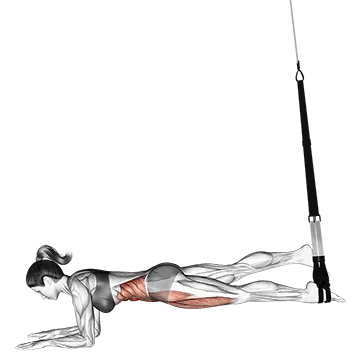
The Suspender Single Leg Plank sets up in a plank position with both feet in TRX foot cradles and lifts one foot out of the cradle, holding the position. The pattern produces extreme unilateral core stability combined with glute and hamstring loading.
For TRX leg training that includes combined core and leg work, the single leg plank produces strong combined stability and leg loading. The pattern hits the core through anti-rotation while the working leg engages to maintain position. Run it for 3 sets of 30 to 45-second holds per side as combined core and leg stability work.
Set up TRX foot cradles at low position. Get into a plank position with both feet in the cradles. Lift one foot out of the cradle and hold the leg straight up or slightly out to the side. Hold the position while maintaining tight core and stable plank. Switch sides between sets.
Suspended Split Squat

The Suspended Split Squat performs split squats with the back foot in a TRX foot cradle. The unstable back foot position produces strong unilateral leg loading combined with significant balance demand.
For TRX leg training, the suspended split squat produces strong unilateral lower-body loading. The unstable rear foot adds balance challenge to the standard split squat motion. Run it for 3 sets of 8 to 12 reps per leg as primary unilateral leg work in any TRX leg session.
Set up TRX foot cradles at knee height. Place the top of one foot in a cradle behind the body. Stand 2 to 3 feet in front of the cradle. Drop straight down by bending the front knee until the back knee approaches the floor. Drive through the front foot to push back to the start position. Switch sides between sets.
Suspension Trainer Hip Bridge

The Suspension Trainer Hip Bridge lies on the back with feet in TRX foot cradles and performs hip bridges by driving the hips up while the unstable cradles add stability demand. The pattern produces strong glute loading with stability work.
For TRX leg training, the hip bridge with cradles produces strong glute loading combined with stability demand. The pattern hits the glutes through full hip extension under unstable conditions. Run it for 3 sets of 10 to 15 reps as primary glute work in TRX leg sessions.
Set up TRX foot cradles at low position. Lie face-up on the floor with both feet in the cradles. Drive the hips up by contracting the glutes hard, lifting the hips into a bridge position. Squeeze the glutes at the top. Lower under control to the floor.
Suspension Trainer Hip Abduction

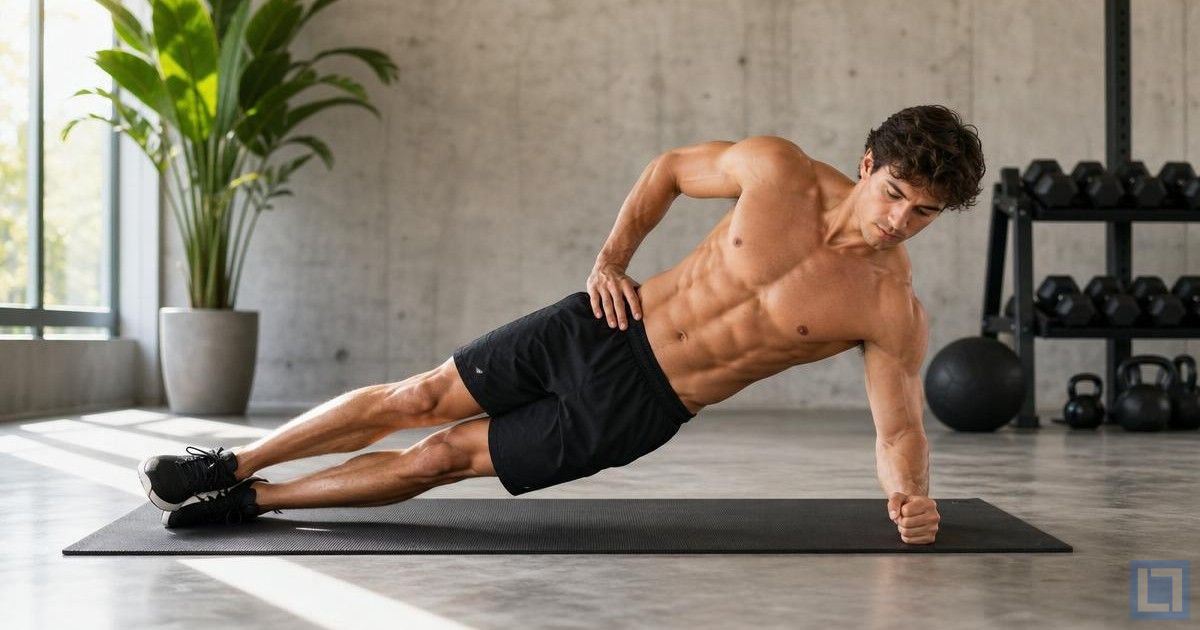
The Suspension Trainer Hip Abduction sets up in a side plank position with the bottom foot in a TRX foot cradle and lifts the top leg out and up. The pattern produces strong glute medius loading combined with side plank stability.
For TRX leg training that includes glute medius work, the hip abduction is one of the most direct exercises for the side glutes. The pattern hits the glute medius through pure hip abduction with TRX-added stability demand. Run it for 3 sets of 10 to 12 reps per side as direct glute medius work.
Set up TRX foot cradles at low position. Get into a side plank position with the bottom foot in the cradle. Lift the top leg out and up to roughly 45 degrees by abducting the hip. Lower under control. Switch sides between sets while maintaining the side plank position.
Suspension Trainer Pull Through

The Suspension Trainer Pull Through stands facing the TRX with handles between the legs, hinges at the hips while pulling the handles through the legs, then drives back to standing by extending the hips. The pattern produces strong hip-hinge loading.
For TRX leg training, the pull through is one of the most direct hip-hinge exercises that exists with the format. The pattern hits the glutes and hamstrings through pure hip extension under TRX resistance. Run it for 3 sets of 10 to 12 reps as TRX hip-hinge and glute work.
Set up TRX with handles at low height between the legs. Stand facing away from the anchor with the handles between the legs and arms extended down between the thighs. Hinge at the hips by pushing the hips back while letting the arms extend behind the body. Drive back to standing by extending the hips, pulling the handles forward through the legs.
How To Program These Workouts
A productive TRX leg session pulls 6 to 8 exercises from the list above. A balanced session includes one heavy unilateral compound (single leg squat or single leg deadlift), one suspended split squat variation, one hamstring isolation (straight hip leg curl), one glute exercise (hip bridge or hip abduction), one hip-hinge exercise (pull through), and optionally one stability exercise (single leg plank). Run primary unilateral compounds for 3 to 4 sets of 6 to 10 reps per leg; isolation work for 3 sets of 8 to 12 reps; isometric holds for 3 sets of 30 to 45 seconds per side. Total session covers 18 to 24 working sets across all major leg functions.
Train TRX leg sessions 1 to 2 times per week as part of broader leg or full-body programming. The legs recover within 48 to 72 hours of moderate training. Most successful programs include 1 to 2 weekly TRX leg sessions, which works well as either a complete leg program (for travelers, home gym setups) or as supplementary work alongside traditional barbell leg training. The format works particularly well as a hamstring-and-glute-focused session paired with a heavier barbell quad-focused session for complete lower body development.
For broader TRX programming, see our best trx workouts and best full body trx workouts. For specific TRX work, see our best trx core workouts.
Final Thoughts
The best TRX leg workouts deliver real lower body strength and stability development through suspension trainer loading that engages the entire lower body in every exercise. The combination of unilateral compounds, hamstring isolation, glute work, hip-hinge training, and stability exercises covers every major leg function and produces broader functional development than fixed-equipment training alone. For lifters who want a complete leg training program with one piece of equipment, want to add suspension training to existing programs, or need effective leg training in any setting (home, travel, outdoor), TRX leg training is one of the most versatile options available.
Stay focused on body angle and alignment to scale difficulty. The most common TRX leg training mistake is using the same body angle throughout the workout regardless of fatigue, which produces compromised form on the harder unilateral exercises. The fix: adjust body angle and TRX position based on the difficulty of each exercise (more vertical body angle and more TRX support for harder exercises like single leg squats, less support for accessory work). The TRX scales naturally based on body angle and loading; respecting that flexibility through deliberate adjustments produces stronger training stimulus than fixed positions with deteriorating form.
Frequently Asked Questions
Can TRX build leg muscle?
Yes for beginners through intermediate lifters. The combination of progressive overload (changing body angle to make exercises harder, progressing toward unsupported single-leg variations), appropriate volume, and consistent nutrition produces real leg muscle development for the first 12 to 24 months of training. Advanced lifters chasing maximum leg muscle typically benefit from adding heavier resistance training (barbell squats, deadlifts), but TRX continues to provide useful supplementary stimulus and stability development.
How long should TRX leg workouts be?
Thirty-five to forty-five minutes per session works for most lifters. The format includes 6 to 8 exercises across unilateral compounds, isolation work, and stability training, which requires 35 to 45 minutes for proper sets and rest. Shorter sessions (20 to 30 minutes) work for HIIT-style TRX leg circuits but limit per-exercise volume.
How often should I do TRX leg workouts?
One to two times per week works for most lifters. The legs recover within 48 to 72 hours of moderate training. Most successful programs include 1 to 2 weekly TRX leg sessions, which works well as either a complete leg program or supplementary work alongside traditional gym training. Beginners should start with 1 weekly session and progress to 2 as recovery capacity builds.
Can TRX replace barbell squats?
For beginners through intermediate lifters, yes for general fitness and leg development goals. TRX produces real leg strength and muscle development for the first 12 to 18 months of consistent training, especially through unilateral exercises like single leg squats and split squats. Advanced lifters chasing maximum leg strength typically benefit from adding barbell squats, but TRX continues to provide useful supplementary stimulus.
Do I need a heavy TRX for leg training?
Standard TRX or comparable suspension trainers work well for leg training. Most quality suspension trainers ($50 to $200) handle the load demands of leg training. The leg exercises don’t require specialty heavy-duty TRX models. The exercises depend on the suspension format (two adjustable straps with handles and foot cradles), not the specific brand or weight rating beyond standard products. Most home gym setups work with $50 to $200 suspension trainers from any major brand.