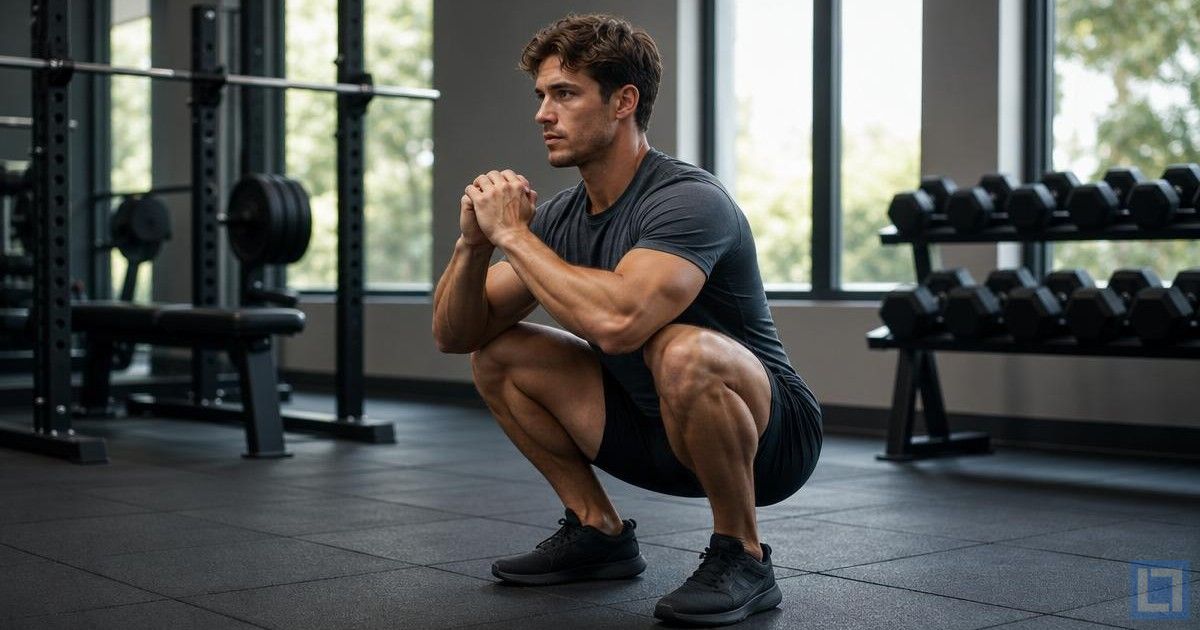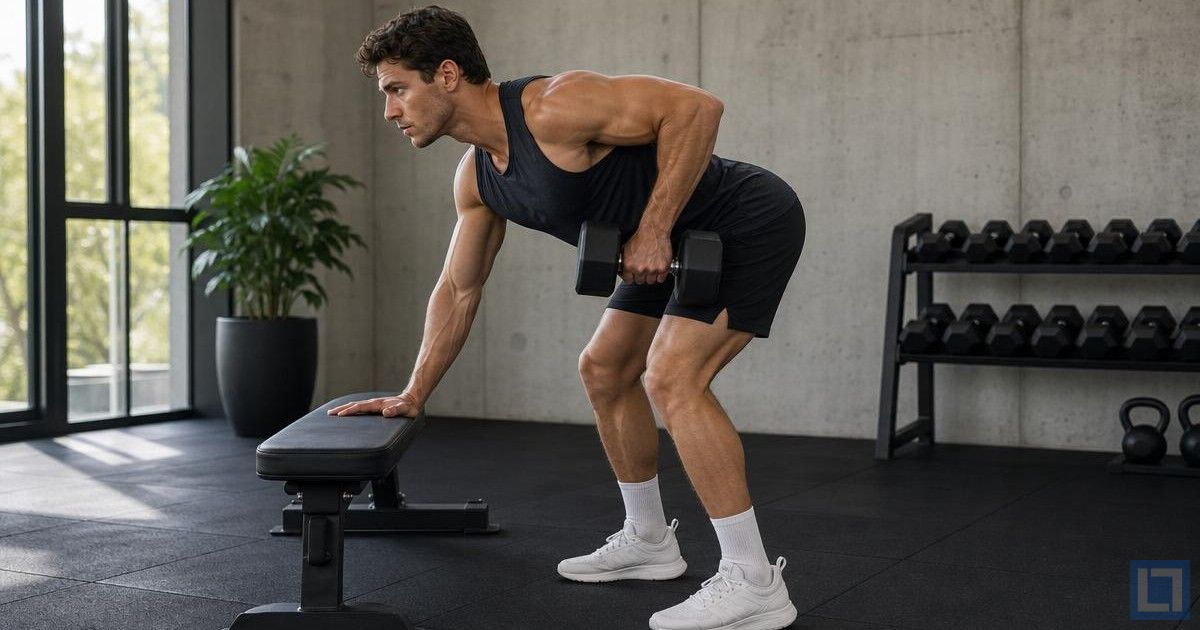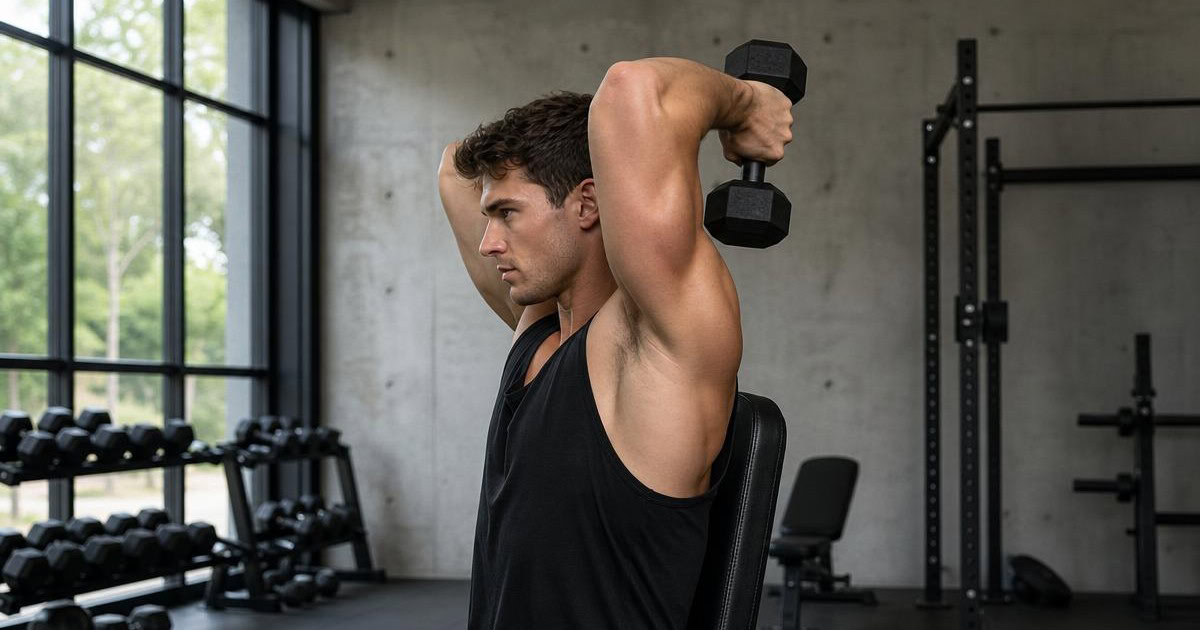
The lateral head of the triceps is the outer head of the triceps muscle – sitting on the outside of the upper arm and creating the visible horseshoe shape that defines impressive tricep development. The lateral head activates strongest in the locked-out arm position with elbows tucked at the sides (the standard cable pushdown position). A well-developed lateral head produces: visible tricep horseshoe shape from the back and side views, the outer arm thickness that defines aesthetic arms, balanced tricep development alongside the long and medial heads, and the visible tricep definition that supports the impressive arm appearance. Most lifters who want bigger triceps but specifically lack the visible horseshoe shape need to emphasize lateral head training – long head-dominant programs (focusing only on overhead extensions) miss the lateral head development that creates the visible outer arm thickness. The right lateral head training emphasizes: cable pushdowns with tucked elbows (the most direct lateral head activation), heavy compound pressing (close grip bench, dips), and isolation that emphasizes the locked-out position (kickbacks, lying extensions with peak contraction).
Below are ten of the most effective exercises for lateral head tricep development, covering primary lateral head isolation (cable pushdown, cable reverse grip pushdown), heavy compound work (barbell close grip bench press, triceps dip), kickback variations for lockout emphasis (cable two arm tricep kickback, dumbbell kickback, dumbbell prone triceps kickback), tricep isolation (dumbbell lying triceps extension, barbell lying triceps extension skull crusher), and accessible compound tricep work (push-ups). Together they form a complete lateral head tricep program. A 25 to 35-minute lateral head-focused session pulled from this list, performed 1 to 2 times per week (or as primary tricep work in arm/upper-body sessions), produces strong lateral head tricep development for any lifter focused on building the visible tricep horseshoe.
Cable Pushdown

The Cable Pushdown performs cable tricep pushdowns. The pattern produces direct lateral head tricep loading.
For lateral head tricep development, the cable pushdown is foundational. The lateral head activates strongly during pushdown lockouts. Run it for 4 sets of 10 to 15 reps as primary lateral head work.
Stand at a cable station with a high pulley and straight bar attachment. Grip the bar with overhand grip and elbows tucked tight at the sides. Push the bar down by extending the elbows until the arms are fully straight. Squeeze the triceps hard at peak with focus on the outside of the arm (lateral head). The lateral head activates strongest in the locked-out position with elbows tucked. Return under control. The pattern is foundational for lateral head development – the elbows-tucked overhand grip pushdown is the most direct lateral head activation possible. Most lateral head training programs prioritize cable pushdowns as primary work.
Barbell Close Grip Bench Press

The Barbell Close Grip Bench Press performs bench press with a close grip. The pattern produces heavy compound tricep work with lateral head emphasis.
For lateral head tricep development, the close grip bench produces compound tricep loading with strong lateral head involvement. Run it for 3 to 4 sets of 6 to 10 reps as heavy compound work.
Lie on a flat bench. Grip the bar with hands shoulder-width apart. Unrack the bar and position it over the chest. Lower the bar to the lower chest by bending the elbows while keeping them relatively close to the sides. Press the bar back up by extending the arms with full lockout. The triceps work hard through compound pressing with the lateral head activating strongly during the lockout phase. The pattern produces foundational tricep mass and strength – compound pressing produces the heaviest possible tricep loading and builds the lateral head mass that isolation alone cannot match.
Triceps Dip

The Triceps Dip performs bodyweight dips. The pattern produces compound tricep work with strong lateral head loading.
For lateral head tricep development, dips produce strong compound lateral head loading. Run it for 3 to 4 sets of 8 to 15 reps as compound tricep work.
Position yourself between parallel bars with the body suspended above. Stay upright (do not lean forward – upright position emphasizes triceps including lateral head). Lower the body by bending the elbows until the upper arms are roughly parallel to the floor. Press back up by extending the arms with full lockout. The triceps work hard through compound pressing with strong lateral head activation. The pattern produces compound lateral head loading – one of the most effective lateral head mass builders. Progress with weighted dips for advanced strength as bodyweight reps become easy.
Cable Two Arm Tricep Kickback

The Cable Two Arm Tricep Kickback performs kickbacks with cables. The pattern produces direct lateral head loading at full extension.
For lateral head tricep development, the cable kickback produces direct lateral head loading at full elbow extension where the lateral head activates strongest. Run it for 3 sets of 10 to 12 reps as lateral head isolation work.
Stand at a cable station with low pulley and rope or single-handle attachment. Bend forward at the hips with a flat back. Grip the cable handles with elbows bent at 90 degrees and upper arms parallel to the floor. Extend the elbows until the arms are fully straight. The lateral head activates strongly during the lockout phase. Return under control. The pattern produces direct lateral head loading through the full extension position – the kickback motion emphasizes the lateral head during peak contraction. Excellent for direct lateral head isolation.
Dumbbell Kickback

The Dumbbell Kickback performs dumbbell kickbacks. The pattern produces direct tricep extension at full lockout where lateral head activates strongly.
For lateral head tricep development, the dumbbell kickback produces lateral head loading at full elbow extension. Run it for 3 sets of 10 to 12 reps per arm as lateral head isolation work.
Bend forward at the hips with a flat back, supporting yourself on a bench or other surface with one hand. Hold a dumbbell in the other hand with elbow bent at 90 degrees and upper arm parallel to the floor. Extend the elbow until the arm is fully straight – hold the lockout briefly. The lateral head activates strongly during the lockout phase. Return to start. Switch arms between sets. The pattern produces direct lateral head loading through the full extension position – emphasize the lockout for maximum lateral head activation.
Dumbbell Lying Triceps Extension

The Dumbbell Lying Triceps Extension performs lying tricep extensions. The pattern produces direct tricep loading including lateral head.
For lateral head tricep development, the lying tricep extension produces direct tricep loading with lateral head involvement. Run it for 3 sets of 10 to 12 reps as direct tricep isolation.
Lie on a flat bench holding dumbbells over the chest with arms straight and palms facing each other. Lower the dumbbells back toward the head by bending the elbows while keeping the upper arms relatively vertical. The triceps work hard through pure elbow extension – all three heads work, with lateral head activating during lockout. Press the dumbbells back up by extending the elbows. The pattern produces strong tricep loading and develops lateral head through full elbow extension at peak.
Cable Reverse Grip Pushdown

The Cable Reverse Grip Pushdown performs reverse-grip cable pushdowns. The pattern produces lateral head emphasis through the underhand grip.
For lateral head tricep development, the reverse-grip pushdown emphasizes the lateral head through the underhand grip. Run it for 3 sets of 10 to 12 reps as lateral head variation work.
Stand at a cable station with a high pulley and straight bar attachment. Grip the bar with underhand grip (palms facing up). Keep elbows tucked at the sides. Push the bar down by extending the elbows until the arms are fully straight. The reverse grip shifts tricep emphasis toward the medial and lateral heads. Squeeze hard at peak. Return under control. The pattern produces unique lateral head loading through the reverse grip – excellent variation work that complements standard pushdowns.
Barbell Lying Triceps Extension Skull Crusher

The Barbell Lying Triceps Extension Skull Crusher performs skull crushers. The pattern produces direct tricep loading.
For lateral head tricep development, the skull crusher produces direct tricep loading with lateral head involvement. Run it for 3 sets of 8 to 12 reps as primary tricep isolation work.
Lie on a flat bench holding a barbell over the chest with hands shoulder-width apart. Lower the barbell back toward the head by bending the elbows while keeping the upper arms relatively vertical. Press the bar back up by extending the elbows with full lockout. The triceps work hard with lateral head activating strongly at lockout. The pattern produces strong tricep loading and emphasizes lockout strength – critical for lateral head development.
Push Ups

The Push Ups perform bodyweight push-ups. The pattern produces compound tricep work with lateral head activation at lockout.
For lateral head tricep development, push-ups produce compound tricep loading with lateral head activation during the lockout phase. Run it for 3 sets of 12 to 25 reps as compound tricep work.
Get into a push-up position with hands shoulder-width apart and body in a straight line from head to ankles. Lower the body by bending the elbows until the chest nearly touches the floor. Press back up by extending the arms with full lockout – the lateral head activates strongly during the press lockout. The pattern produces compound tricep loading with lateral head emphasis. Use diamond push-ups (hands close together) for greater tricep emphasis. Excellent for finishing volume in tricep training.
Dumbbell Prone Triceps Kickback

The Dumbbell Prone Triceps Kickback performs lying-face-down kickbacks. The pattern produces lateral head loading from a stable position.
For lateral head tricep development, the prone kickback produces lateral head loading from a stable supported position. Run it for 3 sets of 10 to 12 reps per arm as lateral head isolation work.
Lie face-down on an incline bench (or flat bench). Hold dumbbells in each hand with elbows bent at 90 degrees and upper arms close to the torso. Extend the elbows until the arms are fully straight behind the body. The lateral head activates strongly during the lockout phase. Return to start. The pattern produces direct lateral head loading from a stable position that prevents cheating – the supported torso position forces strict tricep loading. Excellent for direct lateral head isolation with prevented form breakdown.
How To Program These Workouts
A productive lateral head tricep session pulls 5 to 7 exercises from the list above. A common balanced session: cable pushdown (lateral head emphasis), barbell close grip bench press (heavy compound), triceps dip (compound), dumbbell kickback (lockout emphasis), dumbbell lying triceps extension (isolation), push-ups (finishing). For lateral head priority focus: cable pushdown, cable reverse grip pushdown, cable two arm tricep kickback, dumbbell kickback, dumbbell prone triceps kickback. For mass focus: barbell close grip bench press, triceps dip, barbell lying triceps extension skull crusher, dumbbell lying triceps extension. Run heavy compound work for 3 to 4 sets of 6 to 10 reps, isolation work for 3 to 4 sets of 8 to 12 reps, kickback variations for 3 sets of 10 to 12 reps. Total session covers 18 to 22 working sets focused on tricep development.
Train lateral head triceps 1 to 2 times per week as part of complete tricep programming. Most successful tricep programs structure work as: 1) primary tricep day (4 to 6 tricep exercises with mix of compound and isolation including lateral head emphasis), 2) accessory tricep work in chest day (additional pressing-based tricep work), 3) integrated lateral head emphasis (focus on full lockout with elbows tucked in every tricep exercise). The lateral head responds well to higher rep ranges (10 to 15 reps) with focus on full elbow extension at peak contraction. Most lifters who under-develop lateral head simply fail to emphasize the elbows-tucked lockout position – the fix is conscious focus on elbows tucked with full extension.
For broader programming, see our best tricep workouts and how to build bigger arms. For specific work, see our best medial head tricep exercises.
Final Thoughts
The best lateral head tricep exercises deliver the visible tricep horseshoe shape through training that targets the outer head of the triceps: lockout-focused isolation with elbows tucked (cable pushdowns), heavy compound pressing (close grip bench, dips), kickback variations for lateral head emphasis, and adequate volume across both compound and isolation work. The combination of cable pushdowns (multiple variations), close grip bench, dips, kickbacks (cable, dumbbell, prone), lying tricep extensions, skull crushers, and push-ups covers every functional pattern of the lateral head and produces the visible tricep horseshoe shape that incomplete tricep training never achieves. Many lifters discover the visible tricep horseshoe, broader outer arm appearance, and complete arm development within 12 to 16 weeks of adding consistent lateral head work. For lifters with underdeveloped triceps, lacking the visible horseshoe shape, or seeking complete arm development, dedicated lateral head training is one of the most effective interventions available.
Stay focused on elbows tucked with full extension at lockout. The most common mistake lifters make in lateral head training is failing to keep the elbows tucked at the sides during pushdowns and lockouts – flared elbows shift loading toward other tricep heads while reducing lateral head activation. The fix: keep elbows tucked tight at the sides throughout every cable pushdown and isolation rep, complete every rep with full elbow extension, and emphasize peak contraction at the lockout. The lateral head activates strongest with elbows tucked at the locked-out position – emphasize this position in every lateral head exercise for maximum activation. Combined with adequate volume, proper technique produces the visible tricep horseshoe shape.
Frequently Asked Questions
What’s the lateral head of the tricep?
The outer head of the triceps – creates the visible horseshoe shape. The triceps has three heads: long (upper inside), lateral (outside), and medial (deep). The lateral head sits on the outside of the upper arm and creates the visible horseshoe shape from back and side views. The lateral head activates strongest in the locked-out arm position with elbows tucked at the sides (the standard cable pushdown position). Combined with the long head (overhead positions) and medial head (lockout), the lateral head produces complete tricep aesthetics.
How do I get the tricep horseshoe?
Train the lateral head with elbows tucked at lockout. Cable pushdowns with elbows tucked tight at the sides and full extension at lockout produce the most direct lateral head activation. Heavy close grip bench press emphasizes the lateral head during the lockout phase. Kickback variations emphasize the locked-out position. Combined with isolation work that emphasizes peak contraction (lying tricep extensions, skull crushers), these exercises produce the visible tricep horseshoe within 12 to 16 weeks of consistent training. Note that visible horseshoe also requires low body fat to show through.
What’s the best exercise for the lateral head of the tricep?
Cable pushdowns with elbows tucked. The standard cable pushdown with overhand grip and elbows tucked tight at the sides produces the most direct lateral head loading possible – the elbows-tucked position with full extension is the optimal lateral head activation pattern. Combined with heavy compound pressing (close grip bench, dips), kickback variations, and lying tricep extensions, cable pushdowns form the foundation of lateral head development. Most lateral head-focused programs prioritize cable pushdowns as primary work.
Why is lateral head development important?
For tricep horseshoe shape and arm aesthetics. The lateral head creates the visible horseshoe shape that defines impressive tricep development. Without lateral head development, triceps appear flat and undefined despite long head and medial head training. The lateral head also contributes substantially to overall tricep mass and lockout strength. Most lifters with the most impressive triceps have built them on consistent lateral head training combined with long head and medial head work.
How often should I train lateral head triceps?
1 to 2 times per week as part of complete tricep programming. Most successful tricep programs include 4 to 6 tricep exercises per session with appropriate lateral head emphasis through cable pushdowns and elbows-tucked lockouts. The lateral head recovers reasonably quickly and tolerates higher frequency for those wanting accelerated development. Athletes prioritizing tricep development often train triceps 2 to 3 times per week with appropriate volume distribution. Total weekly tricep volume should be 12 to 20+ working sets distributed across all three heads.