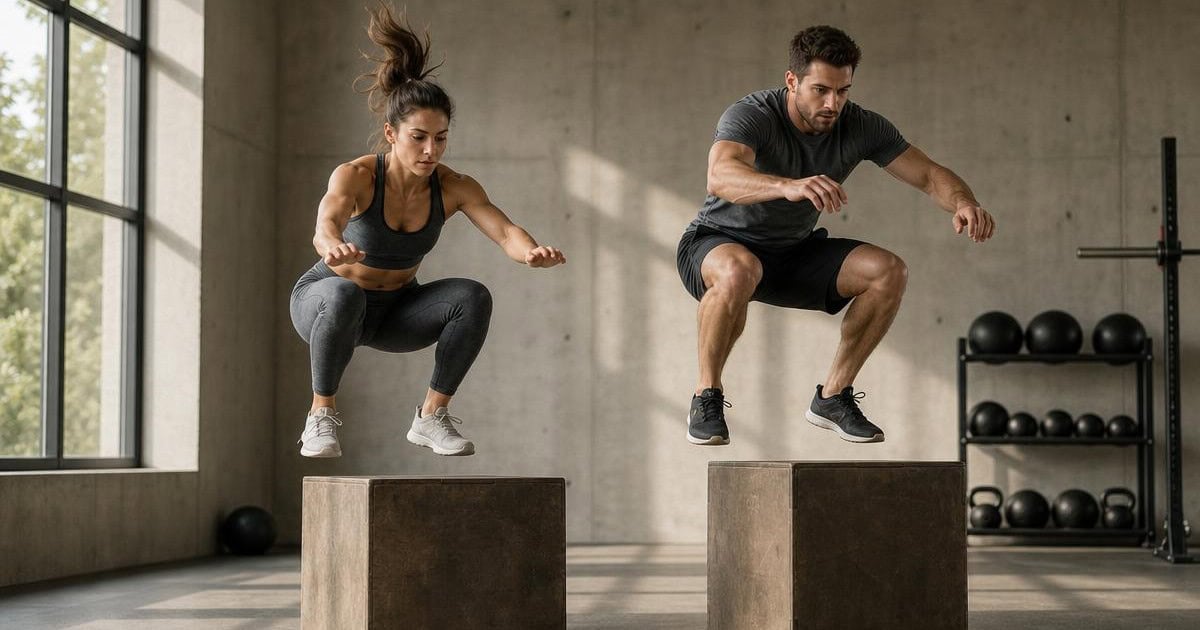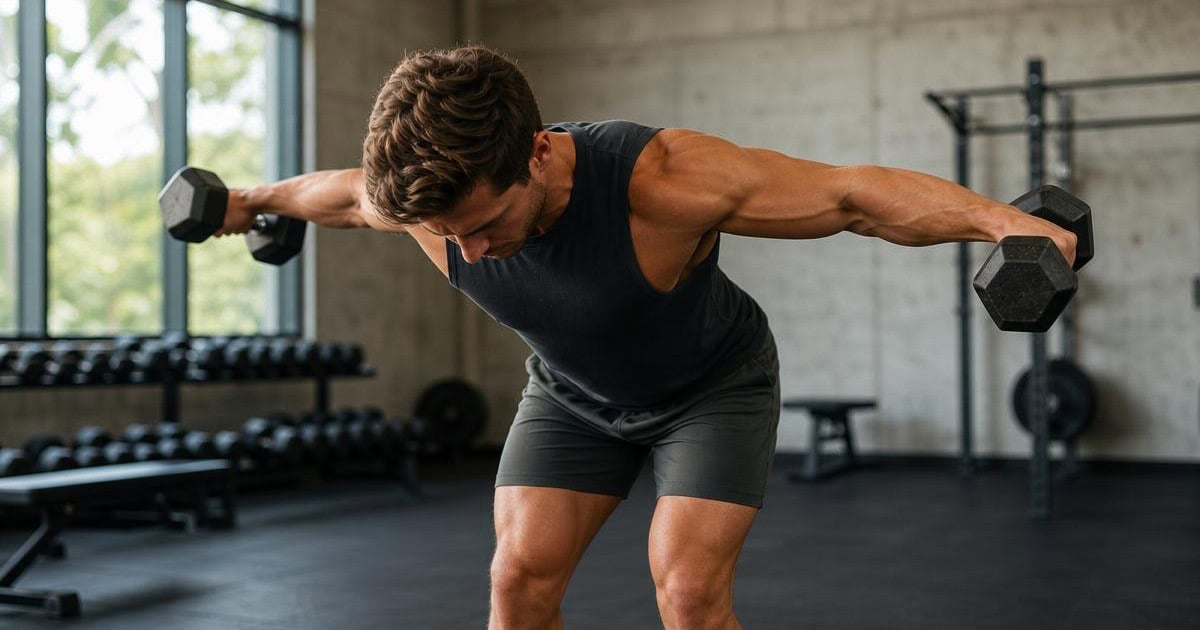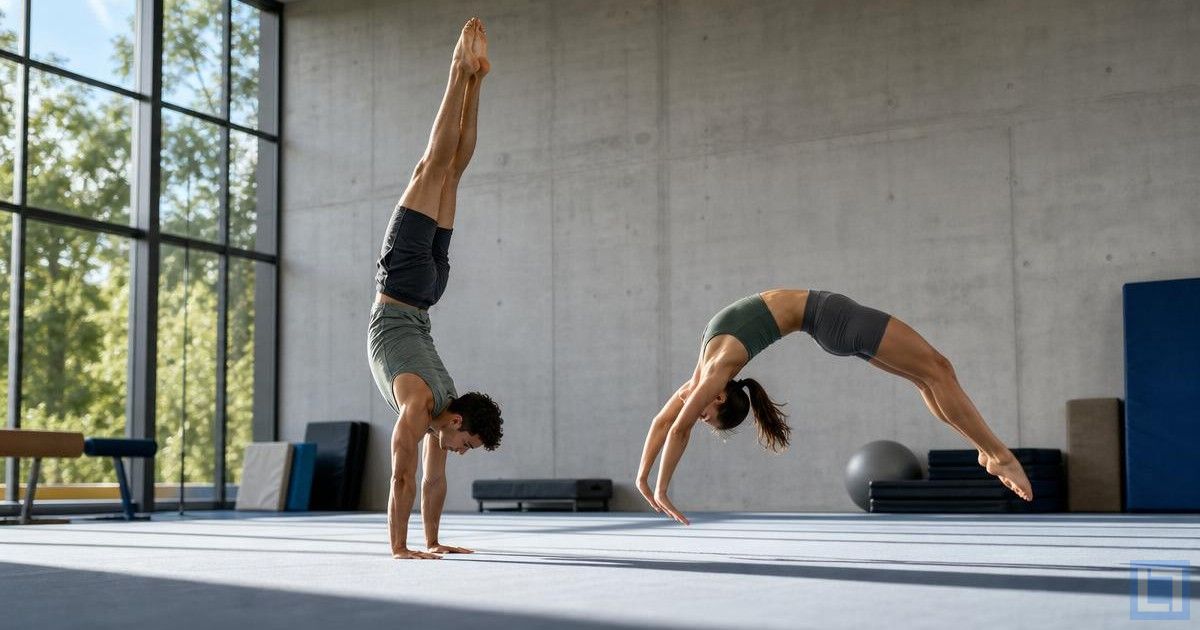
Gymnastics-style training produces some of the most impressive bodyweight strength and body-control development available because the discipline emphasizes isometric strength (holds), advanced bodyweight skills (handstand, muscle-up, L-sit), and full-body coordination through complex movements that require strength at every joint. The combination produces the kind of lean, dense muscle development that gymnasts are known for: visible six-packs from hollow body training, broad shoulders from handstand work, thick lats from pulling progressions, and overall body composition that combines strength with leanness. Most non-gymnasts who add gymnastics-style training to their programs see measurable improvements in core strength, shoulder stability, and overall body control within 8 to 12 weeks.
Below are ten effective gymnastics-style exercises that cover foundational isometric holds (hollow hold, L-sit, handstand hold), foundational compound bodyweight exercises (pull-up, plyo push-up, hanging leg raise), advanced skills (muscle-up, kipping handstand push-up), and progression exercises toward elite skills (pseudo planche push-up for planche, archer pull-up for one-arm pull-up). Together they form a complete gymnastics-style training program that fits any setting from home to gymnastics gym to outdoor pull-up bar. Pull 5 to 6 exercises per session and rotate the selection across sessions for complete development.
Hollow Hold
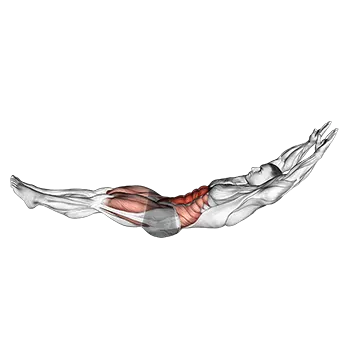
The Hollow Hold lies on the back with arms extended overhead and legs lifted slightly off the floor, holding the body in a banana-curve position. The isometric loading produces extreme abdominal demand throughout the position and is the foundational gymnastics core position.
For gymnastics training, the hollow hold is the foundational core exercise. The pattern produces continuous full-body tension with the abs as the primary working muscle. Most gymnastics-trained athletes have visible six-packs primarily from hollow body training. Run it for 4 to 5 sets of 30 to 60-second holds as primary gymnastics core work.
Lie flat on the back with arms extended overhead. Press the lower back firmly into the floor. Lift the shoulder blades slightly off the floor. Lift the legs slightly off the floor. The body forms a slight banana curve with the abs braced hard. Hold while breathing normally. Maintain tension throughout the entire hold.
L-sit
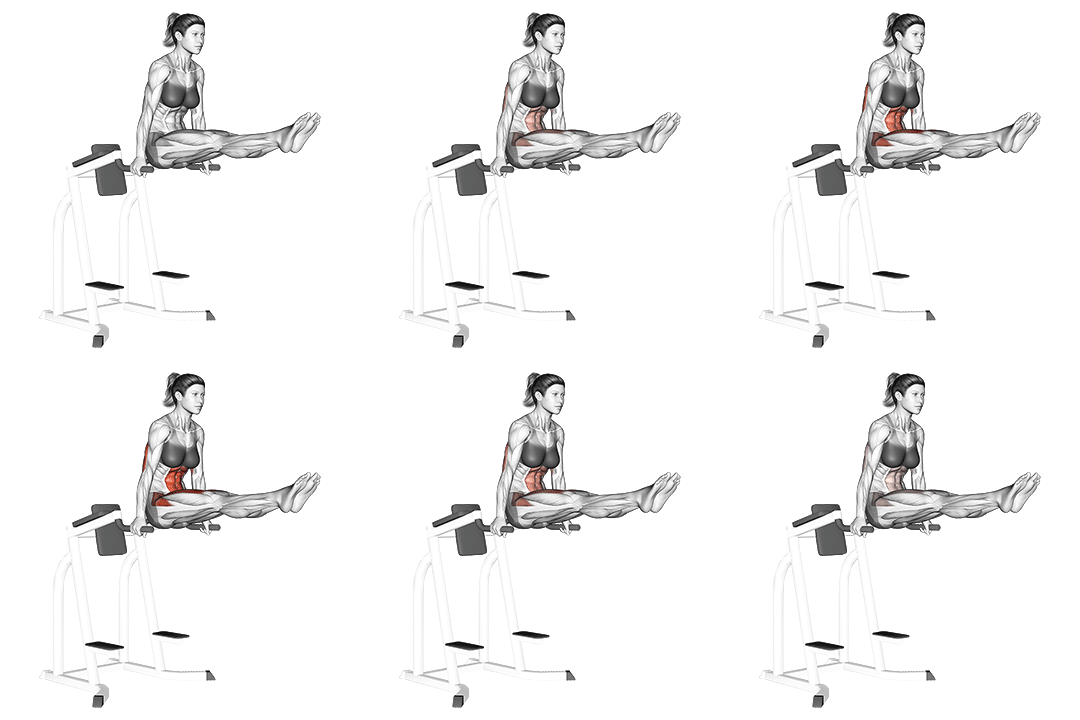
The L-sit supports the body on parallel bars or the floor with the legs extended out parallel to the floor, forming an L shape. The exercise produces extreme abdominal, hip flexor, and shoulder demand alongside grip strength.
For gymnastics training, the L-sit is the gold-standard isometric strength exercise. The pattern combines core strength, hip flexor strength, and shoulder stability into a single demanding hold. Most lifters cannot hold the full L-sit initially; tucked progressions build to the full position over 4 to 8 weeks. Run it for 3 to 4 sets of 10 to 30-second holds as primary gymnastics strength work.
Position the body on parallel bars (or the floor with palms down). Press the body up so the hips lift off the support, with arms locked out and shoulders depressed. Extend the legs out parallel to the floor, forming an L shape. Hold while contracting the abs and hip flexors hard. End the hold when form breaks down.
Handstand Hold on Wall
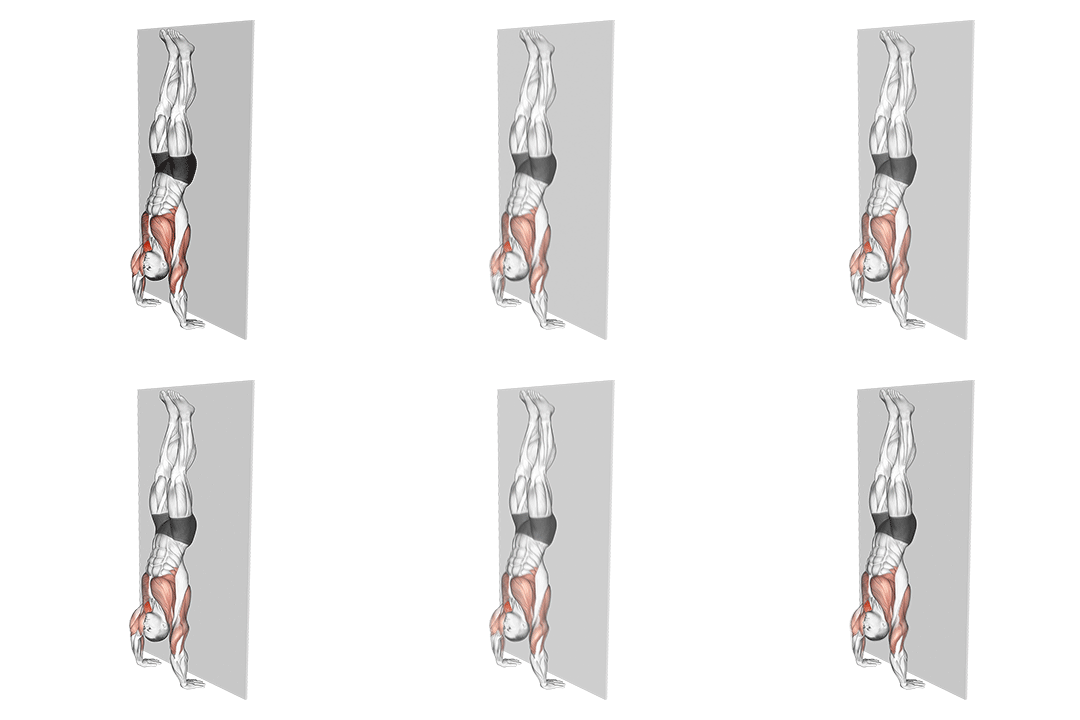
The Handstand Hold on Wall kicks up into a handstand position with the heels resting against a wall for balance support, then holds the inverted position. The exercise builds the shoulder, core, and wrist strength foundation for free-standing handstands.
For gymnastics training, the wall handstand is the foundational handstand exercise. The pattern develops the shoulder, core, and wrist strength needed for advanced handstand work without requiring full balance ability. Run it for 3 to 4 sets of 30 to 60-second holds as primary handstand work.
Face away from a wall in a high plank position with feet near the wall. Walk the feet up the wall while walking the hands toward the wall, ending in a handstand position with heels resting against the wall. Brace the core hard and depress the shoulders. Hold the position. Walk the feet back down to release.
Pull Up

The Pull Up grips an overhead bar with palms facing away and pulls the body up until the chin clears the bar. The exercise is the foundational gymnastics pulling strength exercise and a non-negotiable lift in any productive gymnastics program.
For gymnastics training, the pull-up is the foundational pulling exercise. The pattern hits the lats, mid-back, biceps, and forearms simultaneously and forms the strength foundation for advanced gymnastics moves like muscle-ups and front levers. Run it for 4 to 5 sets of 6 to 12 reps as primary pulling work.
Hang from an overhead bar with palms facing away (overhand grip), hands shoulder-width apart. Pull the body up by driving the elbows down and back until the chin clears the bar. Lower under control to a full hang. Avoid kipping or swinging in strict gymnastics-style training.
Muscle Up

The Muscle Up combines a pull-up with a transition over the bar into a dip position, ending with arms locked out above the bar. The exercise is one of the most demanding bodyweight upper-body movements and a benchmark gymnastics skill.
For gymnastics training, the muscle-up is the gold-standard advanced bodyweight upper-body exercise. The pattern requires significant pulling strength, transition technique, and dipping strength. Most lifters need 12+ strict pull-ups before attempting muscle-ups. Run it for 3 sets of 3 to 6 reps as advanced full upper-body work.
Hang from an overhead bar (rings or pull-up bar) with palms facing away. Pull up explosively while leaning the chest over the bar in a transition motion. Push the body up over the bar into a dip position with arms locked out. Lower under control through the transition back to a hang.
Plyo Push Up

The Plyo Push Up performs push-ups with explosive enough force at the top to lift the hands off the floor briefly. The plyometric loading produces strong fast-twitch chest fiber recruitment and translates to gymnastics dynamic skills.
For gymnastics training that includes upper-body explosive power, the plyo push-up develops the explosive pressing strength that translates to gymnastics dynamic skills like muscle-up transitions and advanced handstand work. Run it for 3 sets of 8 to 10 reps as explosive upper-body work.
Set up in a standard push-up position. Lower the chest to within an inch of the floor by bending the elbows. Press explosively upward with enough force to lift the hands off the floor briefly. Land softly back into the next rep. Continue with controlled but explosive tempo.
Hanging Leg Raise

The Hanging Leg Raise hangs from an overhead bar and lifts the legs up in front of the body to roughly horizontal or higher. The pattern produces extreme abdominal demand combined with grip and shoulder stability work.
For gymnastics training, the hanging leg raise is one of the most demanding direct core exercises that exists. The pattern hits the lower abs and hip flexors with significant loading while requiring grip strength and shoulder stability. Run it for 3 to 4 sets of 8 to 12 reps as gymnastics core work.
Hang from an overhead bar with overhand grip, arms fully extended. Lift the legs up in front of the body to roughly horizontal, contracting the abs hard at the top. Lower under control without swinging. Avoid using momentum. Progress toward toes-to-bar over time.
Pseudo Planche Push-up

The Pseudo Planche Push-up performs push-ups with hands placed near the hips (rather than under the shoulders) and fingers pointed toward the feet. The forward lean produces extreme shoulder loading similar to planche progressions.
For gymnastics training that builds toward planche, the pseudo planche push-up is the foundational planche progression exercise. The pattern develops the shoulder strength and lean angle required for full planche work. Run it for 3 sets of 5 to 10 reps as primary planche progression work.
Set up in a push-up position with hands placed near the hips (rather than under the shoulders), fingers pointed toward the feet. Lean the body forward so most weight shifts onto the hands and shoulders. Lower the chest down by bending the elbows. Press back to lockout while maintaining the forward lean.
Archer Pull-up

The Archer Pull-up performs pull-ups with most of the body weight loaded on one arm at a time, with the other arm extended out to the side for balance. The pattern produces near-unilateral pulling loading and is a progression toward one-arm pull-ups.
For gymnastics training that progresses past standard pull-ups, the archer pull-up is one of the most direct unilateral pulling exercises that exists. The pattern produces 70 to 80 percent unilateral loading without requiring full one-arm pull-up strength. Run it for 3 sets of 4 to 6 reps per side as advanced gymnastics pull work.
Hang from an overhead bar with hands significantly wider than shoulder-width. Pull toward one hand by bending that elbow while keeping the other arm relatively straight (acting as a brace). The body angles toward the working side. Lower under control. Pull toward the opposite side on the next rep.
Kipping Handstand Push-up

The Kipping Handstand Push-up performs handstand push-ups using a hip kip to assist with the upward press. The kipping motion allows higher rep counts than strict handstand push-ups by leveraging momentum from the lower body.
For gymnastics training that includes overhead pressing volume, the kipping handstand push-up allows higher rep counts than strict variations. The pattern develops the shoulder strength and overhead position control needed for advanced gymnastics work. Run it for 3 sets of 5 to 10 reps as advanced pressing work.
Kick up to a handstand position against a wall (or freestanding for advanced practitioners). Lower the body by bending the elbows until the head approaches the floor. Use a hip kip motion (drive the knees toward the chest then snap the legs back) to assist the upward press. Continue at controlled tempo.
How To Program These Workouts
A productive gymnastics-style program organizes these exercises across 3 to 4 weekly sessions with skill work, strength work, and conditioning components. A standard session: skill practice (5 to 10 minutes of L-sit holds and handstand holds), pulling work (pull-ups for 4 sets, archer pull-ups for 3 sets, muscle-up practice for 3 sets), pressing work (plyo push-ups for 3 sets, pseudo planche push-ups for 3 sets, kipping handstand push-ups for 3 sets), core work (hollow holds for 3 sets, hanging leg raises for 3 sets). Total session covers 60 to 75 minutes of focused training.
Train gymnastics-style 3 to 4 times per week with full rest days between sessions. The high systemic demand of gymnastics-style training (especially advanced skills like muscle-ups and handstand push-ups) requires more recovery than bodybuilding-style training. Most successful programs include 3 to 4 sessions per week with at least 1 to 2 full rest days. Beginners should start with 2 to 3 weekly sessions focused on foundational holds (hollow, L-sit, wall handstand) and pull-ups before progressing to advanced skill work.
For broader bodyweight programming, see our best calisthenics workouts and best calisthenics workout plan. For specific pull-up training, see our how to do a pull up.
Final Thoughts
The best gymnastics workouts deliver real strength, body control, and aesthetic development through bodyweight training that scales from beginner foundational holds through elite advanced skills. The combination of isometric holds, foundational compounds, advanced skills, and progression exercises covers every major gymnastics movement function and produces the kind of complete physical development that few training styles can match. For lifters who want serious bodyweight strength training, want to develop impressive bodyweight skills, or are looking to build the lean dense physique gymnasts are known for, gymnastics-style training is one of the most effective options available.
Stay focused on form quality at every progression. The most common gymnastics training mistake is rushing toward advanced skills (muscle-ups, planche, full handstand) before mastering the foundational positions, which produces injuries and movement compensations that limit long-term progress. The fix: spend 2 to 3 months on foundational holds (hollow, L-sit, wall handstand) and pull-ups before attempting advanced skills. Quality reps with strict form throughout the foundation phase produce stronger long-term progress than rushed attempts at impressive skills before the strength base is built.
Frequently Asked Questions
Are gymnastics workouts good for adults?
Yes, very effectively. Adult gymnastics-style training produces strong improvements in core strength, shoulder stability, body control, and lean muscle development that translate to broader fitness and athletic function. Most adults can build to advanced gymnastics skills (muscle-up, freestanding handstand, L-sit) within 12 to 24 months of consistent training. The format works particularly well for adults seeking varied stimulus beyond traditional weight training.
How long does it take to learn gymnastics moves?
Different skills have different timelines. Foundational holds (hollow, L-sit progressions, wall handstand) typically take 4 to 8 weeks to develop. Pull-ups take 4 to 16 weeks for beginners. Muscle-ups typically require 6 to 12 months from beginner level. Freestanding handstand and advanced planche progressions take 12 to 24+ months. The progression timeline depends heavily on starting fitness, training consistency, and individual factors.
Can I do gymnastics workouts at home?
Yes for most exercises. Home gymnastics setups need: a pull-up bar (for pull-ups, hanging leg raises, muscle-ups), open floor space (for hollow holds, push-up variations, handstand work against a wall), and a wall (for handstand progressions). Optional but useful: gymnastics rings for ring work, parallettes for L-sits and handstand work. Most foundational gymnastics training works with minimal equipment investment.
Gymnastics workouts or weights for muscle?
Different formats serve different goals. Gymnastics training produces strong functional strength, body control, and lean muscle development with visible aesthetic results. Weight training produces stronger maximum hypertrophy through heavier loading. Most successful programs include both: gymnastics-style work for body control and core strength, weight training for foundational mass. Pure gymnastics produces strong but smaller physiques than combined approaches.
Are gymnastics workouts safe for beginners?
Most foundational exercises are safe with appropriate progression. Beginners should start with foundational holds (hollow body progressions, wall handstand, plank), foundational pulling (assisted pull-ups, inverted rows, negative pull-ups), and foundational pressing (push-up progressions). Advanced skills (muscle-ups, freestanding handstand, planche) require established strength foundations and should not be attempted before 4 to 8 weeks of foundational training. Coaching helps for advanced skill progression.