The gluteus medius – the muscle on the upper outer hip (alongside the deeper gluteus minimus) – is one of the most important hip stabilizer muscles, contributing substantially to hip stability during single-leg activities (walking, running, jumping), proper hip mechanics, athletic performance, injury prevention (gluteus medius weakness contributes to IT band syndrome, knee pain, lower back pain, and hip dysfunction), and the rounded upper hip appearance that completes glute aesthetics. The gluteus medius primary function is hip abduction (lifting the leg out to the side) and pelvic stabilization during single-leg loading – preventing the hip from dropping when one leg lifts off the ground. Weakness in the gluteus medius is one of the most common causes of hip dysfunction, contributing to many lower-body injury patterns. The gluteus medius activates strongest during: hip abduction patterns (clamshells, side hip abductions, machine hip abductions, banded hip abductions) for direct gluteus medius isolation – the most important gluteus medius training pattern, lateral core work (side planks) for integrated lateral chain development, and unilateral leg work (Bulgarian split squats, step-ups, single-leg deadlifts, single-leg glute bridges) for functional gluteus medius training matching its primary stability role. Most lifters who want to develop the gluteus medius benefit from training it 2 to 4 times per week with appropriate volume distributed across direct isolation, lateral core, and functional unilateral patterns. The gluteus medius responds well to high frequency because most exercises are submaximal relative to body capacity.
Below are ten of the most effective exercises for gluteus medius development, covering primary direct isolation (side-lying clam, side hip abduction, lever seated hip abduction, band hip abduction), compound functional work (dumbbell Bulgarian split squat), lateral core integration (side plank), compound glute support (barbell glute bridge), functional unilateral work (dumbbell step-up, bodyweight single-leg deadlift), and unilateral hip extension with stability (dumbbell single-leg glute bridge). Together they form a complete gluteus medius program. A 20 to 30-minute session pulled from this list, performed 2 to 4 times per week, produces strong gluteus medius development for any lifter focused on better hip stability, injury prevention, lower-body aesthetics, or athletic performance through gluteus medius strengthening.
Side Lying Clam
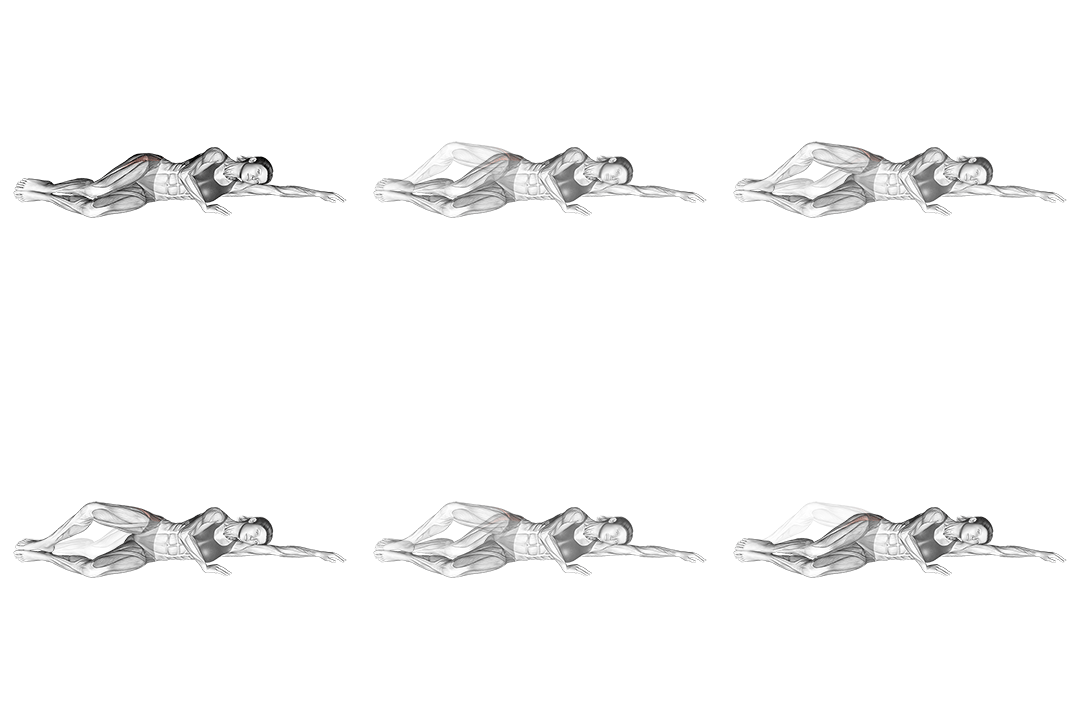
The Side Lying Clam performs clamshell exercises. The pattern is foundational for gluteus medius development.
For gluteus medius development, the clamshell is foundational. Run it for 4 sets of 12 to 15 reps per side as primary gluteus medius work, daily during initial development.
Lie on one side with knees bent at 45 degrees and stacked. Keep the feet together and lift the top knee up by externally rotating the hip. The gluteus medius works hard through external hip rotation. Squeeze hard at peak. Lower under control. Switch sides. The pattern is foundational for gluteus medius development – the clamshell directly isolates the gluteus medius through pure external hip rotation. Daily practice during initial development phases addresses common gluteus medius weakness and builds the foundational gluteus medius capacity supporting more advanced exercises.
Side Hip Abduction

The Side Hip Abduction performs side-lying hip abduction. The pattern produces direct gluteus medius strengthening.
For gluteus medius development, the side hip abduction produces direct gluteus medius loading. Run it for 3 to 4 sets of 12 to 15 reps per side as primary gluteus medius work.
Lie on one side with the bottom leg bent for stability. Keep the top leg straight. Lift the top leg upward by abducting at the hip. The gluteus medius works hard through pure hip abduction. Lower under control. Switch sides. The pattern produces direct gluteus medius isolation through pure hip abduction – excellent foundational gluteus medius exercise. Combined with clamshells, side hip abductions produce complete gluteus medius isolation development. Foundational for proper hip mechanics and stability.
Lever Seated Hip Abduction

The Lever Seated Hip Abduction performs machine seated hip abduction. The pattern produces heavy compound gluteus medius loading.
For gluteus medius development, the lever seated hip abduction produces heavy gluteus medius loading. Run it for 3 to 4 sets of 10 to 15 reps as heavy gluteus medius work.
Sit on a hip abduction machine with the legs against the pads. Push the legs apart by abducting at the hips against resistance. The gluteus medius works hard through hip abduction with progressive loading capacity. Squeeze hard at peak. Return under control. The pattern produces heavy compound gluteus medius loading – the machine eliminates balance concerns while allowing substantially heavier loads than bodyweight clamshells or side abductions. Excellent for advanced gluteus medius development requiring more loading than bodyweight variations support.
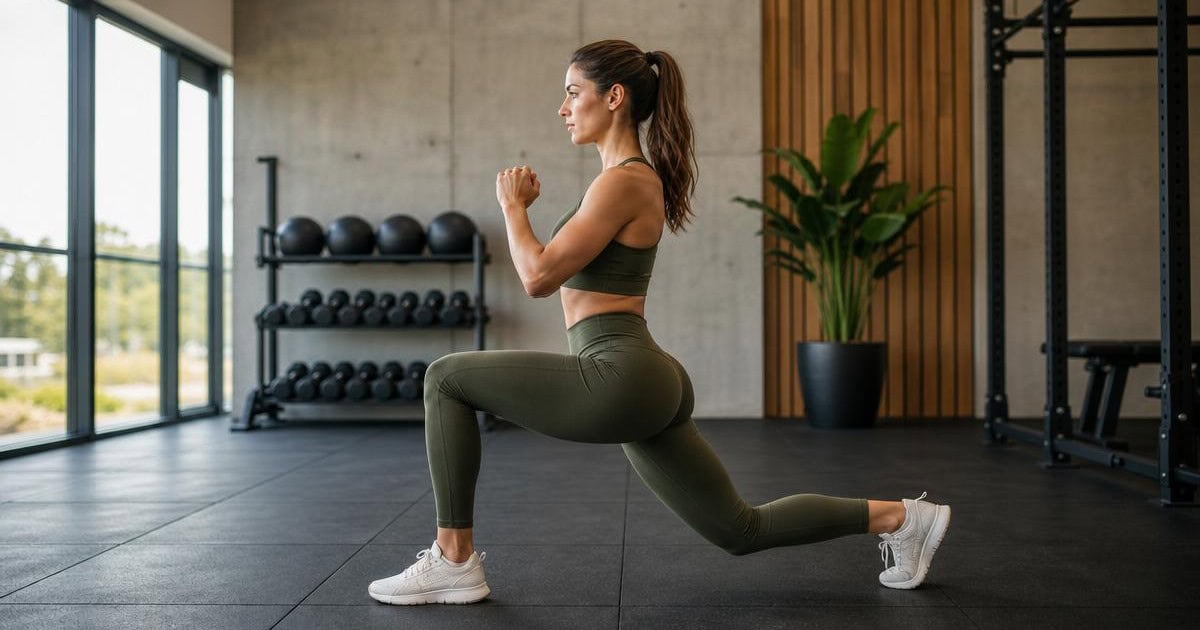
Dumbbell Bulgarian Split Squat
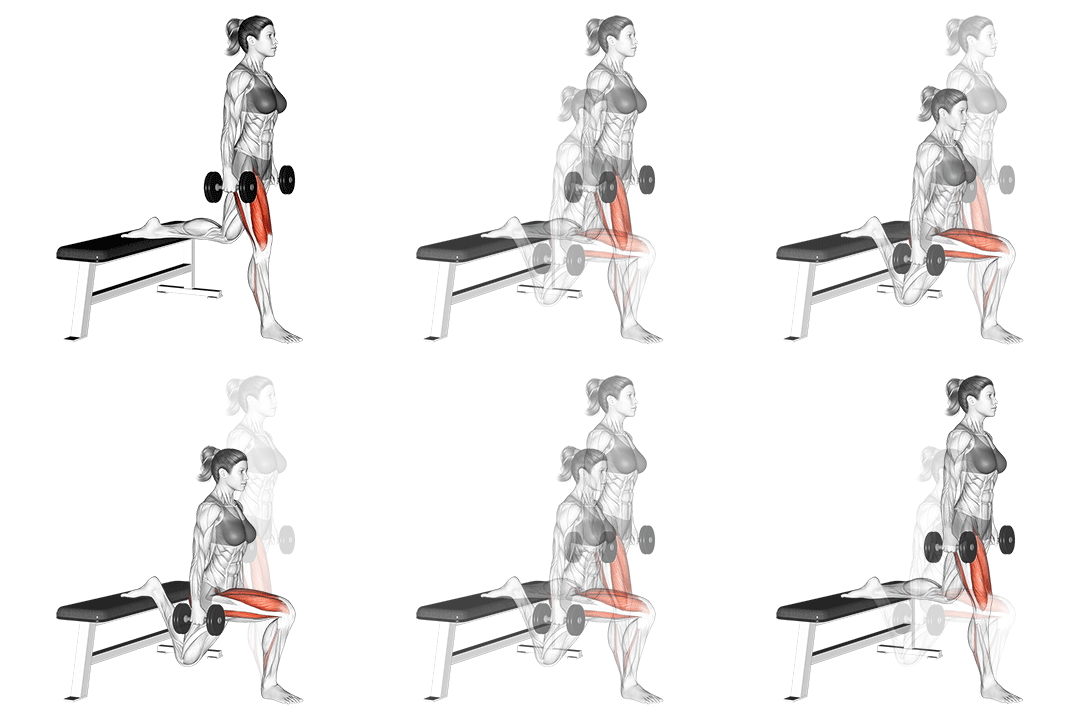
The Dumbbell Bulgarian Split Squat performs Bulgarian split squats. The pattern produces compound gluteus medius work.
For gluteus medius development, Bulgarian split squats produce compound gluteus medius work in functional patterns. Run it for 3 sets of 8 to 12 reps per leg as compound gluteus medius work.
Stand 2 to 3 feet in front of a bench. Place the top of the rear foot on the bench behind. Hold dumbbells in each hand at the sides. Squat down by bending the front knee deeply. Lower until the front thigh is parallel to the floor. Drive back up through the front heel. The pattern produces compound gluteus medius loading – the gluteus medius works hard maintaining hip stability during single-leg loading. Critical for functional gluteus medius training because the gluteus medius primary function is hip stability during single-leg activities (walking, running). Bulgarian split squats train this functional role.
Side Plank
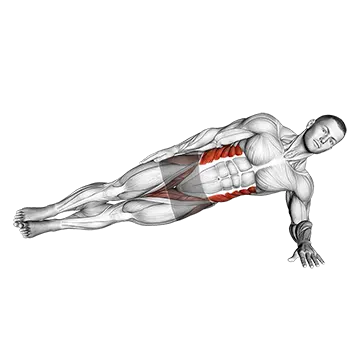
The Side Plank performs side plank holds. The pattern produces gluteus medius isometric loading.
For gluteus medius development, the side plank produces gluteus medius isometric work. Run it for 3 sets of 30 to 60-second holds per side as isometric gluteus medius work.
Lie on one side propped up on the elbow with the elbow under the shoulder. Lift the hips so the body forms a straight line from feet to head. The gluteus medius and lateral core work hard isometrically maintaining hip position. Hold for the working interval. Switch sides. The pattern produces gluteus medius isometric loading – the side plank position requires the gluteus medius to work hard maintaining proper hip alignment. Excellent integrated lateral chain exercise that combines gluteus medius work with lateral core stability.
Barbell Glute Bridge
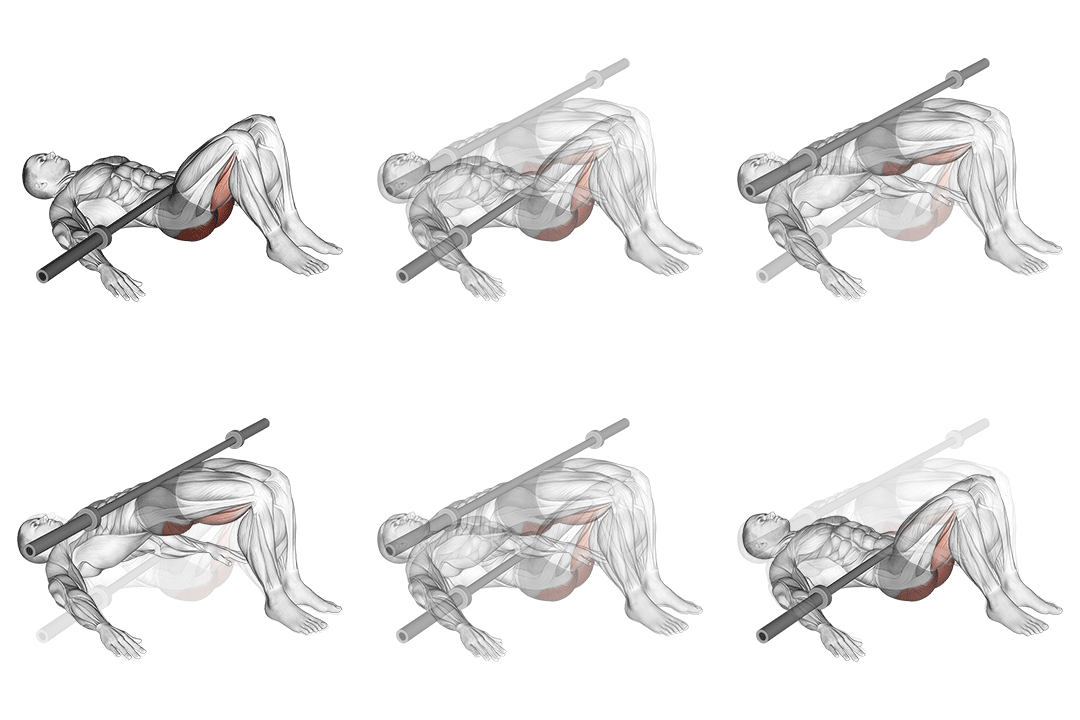
The Barbell Glute Bridge performs glute bridges. The pattern produces compound glute work supporting gluteus medius function.
For gluteus medius development, the glute bridge produces compound glute strengthening supporting gluteus medius function. Run it for 3 sets of 10 to 12 reps as compound glute work, 2 to 3 times per week.
Lie on the floor with knees bent and feet planted. Position a barbell across the hips. Drive through the heels to lift the hips up by extending the hips. The body forms a straight line from shoulders to knees at the top. The glutes work hard. Squeeze at peak hip extension. Lower under control. The pattern produces compound glute strengthening – while primarily targeting the gluteus maximus, glute bridges produce supporting gluteus medius work and integrated glute development. Combined with dedicated gluteus medius isolation, glute bridges build complete glute development.
Dumbbell Step Up

The Dumbbell Step Up performs step-ups. The pattern produces unilateral leg work training gluteus medius function.
For gluteus medius development, the step-up produces functional gluteus medius loading. Run it for 3 sets of 10 to 12 reps per leg as functional unilateral work.
Stand in front of a bench or box about knee height holding dumbbells in each hand. Step up onto the bench with one leg. Drive through the front leg to stand fully on top of the bench while maintaining hip level (the gluteus medius must work to keep the working hip from dropping). Step back down under control. Switch legs. The pattern produces functional gluteus medius loading – step-ups train the gluteus medius through its primary function of stabilizing the hip during single-leg loading. Excellent functional gluteus medius exercise with direct translation to walking and running mechanics.
Bodyweight Single Leg Deadlift

The Bodyweight Single Leg Deadlift performs single-leg deadlifts. The pattern produces unilateral hip work with gluteus medius involvement.
For gluteus medius development, the single-leg deadlift produces unilateral hip and balance work. Run it for 3 sets of 8 to 10 reps per side as functional unilateral work.
Stand on one leg with the other leg extended slightly behind. Hinge forward at the hip, lifting the back leg behind while lowering the torso forward. Keep the back flat. Reach the hands toward the floor. Drive back up to standing by extending the hip. Switch sides. The pattern produces unilateral hip stability work – the gluteus medius works hard maintaining hip alignment during single-leg loading. Excellent functional gluteus medius exercise that combines hip stability with posterior chain loading.
Dumbbell Single Leg Glute Bridge

The Dumbbell Single Leg Glute Bridge performs unilateral glute bridges. The pattern produces unilateral glute loading with gluteus medius stabilization.
For gluteus medius development, the single-leg glute bridge produces unilateral hip extension with stability demands. Run it for 3 sets of 10 to 12 reps per side as unilateral work.
Lie on the floor with one knee bent and the other leg straight (or extended). Hold a dumbbell at the hips. Drive through the heel of the bent leg to lift the hips up. The glute works hard maintaining hip level – the gluteus medius works hard preventing hip drop. Lower under control. Switch sides. The pattern produces unilateral hip extension with gluteus medius stability work – critical for gluteus medius development because the working hip stability requires the gluteus medius to work hard.
Band Hip Abduction

The Band Hip Abduction performs banded hip abductions. The pattern produces accessible high-volume gluteus medius work.
For gluteus medius development, the band hip abduction produces accessible gluteus medius loading. Run it for 3 sets of 15 to 20 reps as accessible gluteus medius work.
Place a resistance band around the legs above or below the knees. Stand or sit. Push the knees apart against band resistance by abducting at the hips. The gluteus medius works hard against band resistance. Squeeze hard at peak. Return under control. The pattern produces accessible gluteus medius loading – the band can be used anywhere with minimal equipment, supporting the high frequency that gluteus medius development responds to. Excellent for daily gluteus medius work.
How To Program These Workouts
A productive gluteus medius session pulls 5 to 7 exercises from the list above. A common balanced session: side-lying clam (foundational isolation – daily), side hip abduction (direct isolation), lever seated hip abduction (heavy compound), dumbbell Bulgarian split squat (functional), side plank (lateral core), dumbbell step-up (functional unilateral). For initial gluteus medius development (addressing weakness): emphasize daily isolation work (clamshells, band abductions) plus regular functional integration (Bulgarian split squats, step-ups). For advanced gluteus medius development: include heavier loading (machine abductions) plus comprehensive functional work. Run isolation work for 3 sets of 12 to 20 reps, machine loading for 3 sets of 10 to 15 reps, functional unilateral work for 3 sets of 8 to 12 reps per leg, lateral core for 3 sets of 30 to 60-second holds.
Train gluteus medius 2 to 4 times per week as part of complete glute and hip programming. The gluteus medius responds particularly well to higher frequency because: 1) most exercises are submaximal relative to body capacity, 2) the gluteus medius is commonly weak and benefits from frequent stimulation, 3) the gluteus medius supports hip function in nearly all daily activities and athletic movements. Most successful gluteus medius programs include: 1) daily isolation work during initial development phases (clamshells, band abductions), 2) 2 to 3 weekly compound and functional work (Bulgarian split squats, step-ups, side planks, glute bridges), 3) integrated gluteus medius work in regular training. Combined with appropriate volume and consistent practice, dedicated gluteus medius training addresses the common weakness contributing to many lower-body injury patterns.
For broader programming, see our how to grow your glutes and best glute exercises. For specific work, see our how to fix it band syndrome.
Final Thoughts
The best gluteus medius exercises deliver real hip function and gluteus medius development through training that targets both direct isolation and functional integration: direct hip abduction patterns for primary gluteus medius loading, lateral core work for integrated lateral chain development, and unilateral leg work for functional gluteus medius training. The combination of clamshells, side hip abductions, machine hip abductions, Bulgarian split squats, side planks, glute bridges, step-ups, single-leg deadlifts, single-leg glute bridges, and band abductions covers every functional pattern of gluteus medius development and produces broader hip stability, injury prevention, athletic performance, and aesthetic development than partial training would suggest. Many lifters discover better hip stability during single-leg activities, addressed gluteus medius weakness underlying various injury patterns, more rounded upper hip appearance, more athletic performance through better hip mechanics, reduced injury risk (especially IT band syndrome, knee pain, lower back pain), and the integrated lower-body function that defines well-developed athletes within 8 to 12 weeks of adding consistent comprehensive gluteus medius work.
Stay focused on combining isolation with functional work as priorities for gluteus medius development. The most common mistake people make in gluteus medius training is doing only isolation (clamshells, side abductions) without functional integration, or only compound work without dedicated isolation. The fix: prioritize both direct isolation (clamshells, side abductions, machine abductions) AND functional integration (Bulgarian split squats, step-ups, single-leg work, side planks). Combined direct isolation plus functional work produces faster results because: 1) isolation builds the strength capacity, 2) functional work translates strength to movement function, 3) both components together produce complete gluteus medius development. Single-component training produces incomplete results.
Frequently Asked Questions
How can I activate my gluteus medius?
Daily clamshells and side hip abductions plus functional unilateral work. Daily clamshells (3 to 4 sets of 12 to 15 reps per side) produce direct gluteus medius isolation. Side hip abductions provide additional direct isolation. Combined with band hip abductions (accessible high-volume work), Bulgarian split squats (functional), step-ups (functional unilateral), single-leg deadlifts (unilateral hip stability), side planks (lateral core), single-leg glute bridges (unilateral with stability), and machine abductions (heavy loading), this comprehensive approach produces measurable gluteus medius development within 8 to 12 weeks.
What’s the best gluteus medius exercise?
Daily clamshells plus side hip abductions plus Bulgarian split squats. Clamshells produce the most direct gluteus medius isolation possible – the foundational gluteus medius exercise. Side hip abductions provide additional direct isolation. Bulgarian split squats produce functional gluteus medius loading matching its primary stability role. Combined with machine hip abductions (heavy loading), step-ups (functional unilateral), side planks (integrated lateral core), single-leg deadlifts (unilateral stability), and band hip abductions (accessible), clamshells plus side hip abductions plus Bulgarian split squats form the foundation of gluteus medius development.
Why is my gluteus medius weak?
Common contributing factors include: prolonged sitting that produces general glute deactivation, lack of dedicated gluteus medius training (most general programs underemphasize the gluteus medius), gluteus maximus dominance limiting gluteus medius activation, lack of single-leg training, training that emphasizes bilateral movements over unilateral. The fix: dedicated daily gluteus medius work (clamshells, side abductions) plus regular unilateral training (Bulgarian split squats, step-ups, single-leg work) plus addressing prolonged sitting where possible.
How often should I train gluteus medius?
2 to 4 times per week as part of complete glute and hip programming. The gluteus medius responds well to higher frequency because most exercises are submaximal relative to body capacity. Most successful programs include: 1) daily isolation work during initial development (clamshells, band abductions – 5 to 10 minutes daily), 2) 2 to 3 weekly compound functional work (Bulgarian split squats, step-ups, side planks), 3) integrated gluteus medius work in regular training. Total weekly gluteus medius volume should be 12 to 18+ working sets across direct isolation, functional, and lateral core patterns.
How long does it take to develop gluteus medius?
8 to 12 weeks for measurable improvement in function, ongoing for substantial development. Most people who consistently apply daily gluteus medius isolation plus regular functional work see measurable improvement within 8 to 12 weeks. Beginners often see initial gains within 4 to 8 weeks (rapid early activation gains). Substantial gluteus medius development requires 6 to 12+ months of consistent training. The gluteus medius responds well to dedicated training when properly programmed – the central insight is that frequent submaximal practice produces better results than infrequent maximum-effort training.