A strong chest does not require a barbell or a bench. The best bodyweight chest workouts use nothing but body position, gravity, and a few self-resistance techniques to build serious pressing strength and chest size. With no equipment beyond a sturdy doorframe and parallel bars, the exercises below cover everything from heavy compound work to mobility and activation.
Below are ten effective bodyweight chest exercises spanning compound mass-builders like dips and plyometric push-ups, self-resistance work like the Svend press, and the chest mobility drills that make all of it work better. Together they form a complete chest routine you can run anywhere.
Bodyweight Svend Press

The Bodyweight Svend Press is a self-resistance chest exercise where you press your palms together hard while extending your arms forward. The continuous palm-press creates strong tension on the chest with no equipment whatsoever. It works as a warm-up or as a finisher when push-up volume is already burned out.
Self-resistance chest work is the most accessible chest training that exists. There is no equipment, no setup, and the load adjusts purely by how hard you press your palms together. Most lifters dismiss it as “not real training,” but a hard Svend press for 30 seconds will fatigue the chest in ways that surprise people who try it once.
Press the palms together as hard as possible throughout the movement. The harder you press, the more tension on the chest. Move the arms slowly forward and back rather than fast. This is a tension exercise, not a momentum exercise.
Seated Chest Clam

The Seated Chest Clam is a seated chest and shoulder opener stretch. The lifter sits tall with the hands behind the head and pulls the elbows wide open like opening a clam shell. The wide elbow position stretches the front of the chest and shoulders deeply.
Most lifters carry chronic tightness in the chest and front shoulders from sitting and from any pressing-heavy training. The clam stretch is one of the simplest ways to open that area up between sets or as part of a daily mobility routine. It pairs well with any pressing movement.
Hold the position for 15 to 30 seconds at a time. Breathe slowly into the stretch and gently push the elbows further apart with each exhale. Avoid forcing the position past comfort.
Bodyweight Standing Fly

The Bodyweight Standing Fly is a standing chest stretch and warmup drill. With arms held at chest height, you open the arms wide to the sides for a stretch, then bring them back in front of the body. The motion warms up the chest and shoulders and improves chest mobility.
This belongs at the start of any chest-focused session. Chest tightness is one of the most common limiters on push-up depth and bench press range of motion. A few rounds of this drill before working sets opens the chest and lets the actual training movements happen at full range.
Open the arms wide and feel the stretch across the chest, then squeeze them together in front of the body. The motion is slow and controlled rather than fast. Use it as a warm-up or as an active rest between heavier movements.
Kneeling Chest Stretch
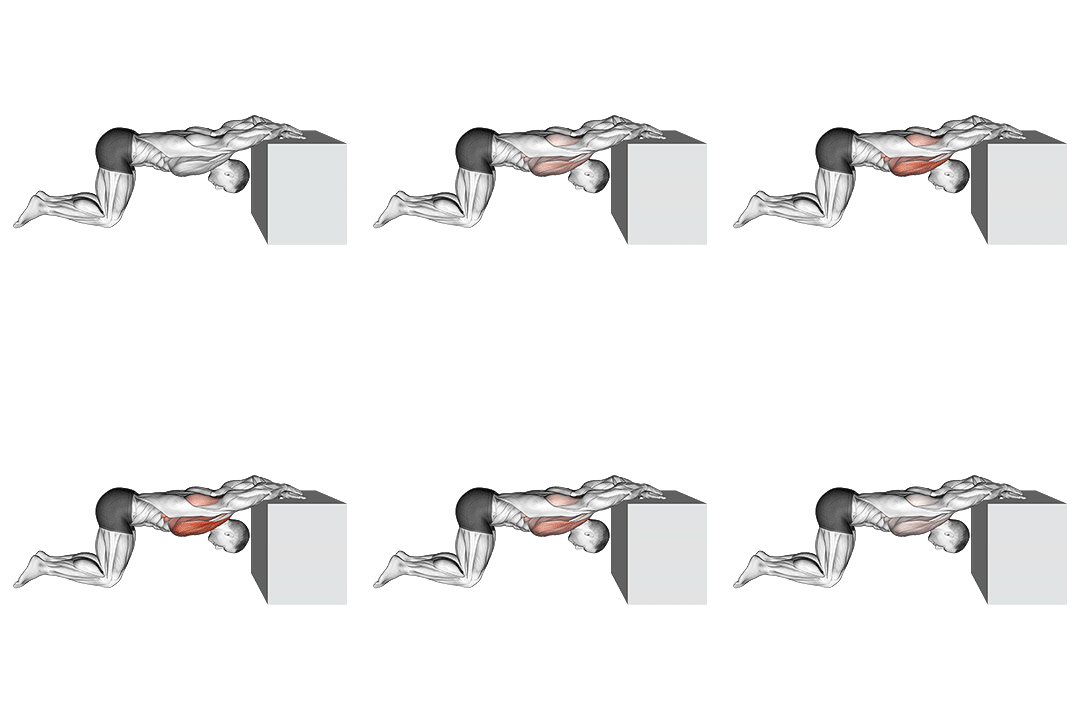
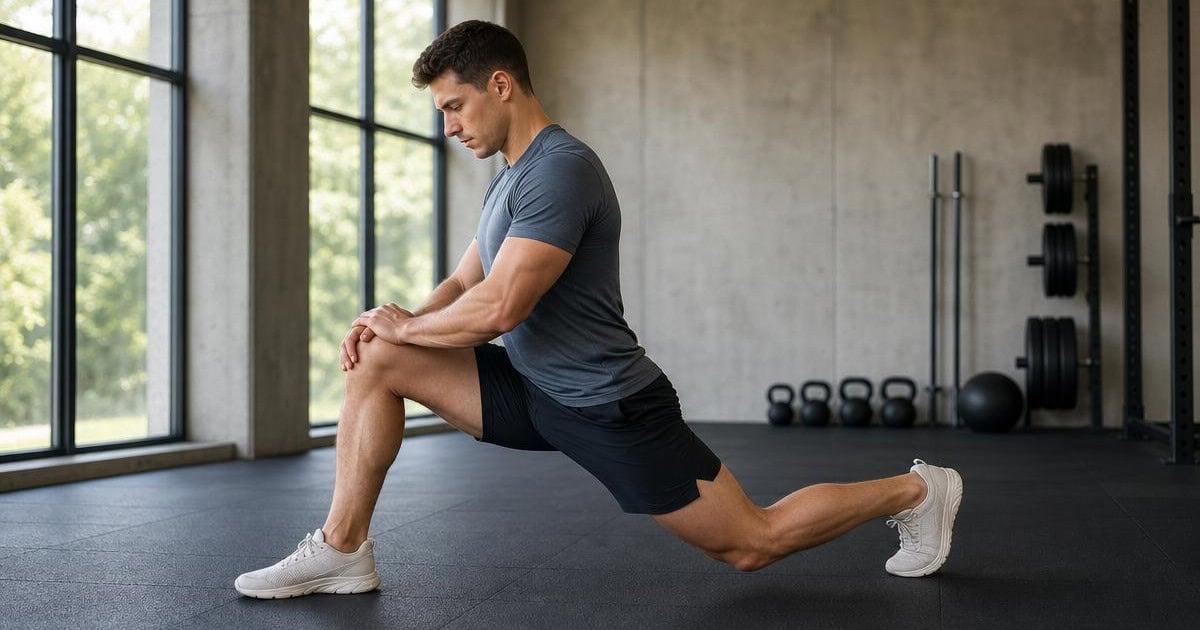
The Kneeling Chest Stretch is a deep chest-opening stretch performed from a kneeling position. With arms extended behind you or placed on an elevated surface, you lean forward to stretch the pectoralis major. It is one of the most thorough chest stretches in any program.
For lifters with significant chest tightness (almost everyone who sits at a desk), the kneeling stretch hits a deeper range than the standing fly. Done daily for 30 to 60 seconds per side, it noticeably improves shoulder mobility within a few weeks.
Move into the stretch slowly. Push the chest forward and down rather than just dropping the body. Hold for 30 to 60 seconds and breathe deeply throughout. Repeat for several rounds before pressing-heavy training.
Chest Tap Push-up

The Chest Tap Push-up is a plyometric push-up variation where you push up explosively, lift your hands off the floor, quickly tap your chest with both hands, and land back in the push-up position. It is a strong upper-body power developer that goes well beyond what standard push-ups can build.
Plyometric push-ups train the chest to produce force quickly, which is the function the muscle has during athletic activities like throwing, punching, or pushing off the ground. They also build a level of explosive control that translates back to better strength on regular push-ups and bench press work.
This is an advanced movement. Build a base of 20+ clean push-ups before attempting any plyometric variation. Land softly and absorb the impact with bent elbows rather than locking out hard on the catch.
Dynamic Chest Stretch

The Dynamic Chest Stretch is a warm-up exercise where you swing both arms backward (and forward) in a controlled motion to dynamically open the chest and front shoulders. Unlike static stretches, the dynamic version actively warms up the muscles while stretching them, which prepares them for heavier work.
Dynamic stretches are the right choice immediately before training, while static stretches like the kneeling chest stretch work better between sessions or after training. Two to three minutes of this drill noticeably improves push-up and bench press range of motion compared to going in cold.
Swing the arms back rhythmically rather than holding any one position. Each rep should reach slightly further than the last. Stop at whatever range feels active without forcing.
Isometric Chest Squeeze

The Isometric Chest Squeeze is a chest activation exercise where you press your palms together in front of your chest as hard as possible, isometrically contracting the pectorals without any movement. It is a strong activation drill before heavier pressing work.
Isometric work has been shown in research to build muscle when done at sufficient intensity. More practically, the isometric squeeze before push-ups or bench press primes the chest to fire harder during the actual working sets. It is one of the simplest activation drills you can do.
Press the palms together as hard as you possibly can for 5 to 10 seconds, then release. Repeat for several rounds. The harder the squeeze, the more useful the exercise. There is no benefit to pressing softly.
Chest Dip

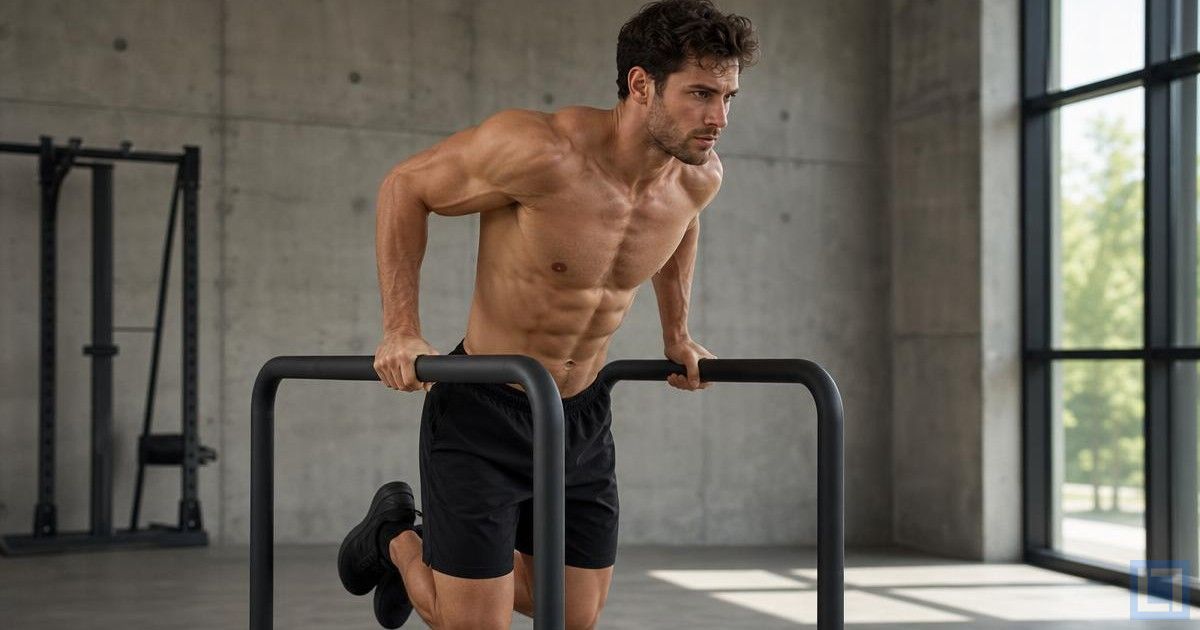
The Chest Dip is a parallel-bar dip with a deliberate forward lean and wider elbow flare. The forward lean shifts emphasis from the triceps to the pectoralis major, making it one of the most effective bodyweight chest exercises.
Dips are the most effective bodyweight chest mass-builder available because the load (your full bodyweight) is significant and the range of motion is full. Combined with push-ups, they form the core of any serious bodyweight chest program. Adding weight via a dip belt extends the progression for years.
Lean the chest forward through the dip rather than staying upright. Lower until the upper arms reach parallel with the floor, then press back to lockout. Wider elbows emphasize the chest more; keeping them tight shifts emphasis to the triceps.
Standing Chest Stretch Against Door

The Standing Chest Stretch Against Door uses a doorway to lengthen the chest and front shoulder. With the forearm pressed into the door frame, stepping forward opens the chest in a deep, controlled stretch. It is one of the most accessible chest mobility drills available.
Doorway stretches let you stretch the chest deeper than any unsupported stretch can manage because the doorframe gives you something to push against. Done for one to two minutes per side, daily, this exercise alone can dramatically improve chronic chest tightness.
Press the forearm flat into the doorframe at roughly shoulder height. Step forward through the doorway until the chest stretches noticeably. Hold for 30 to 60 seconds, switch sides, and repeat for several rounds.
Bodyweight Overhead Triceps Extension

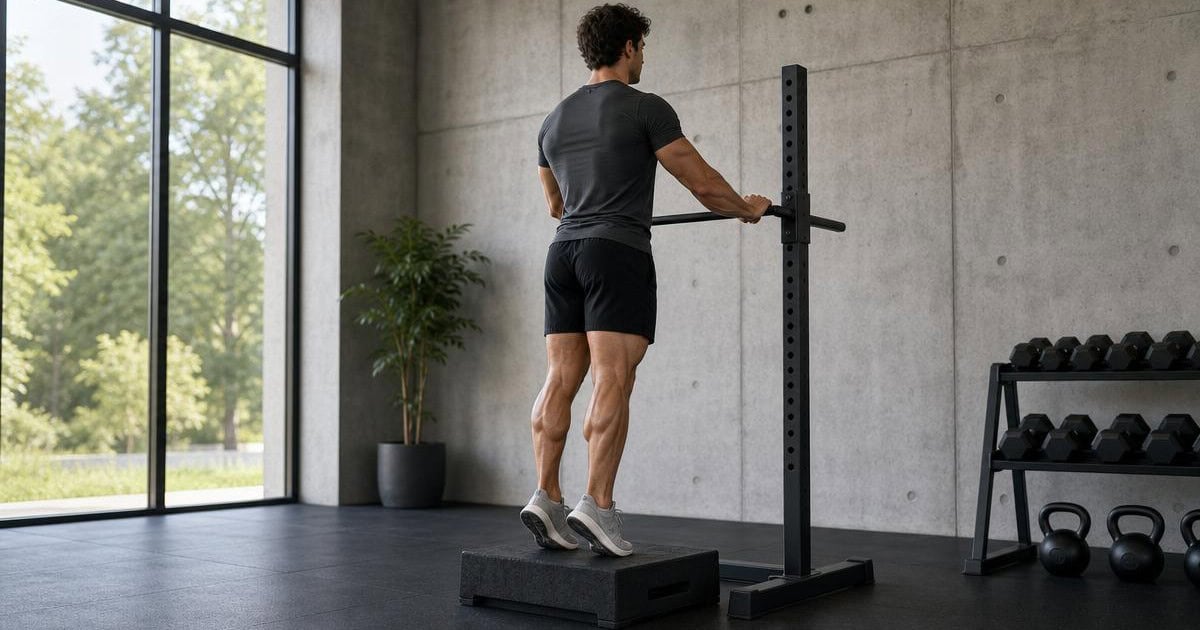
The Bodyweight Overhead Triceps Extension is an overhead tricep builder using bodyweight. The lifter grips a high bench or bar overhead and lowers the body behind the head by bending the elbows. The overhead position stretches the triceps fully, making it a strong tricep mass-builder that doubles as chest support work.
While this is technically a tricep exercise, it earns a place in a chest workout because the triceps are the secondary mover in nearly every pressing movement. Building stronger triceps through bodyweight overhead extensions improves bench press lockout and push-up endurance.
Set up gripping an overhead bar with the body angled forward. Lower the body by bending only at the elbows, keeping the upper arms still. Press back to extension by driving through the triceps. Body angle controls the difficulty.
How To Program Bodyweight Chest Workouts
A productive bodyweight chest session starts with mobility (the dynamic stretch and standing fly), moves into a brief activation set (Svend press or isometric squeeze), and then runs the heavy compound work (dips, push-ups, and plyometric variations). End with the overhead triceps extension to support the pressing musculature.
Train two to three sessions per week with at least one rest day between heavier ones. Bodyweight chest work recovers reasonably quickly compared to heavy barbell pressing, but plyometric push-ups and weighted dips still need recovery time to deliver muscle growth.
For broader bodyweight programming, see our best full body calisthenics workout and best upper body bodyweight workouts. To browse the equipment-free library, explore our bodyweight exercises collection.
Final Thoughts
The best bodyweight chest workouts deliver real chest development with no equipment beyond what most homes already have. Dips and push-ups remain the foundation, with self-resistance and mobility work filling in the gaps. The exercises here scale from beginner to advanced through angle, tempo, and added load.
Stay consistent. Bodyweight chest progress is slower to show up than heavy barbell work, but it requires no equipment investment and produces durable, transferable strength. Three sessions per week for three months will produce visible changes in chest size and shape for most lifters.
Frequently Asked Questions
Can I build a big chest with just bodyweight?
Yes, especially for beginners and intermediates. Push-ups and dips load the chest with significant resistance (your bodyweight, plus a dip belt for advanced training). The chest grows in response to mechanical tension and progressive overload, both of which bodyweight training can deliver. Advanced lifters eventually benefit from added load via weighted dips or barbell pressing.
How often should I train chest with bodyweight exercises?
Two to four sessions per week works for most lifters. Bodyweight chest work tends to be slightly less taxing than heavy barbell pressing because the load is fixed, which lets you train more frequently. Plyometric variations and weighted dips still need at least one rest day between sessions for proper recovery.
Are dips really a chest exercise?
Yes, when performed with a forward lean and wider elbow flare. The forward angle shifts the load to the chest while the upright dip emphasizes the triceps. Most lifters get more chest development from dips than from push-ups because the load and stretch position are greater.
Should I use weighted dips?
Once you can complete 10 to 15 clean bodyweight dips, adding load via a dip belt is the cleanest progression. Start with 5 to 10 pounds and work up over time. Weighted dips are one of the most effective chest mass-builders that exists, weight room or no weight room.
How long until I see results from bodyweight chest training?
Strength improvements show up within the first two to four weeks as the nervous system gets more efficient. Visible muscle growth typically takes 8 to 12 weeks of consistent training, adequate sleep, and sufficient protein intake. Three sessions per week with progressive overload (more reps, harder variations, or added load) reliably produces results.