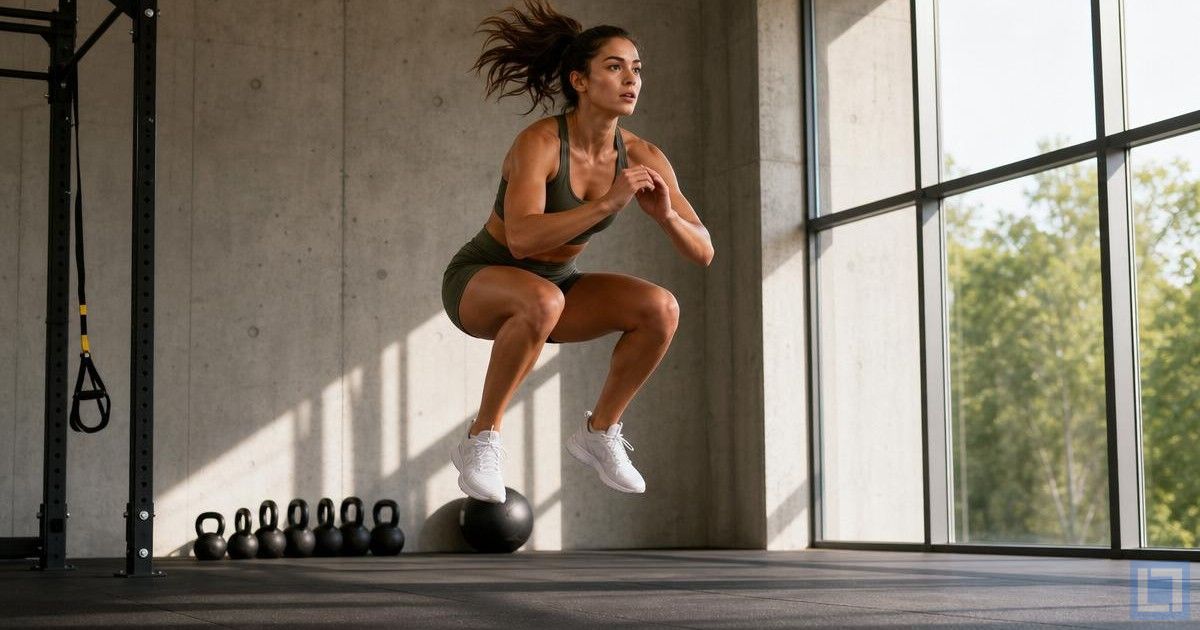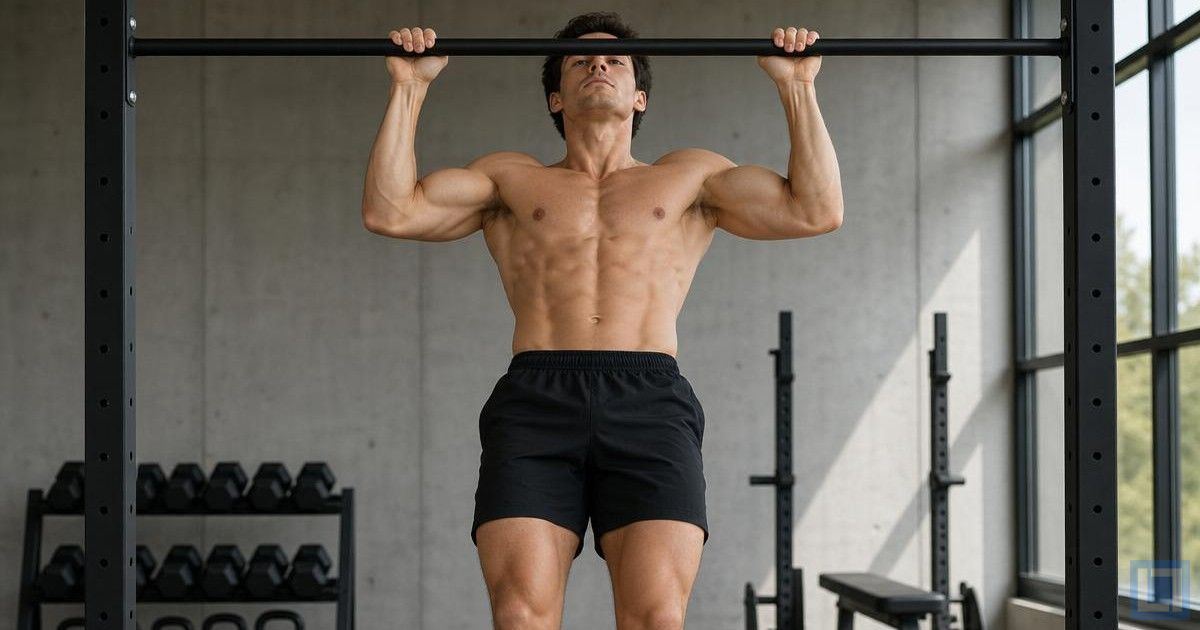
Upper-body bodyweight training produces real strength and muscle development through equipment-free programs that fit anywhere. The format works particularly well for beginners building foundational strength, intermediates wanting variety alongside weighted training, and travelers who need effective workouts without gym access. The combination of push-up variations (chest, shoulders, triceps), pull-up variations (back, biceps), and dips (triceps, lower chest) covers every major upper-body movement pattern using only body weight as resistance.
Below are ten effective upper-body bodyweight exercises that cover horizontal pressing (push-up, wide-hand push-up, close-grip push-up, diamond push-up, decline push-up, incline push-up), vertical pressing (pike push-up), vertical pulling (pull-up, chin-up), and dipping (triceps dip). Together they form a complete upper-body bodyweight training program that fits in any setting. A 30 to 45-minute session pulled from this list produces strong upper-body stimulus across every major muscle group.
Push Ups

The Push Ups lower the body to within an inch of the floor by bending the elbows, then press back to lockout. The exercise is the foundational upper-body bodyweight movement and the cornerstone of any productive bodyweight upper-body program.
For upper-body bodyweight training, push-ups are non-negotiable. The pattern hits the chest, shoulders, and triceps simultaneously through bilateral pressing mechanics. Run them for 4 to 5 sets of 10 to 20 reps as the foundational push exercise in every upper-body bodyweight session.
Set up in a high plank position with hands shoulder-width apart and body in a straight line from head to heels. Lower the chest to within an inch of the floor by bending the elbows. Press back to lockout. Maintain tight body position throughout; avoid letting the hips sag or pike.
Wide Hand Push Up

The Wide Hand Push Up performs push-ups with hands significantly wider than shoulder-width. The wider grip emphasizes the chest more heavily by reducing tricep involvement.
For upper-body bodyweight chest-focused work, the wide-hand push-up biases loading toward the chest more than standard push-ups. The wider grip produces broader chest stretching at the bottom. Run it for 3 to 4 sets of 10 to 15 reps as chest-focused push work.
Set up in a push-up position with hands wider than shoulder-width (roughly 1.5 times shoulder-width). Lower the chest to the floor by bending the elbows. The wider grip naturally widens the elbow path. Press back to lockout. Keep the body straight throughout.
Close Grip Push Up

The Close Grip Push Up performs push-ups with hands placed close together (roughly shoulder-width or narrower). The narrower grip biases loading toward the triceps more heavily than standard push-ups.
For upper-body bodyweight tricep-focused work, the close-grip push-up is one of the most effective bodyweight tricep-builders that exists. The narrower grip increases tricep involvement throughout the rep. Run it for 3 to 4 sets of 8 to 12 reps as primary tricep push work.
Set up in a push-up position with hands placed close together (shoulder-width or narrower). Lower the chest to the floor by bending the elbows; keep the elbows tucked close to the body throughout. Press back to lockout, focusing on tricep extension. Keep the body straight.
Diamond Push Up

The Diamond Push Up performs push-ups with hands placed close together so the thumbs and index fingers form a diamond shape. The extreme close-grip position maximizes tricep loading.
For maximum bodyweight tricep loading, the diamond push-up is one of the most demanding bodyweight tricep exercises that exists. The pattern hits the triceps with extreme intensity and produces strong arm development. Run it for 3 sets of 8 to 12 reps as advanced tricep work.
Set up in a push-up position with hands placed together so the thumbs and index fingers form a diamond shape directly under the chest. Lower the chest to the diamond by bending the elbows. Press back to lockout. The extreme close-grip position increases tricep loading significantly.
Decline Push Up

The Decline Push Up performs push-ups with the feet elevated on a bench or step, which shifts loading toward the upper chest and front delts. The elevated feet increase the difficulty significantly.
For upper-body bodyweight upper-chest training, the decline push-up biases loading toward the upper chest the same way that incline barbell pressing does. The elevation also increases the total loading. Run it for 3 to 4 sets of 8 to 12 reps as upper-chest specific work.
Place the feet on a bench, step, or sturdy elevated surface. Set up in a push-up position with the body angled so the upper body is lower than the feet. Lower the chest to the floor by bending the elbows. Press back to lockout. The body remains straight throughout.
Incline Push Up

The Incline Push Up performs push-ups with the hands elevated on a bench, box, or wall, which reduces the loading and biases work toward the lower chest. The elevated hand position also makes the exercise more accessible for beginners.
For upper-body bodyweight training that includes lower-chest work, the incline push-up biases loading toward the lower chest while reducing total body weight loading. The reduced demand makes it ideal for beginners or as a higher-rep finisher. Run it for 3 sets of 12 to 20 reps as accessory chest work.
Place the hands on a bench, box, or sturdy elevated surface. Set up in a push-up position with the body angled so the upper body is higher than the feet. Lower the chest to the elevated surface by bending the elbows. Press back to lockout. The body remains straight throughout.
Pike Push Up

The Pike Push Up sets up in an inverted V position (feet planted, hips raised, body forming a triangle) and performs push-ups in this angled position. The pattern emphasizes the shoulders heavily over the chest.
For upper-body bodyweight shoulder development, the pike push-up is one of the most effective exercises that exists. The angled position shifts loading from the chest to the shoulders, which produces strong shoulder development. Run it for 3 to 4 sets of 8 to 12 reps as primary bodyweight shoulder work.
Set up on hands and feet with the hips raised high so the body forms an inverted V. The hands and feet should be close enough that the body forms a triangle. Lower the head toward the floor between the hands by bending the elbows. Press back to lockout. The pattern emphasizes vertical pressing.
Pull Up

The Pull Up grips an overhead bar with palms facing away and pulls the body up until the chin clears the bar. The exercise is the foundational vertical pulling movement and the cornerstone of any bodyweight upper-body program.
For upper-body bodyweight pulling, pull-ups are non-negotiable. The pattern hits the lats, mid-back, and biceps simultaneously through vertical pulling mechanics. Run them for 4 to 5 sets of 5 to 10 reps as the foundational pull exercise in every upper-body bodyweight session.
Hang from an overhead bar with palms facing away (overhand grip), hands shoulder-width apart. Pull the body up by driving the elbows down and back until the chin clears the bar. Lower under control to a full hang. Avoid kipping or swinging.
Chin Up

The Chin Up grips an overhead bar with palms facing the body (underhand grip) and pulls the body up until the chin clears the bar. The reverse grip emphasizes the biceps more heavily than overhand pull-ups.
For upper-body bodyweight bicep development, chin-ups produce stronger bicep loading than any other bodyweight exercise. The pattern combines pulling with bicep peak contraction at the top of the rep. Run it for 3 to 4 sets of 6 to 10 reps as combined back and bicep work.
Hang from an overhead bar with palms facing the body (underhand grip), hands shoulder-width apart. Pull the body up by driving the elbows down until the chin clears the bar. Squeeze the biceps at the top. Lower under control to a full hang.
Triceps Dip

The Triceps Dip supports the body between two parallel bars or on a single bar and lowers the body by bending the elbows, then presses back to lockout. The exercise produces strong tricep, lower chest, and front delt loading.
For upper-body bodyweight tricep development, the dip is one of the strongest tricep-builders that exists. The pattern hits the triceps through full elbow extension under significant body weight loading. Run it for 3 to 4 sets of 6 to 12 reps as primary tricep work.
Support the body between parallel bars with arms locked out, body upright. Lower the body by bending the elbows until the upper arms are parallel to the floor (or as deep as shoulder mobility allows). Press back to lockout by extending the elbows. Maintain upright torso throughout.
How To Program These Workouts
A productive upper-body bodyweight session pulls six to eight exercises from the list above. A balanced session includes one foundational push (push-up), one chest variation (wide-hand push-up or decline push-up), one tricep-focused push (close-grip or diamond push-up), one shoulder press (pike push-up), one foundational pull (pull-up), one bicep-focused pull (chin-up), and one dip variation (triceps dip). Run pressing exercises for 3 to 4 sets of 8 to 15 reps; pulling exercises for 3 to 4 sets of 5 to 10 reps; dips for 3 to 4 sets of 6 to 12 reps.
Train upper-body bodyweight workouts 2 to 3 times per week. The bodyweight format produces moderate joint stress, which allows higher frequency than barbell-heavy programs. Most lifters do well with 2 to 3 dedicated upper-body sessions per week alongside lower-body training and 1 to 2 cardio days. The format also works as a daily training habit for advanced bodyweight practitioners who can manage the recovery demands.
For broader bodyweight programming, see our best calisthenics workouts and best at home calisthenics workouts. For specific exercise progression, see our how to do a push up properly.
Final Thoughts
The best upper-body bodyweight workouts deliver real strength and muscle development through equipment-free training that adapts to any setting. The combination of push-up variations, pull-ups, and dips covers every major upper-body movement pattern with progressive variations that scale from beginner to advanced. For lifters who want serious upper-body training without equipment, want to supplement weighted training with bodyweight work, or need effective travel workouts, this format is one of the most versatile options available.
Stay focused on full range of motion. The most common upper-body bodyweight training mistake is shortening the range of motion to complete more reps, which reduces the actual training stimulus. The fix: chest to floor on every push-up, full hang at the bottom of every pull-up, deep dip on every dip rep. Quality reps with full range produce stronger upper-body development than higher-rep counts with cut-short ranges. The bodyweight format works because of strict execution; that execution is what drives the development.
Frequently Asked Questions
Can I build upper body muscle with just bodyweight?
Yes for beginners and intermediates, especially during the first 12 to 24 months of consistent training. The combination of progressive bodyweight training, appropriate volume, and consistent nutrition produces real upper-body muscle development. Advanced lifters chasing maximum size eventually benefit from weighted training that allows loads bodyweight cannot match, but consistent bodyweight upper-body training produces measurable development at every level.
How often should I do upper body bodyweight workouts?
Two to three times per week works for most lifters. The bodyweight format produces moderate joint stress, which allows higher frequency than barbell-heavy programs. Most successful programs include 2 to 3 upper-body bodyweight sessions per week alongside lower-body training and 1 to 2 cardio sessions. Advanced bodyweight practitioners often train daily with appropriate exercise variety.
Push-ups or pull-ups, which is better?
Different exercises serve different purposes. Push-ups train the front of the body (chest, shoulders, triceps) through pressing patterns; pull-ups train the back of the body (lats, mid-back, biceps) through pulling patterns. Both are required for complete upper-body development. Most successful programs include both as foundational exercises with appropriate volume distributed across each movement pattern.
How do I progress upper body bodyweight workouts?
Most lifters progress through three primary methods: increasing reps (from 5 to 15+ per set), adding harder variations (incline push-ups → push-ups → decline push-ups → archer push-ups), or adding load (weighted vest, weight plate on the back). The combination of all three methods produces sustainable progression for years of consistent training. Advanced practitioners eventually progress to one-arm push-ups and weighted pull-ups.
Are bodyweight workouts as effective as weights?
For general upper-body development yes. The combination of progressive bodyweight training and consistent practice produces real upper-body development comparable to weighted training for general fitness goals. For maximum strength and size goals, weighted training eventually exceeds what pure bodyweight can provide because the load can increase indefinitely. Most general lifters do well with either approach or a combination of both.