
The anterior delts (front delts) – the front portion of the deltoid muscle – are critical for shoulder development and aesthetic appearance, contributing substantially to overall shoulder mass when developed alongside the medial and posterior delts. The anterior delts activate strongest during: vertical pressing patterns (overhead press, dumbbell press) for foundational compound loading, horizontal pressing with chest emphasis (bench press, incline bench) for compound anterior delt work, isolation patterns (front raises) for direct anterior delt loading, complete delt patterns (Arnold press) for varied range of motion, and explosive press patterns (push press) for varied loading stimulus. Note: most lifters get substantial anterior delt work from chest training and overhead pressing – dedicated anterior delt isolation is sometimes optional and should be added only when anterior delts specifically lag behind medial and posterior delts. For most lifters, prioritizing medial delt isolation (lateral raises) and rear delt isolation (rear delt flies) over anterior delt isolation produces more balanced shoulder development.
Below are ten of the most effective exercises for anterior delt development, covering primary compound vertical pressing (barbell seated overhead press, dumbbell seated shoulder press), compound horizontal pressing with anterior delt emphasis (barbell bench press, barbell incline bench press, dumbbell incline bench press), direct anterior delt isolation (dumbbell front raise, barbell front raise, cable front raise), complete delt patterns (dumbbell Arnold press), and explosive pressing (push press). Together they form a complete anterior delt program. A 30 to 45-minute anterior delt-focused session pulled from this list, performed 1 to 2 times per week (or as integrated work alongside complete shoulder training), produces strong anterior delt development for lifters with specifically lagging anterior delts or seeking complete shoulder development.
Barbell Seated Overhead Press

The Barbell Seated Overhead Press performs strict overhead press. The pattern is foundational for anterior delt development.
For anterior delt development, the barbell overhead press is foundational. Run it for 4 sets of 5 to 8 reps as primary anterior delt mass work.
Sit on a bench with the back firmly against an upright pad. Grip a barbell slightly wider than shoulder-width with overhand grip. Unrack the bar to shoulder height. Press the bar straight overhead by extending the arms. Lower under control. The pattern is foundational for anterior delt development – heavy overhead pressing produces extreme anterior delt loading through the heaviest possible vertical pressing pattern. Most lifters with the most developed anterior delts have built them on consistent heavy overhead press training. The compound nature trains anterior delts alongside triceps and upper traps with the heaviest possible loads.
Dumbbell Seated Shoulder Press

The Dumbbell Seated Shoulder Press performs seated dumbbell press. The pattern produces anterior delt loading through deeper range of motion.
For anterior delt development, the dumbbell seated shoulder press provides variation work. Run it for 3 to 4 sets of 8 to 12 reps as variation anterior delt work.
Sit on a bench with the back firmly against an upright pad. Hold dumbbells at shoulder height with palms facing forward. Press the dumbbells straight overhead by extending the arms. Lower under control. The pattern produces anterior delt loading with dumbbells through deeper range of motion than barbell – the dumbbells can travel deeper than the bar, producing greater stretch and contraction. Combined with barbell pressing, dumbbell pressing produces complete anterior delt development through varied loading patterns.
Dumbbell Front Raise

The Dumbbell Front Raise performs front raises. The pattern produces direct anterior delt isolation.
For anterior delt development, the front raise produces direct anterior delt isolation. Run it for 3 sets of 10 to 12 reps as direct anterior delt isolation.
Stand with feet hip-width holding dumbbells at the front of the thighs with palms facing the body. Lift the dumbbells straight up in front of the body by flexing at the shoulders until the dumbbells reach shoulder height. The anterior delts work hard. Lower under control. The pattern produces direct anterior delt isolation – the front raise specifically loads the anterior delts through pure shoulder flexion. Excellent dedicated anterior delt work for those with specifically lagging anterior delts. Note: many lifters get sufficient anterior delt work from chest training and overhead pressing, so dedicated front raise work is sometimes optional.
Barbell Bench Press

The Barbell Bench Press performs flat bench press. The pattern produces compound anterior delt loading.
For anterior delt development, the bench press produces compound anterior delt loading alongside chest work. Run it for 3 to 4 sets of 6 to 10 reps as compound anterior delt work.
Lie on a flat bench with the eyes directly under the barbell. Grip the bar with hands wider than shoulder-width. Unrack the bar and position it over the chest. Lower the bar to the chest by bending the elbows. Press the bar back up by extending the arms. The pattern produces compound chest, anterior delt, and tricep loading – while primarily a chest exercise, bench press produces substantial anterior delt loading through the horizontal pressing pattern. Excellent compound work that contributes to anterior delt development.
Barbell Incline Bench Press

The Barbell Incline Bench Press performs incline bench press. The pattern produces direct anterior delt loading through the angled bench position.
For anterior delt development, the incline bench press produces extreme anterior delt loading. Run it for 3 to 4 sets of 6 to 10 reps as primary anterior delt work.
Set up a barbell on an incline bench (30 to 45-degree angle). Lie back on the bench with the eyes directly under the barbell. Grip the bar with hands wider than shoulder-width. Unrack the bar and position it over the upper chest. Lower the bar to the upper chest by bending the elbows. Press the bar back up by extending the arms. The pattern produces extreme anterior delt loading – the incline angle emphasizes the anterior delts more heavily than flat bench while still allowing heavy compound loading. Combined with overhead press, incline bench produces complete anterior delt development.
Dumbbell Arnold Press
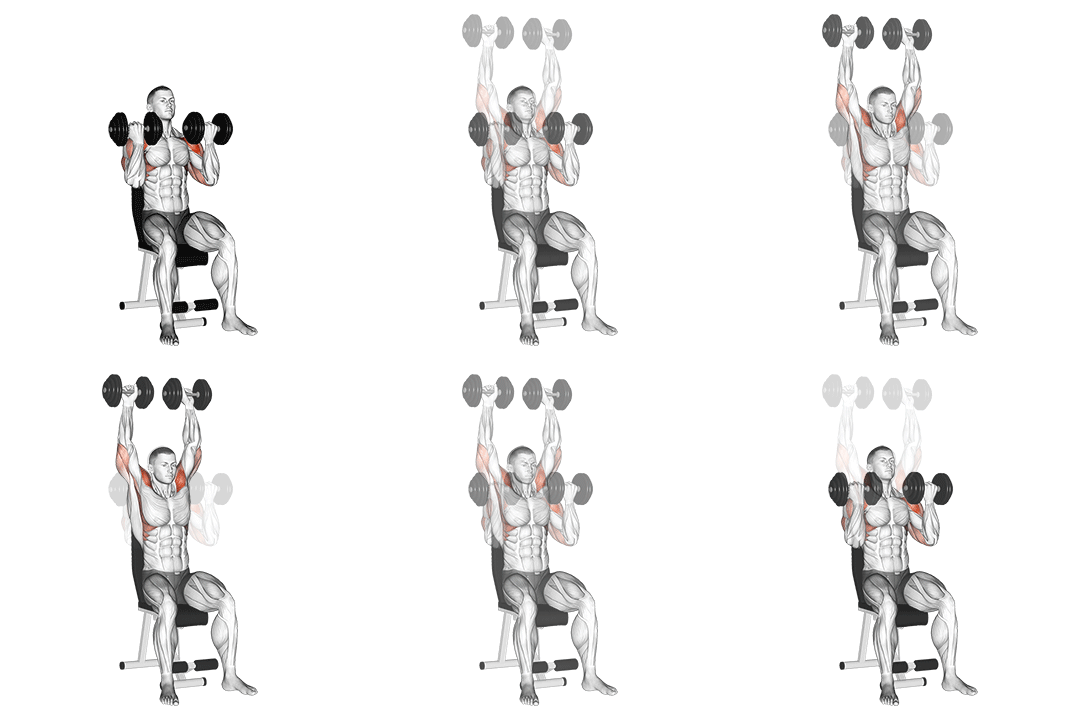
The Dumbbell Arnold Press performs Arnold press. The pattern produces anterior delt loading through extended range of motion.
For anterior delt development, the Arnold press produces complete anterior delt loading. Run it for 3 sets of 8 to 12 reps as complete delt work.
Sit on a bench with the back firmly against an upright pad. Hold dumbbells at shoulder height with palms facing the body (rotated grip start position). Press the dumbbells overhead while rotating the wrists so palms face forward at the top. Reverse the motion on the way down. The pattern produces anterior delt loading through the rotational pattern – the Arnold press trains the anterior delts through extended range of motion that includes both supinated and pronated positions. Excellent variation work alongside traditional pressing.
Barbell Front Raise

The Barbell Front Raise performs barbell front raises. The pattern produces direct anterior delt isolation with bar.
For anterior delt development, the barbell front raise provides direct anterior delt isolation alongside dumbbell variations. Run it for 3 sets of 10 to 12 reps as anterior delt variation.
Stand with feet hip-width holding a barbell at the front of the thighs with overhand grip. Lift the barbell straight up in front of the body by flexing at the shoulders until the bar reaches shoulder height. The anterior delts work hard. Lower under control. The pattern produces direct anterior delt isolation with barbell – the bar allows heavier loading than dumbbells and provides variation work alongside dumbbell front raises. Excellent supplementary anterior delt isolation work.
Cable Front Raise

The Cable Front Raise performs cable front raises. The pattern produces anterior delt loading with constant cable tension.
For anterior delt development, the cable front raise produces anterior delt work with constant cable tension. Run it for 3 sets of 12 to 15 reps as anterior delt isolation work.
Set up a cable station with a low pulley and single handle attachment. Stand facing away from the cable, holding the handle with one hand at the side. Lift the handle straight up in front of the body by flexing at the shoulder until reaching shoulder height. The anterior delt works hard with constant cable tension throughout the range. Squeeze hard at peak. Lower under control. The pattern produces anterior delt loading with constant tension – the cable resistance maintains tension throughout the range, producing more time under tension than free-weight versions.
Dumbbell Incline Bench Press

The Dumbbell Incline Bench Press performs incline dumbbell press. The pattern produces direct anterior delt loading.
For anterior delt development, the dumbbell incline bench press produces anterior delt loading through deep range of motion. Run it for 3 sets of 8 to 12 reps as anterior delt variation.
Set up dumbbells on an incline bench (30 to 45-degree angle). Lie back on the bench holding dumbbells at chest height with palms facing forward. Press the dumbbells up by extending the arms while bringing the dumbbells slightly toward the centerline. The upper chest and anterior delts work hard. Lower under control to deep stretch position. The pattern produces anterior delt loading through deeper range of motion – the dumbbells can travel deeper than the bar, producing greater anterior delt stretch and contraction.
Push Press

The Push Press performs the push press. The pattern produces explosive anterior delt loading.
For anterior delt development, the push press produces explosive anterior delt loading with heavier weights. Run it for 3 to 4 sets of 5 to 8 reps as explosive anterior delt work.
Stand with feet hip-width holding a barbell at shoulder height with overhand grip. Bend the knees slightly and dip the body down. Explosively drive up through the legs while pressing the bar overhead. The leg drive helps initiate the press, allowing heavier weights than strict overhead press. Lower under control. The pattern produces explosive anterior delt loading – the leg drive allows heavier weights than strict overhead press, providing different loading stimulus and explosive power development. Excellent supplementary press work alongside strict overhead press.
How To Program These Workouts
A productive anterior delt session pulls 5 to 7 exercises from the list above. A common balanced session: barbell seated overhead press (heavy compound primary), barbell incline bench press (compound anterior delt emphasis), dumbbell seated shoulder press (variation), dumbbell front raise (isolation), dumbbell Arnold press (complete delt), push press (explosive). For mass focus: barbell seated overhead press, barbell incline bench press, dumbbell seated shoulder press, dumbbell incline bench press, push press. For isolation focus: dumbbell front raise, barbell front raise, cable front raise alongside compound work. Run heavy compound work for 3 to 4 sets of 5 to 10 reps, isolation work for 3 sets of 10 to 15 reps, explosive work for 3 to 4 sets of 5 to 8 reps. Note: anterior delts receive substantial work from chest training – typically less dedicated anterior delt isolation needed than medial or rear delts.
Train anterior delts 1 to 2 times per week as part of complete shoulder programming. Most successful anterior delt programs structure work as: 1) primary shoulder day (heavy overhead pressing as foundation – this trains anterior delts heavily), 2) chest training that produces additional anterior delt loading (bench press, incline bench), 3) optional anterior delt isolation when specifically lagging (front raises). Note: dedicated anterior delt isolation is often optional – most lifters get sufficient anterior delt work from chest training and overhead pressing. Add direct anterior delt isolation only when anterior delts specifically lag behind medial and rear delts. Total weekly anterior delt volume (including chest pressing contribution) should be 12 to 18 working sets.
For broader programming, see our how to build bigger delts and best medial delt exercises. For specific work, see our best posterior delt exercises.
Final Thoughts
The best anterior delt exercises deliver real anterior delt development through training that targets the front shoulder muscles: heavy compound vertical pressing for foundational anterior delt loading, compound horizontal pressing for additional anterior delt work, direct anterior delt isolation for targeted stimulus when needed, complete delt patterns for varied range of motion, and explosive pressing for varied loading stimulus. The combination of overhead press, dumbbell press, front raises, bench press, incline bench, Arnold press, cable front raise, dumbbell incline bench, and push press covers every functional pattern of anterior delt development. However, most lifters get substantial anterior delt work from chest training and overhead pressing – dedicated anterior delt isolation is sometimes optional. For lifters with complete shoulder development goals, prioritizing medial and rear delt isolation alongside heavy overhead pressing typically produces the most balanced shoulder development. Anterior delt isolation should be added when anterior delts specifically lag behind medial and rear delts.
Stay focused on overall delt balance rather than anterior delt-specific isolation. The most common mistake lifters make in shoulder training is over-emphasizing anterior delt work (chest training, overhead pressing, front raises) while neglecting medial and rear delts. The fix: prioritize compound overhead pressing (which provides plenty of anterior delt work) plus dedicated medial delt isolation (lateral raises) and rear delt isolation (rear delt flies). Anterior delts typically grow faster than medial and rear delts due to their substantial work from chest training and overhead pressing – balancing development requires emphasizing the typically lagging delt heads rather than adding more anterior delt isolation. Add dedicated anterior delt isolation only when anterior delts specifically lag – which is uncommon for most lifters.
Frequently Asked Questions
How can I build my anterior delts?
Heavy overhead press plus chest training. Heavy overhead press produces foundational anterior delt loading – it trains the anterior delts with the heaviest possible weights through vertical pressing. Chest training (bench press, incline bench) produces additional substantial anterior delt loading through horizontal pressing patterns. Combined with optional direct isolation (front raises) when anterior delts specifically lag, these form the foundation of anterior delt development. For most lifters, anterior delts grow plenty from compound pressing alone.
What’s the best anterior delt exercise?
Heavy overhead press. Heavy overhead press produces the most efficient anterior delt loading possible – it trains the anterior delts with the heaviest possible weights through vertical pressing. Combined with incline bench press (compound anterior delt emphasis), bench press (compound), Arnold press (varied range), front raises (isolation), and push press (explosive), overhead press forms the foundation of anterior delt development. Most lifters with developed anterior delts have built them on consistent heavy overhead press training.
Do I need to train anterior delts directly?
Often no – most lifters get sufficient anterior delt work from chest training and overhead pressing. The anterior delts work hard during all chest pressing (bench, incline) and overhead pressing exercises – most lifters get plenty of anterior delt stimulus from these compound lifts without dedicated isolation. The exception: when anterior delts specifically lag behind medial and rear delts (uncommon since most lifters have over-developed anterior delts relative to other heads). Most balanced shoulder programs prioritize medial and rear delt isolation over anterior delt isolation.
How often should I train anterior delts?
1 to 2 times per week through compound pressing primarily. Most successful programs include: 1) primary shoulder day with heavy overhead pressing (which trains anterior delts heavily), 2) chest training producing additional anterior delt loading, 3) optional anterior delt isolation when specifically needed. Total weekly anterior delt volume (including compound contributions) should be 12 to 18 working sets. Note: typically less dedicated anterior delt isolation needed than medial or rear delts due to substantial compound contribution.
Why won’t my anterior delts grow?
Most commonly insufficient compound overhead pressing or chest training. The anterior delts grow primarily from heavy compound pressing (overhead press, bench press, incline bench) – if these compound lifts are not progressing or volume is insufficient, anterior delt growth stalls. The fix: ensure progressive overload on compound pressing, adequate volume (12 to 18 weekly working sets across all anterior delt-loading exercises), and proper recovery. Add direct front raise isolation only when anterior delts specifically lag despite adequate compound pressing.