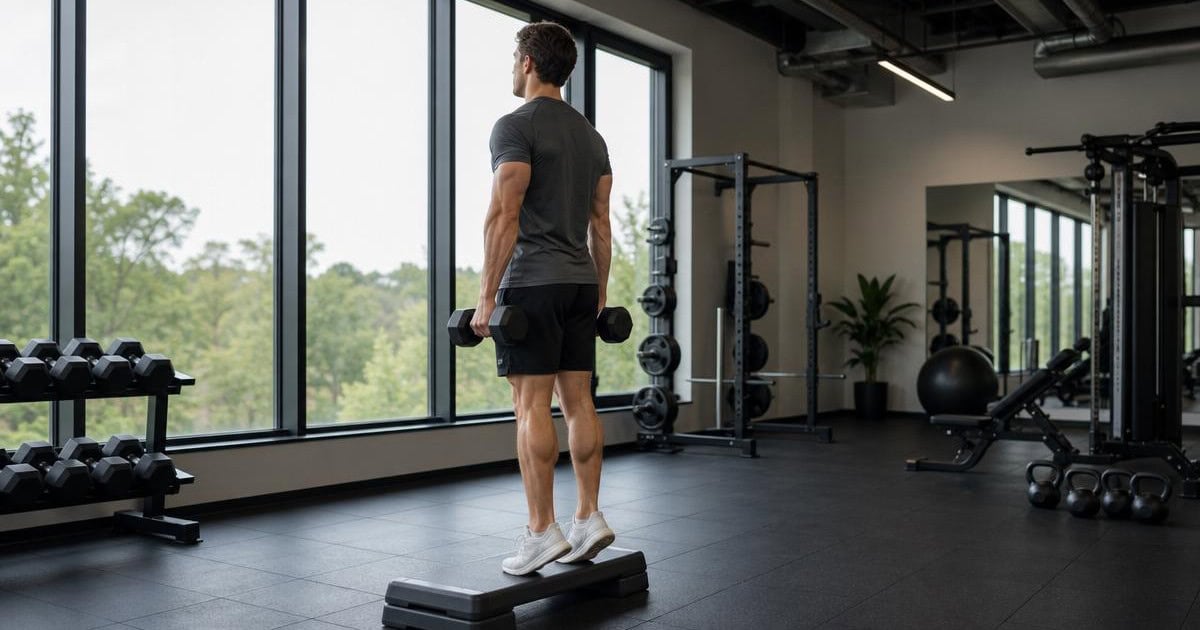
Building bigger delts requires understanding shoulder anatomy (the deltoids consist of three distinct heads – anterior/front delts, lateral/medial delts, and posterior/rear delts – each requiring different training stimulus to develop optimally) and the training principles that develop bigger delts specifically: heavy compound overhead pressing as the foundation (overhead press, dumbbell press), direct medial delt isolation (lateral raises) for shoulder width, direct rear delt isolation (rear delt flies) for posterior balance and shoulder health, complementary chest pressing (incline bench) for front delt support through compound work, dedicated front delt work (front raises) when needed for specifically lagging front delts, varied training modalities (free weights, cables, machines) for complete stimulus, and adequate volume distributed across all three delt heads. Most lifters who want bigger delts but struggle to build them are making one or more of these mistakes: focusing only on overhead pressing without medial delt isolation, neglecting rear delt work entirely (rear delts are typically underdeveloped), training shoulders only once per week, using insufficient volume on the smaller delt heads (medial and rear), or relying solely on compound lifts for delt development.
Below are ten of the most effective exercises for building bigger delts, covering primary compound pressing (barbell seated overhead press, dumbbell seated shoulder press, barbell incline bench press), direct medial delt isolation (dumbbell lateral raise, cable lateral raise), direct rear delt isolation (dumbbell rear delt fly), compound rear delt work (barbell bent over row), front delt isolation (dumbbell front raise), complete delt work (dumbbell Arnold press), and trap support (barbell shrug). Together they form a complete bigger delts program. A 60 to 75-minute delt-focused session pulled from this list, performed 1 to 2 times per week (or as primary shoulder work in upper-body sessions), produces strong delt development for any lifter focused on building visibly bigger delts, addressing delt weakness, or building the complete shoulder development that defines well-developed upper bodies.
Barbell Seated Overhead Press

The Barbell Seated Overhead Press performs strict overhead press. The pattern is foundational for delt mass.
For delt development, the barbell seated overhead press is foundational. The compound pattern produces extreme delt loading. Run it for 4 sets of 5 to 8 reps as primary delt mass work.
Sit on a bench with the back firmly against an upright pad. Grip a barbell slightly wider than shoulder-width with overhand grip. Unrack the bar to shoulder height. Press the bar straight overhead by extending the arms. Lower under control. The pattern is foundational for delt development – heavy overhead pressing produces extreme front delt and medial delt loading through the heaviest possible vertical pressing pattern. Most lifters with the most developed delts have built them on consistent heavy overhead press training plus dedicated isolation work. The compound nature trains delts alongside triceps and upper back.
Dumbbell Seated Shoulder Press

The Dumbbell Seated Shoulder Press performs seated dumbbell press. The pattern produces variation work for delts.
For delt development, the dumbbell seated shoulder press provides variation work alongside barbell pressing. Run it for 3 to 4 sets of 8 to 12 reps as variation delt work.
Sit on a bench with the back firmly against an upright pad. Hold dumbbells at shoulder height with palms facing forward. Press the dumbbells straight overhead by extending the arms. Lower under control. The pattern produces delt loading with dumbbells – allows different range of motion than barbell, addresses left/right asymmetries, and provides variation alongside heavy barbell work. Combined with barbell pressing, dumbbell pressing produces complete delt development through varied loading patterns.
Dumbbell Lateral Raise

The Dumbbell Lateral Raise performs lateral raises. The pattern produces direct medial delt isolation.
For delt development, the lateral raise is the most important medial delt exercise. Run it for 4 sets of 10 to 15 reps as primary medial delt work.
Stand with feet hip-width holding dumbbells at the sides with palms facing the body. Lift the dumbbells out to the sides by abducting the arms until they reach shoulder height. Keep slight bend in the elbows throughout. Squeeze the medial delts hard at peak. Lower under control. The pattern produces direct medial delt isolation – the most important exercise for medial delt development through pure shoulder abduction. The medial delts are critical for shoulder width and the broader shoulder appearance, and lateral raises produce the most direct medial delt loading possible.
Dumbbell Rear Delt Fly
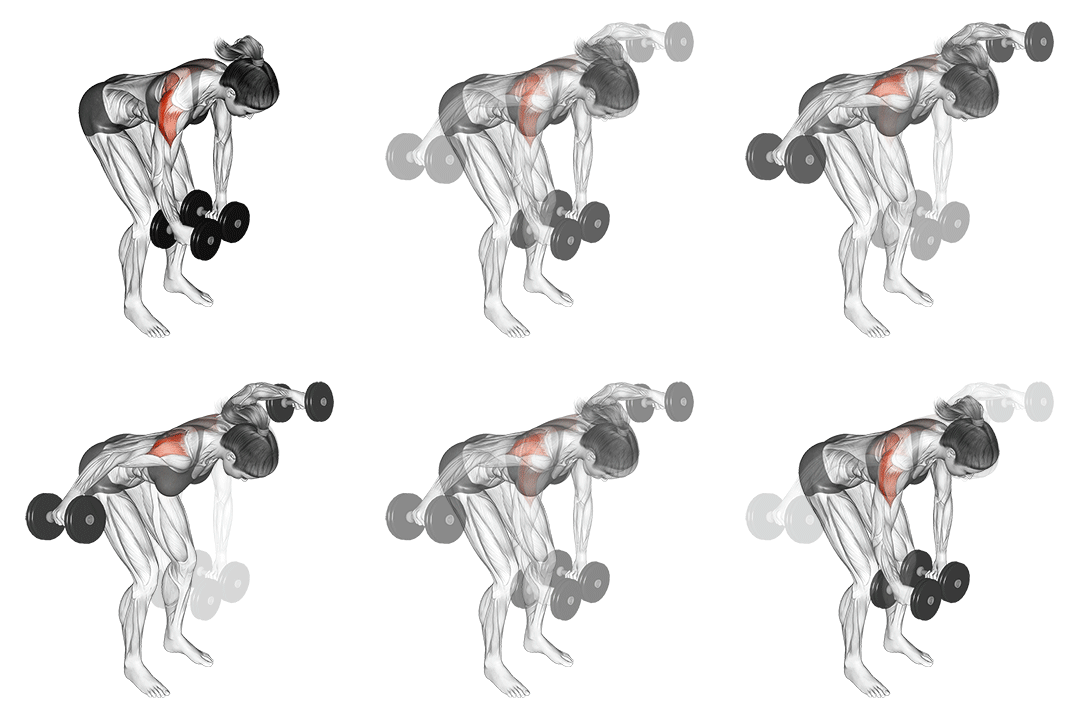
The Dumbbell Rear Delt Fly performs rear delt flies. The pattern produces direct rear delt isolation.
For delt development, the rear delt fly is the most important rear delt exercise. Run it for 4 sets of 12 to 15 reps as primary rear delt work.
Stand with feet hip-width holding dumbbells. Hinge forward at the hips with a flat back so the torso is parallel to the floor. Hold the dumbbells underneath the chest with palms facing each other. Lift the dumbbells out to the sides by raising the arms straight out to shoulder height. The rear delts and rhomboids work hard through horizontal abduction. Squeeze hard at peak. Lower under control. The pattern produces direct rear delt isolation – critical for complete delt development because rear delts are typically underdeveloped relative to front delts (which receive substantial work from chest training and overhead pressing).
Barbell Bent Over Row

The Barbell Bent Over Row performs barbell rows. The pattern produces compound rear delt and back loading.
For delt development, the bent-over row produces compound rear delt loading alongside back development. Run it for 3 to 4 sets of 6 to 10 reps as compound rear delt work.
Stand with feet hip-width holding a barbell at the front of the thighs with overhand grip. Hinge forward at the hips with a flat back so the torso is at about 45 degrees. Pull the bar to the lower chest by retracting the shoulder blades and pulling the elbows back. The lats, rhomboids, mid traps, and rear delts work hard. Squeeze the shoulder blades hard at peak. Lower under control. The pattern produces compound rear delt loading – while primarily a back exercise, bent-over rows produce substantial rear delt work through the horizontal pulling pattern. Excellent supplementary rear delt work alongside isolation.
Dumbbell Front Raise

The Dumbbell Front Raise performs front raises. The pattern produces direct front delt isolation.
For delt development, the front raise produces direct front delt isolation. Run it for 3 sets of 10 to 12 reps as front delt work.
Stand with feet hip-width holding dumbbells at the front of the thighs with palms facing the body. Lift the dumbbells straight up in front of the body by flexing at the shoulders until the dumbbells reach shoulder height. The front delts work hard. Lower under control. The pattern produces direct front delt isolation – the front raise specifically loads the front delts through pure shoulder flexion. Note: many lifters get sufficient front delt work from chest training and overhead pressing, so dedicated front raise work is sometimes optional. Add it when front delts are specifically lagging.
Cable Lateral Raise

The Cable Lateral Raise performs cable lateral raises. The pattern produces medial delt loading with constant tension.
For delt development, the cable lateral raise produces medial delt work with constant cable tension. Run it for 3 sets of 12 to 15 reps as medial delt variation work.
Set up a cable station with a low pulley and single handle attachment. Stand sideways to the cable, holding the handle in the far hand at the side. Lift the handle out to the side by abducting the arm until reaching shoulder height. The medial delts work hard with constant cable tension throughout the range. Squeeze hard at peak. Lower under control. Switch sides between sets. The pattern produces medial delt loading with constant tension – the cable resistance maintains tension throughout the range, producing more time under tension than free-weight versions. Excellent variation alongside dumbbell lateral raises.
Dumbbell Arnold Press
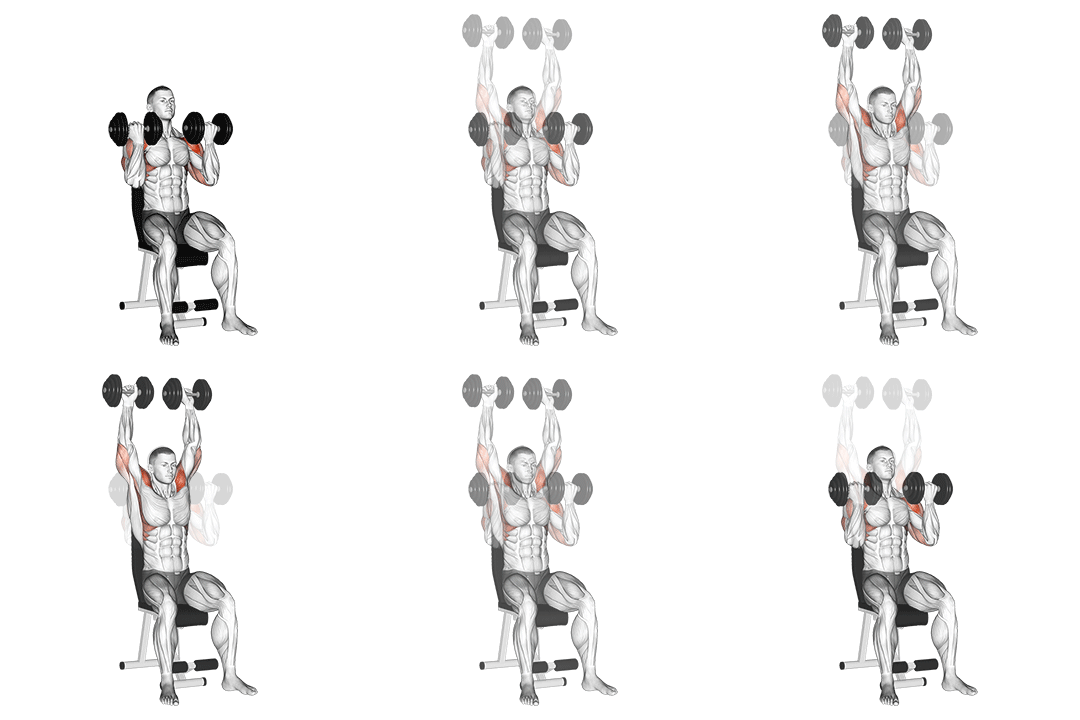
The Dumbbell Arnold Press performs Arnold press. The pattern produces complete delt loading through full range of motion.
For delt development, the Arnold press produces complete delt loading through rotational pattern. Run it for 3 sets of 8 to 12 reps as complete delt work.
Sit on a bench with the back firmly against an upright pad. Hold dumbbells at shoulder height with palms facing the body (rotated grip start position). Press the dumbbells overhead while rotating the wrists so palms face forward at the top. Reverse the motion on the way down. The pattern produces complete delt loading – the rotational element trains the front, medial, and rear delts through extended range of motion. Excellent complete delt exercise that complements isolation work and traditional pressing.
Barbell Shrug

The Barbell Shrug performs barbell shrugs. The pattern produces upper trap mass that contributes to delt appearance.
For delt development, the barbell shrug builds upper trap mass that complements delt development. Run it for 3 to 4 sets of 8 to 12 reps as upper trap work.
Stand with feet hip-width holding a barbell at the front of the thighs with overhand grip. Lift the shoulders straight up toward the ears by elevating the scapulae. The upper traps work hard through pure scapular elevation. Squeeze the upper traps hard at peak. Lower under control. The pattern produces direct upper trap loading – while not technically a delt exercise, upper trap mass contributes substantially to overall shoulder appearance and works synergistically with delt development for impressive yoke and shoulder appearance.
Barbell Incline Bench Press

The Barbell Incline Bench Press performs incline bench press. The pattern produces upper chest and front delt loading.
For delt development, the incline bench press produces compound front delt loading alongside upper chest. Run it for 3 sets of 6 to 10 reps as compound front delt work.
Set up a barbell on an incline bench (30 to 45-degree angle). Lie back on the bench with the eyes directly under the barbell. Grip the bar with hands wider than shoulder-width. Unrack the bar and position it over the upper chest. Lower the bar to the upper chest by bending the elbows. Press the bar back up by extending the arms. The pattern produces upper chest and front delt loading – the incline angle emphasizes the front delts more heavily than flat bench while still allowing heavy compound loading. Excellent compound work for front delt development.
How To Program These Workouts
A productive delt session pulls 6 to 8 exercises from the list above. A common balanced session: barbell seated overhead press (heavy primary), dumbbell lateral raise (medial delt), dumbbell rear delt fly (rear delt), dumbbell seated shoulder press (variation), cable lateral raise (medial delt variation), barbell bent over row (compound rear delt), barbell shrug (trap support). For shoulder width focus: dumbbell lateral raise (heavy), barbell seated overhead press (compound), cable lateral raise (variation), dumbbell arnold press (complete). For balance focus: include heavy rear delt work (dumbbell rear delt fly, bent over row) alongside pressing. Run heavy compound work for 3 to 4 sets of 5 to 10 reps, isolation work for 3 to 4 sets of 10 to 15 reps, accessory work for 3 sets of 8 to 12 reps. Total session covers 22 to 28 working sets focused on delt development.
Train delts 1 to 2 times per week as part of complete upper-body programming. Most successful delt programs structure work as: 1) primary shoulder day (heavy overhead pressing plus 3 to 4 isolation exercises), 2) optional secondary delt work (additional volume on weak heads – typically medial and rear delts), 3) integrated delt work in regular training. The delts respond well to higher volume and varied training stimulus – 16 to 24 weekly working sets across the three delt heads produces accelerated delt growth. Combined with progressive overload over time and varied training modalities, dedicated delt training produces visible delt development within 12 to 16 weeks for most lifters. Note: prioritize medial and rear delts since front delts receive substantial work from chest and pressing training.
For broader programming, see our how to grow your shoulders and how to build wider shoulders. For specific work, see our how to build a stronger overhead press.
Final Thoughts
Building bigger delts requires applying the right training principles consistently over time: heavy compound overhead pressing as the foundation, direct medial delt isolation for shoulder width, direct rear delt isolation for posterior balance, complementary chest pressing for front delt support, varied training modalities for complete stimulus, and adequate volume distributed across all three delt heads. The combination of overhead press, dumbbell press, lateral raises, cable lateral raises, rear delt flies, bent-over rows, front raises, Arnold press, shrugs, and incline bench press covers every functional pattern of delt development and produces broader shoulder, tricep, and upper-body development than press-only or isolation-only approaches would suggest. Most lifters who consistently apply these principles see measurable delt development within 12 to 16 weeks – including visibly bigger delts, more developed all three delt heads, broader shoulder appearance, and the complete shoulder development that defines impressive upper-body physiques. For lifters seeking bigger delts, dedicated comprehensive delt training is one of the most effective interventions available.
Stay focused on medial and rear delt isolation as the priority for delt appearance. The most common mistake lifters make in delt training is over-emphasizing overhead pressing (which builds front delts substantially) at the expense of medial and rear delt isolation. The fix: prioritize lateral raises (medial delts) and rear delt flies (rear delts) as primary isolation work alongside heavy overhead pressing. The medial delts create shoulder width that defines the V-taper appearance, and the rear delts contribute to posterior shoulder appearance and shoulder health – both are typically underdeveloped relative to front delts. Combined with appropriate compound pressing, focused medial and rear delt isolation produces the broader, more complete delt development that pressing-only training never achieves.
Frequently Asked Questions
How can I build bigger delts?
Heavy compound pressing plus medial delt isolation plus rear delt isolation. Heavy overhead press produces the foundational delt loading. Lateral raises develop the medial delts critical for shoulder width. Rear delt flies develop the posterior delts often underdeveloped. Combined with adequate volume (16 to 24 weekly working sets across all delt heads) and progressive overload, these form the foundation of delt development. The fastest gains come from prioritizing medial and rear delt isolation alongside heavy compound pressing.
How long does it take to build bigger delts?
12 to 16 weeks for measurable improvement, ongoing for elite delt development. Most lifters who consistently apply heavy delt work plus complete variations plus adequate volume see measurable delt development within 12 to 16 weeks. Beginners often see faster initial gains. Advanced delt development requires years of progressive training. The delts respond well to dedicated training – delt development often visibly improves faster than larger muscle groups due to their high-frequency tolerance.
What’s the best exercise for the delts?
Heavy overhead press plus lateral raises. Heavy overhead press produces the most efficient compound delt loading possible – it loads the front and medial delts with the heaviest weights of any shoulder exercise. Lateral raises produce direct medial delt isolation – the medial delts are critical for shoulder width. Combined with rear delt flies (rear delt), bent-over rows (compound rear delt), Arnold press (complete delt), and accessory work, overhead press plus lateral raises form the foundation of delt development.
How often should I train shoulders?
1 to 2 times per week as part of complete upper-body programming. The delts respond well to higher volume and varied training stimulus. Most successful programs include: 1) primary shoulder day (heavy overhead pressing plus isolation), 2) optional secondary delt work (additional volume on weak heads – typically medial and rear delts), 3) integrated delt work in regular training. Total weekly delt volume should be 16 to 24+ working sets across the three delt heads for accelerated growth.
Why are my delts not growing?
Most commonly insufficient medial and rear delt isolation. Most lifters get plenty of front delt work from chest training and overhead pressing but neglect dedicated medial delt (lateral raises) and rear delt (rear delt flies) isolation. The fix: prioritize lateral raises and rear delt flies as primary work alongside compound pressing. Combined with adequate volume (16 to 24 weekly working sets), progressive overload, and appropriate frequency, focused medial and rear delt isolation produces the delt development that pressing-only training never achieves.