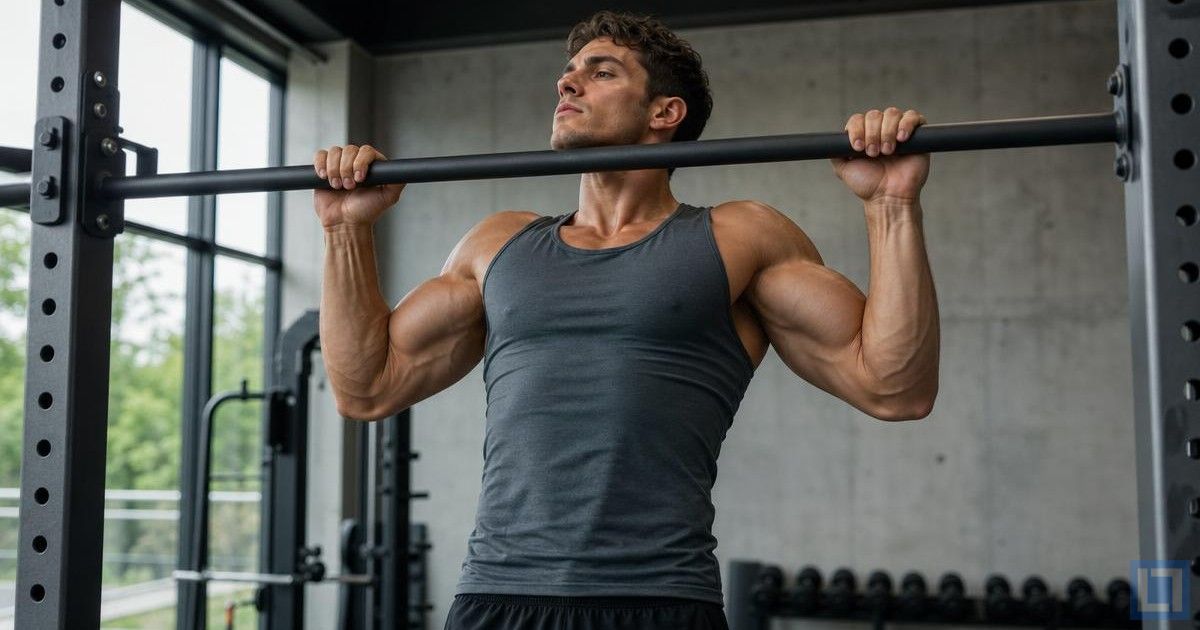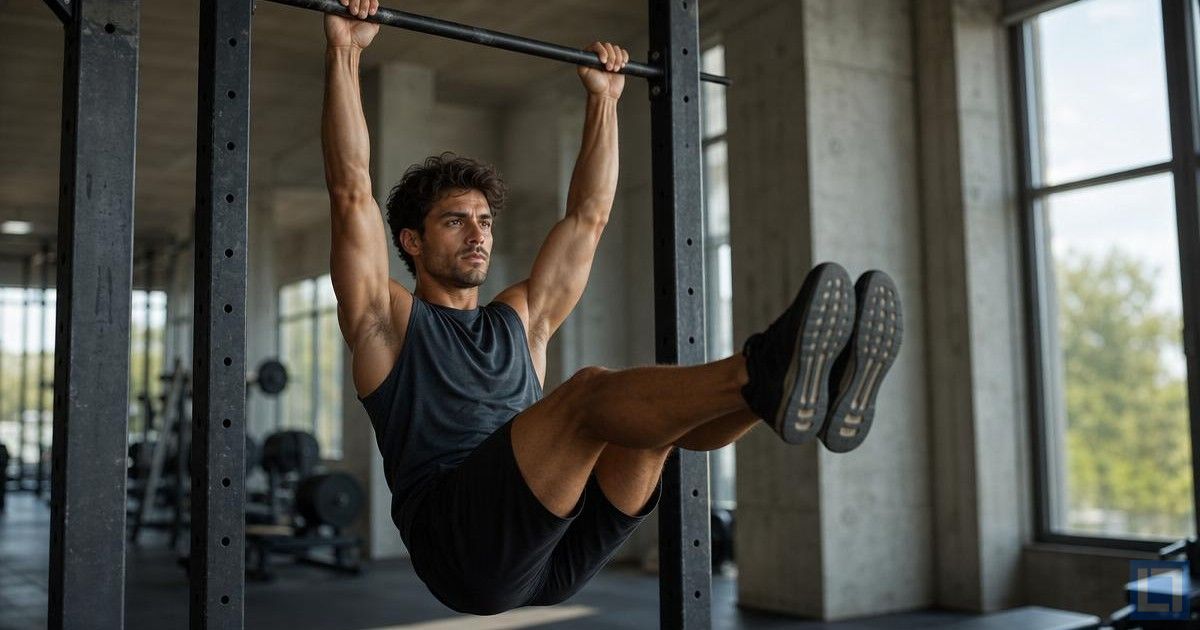
A strong core is the foundation of every productive lift, athletic movement, and daily-life function. The core (abdominals, obliques, deep transverse abdominis, lower back, hip flexors) functions primarily as a stabilizer that resists movement rather than producing it: anti-extension (preventing the spine from arching backward), anti-rotation (preventing the trunk from rotating), anti-lateral-flexion (preventing side-bending under uneven loads), and bracing (creating intra-abdominal pressure for heavy compound lifts). Effective core training emphasizes these stabilizing functions through anti-pattern exercises (planks, Pallof presses, suitcase carries) rather than traditional crunches that emphasize trunk flexion only. Most lifters who switch from crunch-focused ab work to anti-pattern core training see dramatic improvements in compound lift performance and athletic function.
Below are ten foundational core-strengthening exercises that cover anti-extension stability (front plank, hollow hold), anti-lateral-flexion stability (side plank, suitcase carry), anti-rotation stability (Pallof press, bird dog), bracing under load (farmer’s walk), advanced loaded core work (hanging leg raise, Turkish get-up), and contralateral coordination (dead bug). Together they form the complete core-strengthening exercise foundation. Pull 5 to 7 exercises per session and rotate the selection across sessions for complete development.
Plank on Hands
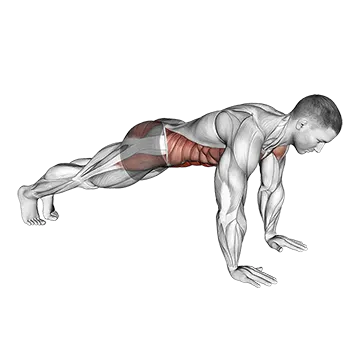
The Plank on Hands sets up in a high plank position with hands shoulder-width and body in a straight line, then holds isometrically while bracing the core. The pattern produces foundational core stability through anti-extension demand.
For core strength development, the plank is non-negotiable. The pattern hits every core stabilizer simultaneously through the isometric hold, which translates directly to strong bracing in compound lifts (squats, deadlifts) and athletic positions. Run it for 3 to 4 sets of 30 to 60-second holds as foundational core work.
Set up in a high plank position with hands shoulder-width and arms locked out. The body forms a straight line from head to heels. Brace the core hard, squeeze the glutes, and breathe normally. End the hold when form breaks down (hips sag or pike).
Side Plank
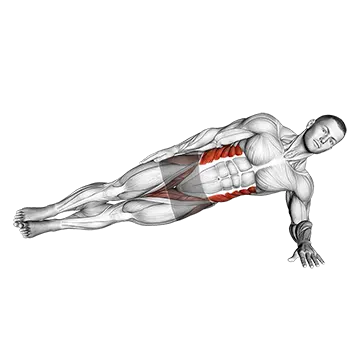
The Side Plank supports the body on one forearm and one foot, with the body forming a straight line on its side. The isometric hold produces strong oblique and lateral core loading.
For complete core strength, the side plank trains the lateral core stabilizers (obliques, quadratus lumborum) that standard planks miss. The pattern translates to anti-lateral-flexion demands in athletic positions and compound lifts. Run it for 3 sets of 30 to 60-second holds per side as primary lateral core work.
Lie on the side with one forearm on the floor and feet stacked. Lift the hips so the body forms a straight line from head to heels on its side. Hold the position while bracing the obliques hard. End the hold when form breaks down. Switch sides between sets.
Dead Bug

The Dead Bug lies on the back with arms extended toward the ceiling and knees bent at 90 degrees, then alternates extending the opposite arm and leg toward the floor. The pattern produces strong anti-extension core demand and trains contralateral coordination.
For core strength that translates to athletic positions, the dead bug develops the anti-extension stability needed for heavy overhead pressing, sprinting, and broader athletic function. The contralateral motion also develops cross-body coordination. Run it for 3 sets of 8 to 10 reps per side as primary anti-extension work.
Lie flat on the back with arms extended toward the ceiling and knees bent at 90 degrees. Press the lower back firmly into the floor. Slowly extend one arm overhead and the opposite leg out to nearly touch the floor. Return to the start. Alternate sides on each rep.
Bird Dog
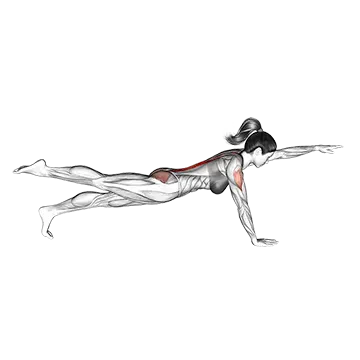
The Bird Dog sets up on hands and knees and alternates extending the opposite arm and leg straight out from the body. The pattern produces strong anti-rotation core demand combined with glute activation and contralateral coordination.
For functional core strength, the bird dog develops the anti-rotation stability needed for any single-arm or unilateral exercise. The pattern translates directly to athletic positions and produces strong combined core-and-glute loading. Run it for 3 sets of 8 to 10 reps per side as combined core-and-glute work.
Set up on hands and knees with hands shoulder-width and knees hip-width. Brace the core hard. Extend one arm forward and the opposite leg straight back, holding briefly at full extension. Return to the start. Alternate sides on each rep.
Hollow Hold
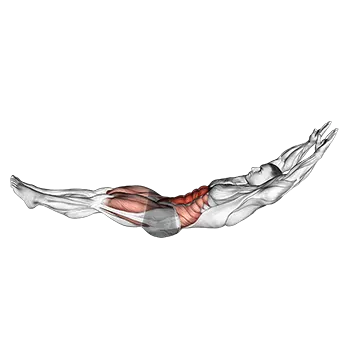
The Hollow Hold lies on the back with arms extended overhead and legs lifted slightly off the floor, holding the body in a banana-curve position. The isometric loading produces extreme abdominal demand throughout the position.
For maximum core strength development, the hollow hold is the gold-standard gymnastics core exercise. The pattern produces continuous full-body tension with the abs as the primary working muscle. Most gymnastics-trained athletes have visible six-packs primarily from hollow body training. Run it for 3 sets of 20 to 45-second holds as advanced core work.
Lie flat on the back with arms extended overhead. Press the lower back firmly into the floor. Lift the shoulder blades slightly off the floor. Lift the legs slightly off the floor. The body forms a slight banana curve with the abs braced hard. Hold while breathing normally.
Farmers Walk
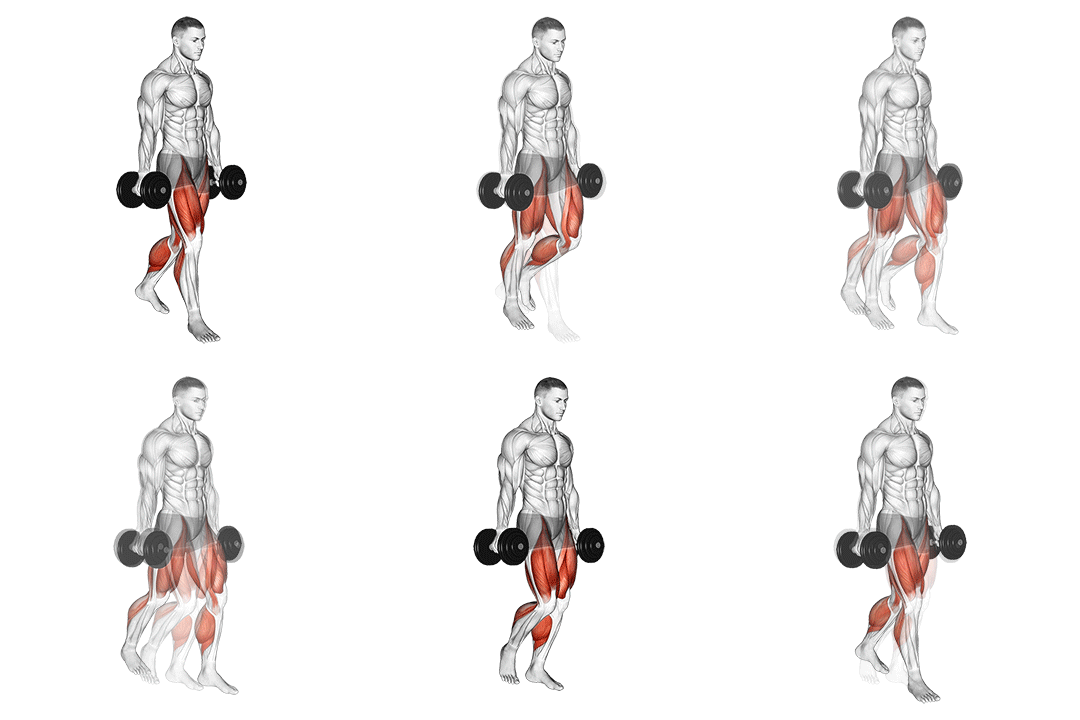
The Farmers Walk holds heavy dumbbells (or specialized handles) at the sides and walks for distance or time while maintaining upright posture. The exercise produces extreme core stability under load along with grip strength and trap loading.
For functional core strength, the farmer’s walk is one of the most translatable exercises that exists. The pattern develops the core stability needed to maintain upright posture under heavy unilateral loading, which translates to virtually every athletic and daily-life movement. Run it for 3 to 4 sets of 50 to 100-foot distances or 30 to 60-second carries.
Hold heavy dumbbells at the sides with arms extended. Stand tall with shoulders back and chest out. Walk forward at a steady pace while maintaining upright posture and tight grip on the dumbbells. Continue for the prescribed distance or time. Set the dumbbells down with control.
Cable Lying Pallof Press

The Cable Lying Pallof Press lies on the back with a cable attached to the side and presses the cable handle straight up over the chest, holding briefly while the cable tension tries to rotate the trunk. The pattern produces strong anti-rotation core demand.
For anti-rotation core strength, the Pallof press is one of the most direct exercises that exists. The pattern hits the core stabilizers that resist rotation, which translates to strength in any single-arm or rotational movement. Run it for 3 sets of 10 to 12 reps per side as direct anti-rotation work.
Lie flat on the back with a cable attached to one side at floor level. Hold the cable handle at the chest with both hands. Press the handle straight up over the chest, holding briefly while resisting the cable tension that tries to rotate the trunk. Lower under control. Switch sides between sets.
Dumbbell Suitcase Carry
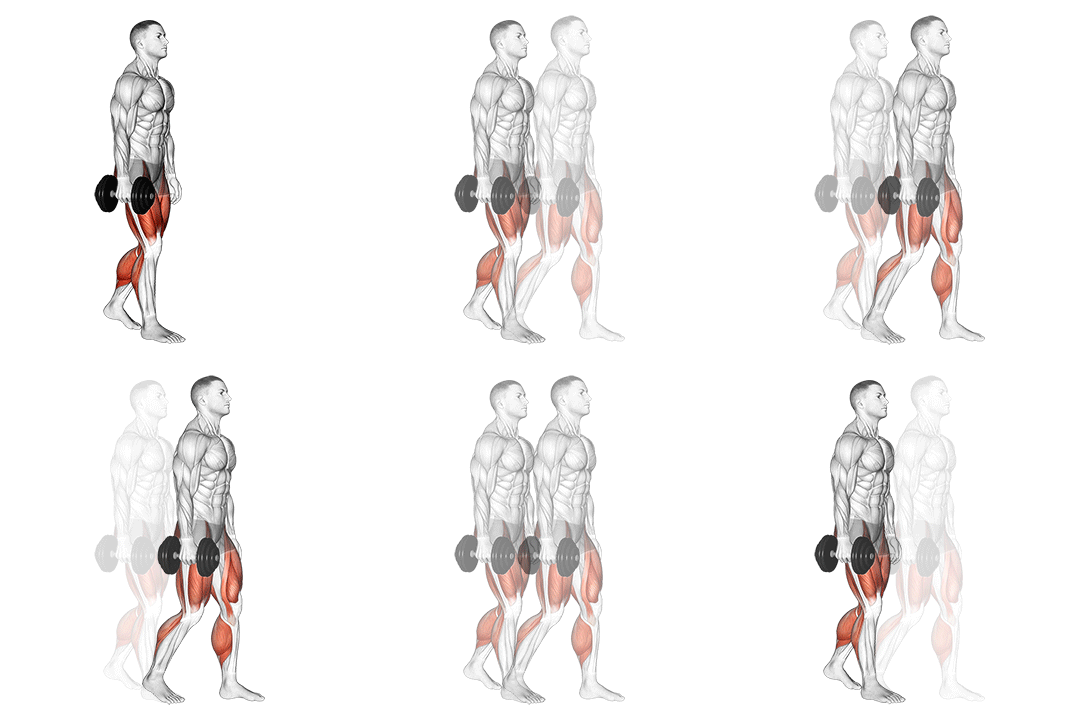
The Dumbbell Suitcase Carry holds a single dumbbell at one side and walks for distance or time while maintaining upright posture. The unilateral loading produces extreme anti-lateral-flexion core demand.
For unilateral core strength, the suitcase carry trains the lateral core stabilizers under maximum load. The unilateral pattern catches strength imbalances and translates to single-leg and single-arm athletic positions. Run it for 3 sets of 50-foot distances per side or 30-second carries per side.
Hold a single heavy dumbbell at one side with arm extended. Stand tall with shoulders level (avoid leaning toward the loaded side). Walk forward at a steady pace while maintaining upright posture and level shoulders. Continue for the prescribed distance. Switch sides between sets.
Hanging Leg Raise

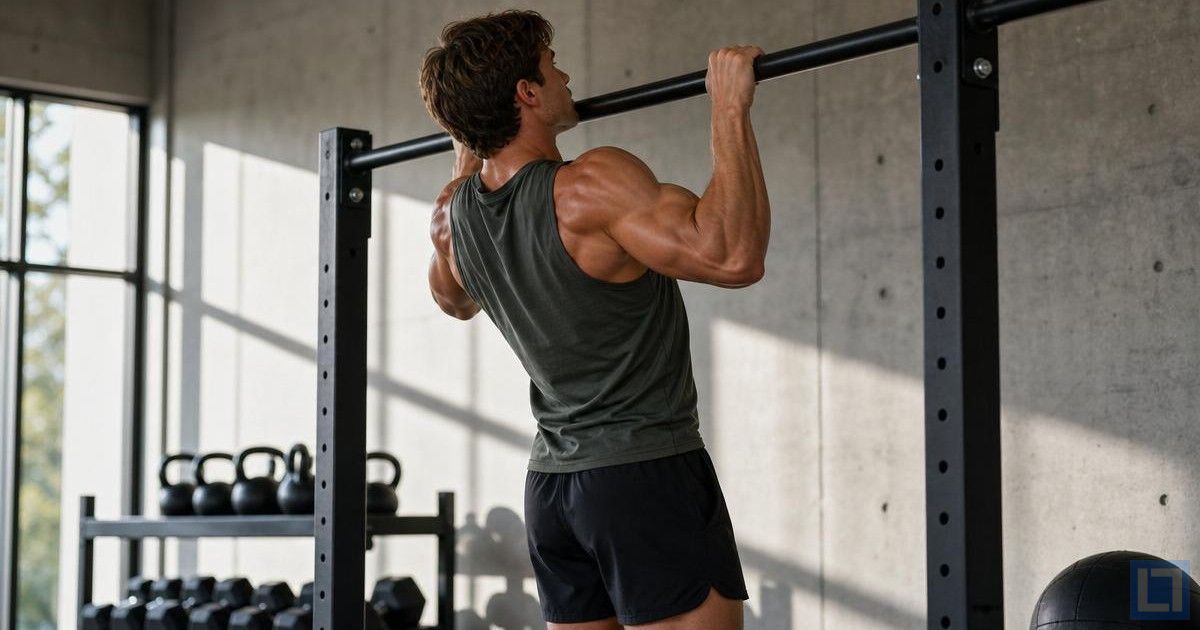
The Hanging Leg Raise hangs from an overhead bar and lifts the legs up in front of the body to roughly horizontal or higher. The pattern produces extreme abdominal demand combined with grip and shoulder stability work.
For advanced core strength, the hanging leg raise is one of the most demanding direct core exercises that exists. The pattern hits the lower abs and hip flexors with significant loading while requiring grip strength and shoulder stability. Run it for 3 sets of 8 to 12 reps as advanced core work.
Hang from an overhead bar with overhand grip, arms fully extended. Lift the legs up in front of the body to roughly horizontal, contracting the abs hard at the top. Lower under control without swinging. Avoid using momentum.
Kettlebell Half Turkish Get-up

The Kettlebell Half Turkish Get-up presses a kettlebell overhead from a lying position and transitions to a half-kneeling position while keeping the kettlebell pressed overhead. The complex pattern produces extreme full-body core demand and shoulder stability.
For elite core strength development, the half Turkish get-up combines core stability, shoulder stability, and full-body coordination in one rep. The pattern translates to athletic positions and develops the core function needed for advanced training. Run it for 3 sets of 5 to 8 reps per side as advanced full-body core work.
Lie flat on the back with a kettlebell pressed overhead with one arm. Bend the same-side knee with foot planted. Use the free arm to support and roll up to a seated position, then to a half-kneeling position, all while keeping the kettlebell pressed overhead. Reverse the motion to return to lying. Switch sides between sets.
How To Program These Workouts
A productive core-strengthening program organizes these exercises across 2 to 3 sessions per week. A standard core session: front plank (3 sets of 30 to 60 seconds), side plank (3 sets of 30 to 60 seconds per side), dead bug (3 sets of 8 to 10 per side), bird dog (3 sets of 8 to 10 per side), Pallof press (3 sets of 10 to 12 per side), and farmer’s walk or suitcase carry (3 sets of 50 to 100 feet). Add 1 to 2 advanced exercises (hanging leg raise, Turkish get-up) for established lifters. Total session covers 18 to 24 working sets across all major core functions.
Train core 2 to 3 times per week as dedicated sessions or attached to broader strength training (post-workout finishers). The core recovers within 24 to 48 hours of moderate training, which allows higher frequency than larger muscle groups. Most successful programs include 2 to 3 dedicated core sessions per week or daily 10-minute core finishers attached to other workouts. The combination of dedicated sessions and finisher work produces faster development than either approach alone.
For broader core programming, see our best at home core workouts and best dumbbell core workouts. For specific ab training, see our best 20 minute ab workouts.
Final Thoughts
Building a stronger core requires consistent training of all four major stabilizing functions (anti-extension, anti-rotation, anti-lateral-flexion, and bracing under load) across multiple weekly sessions. The combination of foundational planks, contralateral coordination work, anti-rotation exercises, loaded carries, and advanced patterns covers every core function and produces the kind of complete core strength that translates to compound lifts, athletic positions, and daily-life movements. For lifters who want functional core strength rather than just visible abs, dedicated core training following the structure outlined here is one of the most effective approaches available.
Stay focused on bracing rather than rep counting. The most common core training mistake is chasing higher rep counts on traditional crunches while skipping the anti-pattern exercises that build functional core strength. The fix: prioritize quality bracing on planks, Pallof presses, and carries over rep volume. A 60-second strict plank with hard bracing produces more functional core development than 100 reps of crunches. The core grows strongest through stabilization training; respect that pattern by emphasizing anti-pattern exercises in every core session.
Frequently Asked Questions
How long does it take to build a stronger core?
Most lifters feel meaningful core strength improvements within 4 to 6 weeks of dedicated core training. Functional improvements (better bracing in compound lifts, stronger athletic positions) appear within 6 to 8 weeks. Major core development continues over 6 to 12 months of consistent practice. The core responds quickly to dedicated training because most lifters have undertrained their core relative to other muscle groups, which means the response is rapid in the early months.
Are planks better than crunches for core strength?
Yes for functional strength. Planks train the anti-extension stability function that the core uses most often (in compound lifts, athletic positions, daily life). Crunches train trunk flexion which is one specific function but not the dominant function. Most successful core training programs include both: planks (and other anti-pattern exercises) for foundational strength, with crunches as accessory work for visible ab development. Programs relying only on crunches develop limited functional core strength.
How often should I train my core?
Two to three times per week as dedicated sessions, or daily as 10-minute finishers attached to other workouts. The core recovers within 24 to 48 hours of moderate training, which allows higher frequency than larger muscle groups. Most successful programs include 2 to 3 dedicated core sessions per week. Advanced practitioners often train core daily as part of broader strength programs.
Will a stronger core help my deadlift and squat?
Yes, significantly. The core stabilizes the spine during heavy compound lifts; weak core stability is one of the most common limiting factors for lifters trying to add weight to squats, deadlifts, and overhead presses. Most lifters who add dedicated core training to their programs see measurable strength improvements in compound lifts within 4 to 6 weeks. The combination of bracing-focused core work (planks, carries) and compound lift practice produces faster strength gains than either alone.
Do I need equipment to train my core?
Most foundational core exercises work without equipment (plank, side plank, dead bug, bird dog, hollow hold). Adding dumbbells and a kettlebell expands the exercise selection significantly (farmer’s walk, suitcase carry, Turkish get-up). A pull-up bar enables advanced work (hanging leg raise). Most successful core training works with minimal equipment investment; even bodyweight-only training produces strong core development for years of consistent practice.